
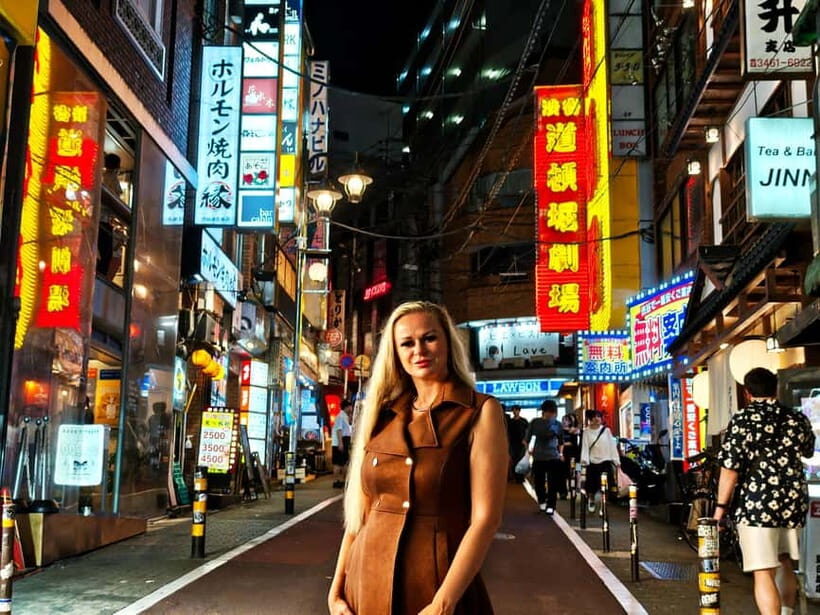
Reviewed · EVENING EXPERIENCES
Tokyo: Evening Tour – Temples, Neon Streets & Culture
Tokyo feels different after sunset. This evening walking tour turns the city’s lights on full mode, from softly glowing temples to neon streets you see in movies. I like the night-spot mix (Asakusa, Shibuya Crossing, Shinjuku, Akihabara) and I especially like how the guide can tailor the route to your pace and needs, including examples like Deen customizing for someone recovering from knee surgery and Sofia tailoring for both interests and abilities.
There is one catch: you’re on your feet for a few hours, and the total walking distance can vary. So come with comfortable shoes and a charged phone, and be honest with your guide about what your body can handle.
In This Review
- Key points before you go
- Why Tokyo after dark hits harder than you expect
- How the guide keeps the walk moving (and not miserable)
- Asakusa at night: lantern light and a quieter kind of awe
- Shibuya Crossing under billboards: the city’s volume turned up
- Shinjuku nightlife: from Omoide Yokocho alleyways to Kabukicho signs
- Akihabara after dark: anime, gaming, and tech culture in neon form
- The real value: customization that respects your day
- Price and whether $83 makes sense for you
- What you should bring (so the tour feels good, not hard)
- Who this evening Tokyo walk is best for
- Booking basics in plain language
- Should you book this Tokyo evening tour?
- FAQ
- How long is the Tokyo evening tour?
- What time does the tour start?
- Where in Tokyo does the tour go?
- How much does it cost?
- Is the tour a private group?
- What languages are available for the guide?
- Are entrance tickets included?
- Are public transportation fees included?
- Are photos included?
- What should I bring?
Key points before you go
- Starts after 4:00 PM, so you miss the worst daylight heat and biggest crowds.
- Private group with an English-speaking guide (Spanish also available; Italian where offered).
- Iconic stops at night: Asakusa lanterns, Shibuya Crossing, Shinjuku nightlife lanes, Akihabara after-dark culture.
- You’ll use public transit between areas, like locals do (you pay any transit fees yourself).
- Your guide can take photos during the walk, and there may be a professional photographer option if available.
- Route flexibility is a real part of the experience, not a marketing line.
Other ways into a Tokyo evening
- Tokyo Night Foodie Tour in Shinjuku – Seasonal Sushi, Wagyu Beef★ 5.0 · 1,161 reviews
- Tokyo After 5: Authentic Japanese Food & Drink Night Tour★ 4.5 · 560 reviews
- Tokyo: Samurai Entertainment Night Show in Kanda Shrine★ 4.6 · 417 reviews
Why Tokyo after dark hits harder than you expect
Daytime Tokyo is efficient. Nighttime Tokyo is emotional. The air cools, the pace changes, and the city looks less like an itinerary and more like a living set.
This tour is built around that shift. You start in the late afternoon, when the sky is still light enough to get oriented, but the neighborhoods are already waking up. As darkness settles, you get temples lit for evening calm, and you get shopping and entertainment districts where signs, billboards, and handheld screens create their own kind of weather.
Two things make this smart for most people. First, you get better photos because lighting is dramatic and movement looks natural, not blown out by midday sun. Second, you spend less energy fighting crowds at the most popular time of day.
How the guide keeps the walk moving (and not miserable)
This is a walking tour, and you’ll move between neighborhoods using Tokyo’s public transit system. That’s part of the value: you’re not burning time guessing routes or trying to coordinate multiple buses and trains on your own.
Still, the walking portion is real. The tour is listed as about 3 hours, with typical duration often running 3–4 hours and going until 11 PM latest. The exact distance can vary depending on your pace and what you care about, and the guide can adjust along the way. That flexibility is the difference between a tour that feels fun and one that turns into a march.
The guide approach also matters. In the feedback I saw, Deen and Sofia both got praised for being able to talk through options and adapt on the fly. If you have mobility limits or you’re traveling with someone who needs a slower rhythm, this kind of tailoring can be the whole point of booking a guided walk instead of doing it solo.
Asakusa at night: lantern light and a quieter kind of awe
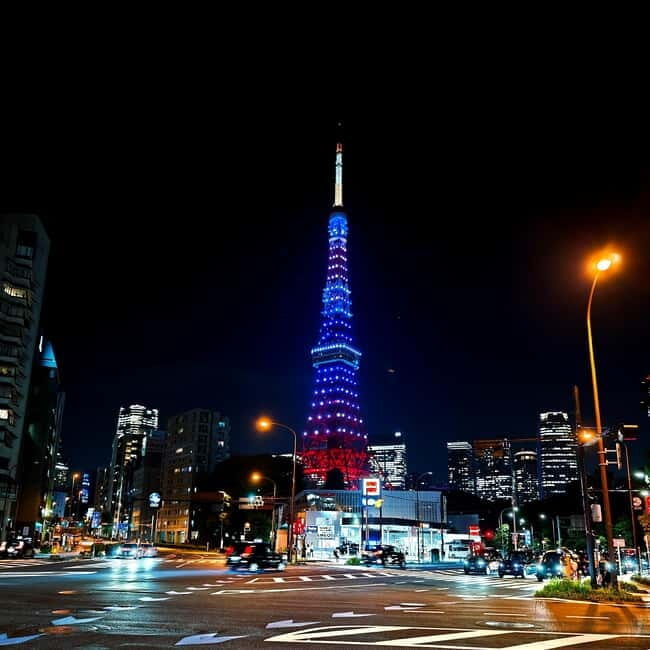
Asakusa is where old Tokyo still feels tangible. The tour’s night start makes Asakusa especially good because the area transitions from sightseeing chaos into something closer to street life.
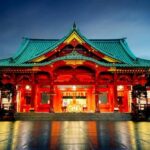
You’ll see Tokyo’s oldest temple area in a new mood as lanterns get lit and evening crowds thin out. Even if you’ve seen photos before, the lighting changes everything. The glowing tones flatten harsh shadows and make details easier to notice—things like textures, signage, and the way people naturally pause as they come in from the streets.
What I like about this stop is that it gives you a grounding before the neon overload later. You go from spiritual atmosphere to the visual roar of modern districts without it feeling random.
A practical note: temples mean walking through areas that can still be busy, even at night. If your goal is calm photos, tell your guide early, and they can help you choose better timing and angles as the group moves.
Shibuya Crossing under billboards: the city’s volume turned up
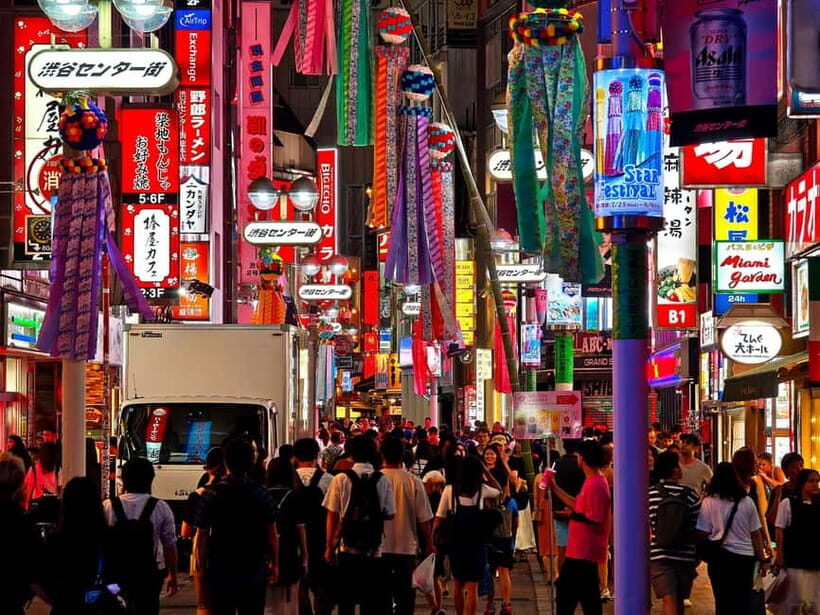
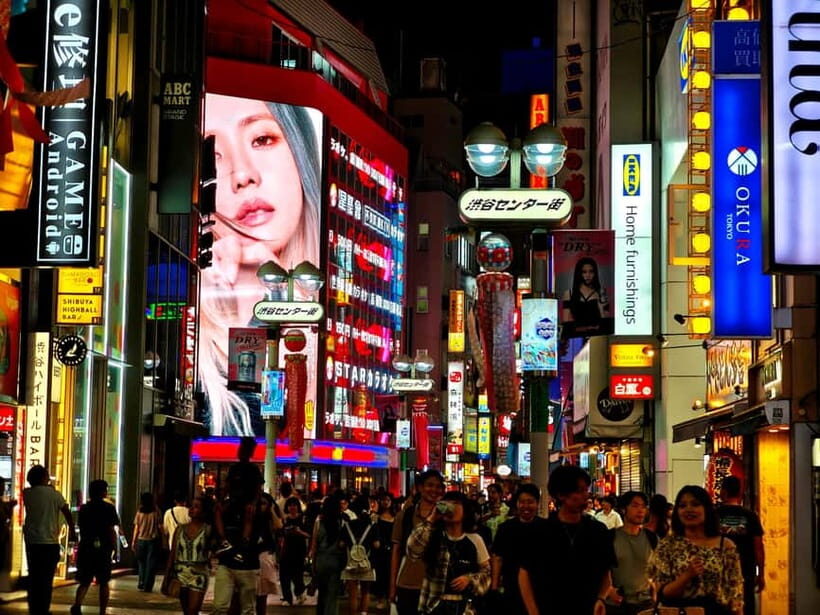
After Asakusa, the contrast is sharp. Shibuya Crossing is one of the most famous intersections in the world, and at night it feels less like a landmark and more like a stage.
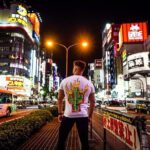
The guide takes you through the crossing area when the billboards and city lights are on full display. You get that iconic sense of scale—everyone crossing at once—without needing to plan it yourself down to the minute.
This is a good stop for first-timers because Shibuya is where Tokyo’s modern identity is loud and obvious. It’s also a good stop for photographers because the light sources are varied: screens, street lamps, storefront glow, and traffic signals all create layers.
One consideration: Shibuya is famous for a reason, so you shouldn’t expect empty streets. The trick is picking your positions and timing. Having a guide helps you avoid standing in the wrong spot for the photos you want.





Shinjuku nightlife: from Omoide Yokocho alleyways to Kabukicho signs
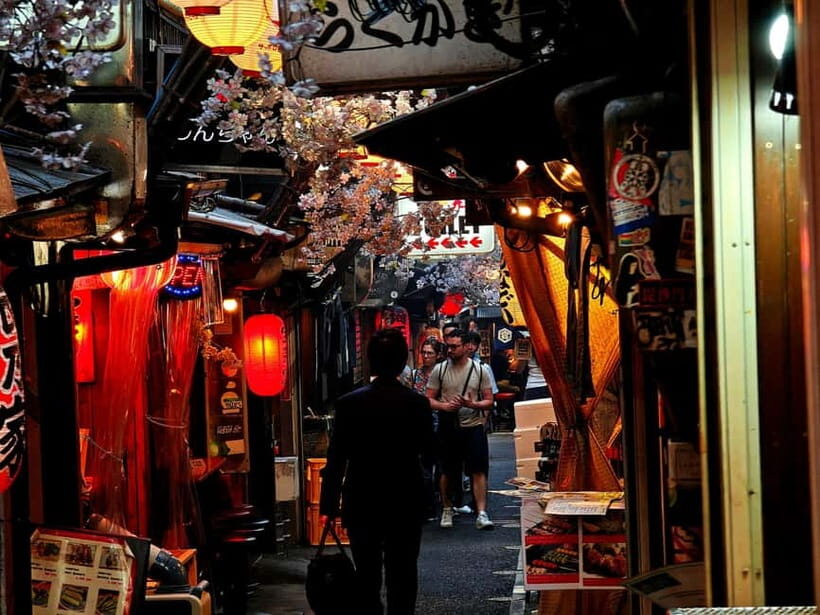
Shinjuku at night is where Tokyo turns into a choose-your-own-adventure. This part of the tour focuses on the nightlife streets and the small lanes where the atmosphere feels like it belongs to the evening.
The route commonly includes Omoide Yokocho and then moves toward Kabukicho. Omoide Yokocho is known for its narrow alley character, where you can see the “small place, big personality” vibe of Tokyo’s dining culture. Kabukicho shifts that mood into a more theatrical zone with dense signage and entertainment energy.
If you like street scenes, this is one of the best parts of the tour because you’re not just looking at buildings. You’re watching how people actually move through the district after dark—where they queue, how groups gather, and how neon guides foot traffic.
The drawback to plan for: it can be overwhelming if you hate crowds or noise. But a good guide can help you manage what you’re comfortable with—shorter photo stops, quicker repositioning, or a more focused path through the lanes.
Akihabara after dark: anime, gaming, and tech culture in neon form
Akihabara at night feels different than Akihabara in daylight because the stores and themed signage take over the street. This is the stop that hits for anime, gaming, and tech fans—but it also works if you’re just curious. You don’t need to be a hardcore fan to enjoy the atmosphere.
The tour’s goal here is to show you the after-dark feel: bright store fronts, tech culture visible at street level, and the kind of street texture you can’t fully appreciate just looking from the sidewalk.
The guide may also take you to lesser-known areas depending on the day, including alleys or viewpoints that are more photogenic than the obvious streets. That flexibility is useful because Akihabara changes block by block, and the best photo angles are often not on the main road.
A practical tip: if you want specific kinds of shopping (anime goods, gaming gear, or tech gadgets), you’ll likely need a little extra time after the walk. This is a sightseeing and culture walk, so plan to use the tour to get oriented, then decide what’s worth a follow-up stop.
The real value: customization that respects your day
A big reason people love this tour is the customization. It’s not only about choosing what to see. It’s about how you move through it.
In the examples from the guides’ work, Deen was praised for customizing on the fly for a person recovering from knee surgery. Sofia was praised for tailoring to interests and abilities, and for having a sharp eye for small practical details like finding gifts to bring back to the States.
That matters because evening touring can be tricky. Tokyo’s nightlife districts are sensory heavy. If you’re tired, it’s easy to lose interest fast. A guide who adjusts the pace and focus can keep the experience enjoyable.
Also, the tour includes photos taken by your guide if available. If there’s a professional photographer option too, that can be a bonus for people who want cleaner results without juggling a camera while walking. Even when that option isn’t available, you still have the guide’s help for getting your group positioned for the right angles.
Price and whether $83 makes sense for you
At $83 per person for a roughly 3-hour evening walk, you’re paying for three things: an English/Spanish-speaking guide, an evening route across multiple neighborhoods, and the time saved from planning.
Is it cheap? No. But it’s not just “time with a guide.” You’re getting a curated night sequence across Asakusa, Shibuya, Shinjuku, and Akihabara, and you’re doing it at the hour when Tokyo looks best.
Where the value really shows: if you’d otherwise need to connect neighborhoods yourself, fight crowds, and still figure out where to stand for photos at Shibuya Crossing. The tour reduces that mental load and gives you a smoother experience.
What’s not included matters too. Public transit fees and any entrance tickets (if needed for yourself) aren’t included. Meals and personal shopping costs are also on you. So think of this as a guided evening plan, not an all-in dinner-and-souvenir package.
What you should bring (so the tour feels good, not hard)
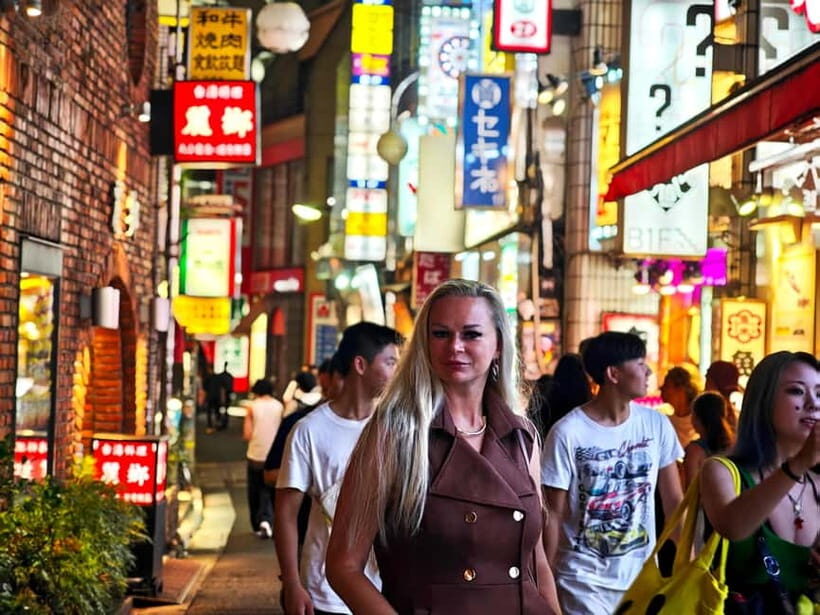
This kind of night walking tour is easy to enjoy when you show up ready.
Bring:
- Comfortable walking shoes
- A camera (or at least a phone you trust for low light)
- Comfortable clothes for evening temps
- A charged smartphone so you don’t lose photos or directions
A small strategy that helps: set your phone’s camera settings or enable photo stabilization before you meet. Low light can be tricky, and the best photo moments move quickly.
Also, if you’re traveling with a group, let your guide know early who has mobility limits, who needs more breaks, and who wants the most photos. That’s how the customization works in real life.
Who this evening Tokyo walk is best for
This tour is a strong fit if you want Tokyo after dark without turning your evening into a stressful navigation project.
It’s especially good for:
- First-timers who want a guided route through iconic neighborhoods
- People who hate daytime heat and want cooler walking conditions
- Photo-focused travelers who care about night lighting and good angles
- Visitors who want culture that mixes old and new, temple calm and neon energy
- Groups who want a private setup, rather than getting blended into a large crowd
It may not be the best fit if you strongly dislike walking or crowds and you haven’t picked your pace. Even though customization is possible, it’s still a night itinerary built around moving between districts.
Booking basics in plain language
You can start any time after 4:00 PM. The exact meeting point and time get confirmed after booking, and the tour runs with a live guide in English (Spanish also available; Italian where offered).
It’s wheelchair accessible, and it’s a private group. Children under 12 can join for free if included in the booking.
If you’re the type who needs plan flexibility, free cancellation up to 24 hours in advance and reserve-and-pay-later options are typically available. That’s useful if your flight time or dinner plans might shift.
Should you book this Tokyo evening tour?
I’d book it if you want Tokyo at its best lighting, with someone handling the pacing and routing so you can focus on the sights. The combination of temples, Shibuya Crossing, Shinjuku nightlife lanes, and Akihabara culture gives you variety without feeling scattered, and the guide flexibility is a real quality multiplier.
I would skip or reconsider if you know you can’t handle a few hours of walking or you prefer total freedom with no schedule. In that case, a self-guided night plan can work. But for most people, paying for a guided evening walk is a smart way to get the Tokyo you came for—without the daytime grind.
If you want, tell me your travel month and whether you care more about photos, food streets, or anime/tech. I can suggest a simple pre-planning checklist so your evening runs smoothly.
FAQ
How long is the Tokyo evening tour?
The tour lasts about 3 hours, and it may run up to 3–4 hours depending on pacing and preferences.
What time does the tour start?
You can start anytime after 4:00 PM.
Where in Tokyo does the tour go?
It commonly includes Asakusa, Shibuya Crossing, the Shinjuku nightlife area (including Omoide Yokocho and Kabukicho), and Akihabara after dark.
How much does it cost?
The price is $83 per person.
Is the tour a private group?
Yes, it’s listed as a private group.
What languages are available for the guide?
The tour guide speaks English, and Spanish is also available. Italian is also mentioned as available.
Are entrance tickets included?
Entrance tickets are not included, if any are needed for you.
Are public transportation fees included?
Public transportation fees are not included, since you use public transit to move between neighborhoods.
Are photos included?
Photos taken by your guide are included if available. There may also be a professional photographer option if available.
What should I bring?
Wear comfortable shoes and comfortable clothes. Bring a camera if you want photos, and a charged smartphone.
When the Lanterns Come On

More Tours in Tokyo



More Tour Reviews in Tokyo



Fresh reviews from around Tokyo






Evening Experiences, compared.
 ★ 5.0Tokyo Night Foodie Tour in Shinjuku – Seasonal Sushi, Wagyu BeefFrom $1111,161 reviews
Daikoku JDM Car Meet & Night Car Culture TourFrom $98626 reviews
★ 5.0Tokyo Night Foodie Tour in Shinjuku – Seasonal Sushi, Wagyu BeefFrom $1111,161 reviews
Daikoku JDM Car Meet & Night Car Culture TourFrom $98626 reviews
 ★ 4.5Tokyo After 5: Authentic Japanese Food & Drink Night TourFrom $122560 reviews
 ★ 4.9EVO, WRX, Skyline – JDM Night Run to Daikoku Car MeetFrom $125478 reviews
 ★ 4.6Samurai Entertainment Night Show in Kanda ShrineFrom $41417 reviews
 ★ 5.0Daikoku JDM Car Meet & Night Car Culture TourFrom $99232 reviews
 ★ 5.0Yoshimoto Comedy Night OWARAIFrom $21229 reviews
 ★ 5.0Tokyo by Night Photography Tour (Private Option Available)From $105151 reviews
Browse the lists this tour appears in