
Reviewed · 1-DAY TOURS
Tokyo Customized Private Tour: See Top Attractions in 1 Day
Tokyo gets easier when you have a map-human.
This private tour shines because you get a customized itinerary and real metro confidence. Your guide helps you match stops to your interests and even your fitness level, so the day feels like Tokyo, not a race.
Guides like Yeomi, Laila, and Tak are often praised for doing exactly that: tailoring the route on the fly and making the logistics painless, sometimes even teaching how stations work so you can travel on your own afterward. You also get a good mix of old and new Tokyo, from temple streets to modern neighborhoods, with a dedicated person to keep you moving.
One consideration: it’s a walking-and-metro day, and the tour price doesn’t cover transportation, lunch, or entrance fees. Also, it isn’t suitable for wheelchair users, so plan accordingly.
In This Review
- Key things to know before you go
- Why this private guide tour works in Tokyo
- 4 hours, 6 hours, or 8 hours: picking the right version
- Morning start: Sensō-ji and Asakusa streets (classic Tokyo energy)
- Meiji Shrine + Harajuku area: calm forest vibes and style
- Tsukiji Outer Market: food, motion, and a smart plan if it’s closed
- Shibuya and Shinjuku: big-city icons with real walking time
- Tokyo Tower area-style views and the skyline question
- Longer-day add-ons: Tokyo National Museum, Odaiba, and Hama-rikyū
- Metro tips: the hidden win if you want to travel after the tour
- Price and what you still need to budget
- Practicalities that can make or break your day
- Who this private Tokyo tour suits best
- Should you book this 1-day private Tokyo tour?
- FAQ
- How long is the Tokyo Customized Private Tour?
- Is this tour private?
- Do I get hotel pickup and drop-off?
- Is lunch included?
- Are entrance fees included?
- Does the tour use public transportation?
- What happens if Tsukiji is closed?
- Is the tour suitable for wheelchair users?
Key things to know before you go
- Your day, your order: you can adjust the route to your interests and time window (4h, 6h, or 8h).
- Market + temple fallback: if Tsukiji is closed, you’ll swap in Imperial Palace or Hama-rikyū Garden.
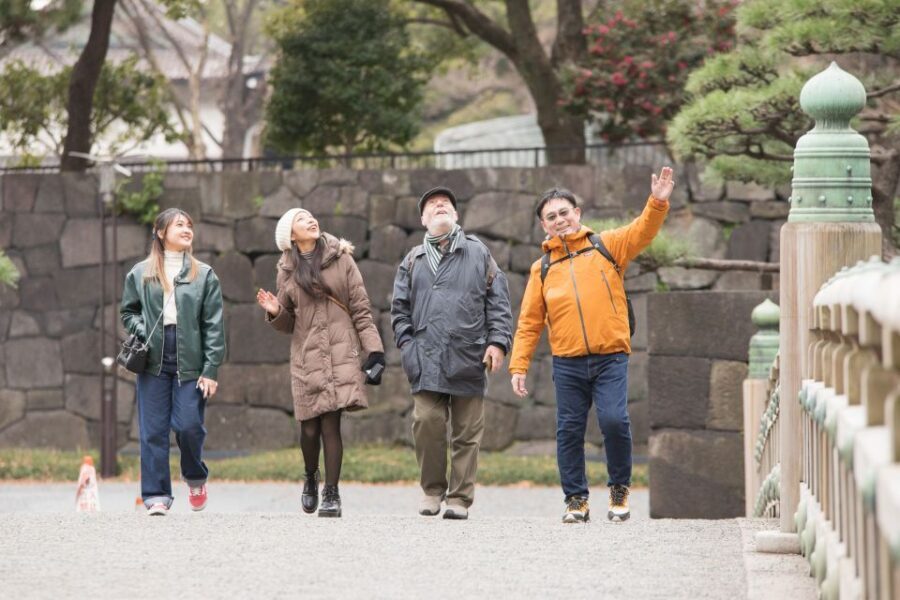
- Foot + metro style: you’ll see Tokyo up close while your guide handles navigation.
- Central Tokyo pickup only: hotel pickup is limited to hotels in Tokyo’s 23 wards.
- Rain or shine: the tour runs in bad weather, so bring shoes you trust.
More private options with your own guide
- Tokyo 6hr Private Tour with Government-Licensed Guide★ 5.0 · 3,902 reviews
- Private Tour to Mt. Fuji and Hakone (Fully Licenced Operator)★ 5.0 · 1,910 reviews
- Tokyo Customized Private Tour (Must See Places in 1 Day)★ 5.0 · 1,499 reviews
Why this private guide tour works in Tokyo
Tokyo is one of those places where doing everything yourself can feel like homework. Signs are in Japanese, train transfers can be confusing, and stepping out of the station at the wrong exit is a real thing. This tour fixes that by putting an English-speaking guide next to you who’s focused on making the day flow.
The big value here is not just the list of famous stops. It’s the way the guide helps you connect dots: what to see first, where to walk, how long to linger, and what to skip if you’d rather shop, eat, or take photos. People specifically call out how their guides adjusted the pace for kids, mixed modern sights with classic Tokyo, and added practical tips so they felt capable after the tour.
If it’s your first or second day in Tokyo, this kind of orientation day can save hours later. And if you’re traveling with mixed ages or interests, the flexibility matters even more.
4 hours, 6 hours, or 8 hours: picking the right version
This experience runs 4 to 8 hours, and you’ll typically cover fewer stops in the shorter options. The general idea is:
- 4 hours: about 2–3 spots
- 6 hours: about 3–4 spots
- 8 hours: about 4–5 spots
So how do you choose?
If you want a tight sampler and you’re okay prioritizing, the 4-hour plan fits well. It’s also a smart move if you’ve already got big dinner plans later or you’re trying to manage jet lag.
Go for 6 hours if you want at least one “icon” district and one “Tokyo in the details” stop—temples and markets in the morning, then a neighborhood with shopping or skyline views later.
Choose 8 hours if you’re the type who likes to keep walking, take transit connections without stress, and end up in more than one mood: heritage, shopping streets, viewpoints, and a waterfront or garden option.
Morning start: Sensō-ji and Asakusa streets (classic Tokyo energy)
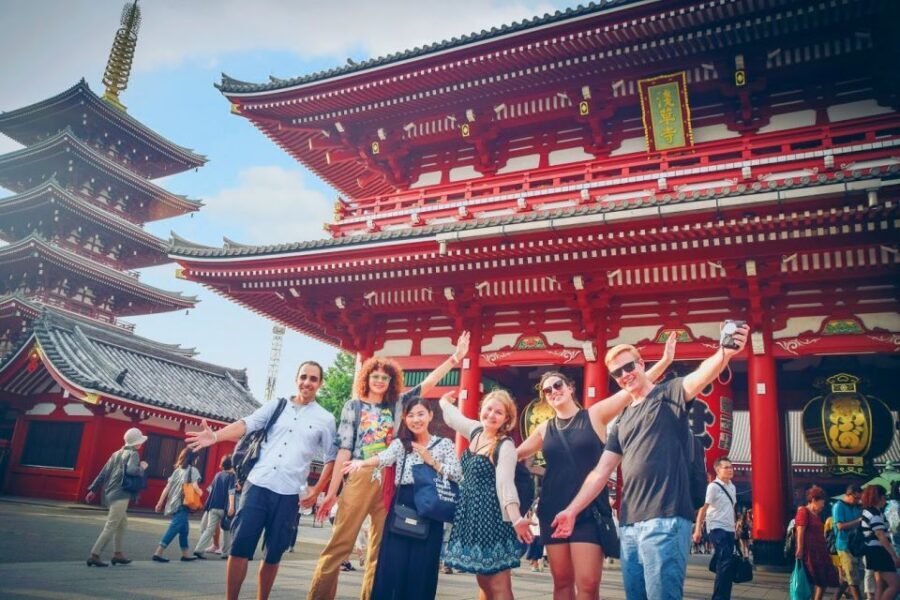
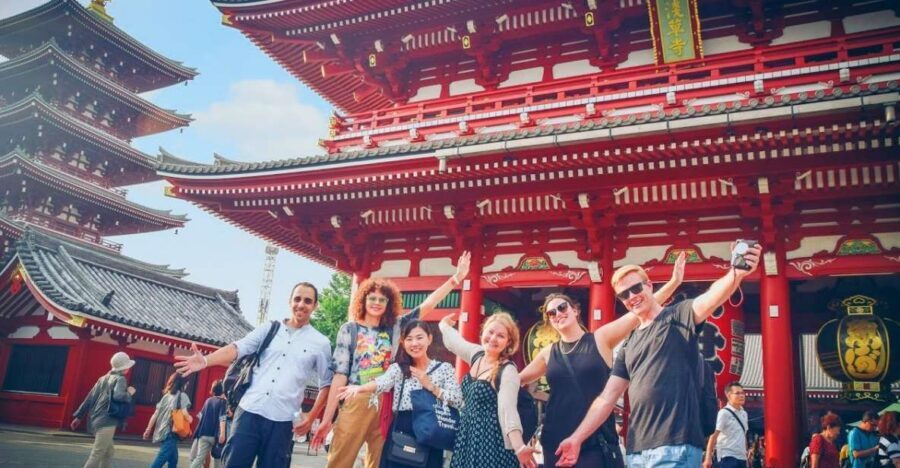
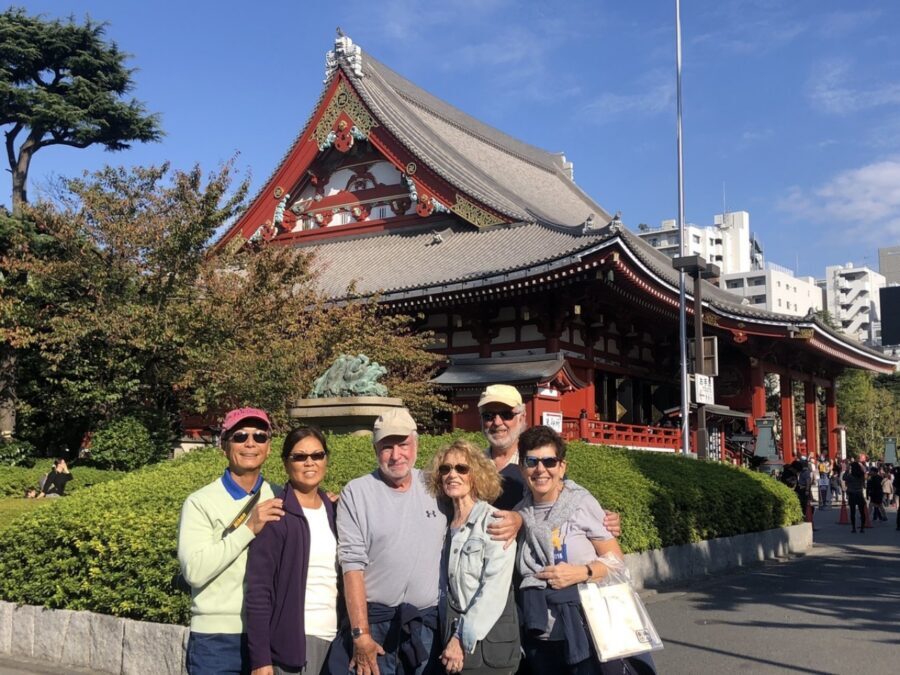
A typical morning leans into Asakusa and nearby temple culture. Sensō-ji Temple is the anchor here, with guided time that helps you understand what you’re looking at and where the best photo angles tend to be. You also get time to simply wander the area around it.
Then there’s Asakusa itself—less about ticking a box and more about absorbing the atmosphere. Think narrow streets, people watching, and that feeling of stepping into older Tokyo rather than just looking at it from a distance.
A small practical note: temple areas can get crowded, especially in peak times. The advantage of having a guide is less time lost to detours and more time choosing where you actually want to stand and look.
Meiji Shrine + Harajuku area: calm forest vibes and style
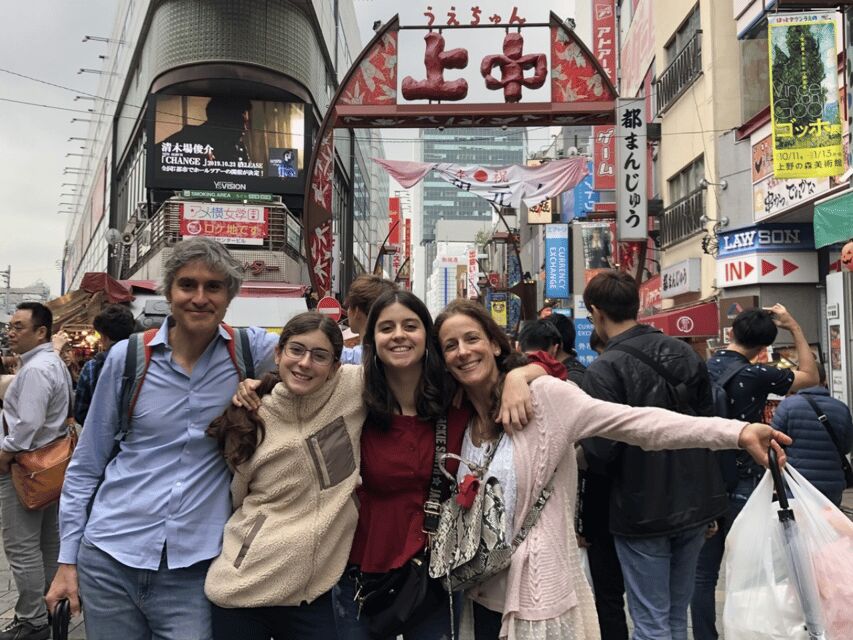
If your itinerary reaches Meiji Shrine, you’ll get a breather from the city’s intensity. The guided time is built for you to slow down a bit, take in the contrast, and then transition toward the Harajuku/Takeshita area.
In many setups, the day connects Meiji Shrine with Takeshita Street afterward. That pairing works because you can feel two sides of Tokyo back-to-back: quiet greenery and then a youth-driven shopping strip where people come for fashion, snacks, and quick photos.
Takeshita Street time is set up as part guided, part exploring. It’s enough time to browse and grab something if you want, but not so long that you feel trapped in a single crowded lane. If you’re not into shopping, you can still use your guide’s flexibility to focus more on street scenes and photo stops.
Worth weighing up alongside this Tokyo pick:


Tsukiji Outer Market: food, motion, and a smart plan if it’s closed
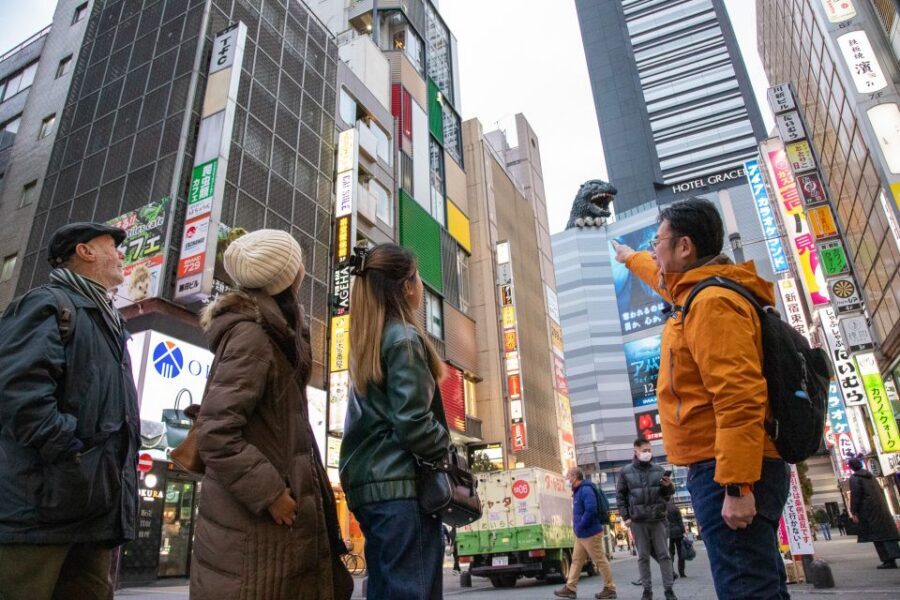
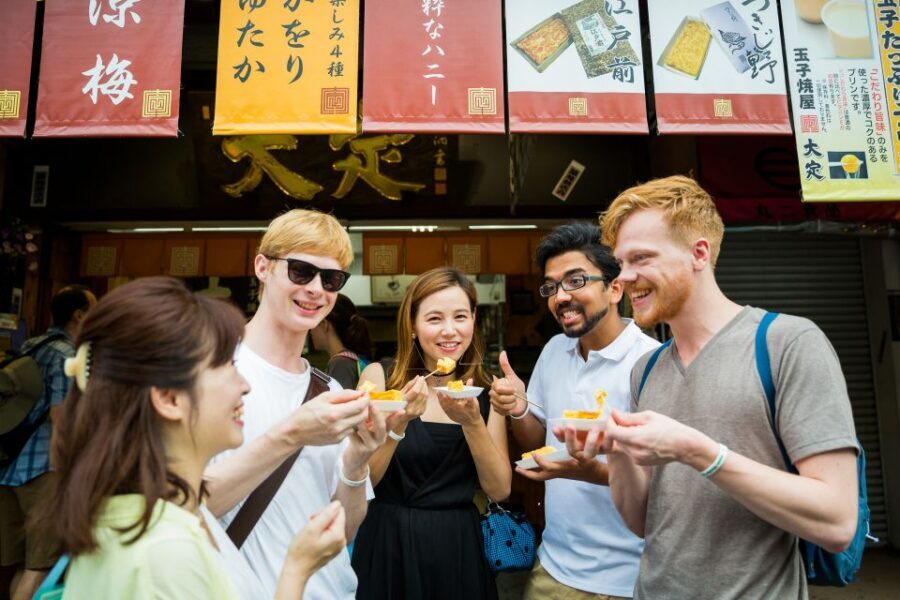
Tsukiji Outer Market is the food-world highlight. Even if you don’t turn every corner into a snack mission, it’s worth going for the energy: stalls, people, and the sense that this is a working part of Tokyo, not just a museum set.
The important practical piece is the backup plan. Tsukiji is generally closed on Wednesdays and Sundays, and if it’s closed on your day, the tour swaps in Imperial Palace or Hama-rikyū Garden instead. That flexibility helps you avoid the worst-case scenario of paying for a day built around a market that’s dark.
Also, this kind of stop is great when your guide is comfortable with where to stand, what to look for, and how to keep you from getting tangled in heavy foot traffic. Guides with strong energy and attention to timing tend to make this segment feel effortless.
Shibuya and Shinjuku: big-city icons with real walking time
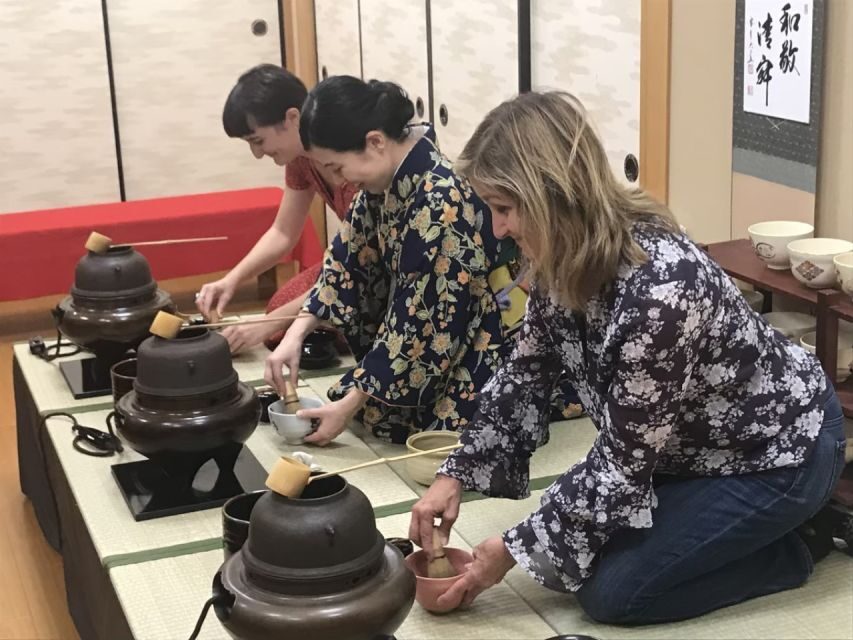
From Tsukiji or Harajuku, Tokyo shifts into its louder, faster neighborhoods. Shibuya Scramble Crossing and the broader Shibuya City area are usually next. This is where you get the “I’m really here” Tokyo moment: the crowd movement, the screens, the feeling of a district built for constant motion.
You get guided time here, which matters. If you just show up on your own, you’ll likely spend too much time figuring out vantage points. With a guide, you can aim for the view that matches your photos and still have time to continue.
Then you might add a Shinjuku photo stop plus guided exploring time, depending on your duration. Shinjuku is a great place to test your appetite for Tokyo’s neon and variety. The tour also often includes Ginza later—again, sometimes as a photo stop and sometimes with extra shopping time. Ginza is the calmer, polished counterpoint, good for window shopping and a different kind of city vibe.
One small heads-up: Shibuya/Shinjuku are efficient but busy. Wear comfortable shoes and plan to keep moving. This tour is built on that style.
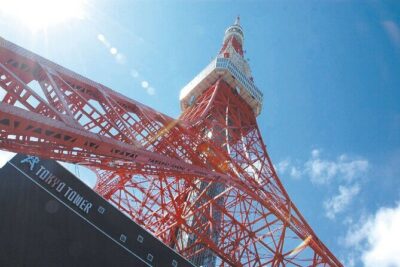
Tokyo Tower area-style views and the skyline question
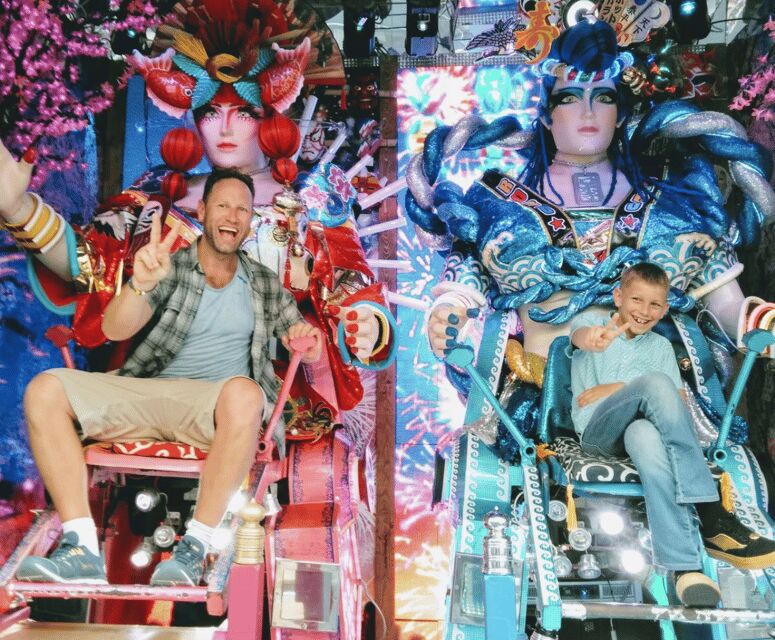
Many one-day Tokyo plans end up feeling either too temple-heavy or too shopping-heavy. This tour tends to balance by adding skyline and iconic landmarks through the day’s momentum.
Depending on your chosen route and time, you may reach Tokyo Skytree Town for a photo stop plus guided time. Skytree is useful if you want a clean skyline moment and an easy-to-navigate area for breaking up the day.
If you’re the type who loves viewpoints, aim for this on a longer day (6 or 8 hours). If you’re more into neighborhoods and food than photos, you might shorten how much time you spend at view-focused areas and shift that time to shopping streets or gardens.
Longer-day add-ons: Tokyo National Museum, Odaiba, and Hama-rikyū
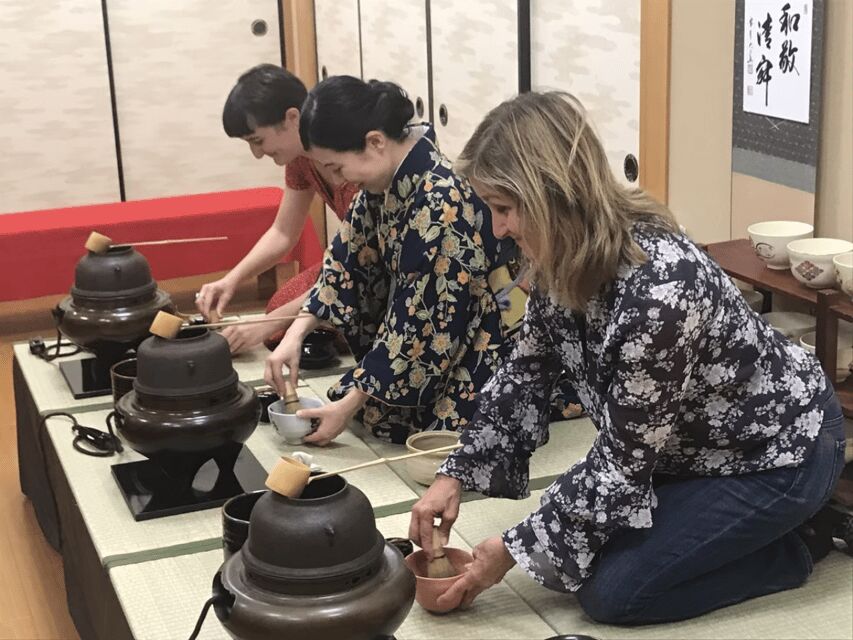
With the 8-hour version especially, the tour can reach beyond the core “first day” classics.
One possible stop is the Tokyo National Museum with guided time. A museum works best when you let the guide steer you toward what’s most worth your attention. Otherwise, you can get stuck wandering without a plan and lose the best parts of the visit.
Then there’s Odaiba, a waterfront area that feels like a different Tokyo planet—more open space and a modern feel. If you’ve spent the morning in dense neighborhoods, Odaiba is a nice pressure release.
Finally, you may visit Hama-rikyū Gardens. This is where your day gets softer: garden pacing, scenic breaks, and a more reflective atmosphere. It’s also a key swap option if Tsukiji is closed, so it can show up even if your original plan was food-first.
Metro tips: the hidden win if you want to travel after the tour
The most praised “extra” element isn’t a specific landmark. It’s the way some guides help you understand the metro system so you can move independently afterward.
People mention guides showing them how stations work, helping them navigate transfer points, and even teaching how to handle tricky crossings in crowded areas. Some guides also tailor their pacing for kids so transitions don’t become chaos.
This matters because Tokyo’s train system is incredible, but it’s not forgiving if you’re unsure. When you leave the tour feeling like you can handle your next ride, the day becomes a launch pad, not a one-off sightseeing block.
If you want this benefit, ask your guide early how they recommend you get around for the rest of your stay. A good guide will treat that as part of the tour, not an afterthought.
Price and what you still need to budget
The price is $141 per person for 4–8 hours with an English-speaking local guide plus hotel pickup and drop-off in central Tokyo.
Here’s how to think about value:
You’re paying for:
- a private guide who can adapt the route to your interests
- navigation help using public transportation
- focused time at major sights without you guessing what to do next
What’s not included:
- transportation fees for you and your guide
- lunch for you and your guide
- entrance fees
- personal expenses
So yes, the final cost can climb. But it often evens out when you would otherwise pay for multiple taxis, waste time on wrong turns, or miss out on key sights because you couldn’t time them well.
To keep the day from feeling expensive, plan lunch on your own schedule (unless you choose a spot the guide suggests) and decide ahead of time whether you want to pay for additional museum/attraction entries on the longer versions.
Practicalities that can make or break your day
A few details are worth planning for:
Shoes: you’ll be walking. Wear comfortable shoes you’ve already broken in.
Rain or shine: the tour runs in bad weather. Bring a small umbrella or a light rain layer so you don’t turn every stop into a misery break.
Tsukiji timing: remember it’s generally closed on Wednesdays and Sundays. Your guide will handle the swap to Imperial Palace or Hama-rikyū, but it helps to know the market might not be part of your exact day.
Pickup limits: pickup is only for hotels in Tokyo’s 23 wards. If your hotel is outside Tokyo (like parts of Chiba or Kanagawa), you’ll need to meet at the designated location instead. Airports and ports aren’t covered for pickup.
Wheelchair access: it isn’t suitable for wheelchair users, so if mobility is a concern, choose an alternative that explicitly matches your needs.
Who this private Tokyo tour suits best
This tour is a strong fit if you want Tokyo highlights without stress and you like having an expert next to you.
It’s especially good for:
- families who need a pace that can flex
- first-timers who want help learning metro basics
- food and culture mixers who want markets plus temples
- people who don’t want to spend their limited time debating routes
If you’re very independent and already comfortable with Tokyo transit, you might feel the extra cost less. But even then, the flexibility—swapping Tsukiji for Imperial Palace or Hama-rikyū, adjusting for your fitness level—can still be worth it.
Should you book this 1-day private Tokyo tour?
If you want a smooth, customizable Tokyo day with a guide who can handle navigation and pacing, this is a smart booking. The guides (from Yeomi to Laila to Tak and beyond) get high marks for tailoring the day and making it easy to keep moving.
Book it if:
- you want major sights plus a little local guidance
- you want to use public transportation confidently afterward
- you’re traveling with kids or mixed ages
Skip or reconsider if:
- you hate walking and prefer slow, low-mobility sightseeing
- you’re already confident with Tokyo transit and can build an equally good plan yourself
- you don’t want extra add-on costs like transport, lunch, and entrance fees
FAQ
How long is the Tokyo Customized Private Tour?
It runs for 4 to 8 hours, depending on the option you choose and which sites fit your day.
Is this tour private?
Yes, it’s a private group experience.
Do I get hotel pickup and drop-off?
Pickup is included, but it’s limited to hotels in central Tokyo within the 23 wards. If you’re outside Tokyo, you’ll need to use the designated meeting point.
Is lunch included?
No, lunch is not included.
Are entrance fees included?
No, entrance fees are not included.
Does the tour use public transportation?
Yes, the tour uses public transportation and you’ll travel on foot between areas.
What happens if Tsukiji is closed?
If Tsukiji is closed, the tour will visit either the Imperial Palace or Hama-rikyū Garden instead.
Is the tour suitable for wheelchair users?
No, it is not suitable for wheelchair users.
Just Your Group: Private Options

More Tours in Tokyo




More Tour Reviews in Tokyo



Fresh reviews from around Tokyo






1-Day Tours, compared.
 ★ 4.0Mt Fuji & Hakone Cruise, Drum Show Bullet Train 1 Day from TokyoFrom $1497,413 reviews
 ★ 4.5DisneySea 1-Day PassportFrom $572,726 reviews
 ★ 5.0Tokyo Customized Private Tour (Must See Places in 1 Day)From $1451,499 reviews
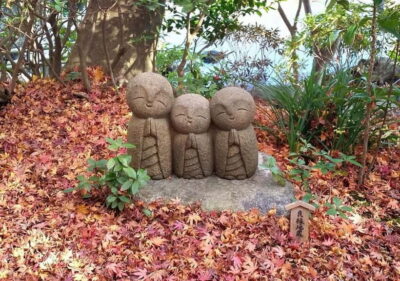 ★ 4.5Kamakura & Enoshima Day Trip including Temple TicketsFrom $581,375 reviews
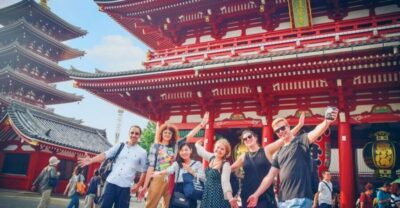 ★ 5.0Tokyo Customized Private Tour: See Top Attractions in 1 DayFrom $1451,351 reviews
 ★ 4.0Mt Fuji & Hakone Cruise, Drum Show Bus 1 Day from TokyoFrom $1221,287 reviews
 ★ 4.5Tokyo Panoramic 1 Day: Meiji Shrine, Asakusa, Odaiba and SKYTREE®From $851,222 reviews
 ★ 4.5Mt.Fuji & Lake Kawaguchiko 1-Day Bus Tour w/Optional LunchFrom $77839 reviews
Browse the lists this tour appears in