
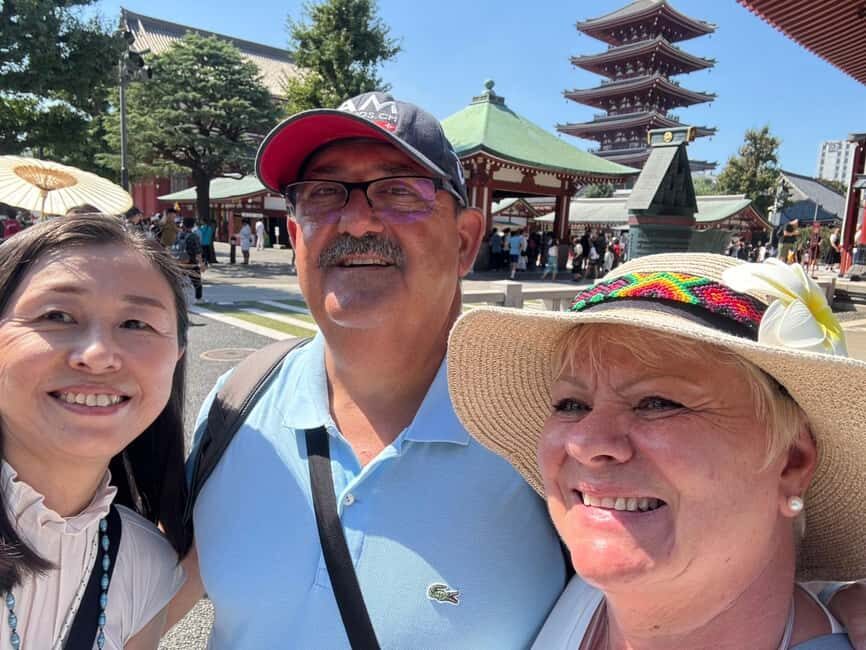
Reviewed · ASAKUSA TOURS
Tokyo: Beyond Asakusa to Kappabashi Kitchen Town
Asakusa and kitchenware in one tight route.
This tour is interesting because it mixes Japanese faith and daily life in a single loop: gate to temple, then right into the izakaya alley vibe, and finally into the serious shopping world of Kappabashi. I really like the hands-on parts, especially the fortune-telling ritual where you don’t just watch—you learn how to draw, read, and tie your paper.
I also love the way Kappabashi Kitchen Town is explained as real working territory, not just tourist browsing. You’ll see the same kinds of knives, tools, and display culture that chefs and restaurateurs have been shopping for for over 100 years, plus the hyper-realistic plastic food displays that make Japanese eateries instantly recognizable.
One consideration: it’s a lot of walking in a short span, and it can be hot. Also, take an extra minute to confirm the meeting spot—there can be confusion around the exact Starbucks corner—so you start the tour without stress.
In This Review
- Key highlights you’ll care about
- Why this Asakusa to Kappabashi route makes sense
- Finding your guide at Starbucks Kaminarimon (no drama starts)
- Kaminarimon Gate: the red-lantern welcome you’ll recognize
- Nakamise Shopping Street: snack rhythm and old-school trading
- Hozomon Gate and the moment you step into a sacred gateway
- Fortune-telling at Senso-ji: learning the motions, not just watching
- Purification fountain and incense: the ritual that sets your senses
- Sensō-ji Temple: founded in 628, still working as a place of faith
- Asakusa Shrine: Shinto architecture next to a Buddhist powerhouse
- Hoppy Street and Rokku Street: the after-work Tokyo vibe
- Kappabashi Kitchen Town: the knife street that makes you hungry for tools
- Price and value: what $17 buys you in real terms
- Who should book this tour (and who should rethink)
- Should you book this Asakusa to Kappabashi tour?
- FAQ
- How long is the Tokyo: Beyond Asakusa to Kappabashi Kitchen Town tour?
- Where do I meet the guide?
- What’s included in the tour price?
- Are food and drinks included?
- Do I need cash?
- Is fortune-telling part of the experience?
- Which languages are available for the live guide?
- Can I cancel for a full refund?
Key highlights you’ll care about
- Kaminarimon first: the iconic red-lantern entrance sets the tone fast
- Real participation: fortune-telling and a purification moment, not just photos
- Two faith styles side-by-side: Buddhist Senso-ji and the adjacent Asakusa Shinto shrine
- Hoppy Street + Rokku Street: izakaya energy and post-work atmosphere
- Kappabashi Kitchen Town: chef-grade knives, pro tools, and plastic food displays
- Guides who make history stick: great explanations (I’ve heard guides like Sanae and Shun go beyond facts)
More mornings around Senso-ji and the old town
- Tokyo: Japanese Dance Cabaret Theater Asakusa-Kaguwa Ticket★ 4.8 · 2,270 reviews
- Tokyo: Asakusa Walking Tour with Sensoji Temple Visit★ 4.8 · 1,583 reviews
- Tokyo Asakusa Rickshaw Tour★ 5.0 · 1,375 reviews
Why this Asakusa to Kappabashi route makes sense
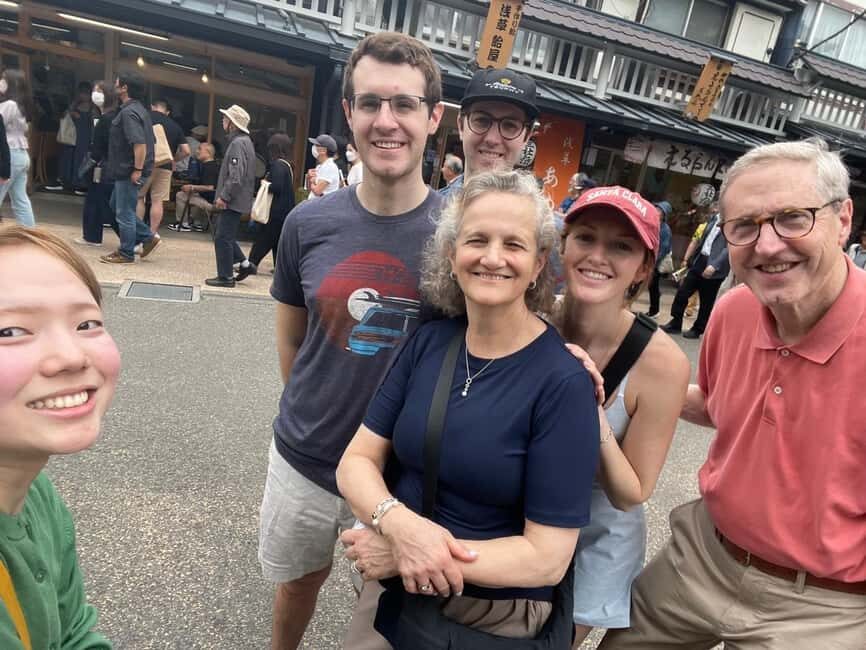
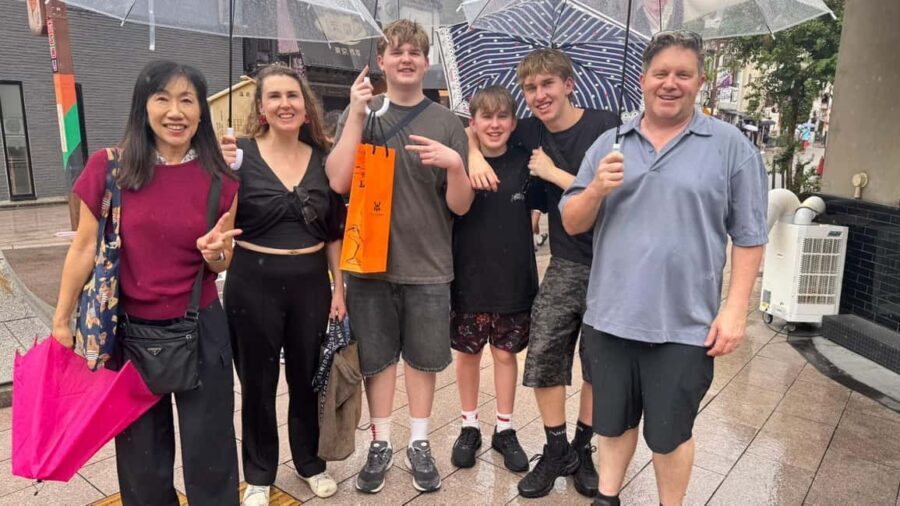
This is the kind of Tokyo walk I like: short enough to finish in one go, but packed with enough variety that you leave feeling like you saw more than just sights. In about 2 hours, you move from temple symbolism to street snacks, then to the after-work drinking scene, and end in a kitchen-gear shopping zone that feels almost industrial in its focus.
The value is not only the places. It’s the way the tour turns pass-by moments into something you understand. You’re not just standing at a gate, listening to a basic label. You’re learning what the gate means, what the ritual is doing, and why the streets in Asakusa developed their own rhythms. That’s what makes the whole thing feel efficient rather than rushed.
At $17 per person, the price feels fair because several parts are hands-on and guided: the walking tour, ritual participation (purification + fortune-telling), and the focused Kappabashi walkthrough. Food and drinks are not included, so budget a little extra if you want to snack or buy something at the end. Still, you’re mostly paying for guidance and cultural access, not a meal.
Finding your guide at Starbucks Kaminarimon (no drama starts)
You’ll meet your guide in front of Starbucks near Kaminarimon, specifically at the coordinates listed for the meeting point: 35.7113392, 139.7961047. The guide will hold a paper with the tour name, which helps when the crowd gets busy.
Here’s my practical advice: arrive a few minutes early and make sure you’re in front of the correct Starbucks entrance near Kaminarimon. One earlier experience report mentioned a mismatch between the displayed meeting point and what people saw on the app, so don’t rely on memory. Confirm on arrival, then you can relax and enjoy the walk instead of playing guess-the-corner.
And yes, this is walking. Wear comfortable shoes. Tokyo stone can be slippery. Your feet will do most of the work here.
Kaminarimon Gate: the red-lantern welcome you’ll recognize
The tour starts at Kaminarimon Gate, the famous entrance with the massive red lantern. Even if you’ve seen photos, it hits different in person because it’s built for movement. It’s where the stream of visitors funnels in, and it’s also a visual shorthand for “you’re in the right Tokyo neighborhood.”
Your guide will explain the lantern gate’s history and cultural role. This matters because when you understand why the gate is there, it changes how you look at it. Instead of treating it as a photo wall, you start seeing it as a threshold—one that frames everything after.
From here, you’ll transition into the market street energy.
Nakamise Shopping Street: snack rhythm and old-school trading
Next comes Nakamise Shopping Street, described as Japan’s oldest shopping street and tied to Edo-period merchant traditions. The best part of Nakamise isn’t just what you might buy. It’s the pacing: tiny shops, busy sidewalks, and the sense that the street works like a living timeline.
Your guide walks you through what to look for while you stroll and sample traditional snacks. Since food and drinks aren’t included, think of sampling as optional and pay-as-you-go. Still, knowing what’s popular and why helps you avoid the trap of buying something just because it’s in the first storefront you see.
Also, souvenirs here tend to be easier to browse than the big malls. You’ll find handcrafted items and typical temple-street goods, and your guide’s direction can help you spot the spots that are worth your time.
Photo stops are a real part of this tour. You’ll capture the street vibe, then keep moving so the next spiritual stop hits with full attention.





Hozomon Gate and the moment you step into a sacred gateway
After Nakamise, you pass through the Hozomon Gate, a two-story gate housing Buddhist treasures. This is one of those structures that looks theatrical from the outside, but becomes meaningful when someone explains what it represents and how it functions as a spiritual entry point.
Even if you’ve visited Senso-ji before, this guided stop usually changes what you notice. You start looking for structure and intention: what the gate protects, where the important sight lines lead, and why the layout encourages a certain kind of movement.
Then comes the part many people enjoy most: the rituals.
Fortune-telling at Senso-ji: learning the motions, not just watching
The tour includes a traditional Japanese fortune-telling ritual. This is not a passive experience. You’ll be guided on how to draw, read, and tie your fortune paper properly.
For me, the value here is that it turns a common tourist action into a cultural practice with rules and meaning. Most people see the paper, take a photo, and move on. Here, you learn the steps and the intention behind them. That makes your result feel more personal and less like a random lottery ticket.
You’ll also learn how to treat the paper respectfully. Even small details matter in ritual settings, and your guide will keep you from accidentally doing it “wrong” or feeling awkward trying to copy other people.
Once the fortune paper moment is done, you shift from divination to purification.
Purification fountain and incense: the ritual that sets your senses
Next you’ll take part in the sacred cleansing ceremony at the purification fountain. This includes an aromatic incense ritual, and your guide explains the spiritual significance in Japanese Buddhism.
This stop is often the turning point for the whole day. Before this, you’re outdoors in street light and shop signs. Here, you slow down and do something deliberate. If you’re the type who likes understanding what a gesture means, you’ll get a lot out of this.
You’ll also get practical help: what to do, when, and how to follow the ritual flow without messing it up. That’s helpful because temple rules can be easy to misread if you’re winging it.
Then the tour grounds itself in a big historical anchor: Senso-ji.
Sensō-ji Temple: founded in 628, still working as a place of faith
You’ll spend time at Senso-ji Temple, including a guided explanation of its spiritual essence and its survival through wars, disasters, and Tokyo’s urban transformations since its founding in 628 AD.
That survival part is important. It helps you see the temple as more than a preserved monument. It’s a living spiritual site that has endured change while still keeping its core identity.
Your guide will connect the temple’s role to what you see around you: the gate layouts, the flow of visitors, and the reason the area feels so emotionally and visually active. Even with crowds, there’s a feeling of purpose—prayer, incense, and routine.
From there, the tour adds an especially Japanese perspective: Buddhism and Shinto side-by-side.
Asakusa Shrine: Shinto architecture next to a Buddhist powerhouse
Adjacent to Senso-ji you’ll visit the Shinto shrine, where you can experience the coexistence of Japan’s two major religions and see their distinct architectural styles.
This is one of those moments where Japan’s religious map becomes physical. You’re not reading about it in a book. You’re standing in the overlap area and noticing how the design language changes.
Your guide will explain the differences in how each tradition expresses worship, so you don’t treat it like two random stops stuffed into the same area.
And once you’ve worked your way through temple space, the tour changes gears into the streets where locals eat and drink.
Hoppy Street and Rokku Street: the after-work Tokyo vibe
Then it’s all about atmosphere and casual ritual on the streets. You’ll visit Hoppy Street, a narrow alley lined with traditional izakaya. The tour explains Hoppy, a local beer-like drink, and the classic snack pairing culture like kushikatsu.
The key here is not only what you might drink or eat. It’s the social rhythm. Izakaya culture is built around getting together, ordering a few things, and sharing time. Your guide will point out the patterns so the place feels less like chaos and more like a known routine.
After that, you’ll walk through Rokku Street, a historic entertainment quarter that once rivaled Tokyo’s major theater districts. Today it’s a charming mix of older and newer popular culture, so you get a sense of continuity in what people come here for—even as the specifics evolve.
This part is a photo stop plus guided context. Even if you don’t go inside for a full meal, you’ll understand what you’re looking at.
Kappabashi Kitchen Town: the knife street that makes you hungry for tools
Finally, you reach Kappabashi Kitchen Town, the kitchenware heaven where chefs and restaurateurs have shopped for over 100 years. This is where Tokyo turns practical.
Your guide will steer you through what makes the street different. Many shopping areas sell souvenirs. Kappabashi sells equipment and display culture. You’ll see:
- Japanese kitchen knives made by generations-old smithies
- Kitchen tools that look professional because they are
- Hyper-realistic plastic food displays that restaurants use to showcase dishes
- The sense that the shops are built for working kitchens, not just tourists
One thing I really like about Kappabashi is that it’s visual. Knives aren’t hidden behind glass like expensive jewelry. You can often get a clean look at blade styles and craftsmanship. And even if you’re not buying a knife, the street makes you appreciate what “precision” means in everyday cooking.
If you do want a souvenir, look for small items and replica-style goods. You might spot fun kitchen-themed take-home options like keychain-style food items, which can be easier to transport than a full tool set.
Practical tip: bring cash if you’re planning personal shopping. The tour itself doesn’t include purchases, and kitchen gear sellers can be strict about payment methods depending on the shop.
Price and value: what $17 buys you in real terms
Let’s talk value without the marketing fog. You’re paying $17 per person for a 2-hour guided walking tour plus cultural participation activities.
Included elements worth paying for:
- Guided walking tour through the Asakusa temple streets and nightlife alleys
- Cultural immersion activities and the ritual participation
- A structured exploration of Hoppy Street
- A guided tour of Kappabashi Kitchen Town
Not included:
- Food and drinks
- Personal shopping
So is it worth it? For me, yes if you want context. This tour is priced like a “value cultural walk,” not a luxury meal experience. The money goes toward helping you understand what you’re doing during the fortune and purification rituals, and helping you shop with purpose in Kappabashi instead of wandering in a maze of knives and displays.
If you already have the stamina to do everything solo and you don’t care about rituals, you might find the sights straightforward on your own. But if you want the cultural meaning and a clear route, the guide time is the product.
Who should book this tour (and who should rethink)
This tour suits you if:
- You want Japanese culture beyond just taking photos
- You like when guides explain both “what” and “why”
- You enjoy hands-on cultural steps like fortune-telling and purification
- You want a single walk that covers temple, street life, and kitchenware shopping
It may be less ideal if:
- You hate crowds and short walking legs
- You’re sensitive to heat since it’s outdoors for much of the route
- You’re only interested in museum-style sightseeing with lots of seating (this is mostly movement)
The big plus is that guides can make it feel personal. I’ve heard from guides like Sanae (who speaks French) and Shun that their storytelling approach helps things stick, not just facts read off a sign. That makes a difference when you’re trying to connect history to what you’re seeing right now.
Should you book this Asakusa to Kappabashi tour?
I’d book it if you’re doing Tokyo for the first time and want a smart, efficient route that shows you how Asakusa works. You get the lantern-gate arrival, the street market rhythm, real ritual participation, and then a fun pivot into izakaya alleys and kitchen-tool shopping.
Skip it only if you’re already planning to do Senso-ji on your own and you don’t care about fortune-telling, purification, or the guided Kappabashi walkthrough. In that case, you might prefer to spend your time in places where you can linger longer at your own pace.
FAQ
How long is the Tokyo: Beyond Asakusa to Kappabashi Kitchen Town tour?
The tour duration is 2 hours.
Where do I meet the guide?
Meet your guide in front of the Starbucks in Asakusa, at the Kaminarimon area. The provided coordinates are 35.7113392, 139.7961047.
What’s included in the tour price?
The tour includes a guided walking tour, cultural immersion activities, purification ritual participation, exploration of Hoppy Street, and a tour of Kappabashi Kitchen Town.
Are food and drinks included?
No. Food and drinks are not included in the price.
Do I need cash?
Yes. Bring cash for personal shopping.
Is fortune-telling part of the experience?
Yes. The tour includes a traditional Japanese fortune-telling ritual where you learn how to draw, read, and tie your fortune paper.
Which languages are available for the live guide?
Live guides are available in English, Spanish, French, Chinese, Korean, Portuguese, Japanese, and Russian.
Can I cancel for a full refund?
Yes. Free cancellation is available up to 24 hours in advance for a full refund.
More Tour Reviews in Tokyo



Around Senso-ji: More Asakusa Picks
Fresh reviews from around Tokyo






Asakusa Tours, compared.
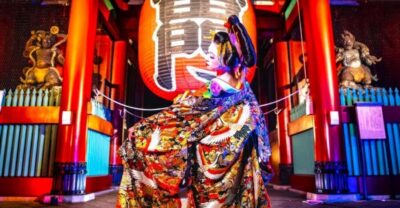 ★ 4.8Japanese Dance Cabaret Theater Asakusa-Kaguwa TicketFrom $492,270 reviews
 ★ 4.7Meiji Shrine, Asakusa, Skytree Bus Tour and CruiseFrom $1221,986 reviews
 ★ 4.8Asakusa Walking Tour with Sensoji Temple VisitFrom $221,583 reviews
 ★ 5.0Tokyo Asakusa Rickshaw TourFrom $421,375 reviews
 ★ 4.5Tokyo Panoramic 1 Day: Meiji Shrine, Asakusa, Odaiba and SKYTREE®From $851,222 reviews
 ★ 4.8Samurai Ninja Museum Asakusa: Samurai Sword Lesson & TourFrom $63306 reviews
Asakusa Sightseeing Tour by RickshawFrom $35195 reviews
Asakusa Kimono Dressing and Matcha ExperienceFrom $56173 reviews
★ 4.8Samurai Ninja Museum Asakusa: Samurai Sword Lesson & TourFrom $63306 reviews
Asakusa Sightseeing Tour by RickshawFrom $35195 reviews
Asakusa Kimono Dressing and Matcha ExperienceFrom $56173 reviews
Browse the lists this tour appears in