
Reviewed · SHIBUYA TOURS
Shibuya by night in Small Groups: Neon Lights and Local Flavors
Shibuya looks best after dark. This small-group night tour strings together the icons and the side streets, with food stops that make the neighborhood feel like a place you can actually live in, not just photograph. You start at Hachiko and end at Hands, passing through modern skyline views, the crossing chaos, and the snack-and-photo streets locals keep coming back to.
I love the small-group size (up to 10), because the pace stays human and you can ask real questions. I also like the food-forward plan, from konbini bites to onigiri, so you’re tasting your way through Shibuya instead of just walking past it.
One thing to consider: it’s a 3-hour route with time-boxed stops. If you want long browsing sessions at the shops, you might feel the schedule is tight, especially around the snack counters and souvenir stores.
In This Review
- Key highlights to look for
- Why Shibuya at 6:00 pm changes the whole mood
- Small-group pacing: up to 10 people, bilingual guidance
- Hachiko Square: the emotional setup before the neon
- Miyashita Park: modern Tokyo with room to breathe
- Shibuya Crossing plus konbini tasting: the fastest way to understand daily life
- Shibuya Center-gai: where the photos meet the snacks
- MEGA Don Quijote and Antenna 21: shopping that doesn’t feel random
- Hands Shibuya: the clever finish for practical souvenirs
- Guide quality is the real difference (and it shows in the reviews)
- Price and value: is $79 a fair deal for Shibuya at night?
- Who should book this Shibuya night tour
- Should you book this Shibuya night tour?
- FAQ
- What is the duration of the Shibuya night tour?
- How many people are in the small group?
- What languages are the guides?
- What food tastings are included?
- Where does the tour start and end?
- What is the cancellation policy?
Key highlights to look for
- Hachiko Square first for quick context before the neon starts
- Miyashita Park at street level and up top, showing how Shibuya mixes nature with design
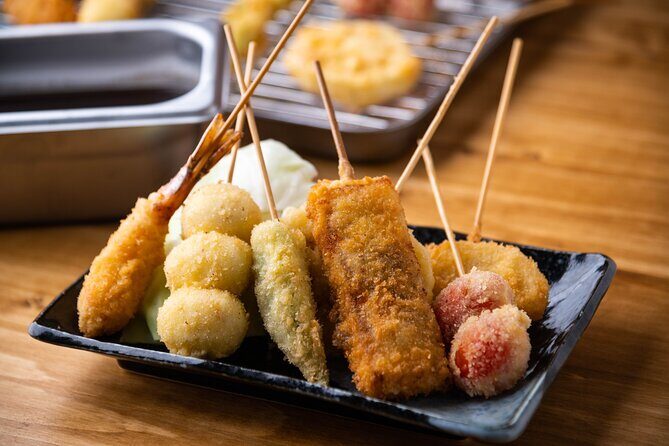
- Konbini tasting at the Shibuya Crossing area, including egg sandwiches, fried chicken with bread, and classic onigiris
- Center-gai photo street + Korean corndog and takoyaki, a great mix of Japanese flavors and Shibuya attitude
- MEGA Don Quijote + Antenna 21 onigiri stand, a practical way to shop and snack without guessing
- Hands Shibuya to finish with useful items like stationery and home goods
More to do within sight of the Crossing
- Official Street Go-Kart in Shibuya★ 5.0 · 3,435 reviews
- Tokyo: Street Kart Experience in Shibuya★ 4.9 · 1,484 reviews
- Shibuya Meltdown Nightlife Tour: All-You-Can-Drink Bar Hopping★ 5.0 · 1,058 reviews
Why Shibuya at 6:00 pm changes the whole mood
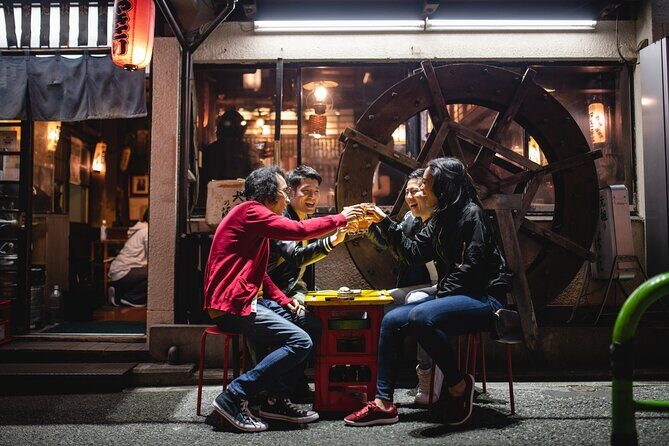
Shibuya at night has that just-woke-up energy: neon signs, fast-moving crowds, and a different soundtrack than daytime Tokyo. Starting at 6:00 pm matters. The light levels are right for photos, but the sidewalks are still lively enough that you’ll see the neighborhood the way it actually works.
This tour uses that timing well. It begins with stories that give you a mental map, then it moves toward the areas where you’ll feel the district’s momentum: the elevated park, the crossing, and the famous side streets where food and photos are part of the same routine.
And because it’s a small group, you’re not fighting the crowd as much. Your guide can help you move with purpose instead of getting swept up in the moment.
Small-group pacing: up to 10 people, bilingual guidance
The group size is capped at 10 people, which is a big deal in Shibuya. Tokyo can feel like controlled chaos, especially when you’re near the crossing. A small group means fewer spacing issues, faster regrouping, and more chances to ask questions.
You’ll also have a bilingual guide in Spanish and English. In the reviews, guides named Lily, Giorgio, Jorge, and Camila are repeatedly praised for being friendly and full of detail. One review specifically noted Portuguese too, so depending on who you’re assigned, you might get more languages than the basics.
What I think you’ll appreciate most is the human factor. The best tours aren’t just “here’s what it is.” They’re “here’s why it matters to this place.” The guide approach here is very much that: stories, quick tips, and help with what to try and where to look.
Hachiko Square: the emotional setup before the neon
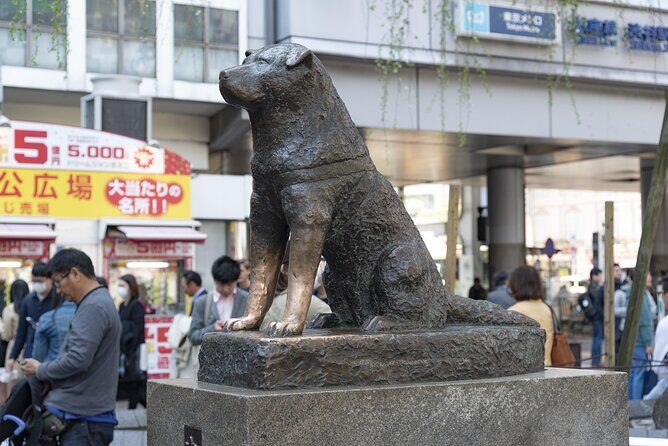
You begin at Hachiko Square, right by the famous Hachiko statue. It’s only a short stop, but it’s a clever way to start. Before you see the lights and noise, you get an anchor story: Hachiko, the Akita dog who waited for his owner every day for nearly a decade.
That context changes how you see Shibuya. Hachiko isn’t just a landmark for tourists. It’s tied to loyalty, routine, and daily life. So when you step out afterward, the whole area feels less like a theme park and more like a neighborhood people actually care about.
This first stop is also practical. It’s a clean meeting point, easy to recognize, and it sets expectations for what the guide will do: explain, point, then move.
Miyashita Park: modern Tokyo with room to breathe
Next you head to Miyashita Park, a modern elevated space that mixes shopping, entertainment, and nature. The tour gives you time here (about 40 minutes), and that’s the right amount. You get a chance to look around without feeling rushed, which is important because Miyashita Park can be the kind of place you want to wander through on your own.
The park’s value for this tour is what it teaches you about Shibuya itself: Tokyo doesn’t separate “city” and “outdoors” as clearly as many places do. Here, design and green space work together, and you can see how Shibuya keeps reinventing itself while still feeling like home to locals.
If you like architecture, this stop is a nice palate cleanser. After you’ve absorbed the crossing later, Miyashita Park helps you reset.
Other ways into a Tokyo evening

Shibuya Crossing plus konbini tasting: the fastest way to understand daily life
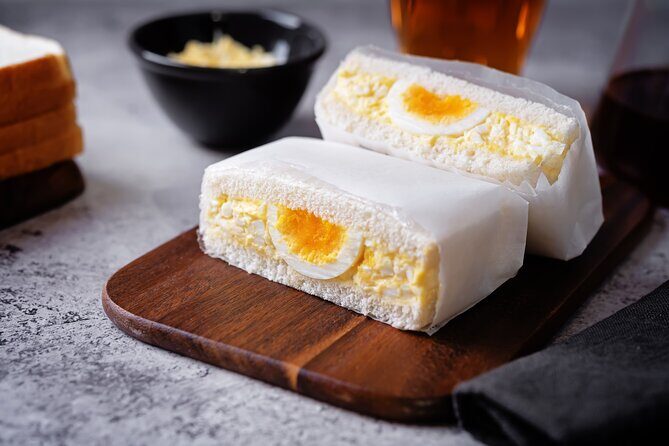
Then comes the big moment: Shibuya Crossing. You’ll be back at the crossing area, where the pedestrian waves make the district feel like a giant living clock.
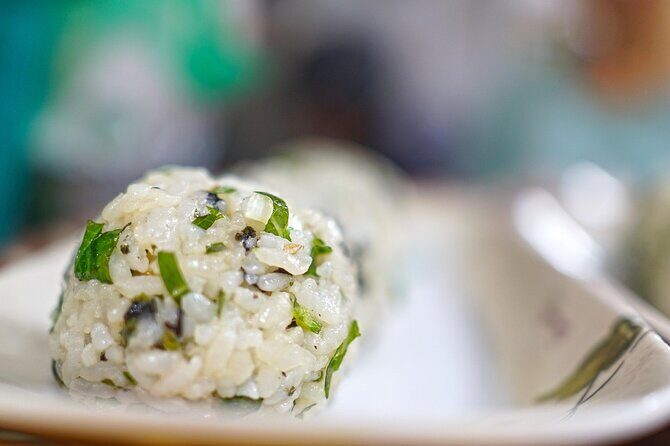
But the tour doesn’t stop at photos. You head to a konbini and try local staples that fit the Shibuya vibe. The tasting options listed are smart and varied, including egg sandwiches, fried chicken with bread, and classic onigiris.
Why this works:
- Konbini food is easy to find and cheap enough to be realistic.
- Eating here while you’re near the crossing helps you understand what busy Tokyo looks like when people are still fueling their day.
- It prevents the classic problem of food tours where you end up with only one “cute” bite that’s not representative.
One small heads-up: konbini crowds can be intense. The schedule keeps it short (about 15 minutes in this area), so you’ll likely be tasting and moving on, not lingering for a full meal.
Shibuya Center-gai: where the photos meet the snacks
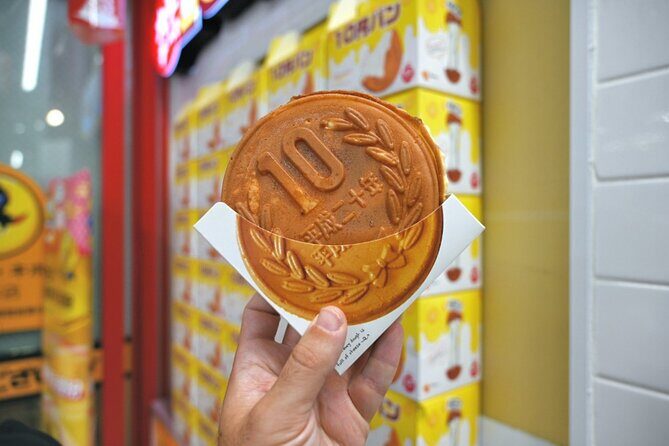
After the crossing, the tour shifts to Shibuya Center-gai, which is one of the most lively and photographed streets in the area. This is one of the longer segments (about 55 minutes), and it’s easy to see why: there’s just more to do here besides walk.
You’ll enjoy food options that blend Korean and Japanese street styles, specifically a Korean corndog and takoyaki. And yes, there’s time for photos in Center-gai—this is the kind of street where your camera roll fills up fast even if you’re not trying.
There’s also a small practical moment built in: a quick stop to buy a 10-yen coin nearby. The tour doesn’t explain it long here, but the point is clear: you’ll have what you need to enjoy certain little street conveniences that rely on coins.
If you’re the type who likes to move from sight to taste quickly, this is a high-value portion of the route. It’s fun without being complicated.
MEGA Don Quijote and Antenna 21: shopping that doesn’t feel random
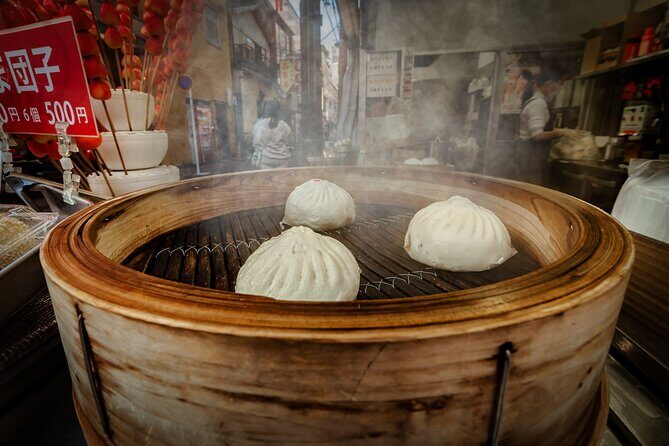
Next up is MEGA Don Quijote Shibuya, a discount store famous for quirky products, Japanese snacks, and souvenir hunting. The time here is short (about 10 minutes), but it’s the kind of stop that works best as a guided “where to look” session. The guide helps you make the most of a place that can otherwise overwhelm you.
Here’s how to think about value at Don Quijote:
- You’ll get ideas for snack souvenirs you can actually bring home.
- You’ll learn what’s worth grabbing fast when you don’t have time to compare everything.
After that, you stop at Antenna 21 Bldg. for another classic bite: a special onigiri stand. Again, the timing is tight (about 15 minutes), but that’s the point. You’re getting traditional Japanese comfort food in a context where it fits the night-walking rhythm.
If you’re worried about feeling stuck with only one flavor profile on a “food and street” tour, this stop helps balance things. You go from street-casual snacks to something simple and traditional.
Hands Shibuya: the clever finish for practical souvenirs
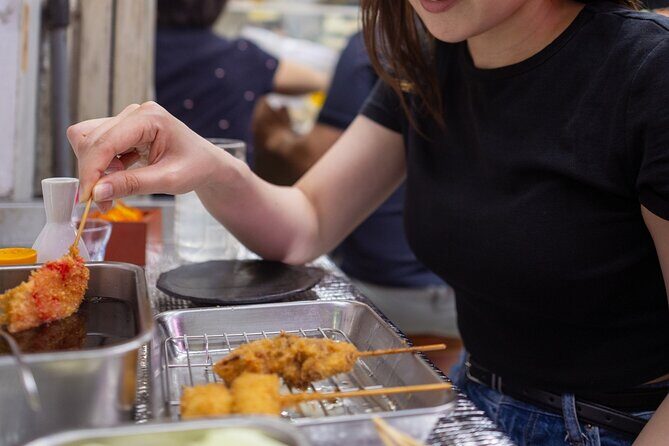
You end at Hands Shibuya (formerly Tokyu Hands), a department store known for stationery, home goods, and Japanese curiosities. This final stop lasts about 30 minutes, which is just long enough to find a few things without turning the tour into a shopping marathon.
What I like about finishing here is that it’s not purely “souvenir shopping.” You can leave with practical Tokyo-style items: useful stationery, small household goods, and quirky gadgets you’ll actually want to use later. For many people, that’s more satisfying than buying a bunch of edible souvenirs that disappear on the flight home.
It also gives you a clean ending. The tour concludes here, so you’re not trapped wandering the transit maze when you’re hungry or tired.
Guide quality is the real difference (and it shows in the reviews)
This tour seems to rise or fall based on the guide. The reviews praise Lily heavily for kindness, energy, and attention to the group’s interests. Names like Giorgio, Jorge, and Camila also come up with the same theme: engaging delivery and lots of practical detail.
What that means for you:
- If you like asking questions, you’ll have space for them.
- If you’re not sure what to try, you’ll get nudges that make the food stops work better.
- If you care about how neighborhoods function (not just what buildings are called), you’ll get those explanations.
I’d also take note of the multilingual element. The tour clearly includes a guide in Spanish and English, and at least one reviewed experience mentioned a guide speaking Portuguese too. That flexibility can matter if your travel group includes different language preferences.
Price and value: is $79 a fair deal for Shibuya at night?
At $79 for about 3 hours, this tour lands in the “worth considering” range for Tokyo. The key isn’t just the price tag. It’s what’s built into it:
- A small group (up to 10)
- A bilingual guide (Spanish/English)
- Tastings at the stops listed (konbini bites, Center-gai street food, onigiri)
- A route that takes you to multiple high-energy areas without you needing to plan the sequence
You’re paying partly for convenience. Shibuya at night is easy to get wrong if you’re tired: you wander in circles, miss the best photo angles, and end up spending more time deciding what to eat than actually eating.
That said, there’s one caution worth repeating: this is not an all-night food carnival. It’s time-boxed. If the tour is a little behind schedule due to crowd flow, you could end up with less tasting or less browsing than you hoped, and one review specifically complained about the tastings not happening completely and shops taking less time.
So I’d treat it as a structured evening sampler. If you want maximum “free time,” you may prefer a more self-guided night plan.
Who should book this Shibuya night tour
This is a good fit if you:
- Want a short, high-signal intro to Shibuya with food included
- Prefer small groups over big bus-style sightseeing
- Like street photography areas like Center-gai but don’t want to plan the route alone
- Appreciate guides who explain how things work and where to look
It’s less ideal if you:
- Want lots of unhurried shopping time
- Expect every stop to be flexible and long
- Are picky about tasting sizes and would rather choose everything yourself
Should you book this Shibuya night tour?
I’d recommend booking this tour if you want a guided evening that feels like Shibuya in real time: crossing energy, Center-gai street snacks, and practical shopping at the end. The $79 price makes sense when you value the guide time and the included tastings, especially given how hard Shibuya can be to navigate smoothly at night.
If your top goal is heavy-duty shopping or you’re the type who dislikes structured schedules, consider pairing this with a little extra self-guided time before or after. But if you want to see the highlights and eat well without overthinking it, this one is an easy yes.
FAQ
What is the duration of the Shibuya night tour?
The tour is approximately 3 hours.
How many people are in the small group?
The group size is capped at a maximum of 10 travelers.
What languages are the guides?
The tour includes a bilingual guide in Spanish and English.
What food tastings are included?
The tastings include dishes mentioned in the itinerary such as konbini items (egg sandwiches, fried chicken with bread, and onigiris), Korean corndog, takoyaki, and an onigiri stand tasting.
Where does the tour start and end?
It starts at the Hachiko Statue meeting point in Shibuya and ends at Hands Shibuya (Tokyu Hands) in Shibuya.
What is the cancellation policy?
You can cancel for a full refund if you cancel at least 24 hours before the experience starts. If you cancel within 24 hours, it is not refunded.
When the Lanterns Come On

More Tour Reviews in Tokyo






Still in Shibuya? Keep Going



Fresh reviews from around Tokyo






Shibuya Tours, compared.
 ★ 5.0Official Street Go-Kart in ShibuyaFrom $763,435 reviews
 ★ 4.9Street Kart Experience in ShibuyaFrom $741,484 reviews
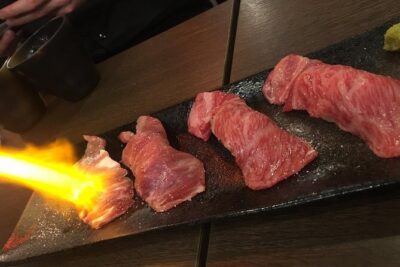 ★ 5.0Shibuya Meltdown Nightlife Tour: All-You-Can-Drink Bar HoppingFrom $1061,058 reviews
 ★ 5.0Shibuya Official Street Go-Kart in Shibuya AnnexFrom $69972 reviews
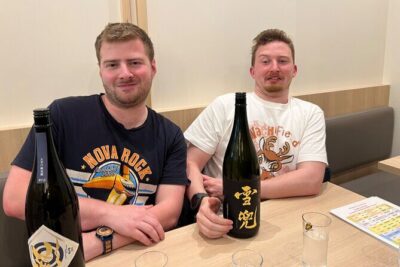 ★ 5.0Shibuya Food Tour (13 dishes and 4 Eateries)From $77770 reviews
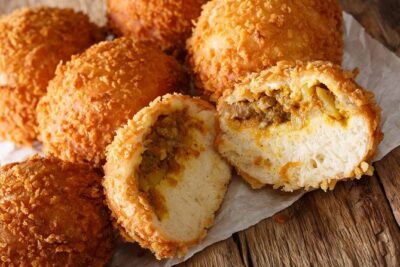 ★ 5.0Best of Shibuya Food TourFrom $217612 reviews
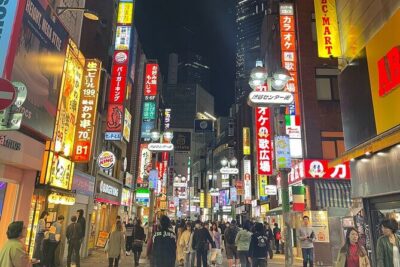 ★ 4.8Shibuya Highlights Walking TourFrom $19601 reviews
 ★ 4.7Premium Go-Kart Tour with Tower & Shibuya CrossingFrom $116528 reviews
Browse the lists this tour appears in