
Reviewed · FOOD & DRINK
Sangenjaya Back Alleys Private Food and Drink Tour
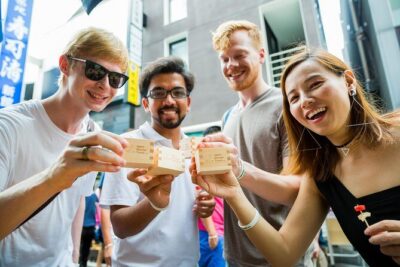
Tokyo back alleys have a way of sticking. This private Sangenjaya evening turns lantern-lit yokocho lanes into a real food-and-drink education, led by guide Simon. You’re not just walking past places—you’re guided into the spots locals actually use for after-work chats and late-night snacks.
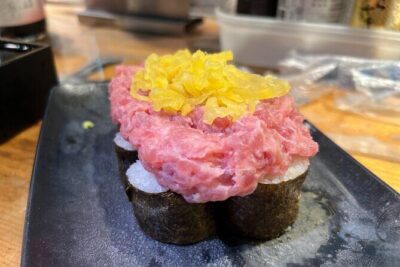
I especially like the mix of three different izakaya styles, with a wide spread of Japanese comfort food (from sashimi and grilled fish to pickles and charcoal-grilled chicken). You’ll also get lots of small-plate pacing instead of one giant meal, which matters when you’re drinking and trying new flavors.
One thing to consider: smoking is common in many Japanese bars and restaurants. Add the light walking through narrow streets, and it’s smart to plan accordingly if you’re sensitive to smoke.
In This Review
- Key points to know before you go
- Sangenjaya’s yokocho lanes: the Tokyo side you’ll actually remember
- 6:30 pm start and how the 4-hour pacing works in real life
- The three-izakaya flow: what each stop is really for
- Stop 1: Sangenjaya back alleys and your first wave of tastings
- The cooking lesson: okonomiyaki and monjayaki at a traditional hot-plate spot
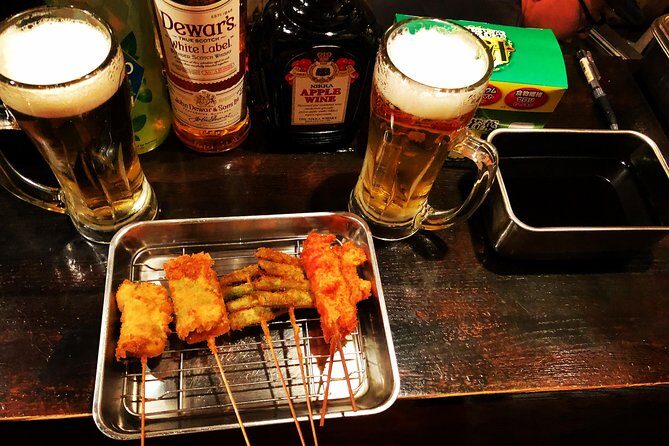
- Kushikatsu and the Hoppy moment at a standing-bar vibe
- Hidden sake time: nihonshu, seafood, and a calmer drinking mood
- Food and drinks included: what minimum 10 tastings really means
- Price and value: $229.92 for a private Tokyo food night
- Comfort and practical tips: smoking, shoes, and how to pace yourself
- Smoking is common
- Expect light walking
- Group size stays small
- Sharing plates means you won’t starve
- Who should book Sangenjaya back alleys (and who should reconsider)
- Should you book this tour of Sangenjaya’s back alleys?
- FAQ
- What time does the tour start, and how long is it?
- Where do we meet for the tour?
- Is transport to Sangenjaya included?
- What food and drinks are included?
- Do you include a cooking experience?
- Can I join if I’m under the legal drinking age?
- Is smoking allowed during the tour?
- Is it really private, and how big is the group?
- What if I have dietary requirements?
Key points to know before you go
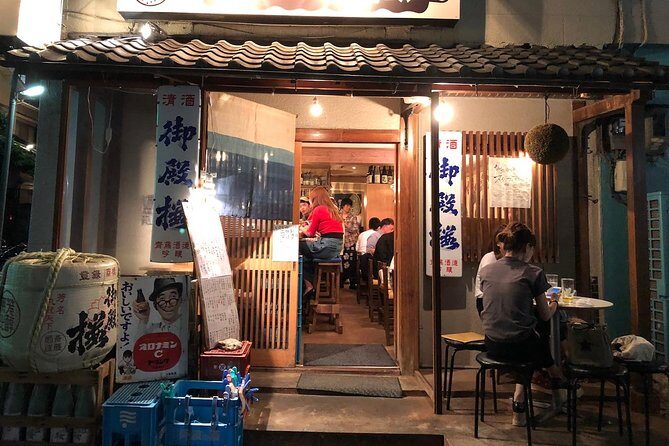
- Sangenjaya’s yokocho lanes: tiny lantern-lit alleys with hidden-feeling izakaya storefronts
- Hands-on hot-plate cooking: learn okonomiyaki and monjayaki at a traditional spot
- Kushikatsu + retro drinks: a raucous standing bar featuring Hoppy
- Secret sake stop: seafood, nihonshu, and a more focused drinking vibe
- 10+ tastings, shared plates: you’ll eat a lot without needing to order much yourself
Other plates worth crossing Tokyo for
- Tokyo: Shinjuku Food Tour (13 Dishes at 4 Local Eateries)★ 5.0 · 6,603 reviews
- Tokyo Tsukiji Fish Market Food and Culture Walking Tour★ 5.0 · 3,184 reviews
- Tokyo: Shinjuku Food Tour (15 Dishes and 4 Eateries)★ 4.9 · 2,033 reviews
Sangenjaya’s yokocho lanes: the Tokyo side you’ll actually remember
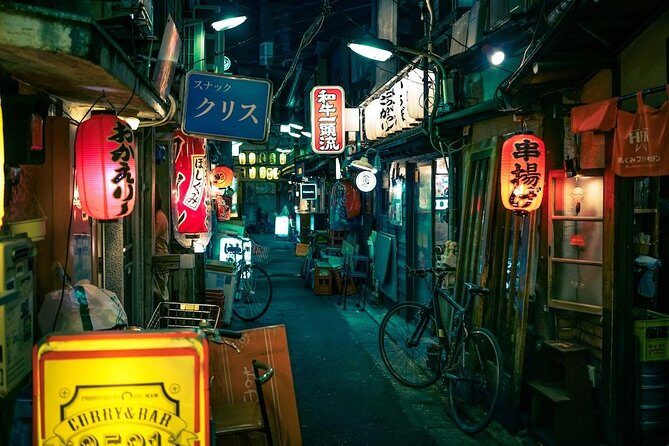
If you’ve been to Tokyo’s big-name neighborhoods, you know the feeling: you can see everything, but you don’t always feel the daily rhythm. Sangenjaya offers the opposite. The streets are tight and the energy is local—small signs, narrow entrances, and that unmistakable lantern glow that makes you slow down without trying.
This tour is designed around that street-level mood. You start in Sangenjaya near the station and then get pulled into the maze—past tiny bars and snack counters that don’t scream for attention. The point isn’t to collect photo ops. It’s to learn how Tokyo people actually eat and drink: slow enough to chat, structured enough to move from place to place.
Simon’s role matters here. The strongest theme in the experiences you’ll read in the real world is that he doesn’t just lead you—he helps you understand what you’re looking at, what you should try, and why certain spots feel different from the next one. That’s what turns a food crawl into a story you can tell later.
6:30 pm start and how the 4-hour pacing works in real life
This is a 4-hour private night out, starting at 6:30 pm. That timing is practical. It’s late enough that the alley bars are warming up, but early enough that you won’t feel rushed before you’ve settled into the meal rhythm.
Your tour ends back at the meeting point, so you’re not stuck figuring out where you are at midnight. You will walk some, and it’s mostly through narrow back streets. Comfortable shoes aren’t optional—think “you can move fast without huffing,” not “you can walk for miles in stiff soles.”
Also plan around the weather. The experience requires good weather, and if conditions are poor you’ll be offered a different date or a refund. That’s not just paperwork. Tight alleys can feel chilly or slippery if the weather turns.
The three-izakaya flow: what each stop is really for
The tour is built around variety—three different places with different food logic and different drinking moods. You end up with a full Tokyo “evening arc,” from casual snacking to more focused sake time.
Stop 1: Sangenjaya back alleys and your first wave of tastings
You’ll begin by getting your bearings in Sangenjaya. Expect an exploration through the labyrinth of lantern-lit back lanes where you can spot izakaya-style counters and tiny dining rooms tucked behind street-level doors.
The goal of the first stretch is twofold:
- you start tasting early so your appetite stays steady
- you build context before the heavier meals
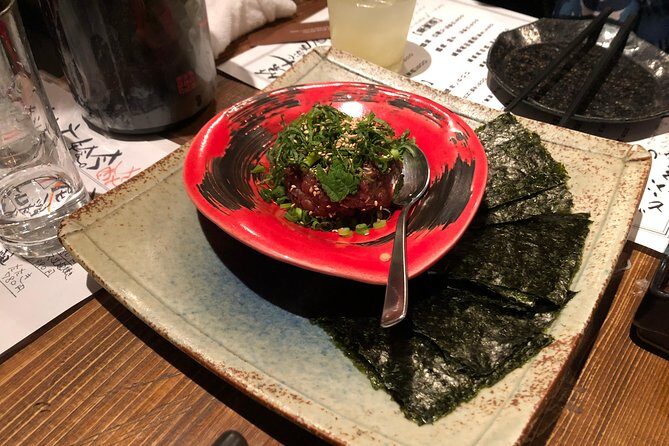
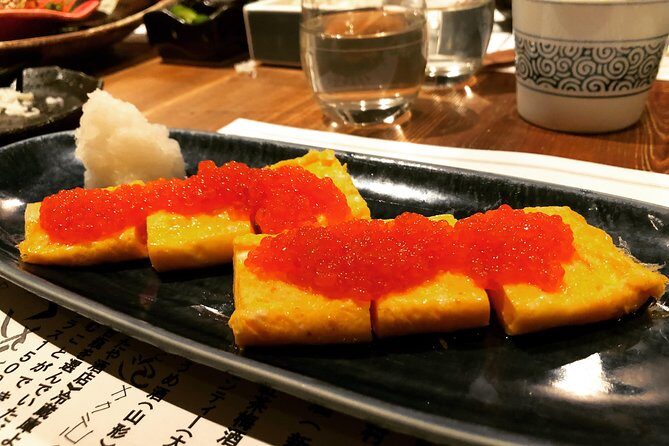
This is where you’ll likely see the range of small Japanese plates that go with beer and shochu—things like sashimi, grilled fish, charcoal-grilled chicken, and pickles. Izakaya food is often simple on paper, but that’s the trick: the flavors are clean, and the seasoning is dialed in to go with alcohol.
Worth weighing up alongside this Tokyo pick:


The cooking lesson: okonomiyaki and monjayaki at a traditional hot-plate spot
One of the best parts of this experience is that you don’t only eat. You learn—hands-on.
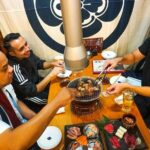
You’ll cook okonomiyaki and monjayaki at a local institution with a teppanyaki-style setup. Even if you’ve heard of okonomiyaki before, cooking it yourself changes the whole understanding. You see how the batter and toppings behave, how heat affects texture, and how these savory pancakes are more “made” than “ordered.”
Here’s what to watch for as you cook:
- consistency matters: batter thickness and spread affects how it sets
- topping choices change the bite: mix-ins can make it lighter or more filling
- timing matters: you don’t want to rush the set and flip
This is also the part of the night where questions come naturally. A guide can explain what people look for when they eat this at home or at a neighborhood spot after work.
If you’re the type who likes food culture that goes beyond tasting, this cooking segment is a strong reason to book.
Kushikatsu and the Hoppy moment at a standing-bar vibe
Next, the night shifts gears. Kushikatsu is all about bite-size satisfaction—skewered ingredients with a crisp coating. You’ll get that classic standing-bar atmosphere, where people cluster, chat, and keep the drinks moving.
A highlight here is the retro drink Hoppy. It’s the kind of drink that feels very “Tokyo local” because it’s not just wine or beer—it’s part of the regular bar culture. If you like trying different alcohol styles, this stop scratches that itch.
And if you’re cautious about what you drink, remember the tour is built around choice and pacing. You’ll still be tasting plenty, but you’re not forced into an all-or-nothing night. People often leave full, but the experience is about shared plates and recommended orders—not a rigid checklist.
Hidden sake time: nihonshu, seafood, and a calmer drinking mood
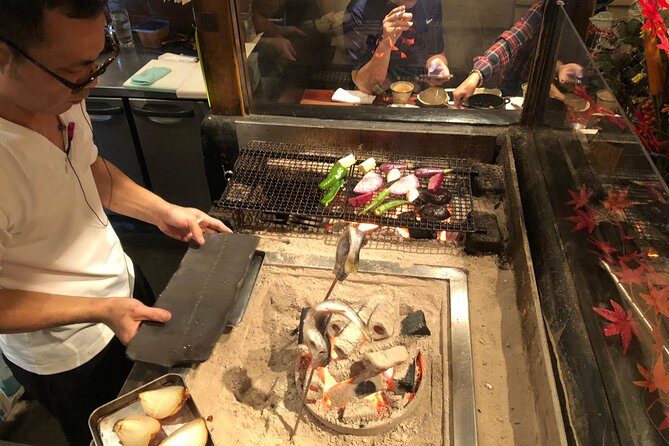
Then comes the sake-focused stop—think smaller, more deliberate, and centered on Japanese liquor culture.
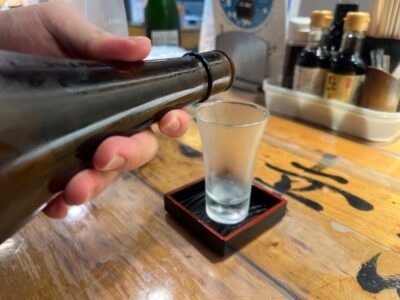
You’ll enjoy nihonshu (sake) here along with seafood and other small plates. This is the moment where the tour can feel like it “clicks.” You go from quick, crunchy kushikatsu to the flavors and aromas of sake, where temperature and pairing start to matter more.
Sake bars can be intimidating if you don’t know what you’re looking at. The value of a guide is that you’re not guessing. You get served, suggested, and explained in a way that helps you taste with intent rather than confusion.
Food and drinks included: what minimum 10 tastings really means
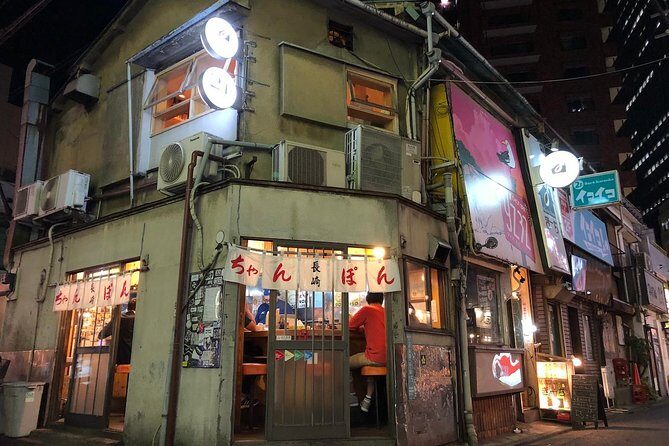
The tour includes dinner plus alcoholic beverages, with an array that may include beer, sake, shochu, Hoppy, and umeshu. You should expect many small tastings rather than a single heavy entree.
The listing-level promise is a minimum of 10 delicacies, recommended by your guide. In practice, that usually means you’ll sample a range of textures:
- crisp (often from fried items like kushikatsu)
- grilled and savory (charcoal-grilled meats, grilled fish)
- cool and clean (sashimi)
- pickled or tangy notes that cut through alcohol
Sharing is part of the izakaya way on this tour. You’ll experience shared plates between the group, but the tone is that you will end up full. The best way to think about it: you’re eating like a group in Japan—more variety, less boredom.
If you’re under 20, soft drinks are served. Japan’s legal drinking age is 20, so the tour is set up so you’re not left out if you can’t drink.
Price and value: $229.92 for a private Tokyo food night
Let’s talk money in plain terms. At $229.92 per person, this is not cheap compared with a group walking tour. But it’s also not priced like a “just walk around” experience.
You’re paying for:
- a private guide format (your group only)
- entry to multiple small local venues
- dinner and a big chunk of tastings
- multiple drink options, including sake culture
- a hands-on cooking segment
The biggest value lever is that you’re not trying to find these places by yourself in an alley maze. Sangenjaya’s best spots are easy to miss because they’re small and low-key. In a private format, your guide’s timing and venue access become part of what you’re buying.
If you like food enough to treat it as a primary activity for the trip—and you want a “night out” that feels local instead of generic—this can be good value.
If you’re on a strict budget or only want one small tasting stop, it may be more than you need.
Comfort and practical tips: smoking, shoes, and how to pace yourself
This is a fun night, but it has a few practical realities.
Smoking is common
Smoking is permitted in most bars and restaurants in Japan. If smoke bothers you, this could matter. You might want to step outside between stops when you can, or consider a different style of tour.
Expect light walking
There’s some walking through narrow back streets. It’s not a hike, but it’s enough that you should wear comfortable shoes and avoid anything that hurts your feet after 30 minutes.
Group size stays small
To keep access to smaller spots, group sizes are typically 2–6 people. Solo travelers are welcome, and you’ll still get the private tour feel. In small groups, it’s easier to hear your guide and keep your pace.
Sharing plates means you won’t starve
You’ll be eating the izakaya way—shared dishes in rotation. Bring an appetite. Even if you don’t drink heavily, the food portion is substantial.
Who should book Sangenjaya back alleys (and who should reconsider)
This tour is a great fit if you:
- want Tokyo food culture away from the most obvious tourist lanes
- enjoy izakaya style meals—many small plates, not just one dish
- like to try new drinks, especially sake
- enjoy hands-on learning, like cooking okonomiyaki/monjayaki
It’s less ideal if you:
- are very smoke-sensitive
- hate any walking through crowded narrow streets
- only want a short low-commitment snack experience
For couples and solo travelers, the private format makes a difference. You can ask questions and adjust pacing more easily than on a busier group tour.
Should you book this tour of Sangenjaya’s back alleys?
I think you should book if you want a full Tokyo night that feels local in both food and atmosphere. The combination of alley exploring, three distinct izakaya moods, and a cooking session is a strong formula for making the evening memorable.
If smoking would make you miserable, or you’re not interested in trying multiple foods and drinks, you might be happier with something simpler. But for most food-first travelers, Sangenjaya at night with Simon is exactly the kind of Tokyo you can’t easily replicate on your own.
FAQ
What time does the tour start, and how long is it?
The tour starts at 6:30 pm and lasts about 4 hours. It ends back at the meeting point.
Where do we meet for the tour?
You meet at Sangenjaya Station, at 2 Chome-15 Taishido, Setagaya City, Tokyo 154-0004, Japan.
Is transport to Sangenjaya included?
No. Transport to and from Sangenjaya Station is not included.
What food and drinks are included?
Dinner is included, along with alcoholic beverages. You’ll also try a minimum of 10 Japanese delicacies recommended by your guide, and drinks may include beer, sake, shochu, Hoppy, and umeshu.
Do you include a cooking experience?
Yes. You’ll learn how to cook okonomiyaki and monjayaki at a local institution.
Can I join if I’m under the legal drinking age?
Japan’s legal drinking age is 20. Soft drinks will be served to those under 20.
Is smoking allowed during the tour?
Smoking is permitted in most bars and restaurants in Japan, so this tour may not suit travelers who are sensitive to smoke.
Is it really private, and how big is the group?
Yes, it’s a private tour/activity. Group sizes are typically kept friendly at about 2–6 people.
What if I have dietary requirements?
You should let the operator know about dietary requirements, and they will make sure you are catered to.
Eat Your Way Round Tokyo
More Tours in Tokyo


More Tour Reviews in Tokyo




Fresh reviews from around Tokyo






Food & Drink, compared.
 ★ 5.0Shinjuku Food Tour (13 Dishes at 4 Local Eateries)From $866,603 reviews
 ★ 5.0Tokyo Tsukiji Fish Market Food and Culture Walking TourFrom $993,184 reviews
 ★ 4.9Shinjuku Food Tour (15 Dishes and 4 Eateries)From $852,033 reviews
 ★ 5.0Tsukiji Fish Market Food and Walking tourFrom $301,724 reviews
 ★ 5.0Eat and Drink Like a Local: Tokyo Ueno Food Tour-Taverns&RamenFrom $95957 reviews
 ★ 5.0Shibuya Food Tour (13 dishes and 4 Eateries)From $77770 reviews
★ 4.7Tsukiji Fish Market Food and Culture Walking TourFrom $96757 reviews
★ 5.0Shibuya Food Tour (13 dishes and 4 Eateries)From $77770 reviews
★ 4.7Tsukiji Fish Market Food and Culture Walking TourFrom $96757 reviews
 ★ 5.0Tsukiji Fish Market: Street Food & Culture Walking TourFrom $33669 reviews
Browse the lists this tour appears in