
Reviewed · TEA CEREMONY EXPERIENCES
Privately visit local home for relax tea ceremony &music, Tokyo
Tea, matcha, and koto in one evening.
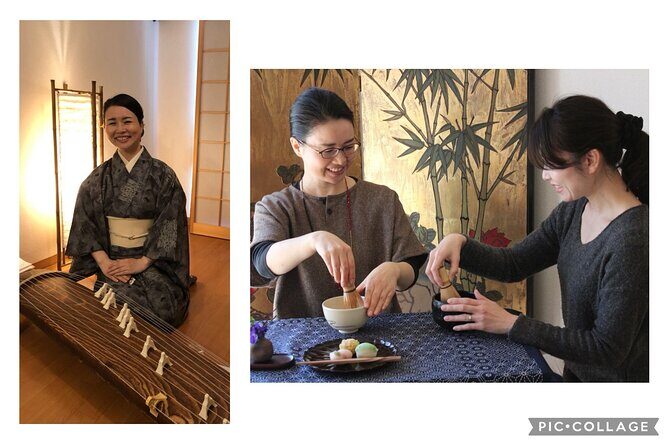
This private setup lets you enjoy Japanese culture in a warm home atmosphere, not a museum lecture. You get a relaxed tea ceremony guided by Noriko, then a live koto performance that turns into your turn to try. It’s informal, so questions about anything Japanese culture related feel welcome.
I especially love the hands-on matcha part, because you don’t just watch—you make your second bowl with step-by-step help. I also love the koto sequence that starts with Noriko performing two pieces, then quickly shifts to you trying a melody yourself.
One consideration: if you add the optional yukata experience, it costs extra and extends the time. If your schedule is tight, decide early whether you want the outfit and photos or keep it strictly to the core 2 hours.
In This Review
- Key points to know before you go
- Entering Noriko’s home near Shin-Urayasu Station
- How the relaxed tea ceremony really works (no stiff rules)
- Making your own matcha bowl step by step
- Sweets and tea timing: small details that make it feel local
- Koto time: from Noriko’s performance to your melody
- Optional yukata: when the extra time is worth it
- Photos that don’t feel awkward
- Price and value: does $81 make sense for 2 hours?
- The biggest practical perks: easy logistics, personal pace
- Who should book this tea ceremony and koto visit?
- Should you book this experience?
- FAQ
- Where do I meet for the experience?
- How long does the tea ceremony and koto experience take?
- Is this a private experience?
- What happens during the tea ceremony?
- Do I get to try playing the koto?
- What is the optional yukata experience and how much does it cost?
- How do I get there from Tokyo Station?
- Can I cancel and get a refund?
- Is the location easy to reach and are service animals allowed?
Key points to know before you go
- Private, local-home setting: only your group, hosted in a cozy space with a relaxed vibe.
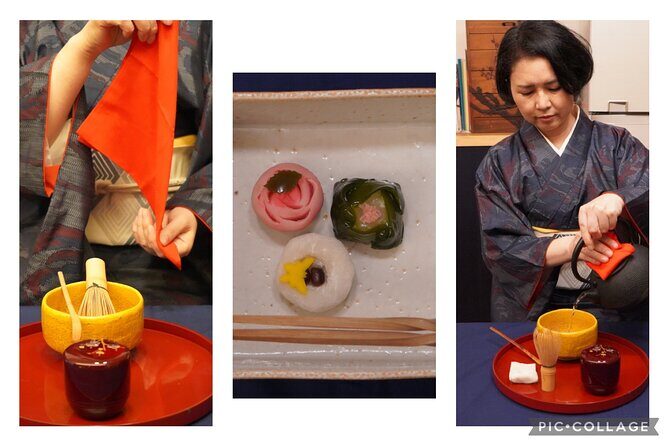
- Matcha you actually make: you prepare a bowl yourself, with guidance that keeps it easy.
- Koto performance plus a try-it moment: Noriko plays first, then you get a real chance to make music.
- Teas sweets included: two small sweets plus a seasonal sweet come with your tea.
- Optional yukata adds time and photos: a cotton kimono, simple styling for women, and help with pictures.
Quieter hours: more tea rooms and ceremonies
- Tokyo: Traditional Tea Ceremony with a Tea Master★ 5.0 · 528 reviews
- Tea Ceremony Workshop in Tokyo by the Experienced Instrucor★ 5.0 · 189 reviews
- Tea Ceremony Experience in a Private Tea Room in Shibuya★ 4.9 · 125 reviews
Entering Noriko’s home near Shin-Urayasu Station
Your visit starts at Shin-Urayasu Station (JE08), about 20 minutes from Tokyo Station. From there, you take a short walk to Noriko’s home. The whole trip feels manageable, even if you’re coming straight from a day of city sightseeing and you’d rather not wrangle complicated transit.
I like this kind of meeting setup because it anchors the experience in real local life. You’re not trying to find a distant venue in the dark. It’s a short transition from train to home, so the experience begins quickly and calmly.
Also, this is a private experience, meaning it’s just your group. That matters with something like tea ceremony etiquette. You can move at the pace your host sets, ask questions, and not feel like you’re performing in front of strangers.
How the relaxed tea ceremony really works (no stiff rules)
Once you’re welcomed, the experience shifts into a casual, home-based tea ceremony. Noriko shares a bit about tea’s history and meaning before matcha ever hits the bowl. The tone is friendly and not rigid. You can treat it like a guided cultural moment, not a test.
What I appreciate here is the balance: there’s context, but you’re not stuck in a classroom. Noriko prepares the first bowl of matcha, then you’re guided into making the second. That flow helps you avoid the common feeling of watching a ritual you don’t understand.
You’ll also enjoy sweets with the tea—two small sweets and one seasonal sweet. That’s a nice detail because it gives you something to notice besides the tea itself. Sweet, seasonal, and small portions also make the whole thing feel gentle and snackable, not heavy.
Potential drawback: if you’re expecting a strict, choreographed ceremony with formal silence, this won’t be that. The whole point is a relaxed, welcoming atmosphere where you can ask about what’s going on.
Making your own matcha bowl step by step
Here’s the part that’s easiest to underestimate: making the second bowl. You’re not left to figure it out. Noriko walks you through it step by step, so you get the experience of doing it, not just tasting it.
In practical terms, this is what turns a cultural show into a personal memory. You leave knowing what the motions feel like in your hands. And because it’s private, you can ask questions when something doesn’t click right away.
One thing to keep in mind: tea ceremony usually rewards patience. Even when it’s relaxed, this part still takes a little time and attention. If you’re the type who wants to speed-run culture, slow down here. You’ll get more out of it, and the host will have an easier time guiding you.
Sweets and tea timing: small details that make it feel local
The sweets might seem like an add-on, but they’re a real part of the rhythm. You’ll have two small sweets and one seasonal sweet with your tea. Seasonal means you’re tasting something that changes with the time of year, which gives the experience a sense of place and timing.
This matters because tea ceremony isn’t only about matcha. It’s also about pacing and noticing. With small sweets, you can focus on how flavors shift as you go from the bowl to the next bite.
If you have food restrictions, you should check with the provider when booking. The tour data doesn’t list specific dietary options, so it’s smart to confirm ahead of time if you need adjustments.





Koto time: from Noriko’s performance to your melody
After tea, you move to the traditional Japanese instrument called the koto. Noriko performs two pieces, letting you hear what the sound and style are like before you try anything yourself. That’s a smart teaching approach. You get a reference point first.
Then you get to play. And yes, it happens in a way that surprised me in spirit, based on what the experience promises: you may find you can play a melody faster than you expect. The key is that you’re not expected to become a performer in one sitting.
This hands-on moment is where the experience becomes more than sightseeing. It’s a chance to interact with Japanese culture in a way you can take home as a skill, even if it’s a small one. You leave with something you can tell people later that feels real, not scripted.
A small consideration: you’ll be in a home environment, so you should be ready for a comfortable, informal setup rather than a big stage. That’s usually a plus, but it’s good to calibrate expectations.
Optional yukata: when the extra time is worth it
You can add an optional yukata (cotton kimono) experience for 3,500 yen. This comes with dressing time and, for women, a simple hairstyle. The provider notes you’ll get help with photos afterward, which is a big practical win.
Timing details matter here:
- Men: about 10 minutes for dressing
- Women: about 20–30 minutes including selection
- The yukata option extends the experience time, so plan your day accordingly.
I’d treat this add-on as a mood choice. If you want the full experience in photos and you enjoy dressing up, it’s a memorable way to make the day feel special. If your schedule is tight or you’d rather keep the day moving, skip it and stick to the core tea-and-koto pacing.
Payment for yukata can be cash, card, or PayPal, so it’s not limited to one method. Still, decide at booking so the host can plan time for it.
Photos that don’t feel awkward
After the tea and koto, and after the optional yukata if you choose it, Noriko helps you take memorable photos. That sounds simple, but it’s genuinely valuable in Japan. Lots of experiences end with you fumbling with your phone and hoping the framing works out.
Here, you’re in a home setting, likely with a more photogenic, calm backdrop than a busy street. You also get someone who knows the space, which makes it easier to get natural shots without turning it into a production.
If you care about photos, plan for it to take a few extra minutes, especially when yukata is included.
Price and value: does $81 make sense for 2 hours?
The price is $81.00 per person for about 2 hours. That’s not the cheapest cultural activity in Tokyo, but it does offer a strong value angle: you’re paying for a private host, a tea ceremony with hands-on matcha, plus a koto performance and your turn to play.
What you’re really buying is time with a person who can explain and adjust the experience to your questions. For me, that’s where private tours earn their keep. A group can still be fun, but tea and music work better when you’re not competing for attention.
Also, there’s a nice practicality bonus: it’s near public transportation and the walk from the station is short. You’re spending your time experiencing, not hunting for a location.
If you add yukata, you’ll pay extra 3,500 yen, so budget accordingly. If you add nothing, the core experience still includes sweets, guided matcha making, and the koto try-it moment.
The biggest practical perks: easy logistics, personal pace
This experience is set up to be easy to fit into a Tokyo day. It starts at Shin-Urayasu Station, and the route is straightforward—about 20 minutes from Tokyo Station, then a short walk. That reduces the usual travel friction that can drain energy before culture time.
The experience also runs about 2 hours, which is a sweet spot. Long enough to learn something and try something. Short enough to stay flexible.
And because it’s private, Noriko can answer questions you might not know to ask in a scripted tour. The host is described as having tons of knowledge on tea, music, history, and broader questions about Japan. That kind of conversation is often the best part, because it helps you connect what you saw to what you’re experiencing in the city.
Who should book this tea ceremony and koto visit?
You’ll like this most if you:
- want a real home experience instead of a formal show
- enjoy hands-on cultural activities like making matcha
- are curious about Japanese traditions but don’t want strict rules
- want a small, personal setting where you can ask questions
It’s also a good option for couples or small groups who prefer calmer activities. If you love live music, the koto segment adds a satisfying shift from tea to sound.
If you’re hard-core into efficiency and you want to fill every minute with landmark photos, this might feel more “slow” than you expect. But if you want a human, interactive cultural moment, it hits the right notes.
Should you book this experience?
Yes, I’d book it if you want something authentic that doesn’t feel staged. The combination of matcha you make, sweets, and koto you try makes the experience feel worth your time. And the private format is a real advantage for comfort and questions.
I’d think twice if:
- you’re strict about staying within exactly 2 hours and don’t want the yukata time extension
- you expect a highly formal, rule-heavy ceremony
- you don’t like walking a few minutes from the station to a home entrance
If your schedule allows and you’re open to a relaxed cultural evening, this is the kind of stop that turns a day in Tokyo into something you can actually remember.
FAQ
Where do I meet for the experience?
You meet at Shin-Urayasu Station: 1 Chome-1 Irifune, Urayasu, Chiba 279-0012, Japan. The activity ends back at the meeting point.
How long does the tea ceremony and koto experience take?
It runs about 2 hours (approx.). If you add the yukata option, the experience time is extended.
Is this a private experience?
Yes. It’s a private tour/activity, so only your group will participate.
What happens during the tea ceremony?
Noriko warmly welcomes you, shares some history, prepares the first bowl of matcha, and then guides you through making the second bowl. You’ll also enjoy sweets with your tea.
Do I get to try playing the koto?
Yes. Noriko performs two pieces first, and then you get your turn to try playing a melody.
What is the optional yukata experience and how much does it cost?
The optional yukata (cotton kimono) experience costs 3,500 yen. It includes dressing time and, for women, a simple hairstyle, plus help with photos afterward.
How do I get there from Tokyo Station?
Shin-Urayasu Station is about 20 minutes from Tokyo Station, and the walk from the station to the home is about 4 minutes.
Can I cancel and get a refund?
Free cancellation is available up to 24 hours in advance for a full refund.
Is the location easy to reach and are service animals allowed?
Yes. It’s near public transportation, and service animals are allowed.
More Tour Reviews in Tokyo



More Tea Rooms Worth Booking



Fresh reviews from around Tokyo






Tea Ceremony Experiences, compared.
 ★ 5.0Traditional Tea Ceremony with a Tea MasterFrom $38528 reviews
 ★ 5.0Tea Ceremony Workshop in Tokyo by the Experienced InstrucorFrom $38189 reviews
 ★ 4.9Tea Ceremony Experience in a Private Tea Room in ShibuyaFrom $30125 reviews
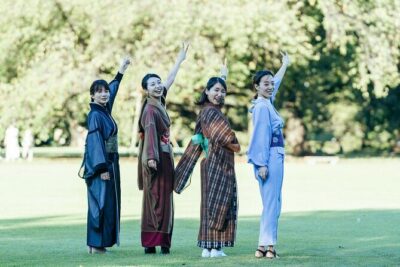 ★ 5.0Matcha Kimono Tea Ceremony in TokyoFrom $59104 reviews
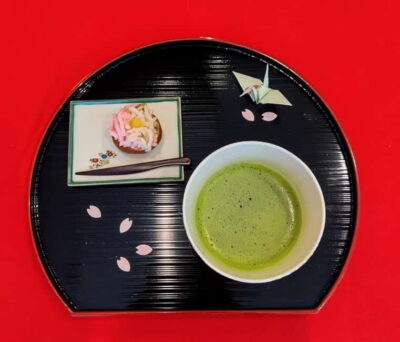 ★ 4.9Tea ceremony experience in Japanese-style room 60minFrom $4586 reviews
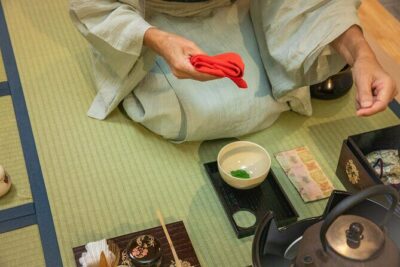 ★ 5.0Casual Japanese Tea Ceremony ExperienceFrom $2574 reviews
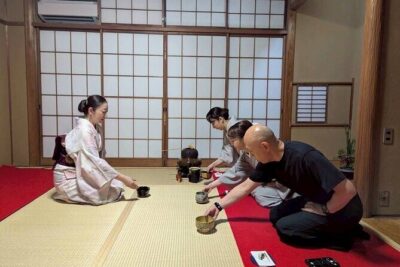 ★ 5.0Shibuya Authentic Tea Ceremony with experienced instructorFrom $2554 reviews
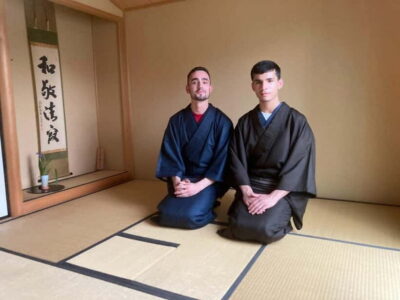 ★ 4.9Tea Ceremony Experience in a small tea roomFrom $5153 reviews
Browse the lists this tour appears in