
Reviewed · GUIDED
Private Tour Guide in English or Spanish (Español)
Tokyo moves fast. This tour helps you keep up.
I like the smart idea of starting with logistics handled for you. No hunting for a meeting point, and you get a guide who can meet you at your hotel. That turns Tokyo’s first hours from confusing to confident, with an itinerary you can steer toward your interests.
Two things I really like: hotel pickup and the option to choose English or Spanish. You’re also on a true private basis, so your schedule is for your group, not a big bundle of strangers.
One thing to consider: entrance tickets and transport aren’t fully included. The tour hits several free highlights, but you’ll still cover public transport costs and any paid add-ons you choose.
In This Review
- Key highlights that make this tour worth your time
- Private Tokyo Guide Without the Meeting-Point Headache
- Hotel Pickup and Language Choice That Saves Real Energy
- Price and What It Really Buys: $58.27 per Person
- Your “Tokyo Sampler” Route: How the Stops Connect
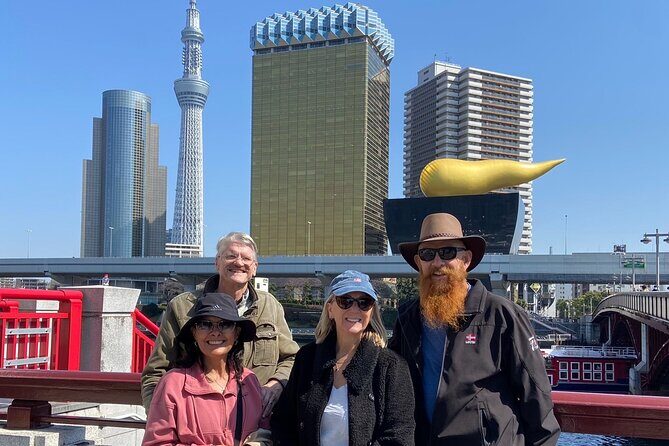
- Asakusa and Senso-ji: The Temple Stop That Feels Like a Movie Set
- Meiji Jingu Shrine: A Calm Reset From City Noise
- Tsukiji Fish Market: Seafood Energy Without the Planning Headache
- Akihabara and Electric Town: Pop Culture Meets Practical Navigation
- Shibuya Crossing: One Short Stop, Big Tokyo Vibe
- Shinjuku: Skyscrapers, Neon Streets, and a Real City Feel
- Ueno: Where the Day Gets Its Breath Again
- What Your Guide Actually Adds (Beyond Pointing)
- Who This Tour Suits Best (And Who Might Want Something Else)
- Should You Book This Tokyo Private Sampler?
- FAQ
- Is this tour private?
- How long is the tour?
- Do I need to meet the guide at a specific location?
- Can I choose the tour language?
- What parts of Tokyo does the itinerary include?
- Are entrance fees included?
- Is lunch included?
- Is airport pickup included?
- What extra costs should I expect?
- Is free cancellation available?
Key highlights that make this tour worth your time
- Private for your group so you can go at your pace instead of waiting on others
- Hotel pickup means you start where you are, not where the tour meets
- Language choice (English or Español) for a smoother first-day experience
- A “Tokyo sampler” route that links classic temples to pop-culture districts
- Plenty of free-entry stops like Senso-ji, Meiji Jingu, and major viewpoints
- Guide flexibility to emphasize what your group cares about most
More days made easy by a guide
- Tokyo 6hr Private Tour with Government-Licensed Guide★ 5.0 · 3,902 reviews
- Tokyo: Shinjuku Local Bar and Izakaya Guided Walking Tour★ 4.9 · 1,794 reviews
- Tokyo: Private City Highlights Tour with Local Guide★ 4.8 · 1,433 reviews
Private Tokyo Guide Without the Meeting-Point Headache
Tokyo is incredible, but the first day can feel like being dropped into a giant maze. This tour’s big advantage is that it removes the early stress. Your guide comes to your hotel, so you’re not standing around wondering which train platform is the correct one, or which exit leads toward your first destination.
Because it’s private, you also get to shape the “flow.” If your group is tired from jet lag, you’re not forced into an all-gung-ho pace. If someone wants more shopping time or more photo stops, you can ask. The tour is designed as a practical overview day—fast enough to cover major neighborhoods, but structured enough that you don’t waste time figuring things out.
Hotel Pickup and Language Choice That Saves Real Energy
Hotel pickup sounds small until you’ve tried to navigate Tokyo on Day 1. It’s the difference between spending your time exploring and spending it decoding train maps. Here, hotel pickup is included, and the tour avoids the usual meeting-point scramble.
Language matters too. You can pick a guide in English or Spanish (Español), which is a big deal if you want explanations without relying on translation apps. Clear communication also helps when your guide is routing you through stations, exits, and busy pedestrian areas.
Also note: there’s a mobile ticket, and the tour runs with a setup that’s geared toward moving through the city efficiently. Nothing here feels like a “show up and hope” plan.
Price and What It Really Buys: $58.27 per Person
At $58.27 per person for about 2 to 4 hours, you’re paying for two high-value things: a local guide and a guided route that handles the biggest friction points. Tokyo’s attractions are easy to list and harder to combine into one clean half-day.
You should also know what’s not included, because that affects your total out-of-pocket cost:
- Public transportation fees are on you.
- Entrance fees for ticketed stops (examples given include Skytree and teamLab) are not included.
- Lunch and drinks are your expense.
The good news is that several scheduled stops have free admission—including Sensoji Temple (Asakusa), Meiji Jingu Shrine, and the major street-level sights. That means a big chunk of your time is spent on iconic places without extra ticket spending.
In plain terms: this is good value if you want guidance and fewer logistics headaches, and you don’t mind covering transit and any optional attractions you choose.
Your “Tokyo Sampler” Route: How the Stops Connect
This tour lines up a classic Tokyo arc. You start with spiritual and historic Tokyo, then shift into market energy, then swing into electronics/anime culture, and finish with big-city streets and parks.
The route you’ll likely see includes:
Asakusa → Meiji Jingu Shrine → Tsukiji Fish Market → Akihabara → Shibuya Crossing → Shinjuku → Ueno
Even if the full list takes some smart timing (and your guide may adjust emphasis based on your group), the structure is strong. Each area covers a different side of the city, so you don’t end up doing seven temples in a row or seven shopping stops with zero context.
More private options with your own guide

Asakusa and Senso-ji: The Temple Stop That Feels Like a Movie Set
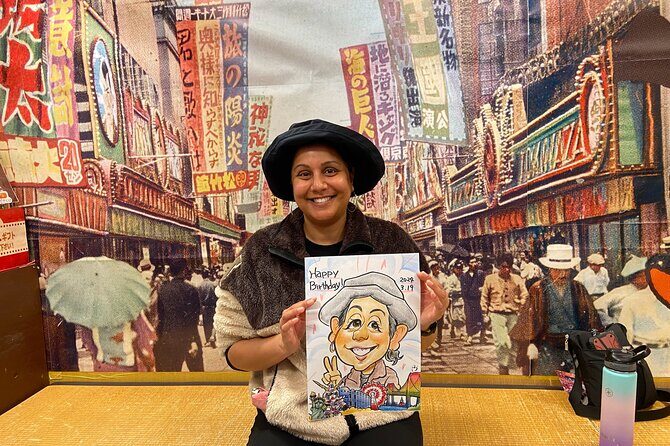
Asakusa is one of the most visitor-friendly “old Tokyo” experiences, and Senso-ji Temple is the reason. It’s an ancient Buddhist temple in the Asakusa area, and it’s free to enter. That makes it a great early stop on a tour like this: you get a major sight without paying extra, and you can soak up the sights before the rest of the city picks up speed.
I like this timing because it sets the tone. You start with something calm and cultural, then later move into markets and neon-heavy districts. Your guide can also point out how the area works—what to look for, where to stand for photos, and how to keep moving without getting stuck in foot traffic.
Possible drawback: Asakusa can be crowded depending on the day and time. The “private” format helps, but you should still expect people-watching.
Meiji Jingu Shrine: A Calm Reset From City Noise
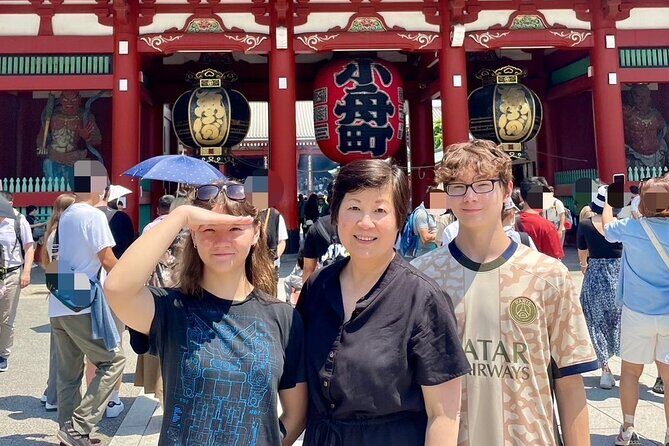
After Asakusa’s temple atmosphere, Meiji Jingu Shrine provides a different kind of Tokyo. This shrine was established in 1920 to honor Emperor Meiji, and the story connects to Japan’s modernization era in the late 19th century.
The practical value here is the reset. You get a breather—shade, open space, and a slower feel compared to street corners later in the day. It’s also free, which makes the stop easier to fit into a time-limited itinerary.
You’ll usually spend around 30 minutes here. That’s enough to take in the main experience without feeling like you’re rushing through a place that deserves a slower stroll.
Tsukiji Fish Market: Seafood Energy Without the Planning Headache
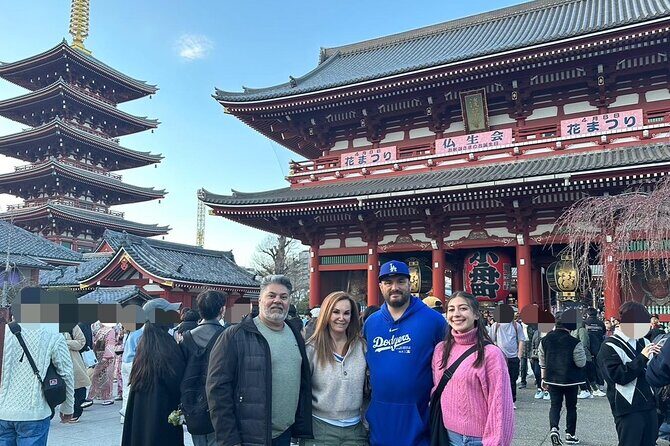
Tsukiji Fish Market is famous for a reason. It’s one of the world’s largest and most well-known fish markets, and it’s known for intense activity and a huge variety of seafood. The point of including it in a guided sampler is that you can focus on what you’re seeing instead of spending your energy figuring out where to walk and how to move through the area.
This stop is listed for about 40 minutes, and admission is free. That’s a smart slot: you can enjoy the atmosphere, take photos, and watch the flow of vendors and buyers without needing extra ticket costs.
Possible drawback: it’s busy by nature. If you’re sensitive to crowds, plan to keep your expectations realistic: this is about sights and atmosphere, not a quiet walk.
Akihabara and Electric Town: Pop Culture Meets Practical Navigation
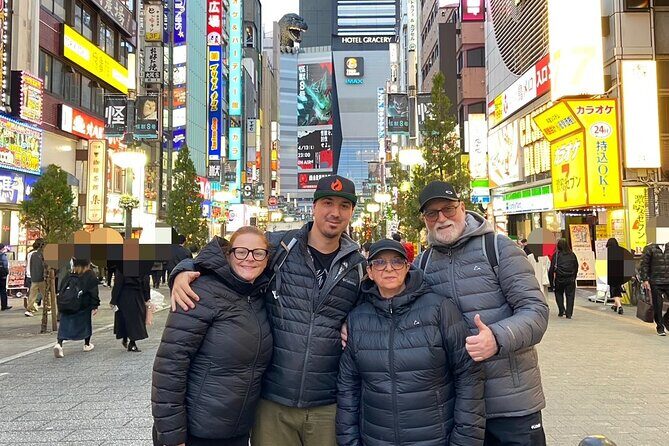
Then you hit Akihabara, the district nicknamed Electric Town and known worldwide for electronics, anime, and Japanese pop culture. This part of the day is where you trade temple calm for fast-moving storefront energy.
The itinerary includes about 40 minutes here. That’s often enough to:
- get your bearings
- spot a few must-see storefronts or arcades
- browse without burning the entire afternoon
What’s underrated about a guided stop like this is routing. Akihabara is easy to get lost in if you’re relying on general maps. With a guide, you can move with confidence and still make choices based on your own interests. If your group leans tech-heavy or anime-heavy, you’ll likely get more out of this block.
Shibuya Crossing: One Short Stop, Big Tokyo Vibe
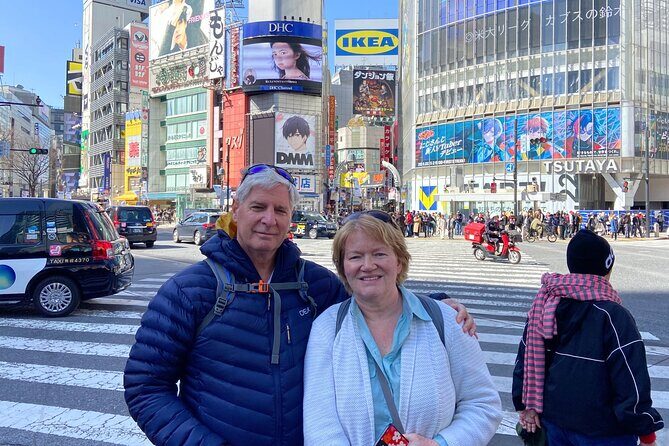
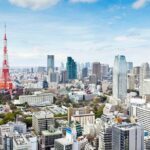
Shibuya Crossing is basically a Tokyo icon in street form. It’s described as one of the busiest pedestrian crossings in the world, and it’s located in the Shibuya district.
In this tour, it’s about 20 minutes. That’s just long enough to experience it in person—especially if your guide helps you choose a good viewing spot and time the crossing. You’re not trying to “cover everything” here. You’re getting the moment, then moving on.
Possible drawback: with crossings, crowd control is the point, but it can also be overwhelming. Having someone guide where to stand and when to move helps a lot.
Shinjuku: Skyscrapers, Neon Streets, and a Real City Feel
Next comes Shinjuku, one of Tokyo’s most energetic districts, known for towering buildings, busy streets, and a mix of sights from city energy to nearby calmer spaces. The itinerary gives about 40 minutes here.
This is a strong choice for a private tour because Shinjuku is big. Without guidance, you can burn time bouncing between areas. With a guide, you can see the “big picture” parts quickly—then decide if you want to linger later on your own.
Possible drawback: it’s crowded and loud in typical tourist hours. If your group prefers quiet walks, you’ll want your guide to steer you toward calmer spots in the area rather than keeping you in the densest streets.
Ueno: Where the Day Gets Its Breath Again
You end with Ueno, located in the Taito ward. It’s known for cultural options, expansive park space, and museums, plus a lively neighborhood atmosphere. The tour lists about 40 minutes here, with free entry.
Ueno works well at the end because it often feels less like a sprint. After earlier districts that are intense in different ways—temples, market action, and pop culture—Ueno gives you room to slow down.
It’s also a good base for decision-making after the tour. If your group spots something you want to return to—parks or museums—Ueno can be an easy place to continue from.
What Your Guide Actually Adds (Beyond Pointing)
A big chunk of the success of tours like this comes from how the guide handles the “in-between.” That includes:
- helping you understand where you are in the city
- showing the right way to route via public transportation
- keeping your group from wasting time at station exits
- explaining what you’re looking at so it feels meaningful, not just photo ops
You may also notice from past experiences that guides like Taisei, Himena, Chisato, Chi, Tai, Junsei, and Marie have hosted these kinds of itineraries. Across those examples, the common theme is clear: they’re responsive, they communicate ahead of time, and they help you move without rushing you.
If you’re traveling with kids, it can be especially useful to have someone manage pace and navigation. One common success factor is how calmly a guide can handle slower walking and keep things organized.
Also, the guide can wait outside if you decide to add a ticketed attraction (examples mentioned include Skytree and teamLab). If you provide a ticket, the guide may join you.
Who This Tour Suits Best (And Who Might Want Something Else)
This private guided route is a strong fit if:
- You’re on your first trip to Tokyo and want a fast overview.
- You want the “classic highlights” plus modern pop culture in one half-day.
- You’d rather pay for guidance than spend your vacation decoding trains.
- Your group wants flexibility, especially with pace and priorities.
It may be less ideal if:
- You want one district only and zero transit time.
- You love deep museum time and long stays at ticketed attractions.
- Your group plans to do multiple expensive paid add-ons—since entrance fees aren’t included, the total cost can creep up.
Also remember: the tour is listed as walk-based and uses public transit, and most travelers can participate. If mobility is a concern, you’ll want to discuss pacing with your guide upfront so the route stays comfortable.
Should You Book This Tokyo Private Sampler?
I’d book this if your goal is a first-day confidence boost. The combination of hotel pickup, a private setup, and a route that hits Asakusa, Meiji Jingu, Tsukiji, Akihabara, Shibuya, Shinjuku, and Ueno is exactly what helps Tokyo feel less intimidating.
I’d think twice if you’re the type who hates crowds or you’re planning lots of paid attractions. In that case, you might still enjoy it, but you should budget for public transportation and any entrance fees you choose to add.
If you want an efficient, thoughtfully routed taste of Tokyo without turning your day into a logistics project, this is the kind of tour that makes the rest of your trip easier.
FAQ
Is this tour private?
Yes. It’s a private tour, and only your group participates.
How long is the tour?
It runs for about 2 to 4 hours.
Do I need to meet the guide at a specific location?
No. The guide can meet you at your hotel, so you do not need to go to a meeting place.
Can I choose the tour language?
Yes. You can choose an English or Spanish (Español) tour.
What parts of Tokyo does the itinerary include?
The stops listed are Asakusa (Sensoji Temple), Meiji Jingu Shrine, Tsukiji Fish Market, Akihabara, Shibuya Crossing, Shinjuku, and Ueno.
Are entrance fees included?
No. Entrance fees for ticketed attractions are not included. The guide will wait outside or may join if you provide a ticket.
Is lunch included?
No. Lunch and any food or drinks during the tour are at your own expense.
Is airport pickup included?
No. Airport pickup is not included.
What extra costs should I expect?
You’re responsible for public transportation fees and any entrance fees for paid attractions.
Is free cancellation available?
Yes. You can cancel up to 24 hours in advance for a full refund. If you cancel less than 24 hours before, it isn’t refunded.
Easier with a Guide

More Tours in Tokyo




More Tour Reviews in Tokyo




Fresh reviews from around Tokyo






Guided, compared.
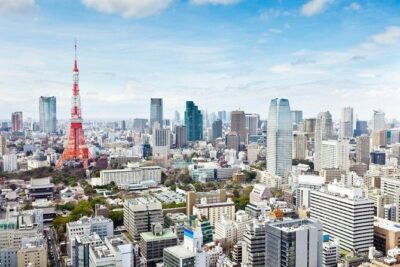 ★ 5.0Tokyo 6hr Private Tour with Government-Licensed GuideFrom $1553,902 reviews
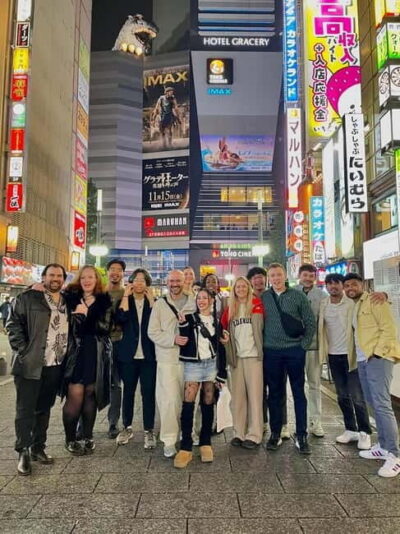 ★ 4.9Shinjuku Local Bar and Izakaya Guided Walking TourFrom $341,794 reviews
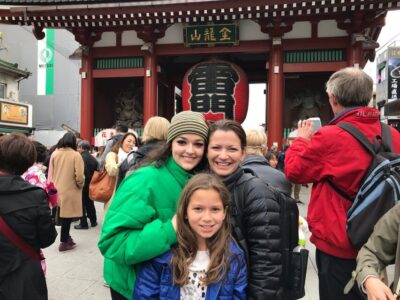 ★ 4.8Private City Highlights Tour with Local GuideFrom $1061,433 reviews
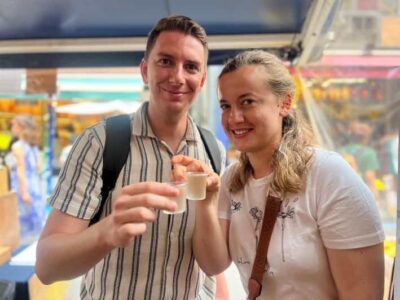 ★ 4.9Tsukiji Fish Market Guided Walking TourFrom $221,397 reviews
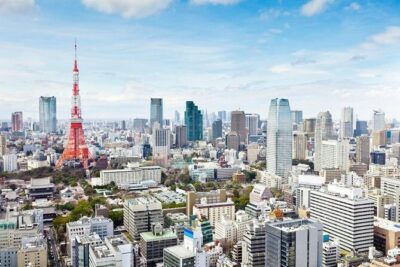 ★ 5.0Tokyo 4hr Private Tour with Government-Licensed GuideFrom $1091,394 reviews
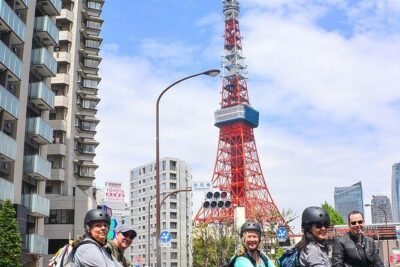 ★ 5.0Tokyo Guided Small-Group Biking TourFrom $1061,250 reviews
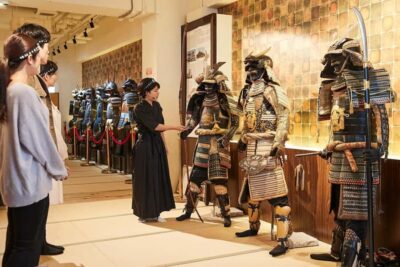 ★ 4.6Samurai Ninja Museum Guided tour and ExperienceFrom $271,010 reviews
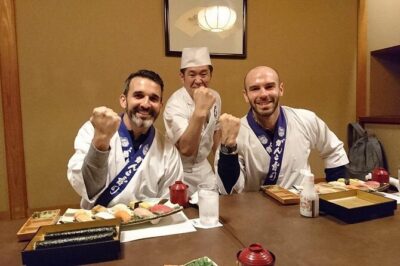 ★ 5.0Tsukiji Fish Market Guided Tour and Sushi Making with Pro ChefFrom $104775 reviews