
Reviewed · FOOD & DRINK
Private Tokyo Food Tour – A Journey Through Time Through Food
Tokyo food can feel like time travel. This private tour strings together Japan’s culinary story from Edo-era foundations to postwar commuter bites and then to Akihabara’s future-leaning desserts, all over about 5.5 hours. You also get pickup, plus a mobile ticket to help you start smoothly.
Two things I really like. First, the focus on ingredients and technique, especially the dashi lesson built on katsuobushi and kombu, before you snack on classics that date back generations. Second, the tasting volume is big and varied: 14 bites that range from traditional sweets like daifuku to modern twists like Pokemon taiyaki, plus lunch and one included drink.
One possible drawback to plan for: transport isn’t included. The tour uses two short subway rides, so you’ll need a transit card and a little patience for getting between neighborhoods.
In This Review
- Key highlights that make this tour worth your attention
- Time Travel, Tokyo-Style: What 5.5 Hours Looks Like
- Nihonbashi and the Edo Kitchen: Dashi, Katsuobushi, Kombu, and 100-Year Snacks
- Fukutoku Shrine: Shrines vs. Temples and a Quick Reset Before the Food Pub Crawl
- Ginza and Yurakucho Trackside: Salarymen, Gado Shita, Yakitori, and Lemon Sour
- Tokyo Station Commute Bites: Tamagoyaki and Fruits Sando
- Akihabara’s Future Food: Fusion Desserts, Anime-Tech Culture, and Sweet Experiments
- What You’ll Actually Eat: 14 Tastings Plus Lunch and One Drink
- Guides Make It Personal: Yasu, Keiko, Paiva, Miko, and Rohan in the Mix
- Price and Value: Where $327.75 Fits for a Private 5.5-Hour Food Day
- Who This Tour Suits Best (and Who Might Skip It)
- Prep Tips That Keep the Day Fun
- Should You Book This Tokyo Food Tour?
- FAQ
- FAQ
- How long is the private Tokyo food tour?
- Is this tour private or shared?
- How many tastings do you get?
- Which districts does the tour cover?
- Is pickup from your accommodation included?
- What’s included with the tour besides food?
- Is transport included in the price?
- What alcoholic drink is included?
- Where does the tour start and end?
- Are admission tickets required at the stops?
Key highlights that make this tour worth your attention
- 14 tastings that cover old-school snacks, a lunch-style meal, and future-forward desserts
- Dashi fundamentals explained with katsuobushi and kelp before you start eating
- Curated, long-running shops in Nihonbashi, including places described as over 100 years old
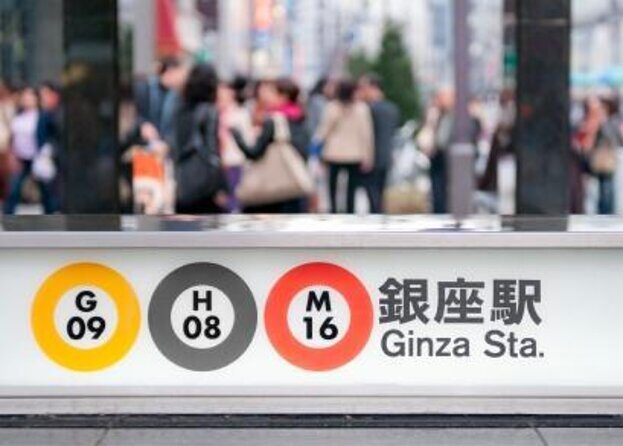
- Trackside salaryman food in the Ginza/Yurakucho area, plus yakitori and a lemon sour
- Akihabara dessert “future” with three fusion-leaning sweets and tech/culture context
- Private pacing and pickup, so you’re not squeezed into a big group shuffle
Other plates worth crossing Tokyo for
- Tokyo: Shinjuku Food Tour (13 Dishes at 4 Local Eateries)★ 5.0 · 6,603 reviews
- Tokyo Tsukiji Fish Market Food and Culture Walking Tour★ 5.0 · 3,184 reviews
- Tokyo: Shinjuku Food Tour (15 Dishes and 4 Eateries)★ 4.9 · 2,033 reviews
Time Travel, Tokyo-Style: What 5.5 Hours Looks Like
This tour is designed like a guided snack timeline. You move district to district and keep learning the why behind the flavors, not just what to order. It’s private, so you and your group can ask questions and go at a comfortable pace.
You’re also set up to actually enjoy the food. The plan spreads tastings across multiple stops and includes a lunch-style segment (yakitori plus noodle dishes, followed by commute bites at Tokyo Station). If you show up hungry, the structure makes it easy to try a lot without feeling like you’re trapped in one long meal.
Because you’ll be on foot and using subway for two short hops, wear shoes you trust. The tour sounds laid-back, but Tokyo neighborhoods involve real walking, and you’ll want energy for both savory and sweet.
Nihonbashi and the Edo Kitchen: Dashi, Katsuobushi, Kombu, and 100-Year Snacks
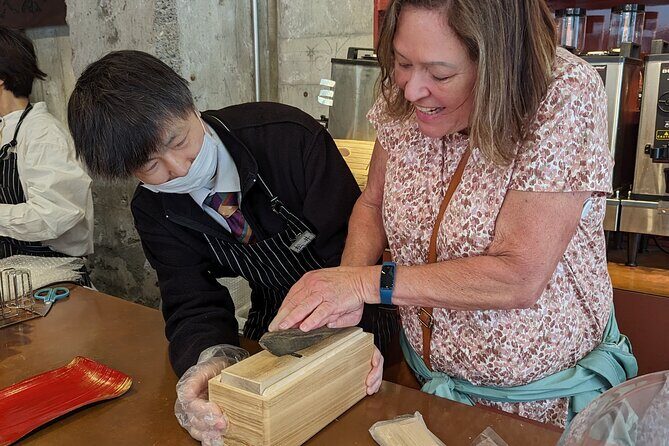
The experience starts in Nihonbashi, where the tour’s “history through ingredients” approach kicks in fast. You begin by learning about dashi, the flavor base behind many Japanese dishes. The guide then zooms in on two key players: katsuobushi (dried bonito flakes) and kelp.
This matters because it changes how you eat everything after. Instead of tasting food as separate items, you start recognizing shared foundations—umami, balance, and that clean savory depth that shows up in lots of classic Japanese cooking. It’s a smart way to turn casual snacking into something you’ll remember.
Then you move to traditional snacks from long-running shops described as over 100 years old, with some dating back to the Edo period. You’ll taste items such as:
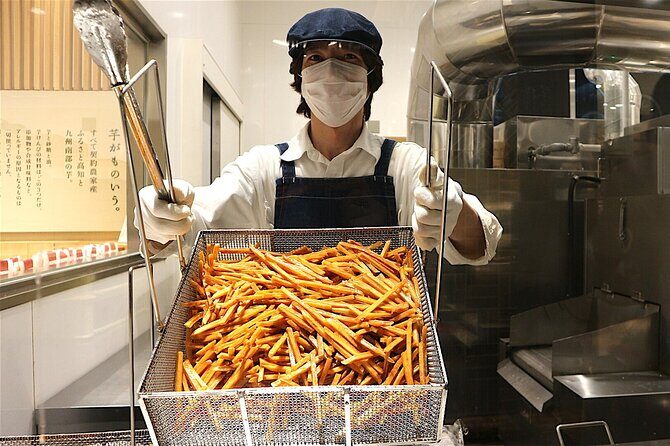
- Satsuma-age (fried fish cake)
- Amazake (fermented rice drink)
- Imo kenpi (sweet potato chips)
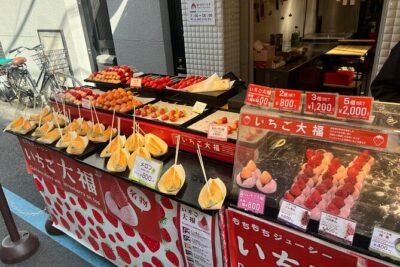
- Daifuku (glutinous rice mochi with sweet filling)
Practical tip: this is a good stop to pace yourself. If you blow through everything too quickly, later dessert stops can feel like sugar overload instead of the fun “future” payoff.
Fukutoku Shrine: Shrines vs. Temples and a Quick Reset Before the Food Pub Crawl
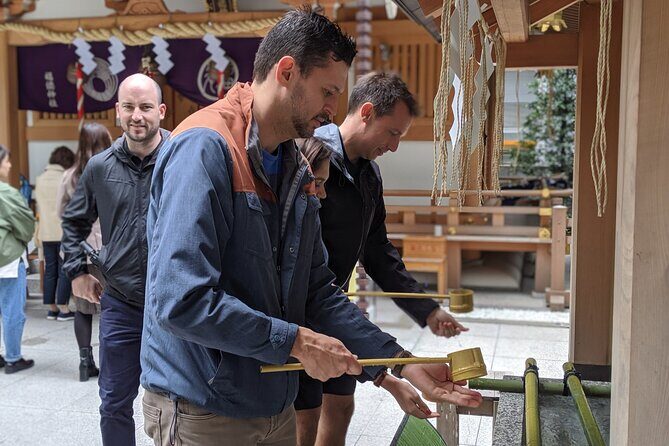
Right after Nihonbashi Bridge, the tour includes a short stop at Fukutoku Shrine. It’s only about 10 minutes, but it adds a meaningful cultural layer to the day.
You’ll learn about the differences between shrines and temples, plus how cleansing and praying work in a shrine setting. This isn’t random sightseeing. It’s a tone-setter: food in Japan sits inside daily rituals, whether that’s making stock carefully, eating at a neighborhood counter, or stepping into a space with specific customs.
If you’re the type who likes context, this stop is a nice breather. If you prefer food only, treat it as a quick reset and don’t worry about turning it into a lengthy visit.
Ginza and Yurakucho Trackside: Salarymen, Gado Shita, Yakitori, and Lemon Sour
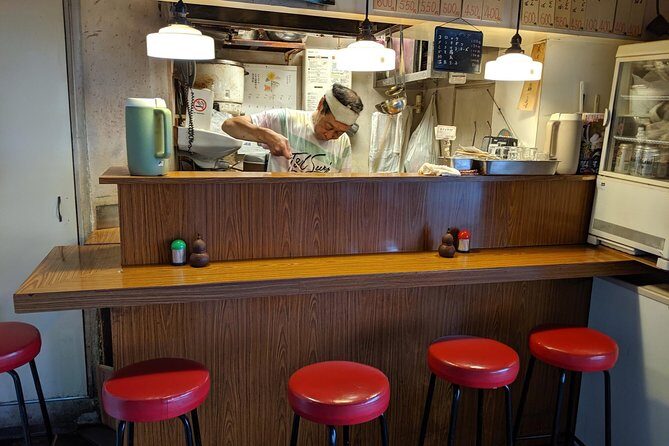
Next comes the postwar Tokyo story tied to how people ate. You head into the Ginza/Yurakucho area and talk about industrialization after the war. With that shift came the rise of salarymen, and the foods served in small spots under the railway tracks—often associated with gado shita (trackside bars and eateries).
The tour’s pitch here is simple: eat like a commuter with a tight schedule. You’ll stop for an izakaya-style spread and noodle-stall food that matches the working rhythm of the neighborhood.
Your included menu includes:
- Yakitori (grilled skewers)
- A lemon sour (a Japanese alcoholic drink)
- Tempura soba or curry udon (noodle soup options)
What I like about this part is that it feels grounded. Ginza can sound “flashy” to first-timers, but this segment points you to a more local Tokyo reality—small, practical, and built for feeding working people fast.
If you don’t drink alcohol, you can still treat the lemon sour as a cultural tasting item and decide how much you want to try. The bigger win is the mix of savory meat plus noodle comfort.
Worth weighing up alongside this Tokyo pick:


Tokyo Station Commute Bites: Tamagoyaki and Fruits Sando
From the trackside area, you stroll toward Tokyo Station, with two architecture-and-street stops along the way: the Tokyo International Forum area and Kitte Marunouchi. These segments aren’t about deep museum time. They’re about walking through key landmarks on the way to the food that fits your commute.
At Tokyo Station, the tour shifts to classic “getting home” snacks. You’ll try:
- Tamagoyaki (Japanese omelette)
- Fruits sando (Japanese milk bread sandwich with fresh fruit and whipped cream)
This is a great tasting pairing because it gives you two sides of Japanese comfort. Tamagoyaki is savory, egg-forward, and satisfying. Fruits sando is light, creamy, and very Tokyo-modern—easy to eat while still feeling like a real treat.
One consideration: these are quick bites. If you want a long sit-down meal, this tour is not that. It’s built for lots of stops, lots of bites, and a steady flow of stories.
Akihabara’s Future Food: Fusion Desserts, Anime-Tech Culture, and Sweet Experiments
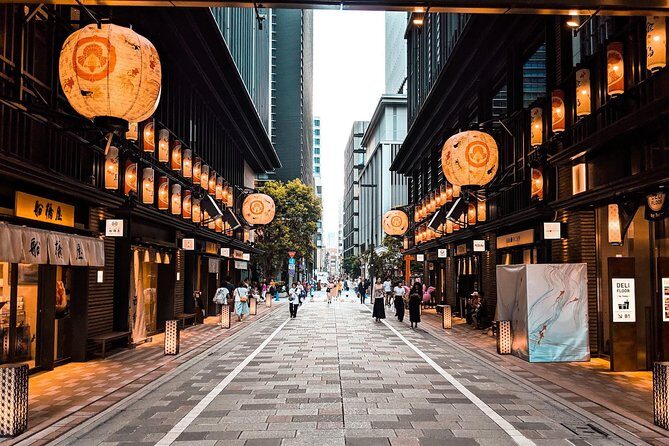
The day ends in Akihabara, an area famous for electronics, maid cafes, and anime culture. The tour uses that setting to talk about the future of food in Japan.
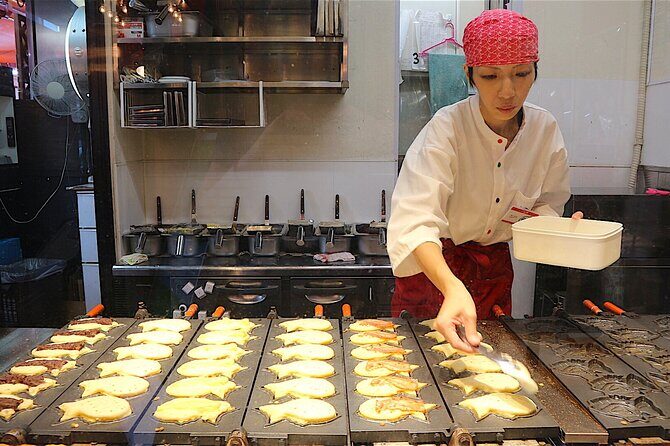
You’ll taste a selection of desserts with a fusion twist—traditional flavors reworked into something more modern. The tour mentions three fusion desserts as part of the Akihabara focus, and you’ll connect them to Akihabara’s role in bringing new tech ideas and subcultures into the wider culture.
If you love seeing how tradition gets reinterpreted, this final stop pays off. You’ve already learned about core foundations like dashi earlier in the day, so the future desserts feel like a continuation, not a random sugar ending.
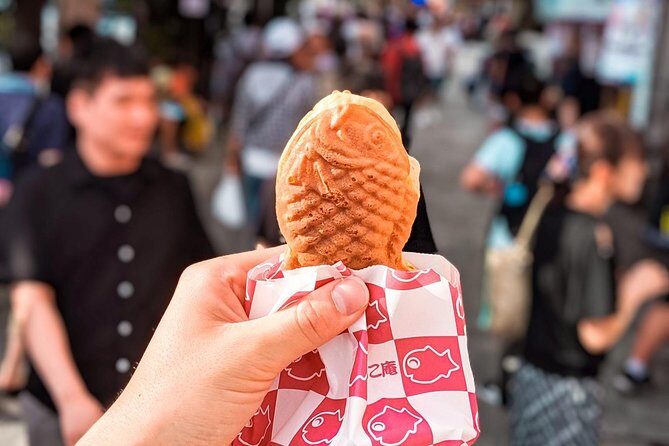
Also, sweet lovers will appreciate the broader tasting list here includes matcha options such as matcha bubble tea or ice cream, plus snacks like Pokemon taiyaki (included in the overall plan). It’s not just one dessert style.
What You’ll Actually Eat: 14 Tastings Plus Lunch and One Drink
This tour is built around volume, but not chaos. You’re scheduled for 14 tastings total, then lunch-style food, plus an included alcoholic drink.
From the included items list, you can expect a mix of:
- Classic dashi-based snack culture (with the katsuobushi and kelp lesson as the lead-in)
- Fried and savory bites like satsuma-age
- Fermented and sweet options like amazake and daifuku
- Chips and tea-time snacks like imo kenpi and matcha bubble tea or ice cream
- A lunch segment built around yakitori and noodle soup (tempura soba or curry udon)
- Dessert energy in both traditional and fusion modes (including Pokemon taiyaki and Akihabara fusion sweets)
- A lemon sour included as your drink option
My advice: eat lightly before you go. You do get a real lunch component, so you don’t need to add a heavy breakfast on top. Bring water energy if you’re sensitive to spicy or strong flavors, but the plan itself is balanced across savory and sweet.
If you’re traveling with picky eaters, this tour might still work because the tastings are varied, but it’s not a “choose-your-own menu” setup. It’s a tasting journey, so you’ll want a willingness to try new bites.
Guides Make It Personal: Yasu, Keiko, Paiva, Miko, and Rohan in the Mix
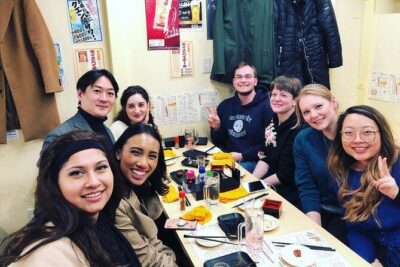
The strongest praise that comes through is about guide style. Names that show up include Yasu, Keiko, Paiva, Miko, and Rohan. The common theme is practical, friendly guidance and a sense of humor that keeps the day from feeling like homework.
I like this part because Tokyo is a maze. One guide is specifically praised for helping with the train system, which is exactly what you want on a food tour that includes subway connections. Another guide gets credit for being organized, prompt, and professional while still fun and knowledgeable. In at least one case, Miko is praised for adjusting a date after a flight delay request, which signals flexibility when plans go sideways.
If you want a tour where the guide makes the city easier to navigate and the food easier to understand, this is the right kind of experience.
Price and Value: Where $327.75 Fits for a Private 5.5-Hour Food Day
At $327.75 per person, this isn’t a bargain-bucket activity. The value comes from three things you don’t usually get together in Tokyo: private format, a pickup option, and 14 tastings plus lunch and a drink.
You’re paying for someone to solve the hard parts: choosing long-running snack shops, timing the day across districts, and guiding you through ingredients like dashi with enough context that you taste with intention. On top of that, curated history is built into the experience rather than you trying to piece it together solo.
Two notes to keep it fair in your planning:
- Transit costs are not included, even though you take only two short subway rides. Build that cost into your budget.
- Private means you’re paying for fewer people. If you’re a solo traveler or a couple, it can feel pricey; if you have a small group, it often feels more reasonable because you’re getting a lot of attention and structure.
Also, the tour is commonly booked about 41 days in advance. That’s a hint to reserve early if you want a specific day.
Who This Tour Suits Best (and Who Might Skip It)
This is a strong match for first-time Tokyo visitors who want an organized way to see neighborhoods and still eat well. It also suits food lovers who like learning what makes Japanese flavors work, especially around umami foundations like dashi.
It’s also a good fit for families who want a structured day. One guide gets praised for making the tour fun for kids around ages 9 and 11, and the food variety is wide enough that kids can often find something they like.
I’d be cautious if you dislike walking or hate any chance of subway transfers. You’ll do a couple short rides, and the pacing assumes you’re comfortable moving through multiple areas in one day.
Prep Tips That Keep the Day Fun
Plan to come hungry. This tour is food-heavy by design, with tastings distributed across savory snacks, lunch items, and dessert stops.
Wear comfy shoes for the walking segments between Nihonbashi, the Ginza/Yurakucho area, and Tokyo Station, then onward to Akihabara. Bring a transit card since subway rides aren’t included in the price.
Finally, keep an open mind about the lemon sour. Even if you don’t drink much, it’s part of the cultural snapshot for the trackside izakaya vibe.
Should You Book This Tokyo Food Tour?
Book it if you want a private, ingredient-led Tokyo day that moves from Edo foundations to commuter culture to Akihabara’s future-leaning sweets. The combination of 14 tastings, dashi-focused learning, and a guide who’s praised for humor and organization makes it a solid value for the time you spend.
Skip it if you’re on a tight budget or you only want one neighborhood. This is a multi-district experience. You’ll trade the comfort of staying put for the payoff of seeing how Tokyo’s food story changes across eras.
If you’re deciding on one food tour in Tokyo, this one makes a strong case for balance: classic flavor lessons early, practical commuter food mid-day, and a playful sweet future to end.
FAQ
FAQ
How long is the private Tokyo food tour?
It runs for about 5 hours 30 minutes.
Is this tour private or shared?
It’s private, and only your group participates.
How many tastings do you get?
You get 14 tastings.
Which districts does the tour cover?
The tour focuses on Nihonbashi, Ginza, and Akihabara.
Is pickup from your accommodation included?
Pickup is offered.
What’s included with the tour besides food?
You’ll get a mobile ticket, and the included menu covers snacks, lunch items, and a lemon sour.
Is transport included in the price?
No. Transport costs are payable by you, and the tour includes two short subway rides.
What alcoholic drink is included?
A lemon sour is included.
Where does the tour start and end?
It starts at Nihonbashi 1-chome Mitsui Building and ends at Akihabara Station 1-chome Sotokanda.
Are admission tickets required at the stops?
Admission tickets are listed as free for the stops in the itinerary.
Eat Your Way Round Tokyo

More Tours in Tokyo




More Tour Reviews in Tokyo




Fresh reviews from around Tokyo






Food & Drink, compared.
 ★ 5.0Shinjuku Food Tour (13 Dishes at 4 Local Eateries)From $866,603 reviews
 ★ 5.0Tokyo Tsukiji Fish Market Food and Culture Walking TourFrom $993,184 reviews
 ★ 4.9Shinjuku Food Tour (15 Dishes and 4 Eateries)From $852,033 reviews
 ★ 5.0Tsukiji Fish Market Food and Walking tourFrom $301,724 reviews
 ★ 5.0Eat and Drink Like a Local: Tokyo Ueno Food Tour-Taverns&RamenFrom $95957 reviews
 ★ 5.0Shibuya Food Tour (13 dishes and 4 Eateries)From $77770 reviews
★ 4.7Tsukiji Fish Market Food and Culture Walking TourFrom $96757 reviews
★ 5.0Shibuya Food Tour (13 dishes and 4 Eateries)From $77770 reviews
★ 4.7Tsukiji Fish Market Food and Culture Walking TourFrom $96757 reviews
 ★ 5.0Tsukiji Fish Market: Street Food & Culture Walking TourFrom $33669 reviews
Browse the lists this tour appears in