
Reviewed · GUIDED
Private Omiya Bonsai Village Tour with Licensed Guide
Bonsai is tiny work with big meaning. This private half-day takes you out of central Tokyo to Omiya Bonsai Village to see six gardens and learn from a licensed English-speaking guide. I like the focus on questions you actually have while you’re walking, not a rushed slideshow—one possible drawback is that admission fees and transit costs aren’t included, so you’ll pay a bit more on the day.
What makes this tour extra practical is that it’s built for real time on-site. You’ll get photo-friendly garden moments and a chance to buy a bonsai plant as a souvenir, plus a museum stop with context for what you’re seeing. If you only want one perfect photo spot and then leave, you might find the schedule a little structured, but for most plant and nature lovers it feels just right.
In This Review
- Key Highlights You’ll Care About
- A Private Half-Day Escape from Tokyo Into Omiya Bonsai Village
- Getting There: Where Logistics Stop Being a Headache
- Inside Omiya Bonsai Village: Six Gardens and What to Notice
- Omiya Bonsai Art Museum: Context You’ll Be Glad You Have
- Souvenir Bonsai Shopping: A Living Memory (Not Just a Postcard)
- Price and Value: What You’re Really Paying For
- The Guide Factor: Kahori and Miyuki as Examples of Style
- What Your Day Feels Like: A Simple Timeline to Plan Around
- Who This Tour Suits Best (and Who Might Skip It)
- Should You Book This Private Omiya Bonsai Tour?
- FAQ
- Is this tour in Tokyo, and how long does it take?
- What’s included in the price?
- What’s not included?
- How many bonsai gardens will I visit?
- Do I need to pay admission fees?
- Is hotel pickup offered?
- Is the Omiya Bonsai Art Museum visit always available?
- Is this a private tour?
- What’s the cancellation policy?
Key Highlights You’ll Care About
- Licensed English-speaking guide who can answer your bonsai questions on the spot
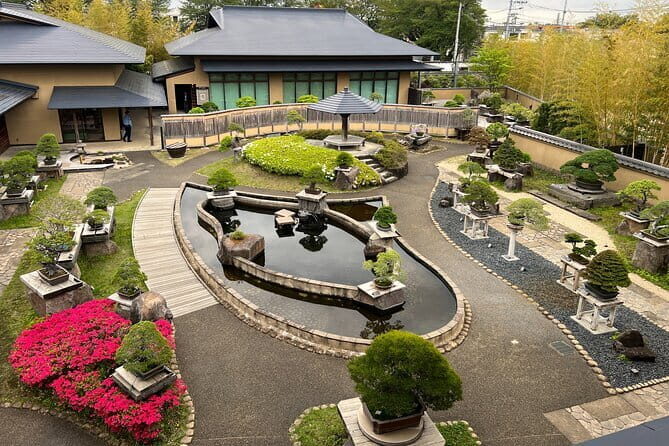
- Six different gardens in the Omiya Bonsai Village area to compare styles and techniques
- Museum stop at the Omiya Bonsai Art Museum, with major bonsai context
- Souvenir bonsai shopping so you can take home a living memory
- Time for unique photos in quieter garden settings
- Hotel-based meet-up and return so you’re not figuring it out alone
More days made easy by a guide
- Tokyo 6hr Private Tour with Government-Licensed Guide★ 5.0 · 3,902 reviews
- Tokyo: Shinjuku Local Bar and Izakaya Guided Walking Tour★ 4.9 · 1,794 reviews
- Tokyo: Private City Highlights Tour with Local Guide★ 4.8 · 1,433 reviews
A Private Half-Day Escape from Tokyo Into Omiya Bonsai Village
This tour is all about shifting your pace. You trade Tokyo’s energy for a focused walk through a district that became a home for bonsai pioneers about a century ago. In practical terms, you’re buying time with an expert guide plus dedicated garden hours, which is exactly what makes the experience feel worth the money.
Omiya is special because it’s not just a single attraction. You’ll move through six distinct gardens, so you can see how different arrangements create different moods—shape, thinning, training style, and the way trees frame the space around them. It’s like getting multiple mini-exhibits instead of one room.
The other big win is that this is private. That means you can ask questions in plain language, pause for photos without feeling like you’re holding up a group, and tailor your walk toward what interests you most—history, techniques, or simply what to look for.
Getting There: Where Logistics Stop Being a Headache
You meet your guide in Tokyo at your hotel or another chosen meeting point, then head out to the Omiya Bonsai district. The drive/train time is about one hour each way, so plan on roughly two hours of round-trip transit time inside the overall tour length of about four hours.
The guide also helps you with getting to the gardens from your hotel. That’s a small detail, but it matters. If you’ve ever tried to reach a focused local site in Japan without perfect directions, you know how quickly time can vanish. Here, your guide handles the “how do we get there and what do we do next” part, leaving you to concentrate on the trees.
One small caution: the tour includes meeting your guide, but private car is not included, and transportation fees are listed as not included. So you should budget for whatever transit you take on the day (and bring some yen just in case).
Inside Omiya Bonsai Village: Six Gardens and What to Notice
Your time in the Omiya Bonsai Village is about 1.5 hours on-site. That’s enough to feel like you actually walk the gardens, not just spot them from the edges. Admission is not included, so you’ll want to have that sorted on arrival.
Here’s how I’d approach the six gardens so you get more than “pretty trees.” Start noticing the structure first:
- Trunk movement and taper: look for how the trunk narrows and how curves guide your eye
- Branch spacing: pay attention to whether branches feel evenly paced or intentionally asymmetrical
- Leaf pad shape: bonsai foliage is trained to create a visual silhouette at each stage
- Ground and pot style: the pot isn’t just decorative; it supports the overall balance
Because you’re moving between multiple gardens, you can compare styles. You’ll likely see different approaches to training and presentation, and that comparison is where your understanding grows fast. Even if you’re not a collector, you’ll start reading bonsai like visual design.
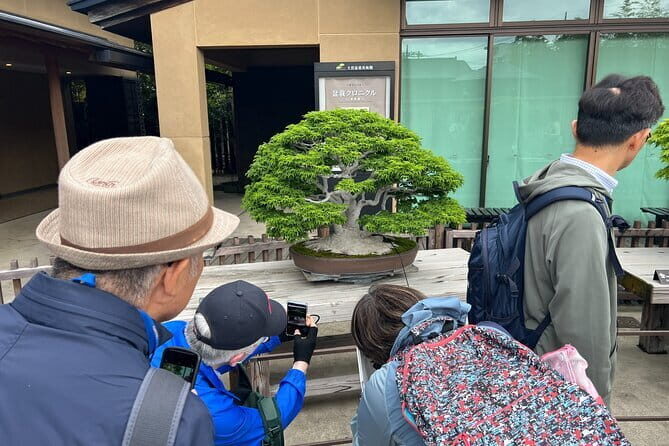
Also, don’t underestimate the photo angle. The gardens are set up for calm viewing, and your guide can help you find spots where the tree shape works well in a photo. That matters because bonsai photos can look flat if you’re standing at the wrong distance or angle.
Omiya Bonsai Art Museum: Context You’ll Be Glad You Have
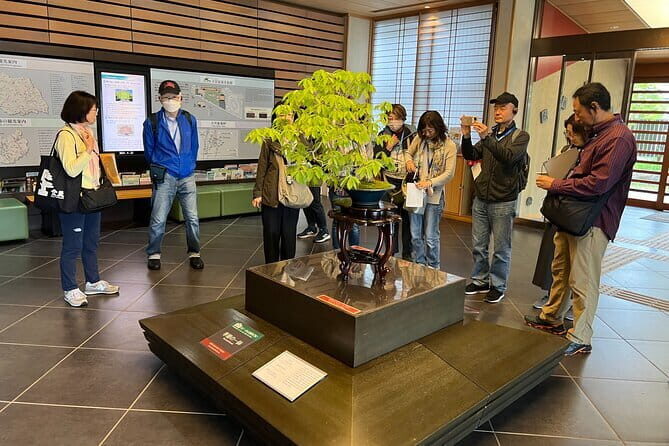
The museum stop is about 30 minutes, right at the edge of the Omiya Bonsai Village. Admission is not included, so again, expect an extra cost. This is the part of the tour that turns what you saw outdoors into something you can explain.
The Omiya Bonsai Art Museum is arranged logically, which helps you understand bonsai as more than a hobby. One standout detail mentioned from past visits: the museum includes a thousand-year-old ezo spruce. That’s the kind of fact that makes the whole day click—suddenly you’re not just looking at shapes, you’re looking at time.
A key heads-up: the museum is closed for renewal from Nov. 5, 2024 to Mar. 20, 2025. If your trip falls in that window, check what the guide will do instead, because the museum is listed as a planned stop.
This museum timing is short, but it’s designed to be enough. If you want long reading and slow wandering, you might wish you had more hours. Still, as part of a half-day private tour, it gives you the story behind the trees without eating your whole day.
More private options with your own guide



Souvenir Bonsai Shopping: A Living Memory (Not Just a Postcard)
One of the most practical perks is the chance to purchase a souvenir bonsai plant. For a lot of people, this is the main reason they book—Japan is full of great gifts, but a living tree is on a different level.
If you’re considering buying, think ahead about what you’ll do after the tour:
- Where will you keep it right away after you get back?
- How will you transport it (size, packaging, weight)?
- Will it need special handling depending on the season?
The tour is helpful here because your guide is there. Past visits included guides who stay patient with plant lovers and take time to talk through bonsai basics. For example, a guide named Kahori is noted for being patient and for making the ride itself feel like part of the experience. Even something like learning simple paper art on the train can break the day into smaller, memorable moments instead of just travel time.
If buying a plant isn’t your thing, you can still enjoy the gardens and photos. But if you want a bonsai souvenir, this tour is built around that goal.
Price and Value: What You’re Really Paying For
The price is $107.50 per person for a private tour, and it’s commonly booked about 52 days in advance. That “book ahead” pattern makes sense here: private, licensed-guide tours at a specific local site can fill faster than big-city hop-ons.
What’s included:
- a licensed English-speaking guide
- a meet-up in Tokyo (at your hotel or desired place)
What’s not included:
- private car
- lunch and personal expenses
- transportation fees
- admission fees (both the village gardens and museum are listed as not included)
So the value isn’t in ticket inclusions. The value is in the guide and the time structure. You’re paying for someone to get you to the right place, keep the pace comfortable, and answer questions while you’re surrounded by bonsai instead of reading about it later.
At this price, I’d only book if you’ll use the private format. If you’re the type who wants to pause often, ask questions, and actually compare the six gardens, this tour delivers. If you’re the type who prefers wandering alone with a map and a basic audio guide, you might be able to do it cheaper. But you’ll miss out on the guidance that helps you look at bonsai the right way.
The Guide Factor: Kahori and Miyuki as Examples of Style
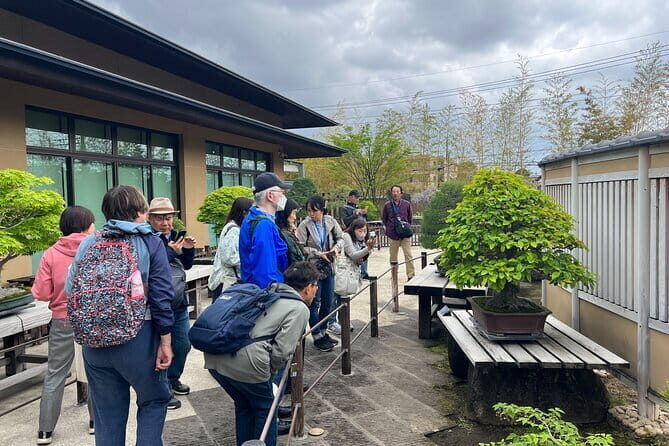
This tour’s quality is tightly linked to your guide. In past experiences, guides like Kahori and Miyuki stood out for making the day feel personal.
Kahori is described as very knowledgeable and patient, and also for doing something extra during the ride: teaching oragami sculptures on the train. That’s not guaranteed with every guide, but it points to a broader approach—treating the whole half-day as part of the learning experience, not just the garden minutes.
Miyuki is noted for being accommodating and for sharing bonsai history alongside bonsai in general. The point for you is simple: this is the kind of tour where your guide’s communication style can make the difference between I saw some trees and I understand what I was seeing.
What Your Day Feels Like: A Simple Timeline to Plan Around
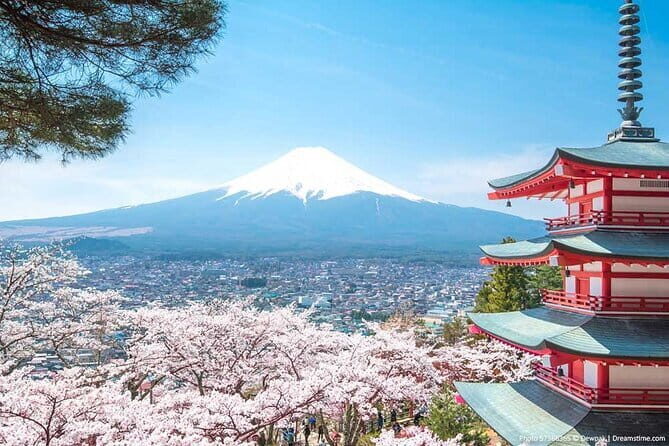
Your tour is roughly a four-hour half-day. Expect:
- meet your guide in Tokyo and travel toward the bonsai district (about an hour)
- spend about 1.5 hours walking through six gardens
- spend about 30 minutes at the museum
- return to Tokyo (about an hour)
That timing matters because it keeps the day from turning into a full-day travel mission. You still get quiet garden time, but you’re not committing your entire vacation day to transportation and ticket lines.
Lunch is not included, so if you’re hungry you’ll need a plan. Since you’re out of central Tokyo for part of the day, decide whether you’ll eat before or after the tour. Bringing a snack can also help if you’re someone who gets cranky when you’re waiting.
Who This Tour Suits Best (and Who Might Skip It)
This tour is a strong match if you:
- love plants, gardening, or learning by observing
- want a guided way to understand bonsai beyond surface beauty
- want the convenience of a guide handling directions from your hotel
- are interested in buying a bonsai plant as a souvenir
You might skip it if:
- you dislike structured itineraries and prefer free roaming with no guiding
- you don’t want any extra costs beyond the tour price (because admissions and transit fees are not included)
- you’re visiting during the museum closure window (Nov. 5 to Mar. 20). You might still do the gardens, but the planned museum value would change.
If you’re a photography person, you’ll likely appreciate the calm garden settings and the built-in stops designed for looking and shooting—not sprinting.
Should You Book This Private Omiya Bonsai Tour?
Book it if you want a focused, high-effort bonsai experience without the stress of figuring out local logistics and timing on your own. The private format is the real selling point: it helps you ask questions, compare six gardens, and get museum context so your photos and memories make sense later.
I’d also lean toward booking if you’re the type who might actually buy a bonsai plant. The tour is designed around that possibility, not as an afterthought.
Skip it (or adjust your expectations) if you’re trying to keep costs ultra-tight, or if your dates overlap with the Omiya Bonsai Art Museum closure. In that case, ask before you go what the guide will do to replace the museum value.
FAQ
Is this tour in Tokyo, and how long does it take?
It’s based in Tokyo and runs for about 4 hours total, including travel time.
What’s included in the price?
The tour includes a licensed English-speaking guide and a meet-up in Tokyo.
What’s not included?
Private car, lunch, admission fees, and transportation fees are not included.
How many bonsai gardens will I visit?
You’ll explore six different bonsai gardens in the Omiya Bonsai Village area.
Do I need to pay admission fees?
Admission fees are listed as not included, so you should expect to pay them separately on the day.
Is hotel pickup offered?
Yes, you meet your guide at your hotel or another desired place in Tokyo, and the guide returns you to Tokyo after the tour.
Is the Omiya Bonsai Art Museum visit always available?
No. The museum is closed for renewal from Nov. 5, 2024 to Mar. 20, 2025.
Is this a private tour?
Yes. It’s a private tour/activity, so only your group participates.
What’s the cancellation policy?
You can cancel for a full refund if you cancel at least 24 hours before the experience’s start time.
Easier with a Guide



More Tours in Tokyo




More Tour Reviews in Tokyo




Fresh reviews from around Tokyo






Guided, compared.
 ★ 5.0Tokyo 6hr Private Tour with Government-Licensed GuideFrom $1553,902 reviews
 ★ 4.9Shinjuku Local Bar and Izakaya Guided Walking TourFrom $341,794 reviews
 ★ 4.8Private City Highlights Tour with Local GuideFrom $1061,433 reviews
 ★ 4.9Tsukiji Fish Market Guided Walking TourFrom $221,397 reviews
 ★ 5.0Tokyo 4hr Private Tour with Government-Licensed GuideFrom $1091,394 reviews
 ★ 5.0Tokyo Guided Small-Group Biking TourFrom $1061,250 reviews
 ★ 4.6Samurai Ninja Museum Guided tour and ExperienceFrom $271,010 reviews
 ★ 5.0Tsukiji Fish Market Guided Tour and Sushi Making with Pro ChefFrom $104775 reviews