
Reviewed · GUIDED
Private Day Tour in Tokyo with Government-Licensed Guide
A Tokyo day, with less guesswork. This private tour strings together classic stops like Meiji Jingu and Shibuya with real-time help using the metro. I love that you can choose only 3–4 sights, so you’re not stuck paying for attractions you don’t care about, and I love how well the guide explains shrine customs and what you’re actually looking at. One catch: some skyline icons cost extra, so if you want Shibuya Sky, Tokyo Tower, or Skytree, plan for those entry fees.
You’ll also get a guide who can adapt the plan to your group and even adjust on the fly. Pickup can be offered, but the tour’s main start point is Shibuya Scramble Square, so build your day around that meeting location and wear shoes you trust for a walking-heavy morning and afternoon.
In This Review
- Key things that make this Tokyo tour work
- A private Tokyo highlights walk that actually teaches you the city
- Pick 3–4 sights, then stop paying for stuff you don’t care about
- Shibuya start: where the tour clicks before you even walk
- The itinerary in real life: what each stop is good for
- Meiji Jingu Shrine: a deep breath right off the Yamanote line
- Takeshita Street (Harajuku area): fashion chaos, but fun for a quick hit
- Shibuya Crossing: the light-cycle spectacle
- Shibuya Sky: pay if you want the rooftop 360° moment
- Tokyo Tower + Zojo-ji Temple: two icons in one neighborhood
- Tsukiji Outer Market: seafood shopping energy without the stress
- Imperial Palace area: history, but with limited access
- Tokyo Skytree: another paid skyline option
- Asakusa + Senso-ji Temple: old Tokyo with shopping streets attached
- Kappabashi (Kappabashi Dogugai): kitchen tools and food-shaped souvenirs
- Skyline budgeting: Shibuya Sky, Tokyo Tower, Skytree
- Using the subway in Tokyo: the skill you carry home
- Lunch and photos: how the guide adds value without charging you for it
- Who this tour fits best (and who might want to tweak it)
- Price and value: what $108.99 buys you in Tokyo terms
- Before you go: small choices that make the day better
- Should you book this private Tokyo highlights tour?
- FAQ
- How long is the private tour in Tokyo?
- What sites can I include on the walking route?
- Are entrance fees included for all stops?
- Is pickup available, or do I meet somewhere specific?
- Do I need to pay for public transportation?
- Is free cancellation available?
Key things that make this Tokyo tour work
- Government-licensed guide in plain English: Guides like Hiro are repeatedly praised for clear communication and calm confidence.
- Choose 3–4 stops from the highlight list: You only pay entry for the specific places you add.
- Tokyo by transit, not just by taxi: You’ll learn how to use the subway system during the day.
- Skyline add-ons cost extra: Budget for Shibuya Sky, Tokyo Tower, and Tokyo Skytree if they’re on your list.
- Supports real-life needs: The route can be shaped for families, heat, and even finding elevators when stations are stair-heavy.
More days made easy by a guide
- Tokyo 6hr Private Tour with Government-Licensed Guide★ 5.0 · 3,902 reviews
- Tokyo: Shinjuku Local Bar and Izakaya Guided Walking Tour★ 4.9 · 1,794 reviews
- Tokyo: Private City Highlights Tour with Local Guide★ 4.8 · 1,433 reviews
A private Tokyo highlights walk that actually teaches you the city
Tokyo has a way of overwhelming you fast. There are too many choices, too many neighborhoods, and signs that feel like code. This tour helps you cut through that noise with a licensed local guide who keeps the day moving and makes the sights make sense.
The biggest value isn’t only seeing famous places. It’s understanding how Tokyo works between stops—especially on the subway. You’ll get help with navigating the system and with basic etiquette, so you don’t feel like you’re just clicking photo locations.
Pick 3–4 sights, then stop paying for stuff you don’t care about
This is a private walking tour where you choose 3–4 sites from the tour’s highlight options. That matters because Tokyo attractions can add up quickly. If you choose one skyline deck, you’ll pay for that. If you skip all of them, you won’t.
Your guide will help you shape the day at a walking pace you can handle. In practice, that flexibility is one of the reasons the tour gets such strong feedback. People talk about customized schedules, quick mid-tour changes, and a guide who adjusts when something doesn’t fit the group.
Here are the stops you should think about when planning your 3–4 choices:
- Meiji Jingu Shrine (free): Calm, leafy, and a great reset from city speed.
- Takeshita Street (Harajuku area) (free): Teen fashion energy and people-watching.
- Shibuya Crossing (free): The famous scramble crossing where the light cycle matters.
- Shibuya Sky (paid): A 360° open-air rooftop view (entry not included).
- Tokyo Tower + Zojo-ji Temple (free + paid): A classic postwar symbol by a historic temple.
- Tsukiji Outer Market area (free): Food-shopping and chef-style seafood browsing.
- Imperial Palace East Gardens (free, on select access days): A historic anchor with limited public areas.
- Tokyo Skytree (paid): Another skyline option with its own view style.
- Asakusa + Senso-ji Temple (free): Old-school Tokyo with a lively shopping street.
- Kappabashi Street (free): Kitchen supply streets and food-themed souvenirs.
If you’re trying to decide, I’d pick at least one “big view” stop and one “temple/shrine” stop. The mix keeps your day from feeling like only photo ops.
Shibuya start: where the tour clicks before you even walk
The default meeting point is Shibuya Scramble Square in Shibuya. Even if pickup is offered, starting in this transport hub is smart. It’s easy to connect here and easy for a guide to move you around the city.
A lot of first-time Tokyo trouble happens right at the beginning—getting lost in stations, not knowing which exit to use, or panicking when you see stairs. This tour’s strength is that the guide handles the “between stops” part, including how to get around inside stations.
The itinerary in real life: what each stop is good for
Below is how the stops fit together conceptually, and what to watch for during each one. Since you choose your 3–4 sites, treat this as a menu.
More private options with your own guide


Meiji Jingu Shrine: a deep breath right off the Yamanote line
Meiji Jingu is a shrine dedicated to Emperor Meiji and Empress Shoken. It’s right by Harajuku, near the Yamanote Line, which makes it an easy early stop if your day starts in Shibuya.
This is a top pick when you want Tokyo to slow down for a bit. Look for the forested approach and the way the space invites quieter behavior. The guide’s shrine etiquette explanations are a big plus here.
Time on the itinerary: about 40 minutes
Entry: free
Takeshita Street (Harajuku area): fashion chaos, but fun for a quick hit
Takeshita Street sits in the Harajuku station area. It’s best as a short walk-through and people-watching moment. If your group loves street style and youthful fashion, it’s perfect.
If crowds make you cranky, consider it a 20-minute browse, not a marathon.
Time on the itinerary: about 20 minutes
Entry: free
Shibuya Crossing: the light-cycle spectacle
Shibuya Crossing is famous for a reason: multiple crossing streams and pedestrians moving in sync. The guide’s value is that it’s not just standing somewhere and waiting. You’ll want to understand where to position yourself and when to cross safely with the crowd flow.
Time on the itinerary: about 10 minutes
Entry: free
Shibuya Sky: pay if you want the rooftop 360° moment
Shibuya Sky is a 360° open-air observation deck on the roof of Shibuya Scramble Square. If “views above Tokyo” is on your must-do list, this is the one to consider in Shibuya.
The entry fee is not included, so decide in advance whether this fits your budget. If you only want one paid skyline stop, pick the deck with the vibe you like (rooftop vs. tower vs. skytree).
Time on the itinerary: about 40 minutes
Entry: not included (listed adult price applies)
Tokyo Tower + Zojo-ji Temple: two icons in one neighborhood
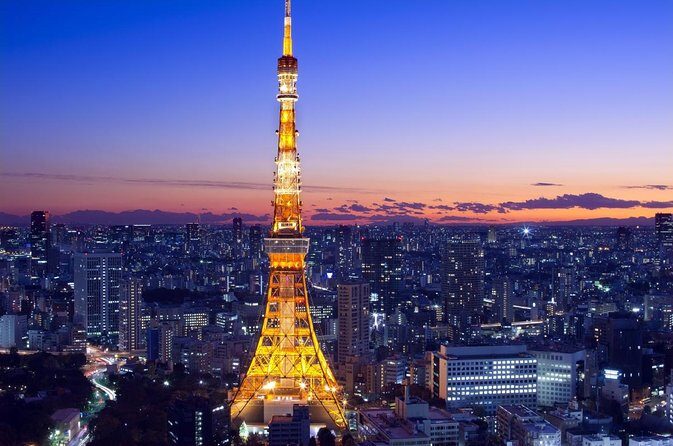
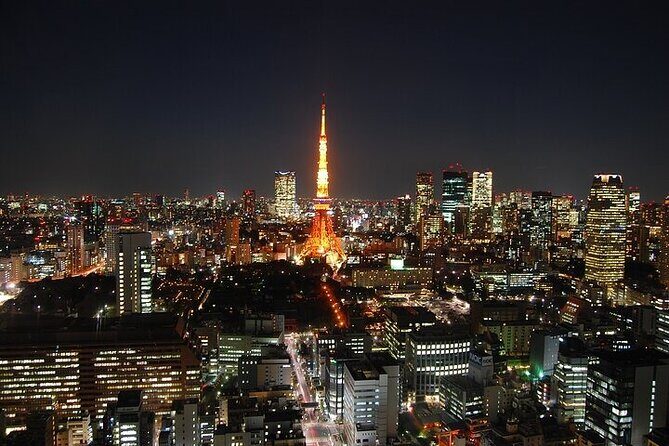
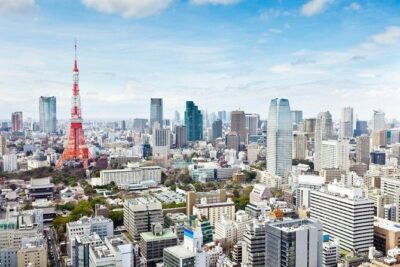
Tokyo Tower is a 1958 symbol of Tokyo’s post–World War II rebirth, with observation decks above. Next door, Zojo-ji Temple adds the grounded, historic side of Tokyo.
This combo works well because it mixes “modern landmark” with “real temple context” without you needing to travel far.
Time on the itinerary: Tokyo Tower about 40 minutes, Zojo-ji about 20 minutes
Entry: Zojo-ji free; Tokyo Tower observation not included
Tsukiji Outer Market: seafood shopping energy without the stress
Tsukiji Outer Market is ideal if you want to see how food culture shows up in everyday browsing. The guide helps you navigate the sprawling market area where many chefs source ingredients.
Even if you’re not buying much, it’s a great place for sensory overload: seafood displays, knives and kitchen supplies nearby, and plenty to look at. It’s also the kind of spot where a guide’s instincts matter for timing and what to prioritize.
Time on the itinerary: about 1 hour
Entry: free
Imperial Palace area: history, but with limited access
The current palace sits on the former Edo Castle site. Most palace grounds aren’t open to the public, but the East Gardens are accessible on select days.
If your day lands on a day when access works, it’s a strong change of pace. You’ll see a more formal, intentional Tokyo—less neon, more ceremonial.
Time on the itinerary: about 40 minutes
Entry: free (for the accessible gardens)
Tokyo Skytree: another paid skyline option
Tokyo Skytree is the big broadcasting tower landmark in the Sumida area. If you already did Shibuya Sky or Tokyo Tower, Skytree gives you a different view style and a different neighborhood feel.
Like other paid decks, it’s not included, so treat it as a budget line item rather than an automatic add.
Time on the itinerary: about 40 minutes
Entry: not included (listed adult weekdays/holidays apply)
Asakusa + Senso-ji Temple: old Tokyo with shopping streets attached
Asakusa is one of those neighborhoods that feels like Tokyo with its sleeves rolled up. You’ll get the classic temple experience at Senso-ji, plus the street life right around it.
This is a strong choice if you want your day to include tradition and a casual walking vibe. The temple area tends to be a great place to slow down and just watch people moving through the space.
Time on the itinerary: Asakusa about 10 minutes, Senso-ji about 30 minutes
Entry: free
Kappabashi (Kappabashi Dogugai): kitchen tools and food-shaped souvenirs
Kappabashi is known for kitchen equipment and paper supplies. It also features the famous plastic food displays you see through restaurant windows.
This is ideal for souvenir hunters who want something practical or fun, not just generic magnets.
Time on the itinerary: about 10 minutes
Entry: free
Skyline budgeting: Shibuya Sky, Tokyo Tower, Skytree

The paid pieces here are very specific. You’re not paying for every “maybe” skyline stop—you’re paying only if you choose that sight.
Plan your budget like this:
- If you want one big view day, pick either Shibuya Sky or Tokyo Tower or Skytree.
- If you want two, expect two separate entry fees, because each deck has its own cost.
- If you skip paid decks, you can still have a great day with shrines, temples, markets, and iconic streets that are free.
I like that the tour’s format supports this kind of choice. Tokyo can be pricey fast, and “pay for what you actually want” is a real sanity saver.
Using the subway in Tokyo: the skill you carry home
Tokyo’s subway system can feel confusing at first. The exits alone can throw you off. This tour’s promise isn’t just “we’ll get there.” It’s that you learn what to look for so you can replicate it later.
From the way people describe their days, the guide often makes the process feel manageable. One of the standout examples in the feedback is how Hiro helped find elevators at stations when stairs would have been a problem. That kind of practical support makes a huge difference if you’re traveling with kids, someone who needs less stair time, or you just don’t want to wrestle rolling luggage up steps.
So here’s the practical takeaway for you: treat the tour as a subway training session. After the tour, you’ll be better at reading station flow and planning your own routes.
Lunch and photos: how the guide adds value without charging you for it
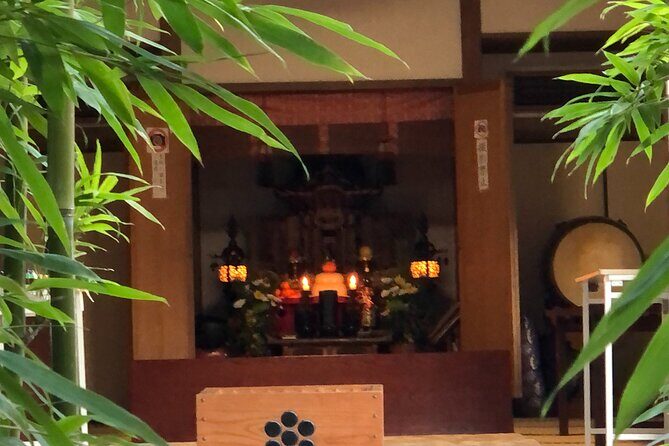
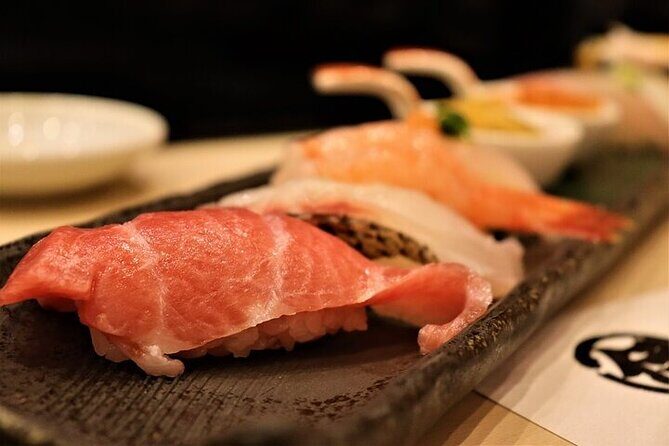
Lunch isn’t included, but the guide experience can still improve your meal day. People mention getting taken to excellent sushi and ramen-style stops, with the guide using local knowledge to match the day’s pace and the group’s interests.
Also, the guide can help you with photo moments. In one account, the guide took photographs for the group, which is one of those small things that prevents the classic travel problem: too many arm-length selfies and one decent photo where everyone looks alert.
The best part is that this doesn’t replace your independence. It gives you a shortcut to good choices and then you can explore on your own afterward.
Who this tour fits best (and who might want to tweak it)
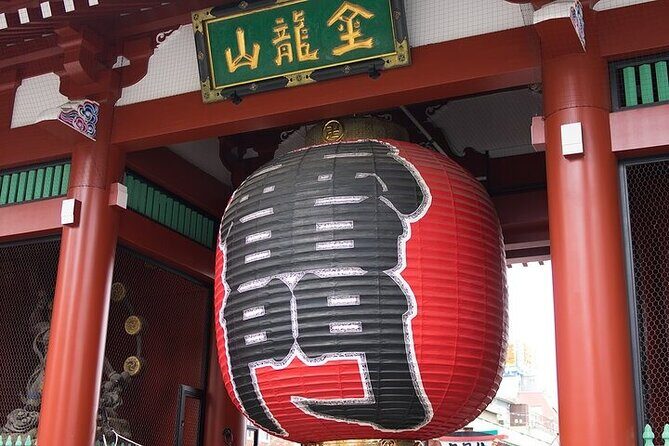
This private day tour is a strong fit if:
- You’re a first-time Tokyo visitor who wants highlights plus local know-how.
- You want to tailor the day, not march through a fixed checklist.
- You’re traveling with a family and need a pace that works for kids and adults.
- Your group has mixed interests—some shopping, some temples, some views.
- You’d rather spend your energy enjoying the city than solving station puzzles.
It may not be ideal if:
- You hate walking and want mostly indoor stops.
- You don’t want to decide on paid skyline tickets at all. In that case, choose only free sights and skip the decks.
Because you customize the sites, you have a lot of control. That’s the key.
Price and value: what $108.99 buys you in Tokyo terms
At $108.99 per person for about 6 hours, you’re paying for something Tokyo is notorious for: time and expertise. A guide can save you from wasting hours choosing, searching, and backtracking.
What’s included:
- Licensed local guide
- Private walking tour, customized to 3–4 sites
- Meet up with the guide in Tokyo
- Pickup offered (where available)
- Mobile ticket, plus group discount mentioned in the package details
What’s not included:
- Transportation fees (the tour notes a 24 hour Metro Pass price, but that pass is optional for you to buy)
- Lunch
- Paid entry for specific skyline decks (Shibuya Sky, Tokyo Tower decks, Tokyo Skytree)
- Any extra facility entrances beyond the selected stops
In other words, you’re not just buying entry tickets. You’re buying a guided plan plus the know-how to move around Tokyo efficiently.
If you’re doing Tokyo for the first time, this can be a bargain compared with wasting a day and paying for random attractions you didn’t choose carefully.
Before you go: small choices that make the day better
A few practical ideas for you:
- Pick your paid skyline stop ahead of time so your budget doesn’t get surprise-full.
- Tell your guide what your group likes: temples, fashion neighborhoods, markets, or views. A guide like Hiro is known for adjusting plans to match the group.
- Wear comfortable shoes. This is a walking tour, even with subway connections.
- If stairs are an issue for anyone in your group, communicate that early. People describe the guide helping find elevators when stations have lots of steps.
Also, book early if you can. This tour is commonly reserved about two months ahead on average, which tells you it’s popular for good reason.
Should you book this private Tokyo highlights tour?
Book it if you want a guided first-day plan that’s flexible, easy to understand, and built around real Tokyo priorities: shrines with context, neighborhoods with time to wander, and subway navigation you can repeat later.
Skip or adjust it if you’re mainly chasing paid skyline tickets and you know you won’t want to choose among them. You can still enjoy a free-sights version, but you should plan your route carefully.
If you do book, I’d focus your choices on a balanced mix: one calm shrine/temple stop, one classic street/market stop, and (if it fits your budget) one paid skyline view. That combo turns a long day into a memorable one without turning Tokyo into a checklist.
FAQ
How long is the private tour in Tokyo?
It’s about 6 hours.
What sites can I include on the walking route?
You can customize a walking tour of 3–4 sites from the available Tokyo highlight list.
Are entrance fees included for all stops?
No. Entry for places like Shibuya Sky, Tokyo Tower observation decks, and Tokyo Skytree observation decks is not included. Other listed stops have free admission.
Is pickup available, or do I meet somewhere specific?
Pickup can be offered. The meeting point listed is Shibuya Scramble Square, and the tour ends back at the meeting point.
Do I need to pay for public transportation?
Yes. Transportation fees are not included, and the package lists pricing for a 24 hour Metro Pass.
Is free cancellation available?
Yes. You can cancel for a full refund if you cancel at least 24 hours in advance of the start time.
Easier with a Guide

More Tours in Tokyo




More Tour Reviews in Tokyo




Fresh reviews from around Tokyo






Guided, compared.
 ★ 5.0Tokyo 6hr Private Tour with Government-Licensed GuideFrom $1553,902 reviews
 ★ 4.9Shinjuku Local Bar and Izakaya Guided Walking TourFrom $341,794 reviews
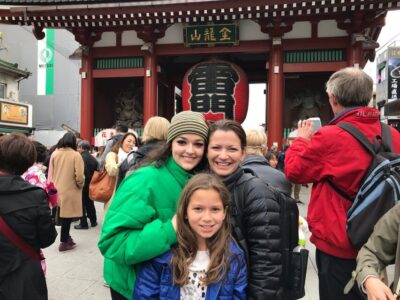 ★ 4.8Private City Highlights Tour with Local GuideFrom $1061,433 reviews
 ★ 4.9Tsukiji Fish Market Guided Walking TourFrom $221,397 reviews
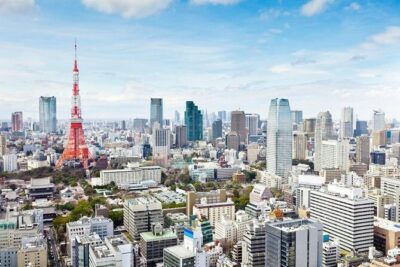 ★ 5.0Tokyo 4hr Private Tour with Government-Licensed GuideFrom $1091,394 reviews
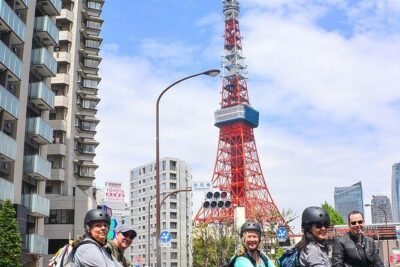 ★ 5.0Tokyo Guided Small-Group Biking TourFrom $1061,250 reviews
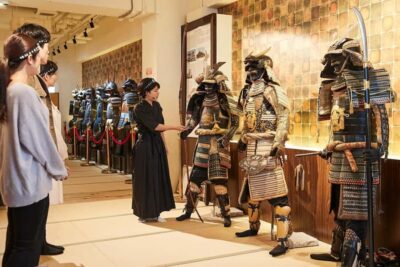 ★ 4.6Samurai Ninja Museum Guided tour and ExperienceFrom $271,010 reviews
 ★ 5.0Tsukiji Fish Market Guided Tour and Sushi Making with Pro ChefFrom $104775 reviews