
Reviewed · GUIDED
Private Custom Tour in Tokyo with a Bilingual Japanese Guide
Tokyo clicks faster with the right guide.
This private, bilingual tour is built for personalization, so your day can run from iconic sights to quieter corners without feeling like a rigid checklist. You’ll meet a bilingual Japanese native guide in English—often associated with guides like Nobu—and use a pre-tour questionnaire to shape the route around what you care about. I especially like that the guide isn’t just translating signs; they’re helping you understand what you’re seeing in daily life.
Two things I love: hotel pickup in central Tokyo (meet right at your hotel lobby) and the practical coaching for getting around Tokyo’s public transportation. One consideration: the tour is a walking experience with flexible pacing, and train/taxi fares and attraction entrance fees are not included, so budget a bit extra if you add more indoor stops.
In This Review
- Key highlights at a glance
- Why a Private, Bilingual Guide Changes Tokyo
- How the Questionnaire Shapes Your Custom Itinerary
- Meiji Shrine to Takeshita Street: Calm Meets Pop Culture
- Shibuya Scramble and Hachiko: Reading Tokyo at Street Level
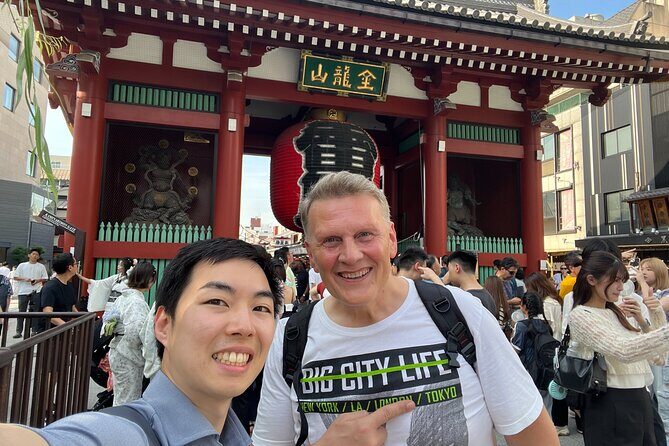
- Asakusa and Senso-ji: A Temple Visit That Feels Like a Place
- Tsukiji Market Food Time Without the Guesswork
- Ginza and Shinjuku: Shopping Contrasts and a Free Skyline Break
- Shimokitazawa and Imperial Palace: Tokyo Beyond the Big Icons
- Price and Logistics: What $112.75 Buys You
- Pacing, Comfort, and Accessibility to Expect
- Local Navigation Tips Your Guide Will Hand You
- Should You Book This Private Custom Tokyo Tour?
- FAQ
- Is this tour private or shared?
- Do you offer hotel pickup?
- Can the itinerary be customized?
- What major areas are included in the typical route?
- Are entrance fees included?
- Are train or taxi costs included?
- Is food included?
- How long is the tour?
- What happens if weather is bad?
Key highlights at a glance
- Private, customizable routing based on your interests before you depart
- Bilingual guide support in English plus local context for culture and daily routines
- Hotel lobby pickup in central Tokyo to cut the start-up stress
- Easy-to-follow sightseeing flow through classic neighborhoods like Meiji, Shibuya, Asakusa, and Tsukiji
- Shopping and skyline options with areas like Ginza, Shinjuku, and a free observation deck
More days made easy by a guide
- Tokyo 6hr Private Tour with Government-Licensed Guide★ 5.0 · 3,902 reviews
- Tokyo: Shinjuku Local Bar and Izakaya Guided Walking Tour★ 4.9 · 1,794 reviews
- Tokyo: Private City Highlights Tour with Local Guide★ 4.8 · 1,433 reviews
Why a Private, Bilingual Guide Changes Tokyo
Tokyo can feel like two cities at once: one you see in photos, and one you actually experience on the sidewalk. This tour helps you connect those dots. Because it’s private, you’re not stuck following someone else’s pace, or waiting while your group debates which turn to take next.
The bilingual part matters more than you might think. Your guide can explain what you’re looking at—temple rhythms, shrine etiquette, neighborhood vibe—and also help you read what matters on the ground. If you want a day focused on street life and everyday culture, the guide can steer you that way. If you prefer landmarks, they’ll build a route that makes sense and doesn’t turn into frantic sprinting.
A name that shows up in the guide experience is Nobu. Based on the pattern of feedback, he’s good at tailoring the day and reducing friction, especially around navigation and restaurant decisions. If you like clear plans but still want room for detours, this kind of guiding style is a strong fit.
How the Questionnaire Shapes Your Custom Itinerary
Before you go, you answer a pre-tour questionnaire to tailor the itinerary. That’s not just a formality. It changes the day from generic to personal.
Here’s how that typically plays out in a Tokyo walking plan:
- Your guide can steer you toward landmarks you actually care about rather than forcing in everything.
- You can balance headline stops with calmer time—important in a city where walking distances add up fast.
- If you want “famous plus local” (instead of only Instagram targets), the guide can mix neighborhood streets into the route.
This also helps with expectations. Tokyo is full of places that look similar from far away—until you see the details. Your guide can point out the small stuff that turns a quick photo into an actual understanding.
Meiji Shrine to Takeshita Street: Calm Meets Pop Culture
The itinerary commonly starts with Meiji Shrine—a Shinto shrine set in a forested pocket in the middle of downtown. Expect a shift in mood immediately. The air feels quieter, and the layout helps you slow down instead of racing forward like you might in more commercial areas.
What makes this stop work on a custom tour is context. A guide can explain what visitors are doing there and how the flow of a shrine visit differs from a temple visit. You’re not just passing through—you’re learning how the place functions in real life.
Then the route moves to Takeshita Street, which is known for flashy style, fun snacks, and playful distractions. This is a good pairing because it shows you Tokyo’s extremes in one direction: traditional calm, then pop-culture chaos.
Possible drawback: this segment can be crowded during peak times, and it’s also where your shoes matter. If you’re not into crowds, ask your guide to adjust the timing or to take you through the quieter edges of the area first.
Shibuya Scramble and Hachiko: Reading Tokyo at Street Level
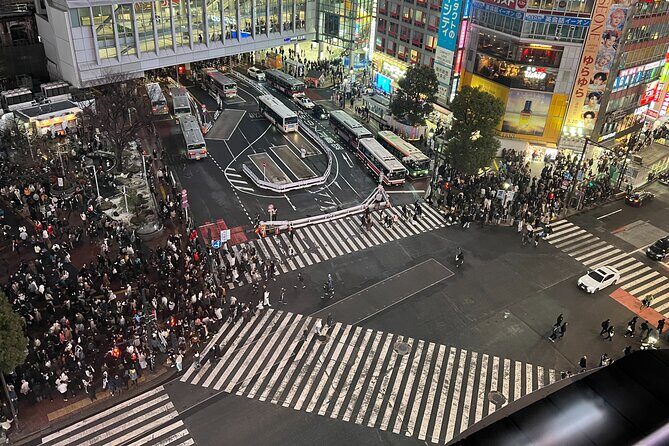
Next comes Shibuya, built around the iconic Shibuya Scramble—a pedestrian crossing you’ve probably seen in videos. On your own, it’s easy to miss how the streets feed into the crossing. With a guide, you learn where to stand, how to cross efficiently, and how different shop streets connect to the larger flow.
Nearby, you’ll see the Hachiko statue. This works because it connects a famous landmark to the way people actually gather around it—right in the middle of everyday movement.
Then you’ll explore surrounding streets with shops and restaurants. This is where a private guide can save time and stress. Instead of just walking into stores at random, you can ask for suggestions based on what you’re into: snacks, casual meals, trendy shopping, or just a better route through the maze.
Good to know: the tour is flexible. If you want longer pauses for photos or you want to cut the shopping streets short, you can adjust.
More private options with your own guide


Asakusa and Senso-ji: A Temple Visit That Feels Like a Place
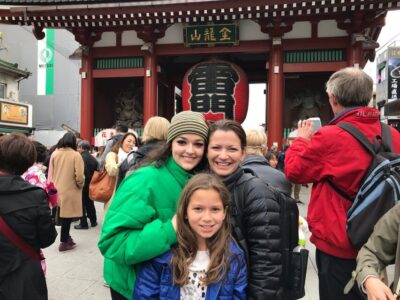
Asakusa is one of Tokyo’s best “slow-down” districts, and the stop at Senso-ji gives you the foundation. Senso-ji is Tokyo’s oldest temple, and it’s one of the best places to experience how ritual and tourism share the same space.
Your guide can help you spot what people are doing and why. That turns the visit from background scenery into something you can actually follow. If you care about culture, this is a strong moment in the itinerary.
After Senso-ji, you’ll stroll Nakamise Shopping Street, known for traditional snacks and souvenirs. This part of the day is about choices. You can snack lightly and keep moving, or you can browse for gifts if that’s your goal.
A practical note: it’s easy to get sensory overload here—bright storefronts, lots of signage, and big crowds. A bilingual guide’s job is to keep you oriented so you don’t spend your energy translating every step.
Tsukiji Market Food Time Without the Guesswork
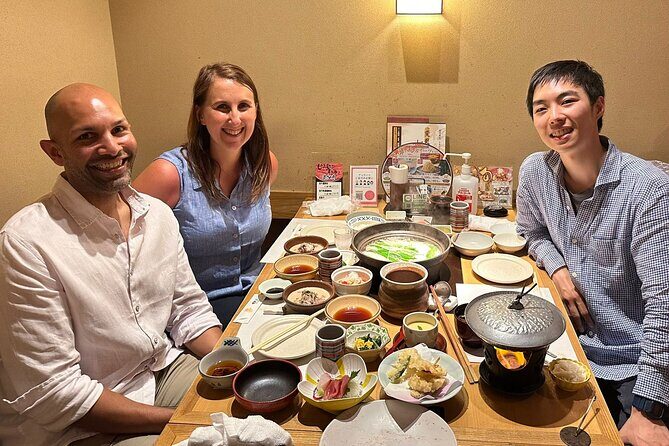
The route often includes Tsukiji, where you can see the market energy that still draws people in. Even if you’re not a food fanatic, Tsukiji is useful for understanding Tokyo’s food culture—how fresh ingredients connect to quick bites.
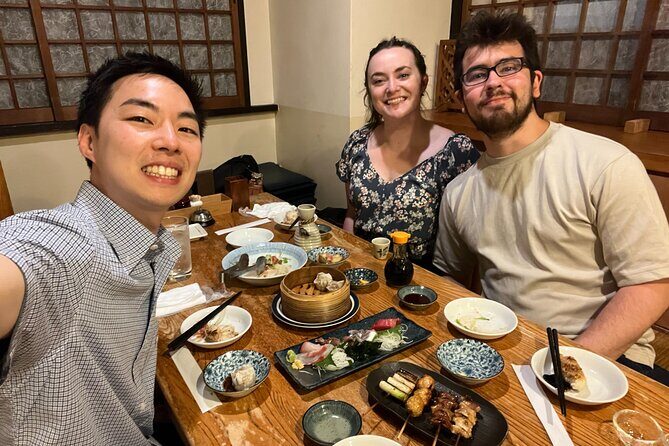
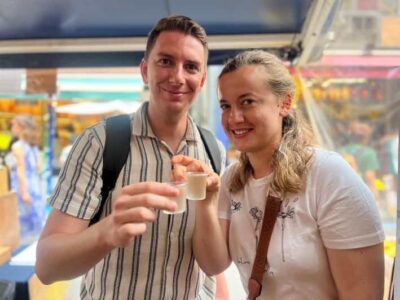
You’ll have options to sample things like fresh sushi and grilled skewers. Food isn’t included in the tour, so think of this as guided access. The guide helps you navigate and choose, rather than you standing in the aisle trying to decode what’s best.
This is also a good stop for customizing. If you want a light snack crawl, keep it short. If you’d rather focus on a few memorable bites, you can spend more time at fewer places.
One consideration: market-style areas can be intense in the morning. If you’re aiming for a relaxed pace, ask your guide how they plan the timing.
Ginza and Shinjuku: Shopping Contrasts and a Free Skyline Break
Next you’ll see Tokyo’s two styles of city energy.
Ginza is the hub for luxury shopping and modern architecture. It’s also a great place to hunt for higher-quality gifts. If you like polished storefronts and wide streets, Ginza will feel like a change of pace after the older districts.
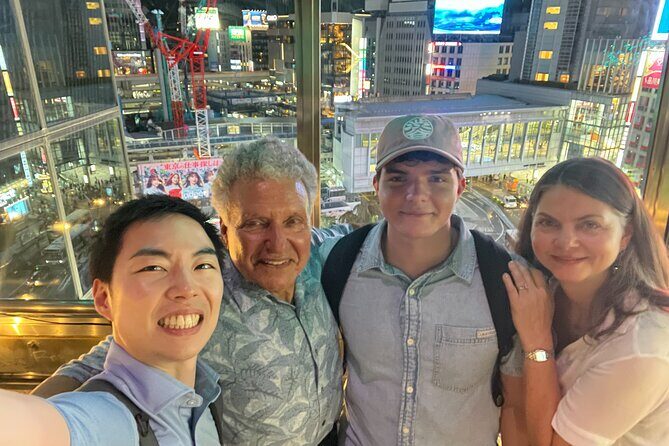
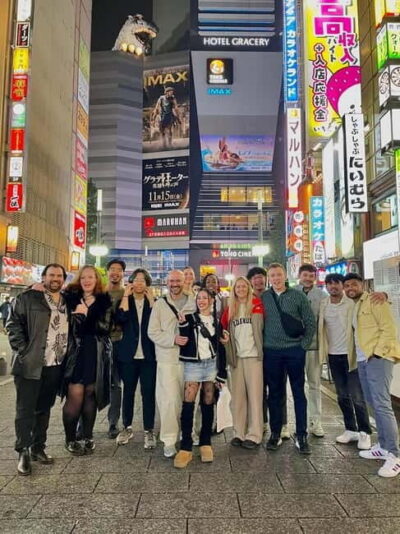
Then comes Shinjuku, which is more chaotic in a fun way—lots of dining, lots of neon, lots of people. The itinerary commonly includes the giant Godzilla head, the 3D cat billboard, and the free observation deck at the Tokyo Metropolitan Government Building.
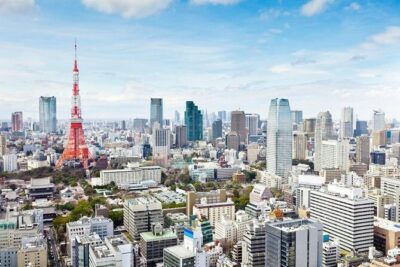
That free observation deck is a smart inclusion. Even if you skip everything else in Shinjuku, it gives you an easy orientation view of the city’s scale. Plus, it’s outdoors-watching-friendly: you can take in Tokyo’s layout without committing to an expensive ticket.
Drawback to watch for: Shinjuku can be a lot of walking and visual noise. If you’re sensitive to crowds or you just want one or two highlights, keep it clear with your guide early so the day doesn’t turn into a long drift.
Shimokitazawa and Imperial Palace: Tokyo Beyond the Big Icons
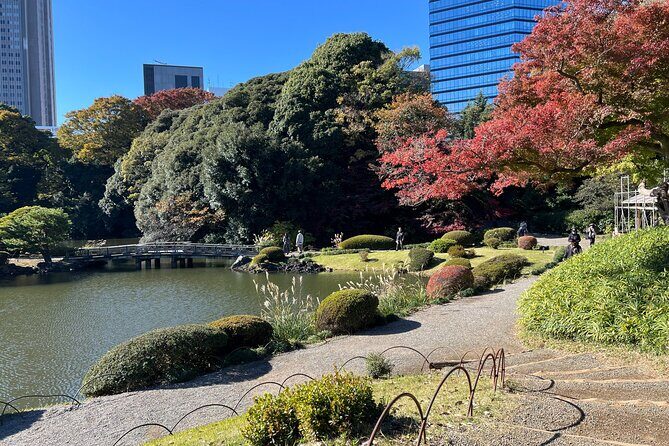
Not every Tokyo tour includes the feeling of “where people hang out.” This itinerary often reaches Shimokitazawa, a bohemian-leaning neighborhood with vintage and boutique shopping plus small venues and cozy cafés.
This stop is great for two reasons:
- It breaks up the nonstop landmarks with a more lived-in neighborhood vibe.
- It gives you a different kind of photo set—clothes, street corners, and small-scale streets.
Then the route can include Imperial Palace, the residence of Japan’s Imperial family, located on the former site of Edo Castle. Even when you’re not focused on deep historical detail, this is a calm capstone. It helps your eyes rest after the louder districts.
If you’re short on time, you may not fit everything. But if you have a full day, this ending stretch can make the whole trip feel balanced: old Tokyo, modern Tokyo, then a quieter reset.
Price and Logistics: What $112.75 Buys You
The price is $112.75 per person, for a 3 to 8 hour walk. That range matters, because the value changes depending on how much you pack in.
Here’s what you’re getting for the money:
- A private guide (only your group participates)
- A custom plan shaped by your questionnaire
- Hotel pickup within central Tokyo on foot, meeting at your lobby
- Guidance on navigating public transport
- Ongoing recommendations during the day
What you’re not getting:
- Transportation fees (train or taxi)
- Entrance fees
- Food and drinks
So when is this a good deal? It tends to be best when:
- You want to see a lot without wasting time figuring out trains and exits.
- You have specific preferences and you don’t want to gamble on random exploration.
- Your group includes people with different interests (someone wants shopping, someone wants culture, someone wants food).
If you’re a solo traveler who plans to do everything on rails with a phone map, you might not need a guide. But if you want your Tokyo day to feel smoother, more coherent, and more meaningful, the cost can feel reasonable.
Pacing, Comfort, and Accessibility to Expect
This is a walking tour with flexible pacing. The guide can adjust the route, and the itinerary notes you can use taxis if needed. There’s also a note that you should have moderate physical fitness.
Translation: you’re not locked into a sprint schedule. But it’s still walking Tokyo distances, often on uneven sidewalk patterns and crowded crossings.
A practical tip: wear shoes you can survive in for a few hours. Tokyo sidewalks look harmless until you’ve walked half a day in them.
Weather matters too. If conditions aren’t good, the experience can be canceled and offered for a different date or a full refund.
Local Navigation Tips Your Guide Will Hand You
Even before you start “sightseeing,” the tour offers real utility: tips for public transportation navigation. That means you’ll get a better sense of how to move between districts efficiently, how to avoid getting stuck in wrong exits, and how to plan your day around transfer time.
This also helps on a personal level. Tokyo can feel overwhelming when every station entrance looks identical. A guide’s system-level advice is what turns your route into something you can repeat later—without them.
And based on guide feedback, the guiding style isn’t only about walking. Nobu is singled out for making restaurant navigating less hectic, which is a big deal if you want food stops that don’t derail your schedule.
Should You Book This Private Custom Tokyo Tour?
Book it if you want:
- A private, bilingual guide who adapts to your interests
- A planned route that still allows detours
- Help with navigation and restaurant decisions
- A way to cover multiple districts without losing time to guesswork
Skip it if:
- You only want a single neighborhood and you’re comfortable building your own day
- You’re trying to keep costs very tight, since transport, entrances, and meals are not included
- You don’t do well with crowds or long walking segments (even with flexible pacing)
FAQ
Is this tour private or shared?
It’s a private tour, which means only your group participates.
Do you offer hotel pickup?
Yes, pickup is offered within central Tokyo. The meeting point is your hotel lobby, and pickup is on foot.
Can the itinerary be customized?
Yes. You’ll complete a pre-tour questionnaire, and the route can be tailored to your interests, including popular landmarks or less-familiar areas.
What major areas are included in the typical route?
The tour can include stops around Meiji Shrine, Takeshita Street, Shibuya (including the Hachiko statue and Scramble area), Asakusa (Senso-ji and Nakamise Shopping Street), Tsukiji, Ginza, Shinjuku, Shimokitazawa, and Imperial Palace.
Are entrance fees included?
No. Entrance fees to attractions are not included.
Are train or taxi costs included?
No. Transportation fees such as train or taxi fares are not included.
Is food included?
No. Food and drinks are not included, though you can sample options during the stops as you go.
How long is the tour?
The duration is listed as 3 to 8 hours (approx.), depending on how you structure the day.
What happens if weather is bad?
The experience requires good weather. If it’s canceled due to poor weather, you’ll be offered a different date or a full refund.
Easier with a Guide

More Tours in Tokyo




More Tour Reviews in Tokyo




Fresh reviews from around Tokyo






Guided, compared.
 ★ 5.0Tokyo 6hr Private Tour with Government-Licensed GuideFrom $1553,902 reviews
 ★ 4.9Shinjuku Local Bar and Izakaya Guided Walking TourFrom $341,794 reviews
 ★ 4.8Private City Highlights Tour with Local GuideFrom $1061,433 reviews
 ★ 4.9Tsukiji Fish Market Guided Walking TourFrom $221,397 reviews
 ★ 5.0Tokyo 4hr Private Tour with Government-Licensed GuideFrom $1091,394 reviews
 ★ 5.0Tokyo Guided Small-Group Biking TourFrom $1061,250 reviews
 ★ 4.6Samurai Ninja Museum Guided tour and ExperienceFrom $271,010 reviews
 ★ 5.0Tsukiji Fish Market Guided Tour and Sushi Making with Pro ChefFrom $104775 reviews