
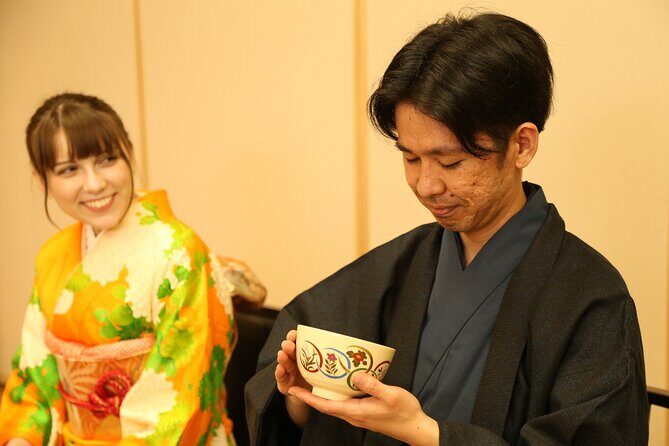
Reviewed · TEA CEREMONY EXPERIENCES
Practicing Zen through Japanese Tea Ceremony
One hour can feel like a reset. This Japanese tea ceremony session in Minato, Tokyo, uses a traditional format to teach you how matcha is made and why the ritual matters for everyday calm. A bilingual licensed tea master guides you step by step, then you get to try the movements yourself.
I especially love the practical part: you learn classic matcha preparation instead of just watching from the sidelines. And I also love the food pairing, since you taste wagashi sweets chosen to complement matcha’s flavor before you go through the full ceremony.
One possible catch: the setting can be in a quieter back-room space, and at least some sessions happen in a basement or cellar-style room, which may feel less open than you expect. Also, the Zen angle tends to be more explained through the ritual than long theoretical lectures.
In This Review
- Key things I liked
- Zen Through Tea in Tokyo’s Minato: What This 1h15 Session Really Gives
- Finding Kikai Shinkō Kaikan in Shibakōen: Location and Room Vibes
- The Tea Master and the Zen Thread: What You’ll Hear (and What You’ll Do)
- Matcha Prep the Traditional Way: Your Hands-On Skills
- Wagashi and Matcha Pairing: A Taste Lesson With Real Logic
- What the Full Ceremony Flow Looks Like (Without the Guesswork)
- Price and Value in Tokyo: Does $64.50 Make Sense?
- Who Should Book This Zen-Through-Tea Experience
- Should You Book It?
- FAQ
- How long is the Practicing Zen through Japanese Tea Ceremony experience?
- What does the price include?
- Will I make matcha myself during the session?
- Is there an English explanation?
- Where does the tour meet?
- Is pickup and drop-off included?
- What’s the group size limit?
Key things I liked
- You do two ceremonies: first with the tea master, then again on your own with instruction
- Matcha is the main event: you practice classical preparation methods, not just sip tea
- Wagashi pairing has a purpose: sweets are selected to match matcha’s flavor profile
- Zen is taught through action: you connect mindfulness to what you’re doing, not only what you hear
- Bilingual, licensed guidance: explanations are provided in English, with real care for participants
Quieter hours: more tea rooms and ceremonies
- Tokyo: Traditional Tea Ceremony with a Tea Master★ 5.0 · 528 reviews
- Tea Ceremony Workshop in Tokyo by the Experienced Instrucor★ 5.0 · 189 reviews
- Tea Ceremony Experience in a Private Tea Room in Shibuya★ 4.9 · 125 reviews
Zen Through Tea in Tokyo’s Minato: What This 1h15 Session Really Gives
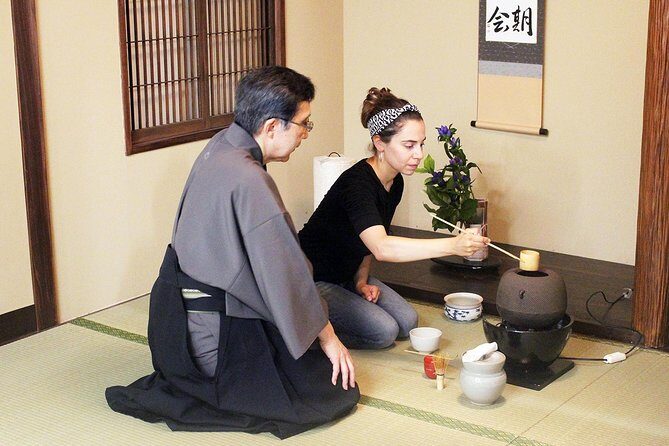
Tokyo has a way of keeping your brain busy. This experience is built as a deliberate pause. The session runs about 1 hour 15 minutes, which is short enough to fit on a full travel day, but long enough that you actually shift gears. You’re not bouncing between stops; you’re slowing down on purpose.
The group size stays small, with a maximum of 28 people. That matters because the tea master can guide the room without turning it into a lecture hall. You’ll feel the flow of the ceremony, then repeat the steps yourself. For first-time visitors, this is often the difference between a tea snack and real learning.
You’ll also get a structured cultural explanation that’s not stuck behind a museum label. You’ll hear how tea utensils, hanging scrolls, and ceremony traditions connect to how Japanese people practice hospitality and mindfulness—especially through Zen-inspired ways of paying attention.
Finding Kikai Shinkō Kaikan in Shibakōen: Location and Room Vibes
The meeting point is Kikai Shinkō Kaikan, 3-chōme-5-8 Shibakōen, Minato City, Tokyo (105-0011). It’s stated as being near public transportation, so you’re not dependent on a pickup shuttle. That’s a plus in Tokyo, where trains are usually easier than waiting for a driver.
One detail to keep in mind: some sessions have taken place in a basement or cellar-style room inside an office building. If you’re the type who wants bright, street-level views while you learn, this could feel a little unexpected. On the other hand, a lower, quieter room can also support the “calm pause” the ceremony aims for. If you’re there for the ritual atmosphere, not the scenery, it often works.
You’ll return to the same meeting point at the end. So plan it like a self-contained experience block, not something you tack onto a long walking route.
The Tea Master and the Zen Thread: What You’ll Hear (and What You’ll Do)
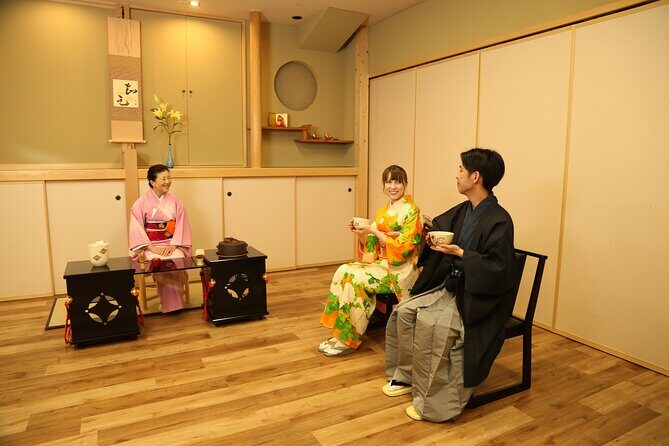
The tour includes a bilingual licensed tea master. The session description also notes 5+ years’ experience for the tea master performing the ceremony. The English component is explicit: you’ll get explanations in English, including how the tea ceremony connects to Zen practices.
In practice, this means you’re guided through meaning while you’re doing the actions. That approach tends to stick better than memorizing facts. The ceremony’s “why” comes through during the “how.”
The teaching style shows up in the kinds of welcomes people have described. Names like Miyuki and Yuuko have come up in past sessions, both associated with warm, attentive guidance and a focus on helping participants feel comfortable. You can expect a tone that’s welcoming rather than stiff, even though the ceremony itself is exacting.
One more helpful note: the Zen component may feel more like ritual-minded practice than like a long, academic talk. If you want Zen philosophy explained in depth like a class, you might find the time spent on hands-on ceremony is where most of the attention goes.
Matcha Prep the Traditional Way: Your Hands-On Skills
This is not a “watch once” activity. You’ll see the tea ceremony performed, learn the key points, and then you’ll participate in a second round yourself.
The session includes authentic matcha green tea, and you’ll practice preparing it using classical ceremonial methods. Your tea master will guide you through the process, then you’ll follow those steps during your own ceremony.
That “do it twice” setup is the value driver. Your first ceremony helps you understand the rhythm and sequence. Then your second ceremony turns it into muscle memory. Past participants have specifically liked the moment when they were able to make the tea themselves, including the surprise that the workshop includes hands-on work rather than observation only.
If you’re the kind of traveler who likes learning by doing—hands busy, mind quiet—this format fits well.





Wagashi and Matcha Pairing: A Taste Lesson With Real Logic
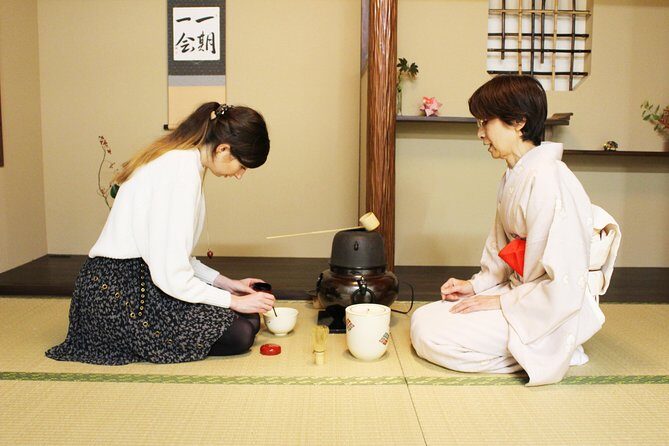
You’ll taste traditional Japanese sweets called wagashi, and the session says they’re selected to complement matcha’s flavor profile. That pairing matters more than it sounds.
Matcha isn’t just a generic green tea. It has a specific balance of bitterness, earthiness, and a creamy feel from the whisked texture. Sweets can either soften that edge or highlight certain notes. Learning that in an actual ceremony context helps you understand why wagashi is served as part of the ritual, not just as an afterthought.
The experience also includes a tea master performance paired with those sweets, so you get a sense of how the tasting supports the ceremony timing. In other words, you don’t just eat; you eat in sync with the ritual flow.
What the Full Ceremony Flow Looks Like (Without the Guesswork)
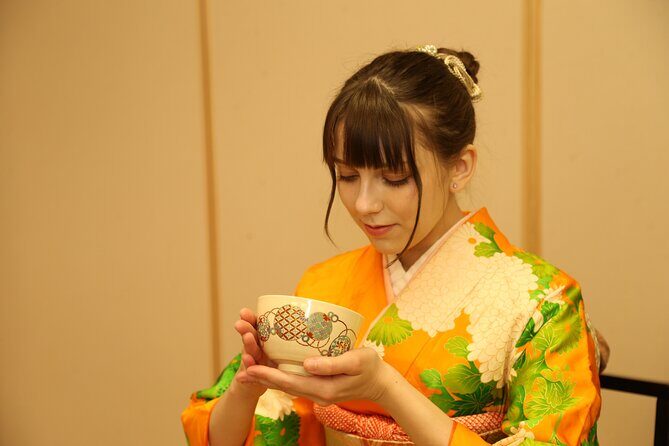
You can think of the session as three phases: introduction, guided performance, then your turn.
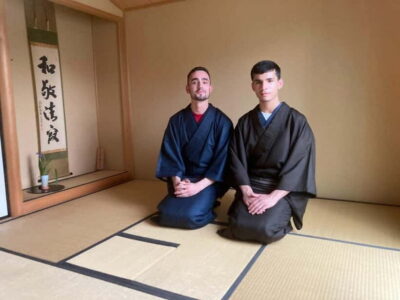
First, you’ll get an explanation of what you’re about to do. The experience includes discussion of tea ceremony utensils, Japanese hanging scrolls, and the connection between the ritual and Zen. This is where you’ll learn what to pay attention to as you go.
Next comes the tea ceremony performance by the tea master, with matcha and wagashi served as part of the ceremony atmosphere.
Then you’ll do the second part: a second tea ceremony performed by yourself, with instruction. You’re not thrown into the deep end. The tea master’s job here is to keep you on track while you repeat the steps in a ceremonial way.
Some past sessions have included a short meditation moment, and that quiet pause fits perfectly with the stated theme of practicing Zen. Even if your session’s timing differs, expect at least a brief stillness component tied to mindfulness.
Price and Value in Tokyo: Does $64.50 Make Sense?
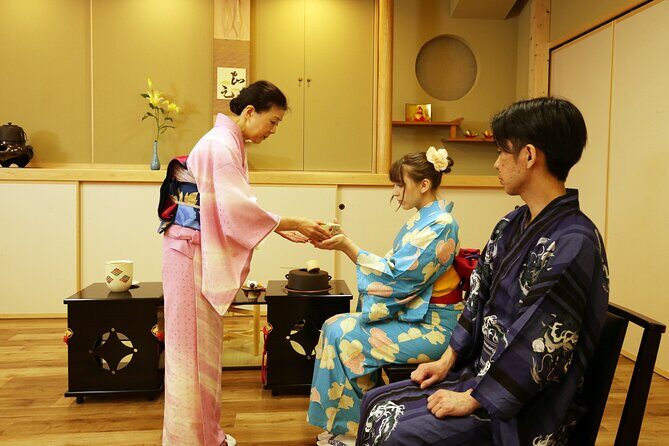
At $64.50 per person, this tea ceremony isn’t the cheapest thing you can do in Tokyo. But it also isn’t priced like a one-time tasting. You’re paying for:
- A bilingual licensed tea master
- Authentic matcha plus traditional sweets
- A full ceremony performance
- A second ceremony where you actively participate
- English explanations about ceremony elements like utensils and hanging scrolls
That combination is the value story. Many low-cost tea experiences give you a sip and a photo. This one includes real teaching and real practice, and it’s designed to run about 1 hour 15 minutes without you having to schedule extra meals or hunt down ingredients afterward.
Two practical add-ons to consider:
- It does not include pickup and drop-off. If you’re coming from farther away, build in time and transit costs on your own.
- It doesn’t include extra food or beverages beyond what’s part of the ceremony.
If you book about a week in advance is typical (average reported booking is 8 days), don’t wait until the last minute. Small-group formats can sell out.
Who Should Book This Zen-Through-Tea Experience
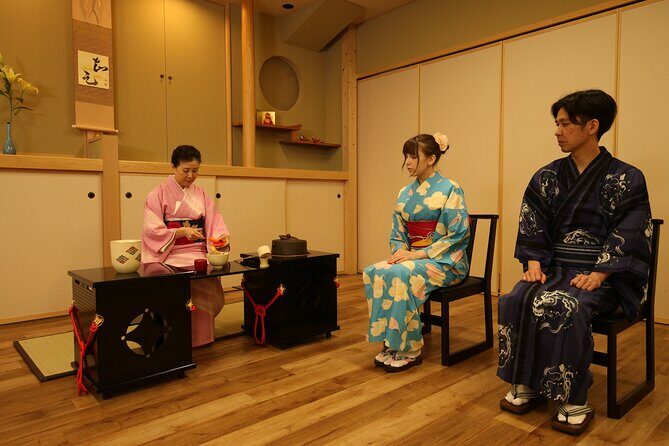
This is a great fit if you want a calmer Tokyo day. You’re stepping away from museum crowds and shopping loops for something quieter and more personal.
I’d especially recommend it if:
- you’re curious about Japanese aesthetics through a lived ritual, not just information
- you like structured activities with clear steps
- you want a hands-on cultural skill you can remember later
- you’re traveling with time constraints but still want more than a quick stop
It may be less ideal if you strongly prefer a bright, airy setting, because the ceremony space can be more enclosed (including basement-style rooms in some sessions). And if you’re expecting a long, philosophy-heavy Zen lecture, the format is more about practice than theory.
Should You Book It?
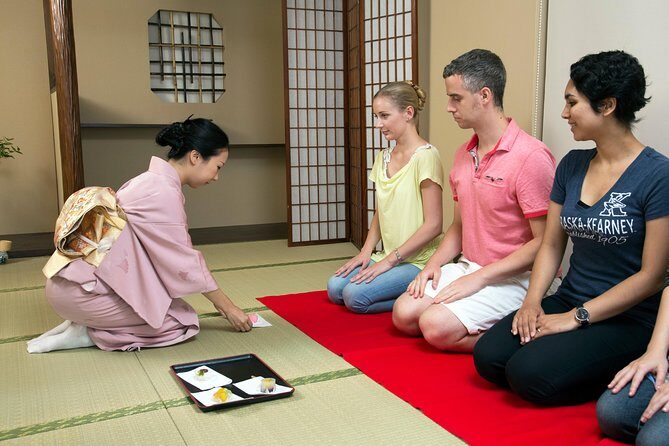
If you want a genuine break from Tokyo’s pace and you like learning by doing, I think this is a smart booking. The big reasons are simple: you get bilingual guidance, authentic matcha, wagashi pairing, and you actually make tea yourself twice.
Before you commit, check two things for your own comfort:
- you’re okay with a meeting point in Minato and getting there by public transportation
- you can accept that the room may be more quiet and enclosed than you’d picture from a postcard
If that sounds like your kind of calm, book it. This is the kind of experience that makes Tokyo feel human—one quiet cup at a time.
FAQ
How long is the Practicing Zen through Japanese Tea Ceremony experience?
It lasts about 1 hour 15 minutes (approx.).
What does the price include?
It includes a bilingual licensed tea master, matcha green tea, traditional Japanese sweets (wagashi), a tea ceremony performance, and a second tea ceremony where you participate with instruction.
Will I make matcha myself during the session?
Yes. After the tea master demonstrates the ceremony, you’ll do a second tea ceremony yourself with guidance.
Is there an English explanation?
Yes. The experience includes explanation of the tea ceremony, Zen practices, Japanese hanging scrolls, and tea utensils in English.
Where does the tour meet?
The meeting point is Kikai Shinkō Kaikan, 3-chōme-5-8 Shibakōen, Minato City, Tokyo 105-0011, Japan.
Is pickup and drop-off included?
No. Pick-up & drop-off services are not included, and it ends back at the meeting point.
What’s the group size limit?
The experience has a maximum of 28 travelers.
More Tour Reviews in Tokyo



More Tea Rooms Worth Booking

Fresh reviews from around Tokyo






Tea Ceremony Experiences, compared.
 ★ 5.0Traditional Tea Ceremony with a Tea MasterFrom $38528 reviews
 ★ 5.0Tea Ceremony Workshop in Tokyo by the Experienced InstrucorFrom $38189 reviews
 ★ 4.9Tea Ceremony Experience in a Private Tea Room in ShibuyaFrom $30125 reviews
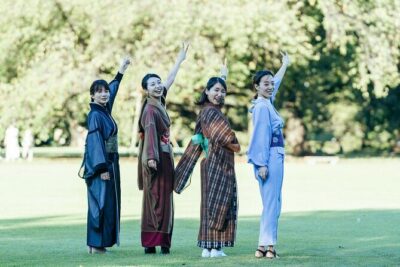 ★ 5.0Matcha Kimono Tea Ceremony in TokyoFrom $59104 reviews
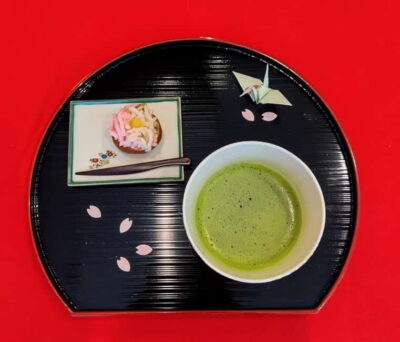 ★ 4.9Tea ceremony experience in Japanese-style room 60minFrom $4586 reviews
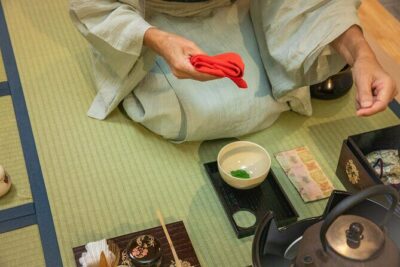 ★ 5.0Casual Japanese Tea Ceremony ExperienceFrom $2574 reviews
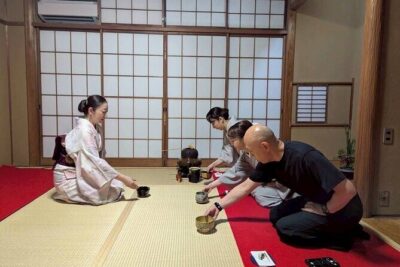 ★ 5.0Shibuya Authentic Tea Ceremony with experienced instructorFrom $2554 reviews
 ★ 4.9Tea Ceremony Experience in a small tea roomFrom $5153 reviews
Browse the lists this tour appears in