
Reviewed · MT FUJI DAY TRIPS
Mt. Fuji & Lake Kawaguchiko Ropeway Panorama Full-Day Tour
Fuji takes over the whole day. This full-day outing strings together Mt. Fuji viewpoints in a smart order, from the Kachikachi Ropeway up high to the calm spring ponds at Oshino Hakkai. Two things I especially like: the hands-on matcha experience guided by a local instructor, and the photo planning around key Fuji angles (including the Lawson store view). One watch-out: Mt. Fuji visibility depends on weather, so clouds can steal your view even with perfect planning.
This is a shared-group day with round-trip bus service from central Tokyo, so you save time figuring out connections. It runs about 10 hours, moves at a photo-friendly pace, and uses multilingual guides (English, Japanese, Korean, Traditional Chinese) who help keep everyone on track.
In This Review
- Key Highlights You’ll Actually Feel
- Why This Mt. Fuji Day Trip Works So Well From Tokyo
- The Kachikachi Ropeway: Your Best Shot at Big Mt. Fuji Views
- If you hate heights
- Tenjozan Park and Lake Kawaguchiko: From High Views to Quiet Water
- A practical timing note
- The Matcha Experience: More Than a Break With a View
- What to expect in the room
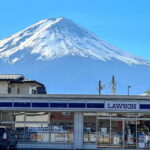
- The Iconic Lawson Fuji Shot: Where Everyone Stops at Once
- If you’re sensitive to crowds
- Oshino Hakkai: The Spring Ponds Where Fuji’s Water Story Shows Up
- End-of-day reality
- The Long Bus Ride: What Changes When You Go With a Coach Tour
- What you’ll experience with a shared group
- Money, Food, and What’s Included in the $54
- Lunch tip from real-world experience
- When the Ropeway Isn’t Running: The Dec 2025 Switch to Samurai Ship
- Who This Tour Fits Best
- Should You Book This Mt. Fuji & Lake Kawaguchiko Day Tour?
- FAQ
- How long is the Mt. Fuji & Lake Kawaguchiko Ropeway tour?
- Is lunch included?
- Will I definitely see Mt. Fuji?
- What happens if the Kachikachi Ropeway is closed?
- What languages are the guides available in?
- What should I bring?
Key Highlights You’ll Actually Feel
- Kachikachi Ropeway 360° observatory time with Mt. Fuji and Lake Kawaguchiko laid out below
- Hands-on matcha by Lake Kawaguchiko, including the Ichigo Ichie one time one encounter idea
- Lawson Fuji photo stop in Kawaguchiko, where the sign lines up with the mountain
- Oshino Hakkai spring ponds with clear water fed by Fuji snowmelt through lava rock
- Ropeway backup planning: during Dec 8–19, 2025 maintenance, the route switches to a Samurai Ship experience
Other routes to the mountain, compared
- Mt Fuji & Hakone Cruise, Drum Show Bullet Train 1 Day from Tokyo★ 4.0 · 7,413 reviews
- Tokyo Mt Fuji 5th St & Hakone Cruise Bus Tour w/Bullet Train★ 4.4 · 5,024 reviews
- From Tokyo: Mount Fuji Full-Day Sightseeing Trip★ 4.5 · 4,970 reviews
Why This Mt. Fuji Day Trip Works So Well From Tokyo
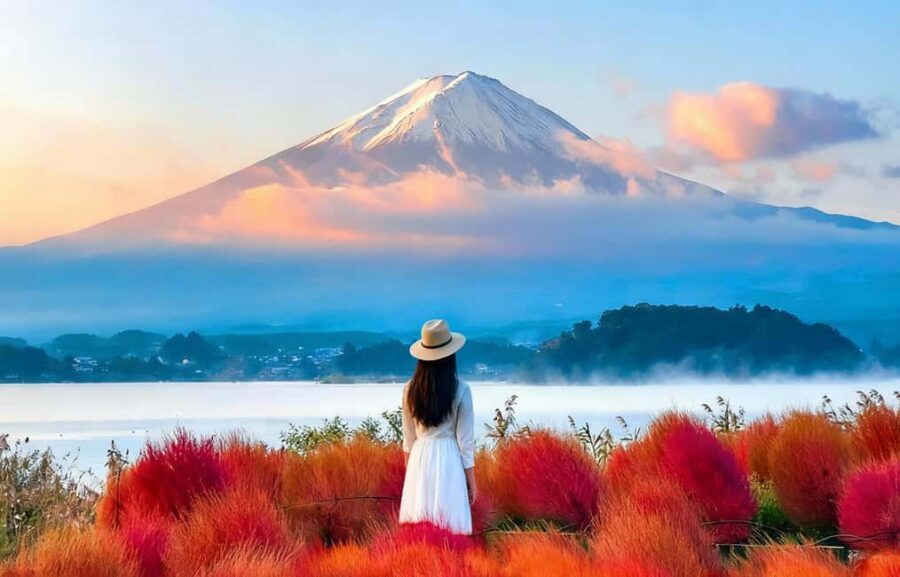
If you want one great day that covers multiple “Fuji moods,” this route is built for you. You start with a big elevation hit early, then shift down to lake views, then finish at the ponds where Mt. Fuji’s water story becomes visible in the way the springs run clear and steady.
At $54 per person, the value mainly comes from what you don’t have to manage. You’re paying for a round-trip coach, guided time at the core stops, and the included ropeway ride plus matcha lesson. That bundle matters on a day like this, because getting to Lake Kawaguchiko is the part that’s easiest to mess up on your own.
The pacing is also the point. Yes, it’s a long day, but the itinerary breaks time into short stops so you’re not stuck staring at one place forever. You also get a guide who tends to steer you toward the right photo moments and answers the practical questions that pop up when everyone’s trying to see the same mountain at once.
The Kachikachi Ropeway: Your Best Shot at Big Mt. Fuji Views
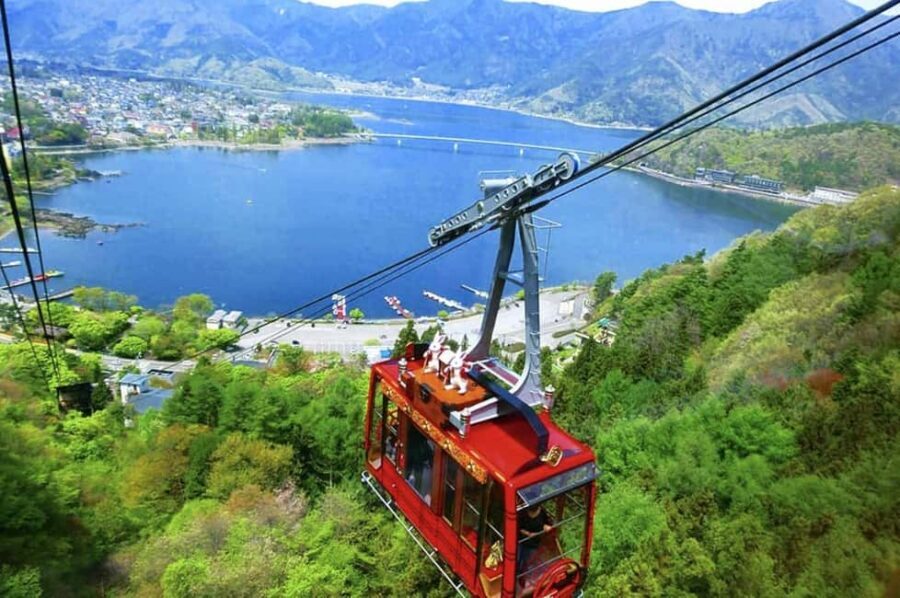
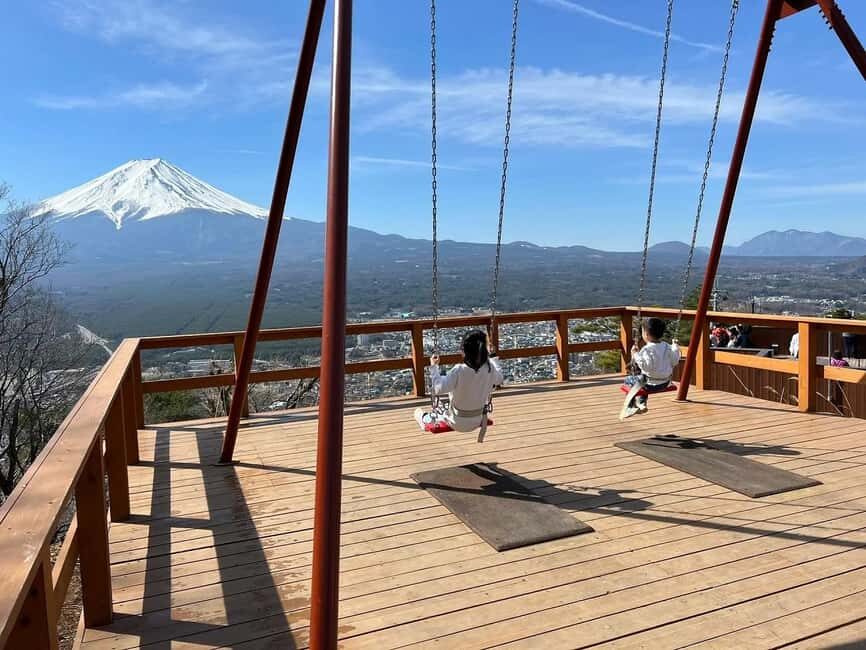
The Kachikachi Ropeway is where the day earns its reputation. As the cable car climbs toward the observatory at about 1,075 meters above sea level, Mt. Fuji typically grows from partial shape to full presence. When it’s clear, the view is panoramic in a way that feels almost unfair: Fuji up close, Lake Kawaguchiko sparkling below, and wide scenery stretching out in multiple directions.
There are a few thoughtful extras at the top:
- You can ring the Bell of Tenjo, tied to a wish-making legend
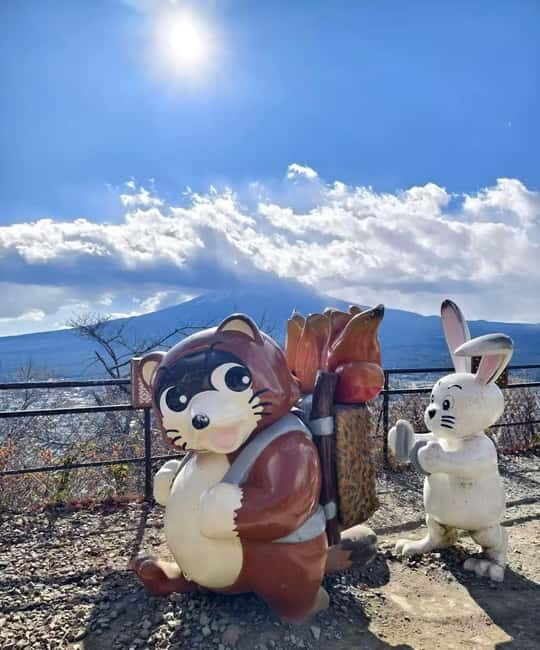
- The station and observatory are decorated with tanuki and rabbit mascots, inspired by the Kachikachi Yama folktale by Osamu Dazai
- On clear days, you may even see parts of Japan’s Southern Alps in the distance
Why this matters for you: the ropeway gets you above the clutter. Even if the lakeside is crowded, the higher you go, the more your photos start looking like postcards instead of group snapshots. It also gives your day a “wow” anchor early, which helps when the rest of the itinerary is more mellow.
If you hate heights
This tour isn’t a fit for people afraid of heights, because the ropeway includes real vertical exposure. If that’s you, consider a different Mt. Fuji option that stays at ground level.
Tenjozan Park and Lake Kawaguchiko: From High Views to Quiet Water
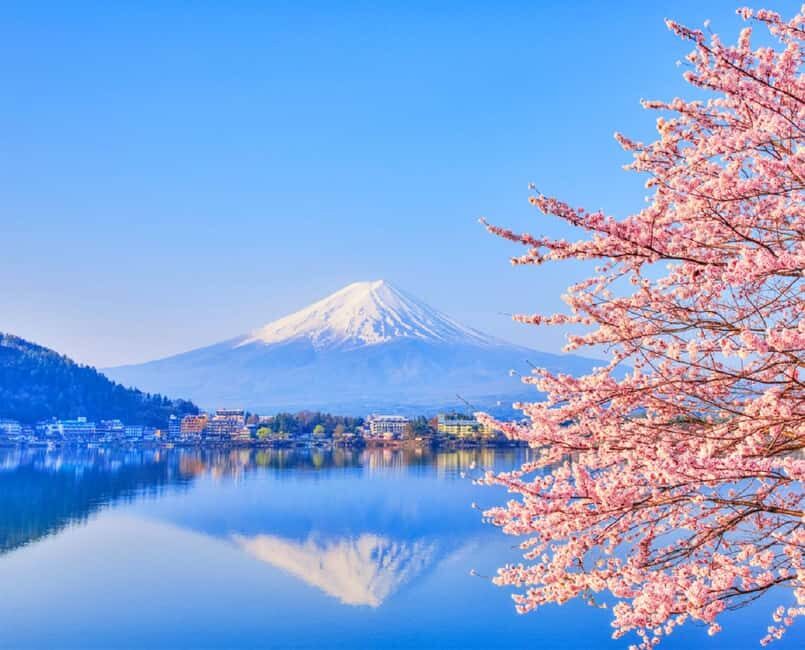
After the ropeway, the itinerary drops you into the lakeside world. First comes Kawaguchiko Tenjozan Park for a short photo stop and some free time. It’s not a long stay, but it’s useful: you get a different angle than the observatory, and it’s a natural transition from “Fuji towering over everything” to “Fuji reflecting in water.”
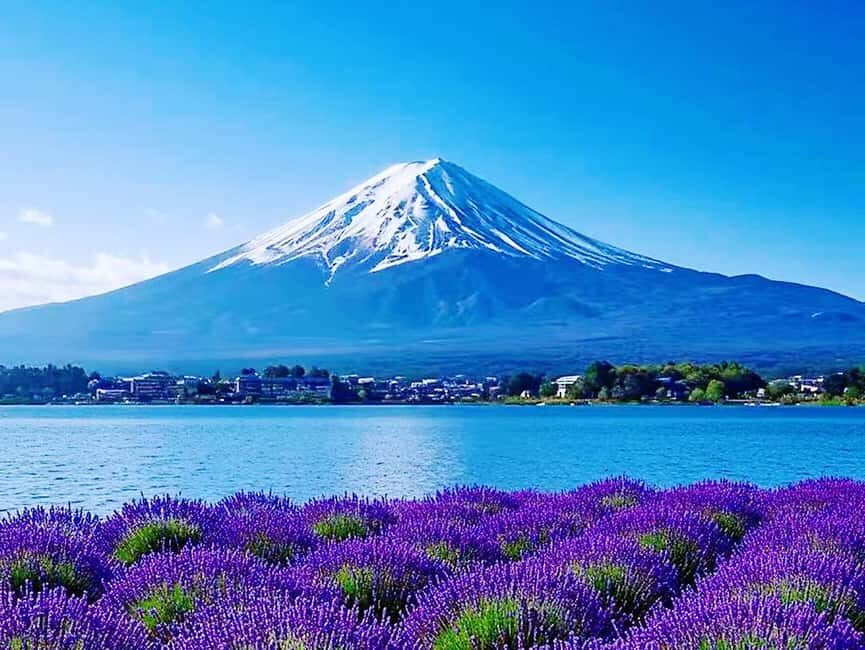
Then you head to Lake Kawaguchiko itself for sightseeing time. If conditions cooperate, one of the best feelings of this day is how quickly the mood changes. At the lake, Fuji can look calm and almost still, especially when light hits the surface and the water mirrors the mountain’s silhouette.
Worth weighing up alongside this Tokyo pick:

A practical timing note
Because the tour is built around shared group movement, you’ll get set windows for photos. That’s not bad. Just plan to treat each stop as a “get your bearings fast” moment. If you spend 30 minutes waiting for the perfect shot, you’ll run out of time for the next place.
The Matcha Experience: More Than a Break With a View
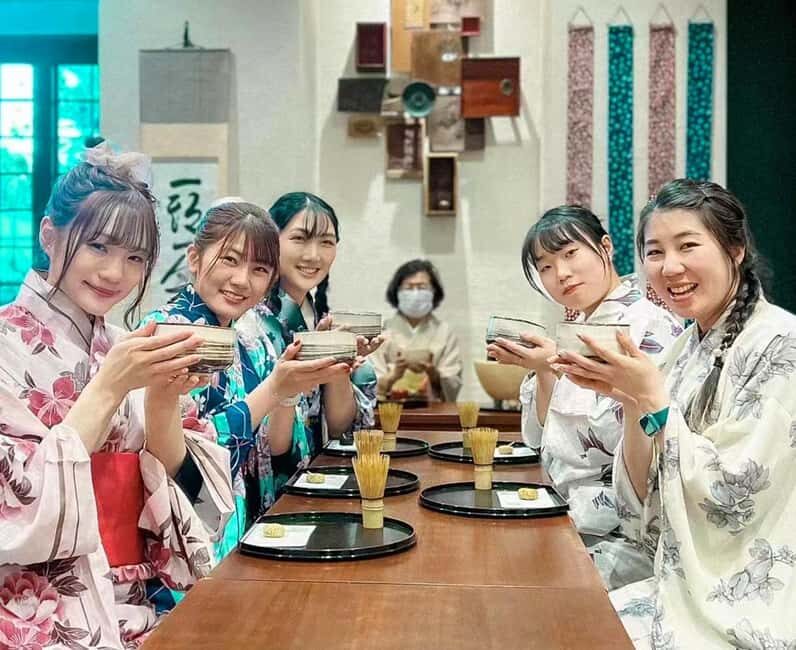
The matcha stop is short—about 15 minutes of guided instruction—but it hits a different part of Japan than the sightseeing shots. You’ll sit in a tea space by Lake Kawaguchiko and learn the steps of making matcha, including whisking, serving, and sipping your own bowl.
This isn’t only about tasting. Your guide explains the philosophy of Ichigo Ichie, the idea of one time, one encounter. That theme fits the day strangely well. Fuji is not predictable, and the lake view can change fast. The matcha moment becomes a way to slow down while the mountain is still in the background.
What to expect in the room
This portion is hands-on, so bring a camera if you want, but don’t worry about perfect photos of the bowl. What matters is participating. You’ll get a clearer sense of what matcha culture feels like when you actually do the motions rather than just watching someone else pour.
The Iconic Lawson Fuji Shot: Where Everyone Stops at Once
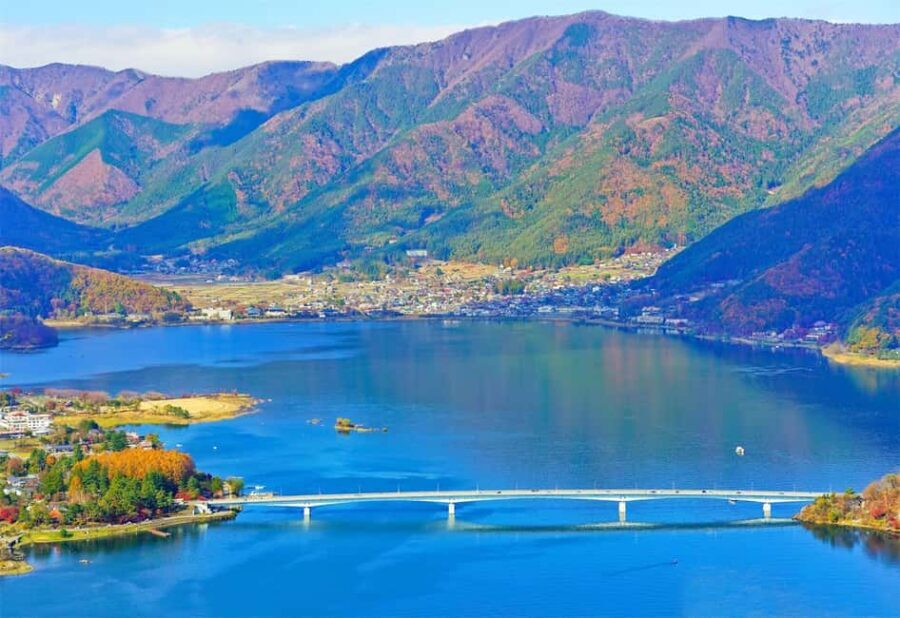
Yes, it sounds weird. A convenience store for Mt. Fuji photos. But in Kawaguchiko, the alignment is the whole point.
You stop at the Lawson convenience store facing Mt. Fuji, and the idea is simple: place the sign in frame, line up Fuji behind it, and capture that clean, instantly recognizable composition. It’s also exactly why the area can get crowded. People want the same photo at the same time, so expect lots of movement and quick picture-taking.
This is also the point in the day where you’ll notice how the tour keeps its shape. You don’t linger too long, so you get the shot without losing your entire afternoon to congestion.
If you’re sensitive to crowds
Plan your mindset. Treat Lawson as a sprint: step out, find your angle, shoot, and move. If you try to linger like it’s a museum, you’ll feel rushed later.
Oshino Hakkai: The Spring Ponds Where Fuji’s Water Story Shows Up
Oshino Hakkai is the calm finale, and it’s genuinely worth the trip. This village sits at the foot of Mt. Fuji and is famous for eight spring ponds. The water is fed by Fuji’s snowmelt, then naturally filtered through layers of lava rock—so the ponds can look glass-clear with gentle ripples.
A local guide portion here (about an hour total at the site) helps you slow down and see what you’re looking at. The reflections matter, but so does understanding that this isn’t “pretty water” by accident. It’s part of Fuji’s system, and the village format makes it feel like a living landscape of springs rather than one single photo spot.
If you’re a photographer, you’ll love the way the ponds hold light. If you’re not, you’ll still appreciate the mood. It’s easy to feel like you’re stepping out of the day-trip rush for a while.
End-of-day reality
The tour includes the return toward Tokyo after this stop. If your Fuji view was perfect earlier, this final location can feel like a bonus. If clouds rolled in, Oshino Hakkai can still deliver, because the spring ponds stay beautiful even when Fuji hides.
The Long Bus Ride: What Changes When You Go With a Coach Tour
This tour is transportation-heavy in the best possible way. You’ll ride an air-conditioned coach both directions, including expressway use, parking fees, and tolls. That’s a lot of friction removed compared with figuring out routes, timing, and transfers on your own.
You also get a professional driver, which matters when the day runs on schedule and traffic decides to be traffic. The tour can get delayed by weather, holidays, and crowding, so treat the return time as flexible. It’s also why I suggest you do not stack other plans right after this tour ends.
What you’ll experience with a shared group
Because it’s a group tour, you’ll follow the guide’s timing and wait with other people at photo stops. That means fewer decisions, faster movement, and less stress. It also means you’ll want to be on time—arriving at the meeting point at least 15 minutes early is important, since no-shows or latecomers can lose their spot.
Money, Food, and What’s Included in the $54
Here’s the value equation as I see it: the ropeway ride and matcha experience are the two “ticket-type” items that cost money on their own, and the bus takes care of the hardest part—getting out and back from Tokyo.
What’s included:
- Kachikachi Ropeway ride
- Matcha experience
- Round-trip air-conditioned coach plus expressway tolls and parking
- Multilingual tour guide and professional driver
What’s not included:
- Food and drinks for the day
- Personal expenses (souvenirs, snacks, drinks)
There is a lunch break at a local restaurant area, but you pay your own meal. Bring cash for lunch and anything else you might want to grab on the go. You can also find souvenir shops around the attractions, but they operate independently from the tour.
Lunch tip from real-world experience
Some people find the lunch break spot fine but rushed, and the lunch purchase is easy to feel overpriced if you didn’t plan for it. If you have dietary needs, it’s worth thinking ahead before you join the bus that day, since options can be limited during peak travel.
When the Ropeway Isn’t Running: The Dec 2025 Switch to Samurai Ship
There’s one specific heads-up that matters for dates: from Dec. 8th to 19th, 2025, the Kachikachi Ropeway will be closed for regular maintenance. The itinerary is adjusted so the ropeway segment is replaced with an experience on the Samurai Ship instead.
There’s also a weather-based backup idea. If the ropeway is cancelled due to weather or other reasons, you can email to request a 1000 JPY per person refund for the ropeway fee. The key point for you: the mountain view is weather-dependent, so the tour is designed to keep the day meaningful even if the exact ropeway plan changes.
Who This Tour Fits Best
This is a strong match if:
- It’s your first time aiming at Mt. Fuji from Tokyo
- You want a guide to handle pacing and photo stop timing
- You like mixing a big-view morning with calmer cultural stops at the end
- You want a hands-on activity (matcha) rather than only walking and snapping pictures
This is a weaker fit if:
- You’re afraid of heights (the ropeway is a no-go)
- You hate crowds and need lots of quiet time with no schedule pressure
- You require a very slow itinerary with long unstructured stays
Should You Book This Mt. Fuji & Lake Kawaguchiko Day Tour?
I’d book it if your goal is one efficient day that hits the essentials: ropeway views, matcha culture, a quick but famous Lawson Fuji shot, and the peaceful Oshino Hakkai ponds. It’s also a good value pick because the included bus transport removes the biggest planning headache.
But book with your eyes open. You cannot guarantee a clear Mt. Fuji view, and the day can feel fast-paced because everyone is moving toward the same viewpoints. If you’re the kind of traveler who can adapt to weather and still enjoy the journey, you’ll likely come away with great photos and a memorable Fuji story beyond just one sight.
If you want one Mt. Fuji day that feels organized without being stiff, this is the kind of tour that earns its keep.
FAQ
How long is the Mt. Fuji & Lake Kawaguchiko Ropeway tour?
The tour lasts about 10 hours.
Is lunch included?
Food and drinks are not included. The itinerary includes a lunch break at a local restaurant, but you’ll pay for your own meal.
Will I definitely see Mt. Fuji?
No. Mt. Fuji visibility depends on weather conditions, and it can’t be guaranteed.
What happens if the Kachikachi Ropeway is closed?
For regular maintenance from Dec. 8 to Dec. 19, 2025, the itinerary is adjusted to include an experience on the Samurai Ship instead. If the ropeway is cancelled due to weather or other reasons, you can request a refund of 1000 JPY per person for the ropeway fee by emailing.
What languages are the guides available in?
The live tour guide is available in English, Japanese, Korean, and Traditional Chinese.
What should I bring?
Bring comfortable shoes, a camera, water, and some cash for personal expenses.
More Tours in Tokyo




More Tour Reviews in Tokyo




The Fuji Shortlist: Other Days Out to the Mountain
Fresh reviews from around Tokyo






Mt Fuji Day Trips, compared.
 ★ 4.0Mt Fuji & Hakone Cruise, Drum Show Bullet Train 1 Day from TokyoFrom $1497,413 reviews
 ★ 4.4Tokyo Mt Fuji 5th St & Hakone Cruise Bus Tour w/Bullet TrainFrom $1545,024 reviews
 ★ 4.5From Tokyo: Mount Fuji Full-Day Sightseeing TripFrom $684,970 reviews
 ★ 4.7Mt. Fuji Tour, Hakone Ropeway, Owakudani, Lake AshiFrom $544,002 reviews
 ★ 5.0Private Tour to Mt. Fuji and Hakone (Fully Licenced Operator)From $4971,910 reviews
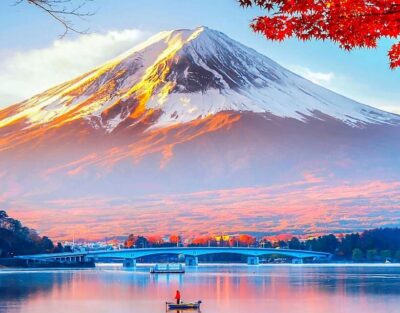 ★ 4.9Mount Fuji Full-Day Private Tour from Tokyo (Customizable)From $3931,470 reviews
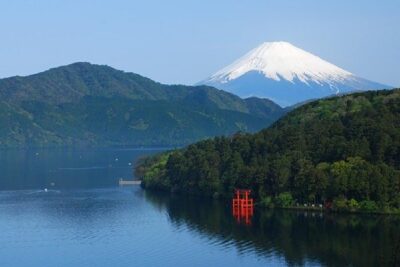 ★ 4.0Mt Fuji & Hakone Cruise, Drum Show Bus 1 Day from TokyoFrom $1221,287 reviews
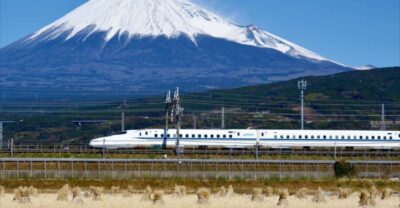 ★ 4.2From Tokyo: Mt. Fuji & Hakone Tour w/ Return by Bullet TrainFrom $1171,278 reviews
Browse the lists this tour appears in