
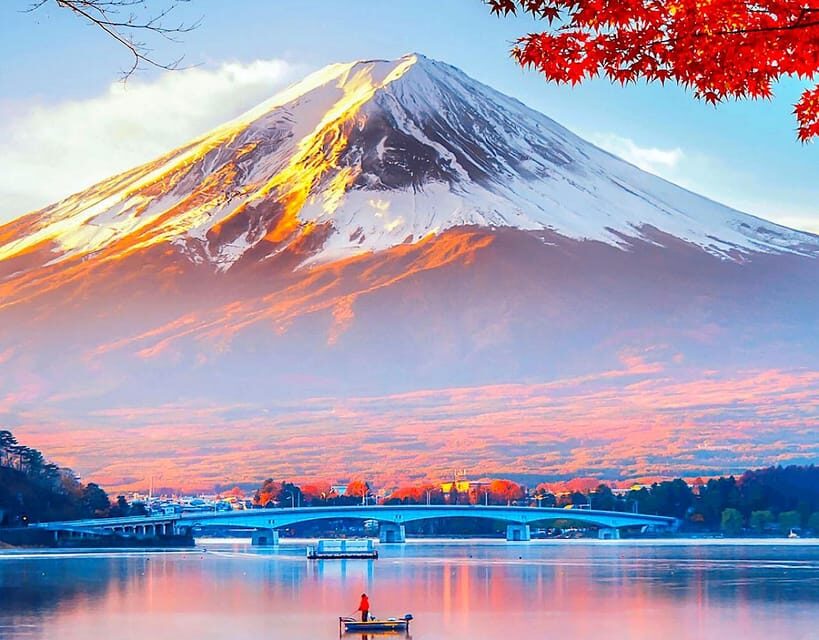
Reviewed · MT FUJI DAY TRIPS
Mount Fuji Full-Day Private Tour from Tokyo (Customizable)
Fuji day, handled like a VIP errand. This private full-day trip turns a long Tokyo-to-Mount-Fuji journey into an organized, comfortable day focused on the views and the classic stops. You get pickup and drop-off, and an English-speaking driver who helps you navigate the places without stressing over trains or crowds.
I especially like two things: the chance to build a day around your interests by choosing from the stop list, and the way the route mixes famous Fuji photo moments with calmer cultural breaks. In guides named in recent feedback, both Ryu and Makk are highlighted for making the trip feel smooth and well explained.
One thing to think about: the day can be weather-dependent, and reaching Mt. Fuji’s 5th Station isn’t something you should treat like a guaranteed checkbox. If conditions don’t cooperate, the guide may adjust the plan mid-day.
In This Review
- Quick reasons this Fuji private tour works well
- Private Fuji in your own car, not on the train scramble
- What $410 covers and how entrance fees actually work
- How you customize the day: picking 5 stops and fitting the 5th Station
- Chureito Pagoda, Oshino Hakkai, and a shrine break for Fuji culture
- Chureito Pagoda
- Oshino Hakkai
- Kitaguchi Hongu Fuji Sengen Jinja Shrine
- Lake Kawaguchiko and Oishi Park: where the Fuji views get real
- Lake Kawaguchiko
- Oishi Park
- Saiko Lake and Saiko Iyashi no Sato Nenba: quieter scenery and old-Japan vibe
- Saiko Lake
- Saiko Iyashi no Sato Nenba
- Subaru Line 5th Station: the altitude break (and why weather can change plans)
- Mt. Fuji Subaru Line 5th Station
- Optional Fuji-Q Highland: when thrill time fits your Fuji day
- Service details I’d plan around: pickup, pacing, and language help
- Who this private Mount Fuji tour from Tokyo suits best
- Should you book this Mount Fuji private tour from Tokyo?
- FAQ
- How long is the Mount Fuji private tour from Tokyo?
- How many people can be in a group for this tour?
- What’s included in the tour price?
- Can I customize which stops I visit?
- What are the costs not included?
- Do I need to pay for all attractions on the tour?
- What time does the tour start?
- Is the Mt. Fuji 5th Station stop guaranteed?
- Is Fuji-Q Highland part of the standard plan?
- Cancellation note in plain language
Quick reasons this Fuji private tour works well
- Private transport from Tokyo means you skip train transfers and keep control of your pace
- Choose 5 stops (and only add more if your selection includes the 5th Station rules) so the day doesn’t feel pre-programmed
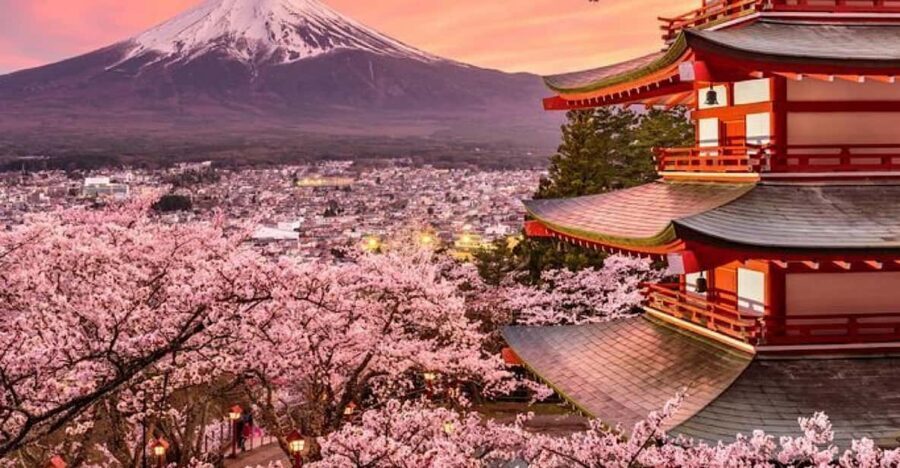
- Fuji viewpoints at multiple spots: pagoda, lakes, parks, and optional village-style culture
- Door-to-door convenience with hotel or Airbnb pickup and drop-off
- Language support from your driver helps you ask questions and get timely guidance
- Optional adds like Fuji-Q Highland, so you can tailor the fun level
Other routes to the mountain, compared
- Mt Fuji & Hakone Cruise, Drum Show Bullet Train 1 Day from Tokyo★ 4.0 · 7,413 reviews
- Tokyo Mt Fuji 5th St & Hakone Cruise Bus Tour w/Bullet Train★ 4.4 · 5,024 reviews
- From Tokyo: Mount Fuji Full-Day Sightseeing Trip★ 4.5 · 4,970 reviews
Private Fuji in your own car, not on the train scramble
A Mount Fuji day from Tokyo can be a time-tax if you rely on public transit. You’ll trade long lines and schedule stress for a private vehicle and a driver who controls the order of stops. Starting around 8:00 am also matters: it buys you more daylight and more chance for clear views.
The other big win is group size. This is priced per group up to 5, which is ideal for a family, two couples, or a small group of friends who want the same stops without negotiating. And since it’s private, you’re not stuck doing what the slowest or fastest people in the bus decide.
What $410 covers and how entrance fees actually work
At $410 per group (up to 5) for a day around 10 hours, you’re paying mainly for time, convenience, and logistics. What’s included is the private ride, an English-speaking driver, and hotel or Airbnb pickup and drop-off. You also get a mobile ticket.
What is not included is where your budget gets most important: lunch, and all fees and taxes beyond what’s marked free at specific stops. Some stops list admission as free, but a couple of common extras cost extra:
- The Oshino Hakkai Museum has a ¥300 per person fee
- A Kawaguchiko cruise is ¥1,000 per person
So the real value comes down to how you build your 5 chosen stops. If you mostly pick places with free admission, you’ll keep costs predictable. If you add the museum or boat, plan for those add-ons up front.
How you customize the day: picking 5 stops and fitting the 5th Station
You can choose 5 places from the stop options. That’s the key to making the day feel yours, not like a fixed roller-coaster. If you include Mt. Fuji Subaru Line 5th Station, you can choose only up to 3 more sites. Translation: the 5th Station takes more time and priority space in the day.
This matters because the “best” plan is really about your goals. If you want the classic lake viewpoints and cultural stops, lean toward lakes and parks. If you want altitude, souvenir time, and the Komitake Shrine area at the 5th Station, then accept fewer extra stops.
Also, the driver can help adjust based on conditions. That flexibility showed up in feedback where a guest was disappointed about not reaching the 5th Station, and the response explained that guides may offer a mid-day pivot to attempt it depending on circumstances.
Chureito Pagoda, Oshino Hakkai, and a shrine break for Fuji culture
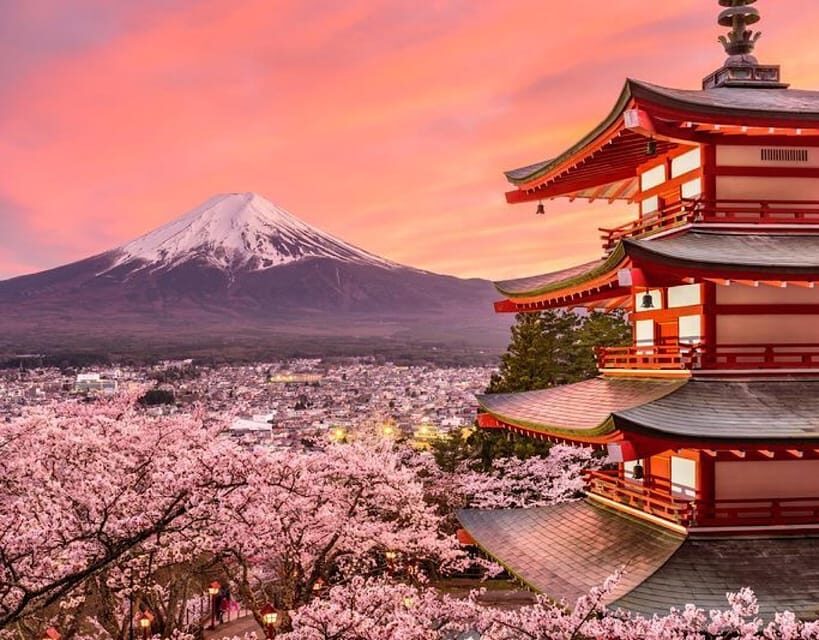
Most Fuji days have one thing in common: you want images that look like postcards. This tour starts by hitting a top-tier photo spot fast.
More private options with your own guide


Chureito Pagoda
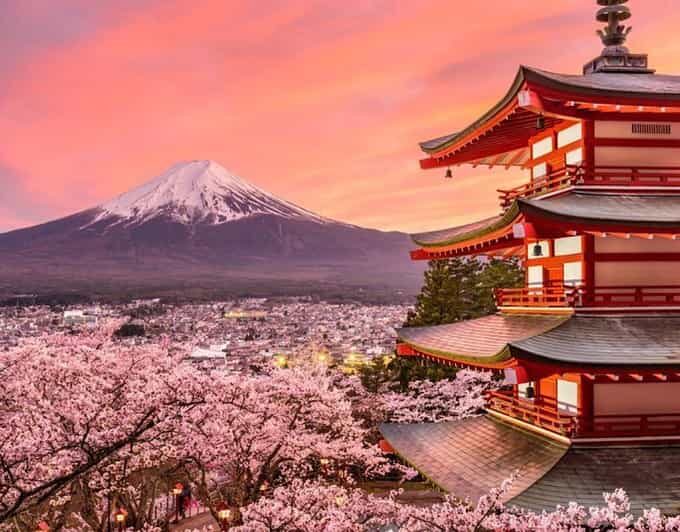
You’ll spend about one hour at Chureito Pagoda, with admission listed as free. The setup is simple and effective: the pagoda framed against Mount Fuji gives you that iconic composition without needing an advanced photo chase.
A practical note: even with a private day, popular photo spots can still draw crowds. The upside is that you control when you’re there, and you can use the time you have for quick viewing rather than standing in the wrong spot at the wrong moment.
Oshino Hakkai
Next is Oshino Hakkai, also about one hour. This place is about eight clear ponds connected to Mount Fuji’s springs, plus a mix of samurai-themed houses and museum space. In feedback, Oshino Hakkai gets called out as a standout because it feels like a mini world around Fuji instead of just a viewpoint.
Admission is listed as free for the area, but the Oshino Hakkai Museum has an extra fee (¥300 per person). If you’re short on time or just want the ponds, you can focus on the water and walk rather than locking in on the museum. If you enjoy cultural context, the museum angle adds value.
Kitaguchi Hongu Fuji Sengen Jinja Shrine
You’ll then stop at Kitaguchi Hongu Fuji Sengen Jinja Shrine for about 30 minutes, with admission listed as free. This is a good “reset” stop between scenic areas—green, quiet, and structured enough that you don’t lose time.
Since the stop is short, wear comfortable shoes and don’t plan on reading everything on every sign. Think of it as a spiritual breather that adds character to the day.
Lake Kawaguchiko and Oishi Park: where the Fuji views get real
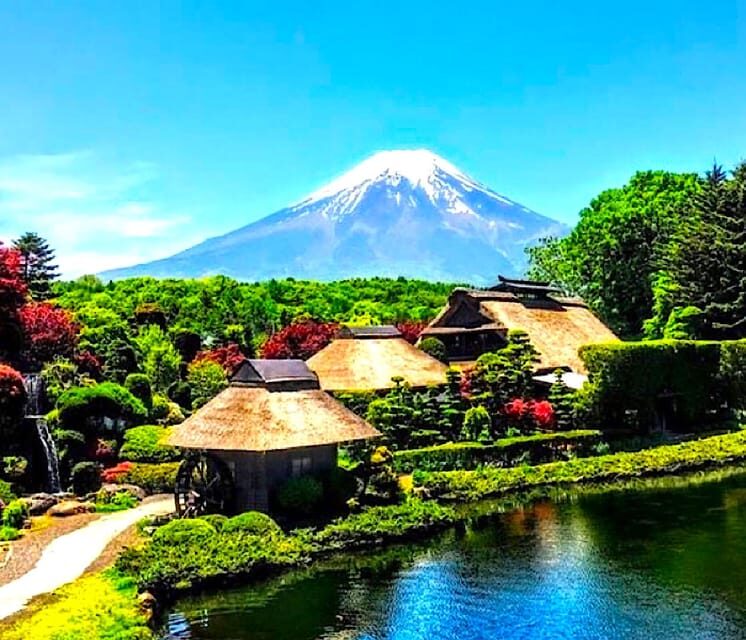
After culture, you move into the view-heavy zone around the Fuji Five Lakes area.
Lake Kawaguchiko
At Lake Kawaguchiko you get about one hour. This is described as the second largest of the Fuji Five Lakes, and it’s the type of place where you’ll see boats, ropeway options, and lakeside facilities. There’s also an option for a boat experience, but it’s not included—so if you want that extra “on the water” angle, budget for it.
Best practice: treat the lake time as a two-part visit. First, get your Fuji view fix from the most open viewpoints. Then decide if you want to add the cruise/boat or keep it simple. The lake area can expand in your mind once you’re there, so a plan helps.
Oishi Park
Then comes Oishi Park, about one hour with admission listed as free. This is all about the seasonal flowers and wide views of Mount Fuji, plus a practical perk: there’s mention of excellent ice cream in the area. It’s a small detail, but in a long day it turns a viewpoint stop into a real break.
A drawback to note: seasonal flowers mean your exact look depends on the time of year. Even so, the payoff is still the view and the relaxed pacing you get after lake walking.
Saiko Lake and Saiko Iyashi no Sato Nenba: quieter scenery and old-Japan vibe
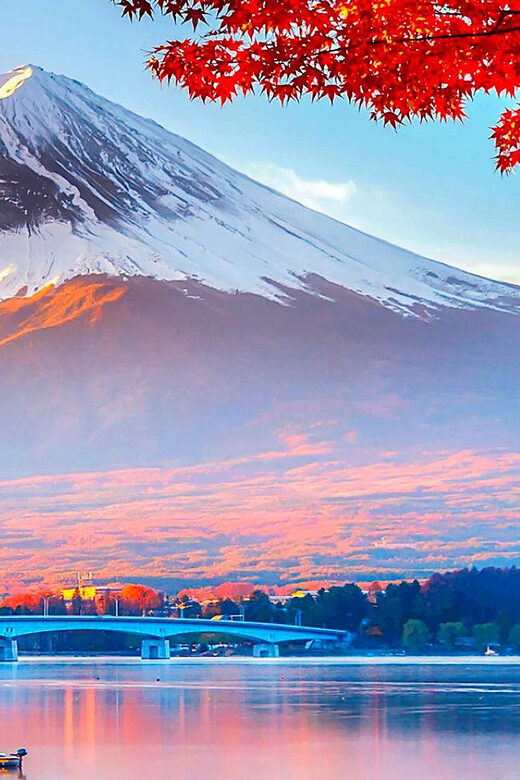
Not every Fuji day needs to be about the biggest name stops. These two choices add variety, and they’re the kind of stops that help the day feel like more than a photo checklist.
Saiko Lake
Saiko Lake is a shorter stop at about 30 minutes, with admission listed as free. It’s described as tucked away with clear water reflecting the sky and a pine-scented atmosphere. In plain terms, it’s the “breathe and look” pause.
Since the time is limited, keep expectations simple. You’re not doing a long hike here based on the time window—think viewpoints and quiet water time, then onward.
Saiko Iyashi no Sato Nenba
Next is Saiko Iyashi no Sato Nenba, about 45 minutes, also with a separate admission fee category (not included). This is a reconstructed traditional village near Mount Fuji. You can explore old-style houses, and there’s also mention that kimonos can be rented.
This is a great stop if you want culture to feel hands-on rather than just scenic. The downside is that villages can be more enjoyable when you slow down. With a fixed time slot, you’ll likely want to pick the couple of areas you care about most and move efficiently.
Subaru Line 5th Station: the altitude break (and why weather can change plans)
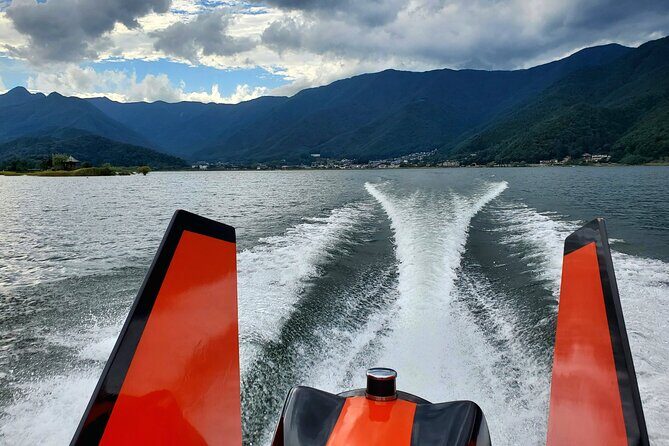
This is the stop people love or struggle with. Even when it’s included in your choices, the day is still run by real-world conditions.
Mt. Fuji Subaru Line 5th Station
You’ll spend about 30 minutes at Mt. Fuji Subaru Line 5th Station with admission listed as not included. The area is developed, with restaurants and souvenir shops, and you can visit the Komitake Shrine.
Here’s the value: it gives you a taste of Mount Fuji without committing to a full ascent. That works well if you’re traveling with kids, you want the view and shrine angle, or you only have a single day.
The consideration: the 5th Station experience is highly weather-dependent. Cloud cover and visibility can turn the stop into more of a cold, souvenir-friendly break than a skyline moment. And based on response notes, reaching the 5th Station may not always happen as planned, with guides potentially offering a mid-day pivot to try for it depending on conditions.
If the 5th Station is a must for you, build your day with flexibility. Don’t plan to be annoyed if plans shift to protect the overall value of the day.
Optional Fuji-Q Highland: when thrill time fits your Fuji day
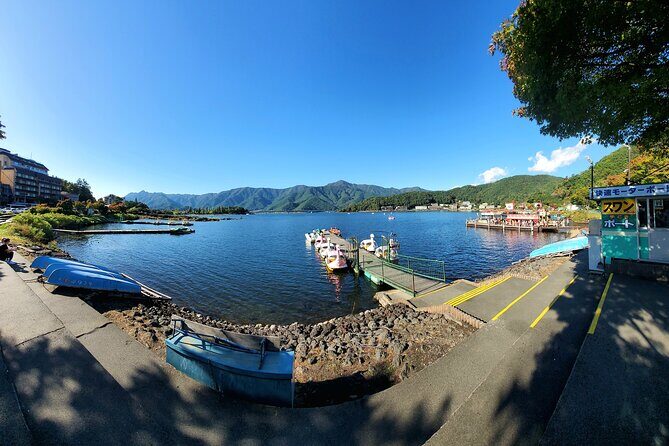
If you want roller coasters and big theme-park energy, there’s an option for Fuji-Q Highland. It’s clearly marked as optional, and you’re supposed to inform the provider if you want it.
The schedule note is about 10 minutes, which means this isn’t a full theme-park day. It’s more like a quick check-in or brief viewing. If you choose it, do it because you want one quick taste, not because you expect a full ride lineup.
Service details I’d plan around: pickup, pacing, and language help
The best thing about a private driver is how it changes your stress level. You don’t need to translate every street sign or decode which stop is which. The tour highlights that the driver can help you navigate potential language barriers, and that’s a real advantage when you’re trying to ask quick questions like Where should we stand for the clearest Fuji view right now?
In feedback, guides named Ryu and Makk show up with consistent strengths: they’re responsive in advance and help keep timing on track. That matters because this is a long day with multiple stops. You want someone who knows how long things actually take on the ground.
Also: you’re limited to only choose 5 places from the list. That rule is what keeps the day realistic. If you try to cram everything, you end up rushed. This setup helps you avoid that.
Who this private Mount Fuji tour from Tokyo suits best
This tour is a strong match if you want:
- Door-to-door convenience so you don’t spend your day “commuting to scenery”
- A mix of Fuji views and cultural stops, not just one viewpoint
- A plan that can be shaped to your group, with a driver who helps in real time
- A day that can work for families since the main stops are structured and time-boxed
It’s also a good fit if your group has different interests. One person wants lakes, another wants a shrine or a traditional village feel, and you can build a combination of those needs into the 5 chosen stops.
If your priority is something else entirely—like a long hike to a summit or a full theme-park day—this may not match. The 5th Station is a taste, and Fuji-Q is optional and short.
Should you book this Mount Fuji private tour from Tokyo?
I’d book it if you value comfort, flexibility, and a smart order of stops more than following a strict crowd schedule. The big reason is simple: you’re paying for time and logistics—pickup, private transport, and an English-speaking driver—then using your chosen stops to shape your day around your interests.
I’d pause and rethink if:
- Reaching Mt. Fuji 5th Station is your only goal and you’ll be unhappy if conditions force a change
- You want lunch included and a fully all-in-one price with no optional add-ons
- You’re aiming for a full-day theme-park experience at Fuji-Q (the time window is brief)
If you’re traveling as a small group up to five, this becomes especially good value because the cost is shared across the private ride. If you’re booking as two, it’s still workable when you care about door-to-door convenience and want the driver to handle the rest.
FAQ
How long is the Mount Fuji private tour from Tokyo?
It’s about 10 hours.
How many people can be in a group for this tour?
The price is per group for up to 5 people.
What’s included in the tour price?
Included are private transportation, an English-speaking driver, pickup and drop-off at your hotel or Airbnb, and a mobile ticket.
Can I customize which stops I visit?
Yes. You can choose 5 places from the available stops. If you include Mt. Fuji Subaru Line 5th Station, you can add max. 3 more sites.
What are the costs not included?
Lunch and all fees and taxes are not included. Some optional or specific extra costs listed are the Oshino Hakkai Museum (¥300 per person) and the Kawaguchiko cruise (¥1,000 per person).
Do I need to pay for all attractions on the tour?
Not all stops charge admission; some are listed as free. Others have fees not included, such as the Oshino Hakkai Museum and the cruise (if you do it).
What time does the tour start?
The start time is 8:00 am.
Is the Mt. Fuji 5th Station stop guaranteed?
It depends on what you select, and the experience requires good weather, so conditions can affect whether you reach it as planned.
Is Fuji-Q Highland part of the standard plan?
It’s optional. If you want to visit, you need to inform the provider.
Cancellation note in plain language
This experience requires good weather, and if it’s canceled due to poor conditions you’ll be offered a different date or a full refund.
More Tours in Tokyo




More Tour Reviews in Tokyo




The Fuji Shortlist: Other Days Out to the Mountain

Fresh reviews from around Tokyo






Mt Fuji Day Trips, compared.
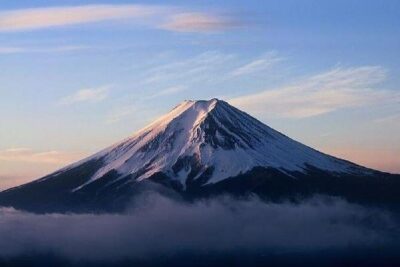 ★ 4.0Mt Fuji & Hakone Cruise, Drum Show Bullet Train 1 Day from TokyoFrom $1497,413 reviews
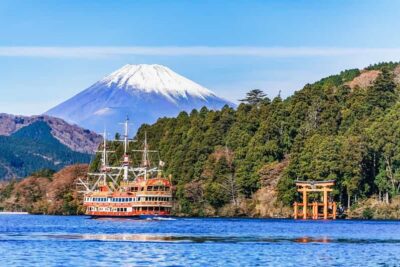 ★ 4.4Tokyo Mt Fuji 5th St & Hakone Cruise Bus Tour w/Bullet TrainFrom $1545,024 reviews
 ★ 4.5From Tokyo: Mount Fuji Full-Day Sightseeing TripFrom $684,970 reviews
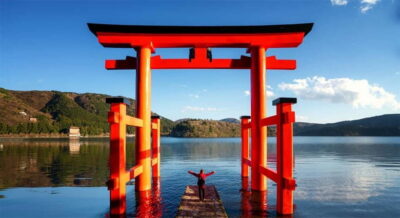 ★ 4.7Mt. Fuji Tour, Hakone Ropeway, Owakudani, Lake AshiFrom $544,002 reviews
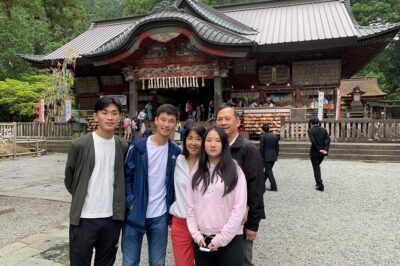 ★ 5.0Private Tour to Mt. Fuji and Hakone (Fully Licenced Operator)From $4971,910 reviews
 ★ 4.9Mount Fuji Full-Day Private Tour from Tokyo (Customizable)From $3931,470 reviews
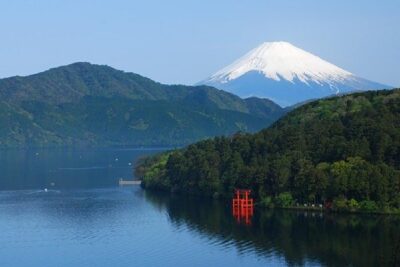 ★ 4.0Mt Fuji & Hakone Cruise, Drum Show Bus 1 Day from TokyoFrom $1221,287 reviews
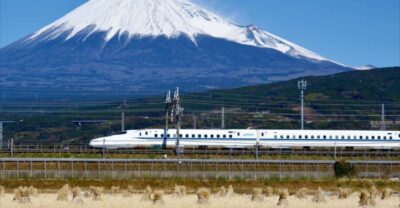 ★ 4.2From Tokyo: Mt. Fuji & Hakone Tour w/ Return by Bullet TrainFrom $1171,278 reviews
Browse the lists this tour appears in