
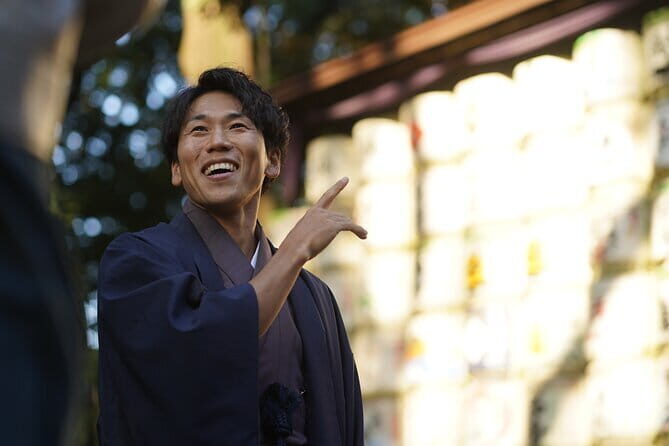
Reviewed · MEIJI SHRINE TOURS
Join a Unique Cultural Ceremony at Tokyo’s Meiji Shrine
Waking up to a shrine feels different. This Meiji Shrine experience pairs a quiet walk through the forest of Meiji Jingu with exclusive, rarely offered access to a traditional Shinto prayer ceremony (gokito). You get an English-fluent guide with official Meiji jinguu membership, so the moment lands in a way that plain sightseeing usually can’t. I especially like the slow, calming atmosphere outdoors before you ever reach the wooden hall, and I love how the ceremony’s chants and music (flutes and drums) can be felt even if you do not catch every word. One possible drawback to plan for: Meiji Jingu involves a lot of walking, so it may not suit you well if you have limited mobility or you’re dealing with illness like a cold.
The best part is what you do during the ceremony. You do not race around taking notes. You sit, listen, and take in the smell of cypress and the steady rhythm of prayer in a polished, high-ceilinged space. I also like that the guidance brings context in plain language, and past groups have featured friendly guides such as Alex and Kohei, plus excellent photo work that captures the in-between moments.
If you want religion-less sightseeing, this is more about cultural sensibility than debate. It’s calm, respectful, and quietly powerful. You’ll walk out with that rare feeling that you did not just look at Japan, you understood a little more of how it feels.
In This Review
- Key highlights at Meiji Shrine’s forest-to-ceremony moment
- Entering Meiji Jingu with a calm rhythm, not a rush
- Meeting at JR Yoyogi: simple start, clear arrival spot
- The forest walk: where the experience teaches you how to watch
- Inside the wooden hall: what the gokito ceremony feels like
- How your guide changes what you notice
- Offerings, coins, and what to do with cash
- A snack and the slow walk back out
- Price and value: is $121 fair for what you get?
- Practical etiquette and what to bring so it goes smoothly
- Who should book this Meiji Shrine gokito experience
- Should you book this Meiji Shrine ceremony tour
- FAQ
- Where do I meet for the Meiji Shrine ceremony experience?
- What should I bring?
- Is alcohol or intoxication allowed?
- Can I record audio during the ceremony?
- Is this tour suitable if I have a cold?
- What is the cancellation policy?
Key highlights at Meiji Shrine’s forest-to-ceremony moment
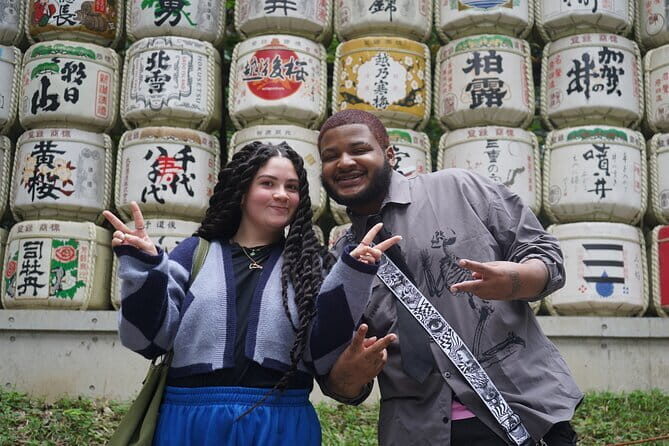
- Forest paths that slow your day down before you enter sacred space
- Exclusive access to the gokito Shinto prayer most visitors do not see
- Ceremony atmosphere you can experience with your senses, including cypress scent plus flutes and drums
- An English-fluent guide with official Meiji jinguu membership who connects meaning to what you’re watching
- A respectful pace and etiquette focus, including rules like no intoxication and no audio recording
- Small add-ons at the end, including a Japanese snack mentioned as part of the experience
More forest calm at Meiji Shrine
- Tokyo: Meiji Shrine Walking Tour — Shinto & Imperial System★ 4.9 · 266 reviews
- Tokyo: Meiji Jingu Shrine and Shinto Culture Walking Tour★ 5.0 · 245 reviews
- Tokyo: Meiji Shrine and Shinto Culture Walking Tour★ 5.0 · 225 reviews
Entering Meiji Jingu with a calm rhythm, not a rush
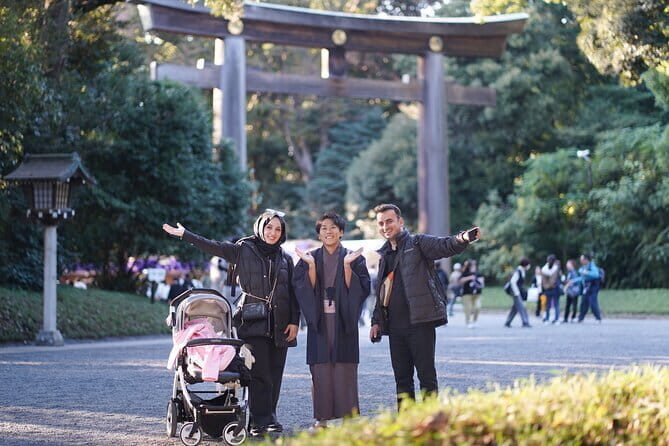
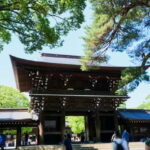
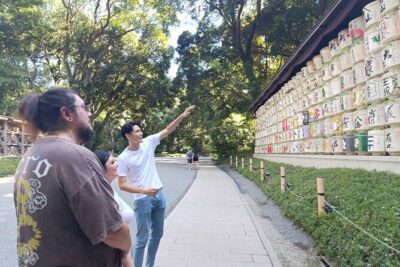
Meiji Shrine does not start when you reach the main buildings. It starts with the walk. The route through the forest is the lead-in: you breathe deeper, your pace naturally slows, and the city noise feels farther away. That matters because the gokito ceremony later is not something you can properly appreciate if you arrive already stressed.
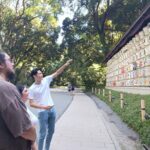
I like that the experience treats the grounds as part of the cultural lesson, not just a photo corridor. You follow quiet paths through the shrine’s wooded setting, where the air feels cooler and the sound changes. Even before the ceremony begins, you’re being guided to notice small things: posture, silence, and how people move with care.
This is also a smart way to start a trip if you want something reflective early on. Tokyo can be loud and fast, but here you get a structured reset. If you enjoy thoughtful travel, this sets up the rest of your Japan days nicely.
Meeting at JR Yoyogi: simple start, clear arrival spot
Your morning begins at JR Yoyogi Station. You should come to the WEST gate, and there’s a map on the left when you walk outside. Staff from Legit Japan are there waiting in Japanese-style outfits, which makes it easy to spot your start point.
This kind of clear meeting location helps you stay calm. You don’t have to play transport detective, especially when you’re in a new city. And since the experience involves walking, getting the start cleanly reduces the odds of arriving frazzled.
Plan to arrive a few minutes early. Not because you must, but because you’ll likely want those first moments to breathe before the group moves. Meiji Jingu rewards a patient start.
The forest walk: where the experience teaches you how to watch
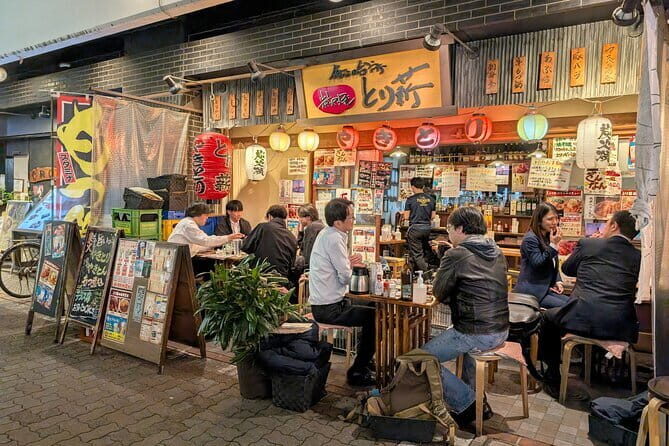
Once you’re moving, the tour keeps a steady, respectful rhythm. You’re guided along the peaceful paths of Meiji Jingu, with time to look and absorb rather than speed past everything. For many people, this is where the day becomes memorable, even before the ceremony.
Why this matters: the gokito ritual later is not just a performance. It’s a sequence with meaning. If you have already spent time walking calmly through the shrine grounds, you understand that the space asks you to behave differently. That shift can be subtle, but it changes how the hall moment feels.
You should wear comfortable shoes. This isn’t a gentle stroll you can half-do. The shrine grounds require you to keep your legs in motion, and the day will feel longer if you’re in footwear that pinches or hurts. Also bring a drink, since the morning includes walking and you don’t want to guess about water once you’re inside the rhythm of the day.
Inside the wooden hall: what the gokito ceremony feels like
The heart of this experience is witnessing the traditional Shinto prayer ceremony, called gokito. This is the part that most visitors never see, because it’s not something you can reliably stumble into on your own.
You step into a ceremonial hall with high ceilings and polished floors. The scent of cypress is part of the sensory mix. Priests in traditional robes perform an ancient prayer, and as they chant, flutes and drums echo through the space. Even if you do not understand the words, the pacing and the sound create a strong feeling of focus.
Here’s the key: the ritual works best when you do less. You don’t need to translate every phrase in your head. You don’t need to narrate what’s happening for friends. The best approach is to sit, listen, and let your senses do the work.
You may get chills, you may feel calm, or you may simply feel impressed by the discipline of it all. Different people react differently, and that’s normal. What stays with most people is that it feels ordered and sincere, not staged for tourists.
Also note the etiquette framing. This is not presented as a big religious lecture. It’s presented as something you can respect and learn from. That makes it a good option if you want to encounter Japanese culture in a way that is serious without being preachy.





How your guide changes what you notice
A good guide turns a shrine visit into understanding. In this experience, the guide brings official context from the Meiji jinguu world and keeps the language clear and friendly. English is covered, and explanations are designed to connect what you see to broader Japanese cultural sensibilities.
In past groups, guides such as Alex and Kohei have stood out for thoughtful guidance and engaging explanation. That lines up with the overall style here: you’re not just handed facts. You’re shown how to interpret the ceremony atmosphere while you’re inside it.
I like that the guide also helps you connect the experience to your own background. Instead of saying, trust me, they explain why certain actions matter. That lets you build a mental model fast, so the ceremony does not feel like random ritual theater.
If you’ve visited shrines before and felt like you were watching from the outside, this is a strong upgrade. With context, you start to notice patterns: the care in pacing, the respect in the space, and the reason the quiet matters as much as the ceremony.
Offerings, coins, and what to do with cash

There’s one practical reality to know before you go: coins for the offering box are not included. Coins for offerings, and also any goods you choose to buy, require your own cash.
That’s why the tour asks you to bring cash. If you arrive without any, you might feel awkward watching others participate in small, customary acts. Bring some yen so you can participate in the way that feels right for you.
Also, you can buy goods. So if you like getting small mementos that actually connect to what you experienced, this is your moment. Just remember: the point is the ceremony and the meaning, not the shopping line.
One more tip: audio recording is not allowed. That means you should plan to take memories, not clips. If you want photos, you’ll need to follow whatever rules are used in the hall and follow the guide’s instructions. When in doubt, watch and copy the group.
A snack and the slow walk back out
The experience doesn’t end the second you exit the hall. It keeps a gentle rhythm through the rest of the time together, and at the end there’s mention of a Japanese snack. The snack part may vary by day and logistics, but the structure is clear: you’re given a small close-out moment after the serious, sensory ceremony.
Then you return back to the meeting point. The finish is described as ending back at the meeting point, so you can plan your next Tokyo activity without guessing how far you’ll be dropped.
This wrap-up matters. If you leave immediately right after a powerful ceremony, your emotions can feel like they need somewhere to land. A calm snack and a slow transition helps the experience stick.
Price and value: is $121 fair for what you get?

At about $121 per person, this is not a budget add-on. But the pricing can make sense when you consider what’s unique here.
You’re paying for:
- an English-fluent guide with official Meiji jinguu membership
- the fee to experience the traditional praying ritual
- all fees and taxes included in the price
What you’re not just paying for is a walk in a famous place. Meiji Shrine is popular for a reason, but most visits are the usual route: sights and photos, then you move on. Here, the value is the rare access to the gokito ceremony and having someone help you understand what you’re seeing while you’re there.
That’s why this tour works especially well if it’s your first or second time seeing Meiji Jingu. If you’ve never been, you still benefit from the calmer forest approach and the chance to learn respectfully. If you have been, this gives you something completely different: the ceremony itself, not just the main area.
One more value check: you should treat this as a cultural experience, not a religious conversion workshop. It’s designed to feel meaningful for people who enjoy quiet travel, not people who only want big thrills.
Practical etiquette and what to bring so it goes smoothly
Here’s the practical stuff that keeps the day smooth and respectful.
Bring:
- Comfortable shoes (you’ll walk a lot)
- Drinks (so you don’t get caught dry-mouthed mid-morning)
- Cash (coins for an offering box and goods are not included)
Know what’s not allowed:
- Intoxication and alcohol and drugs
- Audio recording
These rules matter because they protect the ceremony environment. If you like traveling with a bit of structure, you’ll probably appreciate that the tour is clearly respectful and focused.
Health note: this is not suitable for people with a cold. That’s not just for your comfort. It helps keep the shared ceremony space clean and respectful.
Mobility note: Meiji Jingu requires lots of walking. Wheelchair and pram are available, which can help, but you should consider your comfort level for a day on your feet.
Who should book this Meiji Shrine gokito experience
This is a great fit if you:
- want an authentic cultural moment, not just major-sight photos
- like calm mornings and quiet observation
- enjoy learning from local context while you’re inside the action
- are visiting Tokyo for the first time and want something uniquely Japanese to start your trip
It may not be the best fit if you:
- struggle with longer walking days
- are feeling under the weather (a cold means it’s not suitable)
- want lots of freedom to wander on your own timeline
- expect a loud, entertainment-style attraction
If you’re the type who enjoys thoughtful travel, this is exactly that. The best moments happen when you let the space lead.
Should you book this Meiji Shrine ceremony tour
I think you should book it if your goal is to experience Japanese culture in a way that feels respectful and specific. The exclusive access to the gokito ceremony is the difference-maker, and the guide support makes it much easier to understand what you’re seeing while you’re still in the moment.
Skip it if you want a flexible, self-guided temple stroll. This experience has a calm, guided flow, and it’s built around ceremony timing and etiquette. It’s also not a good match if you’re dealing with a cold or you know you won’t handle the walking.
If you want one Tokyo activity that feels quietly powerful and genuinely different from the usual shrine sightseeing, this is a strong choice.
FAQ
Where do I meet for the Meiji Shrine ceremony experience?
You meet at JR Yoyogi Station, outside the WEST gate. There is a map on the left when you walk out, and Legit Japan staff will be waiting there.
What should I bring?
Bring comfortable shoes, drinks, and cash. Coins for the offering box and goods are not included, so cash is important.
Is alcohol or intoxication allowed?
No. Intoxication, alcohol, and drugs are not allowed.
Can I record audio during the ceremony?
No. Audio recording is not allowed.
Is this tour suitable if I have a cold?
No. It is not suitable for people with a cold.
What is the cancellation policy?
You can cancel up to 24 hours in advance for a full refund.
More Tour Reviews in Tokyo



More Time at Meiji Shrine


Fresh reviews from around Tokyo






Meiji Shrine Tours, compared.
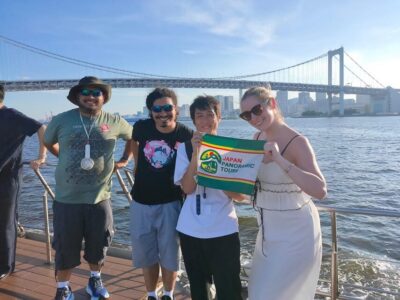 ★ 4.7Meiji Shrine, Asakusa, Skytree Bus Tour and CruiseFrom $1221,986 reviews
 ★ 4.5Tokyo Panoramic 1 Day: Meiji Shrine, Asakusa, Odaiba and SKYTREE®From $851,222 reviews
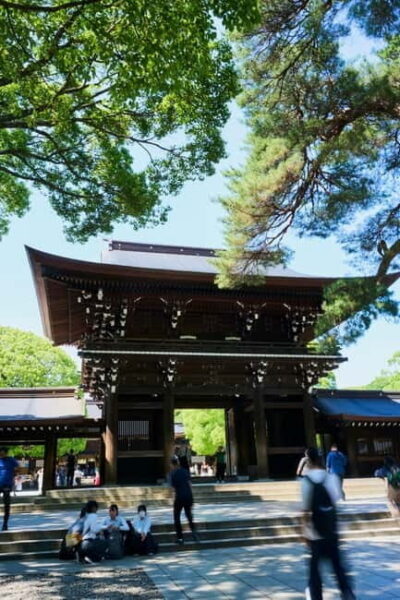 ★ 4.9Meiji Shrine Walking Tour — Shinto & Imperial SystemFrom $23266 reviews
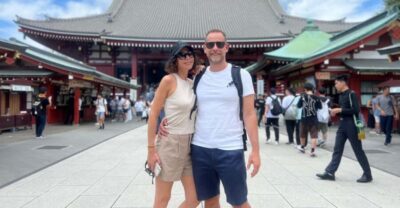 ★ 5.0Meiji Jingu Shrine and Shinto Culture Walking TourFrom $19245 reviews
 ★ 5.0Meiji Shrine and Shinto Culture Walking TourFrom $18225 reviews
 ★ 5.0Meiji Shrine Walking Tour — Shintoism & Imperial SystemFrom $21209 reviews
 ★ 4.61 Day Bus Tour with Meiji-Jingu,Odaiba,lunch&SkytreeFrom $83156 reviews
 ★ 5.0Tokyo Morning Tour : Meiji Shrine, Asakusa and Fish MarketFrom $72102 reviews
Browse the lists this tour appears in