
Reviewed · MEIJI SHRINE TOURS
Join a Unique Cultural Ceremony at Tokyo’s Meiji Shrine
Quiet prayers can change your trip.
This tour takes you through the calm Meiji Shrine forest, then into a ceremonial setting where you can witness a Shinto ritual called gokito. You also get access to sacred areas that are usually closed off, so you’re not just standing behind a rope like it’s a theme park.
I especially like two things: the guide is an English speaker with official ties to Meiji Jingū, which makes the customs feel grounded and not like random trivia. And the included professional photographer captures 30+ moments at the right beats, which means you’ll leave with photos that actually match the emotion of the day.
One consideration: the experience needs good weather, and it’s best with a moderate walking/standing ability. If you’re hoping for a totally flexible, short sit-down-only activity, this one will feel more like a slow walk plus a formal ceremony.
In This Review
- Key moments to look forward to
- Meiji Shrine’s forest start at Yoyogi Station
- The gokito Shinto ritual: what you’ll actually experience
- Rare sacred-area access (and why it’s worth paying for)
- A guide with official Meiji Jingū membership and lived-in context
- Professional photography: 30+ images you’ll actually want
- Traditional onigiri with premium rice: a small meal that fits the day
- Price and value: $198.81 for 2.5 hours of real access
- Logistics that matter: mobile ticket, small group, and respectful timing
- What you should bring (especially coins for offerings)
- Should you book this Meiji Shrine ceremony tour?
- FAQ
- How long is the Meiji Shrine ceremony tour?
- Where do we meet, and does the tour end nearby?
- Is this a small group tour?
- What is included in the price?
- Do I need coins for the offering box?
- Is onigiri included?
- Will there be a photographer?
- What languages are used during the tour?
- What is the cancellation policy and what happens in bad weather?
Key moments to look forward to
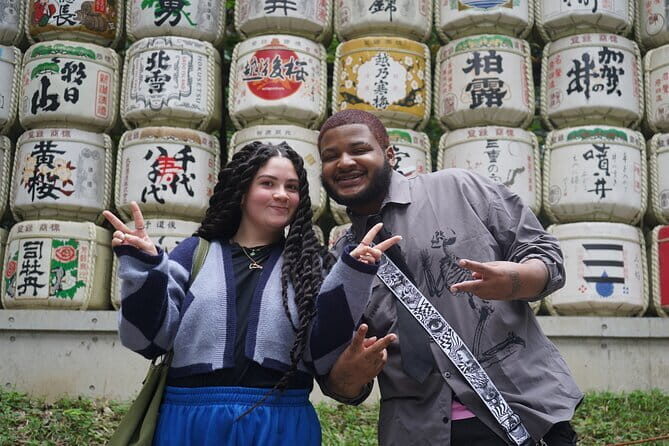
- A calm walk through Meiji’s forest paths before anything feels “ceremonial”
- Witnessing the gokito prayer ceremony in a wooden hall with traditional instruments and chanting
- Official Meiji Jingū membership behind the storytelling (not just a generic guide script)
- Exclusive sacred-area access that most visitors never get
- A professional photographer with 30+ shots at meaningful moments
- Handmade premium onigiri as a pre- or post-tour snack
More forest calm at Meiji Shrine
- Tokyo: Meiji Shrine Walking Tour — Shinto & Imperial System★ 4.9 · 266 reviews
- Tokyo: Meiji Jingu Shrine and Shinto Culture Walking Tour★ 5.0 · 245 reviews
- Tokyo: Meiji Shrine and Shinto Culture Walking Tour★ 5.0 · 225 reviews
Meiji Shrine’s forest start at Yoyogi Station
You begin at Yoyogi Station (the meeting point is listed at 1 Chome-34 Yoyogi, Shibuya). The location is practical: you can get there easily by public transport, and the tour keeps things simple by ending back at the meeting point.
What I like about starting here is that it sets the tone fast. Instead of racing straight to the busiest highlights, you’re guided into the quiet space around the shrine first—so the ceremony later doesn’t feel sudden. You’ll have time to notice details that most casual visits miss, like the way the forest atmosphere slows your pace without you trying.
The group size also matters. This runs with a maximum of 6 travelers, so you’re not competing with a crowd to hear instructions or to find a comfortable viewing spot during the ceremony.
The gokito Shinto ritual: what you’ll actually experience
The centerpiece is a traditional Shinto prayer ceremony called gokito. You’ll step into a ceremonial hall—described as wooden, with high ceilings, and even a distinct scent like cypress in the air—then listen as priests chant ancient prayers.
Here’s the useful part: you do not need to understand the words to get value from this. The tour experience is built around watching the ritual rhythms—how the chanting and music move through the space—and then letting that stillness do its job. Expect instruments like flutes and drums to echo through the hall, creating a calm but powerful atmosphere.
Also, the tour frames this in a grounded way: it’s not a sales pitch for religion. It’s more like learning how Japanese people pay attention to sacred space—through sound, posture, and timing. You may feel moved or just quietly focused; either way, the point is the same: you’re seeing tradition at human scale.
Rare sacred-area access (and why it’s worth paying for)
This is the part that makes the tour feel more than standard sightseeing. You get exclusive access to sacred areas that are not usually open to the public. That changes what you see and how close you feel to the ceremony.
Most people visit Meiji Shrine like a landmark: paths, gates, photos, done. This tour leans into a different kind of access—being guided into areas where you’re meant to act with respect and attention. If you’re the type who enjoys cultural moments that feel purposeful (not staged), this is where the value lives.
And it’s not only access—it’s interpretation. The guide’s role is to translate the meaning behind what you’re seeing: how customs connect to the shrine’s role, what the ritual is doing in that moment, and why certain actions matter. That’s what keeps the experience from turning into “I stood here while someone chanted.”
A guide with official Meiji Jingū membership and lived-in context
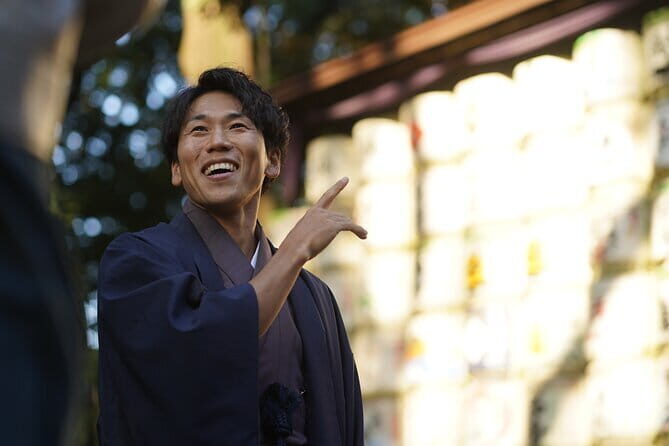
You’ll be led by a fluent English-speaking guide with official Meiji Jingū membership. That matters more than people think. When someone is connected to the institution, they can explain etiquette and tradition with care, instead of simplifying everything into broad cultural stereotypes.
The guide also has lived abroad, which helps with the “wait, what does this mean?” moments. You can ask questions and get thoughtful answers that connect Japanese customs to what you might recognize at home—without forcing comparisons.
One name you may hear in feedback is Kohei. If your guide is Kohei, expect a style that’s calm and attentive, with explanations that help you feel what’s happening rather than just observe it.





Professional photography: 30+ images you’ll actually want

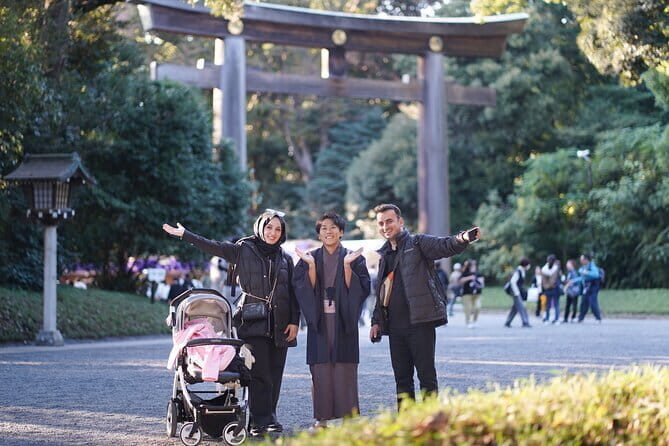
A professional photographer travels with the group and captures over 30 photos during significant moments. This is a real advantage for an experience like this because the key moments happen quickly, and ceremonies are timing-sensitive.
You’re not left fiddling with your phone while priests are chanting and music is in the air. Instead, you can focus on being present—then later you get pictures that match the story: the quiet forest path, the hall atmosphere, and the ritual scenes at the best angles.
It’s also practical value. In Tokyo, paying for a separate photographer can cost a lot. Here, it’s part of the bundle, and it’s tailored to the exact moments the tour is built around.
Traditional onigiri with premium rice: a small meal that fits the day

You’ll also receive traditional onigiri—not the typical convenience-store version. The tour notes they’re handmade with premium Japanese rice, and they can work as a pre-tour breakfast or a post-tour snack.
This might sound like a minor extra, but it helps your day. A calm ceremony plus forest walking can make you want something simple and familiar-looking, yet still local in quality. You won’t spend time hunting for food nearby, and the timing stays smooth because the snack is tied to the experience.
If you tend to get hungry during walking tours, this is one of the smarter inclusions here.
Price and value: $198.81 for 2.5 hours of real access
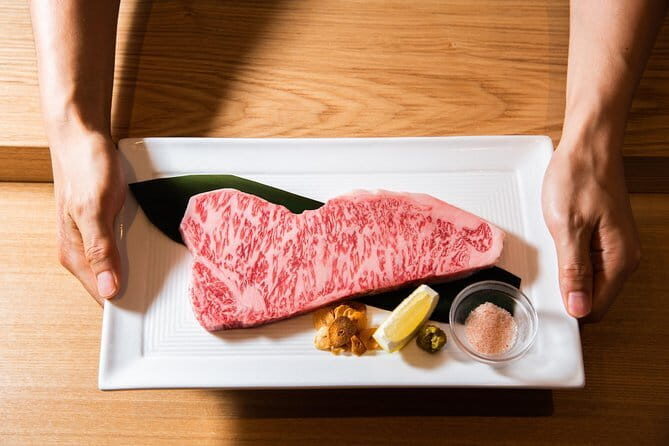
The price is $198.81 per person, and it’s an experience you’re usually booking about 7 days in advance. The cost may feel high until you break down what’s included.
You’re paying for more than a guide. Your fee includes:
- the ritual experience fee
- all fees and taxes
- and the presence of a professional photographer
- plus exclusive access to sacred areas that aren’t normally open
When you compare that to standard shrine tours (where you’re basically doing the open-to-everyone route), the extra cost becomes easier to justify. You’re buying access, context, and documentation. And because the group is capped at 6 travelers, you get more attention per person than big group tours.
Also, the duration is around 2 hours 30 minutes. That’s a reasonable chunk of time for Tokyo—long enough to feel meaningful, short enough that you can still plan the rest of your day without feeling trapped.
Logistics that matter: mobile ticket, small group, and respectful timing
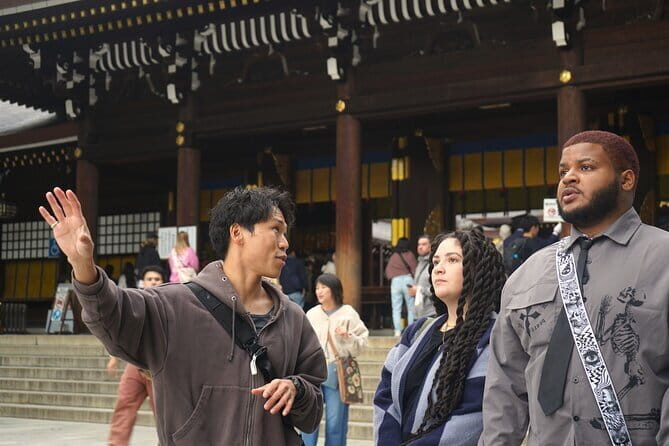
The tour uses a mobile ticket, and you’ll receive confirmation at booking. It’s near public transportation, so you’re not dealing with tricky meetups in the middle of nowhere.
Timing and flow are part of the experience: you start with the forest calm, then shift into the ceremonial hall. That structure is why the tour feels composed instead of rushed.
Respect is also part of it. You’ll be close to sacred spaces and a formal ritual, so plan to move quietly and follow the guide’s cues. If you like to charge through attractions on your own schedule, this tour is more “slow and attentive” than “speed-run Tokyo.”
What you should bring (especially coins for offerings)
This is one place where being prepared saves stress. The tour notes that coins for the offering box and coins for buying goods are not included.
So bring some Japanese yen coins if you plan to offer or purchase anything. If you forget, you won’t be stuck, but you might miss a small chance to participate in the offering moment.
Weather is another practical issue. The experience requires good weather, and if it’s canceled due to poor conditions, you’ll be offered a different date or receive a full refund. It’s worth checking the forecast the day before you go, especially in Tokyo when the weather can change.
Finally, the tour says you should have moderate physical fitness. That’s likely about walking on paths and standing during parts of the ceremony. If you’re used to city walking, you should be fine—just don’t plan this as a totally sedentary day.
Should you book this Meiji Shrine ceremony tour?
Book it if you want something more meaningful than shrine photos. This experience gives you rare sacred access, a chance to witness gokito, and guidance that helps you understand what you’re seeing without needing to speak Japanese.
Skip it if your priority is only quick sightseeing, or if you need a plan that’s guaranteed regardless of weather. Also, if you dislike any structured ceremony setting—where you sit, listen, and follow cues—this may feel too formal for your style.
If you’re aiming for a respectful, calm start to your Tokyo trip and you appreciate small groups, I think it’s a strong use of time—and your money goes toward real access and real interpretation, not just a walk past famous buildings.
FAQ
How long is the Meiji Shrine ceremony tour?
The duration is approximately 2 hours 30 minutes.
Where do we meet, and does the tour end nearby?
You start at Yoyogi Station (1 Chome-34 Yoyogi, Shibuya, Tokyo 151-0053, Japan) and the activity ends back at the meeting point.
Is this a small group tour?
Yes. The maximum group size is 6 travelers.
What is included in the price?
Included are all fees and taxes, plus the fee to experience the traditional Japanese praying ritual.
Do I need coins for the offering box?
Coins for the offering box and coins for buying goods are not included, so you should bring some yen coins if you want to do an offering or purchase items.
Is onigiri included?
Yes. You’ll receive traditional onigiri made with premium Japanese rice, to enjoy as a pre-tour breakfast or post-tour snack.
Will there be a photographer?
Yes. A professional photographer joins and takes over 30 photos at significant moments.
What languages are used during the tour?
The tour is guided by a fluent English-speaking guide.
What is the cancellation policy and what happens in bad weather?
Cancellation is free. You can cancel up to 24 hours in advance for a full refund. The experience requires good weather—if it’s canceled due to poor weather, you’ll be offered a different date or a full refund.
More Tour Reviews in Tokyo



More Time at Meiji Shrine


Fresh reviews from around Tokyo






Meiji Shrine Tours, compared.
 ★ 4.7Meiji Shrine, Asakusa, Skytree Bus Tour and CruiseFrom $1221,986 reviews
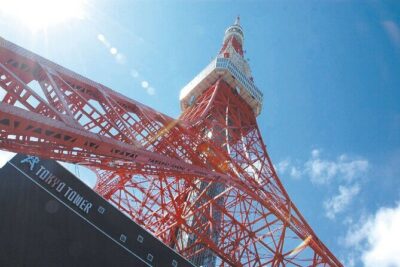 ★ 4.5Tokyo Panoramic 1 Day: Meiji Shrine, Asakusa, Odaiba and SKYTREE®From $851,222 reviews
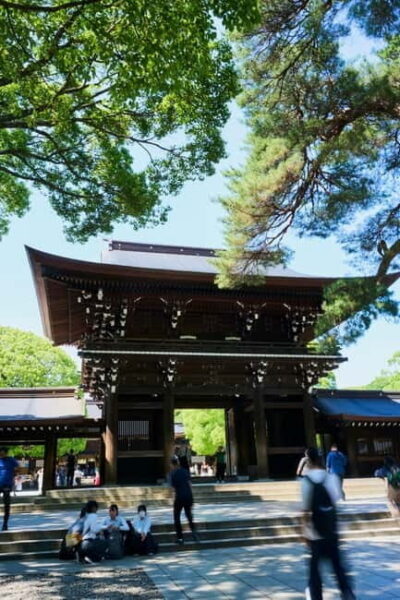 ★ 4.9Meiji Shrine Walking Tour — Shinto & Imperial SystemFrom $23266 reviews
 ★ 5.0Meiji Jingu Shrine and Shinto Culture Walking TourFrom $19245 reviews
 ★ 5.0Meiji Shrine and Shinto Culture Walking TourFrom $18225 reviews
 ★ 5.0Meiji Shrine Walking Tour — Shintoism & Imperial SystemFrom $21209 reviews
 ★ 4.61 Day Bus Tour with Meiji-Jingu,Odaiba,lunch&SkytreeFrom $83156 reviews
 ★ 5.0Tokyo Morning Tour : Meiji Shrine, Asakusa and Fish MarketFrom $72102 reviews
Browse the lists this tour appears in