
Reviewed · SHOW
Japanese Traditional Music Show in Tokyo
A tiny room. Big Japanese sounds.
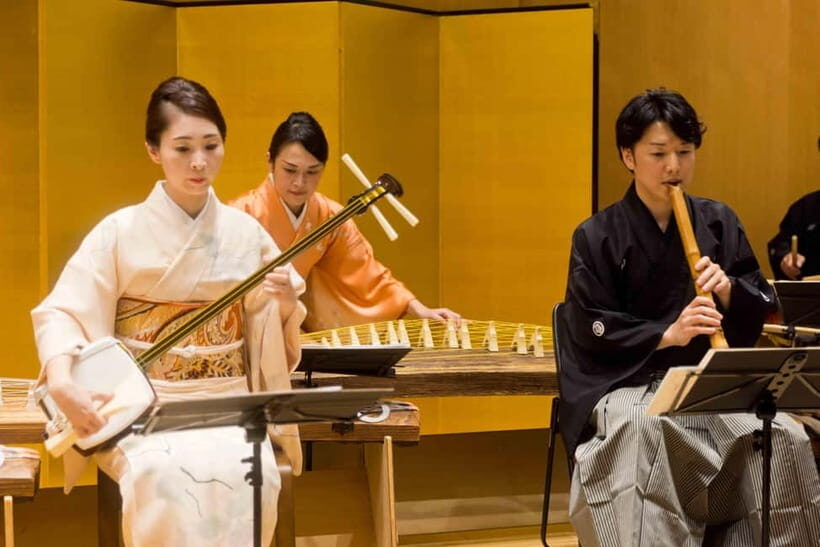
ZAKURO SHOW turns traditional wagakki music into an up-close experience, with musicians in kimono playing right in front of you in a small, numbered audience. You also get context as the program moves through older and newer pieces, plus a Western hit arranged for Japanese instruments.
I really like the instrument storytelling built into the performance. The host/greeter walks you through how each instrument works and why each tune was chosen, so you are not just listening, you are understanding. I also love the scale of the show—it stays intimate, and you can even record the concert on your phone or camera.
One thing to consider: it is only one hour, so if you want a long, hands-on workshop, this might feel short. Think of it as a focused concert plus mini lesson, not a full-day deep immersion.
In This Review
- Key reasons I think this show works so well
- Where to go in Tokyo: Hall 60 by Meiji-Jingumae
- What the 1-hour ZAKURO SHOW feels like in real time
- The wagakki lineup: koto, shamisen, shakuhachi, and taiko
- Koto: a sound that feels precise
- Shamisen: rhythm with bite
- Shakuhachi: breath-led, quietly powerful
- Taiko: the show’s pulse
- Instrument history that actually helps you listen
- Old and modern pieces, plus a Western pop surprise
- Reserved seats, photos, and the chance to meet the musicians
- Price and value: $38 for a focused, high-contact experience
- Who should book ZAKURO SHOW (and who might pass)
- Should you book ZAKURO SHOW?
- FAQ
- How long is the concert?
- How much are tickets?
- Where is the meeting point?
- What languages do they use?
- Can I take photos or videos during the show?
- Is there a cancellation refund?
Key reasons I think this show works so well
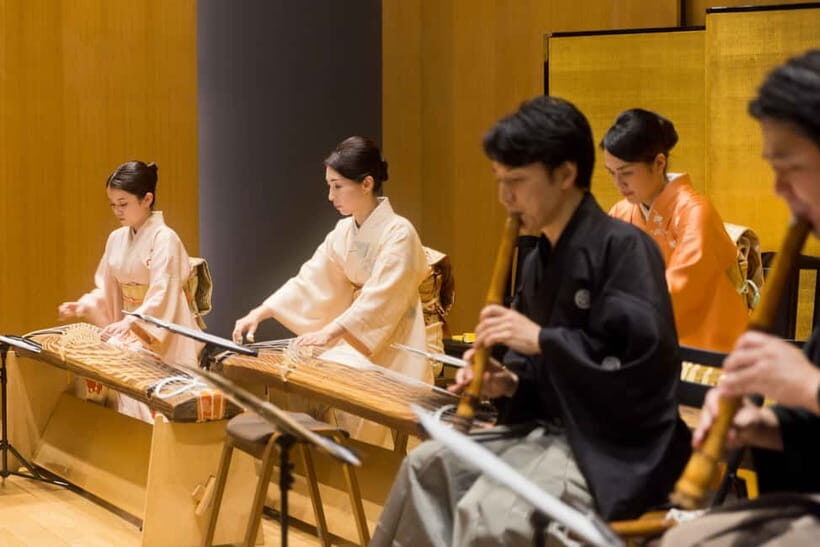
- Wagakki, right in your face: Koto, shamisen, shakuhachi, and taiko played at close range in a small numbered room.
- History and technique, explained as you go: The host ties context to each piece, including the background of what you are hearing.
- Modern familiarity mixed in: You will hear both ancient and modern traditional selections, plus a cover of a Western pop song.
- Translation that keeps pace: The show runs in English and Japanese, and the host supports non-Japanese speakers without turning it into a lecture.
- Photo and video-friendly: You can film during the show, then take pictures with the musicians afterward.
- Great value for the seat you get: A reserved seat, one-hour program, and a full set of musicians for a clearly stated price.
Worth weighing up alongside this Tokyo pick:
- Mt Fuji & Hakone Cruise, Drum Show Bullet Train 1 Day from Tokyo★ 4.0 · 7,413 reviews
- Tokyo: Sumo Show and Dining Experience★ 4.8 · 2,742 reviews
- the SUMO show★ 5.0 · 1,960 reviews
Where to go in Tokyo: Hall 60 by Meiji-Jingumae
The meeting point is straightforward once you pick the right station exit. Go to Hall 60 near Meiji-Jingumae Station (Exit 7)—it is about a 1-minute walk. If you are coming from JR Harajuku Station instead, use Omotesando Exit and plan about a 5-minute walk.
Why I like this setup: you are not stuck on a complicated transit puzzle right before a performance. The location is close to the Harajuku/Omotesando area, so you can usually pair it with an afternoon/evening plan nearby without draining your energy.
Also note: the venue is wheelchair accessible, which matters because many small performance spaces in Tokyo are not.
What the 1-hour ZAKURO SHOW feels like in real time
This is a reserved-seat, 1-hour concert program. After you arrive and get settled, you will experience the show like a shared moment rather than a big theater event. That is partly because the audience is limited and numbered, which helps the musicians and host keep things flowing.
The pace is built around the music first, then the meaning. Between pieces, the host explains the instruments and connects them to the program. It is not just a list of facts. You hear a sound, then you learn what you are hearing and why that piece fits the theme.
A nice touch from the reviews: the host and musicians seem to keep explanations clear and practical, which is exactly what you want when your Japanese is still in progress.
The wagakki lineup: koto, shamisen, shakuhachi, and taiko
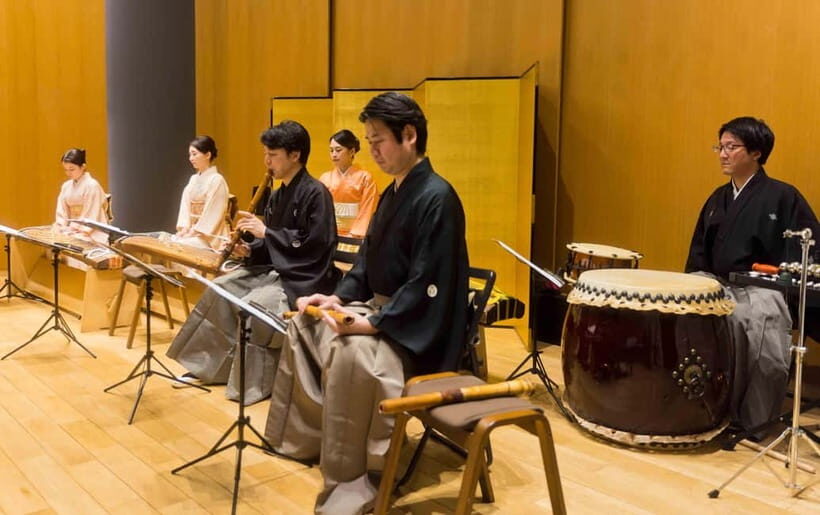
You are in for a real spread of traditional sounds. The show includes:
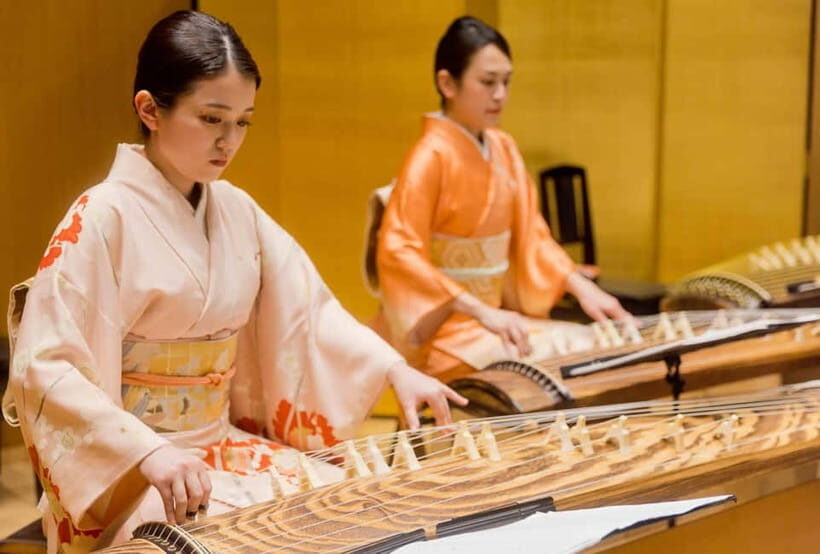
- Japanese harp (koto)
- Shamisen (the three-string instrument)
- Shakuhachi flute
- Taiko drums
The value here is variety without confusion. A lot of performances throw in multiple instruments but never help you tell them apart. Here, the program includes context about each instrument’s role and history, so by the end you can recognize what makes each sound distinct.
Koto: a sound that feels precise
The koto tends to read as clean and deliberate—notes that can feel airy but controlled. In a short show, it works well for giving you a reference point. Once you hear it, you start noticing differences in phrasing and tone across the later pieces.





Shamisen: rhythm with bite
The shamisen brings more rhythmic energy. It often cuts through the room in a way that makes the show feel alive, not museum-silent. If you like music that has momentum, this is usually the instrument you start anticipating.
Shakuhachi: breath-led, quietly powerful
The shakuhachi flute has that breathy, human feeling—notes shaped by airflow and timing. In a one-hour program, it helps balance the show so it does not feel like constant intensity. It is also a great instrument for people who assume traditional Japanese music has to be strict and hard to access. It is not.
Taiko: the show’s pulse
Taiko drums are the dramatic punctuation. Even when you think you already know taiko from videos, hearing it live in a small hall hits differently. The sound carries differently when you are close enough to feel the impact rather than just watching from far away.
Instrument history that actually helps you listen
The show is built around education, but it stays tied to the music. You learn about the history of the instruments involved in the performance and how the pieces relate to that background.
This matters because wagakki can sound mysterious if you only treat it as background atmosphere. When you know the instrument’s purpose and cultural roots, you catch details you would otherwise miss—like why a melody might be phrased a certain way, or why a tune feels old-school versus modern.
The reviews highlight a key strength: the host translation is not an afterthought. The explanations land clearly for English speakers, and the musicians keep things moving so the music never feels like it is waiting for you to catch up.
Old and modern pieces, plus a Western pop surprise
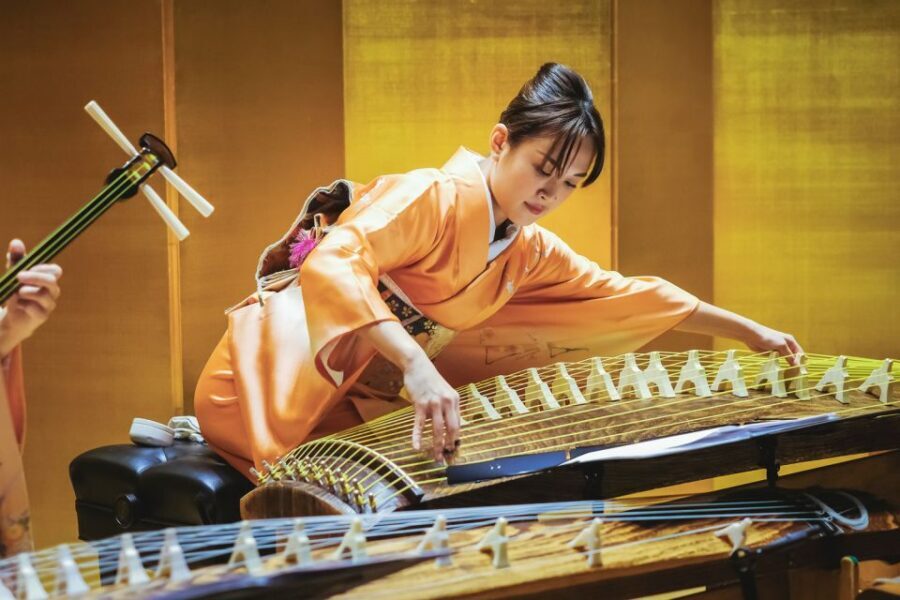
One of the most praised parts is the set design. The program includes both ancient and modern Japanese traditional music, and it also features a cover of a Western hit.
That Western cover is not random. It is there to help your ear make a bridge. When a pop melody gets reworked into koto/shamisen/shakuhachi language, you start hearing how Japanese instruments can handle familiar structures while still sounding unmistakably Japanese.
If you are nervous about not understanding traditional music, this format lowers the barrier fast. It gives you a starting point, then the concert expands outward into the deeper traditions.
A few reviews mention that the show can include selections that feel connected to modern media, like movie or anime vibes. I would not treat that as a guarantee for every night, but it lines up with the broader idea of mixing traditional and contemporary sensibilities so more people can connect.
Reserved seats, photos, and the chance to meet the musicians
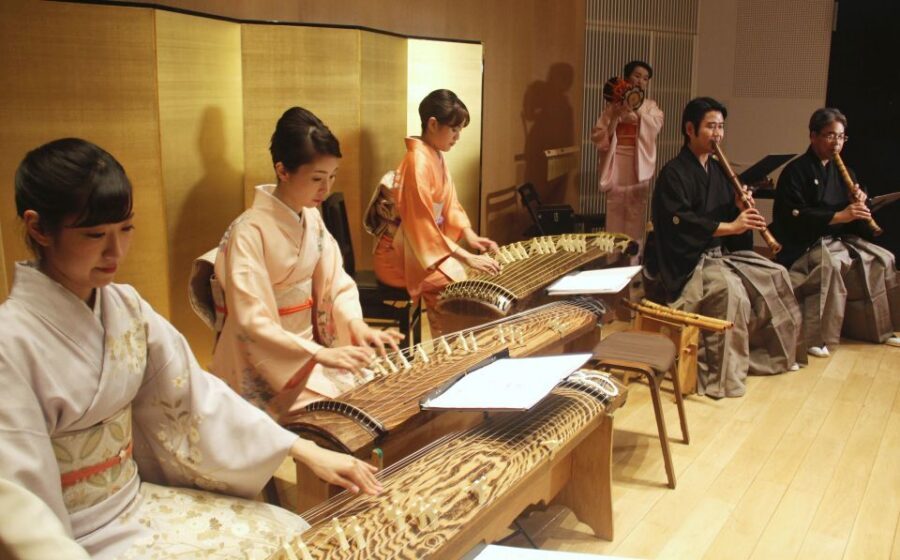
You get a reserved seat, which is a big deal for a small venue. It means you do not spend your energy hunting for the best view right before the show starts.
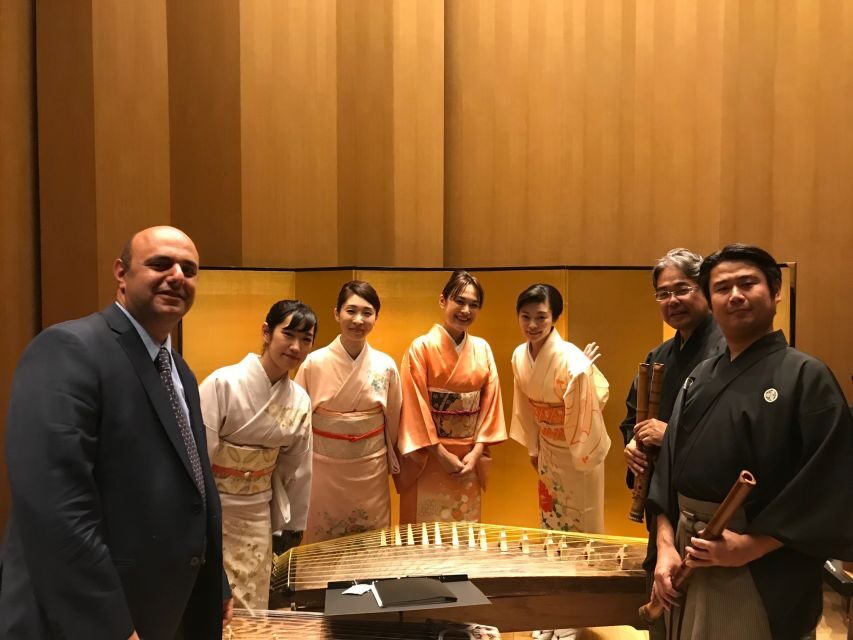
During the concert, you can take photos and videos. After the performance, you can also take pictures with the musicians. Reviews call this a lovely touch, especially for people who want a meaningful souvenir that is more than a generic photo in front of a landmark.
Practical tip: charge your phone and clear your camera space before you arrive. One-hour shows fly by, and you will want to capture both the wide shots of the group and the close-up moments when one instrument takes the spotlight.
Price and value: $38 for a focused, high-contact experience
At $38 per person for a 1-hour show, this sits in the category of “pay for quality time.” You are not just buying entry. You are paying for:
- reserved seating in a small space
- a full performance by multiple musicians
- instrument education tied directly into the pieces
- English/Japanese host support
- the ability to film and to photograph the musicians afterward
Is it a bargain compared to everything in Tokyo? That depends on your budget. But for what you actually receive—education plus performance plus access—the price feels fair. You end the night with an emotional memory and a better ear for wagakki, not just a few seconds of audio on your phone.
Who should book ZAKURO SHOW (and who might pass)
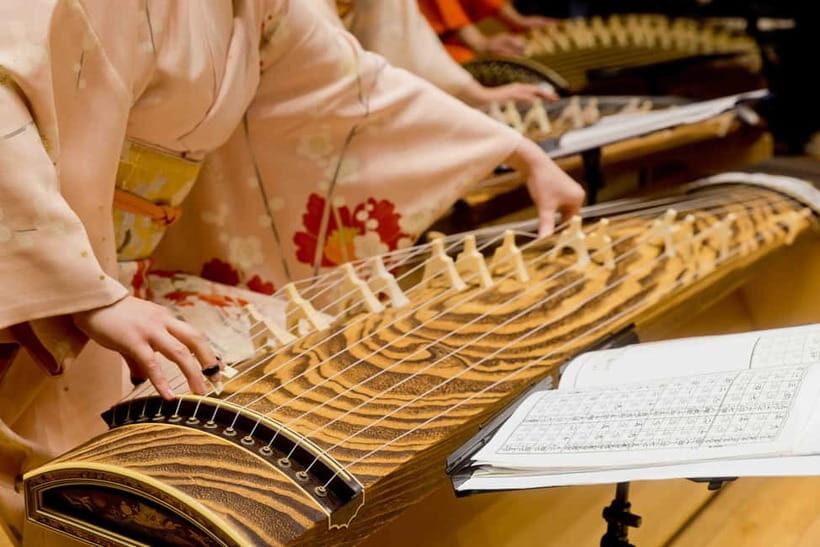
This is a strong choice if you fit any of these:
- You want an authentic Tokyo cultural experience without planning a complicated day.
- You like live music and also enjoy learning what you are hearing.
- Your group includes mixed interests—people who love music and people who only mildly care—because the host helps everyone follow.
- You want something intimate and photo-friendly.
I would consider passing if:
- You want a long, multi-hour activity or a hands-on workshop.
- You only want background entertainment and do not want the instrument explanations.
- You dislike close seating and prefer huge-auditorium comfort.
Should you book ZAKURO SHOW?
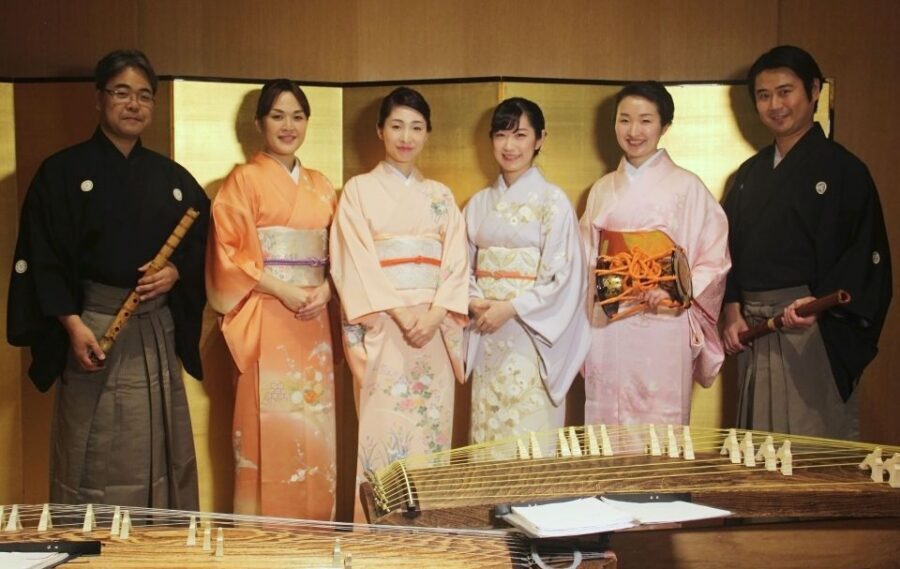
Yes, I think you should book it if you want traditional Japanese music with context. The format makes it easy to connect: musicians in front of you, instruments you can name after the first few minutes, and a host who keeps explanations clear in English and Japanese. For the price, you are getting a tight mix of performance and learning—and you leave with photos you will actually care about.
If you only have room for one “culture night” in Tokyo, this is the kind of stop that pays back fast. It respects your time, explains what matters, and keeps the sound center stage.
FAQ
How long is the concert?
The concert program lasts 1 hour.
How much are tickets?
Tickets are $38 per person.
Where is the meeting point?
Meet at Hall 60 near Meiji-Jingumae Station (Exit 7, 1-minute walk), or JR Harajuku Station (Omotesando Exit, 5-minute walk).
What languages do they use?
The show is hosted in English and Japanese.
Can I take photos or videos during the show?
Yes. You can take photos and videos during the show, and you can also take photos with the musicians afterward.
Is there a cancellation refund?
Yes. You can cancel up to 24 hours in advance for a full refund.
A Night at a Tokyo Show

More Tour Reviews in Tokyo



Fresh reviews from around Tokyo






Show, compared.
 ★ 4.0Mt Fuji & Hakone Cruise, Drum Show Bullet Train 1 Day from TokyoFrom $1497,413 reviews
 ★ 4.8Sumo Show Experience with Chicken Hot Pot and a PhotoFrom $1036,678 reviews
 ★ 4.8Sumo Show and Dining ExperienceFrom $792,742 reviews
 ★ 5.0the SUMO showFrom $891,960 reviews
 ★ 5.0Tokyo Shinjuku Sumo Show & Experience with PhotoFrom $791,750 reviews
 ★ 4.0Mt Fuji & Hakone Cruise, Drum Show Bus 1 Day from TokyoFrom $1221,287 reviews
 ★ 4.8Sumo Show and Experience in ShinjukuFrom $691,001 reviews
 ★ 4.5Tokyo Bay Yakatabune Dinner/Day Cruise with Japan Show and DrinksFrom $65473 reviews