
Reviewed · TEA CEREMONY EXPERIENCES
Japanese Traditional Breakfast and Tea Ceremony
A quiet morning can change the whole day.
This Japanese Traditional Breakfast and Tea Ceremony is a calm, hands-on way to slow down in Tokyo: you start with a short meditation, eat a light Japanese breakfast with sweets, then learn matcha tea rituals from a tea master. I like that it is designed to be recreatable at home, not just a show—there’s a second tea moment where you do it yourself with guidance.
Two things I especially like: the Zen context (you’ll get an explanation of a hanging scroll and how it connects to the tea mood), and the practical tea instruction (you watch matcha being prepared, then you get to make tea too). One consideration: it’s only about 1 hour 30 minutes, so it moves at a gentle pace but doesn’t turn into a long multi-course meal.
If you want a typical hotel breakfast replacement that still feels meaningful and cultural, this is a strong pick. And yes, you may find the venue a bit tricky to spot at first—show up a little early and you’ll be fine.
In This Review
- Key highlights you’ll feel right away
- A Zen-style morning in Tokyo, in 90 minutes
- Where it happens: Kikai Shinkō Kaikan and how to find it
- Price and value: what you’re really paying for
- Breakfast that feels Japanese, not just quick fuel
- The tea master’s performance and the hanging scroll lesson
- A short meditation period that actually sets the tone
- Your turn: making matcha and doing the second ceremony
- Sweet treats, tea utensils, and small details you can copy later
- Group size, guide style, and what language support means
- Weather and timing: plan for a calmer morning, not a tight sprint
- Who this tour is perfect for (and who should skip it)
- Should you book this Japanese Traditional Breakfast and Tea Ceremony?
- FAQ
- What is the duration of the Japanese Traditional Breakfast and Tea Ceremony?
- What time does the tour start in Tokyo?
- Is breakfast included?
- Can I make matcha tea myself during the ceremony?
- Is there English support during the tea ceremony?
- Is pickup and drop-off included?
- What happens if the weather is poor?
Key highlights you’ll feel right away
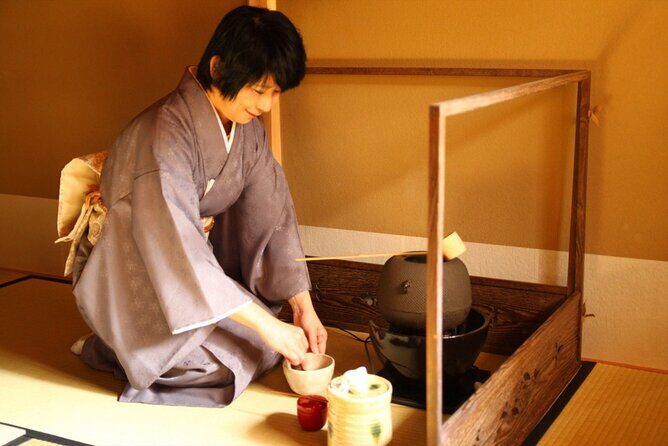
- Matcha rituals you can recreate at home with step-by-step instruction
- Zen-focused tea explanations, including a hanging scroll’s meaning
- A real tea master experience with bilingual English guidance
- Breakfast plus traditional sweets, not just tea
- A short meditation period to set the mood
- Small group size with a max of 28 people
Quieter hours: more tea rooms and ceremonies
- Tokyo: Traditional Tea Ceremony with a Tea Master★ 5.0 · 528 reviews
- Tea Ceremony Workshop in Tokyo by the Experienced Instrucor★ 5.0 · 189 reviews
- Tea Ceremony Experience in a Private Tea Room in Shibuya★ 4.9 · 125 reviews
A Zen-style morning in Tokyo, in 90 minutes
This experience is built for a very specific purpose: help you start the day in a calmer frame of mind, then give you the tools to understand (and repeat) what you’re doing. You’re not rushing through a checklist of sights. You’re learning a ritual—matcha preparation, the tea room mood, and the idea that small actions matter.
The pace is also part of the value. With about 1 hour 30 minutes total, you can fit it into a busy Tokyo itinerary without sacrificing your whole morning. If you’re planning other neighborhoods later—Shibuya, Asakusa, Ueno—this works well as a first “reset” before you go full tourist mode again.
Where it happens: Kikai Shinkō Kaikan and how to find it
The meeting point is Kikai Shinkō Kaikan 3-chōme-5-8 Shibakōen, Minato City, Tokyo 105-0011. The activity ends back at the same place. There’s no pickup or drop-off, so you’ll want to arrive under your own steam using nearby public transportation.
One practical tip: this isn’t the kind of meeting location that always feels obvious on the first pass. Give yourself extra time. If you’re walking a few blocks around Shibakōen looking for the exact entrance, it’s not wasted effort—it helps you arrive relaxed, not frazzled.
Also, the tour uses a mobile ticket, and you’ll receive confirmation within 48 hours of booking (based on availability). The max group size is 28 travelers, which keeps the experience from feeling like a factory line.
Price and value: what you’re really paying for
At $60.81 per person, this isn’t a cheap “snack and sit down” activity. But it’s also not overpriced for what you get—because you’re paying for three things at once:
- A tea master-led ceremony with English support (and a tea master with 5+ years of experience).
- Your participation, not only watching. You’ll do a second tea ceremony yourself with instruction.
- An included breakfast and traditional sweets, plus explanation of tools and Zen ideas.
The value here is not just the matcha. It’s the structured learning: the host prepares matcha for you, you get time to make your own, and you also get context about the spirit of Zen shown through the hanging scroll and the ritual atmosphere.
If you’ve ever watched a tea ceremony photo and thought, I’d like to know what I’m looking at, this is the kind of class that translates the ritual into something you can actually carry home.
Breakfast that feels Japanese, not just quick fuel
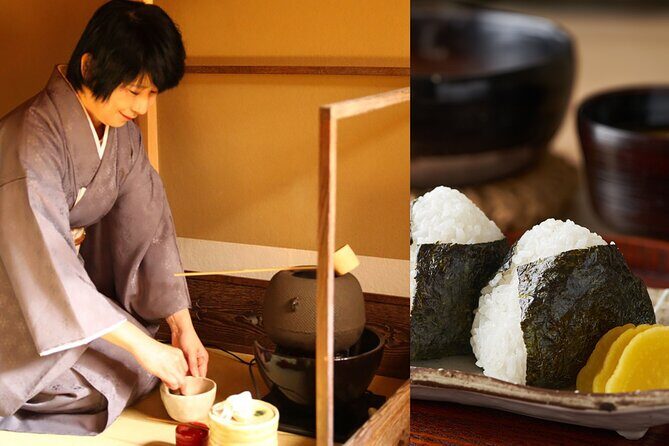
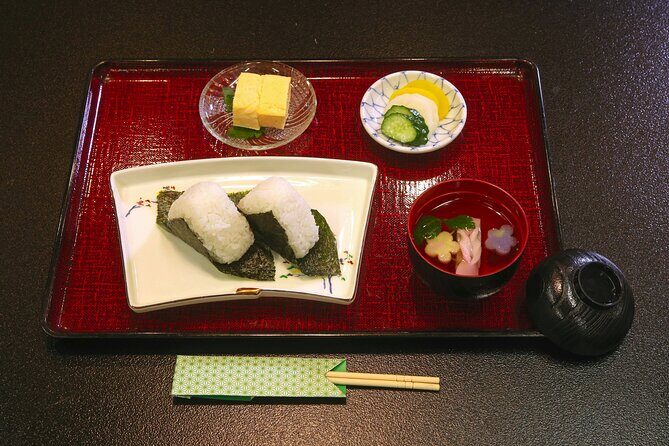
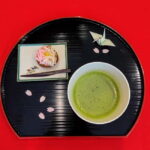
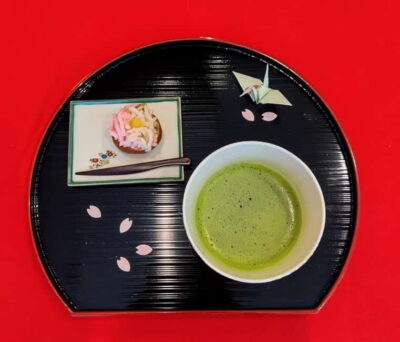
Before tea becomes the main event, you’ll enjoy a light breakfast. That includes rice balls and other local flavors, plus traditional Japanese sweet confections.
What I like about this setup is that it matches the rhythm of tea. You’re not stuffing yourself before a mindful ritual. Instead, you get enough food to settle your energy, then transition into matcha.
You should also be mentally prepared for sweetness—this isn’t only savory. The tour is designed so you experience the balance: breakfast items, sweet treats, and then matcha as the calmer, more focused counterpoint.
One more practical point: there’s no mention of extra drinks beyond what’s part of the experience. If you prefer a big brunch spread or you’re a heavy coffee drinker, plan to be satisfied with what’s included, and save your usual caffeine for after.





The tea master’s performance and the hanging scroll lesson
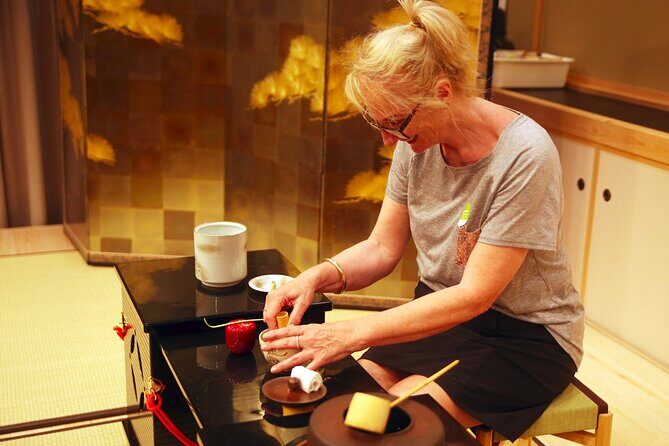
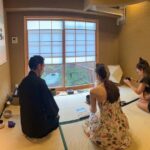
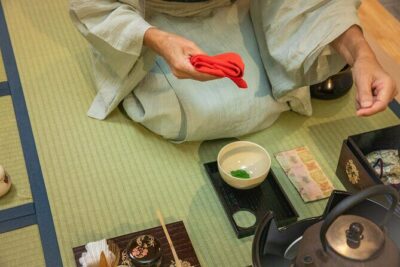
After breakfast, the core of the morning begins with a guided ceremony led by a bilingual licensed tea master. You’ll get explanations in English—including details about tea ceremony practice, Zen practices, Japanese hanging scrolls, and tea utensils.
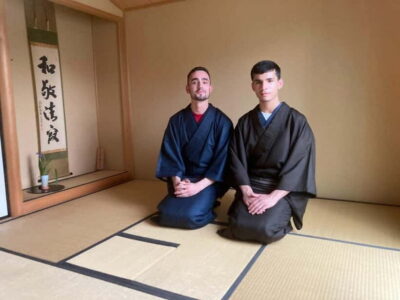
The hanging scroll piece matters more than it sounds. In simple terms, it’s not just decoration. You’re learning how the scroll’s message connects to the mood you’re supposed to bring into the tea room—quiet attention, respect for the moment, and a sense of calm order.
This is also where the experience becomes more than a “how to make matcha” class. You’re being taught what the ritual is trying to create inside you, not just what the steps are doing.
And the matcha itself is part of that. The host makes matcha for you using high-quality matcha. The point isn’t only flavor—it’s learning how the preparation relates to the feel of the tea.
A short meditation period that actually sets the tone
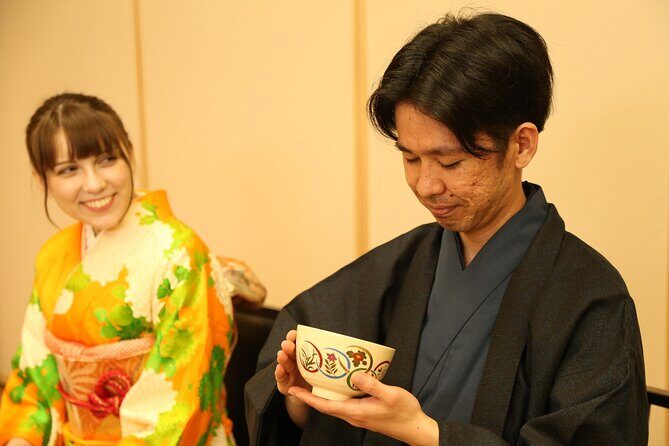
You’ll include a short meditation period. This isn’t billed as a life overhaul. It’s a quick reset—enough time to slow your breathing and shift your attention from the noise outside to the ceremony in front of you.
I like that the tour builds meditation into the flow rather than treating it like a random extra stop. If you’ve spent Tokyo mornings sprinting between trains and vending machines, that small quiet moment can feel like switching from city mode to calm mode.
Don’t overthink it. You don’t need to be “good at meditation.” The goal is to notice how you respond when you give your mind less to chase.
Your turn: making matcha and doing the second ceremony
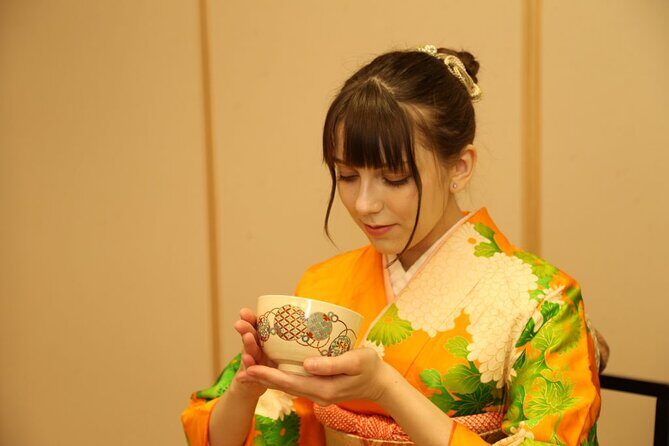
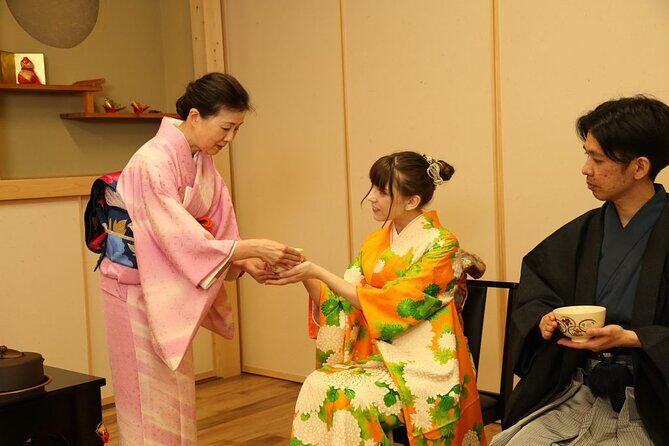
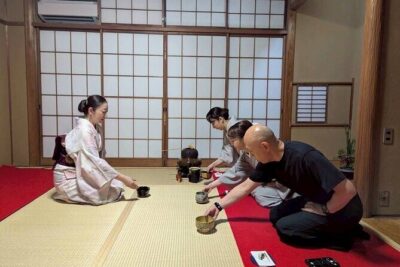
This is one of the best parts. You’ll get the chance to make your own tea, including a second tea ceremony performed by yourself with instruction.
So you’re not stuck in spectator mode. You watch the tea master, then you try it, and you’ll get feedback or guidance along the way. That hands-on moment is what makes the experience valuable for real-life use back home.
If you love cooking classes, you’ll recognize the structure: observe, learn, practice. But here the practice is matched to a ritual that emphasizes attention and restraint—not speed or flair.
Also, since explanations are in English, you’re not left guessing why certain steps happen. The goal is for you to understand the “why,” not only copy the “how.”
Sweet treats, tea utensils, and small details you can copy later
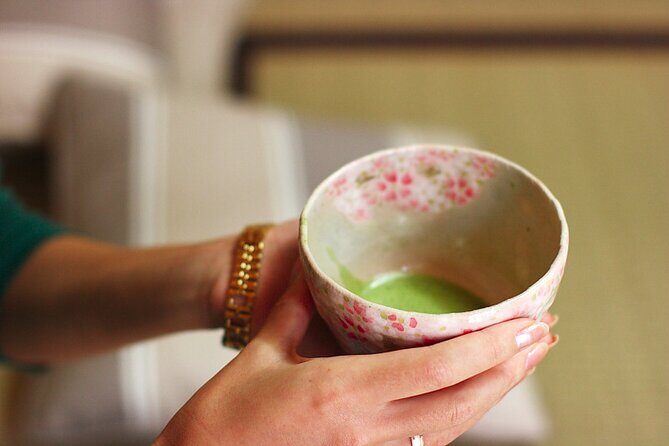
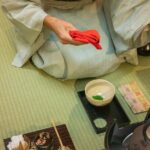
The tour includes time to understand tea utensils and the cultural meaning behind the practice. Even if you don’t remember every term, you’ll likely walk away with a clearer mental picture of what each item is for.
And because the morning includes traditional sweet confections, you get a fuller sense of the full tea rhythm: food that pairs with tea, then matcha as the main ritual drink.
The real payoff for you is that the ceremony becomes something you can recreate at home. You’ll know what you’re aiming for—calm attention, the feel of the preparation, and how the ritual order shapes the experience.
If you do buy matcha later (you might), you’ll be less likely to treat it like just another powder drink. You’ll have a process in mind.
Group size, guide style, and what language support means
This isn’t a huge group event: the activity can include up to 28 travelers. That’s a helpful size for learning because it reduces the “everyone stands far back” feeling. You’re close enough to see what’s happening and participate when it’s your turn.
You’ll have a nationally certified guide interpreter providing hospitality, and you’ll also have a bilingual licensed tea master speaking English. In practice, that means you get both warmth and clarity: someone helps you follow along, and the tea master handles the ritual teaching.
That mix is a real comfort if you’re not fluent in Japanese. You’ll spend your attention on the experience, not on translating every detail in your head.
Weather and timing: plan for a calmer morning, not a tight sprint
The experience requires good weather. If it’s canceled due to poor weather, you’ll be offered a different date or a full refund. That’s worth noting if you’re scheduling multiple activities on a single morning.
Timing is also straightforward: it starts at 9:00 am and returns to the meeting point. Because it’s in the morning, it pairs well with the rest of your Tokyo day—just don’t book back-to-back activities with zero buffer.
If you’re coming from another neighborhood, treat it like an appointment. Get there early enough to settle in.
Who this tour is perfect for (and who should skip it)
This is a strong choice if you want a Tokyo experience that’s not about crowds, lines, and constant movement. You’re learning a ritual, meeting a tea master, and taking part in something you can actually repeat.
It also suits you if:
- you enjoy hands-on cultural classes
- you want English explanations of Zen concepts and tea tools
- you like the idea of starting your day with meditation
You might want to skip it if:
- you’re looking for a long meal or a full brunch experience
- you don’t want to participate (this includes making tea yourself)
- you dislike quiet, reflective moments
Should you book this Japanese Traditional Breakfast and Tea Ceremony?
Yes—if you’re the type of traveler who likes culture you can feel and then practice later. The combination of breakfast + sweets + matcha + a tea master lesson + your own second ceremony is what makes this feel worth the price. You’re not only learning; you’re doing.
Book it sooner rather than later because it’s commonly reserved about 53 days in advance on average. And when you go, arrive with a little extra time. The meeting spot in Shibakōen is reachable, but it can take a minute to locate confidently.
If you want a calm, authentic Tokyo morning that gives you something practical to carry home, this is the kind of experience that tends to stick with people.
FAQ
What is the duration of the Japanese Traditional Breakfast and Tea Ceremony?
It runs for about 1 hour 30 minutes (approx.).
What time does the tour start in Tokyo?
The start time is 9:00 am.
Is breakfast included?
Yes. The experience includes a light traditional Japanese breakfast.
Can I make matcha tea myself during the ceremony?
Yes. You’ll do a second tea ceremony yourself with instruction, and you have the opportunity to make your own tea.
Is there English support during the tea ceremony?
Yes. The tea ceremony includes explanations in English, and there is a bilingual licensed tea master (English), with a guide interpreter providing hospitality.
Is pickup and drop-off included?
No. Pickup and drop-off services are not included, and the activity ends back at the meeting point.
What happens if the weather is poor?
The experience requires good weather. If it’s canceled due to poor weather, you’ll be offered a different date or a full refund.
More Tour Reviews in Tokyo



More Tea Rooms Worth Booking


Fresh reviews from around Tokyo






Tea Ceremony Experiences, compared.
 ★ 5.0Traditional Tea Ceremony with a Tea MasterFrom $38528 reviews
 ★ 5.0Tea Ceremony Workshop in Tokyo by the Experienced InstrucorFrom $38189 reviews
 ★ 4.9Tea Ceremony Experience in a Private Tea Room in ShibuyaFrom $30125 reviews
 ★ 5.0Matcha Kimono Tea Ceremony in TokyoFrom $59104 reviews
 ★ 4.9Tea ceremony experience in Japanese-style room 60minFrom $4586 reviews
 ★ 5.0Casual Japanese Tea Ceremony ExperienceFrom $2574 reviews
 ★ 5.0Shibuya Authentic Tea Ceremony with experienced instructorFrom $2554 reviews
 ★ 4.9Tea Ceremony Experience in a small tea roomFrom $5153 reviews
Browse the lists this tour appears in