
Reviewed · GUIDED
Get Unique Insights into Tokyo – Private Tour with local Guide
Tokyo feels easier with a local.
This private walking plan helps you stitch together iconic Tokyo neighborhoods in just a few hours, with pickup offered and a guide who can take solo and group photos at the landmarks. I like that you can choose your start window (morning or afternoon) and adjust the length to match jet lag, energy, and what you want to see most.
I also like the small comforts that make the day smoother, like coffee or tea plus a traditional Japanese snack during the walk. One thing to keep in mind: with a duration that can be as short as 2 hours, you’ll likely see a focused slice of Tokyo rather than every stop listed.
In This Review
- Quick Takeaways
- Tokyo in Motion: Why This Private Walk Works
- Meiji Jingu’s Torii Start: Calm, Etiquette, and Great First Photos
- Harajuku’s Takeshita Street and Cat Street: Style Meets Smart Navigation
- Shibuya Crossing Spectacle to Shinjuku Skyscrapers: Photos and Momentum
- Odaiba and Its Future-Feeling Mix: Aqua City, Decks, and Gundam Moment
- Asakusa’s Edo-Era Spirit: Entertainment District Stories That Make It Click
- Akihabara, Ueno Park, and the Imperial Palace East Gardens
- Akihabara: From Radio Parts to Modern Obsessions
- Ueno Park: A Break with Cultural Anchors
- Imperial Palace East Gardens: Feudal Remnants in Central Tokyo
- Price and Value: What $82.90 Buys You in Real Tokyo Time
- How Long Should You Book: Picking the Right Tokyo Slice
- Practical Tips That Make the Tour Feel Effortless
- Should You Book This Private Tokyo Walking Tour?
- FAQ
- How long is the Tokyo private tour?
- Where does the tour start and end?
- Is pickup available?
- Is this tour private?
- What is included in the tour price?
- Are meals included?
- Do I need a ticket on my phone?
Quick Takeaways
- Private, English-speaking guide: Only your group, paced to your questions and comfort level
- Photo stops built in: Solo and group pictures at the key sights, with help capturing shots you’d miss on your own
- Flexible timing: Choose morning or afternoon and pick a duration within the 2 to 6 hour range
- Included transit between areas: You get help moving between districts instead of wrestling maps all day
- Tea, coffee, and a Japanese snack: A built-in break so you stay energized for walking
- A wide neighborhood mix: Shrines and fashion streets, then neon Shibuya and Shinjuku, plus optional additions like Asakusa and Akihabara
More days made easy by a guide
- Tokyo 6hr Private Tour with Government-Licensed Guide★ 5.0 · 3,902 reviews
- Tokyo: Shinjuku Local Bar and Izakaya Guided Walking Tour★ 4.9 · 1,794 reviews
- Tokyo: Private City Highlights Tour with Local Guide★ 4.8 · 1,433 reviews
Tokyo in Motion: Why This Private Walk Works
Tokyo can overwhelm you fast. One minute you’re in shrine calm, the next you’re staring at Shibuya Crossing screens and crosswalk chaos. This tour is designed to turn that confusion into a simple route you can remember.
The private setup matters. A big group can slow down, but here your guide can adjust pacing, help with crossings and transit, and steer you toward what fits your interests. In past experiences, guides such as Jero and Franz have been specifically mentioned by name, and that gives you a clue about the human feel—more like exploring with a local friend than following a rigid script.
The tour is also practical for first-timers. You’ll learn not just what to photograph, but how to behave in key places and how to navigate the city afterward. That is the real value: you don’t just return home with pictures, you return with a mental map.
Meiji Jingu’s Torii Start: Calm, Etiquette, and Great First Photos
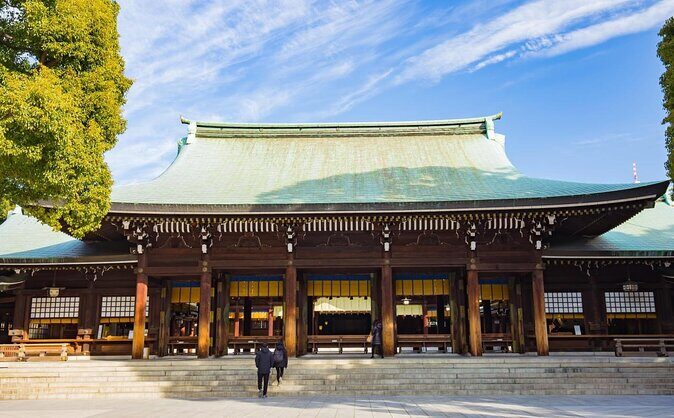
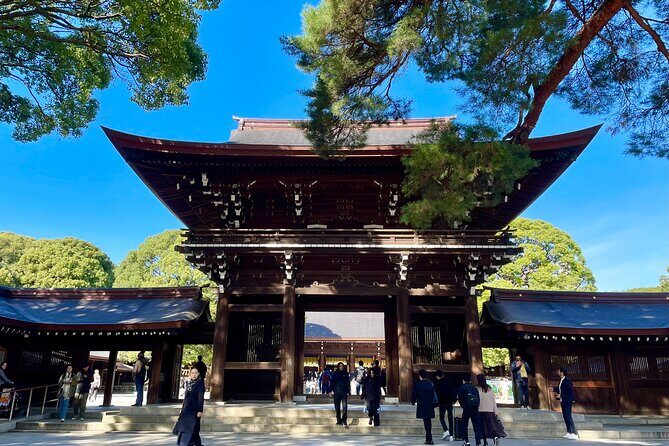
You begin at Meiji Jingu Ichino Torii in Jingūmae (the meeting point is listed right by the first torii area). Starting here is smart. It gives you a quick reset before the shopping streets and crowd centers, and it frames Tokyo’s spiritual side before you hit the neon.
At Meiji Jingu, your guide leads you to the main area and talks about the shrine’s culture and history. You’ll also get guidance on basic shrine etiquette, which is a small thing that makes a big difference when you’re in a place locals treat with respect. If you want photos, this is where having your guide help matters, because the angles and spacing can be tricky when everyone else is trying to do the same shot.
Drawback to consider: shrines are peaceful, but they can still be busy depending on the time of day. If you’re sensitive to crowds, plan to arrive wearing comfortable shoes and bring patience for the first “everyone is taking photos” moment.
Harajuku’s Takeshita Street and Cat Street: Style Meets Smart Navigation
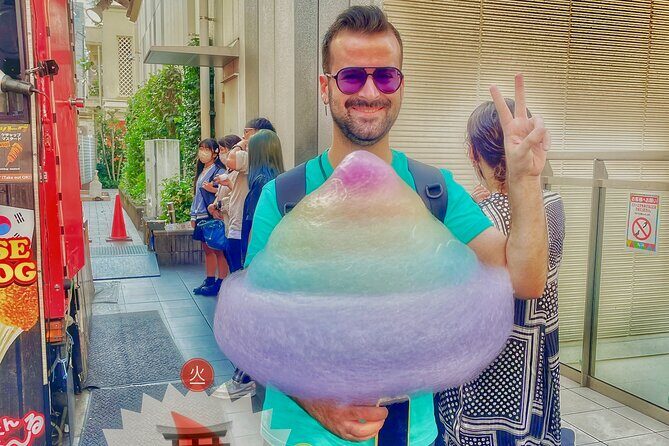
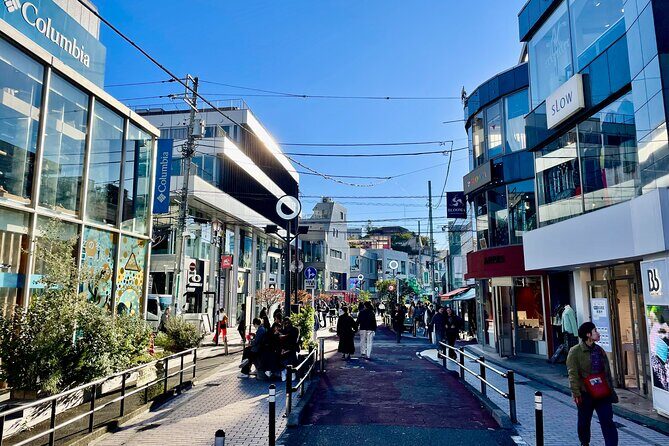
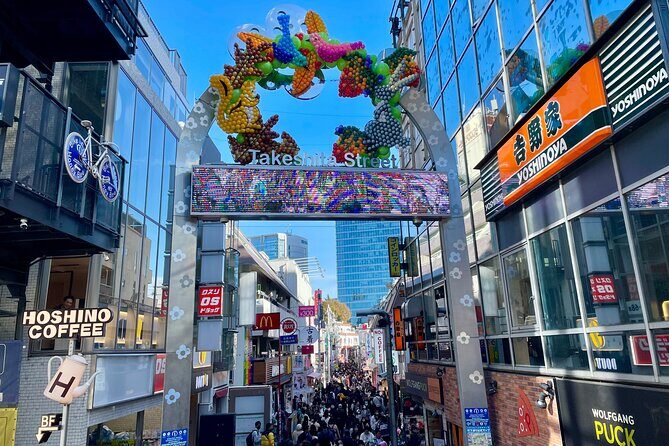
After Meiji Jingu, the route heads into Harajuku, starting with Takeshita Street. This is the classic Harajuku experience: colorful storefronts, fast foot traffic, and people-watching on maximum volume. Your guide helps you move through it without feeling like you’re just getting swept along.
Then the tour shifts from shopping spectacle to street-style observation around Harajuku’s fashion scene. The point isn’t only shopping. It’s understanding why Harajuku looks the way it does—how youth culture, street fashion, and neighborhood rhythm collide in a small area.
One of the more useful things you’ll get here is context for what you see. Instead of random browsing, you learn how to interpret the style cues around you. And because this is a private walk with transportation included between destinations, you’re less likely to waste time backtracking.
Practical note: Takeshita Street and the surrounding lanes can get crowded. If you don’t love shoulder-to-shoulder crowds, ask your guide about alternate routes or ways to approach from quieter angles. That kind of adjustment is exactly the benefit of a private guide.
Shibuya Crossing Spectacle to Shinjuku Skyscrapers: Photos and Momentum
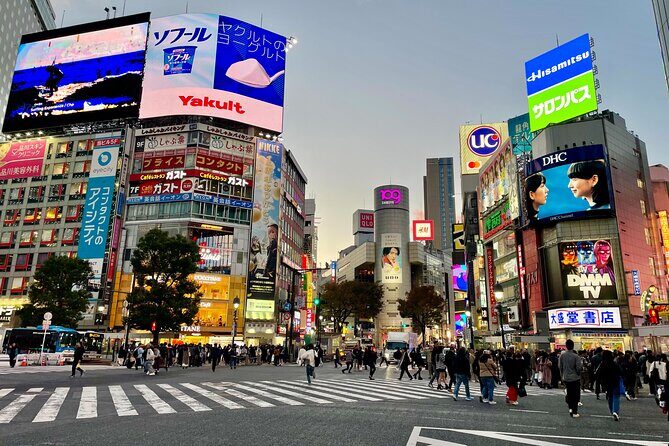
Next stop is Shibuya Crossing, the worldwide photo moment. Standing on the edge of it is one thing; crossing it with the right timing and a guide who knows where to pause is another. Your guide helps you get the shot without losing your bearings in the rush.
From there, you head toward Shinjuku, known for skyscrapers, nightlife energy, and a totally different rhythm than Harajuku. The tour includes train transport between neighborhoods, so you’re not spending your time figuring out which line gets you to the next view.
In Shinjuku, you’ll focus on skyline moments and quick photo stops that help you build a mental picture of the city’s scale. Then the route heads into Kabukichō, ending near Shinjuku Station with stops in the area of the Giant 3D Cat landmark. If you like neon-lit Tokyo, this is a strong closing note—especially if your tour length takes you into evening.
Consideration: Shibuya and Shinjuku are heavy on crowds and lights. If you’re traveling with someone who gets overstimulated easily, you may want a shorter duration so you still enjoy it without feeling fried.
More private options with your own guide


Odaiba and Its Future-Feeling Mix: Aqua City, Decks, and Gundam Moment
Depending on your selected time window, the tour can stretch into Odaiba, where Tokyo flips toward the futuristic side. The plan includes Aqua City and DECKS Tokyo Beach, plus the nostalgic Hikara Yokocho.
The standout named moment here is the Unicorn Gundam statue. Even if you’re not a franchise fan, it’s a recognizable Tokyo pop-culture checkpoint and a great place for photos where you don’t have to guess what angle will work.
Why Odaiba works in this itinerary: it’s a change of pace. You go from dense street energy to a more open-feeling waterfront district and get a different kind of city photos. It’s also a good match if you’re coming from shrine and street fashion already, because it keeps the day from turning into one long crowd loop.
If you choose a shorter tour, this is one area you may skip. In that case, the “Tokyo in four neighborhoods” version still gives you a solid intro.
Asakusa’s Edo-Era Spirit: Entertainment District Stories That Make It Click
Another possible addition is Asakusa, framed as the origin-of-Tokyo kind of stop. The plan focuses on the Edo period, when Asakusa was Tokyo’s main entertainment district with kabuki theaters, geisha houses, and street performers.
What makes this more than a sightseeing stop is that your guide explains the shift. Asakusa looks different today, but the storytelling helps you understand why the area still has that lively, old-meets-new vibe. It helps you notice what’s been preserved, what’s changed, and what people still come for.
If you like history that feels practical, Asakusa is a good match here. You don’t just stand in front of buildings. You get a storyline for the neighborhood, which makes photos and wandering more meaningful.
Akihabara, Ueno Park, and the Imperial Palace East Gardens
The tour can also include stops that cover Tokyo’s “nerd culture,” green space, and feudal past.
Akihabara: From Radio Parts to Modern Obsessions
Akihabara is often called “Akiba,” and the tour includes it in the route. The plan notes its post-war origins as a black market area for radio parts, which helps explain why this area became electronics and anime culture’s magnet.
If you love tech or pop culture, this stop can feel like a time machine. You see today’s stores, then you understand the historical reason the neighborhood developed the way it did. Even if you’re not shopping, it’s a good place for a quick orientation scan—so you know where to return later on your own.
Ueno Park: A Break with Cultural Anchors
Ueno Park is included as a beloved green space with seasonal beauty. The plan also explains that it started as part of Kaneiji Temple and later became a public park. That context turns “just a park” into a place with layers.
This is a nice pivot point when your feet start to complain. You get a pause, a change in scenery, and a chance to reset before you head into more formal, historical sights.
Imperial Palace East Gardens: Feudal Remnants in Central Tokyo
The route can finish with Imperial Palace East Gardens, described as a peaceful retreat with remnants of Edo Castle like stone walls, gates, and a moat area. This is where Tokyo’s history feels close and physical, even in the middle of a modern capital.
The best part of including this here is contrast. After Shibuya and Shinjuku’s intensity, the garden stop gives you a sense of Tokyo’s older layers. If you prefer quiet photography, this is one of the better segments for it.
Price and Value: What $82.90 Buys You in Real Tokyo Time
At $82.90 per person, this is not a cheap impulse add-on. The question is whether it saves you time and reduces stress. In this case, the value is tied to what’s included.
You get:
- Transportation between destinations included, so you’re not spending mental energy on routes
- A private guide (English-speaking guides are available), which means less waiting and more Q&A
- Photo help with solo and group pictures at famous landmarks
- Coffee and/or tea, plus a traditional Japanese snack
- Flexible start timing and duration within 2 to 6 hours
The biggest hidden value is the “efficiency tax.” Tokyo is easy to get around when you already know how things connect. When you don’t, every wrong turn costs time, and time is what you don’t have on short trips. Including transit and having your guide handle the flow can be worth more than it sounds.
What’s not included is also clear: food and drinks beyond the included tea/coffee and snack. If you’re thinking this will cover a full meal, plan on paying for that separately.
How Long Should You Book: Picking the Right Tokyo Slice
Your tour can run 2 to 6 hours, and the best choice depends on what you need most.
If you only have half a day or you’re arriving with jet lag, go shorter. You’ll still get the core “Tokyo orientation” arc: shrine calm, Harajuku street culture, then Shibuya and Shinjuku energy. This is the version that helps you get your bearings fast.
If you want variety and don’t mind extra walking, go longer. That’s when districts like Odaiba, Asakusa, Akihabara, Ueno Park, and Imperial Palace East Gardens become more likely to fit in your day. You’re basically turning one morning or afternoon into a sampler platter of Tokyo’s different personalities.
One real-world stamina clue from prior experiences: some people have walked over 8 miles during a session. So choose footwear like it’s a walking day, not like you’re just popping between stops.
Practical Tips That Make the Tour Feel Effortless
Here are the small things that help this kind of walking tour run smoothly.
Wear comfortable shoes. This route is meant for walking, and Tokyo sidewalks add up quickly.
Bring a charging setup. Your guide will take your pictures at landmarks, but you’ll likely use your phone for quick re-shots and later sharing.
Use your guide for transit tips. In past similar experiences, guides have helped people with navigating the metro and even shared routes that make the transit system feel less intimidating.
If you’re sensitive to crowds, consider your timing. Shibuya Crossing and Harajuku can be packed. A private guide can often adjust how you approach and when you pause.
Should You Book This Private Tokyo Walking Tour?
Book it if you want an easy first-time structure that connects Tokyo’s major “I need to see that” areas without feeling like you’re being dragged around. The combination of private pacing, photo help, and included coffee/tea plus a snack is a strong set of practical extras for the price.
Skip it or go shorter if you hate crowds and long walks, or if you already have a detailed self-guided plan and enjoy figuring out transit on your own. In that case, the tour may feel like repetition.
If you want something that helps you leave Tokyo with both photos and a usable map in your head, this tour is a very solid choice.
FAQ
How long is the Tokyo private tour?
It runs about 2 to 6 hours, depending on the option you choose.
Where does the tour start and end?
It starts at Meiji Jingu Ichino Torii in Jingūmae (Shibuya) and ends near Shinjuku Station by the Giant 3D Cat in Shinjuku.
Is pickup available?
Yes, pickup is offered.
Is this tour private?
Yes. This is a private tour/activity, and only your group participates.
What is included in the tour price?
Included are transportation between destinations, solo and group photos at landmarks, coffee and/or tea, and a traditional Japanese snack, plus an English-speaking private guide.
Are meals included?
No. Food and drinks are not included beyond the included tea/coffee and snack.
Do I need a ticket on my phone?
Yes, the tour offers a mobile ticket.
Easier with a Guide

More Tours in Tokyo




More Tour Reviews in Tokyo




Fresh reviews from around Tokyo






Guided, compared.
 ★ 5.0Tokyo 6hr Private Tour with Government-Licensed GuideFrom $1553,902 reviews
 ★ 4.9Shinjuku Local Bar and Izakaya Guided Walking TourFrom $341,794 reviews
 ★ 4.8Private City Highlights Tour with Local GuideFrom $1061,433 reviews
 ★ 4.9Tsukiji Fish Market Guided Walking TourFrom $221,397 reviews
 ★ 5.0Tokyo 4hr Private Tour with Government-Licensed GuideFrom $1091,394 reviews
 ★ 5.0Tokyo Guided Small-Group Biking TourFrom $1061,250 reviews
 ★ 4.6Samurai Ninja Museum Guided tour and ExperienceFrom $271,010 reviews
 ★ 5.0Tsukiji Fish Market Guided Tour and Sushi Making with Pro ChefFrom $104775 reviews