
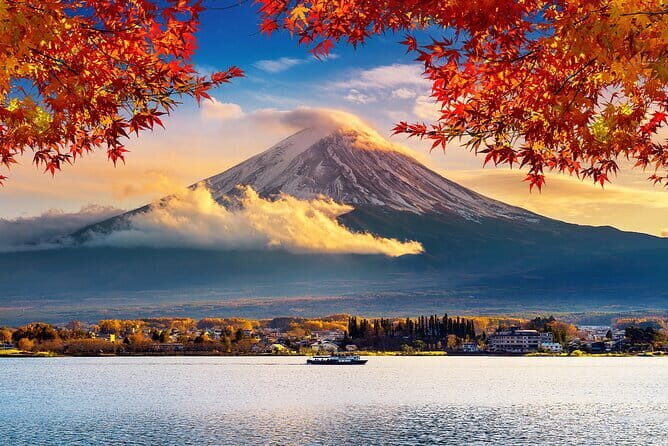
Reviewed · MT FUJI DAY TRIPS
Full Day Tour at Mt. Fuji, Onsen, Lake Kawaguchi and Yamanaka
One big day. A lot of Japan.
This tour is built for people who want the big sights without wrestling buses, trains, and transfers on their own. I like that you get round-trip Tokyo transport and a driver, so your day stays on schedule even when traffic gets rude. I also love the seasonal flexibility: depending on the dates, you’ll either hit Mount Fuji 5th Station or switch to Arakurayama Sengen Park for the best available views and photos. One thing to consider: timing can get squeezed on busy weekends, and the tour doesn’t promise perfect visibility of Mount Fuji.
You’ll also get a multilingual guide, bottled water, and a clear plan that mixes viewpoints, lakeside walking, and an onsen choice at Lake Yamanaka. Still, there are a couple of built-in limits: lunch isn’t included, and at Lake Yamanaka you’ll choose between a boat ride or hot spring time, not both.
In This Review
- Key highlights you’ll actually feel
- The real appeal: Fuji and onsen with less stress
- Getting there and meeting up: the Gogoday flag and timing
- Arakurayama Sengen Park: your Fuji photo plan for Oct–Apr
- Mount Fuji 5th Station: the half-mountain goal (Apr–Sep)
- Lake Kawaguchiko: Fuji Five Lakes at their most walkable
- Lake Yamanaka: swans, a hot spring choice, and a real trade-off
- Price and value: what $49.97 usually covers, and what doesn’t
- Guide and comfort: the human factor (and what to watch)
- Season planning: what to expect when crowds hit
- A simple packing checklist (so your Fuji day doesn’t feel annoying)
- Should you book this Fuji, onsen, and lake day?
- FAQ
- Is the tour ticket mobile?
- How long is the Mt. Fuji, onsen, and lake tour?
- Where does the tour go during the day?
- Are entrance fees included?
- Is lunch included in the price?
- Can I do both the boat ride and the onsen at Lake Yamanaka?
- What are the onsen rules about tattoos?
- What if the weather is cloudy and I cannot see Mount Fuji?
Key highlights you’ll actually feel
- Private-vehicle comfort, group logistics: Air-conditioned vehicle with a professional driver and a guide holding a Gogoday flag
- Seasonal route changes: Fuji 5th Station for Apr 26–Sep 30; Arakurayama Sengen Park for Oct 1–Apr 25
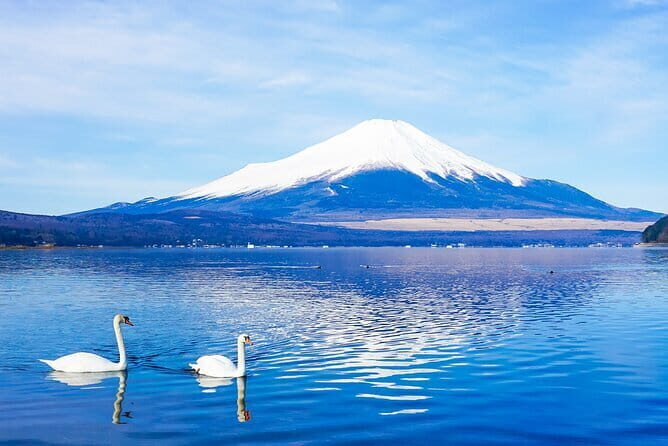
- Two different lake vibes: Lake Kawaguchiko for scenery and walks, Lake Yamanaka for swans and a relaxing soak option
- Onsen rules you should know: Tattoo restrictions apply, with limited flexibility if your tattoo is small
- Extra activities cost extra: Boat, onsen, and a shibazakura festival fee are separate
Other routes to the mountain, compared
- Mt Fuji & Hakone Cruise, Drum Show Bullet Train 1 Day from Tokyo★ 4.0 · 7,413 reviews
- Tokyo Mt Fuji 5th St & Hakone Cruise Bus Tour w/Bullet Train★ 4.4 · 5,024 reviews
- From Tokyo: Mount Fuji Full-Day Sightseeing Trip★ 4.5 · 4,970 reviews
The real appeal: Fuji and onsen with less stress
If you’ve ever tried to plan a Fuji day on public transport, you already know the problem. You’re not just getting somewhere—you’re also losing time to schedules that don’t care about your photo plans. This is why I think this tour is a smart match for a lot of visitors.
You get round-trip pickup and drop-off from a designated meeting point, plus an air-conditioned vehicle with a professional driver. That means you can focus on the stops instead of the logistics. And you don’t have to coordinate tickets, transfers, or routing between far-flung spots around the Fuji area.
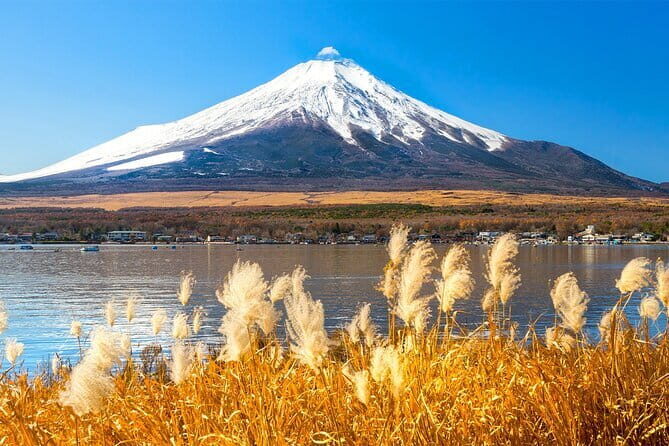
The other big win is the mix of scenery styles. You’re not just doing one kind of photo. You’ll go from a viewpoint park to high-elevation Fuji access (seasonal), then down to lake-level calm at Lake Kawaguchiko and Lake Yamanaka—with an onsen option as the day’s payoff.
And yes, it can be a long day. But based on the way people describe the experience, the drive tends to feel like part of the fun—especially when the skies cooperate.
Getting there and meeting up: the Gogoday flag and timing
Plan for a full 10 hours (approx.). That includes travel time from Tokyo, stop time, and the reality of Japan’s road and train timing.
Here’s what you should know so the day starts smoothly:
- The guide will meet you at the meeting point holding a yellow flag with the Gogoday logo.
- Arrive 15 minutes early, then tell the guide the name you used when booking.
- A confirmation email is sent around 9 PM the night before, including the guide and driver details and the vehicle license plate.
One practical note: weekend and holiday traffic can slow the return, and the tour may shorten, adjust, or cancel visit times at stops. The provider says overtime fees for the guide and driver are covered, but you still want to avoid locking in later plans after your tour ends (especially not something time-sensitive).
Also, the day is designed as a shared group experience with travelers from multiple countries, capped at 40. That usually keeps things social, not chaotic.
Arakurayama Sengen Park: your Fuji photo plan for Oct–Apr
Depending on the dates, this is one of the key stops.
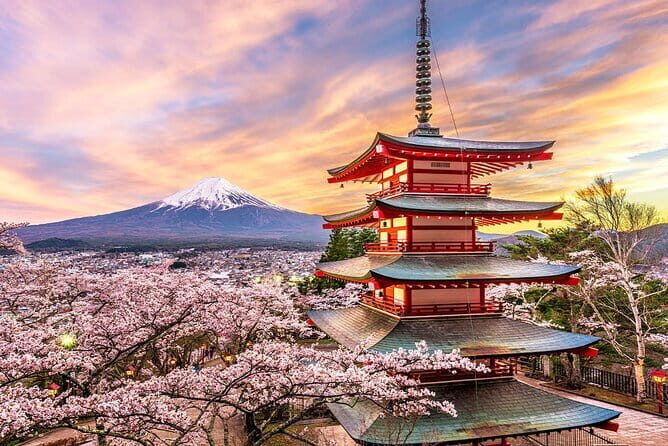
Arakurayama Sengen Park is scheduled Oct 1 to Apr 25. If you’re traveling during these months, this stop replaces going up to the Mt. Fuji 5th Station. The timing makes sense: weather, road access, and conditions can vary, and the tour is set up to match the season.
What you’ll get here is classic Japan viewpoint territory. You’re there for photos, but also for the feeling of being close to the mountain’s presence without needing to climb. The stop is about 1 hour, and the admission is free.
Why I like this arrangement for off-season travel: you’re still getting an iconic Fuji moment even when peak-season routes don’t make sense. And you’re not burning energy on elevation when you’d rather spend your time walking, stretching, and enjoying the scenery at a comfortable pace.
Potential drawback: this stop is peak-photo territory. On busy days, you may spend some time navigating crowd flow, especially around the most popular angles.
Mount Fuji 5th Station: the half-mountain goal (Apr–Sep)
From Apr 26 to Sep 30, the tour includes Mt. Fuji 5th Station instead of Arakurayama Sengen Park.
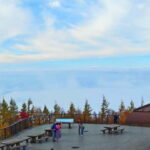
This stop is about 40 minutes, and the admission is free. The big detail here is the altitude: the 5th Station sits around 2,305 meters. That’s not a “quick look” in the parking-lot sense. It’s a genuine high-altitude feel, with a lot more wind, cooler air, and a different atmosphere than you’ll get at lake level.
This is the part of the day that tends to make people go quiet for a minute. Even if you’ve seen Fuji in photos for years, seeing it up close has a way of adjusting your sense of scale.
Two practical considerations:
- Visibility isn’t guaranteed. Weather is unpredictable, and the tour notes that Mount Fuji views can’t be assured.
- The short visit time means you should move efficiently. If you want both wide-angle photos and a bit of browsing, you’ll need to keep your eyes on the meeting time.
Also, pack smart. Even in warmer months, elevation can cool you off faster than you expect.
Worth weighing up alongside this Tokyo pick:
Lake Kawaguchiko: Fuji Five Lakes at their most walkable
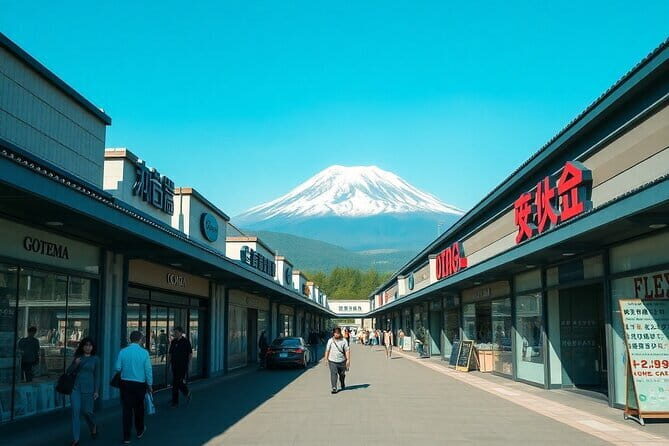
After the Fuji-focused stops, you drop down to Lake Kawaguchiko—the largest of the Fuji Five Lakes. The stop runs about 1 hour, and admission isn’t included.
This is your chance to shift from “mountain wonder” to “lakeside Japan.” You can enjoy scenic walks and, depending on what you choose on the day, you may be able to add a boat ride. The tour’s pricing notes say boat tickets cost $8 per person if you want that option.
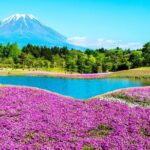
There’s also mention of Oishi Park as a seasonal highlight. That’s useful because it signals the tour is designed to include a recognizable place around the lake where seasonal flowers and views can change your experience a lot. Just remember the seasonal details can vary year to year.
What I think makes this stop valuable: Kawaguchiko lets you see Fuji in a more reflective, calmer setting. If you’re only getting one lake viewpoint, this is the one that feels most “classic postcard” while still giving you enough time to walk and reset.
Possible drawback: you’ll likely be sharing the space with lots of other people, especially in peak seasons. If you’re aiming for a certain photo angle, go a little earlier in your hour if you can.
Lake Yamanaka: swans, a hot spring choice, and a real trade-off
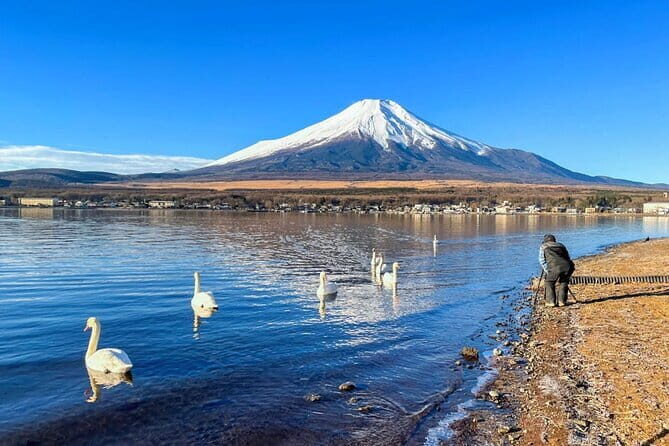
Lake Yamanaka is your last major stop, running about 1 hour 10 minutes. It’s known as Swan Lake in winter, which gives it a built-in seasonal personality.
Here’s the key part: at Lake Yamanaka, you can choose either:
- a scenic swan-themed boat cruise, or
- a relaxing hot spring (onsen) experience.
You can’t do both due to time constraints.
If you pick the boat, the boat ticket is $8 per person (not included). If you pick the onsen, the onsen fee is $8 per person (not included).
And yes, onsen etiquette rules matter. The tour’s tattoo policy is specific:
- If your tattoo is smaller than a palm and there’s only one, you may cover it with a sticker.
- If the tattoo is large, entry into hot springs is not permitted.
If you’re traveling with tattoos (or you’re unsure how your tattoo is categorized), it’s worth thinking through this before you commit to the onsen. Covering with a sticker is an option only in the smaller-and-one-tattoo scenario.
Why this stop works at the end of the day: it’s a decompress moment. After driving and walking around the Fuji viewpoints, soaking your feet or sitting in a warm bath is the kind of reset that makes the long day feel worth it.
Price and value: what $49.97 usually covers, and what doesn’t
At $49.97 per person, the big value isn’t just the sights—it’s the logistics bundled in.
What you get included:
- Air-conditioned vehicle
- Pickup and drop-off from a designated point
- Multilingual tour guide
- Professional driver
- Bottled water
What you should budget extra for:
- Boat ticket at Lake Yamanaka: $8 per person
- Onsen ticket at Lake Yamanaka: $8 per person
- Fuji Shibazakura Festival ticket: $8 per person (if it’s part of your seasonal route)
- Lunch (not included)
So the “real” price depends on whether you go for the boat or the onsen at Lake Yamanaka (or skip both, if you prefer). But even with that add-on, you’re still paying for something harder to DIY: a driver, a guide, and a plan that saves you from figuring out timing between distant spots.
One more value detail: the stops with free admission (Arakurayama Sengen Park and Mt. Fuji 5th Station) help keep the day affordable. And the tour time limits the number of paid add-ons you feel pressured to chase.
Guide and comfort: the human factor (and what to watch)
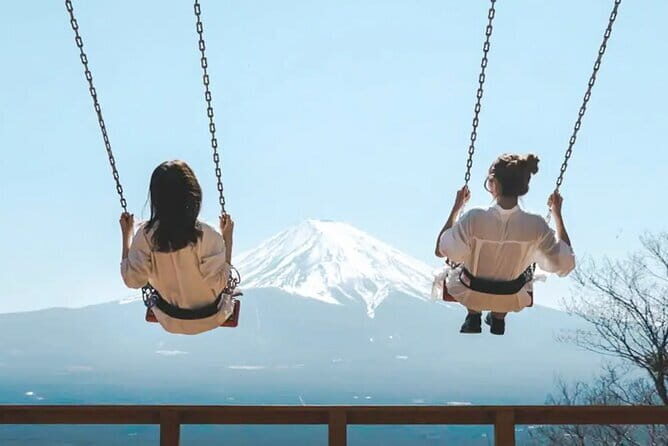
A tour lives or dies on pacing and information. In the feedback you can find names like Damon, BC, Mario, and Laner, and the consistent theme is that some guides are fun, organized, and helpful—especially around keeping the group together and assisting with photos.
That said, comfort and information can vary. One concern that shows up is that the vehicle may feel cramped for taller passengers, and in at least one case the guide’s spoken English information wasn’t what the traveler hoped for. The tour is multilingual, but it’s still a group setting—so don’t expect every moment to be a deep lecture.
Here’s my practical advice:
- Bring a light layer. Elevation plus wind can surprise you.
- Keep your day plan flexible. If Fuji visibility is weak or crowds slow things down, you’ll still get lakes and onsen.
- For photos, be ready to move. The best shots often happen quickly when you get a clear view window.
Also: the tour is capped at 40, which is good. It’s big enough to feel social, small enough that you’re not constantly losing the group in a sea of people.
Season planning: what to expect when crowds hit
This route runs in peak demand seasons, and you should plan like the roads will be busy. The tour explicitly calls out weekend and holiday traffic as a factor, with possible shortened visits and delayed return past 8 PM.
If you want the best chance of strong Fuji views:
- Choose a day with better weather forecasts.
- Try to keep your schedule after the tour open-ended.
- Assume the day will be adjusted based on visibility and crowds.
And don’t forget this tip: the tour recommends bringing some cash. Some scenic spots, restaurants, and other places in the Fuji area may only accept cash payments, so having a little on hand can save time.
Finally, pack for walking. Even though you’re not hiking all day, you’re doing lake strolls and viewpoint movement, and the tour format means you’ll cover more ground than you might expect from just four “named stops.”
A simple packing checklist (so your Fuji day doesn’t feel annoying)
Here’s what I’d bring for a day like this:
- Light jacket or layer for Mt. Fuji 5th Station conditions (seasonal)
- Comfortable shoes for lake walks
- Cash for meals, small purchases, and any cash-only spots
- A small towel or quick-dry item if you plan to choose the onsen
- If you have a tattoo and hope to use the onsen: a tattoo sticker you can cover with (only helps in the small-and-single scenario)
And keep one eye on your phone. The guide meets with the yellow Gogoday flag, and last-minute details might land via the email sent the night before.
Should you book this Fuji, onsen, and lake day?
I’d book this tour if you want a high-impact Fuji day without turning your trip into a transportation puzzle. The biggest reasons to say yes are the included driver and air-conditioned transfers, the seasonal plan that matches your dates, and the fact that the itinerary mixes viewpoints with downtime at lakes and an onsen choice.
I’d think twice if:
- You’re extremely sensitive to crowded photo spots and tight walking hours.
- You need a lot of detailed spoken commentary in English at every stop.
- You’re hoping to do both boat and onsen at Lake Yamanaka—this schedule forces a choice.
If you’re flexible, the reward is real: strong scenery, an onsen payoff, and a day that feels efficient in the best way—without you doing the heavy lifting.
FAQ
Is the tour ticket mobile?
Yes. The tour uses a mobile ticket.
How long is the Mt. Fuji, onsen, and lake tour?
The duration is listed as about 10 hours.
Where does the tour go during the day?
It includes Arakurayama Sengen Park (seasonal), Mount Fuji 5th Station (seasonal), Lake Kawaguchiko, and Lake Yamanaka. The tour description also says the routing aims to cover places like Owakudani Valley, Lake Ashi, Hakone Shrine, and more.
Are entrance fees included?
Admission for Arakurayama Sengen Park is free, and Mount Fuji 5th Station is free. Boat tickets and onsen fees are not included, and the Fuji Shibazakura Festival fee is listed as extra.
Is lunch included in the price?
No, lunch is not included.
Can I do both the boat ride and the onsen at Lake Yamanaka?
No. At Lake Yamanaka, you can choose either the boat ride or the hot spring experience, not both.
What are the onsen rules about tattoos?
If your tattoo is smaller than a palm and there’s only one, you may cover it with a tattoo sticker. If the tattoo is large, entry into hot springs is not permitted.
What if the weather is cloudy and I cannot see Mount Fuji?
Weather is unpredictable, and visibility of Mount Fuji cannot be guaranteed. The tour asks for understanding if views are limited.
More Tours in Tokyo




More Tour Reviews in Tokyo




The Fuji Shortlist: Other Days Out to the Mountain

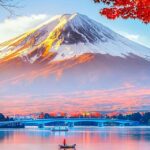
Fresh reviews from around Tokyo






Mt Fuji Day Trips, compared.
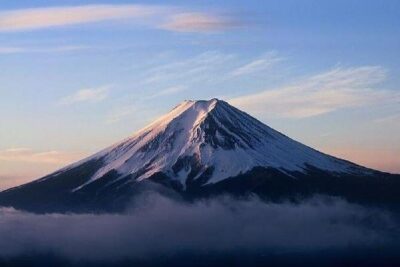 ★ 4.0Mt Fuji & Hakone Cruise, Drum Show Bullet Train 1 Day from TokyoFrom $1497,413 reviews
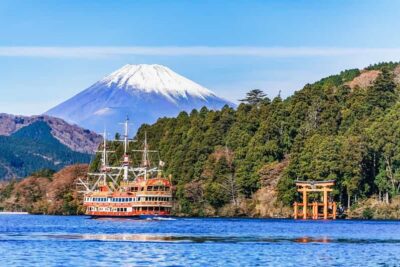 ★ 4.4Tokyo Mt Fuji 5th St & Hakone Cruise Bus Tour w/Bullet TrainFrom $1545,024 reviews
 ★ 4.5From Tokyo: Mount Fuji Full-Day Sightseeing TripFrom $684,970 reviews
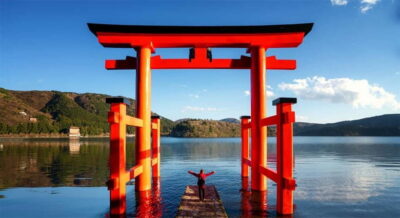 ★ 4.7Mt. Fuji Tour, Hakone Ropeway, Owakudani, Lake AshiFrom $544,002 reviews
 ★ 5.0Private Tour to Mt. Fuji and Hakone (Fully Licenced Operator)From $4971,910 reviews
 ★ 4.9Mount Fuji Full-Day Private Tour from Tokyo (Customizable)From $3931,470 reviews
 ★ 4.0Mt Fuji & Hakone Cruise, Drum Show Bus 1 Day from TokyoFrom $1221,287 reviews
 ★ 4.2From Tokyo: Mt. Fuji & Hakone Tour w/ Return by Bullet TrainFrom $1171,278 reviews
Browse the lists this tour appears in