
Reviewed · IMPERIAL PALACE TOURS
From the Imperial Palace to Odaiba : Time travel to Tokyo
Tokyo changes pace fast here.
This private route feels like a time machine without the gimmicks. You move from the Imperial Palace East Gardens (where Edo Castle once stood) to Tokyo Central Railway Station, then on to the Tokyo International Forum, and finally out to Odaiba on Tokyo Bay. I love the storyline you get from the way Matteo Leone connects architecture to daily life. I also love how Matteo Leone answers the what and the why, not just the where. One consideration: it’s a moderate walking day and it’s not recommended if you need help with reduced mobility, or if you’re traveling with prams, walkers, or strollers.
Expect about 6 to 8 hours, and the day is designed to stay relaxed, not rushed. Hotel pickup is offered if you’re centrally located, and you’ll use a mobile ticket so the logistics stay painless. The tour ends in Odaiba, so plan for an easy follow-on plan from there.
In This Review
- Key highlights you’ll actually care about
- How this Tokyo itinerary feels like a story, not a checklist
- The practical flow: meeting at Kokyo Gaien, then ending in Odaiba
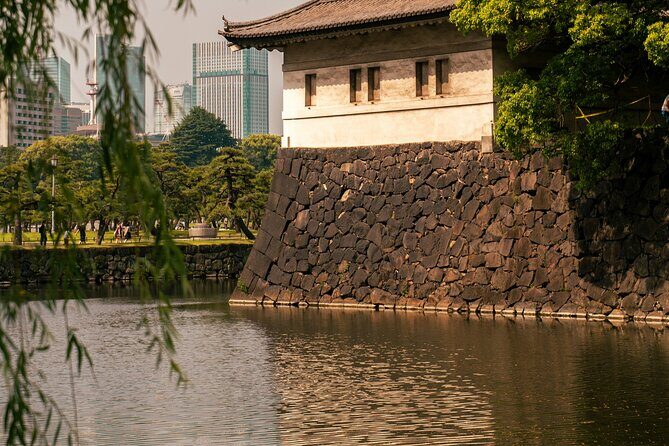
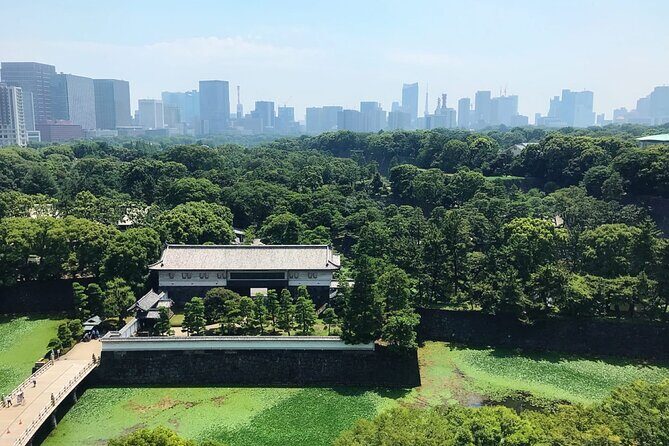
- Stop 1: Imperial Palace East Gardens, and the Edo Castle footprint you can feel
- Stop 2: Tokyo Central Railway Station, red-brick character in a live city
- Stop 3: Tokyo International Forum, a calm pause in glass and steel
- Stop 4: Odaiba, the artificial island where Tokyo looks future-forward
- Price and value: what $91.21 covers, and what to budget next
- What kind of traveler this suits best
- Should you book this Tokyo Imperial Palace to Odaiba time travel walk?
- FAQ
- How much does the tour cost?
- How long is the experience?
- Where do we meet, and where does the tour end?
- Is hotel pickup included?
- Do I need to pay entrance fees for the stops?
- What extra costs should I budget for?
- Is this a private tour?
- Can I cancel for a full refund?
- Is the tour suitable for reduced mobility or strollers?
Key highlights you’ll actually care about
- Edo Castle context in the Imperial Palace East Gardens: you’re standing near the city’s old power center, not just looking at pretty grounds.
- Tokyo Station as a history-and-modernity checkpoint: red-brick character with today’s transit energy.
- Tokyo International Forum for a breather of modern design: a calm, spacious stop that helps you switch gears.
- Odaiba’s bay views and post-card angles: a different side of Tokyo, built on reclaimed land.
- Matteo Leone’s guided explanations: questions feel welcome, and answers go beyond basic facts.
Before you commit, see how this one stacks up against a few Tokyo favourites:
- Mt Fuji and Hakone 1-Day Bus Tour Return by Bullet Train★ 5.0 · 26,383 reviews
- 1-Day Tokyo Bus Tour★ 5.0 · 14,250 reviews
- Tokyo: teamLab Planets TOKYO Digital Art Museum Entry Ticket★ 4.6 · 9,779 reviews
How this Tokyo itinerary feels like a story, not a checklist
Tokyo can be easy to “collect” when you only hit landmark after landmark. This tour tries to do something smarter. It treats the city like a book you can read with your feet. The order matters: you start with the deep past, then you step into the city’s big transit heart, then you shift to a major contemporary hub, and finally you land on an artificial island shaped by modern Tokyo planning.
What I like about this format for you: it helps you stop seeing Tokyo as one style. You see the layers. You notice how the city adapts to its own needs—defense and governance in the Edo era, mass movement through major stations, and global-facing business and leisure in later decades. And because the day is private, you can ask questions as they come up instead of saving them for later.
Also, the tour length (6 to 8 hours) is long enough to feel like a real day, but short enough that you’re not trapped in sightseeing mode until dinner. That balance shows up in the pacing of each stop: a mix of walking, looking, and short moments to actually think.
The practical flow: meeting at Kokyo Gaien, then ending in Odaiba
You start at a very specific, very easy-to-find place: Starbucks Coffee – Kokyo Gaien Wadakura Fountain Park (3-1 Kōkyogaien, Chiyoda City, Tokyo 100-0002). That’s a helpful detail because Tokyo station-area meet points can be confusing, especially on a first trip.
The tour runs during the stated window of operation (from 07/14/2025 to 12/09/2026) and daily hours are listed as 9:00 AM to 6:00 PM. You’ll get confirmation at booking time, and the experience is private, meaning only your group participates.
Hotel pickup is included if you’re centrally located. If not, you’ll meet at the start point and then move through the city as a group. The ending point is Odaiba, Tokyo. The guide notes that the exact arrival point can be adjusted based on your hotel location and convenience for the return. That matters because Odaiba can be a different kind of evening commute than, say, Shinjuku.
One more logistics thing: you’ll have a mobile ticket. And there’s assistance for purchasing tickets for transport and attractions if required. That doesn’t remove the need for some extra spending (more on that soon), but it prevents the day from turning into ticket-debate stress.
Stop 1: Imperial Palace East Gardens, and the Edo Castle footprint you can feel
The day’s first chapter is the East Gardens of the Imperial Palace, tied directly to the old Edo Castle grounds. You walk in an area that helps explain how Tokyo got its start as a power center. Edo Castle is the key idea here. It’s not just nostalgia. The city’s later layout and cultural gravity make more sense when you understand where the shogunate-era center once lived.
The stop is listed as about 1 hour 30 minutes, with admission ticket free. That matters because it keeps your morning from turning into a pay-and-wait situation. Also, it’s one of those places where you can slow down. You don’t need to sprint for the next photo.
What I think you’ll appreciate: the way this start changes your brain. Once you’ve walked somewhere tied to governance and order, modern Tokyo stops looking random. You start asking better questions, like why certain areas feel official, why some streets seem to channel people toward specific nodes, and why Tokyo’s planning has a “structure first” personality.
Possible drawback: if you dislike walking through large grounds or you’re sensitive to uneven paths, this may feel like a lot early in the day. The tour is rated as requiring moderate physical fitness, and it’s not recommended for reduced mobility. So it’s not the best fit if you can’t comfortably move outdoors for extended stretches.
Stop 2: Tokyo Central Railway Station, red-brick character in a live city
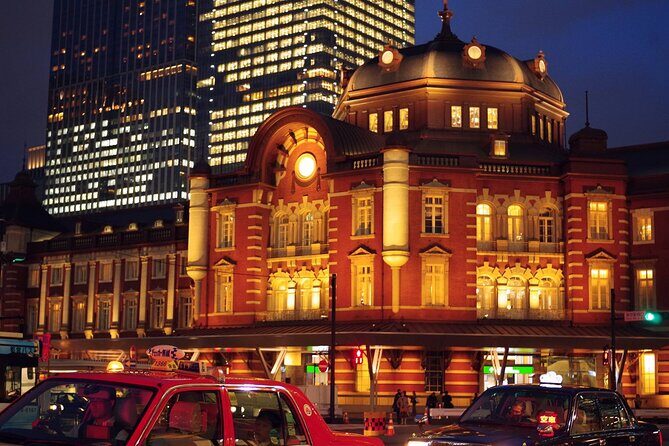
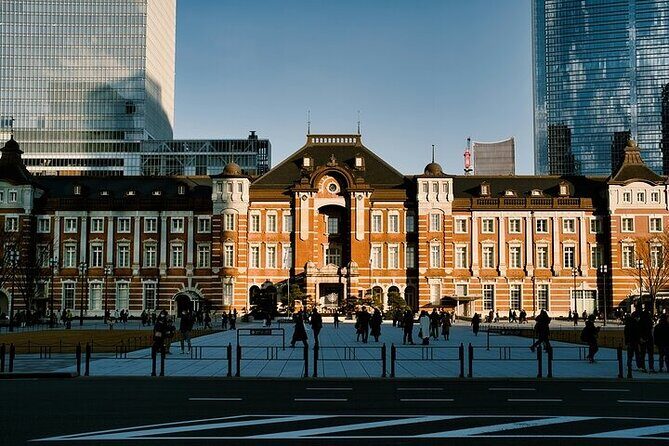
Next is Tokyo Central Railway Station, one of Japan’s most important stations, known for its red brick facade in a European style. Even if you’ve seen pictures, being there in real life hits different. You’re standing at a crossroads where old architectural “statement” meets constant modern transit flow.
This stop runs about 1 hour, and again admission ticket is listed as free. That means you can focus on observation instead of budgeting time for entry fees or timed tickets. And it’s a smart second act in the story: it connects the city’s historical importance with how Tokyo moves people now.
Here’s the practical value for you: a big station is more than a building. It’s a social machine. It shows how Tokyo handles scale, direction, and daily rhythm. When Matteo Leone explains what you’re looking at, it tends to help people see details they’d otherwise ignore—why the facade is so memorable, how stations function as civic landmarks, and how the city’s “heritage vs. efficiency” balance plays out in everyday life.
If you like architecture, Tokyo Station is an easy win. If you don’t, it still works because you’re watching the city operate in real time. That alone makes the stop worthwhile.
A consideration: since this is a major station, it can be busy at peak times. If your group is sensitive to crowds, timing and pacing matter. The guide’s job here is to keep you moving in a thoughtful way instead of getting stuck in throngs.





Stop 3: Tokyo International Forum, a calm pause in glass and steel
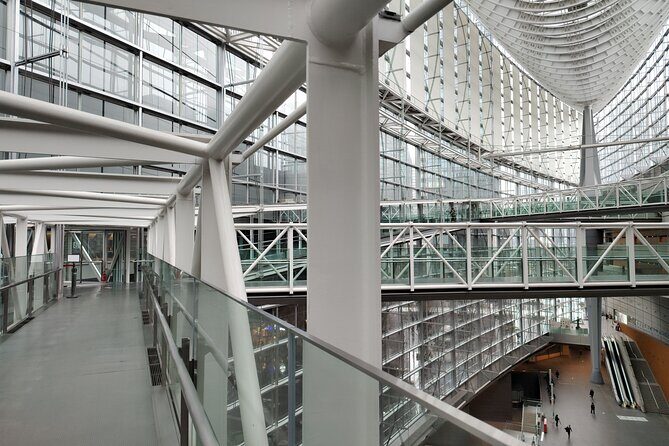
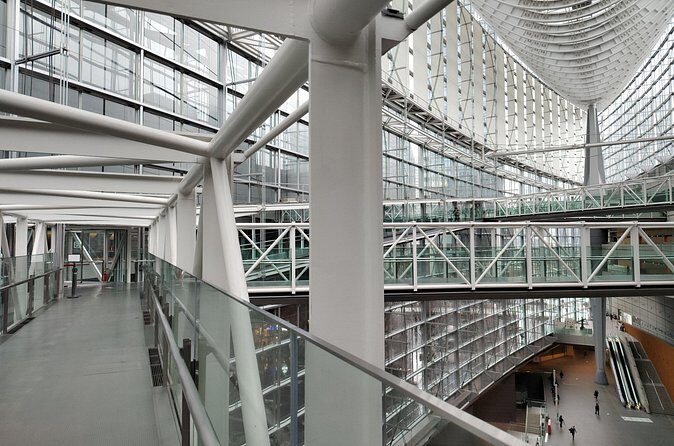
After the transit intensity, you move to the Tokyo International Forum. It’s described as a modern building made of glass and steel, with a distinct shape. This stop is about 1 hour, and admission ticket is listed as free.
This is where the itinerary gives you something useful: a mental reset. It’s hard to keep appreciating Tokyo if you only do narrow, photo-quick stops. Here, the design and the open-feeling layout help you slow down. You get a quiet place to observe contemporary architecture without the pressure to rush.
Why it’s valuable: Tokyo’s modern identity is not just neon streets. It’s also corporate, conference, and public-facing design. You can feel how the city presents itself to the world—big, planned spaces, clean lines, and buildings built to host many kinds of people for many kinds of events.
From a storytelling perspective, it’s also a transition. You go from Edo-era context to station architecture, and then to a late-stage expression of Tokyo as a global city. If you’ve ever felt Tokyo is “too modern” or “too confusing,” this stop helps you separate what’s chaotic from what’s designed.
Potential drawback: if you’re expecting only outdoors views, note that this is more about architecture and the building’s shape than a single signature overlook. Still, it’s a nice change of pace in the middle of the day.
Stop 4: Odaiba, the artificial island where Tokyo looks future-forward
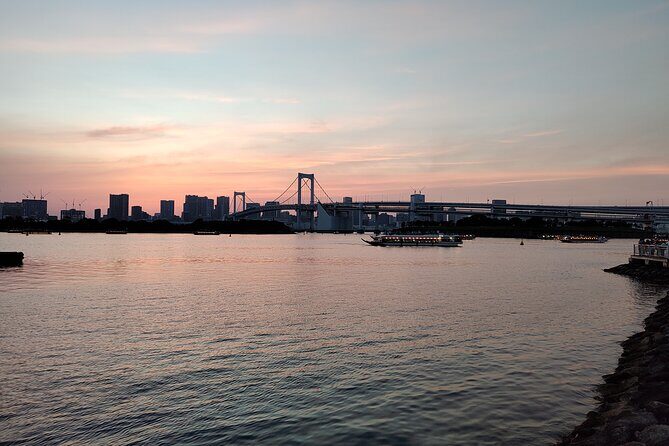
The final chapter is Odaiba District, an artificial island in Tokyo Bay. This is listed as about 2 hours, and admission ticket is listed as free.
Odaiba is where Tokyo starts to look different on purpose. You trade historical anchors and big-city transit for open space, bay air, and modern development. If you want a feeling of Tokyo that’s less about old districts and more about planned recreation and waterfront spectacle, this is the place.
What you’ll likely enjoy: the mix of panoramic views and modern architecture. Even if you’re not into shopping or themed attractions, Odaiba works as a viewpoint on how Tokyo thinks about space—reclaimed land, coastal design, and large-scale buildings meant to be seen.
From a “first trip” point of view, ending here can be a smart move because you finish with a memorable mood shift. One review-style takeaway that fits real planning: if you already visited classic big neighborhoods like Shibuya, Shinjuku, or Harajuku on a previous trip, this itinerary is the type of alternative that helps you understand Tokyo on a different level. You’re not repeating the obvious. You’re going after structure and context.
Possible drawback: Odaiba is not always the easiest area to get to and out of quickly, depending on where you’re staying. That’s why it helps that the tour ends there with some flexibility about the exact arrival point, and why you should plan your evening transport.
Price and value: what $91.21 covers, and what to budget next
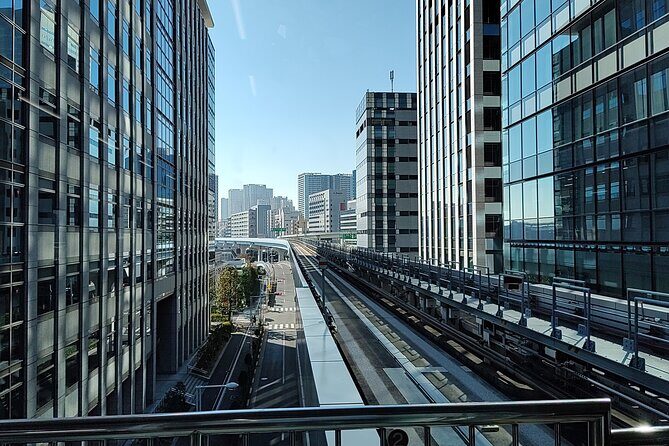
The tour price is listed as $91.21 per person. For Tokyo, that’s a reasonable level for a guided, private route that strings together four major areas with interpretation. What you’re really paying for is time and clarity: a guide for a full day and someone who helps you connect the dots, instead of you trying to do that solo while managing transit and crowd flow.
Included is:
- Guide service for the duration
- Hotel pick-up if centrally located
- Help with purchasing tickets for transport and attractions if required
Not included is the stuff that can surprise you on the day:
- Public transportation: ¥1,500 per person
- Meals and personal expenses
- Any entrance fees for attractions (though the listed stops show admission ticket free)
- Travel insurance
- Any extra transfers not specifically agreed
Here’s the value math in plain terms: if you would normally spend time figuring out routes and dealing with ticket friction, this tour helps you trade money for smoother decision-making. Also, because many stops are listed as admission ticket free, the day can stay mostly about walking and looking, not ticket hunting.
One more note: the tour offers assistance in purchasing transport tickets, so you won’t be left totally alone if something needs buying. Just remember that the ¥1,500 per person transportation cost is still on you.
What kind of traveler this suits best
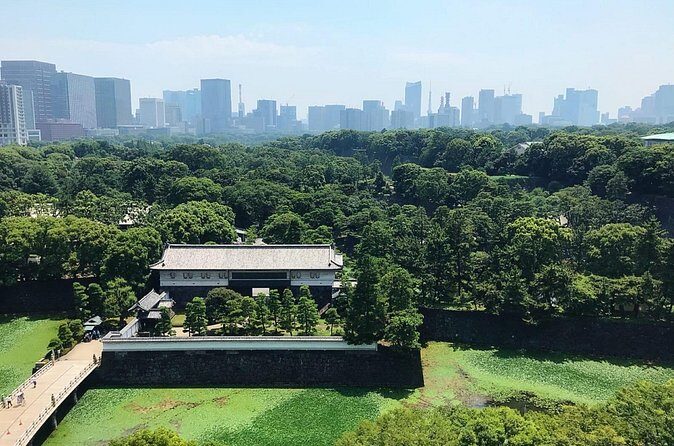
This tour is best for you if:
- You want Tokyo’s layers, not just a list of famous spots
- You like architecture and want it explained in human terms
- You enjoy asking questions and getting direct answers
- You want an orientation day that doesn’t repeat the usual neighborhood sweep
It’s also a good fit if you’ve already done the big entertainment districts. Tokyo has plenty of headline neighborhoods, but understanding the city’s layout and design logic is a different kind of win. This route gives you that.
You might want to skip it if:
- You need a stroller-pram-friendly or walker-friendly route. The tour is not recommended for reduced mobility, prams, walkers, or strollers.
- You prefer ultra-short stops. This is built for a steady pace and moderate walking.
- You want only one neighborhood. The point here is the cross-century sweep across different parts of Tokyo.
Should you book this Tokyo Imperial Palace to Odaiba time travel walk?
Yes, if you want Tokyo to make sense. This itinerary is built around cause-and-effect: Edo Castle to modern transit to contemporary architecture to a future-forward waterfront. It’s a smart way to see the city as a living system instead of separate photo stops.
Book it especially if you care about understanding the city quickly, with less effort than self-planning. The guide, Matteo Leone, is a big part of the value because the day isn’t just sight-seeing. It’s explanation and context that helps you remember what you saw.
Skip it if mobility is a concern, or if you need everything to be fully accessible and low-walking. For the right pace and the right curiosity level, this is one of those Tokyo days that makes the rest of your trip click.
FAQ
How much does the tour cost?
The price is $91.21 per person.
How long is the experience?
It lasts about 6 to 8 hours.
Where do we meet, and where does the tour end?
You meet at Starbucks Coffee – Kokyo Gaien Wadakura Fountain Park. The tour ends in Odaiba, Tokyo. The exact arrival point can be agreed during the tour based on your hotel and convenience.
Is hotel pickup included?
Hotel pickup is included if your hotel is centrally located.
Do I need to pay entrance fees for the stops?
The itinerary lists admission ticket free for each of the four stops, and entrance fees for attractions are listed as not included in case you choose to visit additional sites.
What extra costs should I budget for?
You should budget ¥1,500 per person for public transportation. Meals and personal expenses are not included.
Is this a private tour?
Yes. It’s a private tour/activity, and only your group participates.
Can I cancel for a full refund?
Yes. You can cancel for a full refund up to 24 hours in advance of the experience start time.
Is the tour suitable for reduced mobility or strollers?
No. It is not recommended for people with reduced mobility or for those traveling with prams, walkers, or strollers. It requires a moderate physical fitness level.
More Tour Reviews in Tokyo



Fresh reviews from around Tokyo






Imperial Palace Tours, compared.
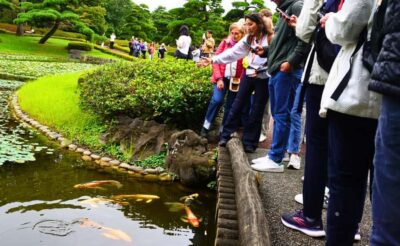 ★ 4.9Imperial Palace Japanese History Walking TourFrom $32987 reviews
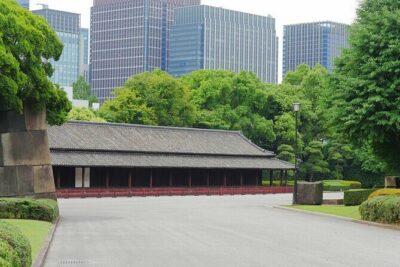 ★ 5.0Imperial Palace East Garden and Edo Castle Walking Tour in TokyoFrom $25510 reviews
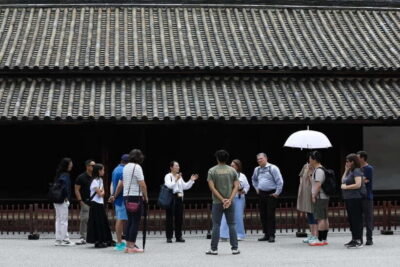 ★ 4.8Imperial Palace East Gardens Walking TourFrom $19353 reviews
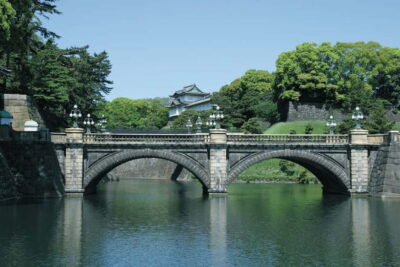 ★ 4.5Imperial Palace, Sensō-ji Temple, & Tokyo Tower TourFrom $40339 reviews
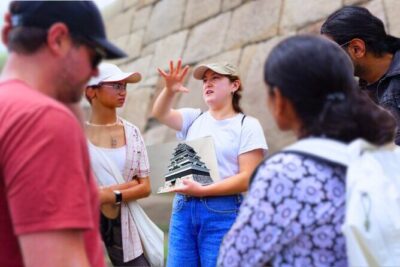 ★ 5.0Tokyo Castle, Imperial Palace, Shogun & Garden Walking TourFrom $31211 reviews
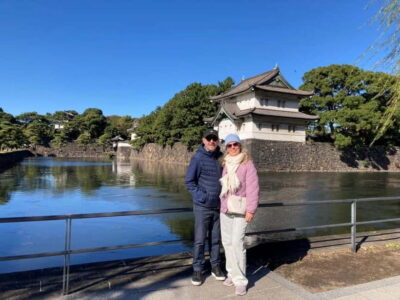 ★ 4.7Edo Castle & East Garden of the Imperial Palace TourFrom $42112 reviews
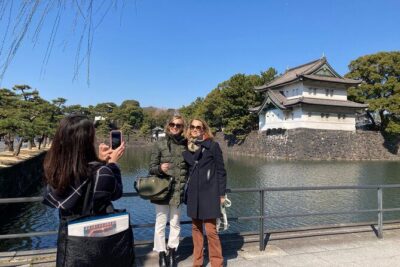 ★ 5.0Tokyo Private Tour! Edo Castle & Imperial Palace East GardensFrom $65105 reviews
 ★ 5.0Imperial Palace, the history of Japan (ENGLISH GUIDE)From $4077 reviews
Browse the lists this tour appears in