
Reviewed · DINNER EXPERIENCES
Authentic Geisha Performance with Dinner in Tokyo
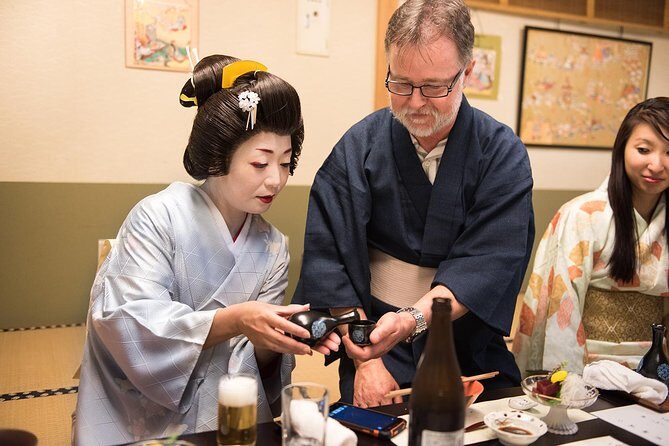
Dinner turns into a performance lesson. In Asakusa at Sansyūya, you’ll enjoy a multi-course kaiseki dinner alongside live geisha entertainment, with an English interpreter keeping everything clear. I like how easy it is to actually connect (not just watch). I also like that this is built around traditional arts: dance, music, and the communication skills geisha train for. One possible drawback to plan for: the venue involves stairs, so it is not a simple option for anyone with mobility limits or balance issues.
This is designed as an evening you can count on. The event runs about two hours, starting at 6:00 pm, and it keeps your daytime free in Tokyo. You’ll be hosted at an authentic Japanese restaurant, you’ll eat at a real dining pace, and the program blends performance with conversation. You’ll also get photo opportunities at the right moments, not just a quick handshake at the end.
In This Review
- Key things to know before you go
- Tokyo geisha dinner that feels like tradition, not a tourist act
- Sansyūya in Asakusa: the ryotei atmosphere (and the stair reality)
- Your kaiseki dinner: lots of courses, real Japanese dining pace
- Meeting the geisha: conversation, etiquette, and the interpreter’s role
- What about value: price, included items, and what you’re really buying
- Timing and finding your way: small-group comfort, big-city navigation
- Who should book this geisha dinner (and who should think twice)
- Should you book the Authentic Geisha Performance with Dinner in Tokyo?
- FAQ
- How long is the geisha dinner experience?
- Where does the dinner take place?
- What’s included in the price?
- Is an English interpreter provided?
- Will there always be multiple geishas?
- Is transportation or hotel pickup included?
- Is there an all-you-can-drink option?
- What happens if I cancel?
- Are there age limits for children?
Key things to know before you go
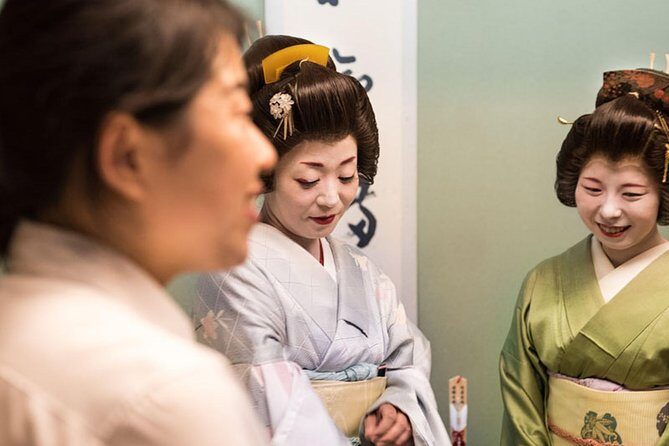
- An actual ryotei-style dinner setting in Asakusa at Sansyūya, not a generic “show with food.”
- Small-group flow with an English interpreter so you can understand etiquette and ask questions.
- Interactive parts like geisha drinking games and games led during the evening.
- Food is part of the cultural package and can include items like sashimi, so note dietary limits early.
- Performance style may vary: depending on group size and availability, you may see one geisha rather than multiple.
- Stairs and finding the entrance can catch people off guard, even if directions are good.
Worth weighing up alongside this Tokyo pick:
- Tokyo Bar Hopping Tour in Shinjuku (All-You-Can-Drink + Dinner)★ 5.0 · 3,587 reviews
- Tokyo: Sumo Show and Dining Experience★ 4.8 · 2,742 reviews
- Sumida River: Japanese Traditional Yakatabune Dinner Cruise★ 4.6 · 779 reviews
Tokyo geisha dinner that feels like tradition, not a tourist act
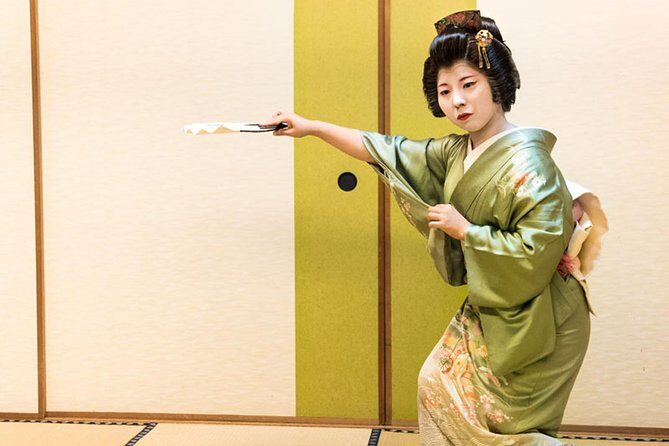
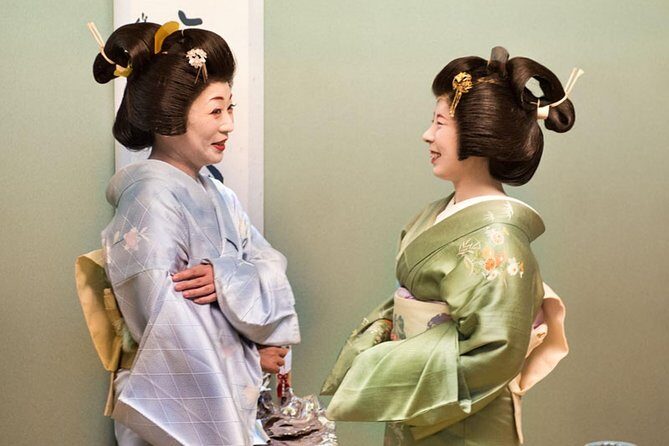
The big promise here is simple: you’re not just buying tickets to a dance. You’re stepping into a night where geisha arts are the centerpiece. That matters, because the best parts of this experience are the “in-between” moments—when the interpreter explains what you’re seeing, and when the geisha respond to questions instead of sticking to a script.
From what you’ll hear in the room, this is structured like a ceremonial evening. Geisha training is built on performance skills (dance and music) and also communication—how to be present, how to handle the room, and how to interact with guests. And in the way the evening is paced, that shows up.
There is also a balance you should be aware of. A few people felt the storytelling about geisha background or training was lighter than they expected, and one person even felt the dinner and food choices didn’t match what they needed. So, if you’re coming for a deep lecture on history and exact training processes, you’ll want to keep your expectations flexible and plan to learn through the performance and conversation more than through a formal class.
Sansyūya in Asakusa: the ryotei atmosphere (and the stair reality)
Your evening begins at Sansyūya, a traditional restaurant in the Asakusa area. This kind of venue is one reason the experience can feel authentic: it’s a real place for formal dining, not a converted basement.
How it feels on arrival:
- You get greeted by a host.
- You settle into chair seating by default.
- You’ll get a clear sense of what to do and where to go during the meal and show.
Now the practical part. Multiple people flagged stairs as a key consideration. One account described access that involved going to the side of the building, then up multiple floors before entering. Even if your route goes smoothly, go in assuming you’ll climb. Also note that the venue is non-smoking in the seating areas, with smoking handled in designated outside areas.
If the room itself matters to you: a couple of comments mentioned a simple, sparsely decorated environment. It’s not trying to be a themed theater. The focus is the dinner and the geisha performance.
Your kaiseki dinner: lots of courses, real Japanese dining pace
This event includes an elegant Japanese dining course, served as part of the evening program. Kaiseki is not one dish. It’s a sequence—often with seasonal touches, small refined portions, and a rhythm that encourages you to slow down.
What to expect based on what people described:
- The food is generally more than enough in quantity, with a multi-course feel.
- Sashimi came up in at least one description, along with several other dishes.
- The pacing is built around the program, so you’re not eating in a rush while the show starts whether you’re ready or not.
Here’s the value angle. You’re paying for dinner plus entertainment plus interpretation. That tends to beat the idea of separately booking a formal meal and a performance. Still, don’t assume the menu will automatically match every dietary need. If you have restrictions—especially around raw seafood—make sure you communicate them well in advance through the Geisha Form link you receive after booking. If the form asks for pertinent details, use it. And if you have urgent needs, be ready to confirm with the interpreter when you arrive.
Also watch your alcohol choices. Many people enjoyed sake, and there’s an optional all-you-can-drink setup only for larger groups. If you want the drinks, plan for cash payment at the venue.
Meeting the geisha: conversation, etiquette, and the interpreter’s role
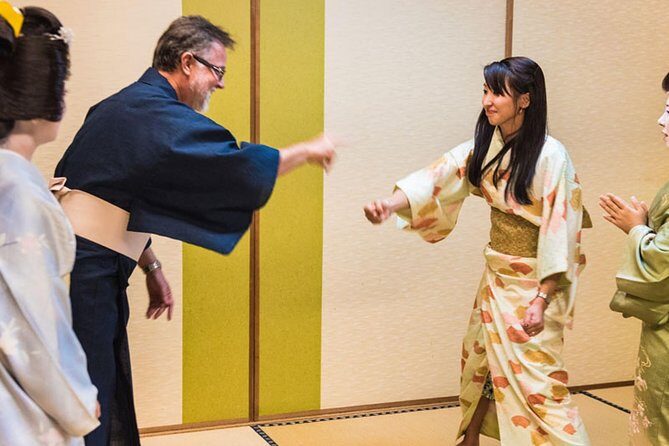
This is where the night can become memorable in a very personal way. The experience is designed for you to talk to the geisha during the evening, with an interpreter in the loop. That English support isn’t an afterthought. It’s part of the structure.
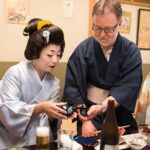
A few real examples mentioned in accounts include interpreters like Musuko Igarashi and Mami H, both praised for helping conversation flow. You might also meet different combinations of hosts and musicians depending on the date.
What the evening often includes:
- An interpreter explaining what you’re eating and what’s happening during the performance.
- Time for questions, so you can ask about life and culture through translation.
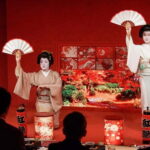
- Traditional performance moments such as fan-style dance and drum songs (these came up in descriptions).
- Fun interaction through geisha-led games, including drinking games where you play along.
The takeaway for you: if you’re shy, this still works. The interpreter can bridge the gap, and the geisha games give you a low-pressure way to join in. If you’re chatty, even better—your questions help shape how you experience the evening, since the interaction is part of the design.
One more detail that affects expectations: depending on availability and group size, you may only see one geisha. That doesn’t mean it’s less “real,” but it does change the feeling of the room. If you’re booking with a bigger group and want the most coverage, it’s worth discussing private options and the number of geisha.
Worth weighing up alongside this Tokyo pick:

What about value: price, included items, and what you’re really buying
The price is $239.83 per person for this roughly two-hour evening. That can sound steep if you’re thinking in terms of dinner alone. But this isn’t just a restaurant meal.
What you’re typically getting inside that price:
- A multi-course kaiseki dinner
- Authentic geisha entertainment
- An English interpreter
- Photo opportunities and commemorative moments
Also, the event is structured for a small group (with a maximum of 15 travelers noted). That smaller size matters. You’re paying for a smoother experience where someone’s guiding the room and you’re not left to figure out etiquette on your own.
So when does it feel worth it?
- If you want one evening in Tokyo that’s cultural and guided, not DIY.
- If you like dining experiences where the host explains what you’re seeing and eating.
- If you’re okay with the reality that geisha entertainment is a living tradition—meaning the evening is polished, but not a museum script.
When might it feel overpriced?
- If you expected a heavy, classroom-style history lesson.
- If you were hoping for specific menu accommodations without needing to request them.
- If you’re counting on step-free access, since stairs are a recurring issue.
Timing and finding your way: small-group comfort, big-city navigation
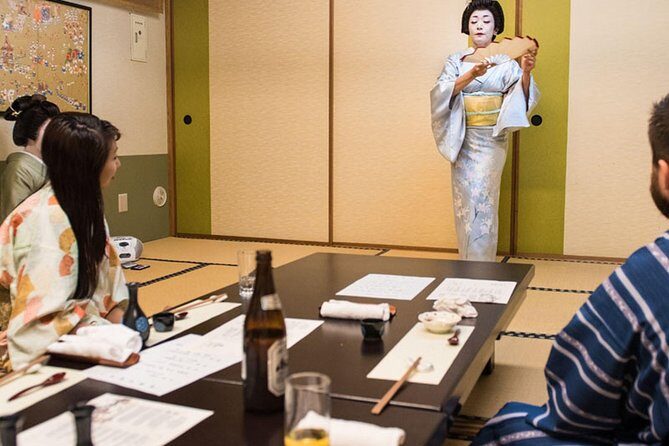
Starting at 6:00 pm is helpful. It’s early enough that you’re not out all night, and you still get the evening atmosphere in Tokyo. The structure also keeps your day open for other plans.
Getting there can be the only stress point. Even when people say instructions are thorough, the entrance can be tricky. One account described how Google navigation pointed to the right building but the entry required going to the side and then up multiple floors. So, plan to arrive early, and don’t be afraid to ask staff when you spot the building.
Also note: transportation and hotel pickup aren’t included. You’ll handle getting to the meeting point yourself, then the host takes it from there.
Who should book this geisha dinner (and who should think twice)
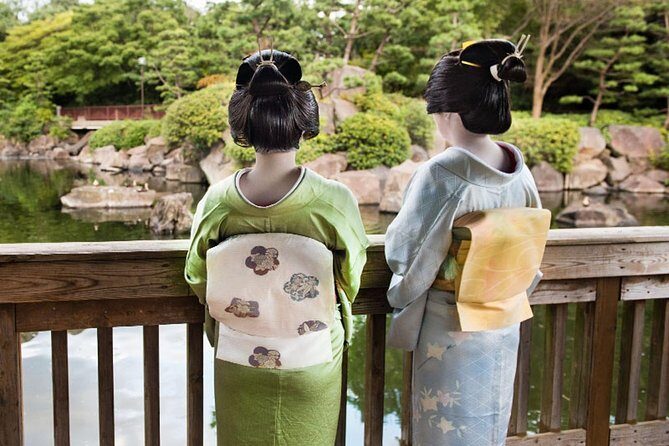
This is a strong match for:
- Couples looking for a special date night in Tokyo that includes conversation and games, not just a meal.
- People who want an authentic cultural evening in Asakusa and like being guided through etiquette.
- Anyone who enjoys live performance and wants to understand what they’re seeing while they eat.
Think twice if:
- You need step-free access. Stairs are a repeated warning, and chair seating doesn’t remove the climb.
- You have strict dietary needs, especially around raw seafood. Kaiseki can include items like sashimi, and at least one person reported food not meeting their expectations while pregnant. Use the Geisha Form and confirm with the interpreter when possible.
- You’re booking right at peak times or with a smaller group mindset. Depending on availability, it may be possible you see only one geisha, and the venue could change based on group size.
Should you book the Authentic Geisha Performance with Dinner in Tokyo?
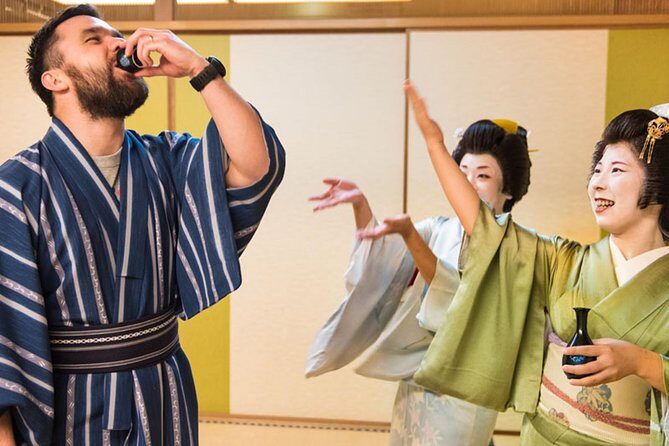
Yes, I think you should book it if you want one guided evening that combines formal Japanese dining with geisha arts—and you’re open to learning through conversation, etiquette, and games. The inclusion of an English interpreter and the way the event is paced in a small group is a big part of the value.
I’d hesitate only if stairs are a deal-breaker for you, or if you need very specific food handling and you don’t want to do the upfront communication required for any special needs. If you’re flexible, you’ll likely walk away with photos, stories, and the kind of cultural interaction that doesn’t feel staged.
If you do book, send details carefully through the Geisha Form, arrive a little early, and come ready to participate. That’s when the night stops being just a performance and becomes a real memory.
FAQ
How long is the geisha dinner experience?
It runs about 2 hours (approximately).
Where does the dinner take place?
The meeting and dining event take place at Sansyūya, a traditional restaurant in the Asakusa area of Tokyo.
What’s included in the price?
The experience includes an elegant Japanese dining course, an authentic geisha performance and entertainment, an English interpreter, and photo opportunities with geisha commemorative moments.
Is an English interpreter provided?
Yes. An English interpreter is included.
Will there always be multiple geishas?
Not necessarily. Depending on availability and group size, there may be only one geisha attending the event.
Is transportation or hotel pickup included?
No. Transportation to and from attractions is not included, and there is no hotel pickup or drop-off.
Is there an all-you-can-drink option?
An all-you-can-drink option (nomihodai) is available for groups of 10 or more people at 2,900 JPY per person, payable in cash at the venue. For groups of 9 or less, it is not available.
What happens if I cancel?
This experience is non-refundable. If you cancel 14 days or less before the event, the fee is 100%. If you cancel 21 days or less before the event, the fee is 50%. If you cancel 30 days or less before the event, the fee is 25%.
Are there age limits for children?
Children must be age 10 or older and accompanied by an adult.
More Dinner Experiences in Tokyo

More Dining Experiences in Tokyo
More Tour Reviews in Tokyo






Fresh reviews from around Tokyo






Dinner Experiences, compared.
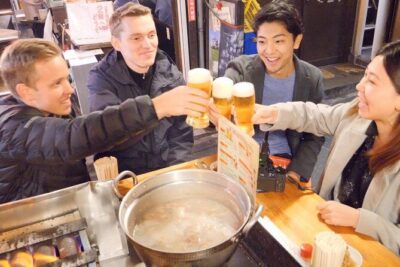 ★ 5.0Tokyo Bar Hopping Tour in Shinjuku (All-You-Can-Drink + Dinner)From $1063,587 reviews
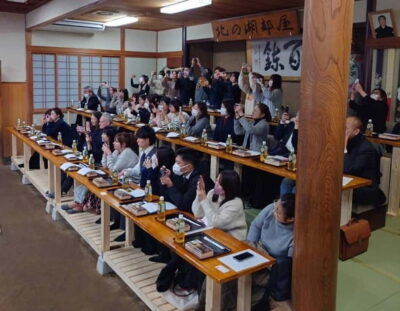 ★ 4.8Sumo Show and Dining ExperienceFrom $792,742 reviews
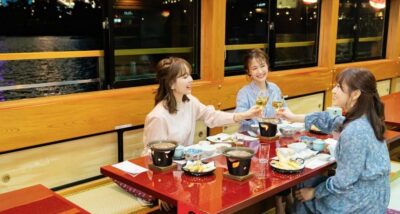 ★ 4.6Sumida River: Japanese Traditional Yakatabune Dinner CruiseFrom $103779 reviews
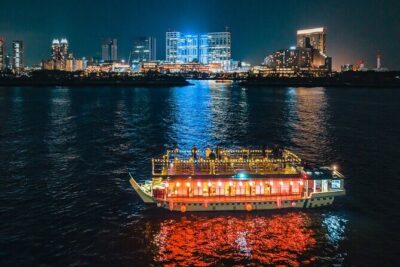 ★ 4.5Tokyo Bay Yakatabune Dinner/Day Cruise with Japan Show and DrinksFrom $65473 reviews
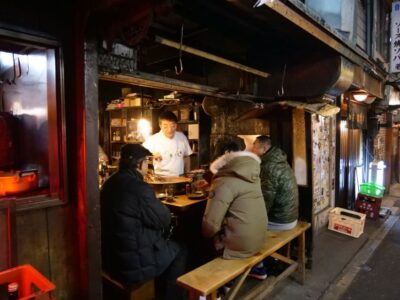 ★ 4.9Shinjuku Bar Hopping with All-You-Can-Drink & DinnerFrom $108440 reviews
Tokyo Dinner Cruise & Tradition Show & Drinks & Tokyo TowerFrom $95315 reviews
★ 4.9Shinjuku Bar Hopping with All-You-Can-Drink & DinnerFrom $108440 reviews
Tokyo Dinner Cruise & Tradition Show & Drinks & Tokyo TowerFrom $95315 reviews
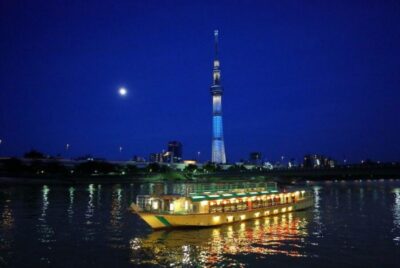 ★ 4.7Tokyo Bay: Traditional Japanese Yakatabune Dinner CruiseFrom $108243 reviews
Tantra Tokyo: Burlesque Show Club with Dinner IncludedFrom $9666 reviews
★ 4.7Tokyo Bay: Traditional Japanese Yakatabune Dinner CruiseFrom $108243 reviews
Tantra Tokyo: Burlesque Show Club with Dinner IncludedFrom $9666 reviews
Browse the lists this tour appears in