
Reviewed · CRUISES & BOAT TOURS
Tokyo Bay: Traditional Japanese Yakatabune Dinner Cruise
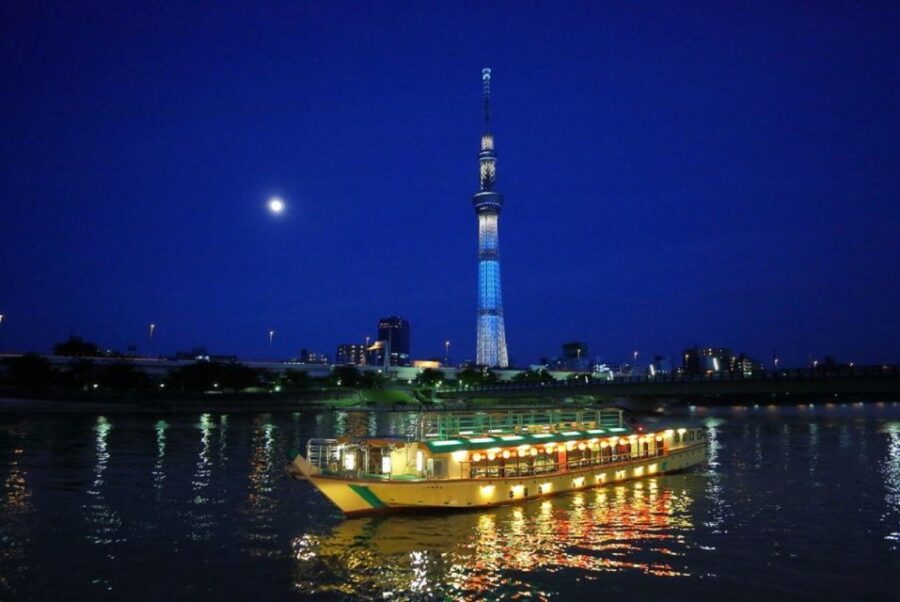
Tokyo at night feels different from the water. This yakatabune dinner cruise turns Tokyo Bay into your dining room, with big skyline views and a proper multi-course meal on a traditional houseboat.
Two things I really like: you get standout photo targets like Tokyo Skytree and Rainbow Bridge from the best angles, and the meal service keeps moving (freshly prepared dishes, plus all-you-can-drink). The main catch is practical: much of the onboard commentary and information may be in Japanese, so you’ll enjoy it most if you’re okay leaning on visuals, table labels, and staff help.
In This Review
- Key highlights worth showing up for
- Tokyo Bay by yakatabune: what makes this cruise feel special
- From Funasei Boat Pier to the first night views
- The route at night: Skytree, Rainbow Bridge, Sumida River, and Odaiba
- The yakatabune dining room: how the meal actually works
- Dietary needs: the one limitation you should not ignore
- Unlimited drinks: what’s included and how to enjoy it calmly
- Meeting other diners on a traditional boat: sharing tables and group size
- Language reality check: what you’ll understand even if Japanese isn’t your thing
- Weather, rain, and route changes: how to plan your expectations
- Who this cruise is best for (and who should skip it)
- Price and value: is $108 worth it?
- Should you book this Tokyo Bay yakatabune dinner cruise?
- FAQ
- Where is the meeting point for the cruise?
- What time does the cruise depart?
- How long is the yakatabune dinner cruise?
- Is hotel pickup included?
- Is the cruise canceled if it rains?
- Can they accommodate dietary requirements?
- Is drinks and dinner included in the price?
Key highlights worth showing up for
- Top-deck photo time for Skytree and Rainbow Bridge: Go up when the boat stops so the light hits just right.
- Proper multi-course dinner, served in sequence: Expect sashimi, tempura, a seasonal rice dish, noodles, and dessert.
- Unlimited drinks with an easy ordering flow: Beer, sake, shochu, wine, whiskey, plum liqueur, and soft drinks are included.
- A dining room that’s actually comfortable: Fully air-conditioned, with seating either at chairs or low tables over the floor opening.
- An atmospheric mix of locals and families: You’ll often share the boat with Japanese diners dressed for the occasion.
- Night scenery plus river scenery: The route usually includes Tokyo Bay, the Sumida River area, and views toward Odaiba.
Tokyo Bay by yakatabune: what makes this cruise feel special
A yakatabune cruise isn’t just transportation with snacks. It’s a built-in reason to slow down. You’re traveling through Tokyo’s night lights while eating a real course meal, served in a way that fits the boat setting.
On this 3-hour outing, the big appeal is that the skyline looks like skyline, not like a backdrop for a photo and then you’re off. You’re at water level (and sometimes above it), so the views have depth. You’ll see major landmarks lit up, including Skytree and Rainbow Bridge, and you’ll typically pass through areas connected to the modern waterfront vibe around Odaiba.
This is also one of those rare Tokyo activities where the “wow” factor comes from staying put. You don’t hop trains. You don’t keep switching neighborhoods. You cruise, eat, drink, and watch the city drift by at night.
One more thing that matters: you’re on a traditional houseboat, and the onboard rhythm feels like that tradition. The staff are usually quick with service, and the order of dishes is designed for how people actually eat on Japanese dinner tables.
From Funasei Boat Pier to the first night views
Your starting point is the Funasei Boat Pier in Shinagawa-Ku. The departure window is usually between 5:00 PM and 6:30 PM, and the exact time is confirmed by email once everything lines up for the date and weather.
Plan for this like a theater show:
- Check in 30 minutes before departure, or you may lose your spot without a refund if you’re late.
- If you’re relying on Google Maps, do yourself a favor and double-check the actual pier location. One common frustration is ending up at the wrong place because the map pin isn’t perfect around the harbor areas.
If you’re coming by taxi, you’ll reduce stress fast. Several people find the pier a bit tricky to locate, especially in the dark, and taxis make it simple.
Once you arrive and settle in, the cruise starts shaping your evening immediately. You’re not waiting long for the first scenery. The boat heads through Tokyo Bay, and the lights start to pop as the boat moves away from the pier zone.
The route at night: Skytree, Rainbow Bridge, Sumida River, and Odaiba
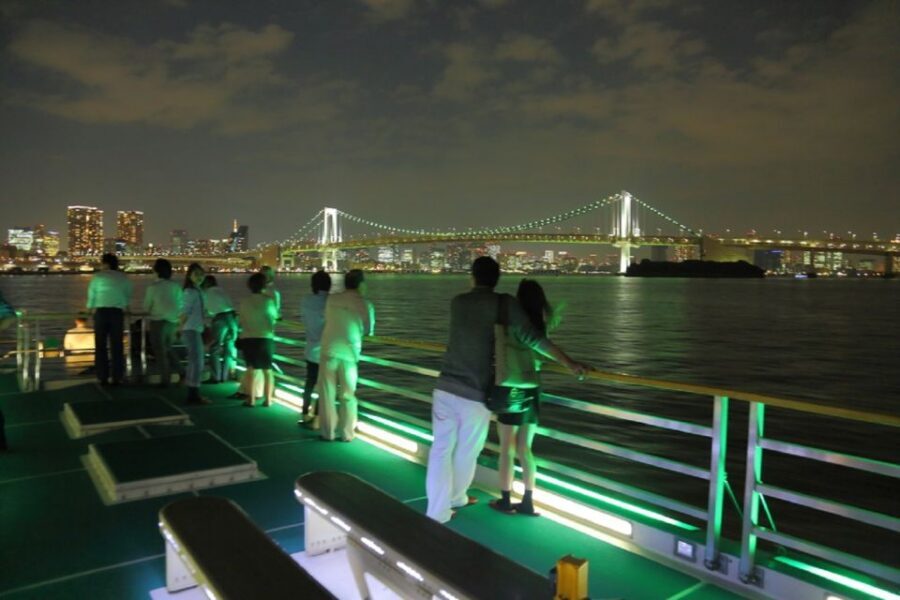
This cruise follows a route that usually includes Tokyo Bay and the Sumida River, with sights aimed toward Skytree and toward Rainbow Bridge and Odaiba. The operator notes that the route can change based on conditions, so treat the exact path as flexible.
Here’s what you’re trying to catch, and why it’s worth planning your camera:
- Tokyo Skytree at night: This is one of the easiest landmarks to photograph well because it’s tall and brightly lit. The boat’s top deck/observatory area is your friend here.
- Rainbow Bridge: It looks especially good with the water reflections and the contrast of dark sky plus glowing structure.
- Odaiba views: The waterfront and modern skyline look sharp from the water, especially after dark when the buildings are lit consistently.
Also, don’t ignore the small operational detail that makes a difference: the boat tends to stop at photo points, and staff often help with group photos. You’ll typically have chances to go up to the roof/observatory deck during these stops, which is where you can get photos that don’t look like they were taken through glass or from too low an angle.
A practical tip: wear a light layer. Even in Tokyo, nighttime on the water can feel cooler than you expect.
The yakatabune dining room: how the meal actually works
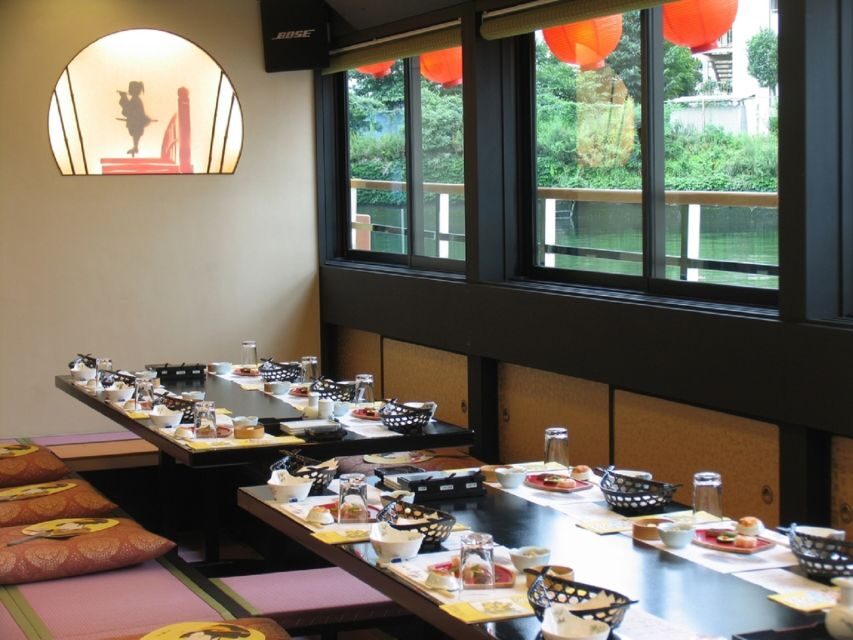
The dining setup is part of the experience. The main dining area is fully air-conditioned, so you’re not stuck cooking yourself on humid evenings. You can sit in a more Western style with chairs, or you can sit low at a table positioned over a floor opening (it’s a traditional Japanese layout that looks unique in motion and still feels comfortable).
The dinner is a course meal of Japanese-style dishes freshly prepared for the day. The flow is designed around ongoing service, not a single “wait and then eat everything at once” situation. That rhythm is what makes the evening feel generous.
Your dinner course typically includes:
- appetizers (including shikidashi, vegetables, and kobachi)
- a sashimi boat
- fresh tempura
- a seasonal rice dish
- vegetables (konomono)
- salad
- noodles (shime no men)
- dessert
A standout detail is how tempura is handled. Several people describe it as freshly prepared and served in a way that keeps it coming while it’s at its best—so you’re not stuck with one warm plate that gets soggy. This matters on a boat, where timing can easily go off. Here, the service aims to keep the food hot, crisp, and consistent.
There’s also a helpful layer for non-Japanese diners: many tables come with labels in English that guide you on things like how to enjoy certain items (for example, pairing sauce with sashimi). You may still miss out on some spoken explanations, but you won’t be totally guessing.
If you’re a seafood fan, you’ll likely be in heaven. Fish is a major theme, and it’s not treated like a tiny garnish.
Dietary needs: the one limitation you should not ignore
The cruise states that dinner cannot be catered for dietary requirements. That means if you need specific allergy handling, or strict religious or medical restrictions, you’ll want to think hard before booking.
If you’re traveling with dietary needs, your safest move is to choose another plan where the kitchen can customize meals. On this cruise, the menu is set.
Unlimited drinks: what’s included and how to enjoy it calmly
The all-you-can-drink part of this evening is a big value driver. You’re not paying drink-by-drink prices while you’re already paying for a full dinner and skyline views.
Included drinks:
- beer
- shochu
- Japanese sake
- wine
- whiskey
- plum liqueur
- soft drinks
One operational detail makes it easy to keep the party going without awkward waiting: several people describe scanning a bar code and then getting drinks quickly. That’s a simple system, and it helps when you’re busy eating and don’t want interruptions.
My practical advice: pace yourself. It’s easy to stack sake and highballs while the boat is moving and the night air makes you feel refreshed.
If you want to taste something distinctly Japanese, try the plum liqueur. People consistently describe it as sweet, so it’s an approachable choice if you’re not sure about heavier spirits.
Meeting other diners on a traditional boat: sharing tables and group size
This cruise is popular, so the seating can be social. There’s a possibility of sharing a table with other guests, up to 6 people at a table.
That can be fun. You’ll likely meet people who are equally excited about the view and the food, and the atmosphere can feel lively even if you don’t share a language.
It can also be awkward if you prefer quiet, private dining. If that’s you, consider whether you’d be comfortable sharing a table arrangement even when you’re there for a romantic night or a calm family meal.
Also note: the staff are there to keep things moving. Even when language is a barrier, people report that the crew works hard to make sure orders and instructions land clearly.
Language reality check: what you’ll understand even if Japanese isn’t your thing
Here’s the honest situation: this experience may include commentary and information that are mostly in Japanese. That’s not a deal-breaker because the boat stops for photo moments and the dining is visual and structured.
What helps a lot:
- You can enjoy the scenery without needing a speech to understand it.
- You’ll have table labels for dining guidance.
- Staff are often willing to help quickly with practical questions, including when to go up top for photos and how to order drinks.
So if you want full spoken explanations of every landmark, you might feel a gap. But if you’re happy with the “see it, eat it, photograph it” format, you’ll still get a satisfying evening.
A good rule: treat it like a Japanese dinner experience first, and the commentary as an extra.
Weather, rain, and route changes: how to plan your expectations
The cruise operates in rain, but it isn’t meant for extreme events. You won’t go if there’s an issue like a major storm or other serious emergency situation. If the cruise is canceled, you’ll be contacted by email.
The route is also subject to change. That’s normal for water travel in a city with traffic, tides, and operating conditions.
The takeaway for you: pack for flexibility.
- Bring a light rain layer or compact umbrella (and keep electronics protected).
- Keep your plans open for the possibility that you might see the landmarks from slightly different angles than you expected.
Rain can actually improve photos by adding reflections on the water.
Who this cruise is best for (and who should skip it)
This tour fits best if you want:
- Tokyo at night without the hassle of multiple transport stops
- a classic Japanese dining experience with a set course menu
- a drink-included evening where you can relax and not calculate costs every round
- a family-friendly plan with a lively, local-feeling atmosphere
It also works well for groups of mixed ages. People mention it as a memorable way to end a trip, even when there are teenagers in the mix.
You might not love it as much if:
- you need dietary customization (the dinner cannot be catered for dietary requirements)
- you strongly want detailed English commentary while moving through the sights
- you hate sharing a table arrangement
One more consideration: it starts in the early evening and runs about 3 hours. That’s a good “final night in Tokyo” activity, but it’s also something to fit into your schedule before you run out of energy for dinner and drinks elsewhere.
Price and value: is $108 worth it?
At $108 per person for a 3-hour cruise, you’re paying for three things at once:
- the boat experience and night views,
- a full multi-course dinner,
- unlimited drinks during the cruise.
In Tokyo, even one of those items can cost real money. The value here comes from getting them bundled together. If you were going to do a paid sightseeing activity plus a nice dinner plus multiple drinks, this format can feel like the smarter use of your evening.
The value is especially strong if you’re drink-included confident. If you don’t drink at all, the price still covers the cruise and dinner, but the “unlimited” portion won’t matter to you.
For most people, though, this is one of the easier “yes” decisions: you know what you’re getting, and you’re not stuck planning logistics while hungry.
Should you book this Tokyo Bay yakatabune dinner cruise?
Book it if you want an evening that’s equal parts scenery + Japanese dinner + included drinks, and you’re okay with the menu being fixed and set for the group.
Skip or switch plans if you have strict dietary needs, or if you need fully English guided narration of every sight. This isn’t built like a private tour with tailored explanations. It’s built like a traditional, social dinner cruise.
If you’re the kind of traveler who enjoys eating while watching landmarks light up, you’ll probably feel like this was money well used.
FAQ
Where is the meeting point for the cruise?
You meet at the Funasei Boat Pier in Shinagawa-Ku.
What time does the cruise depart?
Departure is usually between 5:00 PM and 6:30 PM, depending on date and weather. The confirmed time is shared by email separately.
How long is the yakatabune dinner cruise?
The duration is about 3 hours.
Is hotel pickup included?
No. Hotel pickup and drop-off are not included.
Is the cruise canceled if it rains?
The cruise operates in rain. It would be canceled only under special circumstances (for example serious storm conditions), and you’d be contacted by email if canceled.
Can they accommodate dietary requirements?
No. The dinner cannot be catered for dietary requirements.
Is drinks and dinner included in the price?
Yes. The cruise includes the yakatabune ride, a Japanese dinner, and unlimited drinks such as beer, shochu, Japanese sake, wine, whiskey, plum liqueur, and soft drinks.
Cruises & Boat Tours, compared.
 ★ 4.0Mt Fuji & Hakone Cruise, Drum Show Bullet Train 1 Day from TokyoFrom $1497,413 reviews
 ★ 4.4Tokyo Mt Fuji 5th St & Hakone Cruise Bus Tour w/Bullet TrainFrom $1545,024 reviews
 ★ 4.7Meiji Shrine, Asakusa, Skytree Bus Tour and CruiseFrom $1221,986 reviews
 ★ 4.0Mt Fuji & Hakone Cruise, Drum Show Bus 1 Day from TokyoFrom $1221,287 reviews
 ★ 4.6Sumida River: Japanese Traditional Yakatabune Dinner CruiseFrom $103779 reviews
 ★ 4.2Hakone Fuji Day Tour w/ Cruise, Cable Car, VolcanoFrom $98724 reviews
 ★ 4.5Dynamic Tokyo: Tokyo Tower, Tea Experience, Bay Cruise Day TourFrom $99521 reviews
 ★ 4.5Tokyo Bay Yakatabune Dinner/Day Cruise with Japan Show and DrinksFrom $65473 reviews
Browse the lists this tour appears in