
Reviewed · ASAKUSA TOURS
Asakusa Traditional Experience
Asakusa has a plan for your hands. You start at Senso-ji and walk through the old-Asakusa lanes with a local guide who explains what you’re seeing, not just where to go. I really like how the story connects temple layout, history, and everyday street life in one smooth loop.
Next comes Nakamise-dori, where you can browse and snack at your own pace while your guide gives context for the things people buy there. And I love the ending: making your own Edo kiriko piece, where you design a pattern and cut it yourself.
One drawback to know up front: the glass-crafting workshop has a separate fee (not included), and the shopping streets around Senso-ji can feel crowded, especially near peak walking times.
In This Review
- Quick hits
- Asakusa Traditions You Can Actually Touch
- Senso-ji: Where Tokyo’s Old City Still Shows Up
- Nakamise-dori: Souvenirs, Snacks, and What They Mean
- Sumida Edo Kiriko: Cutting Your Own Glass Pattern
- Price and Value: What You’re Really Paying For
- Timing, Meeting Point, and How to Make the Most of 4 Hours
- Who This Tour Fits Best (and Who Might Skip It)
- Should You Book Asakusa Traditional Experience?
- FAQ
- Where is the tour meeting point?
- How long is the tour?
- What does the price include?
- What’s not included in the tour?
- Is it a private tour?
- Can I cancel for a full refund?
Quick hits
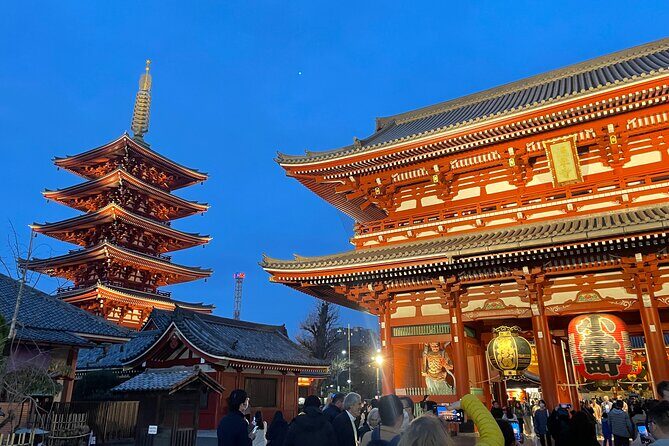
- Senso-ji first: Tokyo’s oldest temple area sets the tone for the whole afternoon
- Nakamise-dori shopping with context: you’ll understand what you’re looking at while you browse
- Edo kiriko cut-glass workshop: design your pattern and cut it in about 90 minutes
- Private group format: up to 5 people, so the guide can keep things moving
- Free entry for the temple stop: you spend money where it matters—mostly on the crafts and snacks
- Mobile ticket: easier day-of check-in than paper forms
More mornings around Senso-ji and the old town
- Tokyo: Japanese Dance Cabaret Theater Asakusa-Kaguwa Ticket★ 4.8 · 2,270 reviews
- Tokyo: Asakusa Walking Tour with Sensoji Temple Visit★ 4.8 · 1,583 reviews
- Tokyo Asakusa Rickshaw Tour★ 5.0 · 1,375 reviews
Asakusa Traditions You Can Actually Touch
This tour works because it blends three different kinds of “Japan you can experience.” You get a sacred landmark at Senso-ji, a street for everyday culture and shopping at Nakamise-dori, and then a hands-on craft at Sumida Edo Kiriko Kan. It’s the kind of sequence that helps you avoid the common problem of “I saw a temple, took photos, and left.”
I also like that the time blocks are clear. You’re not rushed through everything, and each stop has a purpose. That matters in Asakusa, where you can easily lose an hour just wandering the souvenir lanes.
Finally, this is built for people who want more than a checklist. A good guide makes the details click—things like why the temple grounds look the way they do, and what specific local crafts actually are.
Senso-ji: Where Tokyo’s Old City Still Shows Up
You begin at Kaminari mon in Asakusa, the gateway that puts you right into the Senso-ji area. From there, you spend about an hour walking through the temple grounds and absorbing the feel of an older Tokyo. Senso-ji’s completion date—dating back to 645—gives you a strong sense of time depth as soon as you arrive.
What makes the stop valuable is the way the guide helps you read the space. You’ll get explanations tied to the temple’s architecture and the Edo-era feel of the surrounding area, so you don’t just stare at buildings. You’ll also learn little facts that make photos more than souvenirs, because you’ll understand what you’re capturing.
Practical tip: plan your photos for a few “quiet minutes.” Even when the area is busy, you can step to the side and catch cleaner angles. If you’re buying anything later on, it’s smart to decide after you’ve seen the temple first, since Nakamise-dori is where many impulse buys happen.
One more small plus: this stop’s admission is free. You still spend time, but you’re not stacking costs on top of costs right at the start.
Nakamise-dori: Souvenirs, Snacks, and What They Mean
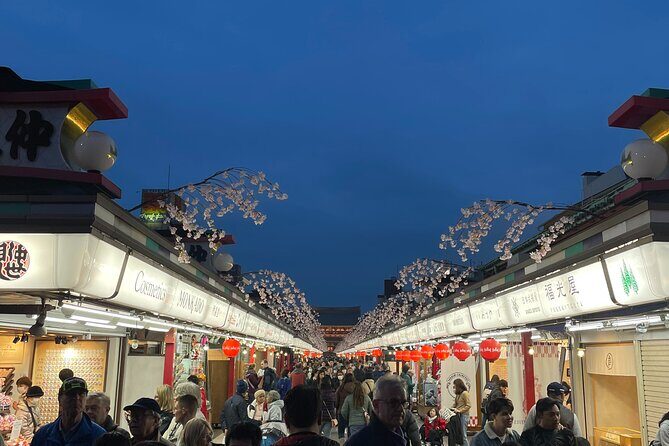
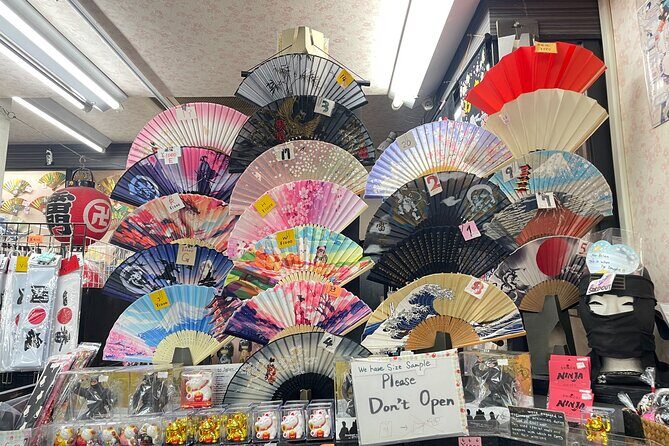
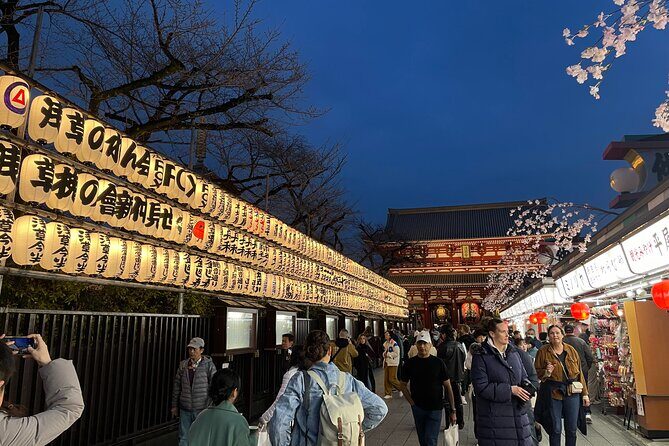
After Senso-ji, you move to Nakamise-dori, the classic shopping street that runs right off the temple approach. It’s short enough to feel doable in an hour, but long enough to create choices. Your guide helps you spot the traditional items sold there—things like folding fans, yukata-related goods, and classic snacks.
This isn’t just retail therapy. The context is what turns the browsing into a cultural experience. When you understand what the items represent (and why they’re sold in this exact area), it’s easier to pick something you’ll actually use after the trip.
In practice, you’ll have time to stroll and browse at a relaxed pace. This is the part of the tour where you’ll likely stop for snacks, though you should budget extra if you want to eat. The tour info lists snacks at Nakamise-dori as not included, so you control that spend.
A good strategy here: do your window-shopping first, then come back to pick 1–2 items you truly want. Nakamise-dori has plenty of attractive stuff, but it’s easy to carry more than you planned once you start comparing sizes and designs.
Sumida Edo Kiriko: Cutting Your Own Glass Pattern
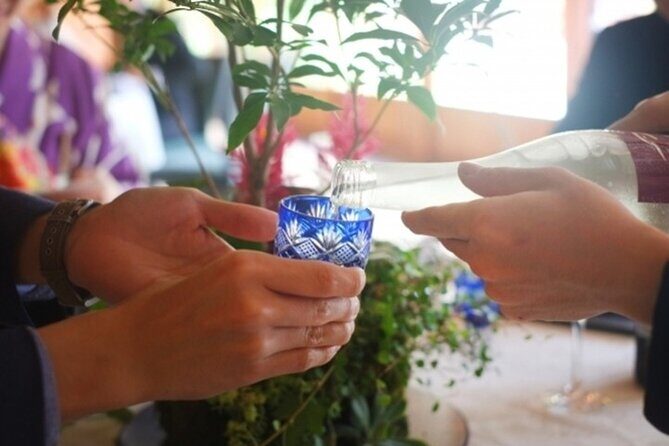
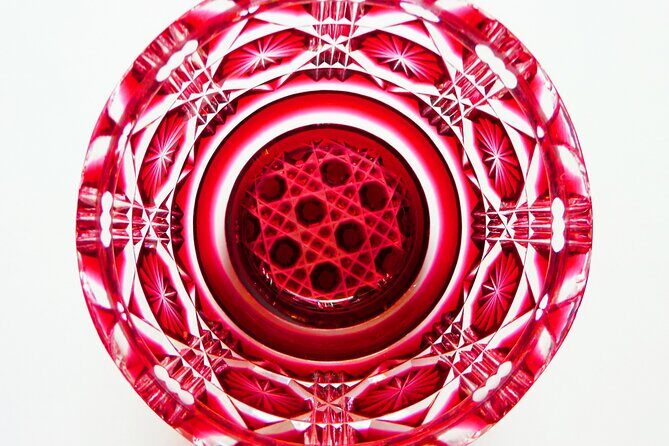
The tour ends with the highlight craft: Edo kiriko cut-glass. This style comes from Edo-era traditions, and at Sumida Edo Kiriko Kan you get the chance to make your own piece. You spend about 90 minutes designing and cutting a pattern, and it’s structured enough that you’re not just watching someone else work.
Here’s why I think this part is worth paying extra for. Shopping gives you objects. Crafting gives you a memory tied to your own effort. You’ll leave with something you helped create, and that changes how you talk about it later.
The workshop itself is not included in the base price. The listed workshop fee is 4,950 JPY, so if you’re pricing this trip, you’ll want to include it in your total. There’s also a wagashi making experience listed separately at 1,800 JPY, which suggests you may have an opportunity to add something sweet if it’s offered that day and your schedule allows. Just know it’s a separate cost.
What to expect during the workshop: you’ll design a pattern, then cut your pattern into the glass. Even if your fine-motor skills are average, the activity is guided and time-bounded, so you’re not stuck for hours.
Practical tip: wear sleeves that are comfortable and easy. You want to focus on the task, not on adjusting your outfit every few minutes. If you’re bringing a small bag, keep essentials accessible—your hands will be busy once cutting starts.





Price and Value: What You’re Really Paying For
At $142.84 per group (up to 5 people), this is priced like a private experience built around three distinct moments. The tour guide cost is included, and key sights like Senso-ji are free for your time inside. That combination helps the overall value, because you’re not buying expensive entry tickets on top of the guide.
But the tradeoff is clear: the craft workshop is extra. The base price covers the guide and the guided experience flow, while the Edo kiriko workshop fee (4,950 JPY) and snacks are separate. If you want a strict all-in budget, plan for those added costs early rather than hoping souvenirs or snacks will stay low.
Also, “up to 5” matters. If you’re traveling solo, you’re still paying the group price, so you’ll want to compare this with other options that might be cheaper for individuals. If you have two to four people in your group, the math improves quickly, because you share the guide cost.
My take: the value is strongest for people who want a guide-led cultural walk plus a hands-on craft. If your goal is only to wander temple streets and shop freely, you could do it on your own. But if you like having context and ending with something you made, the structure pays off.
Timing, Meeting Point, and How to Make the Most of 4 Hours
The tour starts at 10:00 am and runs about 4 hours total, including travel time. You’ll meet at Kaminari mon 2-chōme-3-1, Asakusa, Taito City, Tokyo 111-0032. The tour ends back at the meeting point, so you’re not trying to navigate the neighborhood with a schedule still open.
This kind of timing is smart in Asakusa. Morning gives you better odds of smoother walking near the temple approach. Still, even at 10:00, the area can be busy at certain points, so it helps to be flexible and not fight the crowd.
Mobile ticket use is also a practical win. Day-of check-in tends to go faster when you’re not hunting for printed confirmation.
Pack light if you can. You’ll likely buy small items on Nakamise-dori, and you’ll also come home with your glass craft after the workshop. You don’t want your hands full when you’re trying to move between stops.
A small planning tip: set a simple goal for Nakamise-dori. For example, pick one snack you want and one souvenir you’ll actually keep. That prevents the usual “I’ll decide later” spiral.
Who This Tour Fits Best (and Who Might Skip It)
I’d book this if you like a guided walk and you want a real activity at the end. The combination of Senso-ji + Nakamise-dori + Edo kiriko cutting suits people who enjoy culture in layers: sacred space, everyday street life, then a made-by-you craft.
It’s also a good fit for small groups. Private format with up to 5 people generally keeps things calmer and easier to manage in a busy neighborhood.
Consider a skip if you only want free self-guided time. You could see Senso-ji and walk Nakamise-dori without paying for a guide, and you might be okay with buying crafts instead of crafting. But if you value explanations and the workshop experience, this tour gives you that structure.
If you’re the type who likes chatting with the guide and asking questions, you’ll probably get more out of it. The experience is set up so the guide can point out details and keep your stops moving.
Should You Book Asakusa Traditional Experience?
Yes, if your trip has room for a guided morning in Asakusa and you want one memorable takeaway you helped create. The free temple time, the focused street stroll, and the craft workshop blend into a day plan that feels intentional instead of random.
Book with a clear budget in mind: the tour price includes the guide, but you’ll want to account for the Edo kiriko workshop fee and any snacks you buy. If you’d rather spend your money on shopping instead of making glass, you might prefer a different type of tour.
If you want the most from it, go in with two things ready: a willingness to ask questions, and a plan for what kind of souvenir you want to end up with. Then you’ll leave Asakusa with stories you can actually explain.
FAQ
Where is the tour meeting point?
The meeting point is Kaminari mon 2-chōme-3-1 Asakusa, Taito City, Tokyo 111-0032, Japan.
How long is the tour?
It’s about 4 hours total, and this includes travel time.
What does the price include?
The price includes the tour guide cost. Senso-ji admission is free for the temple stop, but the Edo kiriko workshop fee is not included.
What’s not included in the tour?
Not included are snacks at Nakamise-dori, the Edo kiriko workshop (4,950 JPY), and the wagashi making experience (1,800 JPY).
Is it a private tour?
Yes. This is private, and only your group participates. The group size is up to 5.
Can I cancel for a full refund?
You can cancel for a full refund if you cancel at least 24 hours before the experience’s start time. Changes made less than 24 hours before the start time are not accepted.
More Tour Reviews in Tokyo



Around Senso-ji: More Asakusa Picks


Fresh reviews from around Tokyo






Asakusa Tours, compared.
 ★ 4.8Japanese Dance Cabaret Theater Asakusa-Kaguwa TicketFrom $492,270 reviews
 ★ 4.7Meiji Shrine, Asakusa, Skytree Bus Tour and CruiseFrom $1221,986 reviews
 ★ 4.8Asakusa Walking Tour with Sensoji Temple VisitFrom $221,583 reviews
 ★ 5.0Tokyo Asakusa Rickshaw TourFrom $421,375 reviews
 ★ 4.5Tokyo Panoramic 1 Day: Meiji Shrine, Asakusa, Odaiba and SKYTREE®From $851,222 reviews
 ★ 4.8Samurai Ninja Museum Asakusa: Samurai Sword Lesson & TourFrom $63306 reviews
Asakusa Sightseeing Tour by RickshawFrom $35195 reviews
Asakusa Kimono Dressing and Matcha ExperienceFrom $56173 reviews
★ 4.8Samurai Ninja Museum Asakusa: Samurai Sword Lesson & TourFrom $63306 reviews
Asakusa Sightseeing Tour by RickshawFrom $35195 reviews
Asakusa Kimono Dressing and Matcha ExperienceFrom $56173 reviews
Browse the lists this tour appears in