
Getting dressed in Asakusa is a shortcut to fun. This experience turns the usual Senso-ji stroll into a full kimono moment, with multiple kimono styles (including lace looks) plus optional Japanese hair and light makeup. I like that the process is built for speed and comfort, so you spend more time walking around the old-street feeling around Kaminari-mon and Nakamise. I also really like the location: you’re close enough to Asakusa Station that getting there feels easy, and Senso-ji is basically around the corner.
One consideration: you’ll want to plan around good weather, since the experience is weather-dependent. Also, while kimono dressing and basic styling are included, extra photo services are not, so budget for upgrades only if you really want them.
In This Review
- Key things I’d mark on your plan
- Why Asakusa Kimono Time Works So Well for First-Timers
- Price and Value: What $31.30 Really Buys You
- Getting There: The Easy Start at Hanakawado
- Choosing Your Kimono: From Classic to Lace and Kids’ Looks
- The Dressing Service: How You Get a Proper Fit Fast
- Hair and Makeup Options: Basic Included, Upgrades for a Polished Finish
- Accessories and Props: Small Extras That Make a Big Photo Difference
- Exploring the Senso-ji Area After You’re Dressed
- Photo Upgrades: When You Might Want Extra Help
- Kids, 753 Moments, and Family-Friendly Planning
- Luggage and the Return to Base
- Comfort Reality Check: What to Watch Before You Choose Lace or Geta
- Who Should Book Makigawa Kimono Rental Makigawa
- Should You Book This Asakusa Kimono Experience
- FAQ
- FAQ
- How long does the Asakusa Kimono Rental Makigawa experience take?
- What is included in the price?
- What kimono styles are available?
- Can I get a hairstyle upgrade or special styling for kids?
- Where do I meet for the rental?
- Is the experience suitable for people who don’t speak Japanese?
Key things I’d mark on your plan
- 1-minute walk from Asakusa Station: low stress start, fast switch from train to kimono.
- Kimono variety that goes beyond basics: Komon, Furisode, hakama, kids’ Shichi-Go-San options, and trendy lace styles.
- Professional dressing plus Obi adjustment: you’re not left wrestling with fit and ties.
- Free props for photos: easy wins for Instagram and Xiaohongshu-style shots.
- Basic hairstyle included, upgrade available: you can keep it simple or add cherry blossom accessories and a more elegant look.
- Max group size of 20: small enough to feel handled, not shuffled.
More mornings around Senso-ji and the old town
- Tokyo: Japanese Dance Cabaret Theater Asakusa-Kaguwa Ticket★ 4.8 · 2,270 reviews
- Tokyo: Asakusa Walking Tour with Sensoji Temple Visit★ 4.8 · 1,583 reviews
- Tokyo Asakusa Rickshaw Tour★ 5.0 · 1,375 reviews
Why Asakusa Kimono Time Works So Well for First-Timers
Asakusa already pulls you in with its lanterns, snack stalls, and temple approach. What Makigawa adds is the visual shift that makes the whole area feel like a different era. When you’re in kimono, the streets near Senso-ji and Kaminari-mon don’t just look historic. They feel like the setting you came for.
I like the way the experience doesn’t treat kimono like a costume you put on and forget. The setup includes real guidance: choosing your look, getting dressed by staff, and finishing details like your Obi belt adjustment so it sits right.
You also get a practical payoff: once you’re done, you’re free to walk and take photos around the area at your pace, with staff having already handled the hardest part—getting you properly dressed. For a short trip to Tokyo, that matters.
Price and Value: What $31.30 Really Buys You
At about $31.30 per person for roughly a 2-hour block, this isn’t a “brief photo moment” type of deal. You’re paying for the full service: kimono rental, professional dressing, and basic hairstyle work, plus Japanese photo props. That’s a lot more than just renting fabric.
Here’s the value angle I’d watch for: kimono rentals elsewhere often leave you to figure out fit basics yourself, and hairstyle can be extra. Makigawa includes basic hairstyling and dressing help in the main price, which makes the cost feel more predictable. It also helps if you’re traveling with kids, because the dressing process can be the whole challenge.
Also note what’s not included: additional photography services. If you want upgraded pro photos, that’s an option, but it’s your choice—not a surprise in the middle of the experience.
Getting There: The Easy Start at Hanakawado
Your meeting point is in the Tokyo Taito City area near Asakusa, at Hanakawado 1-chōme by the Satellite Fuji Building (a Japanese address with a clear street presence). The big win is the timing stress disappears: you’re close to public transit, and the walk to Senso-ji is short once you’re done.
Why I think the meeting point location matters: kimono rentals go smoother when you’re not rushing. With a start time you need to hit, being near Asakusa Station is a real quality-of-life improvement. After all, you don’t want your first kimono minutes to be a sprint.
The experience ends back at the meeting point, which makes the whole thing feel like a contained plan, not a wandering scavenger hunt.
Choosing Your Kimono: From Classic to Lace and Kids’ Looks
One of the most fun parts is the selection. Makigawa offers a range of traditional options, including Komon, Furisode, hakama, and kids’ styles for Shichi-Go-San. There are also lace kimono choices that feel more modern—exactly the kind of outfit that looks sharp in photos without trying too hard.
If you’re bringing a teenager or adult who wants something more current, the lace option is the obvious reason to pick this shop. If you’re aiming for a classic temple-visit look, the traditional kimono options do that job cleanly.
For families, the variety matters even more. Having kid-appropriate styles and special 753 hairstyle support means the plan doesn’t turn into a compromise where the adults get the nice look and the kids get whatever fits. You can also pick your accessories to match the kimono, which is part of why the final look feels intentional.





The Dressing Service: How You Get a Proper Fit Fast
The core experience flows like this: arrive at your reserved time, welcome at reception, pick your kimono, then get help from a professional dresser. The dresser adjusts the kimono and works on your Obi belt so the fit is comfortable enough for walking and photos.
This is the part I’d prioritize, even if you already know how to dress. The staff setup removes the two biggest pain points: figuring out the right positioning and worrying whether your outfit will loosen mid-walk.
You also get to choose your accessories, including items like handbags and wooden sandals (Geta). These details matter because they complete the look. They also change how you move, so it’s better to have staff help you get the full set working together.
The overall timing is about two hours, and the structure feels designed to keep you from waiting around for long stretches.
Hair and Makeup Options: Basic Included, Upgrades for a Polished Finish
Hair styling is built into the experience. Basic Japanese hairstyle is included, and you can upgrade to a more elegant hairdo with cherry blossom accessories. There’s also mention of special 753 kids’ hairstyles plus Geisha/Maiko makeup options.
What that means for you in plain terms: you can keep it simple if you just want the look and get walking quickly, or you can go full “photo-ready” for the temple area. The option structure is helpful because it lets each person in a family choose a level that matches their comfort and budget.
If you care about authenticity in photos, the hairstyle piece is often the difference between a kimono outfit and a real traditional look. This package treats hair as part of the outfit, not an afterthought.
Accessories and Props: Small Extras That Make a Big Photo Difference
Once you’re dressed, you’ll have props for photos. That’s the kind of detail that turns “some pictures in front of Senso-ji” into more styled, playful images. It also helps if you’re traveling with a friend or family member and don’t want to constantly ask strangers to take your picture.
You can also select traditional accessories like handbags and geta. Even if you don’t know what pairs well, staff support during selection and fitting helps you avoid the look that feels slightly off.
If you’re planning to post on Xiaohongshu or similar platforms, the combination of kimono + accessories + props is exactly what creates that finished aesthetic without needing fancy equipment.
Exploring the Senso-ji Area After You’re Dressed
After dressing, you’re set for exploring around the Senso-ji Temple area, including the streets near Kaminari-mon and Nakamise. There’s also mention of Sumida Park nearby, which is a nice option if you want a less crowded walking stretch depending on the day.
The big advantage here is time use. You’re not paying for a guide walking you through a museum. You’re paying for the transformation that makes your walk around a major Tokyo sight feel different. With kimono on, the experience becomes something you wear into the day.
A practical note: you’ll want comfortable walking time. Sandal footwear and the kimono silhouette can change your stride, so take it slow at first while you get used to it. The experience is designed for strolling and photos, so just treat it like a casual walk plan rather than an intense sightseeing sprint.
Photo Upgrades: When You Might Want Extra Help
In the main package, photography upgrades aren’t included. That means if you want extra photos beyond what you can do with props and your group, you’d look at the pro photography upgrade option that’s available.
When is it worth it? If you’re the person who usually ends up behind the camera, pro photos can be a way to guarantee you actually get in the shots. If you’re more relaxed and happy with phone photos, you probably won’t need upgrades.
Either way, plan around your photos early. Once you’re dressed, you’ll be ready to shoot immediately, and the streets around Senso-ji can get crowded later in the day.
Kids, 753 Moments, and Family-Friendly Planning
I really appreciate the way this experience addresses kids’ needs, not just adults. There are special mentions for 753 kids’ hairstyles, plus the ability to choose kimono styles for kids as part of family plans.
For families, the hardest part of kimono day is usually the logistics of getting everyone dressed correctly while keeping the kids calm enough to cooperate. A professional styling service and kids-specific options remove a lot of that stress. It also makes the day feel fair—kids get a meaningful outfit and hairstyle, not just something borrowed.
If you’re traveling with a 12-year-old or younger child, this is the kind of activity that can turn a temple visit into a story you’ll both remember, because the outfit and hair style are part of the moment itself.
Luggage and the Return to Base
You’ll have luggage storage, which is a big practical win in Tokyo. Once you’ve got the outfit on, you don’t want to be juggling bags while trying to enjoy Nakamise street and shop stops.
And when you finish, the activity ends back at the meeting point. That makes the day feel tidy: you know where to go when you’re done, and you don’t have to guess about where to return anything after your walk.
If you’re trying to fit this into a broader Tokyo itinerary, luggage storage makes it easier to keep your day moving without carrying extra weight.
Comfort Reality Check: What to Watch Before You Choose Lace or Geta
Kimono day is fun, but it’s still a clothing-and-footwear situation. Lace kimono looks great, but make sure you’re choosing something that you feel comfortable moving in for a two-hour block and a stroll afterward.
Geta sandals also change your walking rhythm. Staff can help you with the basics during dressing, but you’ll still want to keep your first steps slow while you adjust. If you’re sensitive about footwear, plan for short breaks while you wander.
Also remember: the experience requires good weather. If you’re visiting in a rainy season window, have a backup plan for the day. That weather dependency is worth taking seriously because it affects whether you actually get to enjoy the street-walk part.
Who Should Book Makigawa Kimono Rental Makigawa
This is a strong fit if you want:
- A classic Tokyo sight day that also includes a hands-on cultural outfit experience
- A kimono rental with staff dressing help, not just self-rental
- A plan that works for couples, families, and kids with special hairstyle options
- Trend-friendly kimono choices, including lace styles that photograph well
It’s less ideal if you want a long guided tour across many neighborhoods. This is mostly a service-first plan, then you stroll. If your idea of Tokyo is constant movement with lots of stops and long transit time, you might pair this with a different activity rather than expecting it to be your whole day.
Should You Book This Asakusa Kimono Experience
Yes, I’d book it if you’re aiming for the easiest path to a true kimono-wearing day near Senso-ji. The package feels designed around what most people actually need: a professional dressing setup, hairstyle included, a near-station location, and enough time to walk and take photos afterward.
I’d only hesitate if you’re visiting with very unstable weather or you’re uncomfortable with the idea of walking in kimono and geta. For most people, though, the balance of service, location, and included styling makes it a practical way to add real texture to your Asakusa day.
FAQ
FAQ
How long does the Asakusa Kimono Rental Makigawa experience take?
The duration is about 2 hours.
What is included in the price?
The package includes kimono rental, professional kimono dressing service, basic hairstyling, and Japanese props.
What kimono styles are available?
You can choose from traditional kimono options such as Komon and Furisode, plus lace kimono and hakama. There are also options for kids, including Shichi-Go-San styles.
Can I get a hairstyle upgrade or special styling for kids?
Basic Japanese hairstyle is included, and you can upgrade to an elegant hairdo with cherry blossom accessories. There are also special 753 kids’ hairstyles, plus Geisha/Maiko makeup options mentioned.
Where do I meet for the rental?
The meeting point is at Japan, 111-0033 Tokyo, Taito City, Hanakawado, 1-chōme52 サテライトフジビル. The activity ends back at the meeting point.
Is the experience suitable for people who don’t speak Japanese?
Support is available in Japanese, Chinese, and English.
More Tour Reviews in Tokyo



Around Senso-ji: More Asakusa Picks
Fresh reviews from around Tokyo






Asakusa Tours, compared.
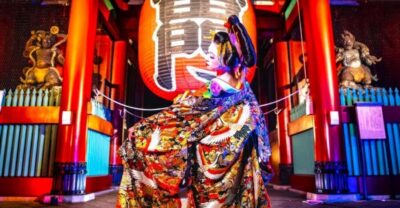 ★ 4.8Japanese Dance Cabaret Theater Asakusa-Kaguwa TicketFrom $492,270 reviews
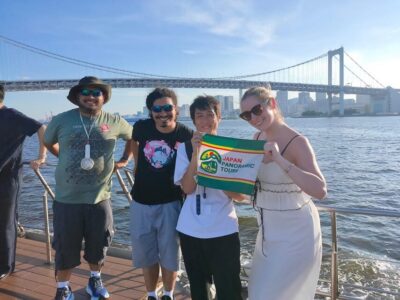 ★ 4.7Meiji Shrine, Asakusa, Skytree Bus Tour and CruiseFrom $1221,986 reviews
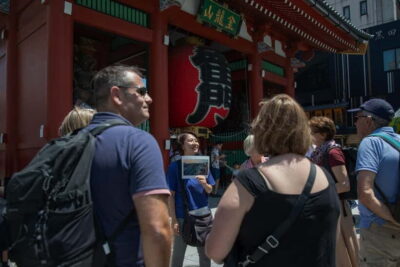 ★ 4.8Asakusa Walking Tour with Sensoji Temple VisitFrom $221,583 reviews
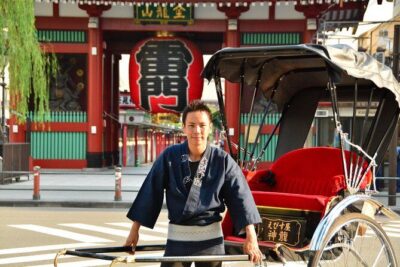 ★ 5.0Tokyo Asakusa Rickshaw TourFrom $421,375 reviews
 ★ 4.5Tokyo Panoramic 1 Day: Meiji Shrine, Asakusa, Odaiba and SKYTREE®From $851,222 reviews
 ★ 4.8Samurai Ninja Museum Asakusa: Samurai Sword Lesson & TourFrom $63306 reviews
Asakusa Sightseeing Tour by RickshawFrom $35195 reviews
Asakusa Kimono Dressing and Matcha ExperienceFrom $56173 reviews
★ 4.8Samurai Ninja Museum Asakusa: Samurai Sword Lesson & TourFrom $63306 reviews
Asakusa Sightseeing Tour by RickshawFrom $35195 reviews
Asakusa Kimono Dressing and Matcha ExperienceFrom $56173 reviews
Browse the lists this tour appears in