
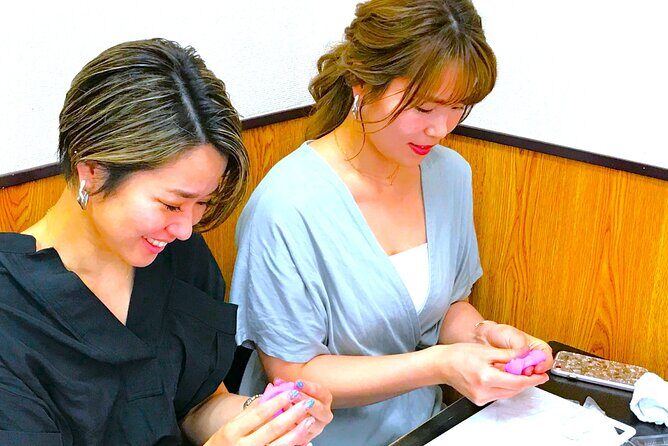
Reviewed · TEA CEREMONY EXPERIENCES
A perfect Japanese experience: Tea Ceremony and Mochi Forming
Wagashi feels like art class. In this Tokyo workshop, you’ll learn Nerikiri wagashi (mochi-flour sweets) in a century-old antique store setting, not a generic classroom. The vibe is part craft studio, part quiet tea moment, and it all centers on seasonal sweets.
I really like two things here. First, you get a hands-on session forming colorful dough in a way that feels like clay work, guided by a Wagashi chef. Second, the tea ceremony is built into the experience, with you eating what you made and then trying real matcha.
One thing to consider: the host is described as a Japanese artisan who may not speak much English. You’ll still be guided, but go in with a flexible attitude, and don’t count on huge explanations. Also, plan for the sweets you make to be best within a short window—these works are said to last only about two days if kept refrigerated.
In This Review
- Key highlights you’ll care about
- A century-old antique store for Nerikiri and tea
- Nerikiri dough: the wagashi “mochi flour” lesson
- Forming the seasonal sweets (and why it’s more than a hobby)
- Tea ceremony in a dedicated room (with your own wagashi)
- What you take home (and how to store it)
- Price and time: does $55.38 make sense in Tokyo?
- Who should book this wagashi and tea ceremony class?
- A practical plan for your Tokyo timing
- Should you book it?
- FAQ
- How long is the tea ceremony and Nerikiri wagashi class?
- How much does it cost?
- Do I need to bring anything?
- What exactly is Nerikiri?
- Is the tea ceremony included, or is it separate?
- How many people are in the group?
- Is there an age limit?
- What if I arrive late?
- Will the sweets keep for long?
- Is this experience refundable if I cancel?
Key highlights you’ll care about
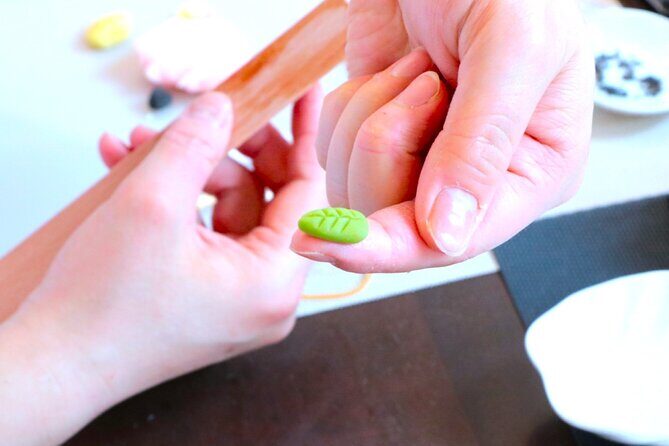
- Nerikiri made from mochi flour with sculpting-style forming
- Seasonal sweets taught in multiple styles (four styles are part of the class)
- Tea ceremony included with matcha served in a dedicated tea room
- Small group max 5 people for more hands-on time
- All tools and ingredients provided so you can travel light
- Antique store setting in Yanaka that feels like a local hideaway
Quieter hours: more tea rooms and ceremonies
- Tokyo: Traditional Tea Ceremony with a Tea Master★ 5.0 · 528 reviews
- Tea Ceremony Workshop in Tokyo by the Experienced Instrucor★ 5.0 · 189 reviews
- Tea Ceremony Experience in a Private Tea Room in Shibuya★ 4.9 · 125 reviews
A century-old antique store for Nerikiri and tea
This experience is centered on a simple idea: Japanese sweets taste better when you understand how they’re made. What makes it special in Tokyo is where it happens. Instead of meeting in a modern studio, you’ll start inside an antique shop in Yanaka (Taito City). The place has the feel of a quiet workshop—tables, old-style tools, and display pieces that help you shift into a slower, more careful mindset.
You’ll be encouraged to take your time when you arrive and look at the antique tableware first. That sounds small, but it matters. It’s part of the atmosphere: you’re not rushing straight into a craft project. You’re stepping into the setting that’s been around long enough to make the whole day feel more grounded.
And then there’s the structure of the class itself: wagashi forming, then a dedicated tea room. That pacing is smart. You get your hands working first—color, texture, form—then you settle into tea and tasting, which is where the lesson really clicks. You learn with your eyes, your hands, and then your taste buds.
Nerikiri dough: the wagashi “mochi flour” lesson
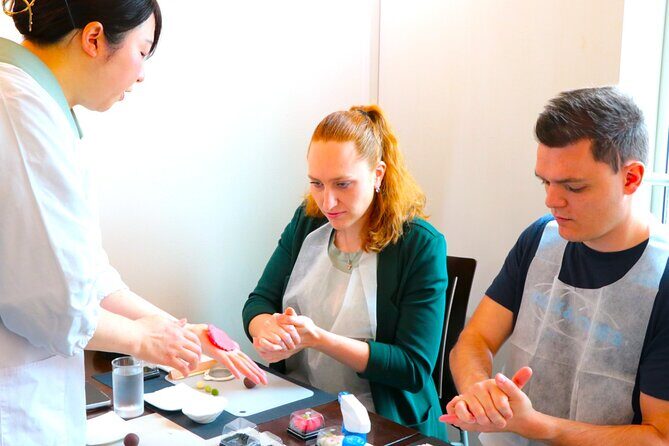
The wagashi you make here is called Nerikiri, and the main ingredient is mochi flour. In practical terms, it means you’re working with dough that can be shaped into smooth, detailed forms. It’s not just rolling out a cookie-like dough.
Instead, you’ll build and shape several colored pieces into a target figure. The workshop describes it as easy and fun, with a process similar to making something like colorful clay work. The result is a sweet that looks like it belongs in a small seasonal art display.
You’ll have tools and ingredients provided, and you don’t need to bring anything. For Tokyo, this is a big deal. You’re not hauling supplies through crowded stations. You can show up with comfortable shoes, a clear schedule, and an appetite for something delicate.
The class is also designed to teach variety. The program says you’ll learn four different styles of sweets inspired by the season. In real-world terms, that means you’re not just repeating the same motion four times. You should expect to work through different forming approaches—different shapes, different ways the colored pieces come together, and different finishing details.
One helpful note: the sweets are made without artificial additives. That’s not just a marketing line. It gives the class extra meaning, because wagashi is often treated as a craft and a seasonal expression, not something industrial.
Forming the seasonal sweets (and why it’s more than a hobby)
Here’s what makes the Nerikiri forming part truly enjoyable: it’s guided. You’re not left alone with dough and vague instructions. You’re coached on how the pieces should come together so the form looks intentional, not random.
This part of the class is also where the hands-on “fun” shows up. People often expect tea ceremony to be calm and quiet. That’s true after the forming, in the tea room. But the workshop starts with energy—colorful materials, shaping steps, and a kind of playful concentration. It’s the difference between watching a craft and doing one.
The class is also timed for focus. The whole tour is about 1 hour 40 minutes. That duration is long enough to feel like you truly learned something, but short enough that you won’t end up bored or rushed at the end.
And since the setting is described as an antique store, you’re not working on a generic table. You’re working in a real crafted-space environment. That tends to change how people approach the activity: you pay attention to details because the room itself encourages care.
You’ll also get seasonal inspiration. The program is explicit that sweets are inspired by the season. Depending on what’s happening when you go, the specific designs you form can vary—things like floral or seasonal motifs are part of the culture of wagashi. Either way, you’re learning how the artist’s choices reflect time of year.
A small caution: the workshop notes that even if you arrive late, the program will end as scheduled. So treat your start time like an appointment. In a place like Tokyo, it’s easy to lose track of time while moving between neighborhoods, and you don’t want to miss the shaping steps.
Tea ceremony in a dedicated room (with your own wagashi)
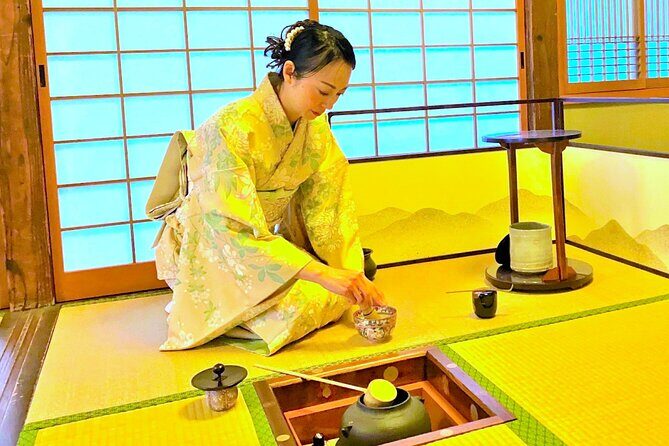
After you form your sweets, you move into a dedicated tea room. This matters because it turns the class from a craft project into a full Japanese experience. The tea room is designed for you to experience the ceremony while sitting in chairs—so you’re not forced into a position that might be uncomfortable if you’re not used to traditional styles.
Then you’ll be served by the host with confection followed by real matcha (described as not sweet). The sequence is part of the lesson: you taste something sweet first, then you reset your palate with matcha that isn’t flavored like a dessert drink.
The host factor is worth mentioning. The information says the host is a Japanese artisan and may not speak English well in the usual way. That can sound like a drawback on paper, but it can also make the tea portion feel more authentic. You don’t need perfect vocabulary to understand the flow: receive, observe, taste, respond. If you’re patient and curious, you’ll still get the meaning.
The class also includes a sweet tasting. Even though you’ll make sweets yourself, there’s a tasting component built into the experience. That’s useful because wagashi is not just a pretty shape. Texture, sweetness level, and the way flavors work with tea are part of the point.





What you take home (and how to store it)
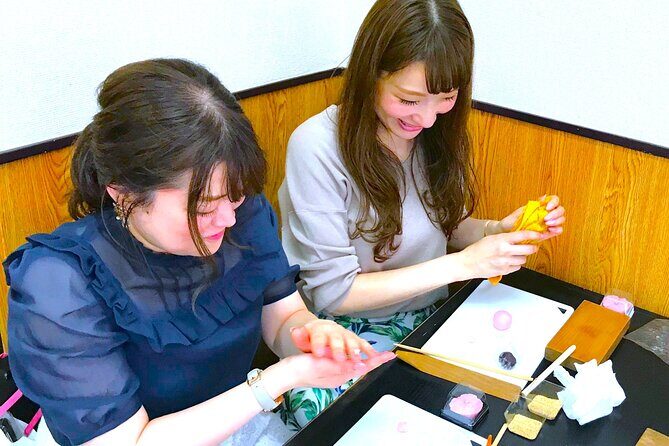
You’ll create sweets during the workshop, and you’ll taste and enjoy them as part of the experience. The “take-home” angle is important too, but you should plan ahead for freshness.
The information provided says the wagashi won’t have artificial additives and will last only about two days if kept refrigerated. So treat these like something delicate you’ll eat soon after your class, not a souvenir that can sit in your hotel for a week.
If you’re staying somewhere with easy refrigeration, you’re set. If you’re traveling light without fridge access, you’ll need a plan. You might eat the rest that same day or the next day, depending on what storage you can manage.
Also note: you’ll be making mochi-flour sweets. Mochi-based sweets are at their best when they’re handled carefully and kept at the right temperature. So don’t leave them at room temperature “just for a while.” If you want the best flavor and texture, move with purpose.
Price and time: does $55.38 make sense in Tokyo?
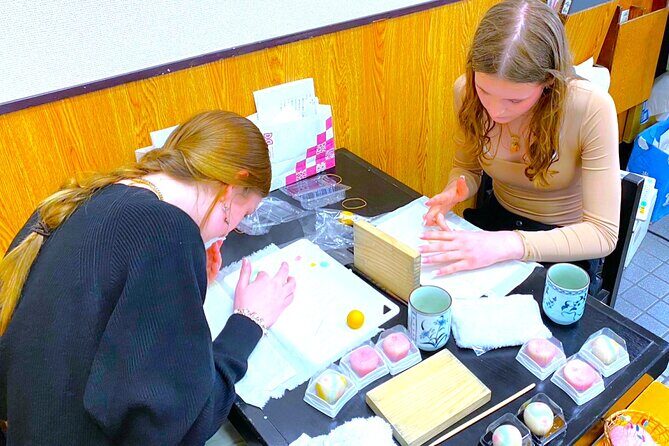
At $55.38 per person for about 1 hour 40 minutes, this workshop is priced in a way that feels reasonable for what you’re getting. You’re not just watching someone make wagashi. You’re actively forming Nerikiri dough, learning multiple styles, and then taking part in a tea ceremony that includes matcha and tasting.
Here’s the value math in plain terms:
- You’re paying for guidance through a delicate craft.
- All ingredients and tools are included, so you aren’t paying “extra” in the form of supplies.
- The tea ceremony component means you’re getting a full experience, not a half-finished craft class.
One more value point: the group is limited to a maximum of 5 travelers. In practice, small-group settings usually mean you spend more time getting personal attention on your forming. If the instructor has time to watch your shaping, correct a step, or help you get a better final form, the experience feels more “taught” and less like “try it yourself.”
You can also think of this as a cultural workshop you can do without spending your whole day. Tokyo is packed with big sights. This is a compact, high-impact activity where you learn something you can actually hold and eat.
Who should book this wagashi and tea ceremony class?
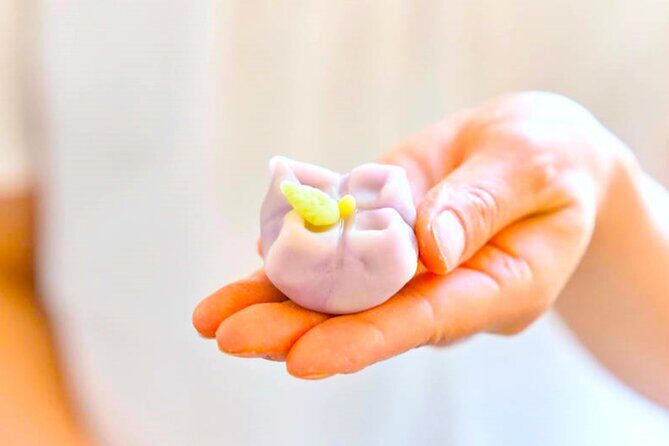
This is a good fit if you love crafts, sweets, or Japanese culture that goes beyond sightseeing photos. It’s especially strong for people who like activities with a clear outcome: you’ll shape sweets, you’ll taste them, and you’ll understand why they look the way they do.
It’s also a smart choice if you want a break from typical “look and walk” tourism. The class forces slow attention: shape, texture, color, then tea and tasting. Even if you’re not a food expert, the craft side makes you pay attention in a way that feels satisfying.
If you want a calm moment, the tea room helps. If you want energy, the dough forming gives you hands-on momentum. It balances both.
The main “not for everyone” issue is language. The host may not speak English well, and the information explicitly warns that the artisan host isn’t the commercial type. If you absolutely need very detailed English commentary for every step, you might find it frustrating. If you’re comfortable following along through demonstration and simple explanations, you’ll likely enjoy it.
Age-wise, you must be at least 13. Those under 18 must be accompanied by an adult.
A practical plan for your Tokyo timing
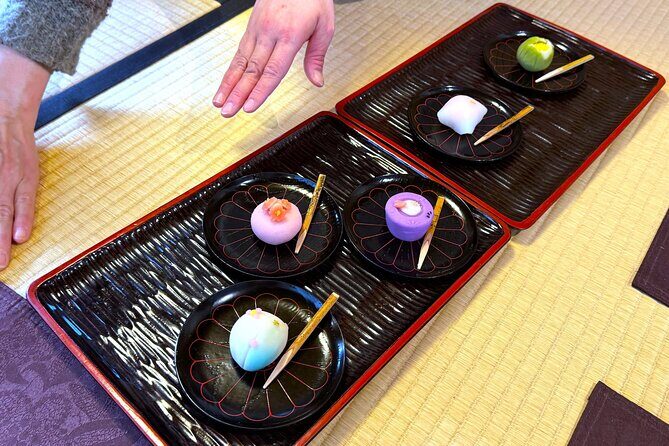
The location is in Yanaka, in Taito City, at 6-chōme-2-40 Yanaka. The activity ends back at the meeting point, so you don’t have to worry about transferring to a second location at the end.
Because it ends where you start, you can build it into a half-day plan. Yanaka is a neighborhood where it’s easy to pair a craft activity with a slower walk afterward, grabbing a meal nearby while your sweets are fresh (or while your interest is still high).
One practical tip: treat the start time as the real time. The workshop notes that even if you’re late, it will end as originally scheduled. Tokyo travel can be unpredictable with foot traffic and train changes, so aim to arrive with a buffer.
Also, bring a light mindset about what you’re making. These sweets are said to last only two days refrigerated. So don’t plan to carry them far across town unless you’re confident you can store them properly.
Should you book it?
If you want a Japanese experience that’s hands-on and edible, and you like the idea of learning Nerikiri wagashi from a chef in a real antique setting, I think this is a strong book.
It’s not just tea. It’s not just sweets. You get both, and the two parts support each other: you shape seasonal wagashi first, then you taste with matcha right after. That pairing helps you understand the why, not only the how.
Book it if:
- you like craft work and want to make something you can eat
- you want small-group attention (max 5)
- you want a tea ceremony that’s practical, not overly formal
Consider skipping or choosing a different option if:
- you strongly prefer lots of English explanation during the whole process
- you’re not set up to store delicate sweets in a fridge within a short time window
FAQ
How long is the tea ceremony and Nerikiri wagashi class?
The experience is about 1 hour 40 minutes.
How much does it cost?
The price is $55.38 per person.
Do I need to bring anything?
No. The tour info says all tools and ingredients are included.
What exactly is Nerikiri?
Nerikiri is the wagashi style you’ll make, and the main ingredient is mochi flour.
Is the tea ceremony included, or is it separate?
The tea ceremony is included. You’ll go into a dedicated tea room after the wagashi forming, and matcha is served.
How many people are in the group?
The maximum group size is 5 travelers.
Is there an age limit?
Participants must be at least 13 years old. Those under 18 must be accompanied by an adult.
What if I arrive late?
Even if you’re late, the program will end as originally scheduled time.
Will the sweets keep for long?
The wagashi won’t have artificial additives and is said to last only about 2 days if kept refrigerated.
Is this experience refundable if I cancel?
No. The experience is non-refundable and cannot be changed for any reason.
More Tour Reviews in Tokyo



More Tea Rooms Worth Booking



Fresh reviews from around Tokyo






Tea Ceremony Experiences, compared.
 ★ 5.0Traditional Tea Ceremony with a Tea MasterFrom $38528 reviews
 ★ 5.0Tea Ceremony Workshop in Tokyo by the Experienced InstrucorFrom $38189 reviews
 ★ 4.9Tea Ceremony Experience in a Private Tea Room in ShibuyaFrom $30125 reviews
 ★ 5.0Matcha Kimono Tea Ceremony in TokyoFrom $59104 reviews
 ★ 4.9Tea ceremony experience in Japanese-style room 60minFrom $4586 reviews
 ★ 5.0Casual Japanese Tea Ceremony ExperienceFrom $2574 reviews
 ★ 5.0Shibuya Authentic Tea Ceremony with experienced instructorFrom $2554 reviews
 ★ 4.9Tea Ceremony Experience in a small tea roomFrom $5153 reviews
Browse the lists this tour appears in