
Tokyo’s coffee has a story.
This walking tour is the quickest way I can think of to understand it, because you bounce between classic roasteries and newer specialty spots while tasting multiple styles along the way. I also like how the route ends on a Showa-era café street, with photo stops and the kind of streetscape that makes Tokyo feel time-layered. The main drawback: it’s takeout-style, not a long sit-down café crawl, and you should budget extra for any coffee orders.
One reason this works well in real life is the guide. The tour runs with a small group (max 5), and the English/Japanese guide example Tomoyo is known for reaching out in advance via WhatsApp and adapting the plan when weather hits hard (including torrential rain) without losing the vibe. Still, you’ll be walking about 3km, so plan around that pace.
If you are not a coffee drinker, don’t worry too much: the tour is still about coffee culture, and coffee orders are optional. Just note that drinks and food aren’t included in the tour cost, so your final spend will depend on how many extras you feel like ordering.
In This Review
- Key things you’ll notice on this coffee culture walk
- Why Kanda and Akihabara are the right streets for Tokyo coffee
- Meeting at Akihabara: what takeout tasting feels like
- The 210-minute flow: how the walk builds a coffee story
- Seven coffee shops, each with a different angle
- Stop 1: Nordic roastery with light roast focus (2019)
- Stop 2: Showa-era café street and a classical music vibe (1933)
- Stop 3: Japanese classical roastery with blended coffee (1940–1950)
- Stop 4: The most famous roastery stop (light roast, 2015)
- Stop 5: Meiji-era art supplies store with café pull
- Stop 6: Taiwanese coffee shop style (light roast, 2022)
- Stop 7: Showa retro café street and long-established café (1949)
- Akihabara streetscape, Manseibashi Bridge, and the bookstore street detour
- What you really pay for: $58 value and the extra cash reality
- Pacing, weather, and practical tips that matter
- Who should book this tour (and who might not)
- Should you book this Kanda coffee culture walking tour?
- FAQ
- Is coffee included in the tour price?
- How much extra money should I bring?
- How long is the tour?
- How much walking is involved?
- Where do I meet the guide?
- Is the tour takeout-style or sit-down?
- What language is the tour guide?
- Is it suitable for children?
- Is the tour wheelchair accessible?
- What happens if a shop is closed or the weather is bad?
Key things you’ll notice on this coffee culture walk
- Seven coffee shops focused on different eras and styles, from Nordic roasteries to Viennese-style dark roast
- Takeout-style tasting you drink while walking, so you keep moving through neighborhoods instead of waiting around
- Kanda + Akihabara streets tied to coffee history and the daily Tokyo rhythm
- Showa-era streets and nostalgia cafés, including an ending on a retro café strip
- Bookstores as a coffee-culture detour, including an architecture-focused shop and a major bookstore street
More days made easy by a guide
- Tokyo 6hr Private Tour with Government-Licensed Guide★ 5.0 · 3,902 reviews
- Tokyo: Shinjuku Local Bar and Izakaya Guided Walking Tour★ 4.9 · 1,794 reviews
- Tokyo: Private City Highlights Tour with Local Guide★ 4.8 · 1,433 reviews
Why Kanda and Akihabara are the right streets for Tokyo coffee
Kanda is where Tokyo’s coffee personality feels built-in rather than trendy. This area has long been linked with makers, shops, and street life, and the tour plays that up by starting in Akihabara, then working into Kanda toward Jimbocho.
What I like about this route is that it mixes categories you might think are separate. You’ll see kissaten-style nostalgia side by side with modern third-wave thinking, so you can connect the dots between roast profiles, brewing methods, and what different generations want from a cup.
You also get a streetscape education. The walk includes classic architectural streets, a bridge stop (Manseibashi Bridge), and art/brochure-worthy scenery near bookstores—so coffee is the thread, but the setting does real work too.
Meeting at Akihabara: what takeout tasting feels like
You start at a Starbucks right by Akihabara Station (Starbucks Coffee 秋葉原駅前店). It’s a practical meeting point, and it also signals what this tour is about: coffee culture in Tokyo is both old and instantly recognizable.
From there, the pace stays active. You’ll move through Akihabara streets, stop for coffee, do a photo break, then transition into Kanda. The tasting format is takeout-style, so you’ll generally hold your drink and enjoy it while you walk or during short pauses.
This matters because you won’t get the slow, lingering café experience. If you love people-watching and sitting for one perfect cup, this route may feel too “on the move.” If you like variety and short stops with quick context, it’s a great fit.
The 210-minute flow: how the walk builds a coffee story
The tour is about 3.5 hours and typically ends at Jimbocho Station after looping through Akihabara and Kanda, with several stops dedicated to shopping, snacks, and sightseeing.
Even within that time, the structure keeps you from getting bored. You’ll get coffee, then visuals, then another coffee. The handouts and “coffee basics” intro are meant to help you understand what you’re tasting, not just consume it.
Also, because it’s a small group, your guide can steer questions in the moment. If you ask about roast levels, brewing, or what makes one shop’s style different from another, you’re more likely to get a real answer instead of a scripted speech.
Seven coffee shops, each with a different angle
This tour is built around seven stops, and the best part is that they aren’t all just “specialty coffee.” They’re different eras, different brewing vibes, and different flavors.
Below is how each stop fits the overall theme.
Worth weighing up alongside this Tokyo pick:

Stop 1: Nordic roastery with light roast focus (2019)
You begin with a Nordic-flavored specialty roast moment (light roast, noted as 2019). This is a smart first stop because it sets a baseline for sweetness and clarity—then the tour can contrast that with older-school Japanese styles later.
Expect a first-brew toast early on. Even if you’re new to coffee tasting, starting with something lighter usually makes it easier to notice differences as the route progresses.
Stop 2: Showa-era café street and a classical music vibe (1933)
One stop is tied to a Showa-era setting with a classical-music café feel and cloth-drip brewing (light roast, noted as 1933). In the information provided for this experience, this specific spot can sometimes be temporarily closed due to the owner’s injury, so your guide may adjust the plan.
Either way, the intent stays the same: you’re meant to feel how Japanese coffee culture used to be shaped—slow, atmospheric, and tradition-forward.
Stop 3: Japanese classical roastery with blended coffee (1940–1950)
Next comes a Japanese classical roastery with a blended coffee approach and a medium roast (listed as 1940–1950). This is where you start noticing how “blended” can mean balance: a coffee designed to taste good across a day, not just as a single-origin showcase.
For a lot of first-time visitors, this is the “oh, that’s what they mean” stop.
Stop 4: The most famous roastery stop (light roast, 2015)
After that, you’ll visit a very well-known roastery stop (listed as 2015) with a light roast emphasis. Since the name isn’t specified in your details here, treat it as a landmark-style visit: the point is to see how fame and consistency show up in the cup.
This is also a good checkpoint for you. If you’re keeping track of flavor notes, you can start deciding what you actually prefer: brighter and lighter, or deeper and darker.
Stop 5: Meiji-era art supplies store with café pull
You’ll then step into a long-established Meiji-era art supplies store with a café connection. This is one of those Tokyo combos that feels perfectly reasonable once you’ve seen it: craft supply culture and coffee culture sharing the same street energy.
You’re not just tasting here—you’re getting a sense of how bookstores, supplies, and cafés often sit together in Tokyo’s everyday life.
Stop 6: Taiwanese coffee shop style (light roast, 2022)
Next is a Taiwanese coffee shop stop (specialty coffee, light roast, noted as 2022). The flavor shift is usually the point. Taiwanese coffee often brings a slightly different texture and sweetness style than what you might expect from purely Japanese-branded third-wave shops.
If you like comparing methods and regional styles, this is a satisfying twist.
Stop 7: Showa retro café street and long-established café (1949)
The finale is on a Showa retro café street with a long-established café focus (Viennese coffee, dark roast, listed as 1949). This is your contrast ending: darker roast, heavier feel, and a nostalgic atmosphere that makes the whole tour “click” emotionally.
You’ll finish at the retro café street area and also get the photos from the tour afterward. That photo package matters more than you’d think, because the small details you’ll walk past are exactly what you want to remember.
Akihabara streetscape, Manseibashi Bridge, and the bookstore street detour
This tour doesn’t treat Akihabara as a side quest. You’ll walk Akihabara streets early on and include a photo stop timed into the flow, which helps you avoid wandering with no plan.
Manseibashi Bridge and a related art gallery stop are included as part of the “city texture.” This gives your brain a break between coffee tastes, and it’s also useful if you’re traveling with someone who likes architecture and street scenes as much as coffee.
Then you pivot into the bookstore world. The route includes an architecture bookstore and a street lined with bookstores, plus an ending linked to a nostalgic Showa-era café strip. If you’ve ever wanted Tokyo that looks good even without shopping bags, this section is exactly that.
What you really pay for: $58 value and the extra cash reality
The price is listed at $58 per person for about 210 minutes. That sounds straightforward, but the value depends on your expectations.
Here’s the key: the tour cost covers the guided session, an intro to coffee basics, and handouts. You’ll also do the structured “taste while walking” experience at seven locations.
What’s not included: meals and the tour instructions clearly say coffee orders are optional and drinks/food aren’t included in the cost. You should plan for roughly 1,000 to 3,000 yen extra if you decide to order anything beyond the tasting format.
So the value is strongest if you want:
- guidance so you understand what you’re tasting
- a focused route that saves you time compared with self-planning
- variety across eras and styles
It’s weaker if you only want to buy one coffee and sit for an hour, because the tour is designed for movement and multiple stops.
Pacing, weather, and practical tips that matter
The tour can vary a bit based on crowd levels and group size. Also, because it’s a walking experience with takeout cups, the weather matters more than it would on a pure indoor food tour.
In the guide example you provided, Tomoyo handled torrential rain by adapting the outing without making it feel like a downgrade. That’s a good sign for you: you’ll want an operator who can shift timing and still hit the important streets.
Practical stuff to bring:
- comfortable shoes (you will walk)
- water and a light snack if you get hungry
- cash (useful for small purchases or optional orders)
- a hat for sun or rain protection
Also, coffee orders being optional is your safety net. If you want to participate without going overboard, you can keep spending in check.
Who should book this tour (and who might not)
This tour is a strong match if you want to learn coffee culture without building your own route day-by-day. It’s also great for people who enjoy Japan’s older café atmosphere mixed with modern specialty coffee logic.
It’s less ideal if you need lots of quiet downtime or you hate walking. You’re looking at about 3km, and it’s not a sit-still tasting marathon.
It’s not suitable for children under 18. On the other hand, it’s wheelchair accessible, which is a big plus for travelers who need that kind of planning.
Should you book this Kanda coffee culture walking tour?
Book it if you want Tokyo coffee culture with context, not just cups. The combination of seven tastings, Showa-era streets, and a bookstore/architecture detour makes it more memorable than a standard specialty coffee sampler.
Skip it if your dream day is long café seating, big meals, or minimal walking. This is for people who like short stops, street views, and learning on the move.
If you go, set a simple plan: wear shoes you trust, bring a little extra cash, and go in curious about how Japanese kissaten vibes and modern coffee technique can share the same streets.
FAQ
Is coffee included in the tour price?
The tour includes a guided experience with takeout-style coffee experiences at multiple locations, but the information also notes that coffee orders are optional and drinks/food are not included in the tour cost. You should bring extra money if you want to order.
How much extra money should I bring?
You should prepare approximately 1,000 to 3,000 yen for optional coffee orders and any snacks or drinks you choose to buy.
How long is the tour?
The duration is listed at 210 minutes (about 3.5 hours), and the exact timing may vary based on crowds and group size.
How much walking is involved?
The tour expects you to walk about 3km, so moderate fitness is recommended.
Where do I meet the guide?
You meet in front of the Starbucks at 秋葉原駅前店 (Akihabara Station front).
Is the tour takeout-style or sit-down?
It is takeout-style, meaning you’ll generally enjoy drinks while walking rather than sitting for long coffee sessions.
What language is the tour guide?
The tour guide offers English and Japanese.
Is it suitable for children?
No, it’s listed as not suitable for children under 18.
Is the tour wheelchair accessible?
Yes, it’s listed as wheelchair accessible.
What happens if a shop is closed or the weather is bad?
The plan can vary based on conditions like crowds, and the details indicate at least one Showa-era coffee stop can be temporarily closed. The guide may adapt the route as needed.
More Coffee Experiences in Tokyo
Easier with a Guide
More Tour Reviews in Tokyo






Fresh reviews from around Tokyo






Guided, compared.
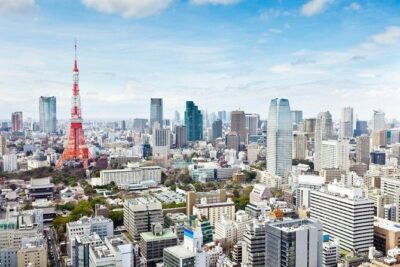 ★ 5.0Tokyo 6hr Private Tour with Government-Licensed GuideFrom $1553,902 reviews
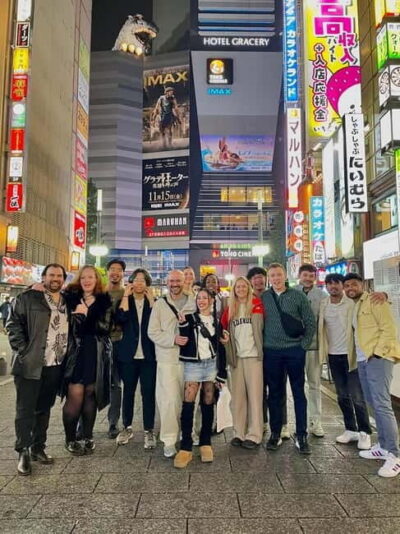 ★ 4.9Shinjuku Local Bar and Izakaya Guided Walking TourFrom $341,794 reviews
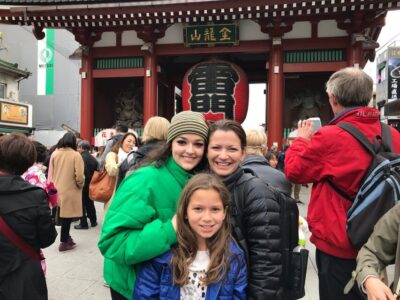 ★ 4.8Private City Highlights Tour with Local GuideFrom $1061,433 reviews
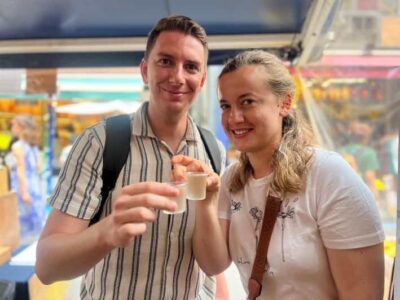 ★ 4.9Tsukiji Fish Market Guided Walking TourFrom $221,397 reviews
 ★ 5.0Tokyo 4hr Private Tour with Government-Licensed GuideFrom $1091,394 reviews
 ★ 5.0Tokyo Guided Small-Group Biking TourFrom $1061,250 reviews
 ★ 4.6Samurai Ninja Museum Guided tour and ExperienceFrom $271,010 reviews
 ★ 5.0Tsukiji Fish Market Guided Tour and Sushi Making with Pro ChefFrom $104775 reviews