
Reviewed · BREWERIES
Discover Japanese Coffee Brewing Experience at Tokyo
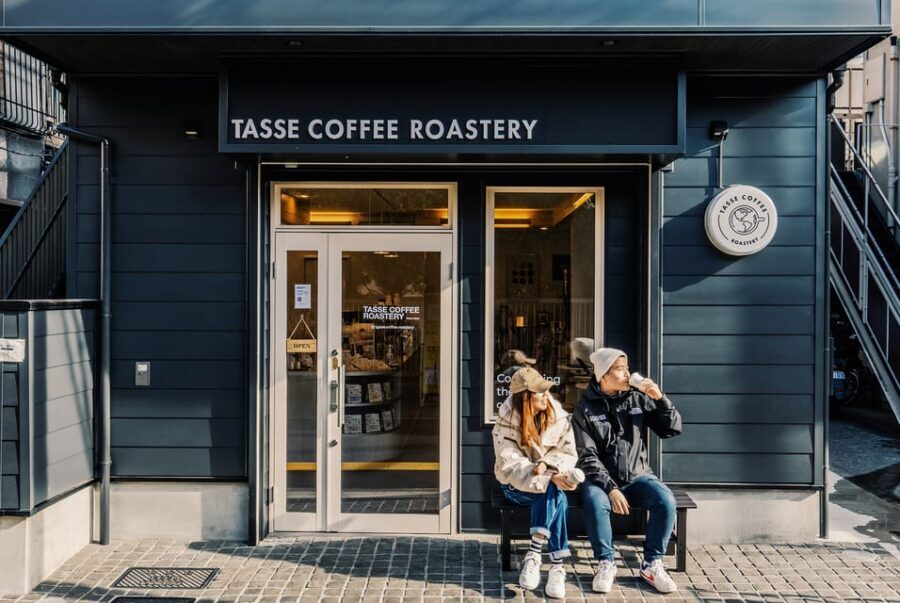
Tokyo coffee has a method lesson. In this 2-hour workshop at Tasse Coffee Roastery, I love getting hands-on practice with siphon brewing and a guided cupping session that teaches you how to read flavor. One consideration: it’s only 2 hours, so you’ll learn the basics and practice, but you won’t leave with full barista-level control.
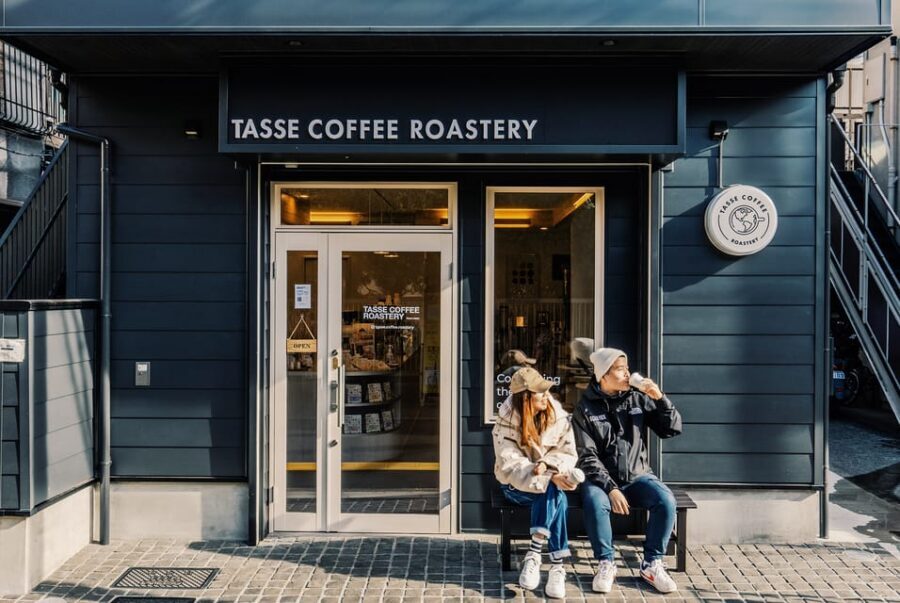
The room matters here. The roastery uses soothing natural wooden tones, and the instructors (English and Japanese) walk you through coffee’s journey from farm to cup. With a small group and a comfortable setup at Tasse Coffee Roastery, you get time to ask questions and compare brews.
At $116 per person, it’s not a casual coffee chat; it’s a structured tasting and brewing session with equipment and beans included, which is where the value lives. It’s also a private group, so you can go at your own pace within the 2 hours.
In This Review
- Key Things I’d Highlight Before You Go
- Inside Tasse Coffee Roastery: Calm Setting, Real Practice
- What You Learn First: Japanese Coffee Culture and Coffee Basics
- Cupping Exercise: Train Your Nose, Taste Acidity, Notice Body
- Siphon Brewing: A Japanese Classic with Dramatic Physics
- Kyūsu (急須) Coffee: Japan’s Teapot Meets Coffee Brewing
- Hand Drip Practice: Water Temperature and Pour Control
- Brewing Comparisons: How the Same Beans End Up Different
- What’s Included (and Why It’s Part of the Value)
- Who This Workshop Fits Best
- Price and Time: Is $116 Worth 2 Hours?
- Should You Book This Tokyo Japanese Coffee Workshop?
- FAQ
- How long is the Japanese coffee brewing experience?
- Where does the workshop take place?
- What brewing methods are included?
- Is there a coffee tasting or cupping session?
- Are coffee beans and brewing equipment provided?
- What languages are the instructors?
- Is this a private group experience?
- Is it suitable for children?
- Can I cancel for a refund, and can I reserve without paying right away?
Key Things I’d Highlight Before You Go
- Hands-on siphon brewing with practice, not just a demo
- Cupping exercise to learn aromas, acidity, body, and aftertaste
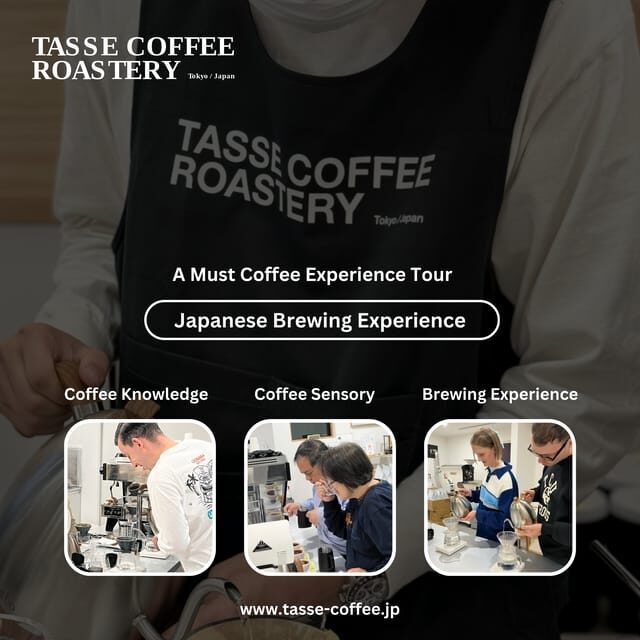
- Three brew methods in one session (siphon, kyūsu, hand drip)
- English and Japanese instruction, helpful for either language-first travelers or curious locals
- All equipment and quality beans included, so you can focus on technique and taste
- Optional coffee tasting kit if you want to keep the learning going after
Worth weighing up alongside this Tokyo pick:
- Private Tour: Tokyo’s Oldest Sake Brewery and Riverside Walk★ 5.0 · 25 reviews
- Tokyo: Toshimaya Sake Brewery Tour with Sake Tasting★ 5.0 · 6 reviews
- Private Sake Tasting at 300 Years Old Sake Brewery in Tokyo★ 5.0 · 3 reviews
Inside Tasse Coffee Roastery: Calm Setting, Real Practice
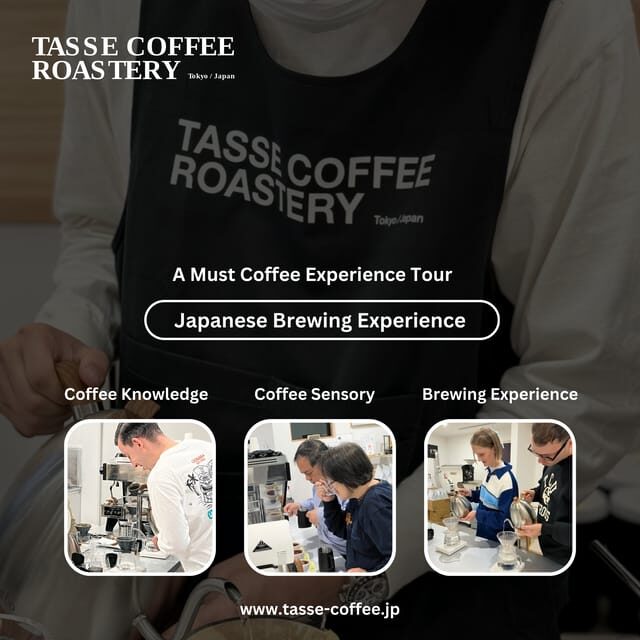
This workshop is built around one big idea: brewing is a skill, and you learn it by doing. The setting is a comfortable roastery in Tokyo, with natural wood tones that keep the whole session from feeling rushed or chaotic. That matters more than you’d think. When the environment is calm, you can actually notice what your coffee tastes like as you change variables.
You’ll also benefit from the class size being limited and the format being a private group. Instead of standing in the back and watching, you get room to work on your own pours and ask questions when something doesn’t click. Even if you’re a confident coffee drinker, the hands-on part is what turns this into a learning experience.
And because the instructors work in English and Japanese, you’re not stuck translating in your head. That’s a big help if you’re visiting Japan and want coffee culture in plain language, or if you live in Japan and want a different way to explain what you already know.
What You Learn First: Japanese Coffee Culture and Coffee Basics
The session starts with fundamentals and context, not with a super-technical lecture. You’ll get an introduction to coffee history and culture in Japan, plus a practical look at how coffee beans and roasts differ. The goal is simple: before you brew, you understand what you’re brewing with.
You’ll also hear about the path from farm to cup. That might sound broad, but it connects directly to what you taste later. When you know what different coffee processes and roast styles can do to flavor, cupping stops being random and starts being diagnostic.
This is also where the workshop does a smart job for value. It gives you enough theory to understand your own results, but it doesn’t slow down so much that the class loses momentum. The whole thing stays oriented around tasting and making.
Cupping Exercise: Train Your Nose, Taste Acidity, Notice Body
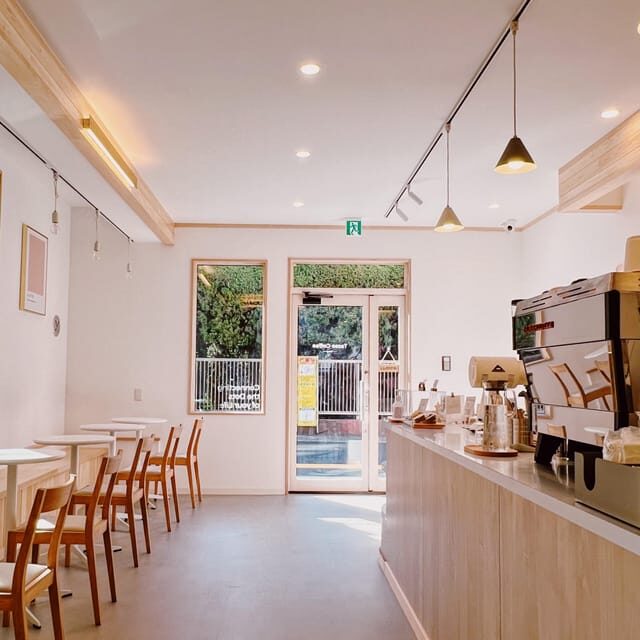
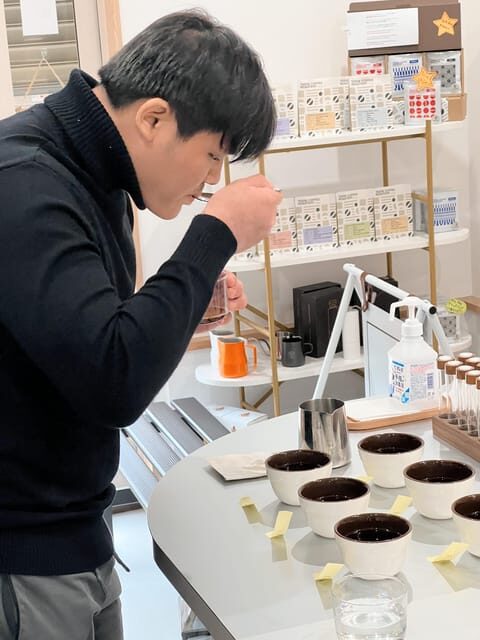
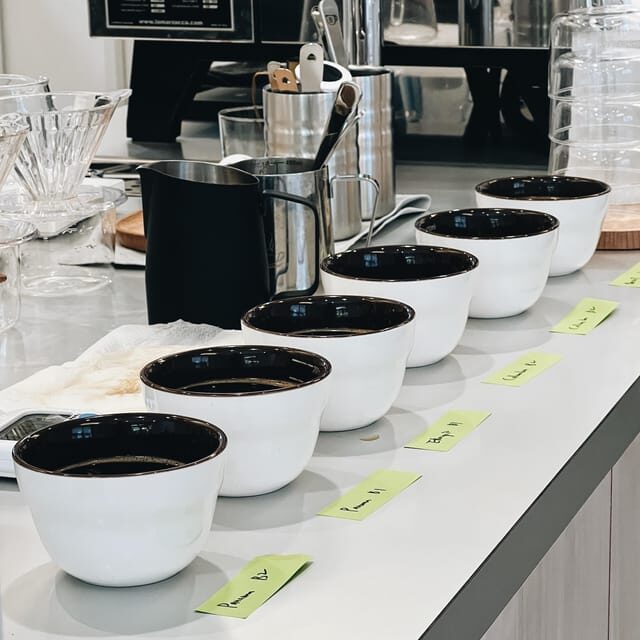
Then comes the part that many people love because it’s fun and surprisingly educational: cupping. In this workshop, cupping isn’t treated like a fancy ritual. It’s taught as a skill—how to notice aromas, and how to map what you taste to specific flavor traits.
You’ll learn what matters in tasting, including:
- aromas
- acidity
- body
- aftertaste
The practical value here is that you start building a “coffee vocabulary” you can use later, whether you’re buying beans in Japan or trying to recreate a favorite profile at home. When you compare brews in the same session, cupping helps you understand why one cup tastes brighter or heavier, and why one leaves a cleaner finish.
This matches what I’d consider the most praised part of the experience: people leave feeling like they genuinely learned a lot, not just watched someone else brew. The instruction focuses on useful exercises, and those exercises pay off during the tasting comparisons later in the workshop.
Siphon Brewing: A Japanese Classic with Dramatic Physics
Next up is the siphon method. This is one of those techniques that looks elegant and theatrical, but it’s also grounded in how heat and extraction behave.
In the workshop, you’ll explore the history and elegance of the siphon method, then you’ll see a demonstration and practice the technique. The instructor also explains how siphon brewing impacts coffee flavor—so you’re not just repeating steps, you’re learning what those steps change in the cup.
Why this matters to you: siphon brewing can teach you control. With a method like this, the brewing process is visible, and the coffee’s behavior makes the cause-and-effect easier to understand. You see when the system is doing what it should, and that makes your later experiments with other methods more meaningful.
If you’re the type who likes seeing the “why” behind a technique, siphon is a great first anchor. It gives you a strong mental model for extraction and brewing dynamics before you move to other Tokyo coffee approaches.
Worth weighing up alongside this Tokyo pick:

Kyūsu (急須) Coffee: Japan’s Teapot Meets Coffee Brewing
After siphon, you switch to Kyūsu 急須, the Japanese teapot method for coffee. This is a clever adaptation—taking something familiar in Japanese tea culture and repurposing the pouring style for coffee.
You’ll learn techniques for brewing coffee in a kyūsu, and you’ll compare the taste profile with other brewing methods from earlier in the session. That comparison piece is crucial. A lot of classes show you a method, but you don’t always taste enough to tell what it changes. Here, the workshop keeps the tasting loop tight: brew, taste, compare, adjust your understanding.
Why you’ll likely enjoy this portion: kyūsu brewing is approachable. It’s not “mystery gadget coffee.” It’s a hands-on way to understand how pouring shape and method can shift how coffee tastes—often affecting clarity, balance, and how the aftertaste presents itself.
And if you’re curious about Japanese coffee culture specifically, kyūsu is a perfect example of how local traditions can be adapted for coffee without pretending it’s identical to tea.
Hand Drip Practice: Water Temperature and Pour Control
Finally, you’ll learn the hand drip method. This is often the most personally useful technique for most people, because you can take it home more easily than siphon equipment.
In this workshop, you’ll learn the art of hand drip brewing with a focus on two practical areas:
- water temperature
- pouring technique
Then you’ll do hands-on practice and taste comparisons. That combination is the difference between reading about hand drip online and actually understanding it. You learn what “good” feels like in your hands, and you connect it to what you taste.
One more reason hand drip is a big deal for value: if you like the flavors you brewed in the workshop, this is the method you can repeat without needing a special setup. And because the class compares results across methods, you’ll also know what changes when you switch brewing styles—not just which cup you liked best.
Brewing Comparisons: How the Same Beans End Up Different
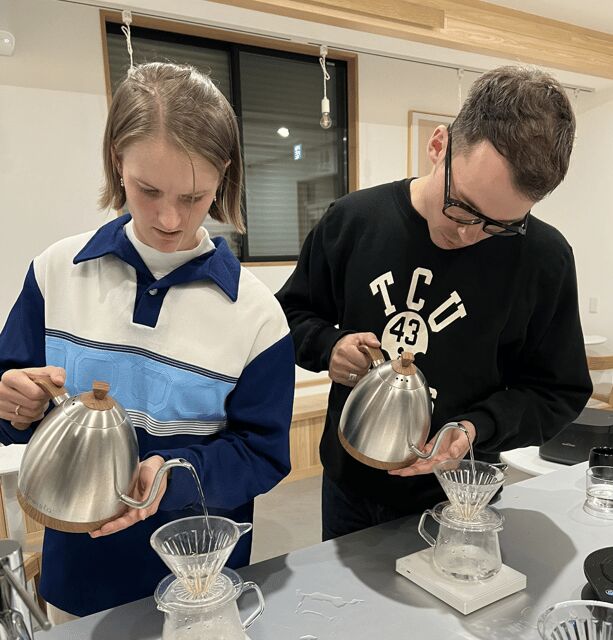
The workshop is intentionally structured so you’re tasting and comparing. You’ll enjoy beverage samples and taste the coffee brews made during the session, using premium coffee beans provided for the workshop.
That comparison approach helps you spot patterns, like:
- which method tends to emphasize acidity
- where body feels heavier or lighter
- how aftertaste lingers or cleans up
You’ll also get insights into coffee selection. That part matters if you want to shop smart later. Instead of buying beans by hype, you’ll have a better sense of what you’re responding to in a cup.
And because cupping happens before brewing practice, you’re coming into the brew stations with trained senses. You’re not starting from zero; you’re building on what you just learned to taste.
What’s Included (and Why It’s Part of the Value)
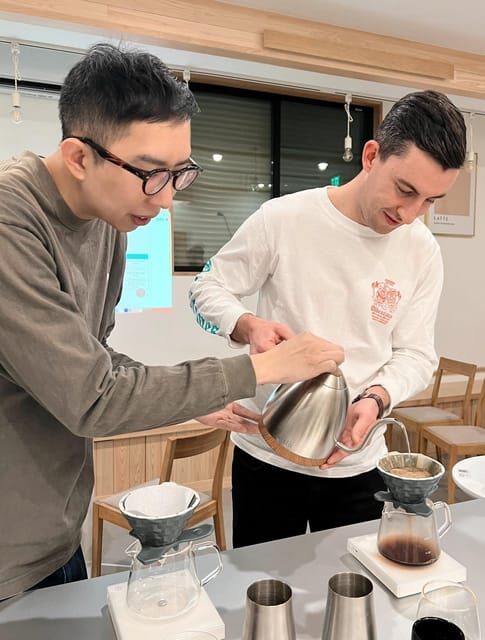
This workshop doesn’t ask you to bring gear or guess your way through unfamiliar tools. You get:
- expert instruction from experienced coffee professionals
- a coffee knowledge overview (including types and characteristics)
- a cupping session with guided tasting
- hands-on brewing practice across siphon, kyūsu, and hand drip
- all necessary equipment for brewing and tasting
- quality coffee beans used during the session
- coffee culture insights tied to what you taste
- tasting comparisons between different brews
- beverage samples made during the class
There’s also an optional product moment: an exclusive coffee tasting kit you can purchase. If you like structured learning, that’s a nice add-on because it gives you a way to keep practicing after you leave Tokyo.
When you look at the total package, the $116 price starts to make more sense. You’re paying for instruction, guided tasting, and the full equipment + beans needed to do the methods correctly in a short time window.
Who This Workshop Fits Best
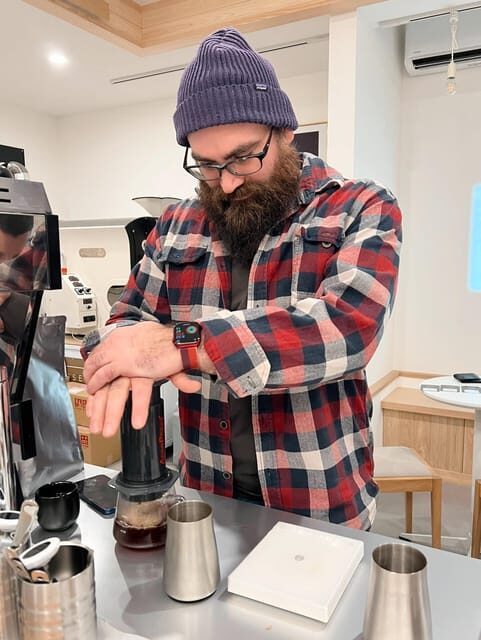
This is best for you if:
- you want Japanese-style coffee methods with hands-on practice
- you’re curious about coffee culture in Japan and want it explained in English or Japanese
- you enjoy tasting and comparing and you want structure (cupping + brewing + analysis)
- you want a small-group experience where your questions matter
It may be less ideal if:
- you already master multiple brew methods and want something more advanced or technical
- you’re looking for a long, slow masterclass in one technique only
Also note: it’s not suitable for children under 16, so it’s a good fit for adults and teens who can handle the tasting portion comfortably.
Price and Time: Is $116 Worth 2 Hours?
Let’s be honest: $116 for 2 hours can feel steep if you think of it as “just coffee.” But in this case, the price buys more than drinks.
You’re getting:
- multiple brewing methods taught in one session
- cupping training (not just one tasting)
- all equipment and premium beans
- guided comparisons tied to flavor traits
If you try to replicate this yourself, you’d spend money on equipment, beans, and training materials, and you still wouldn’t get the same coaching and structured exercises. Here, the instructor-led learning compresses all that into a short, guided format.
So for the right person, this becomes a high-value way to learn what matters. You’ll leave with a clearer sense of what different methods do, plus practical technique to take home—especially from the hand drip portion.
Should You Book This Tokyo Japanese Coffee Workshop?
I’d book it if you want a real skill-builder, not a sightseeing coffee stop. The combo of cupping + three brewing methods is the key. You get the sensory training first, then you apply it right away. That makes it easier to remember what you learned and easier to reproduce results later.
I’d skip it only if you’re chasing a very advanced, highly technical course or if you’re hoping for a slow, relaxed experience with no focus on tasting differences. This workshop is about learning and practice, and it moves through the methods within a tight time frame.
If you’re in Tokyo and you care about coffee beyond caffeine, this is one of the most sensible ways to spend a couple of hours.
FAQ
How long is the Japanese coffee brewing experience?
It lasts 2 hours.
Where does the workshop take place?
The workshop is located in the heart of Tokyo, in Honshu, Japan.
What brewing methods are included?
You’ll learn Japanese-style brewing methods using siphon, kyūsu (Japanese teapot method), and hand drip.
Is there a coffee tasting or cupping session?
Yes. The experience includes a cupping exercise with guided tasting to help you identify aroma and flavor traits.
Are coffee beans and brewing equipment provided?
Yes. All necessary equipment and quality coffee beans are provided for the duration of the workshop.
What languages are the instructors?
The instructor teaches in English and Japanese.
Is this a private group experience?
Yes, it’s a private group.
Is it suitable for children?
No, it’s not suitable for children under 16.
Can I cancel for a refund, and can I reserve without paying right away?
You can cancel up to 24 hours in advance for a full refund, and you can reserve now and pay later.
More Coffee Experiences in Tokyo
More Breweries in Tokyo
More Tour Reviews in Tokyo






Fresh reviews from around Tokyo






Breweries, compared.
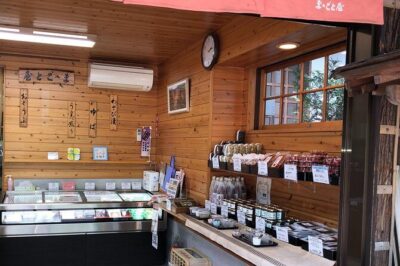 ★ 5.0Private Tour: Tokyo’s Oldest Sake Brewery and Riverside WalkFrom $22925 reviews
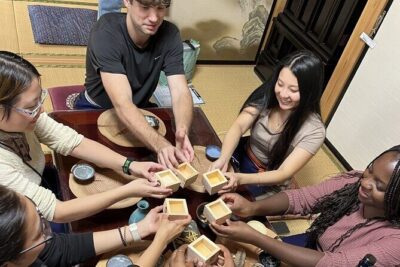 ★ 5.0Unique Brewery Tour and One-of-a-Kind Sake Tasting Near TokyoFrom $10017 reviews
 ★ 5.0Toshimaya Sake Brewery Tour with Sake TastingFrom $986 reviews
 ★ 5.0Cultural Sake Brewery Private Tour & Unlimited Tasting Near TokyoFrom $1054 reviews
 ★ 5.0Private Sake Tasting at 300 Years Old Sake Brewery in TokyoFrom $1233 reviews
Browse the lists this tour appears in