
Reviewed · SAMURAI & NINJA EXPERIENCES
Train in Samurai Swordsmanship and Defeat the Demon in Tokyo
Samurai sword training in Tokyo, with story flavor.
What makes this experience stand out is that it’s hands-on rather than a staged performance, wrapped in a modern retelling of Hyakki Yakō (the night parade) and the Oni returning. You’re guided through real-sounding fundamentals—posture, breathing, strikes, blocks, and focus—then given a symbolic “final battle” moment that’s more mental than macho.
I like two things a lot. First, you get a clear skill path: the session builds from basics into doing offensive and defensive techniques together. Second, the extras feel thoughtful for the price: a samurai-style outfit for lessons, matcha and sweets, and a personalized scroll certificate with your name and techniques.
One thing to consider: it’s only about 2 hours, and it’s not private—there’s a maximum of 6 people. If you want zero movement and zero learning, this probably won’t fit your idea of a Tokyo activity.
In This Review
- Key highlights before you go
- A Tokyo sword lesson with a story: Hyakki Yakō and the Oni
- The skills you practice: etiquette, breathing, posture, strikes, and blocks
- The Oni showdown: a symbolic clash of spirit and shadow
- Bushido talk, demo moments, and how English guidance helps
- Dress-up time, matcha, and the photo-and-scroll finish
- The actual logistics: 2 hours, small group, mobile ticket, Kōjimachi meeting point
- Price and value: why $84.70 can feel fair here
- Who should book this Oni sword trial—and who should skip it
- How to get the most from the training (without overthinking it)
- Should you book Samurai Swordsmanship and Defeat the Demon?
- FAQ
- FAQ
- How long is the Tokyo Samurai Swordsmanship experience?
- What does it cost per person?
- Is the experience in English?
- Is it a show or hands-on training?
- What’s included in the price?
- Do I get a certificate or something to take home?
- How big are the groups?
- Do I need to arrange private transportation?
- Is there a mobile ticket?
- What is the cancellation policy?
Key highlights before you go
- Hyakki Yakō to Oni: you train with a myth theme, not a lecture.
- English-friendly: the guide explains skills, Bushido ideas, and samurai history clearly.
- Small group size: max 6 participants means you’re more likely to get corrections.
- You dress the part: samurai uniform rental and photo time are part of the experience.
- Finish with recognition: a scroll with your name and the techniques you practiced.
More blades, bows and dojo hours
- Tokyo: Samurai Ninja Museum Guided tour and Experience★ 4.6 · 1,010 reviews
- Tokyo: Samurai Sword & Archery Class from Samurai Descendant★ 5.0 · 603 reviews
- Best Samurai Experience in Tokyo★ 5.0 · 458 reviews
A Tokyo sword lesson with a story: Hyakki Yakō and the Oni
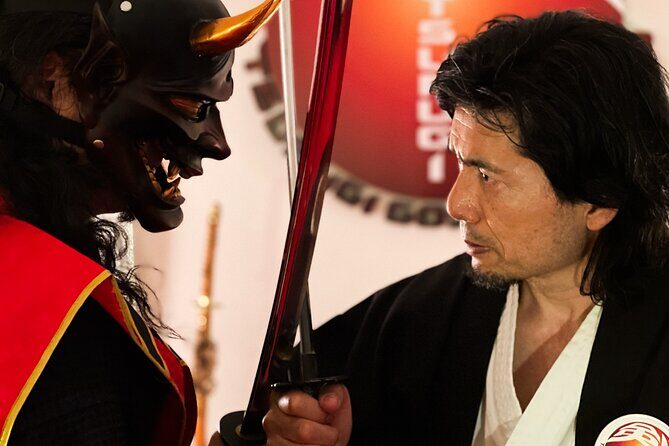
Tokyo has plenty of sword-related entertainment. This one tries something different: it treats samurai practice like a living discipline, then frames it in a story that feels easy to follow. The theme is Hyakki Yakō—the Night Parade of a Hundred Demons—followed by the return of the Oni, a demon associated with darkness and fear.
The setup matters. Instead of asking you to learn random moves, the experience gives you a reason to pay attention: you’re training so you can face the Demon at the end. And the twist is that the Demon isn’t just out there in the myth. The lesson highlights fear, doubt, and weakness inside you, so the “battle” becomes a test of calm focus as much as strength.
That symbolic approach can make the whole session feel less intimidating. It also helps if you’re coming as a couple, a parent with kids, or even solo—you’re not just learning sword basics. You’re participating in a short, guided hero story with a clear beginning, middle, and finale.
The skills you practice: etiquette, breathing, posture, strikes, and blocks
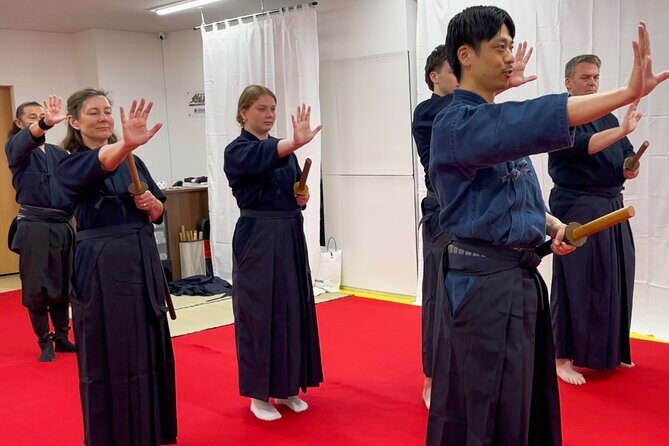
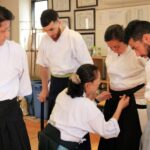
This isn’t described as a performance, and the wording points to structured training from the Sengoku era. You’ll learn etiquette and mindset basics before you swing anything. Expect instruction on breathing and posture, plus how to handle your body so your strikes and blocks look controlled instead of chaotic.
From the flow described, the training moves through several core pieces:
- Stance and posture so your body is stable
- Breathing and focus to control nerves
- Offensive techniques (strikes and actions)
- Defensive techniques (blocks and protections)
The lesson also includes a live sword demonstration by the instructor. That matters because it gives you a visual reference early, then you work toward similar form with guidance.
What I like about this skill framing is that it’s practical. Many “samurai experiences” stop at costume and posing. Here, the point is technique—basic mechanics plus discipline—so you leave with more than a photo.
One detail to keep in mind: the experience uses the language of Bushido and samurai history. Even if you only catch some of the concepts, it gives you context for why the movements are taught the way they are. You’re not just memorizing steps.
The Oni showdown: a symbolic clash of spirit and shadow
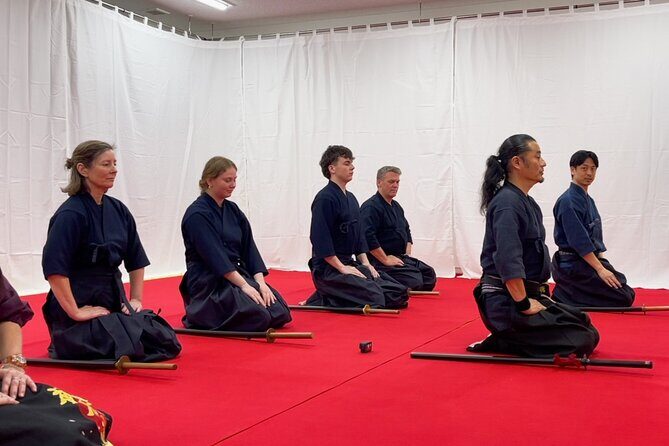
The finale is built around facing the Demon (Oni). In the story logic, the Demon reflects fear and weakness within. So the confrontation is framed as a symbolic clash—less about power and more about courage and mental steadiness.
Here’s the practical takeaway: the “battle” moment is likely where you put together what you learned—attacking, defending, and staying composed while doing it. If you’ve been doing the earlier technique drills, this part should feel like a test run with purpose.
Also, don’t read it as “you’ll fight a demon” in a literal sense. The theme is there to guide your attitude. You’re still in a training setting, with an instructor and an English guide. The story simply turns a routine skill session into something you’ll remember.
This is the part that can make the experience feel emotionally satisfying, especially for families and birthday gifts. The myth gives it drama, but the emphasis on inner calm keeps it grounded.
Bushido talk, demo moments, and how English guidance helps
The experience is fully in English, which is a big deal in Tokyo. When sword training includes etiquette, Bushido ideas, and historical context, language clarity affects your whole experience. You’ll get explanations of sword skills plus samurai history, and that helps you understand what you’re doing and why.
The instructor does a live sword demonstration. You benefit from that in two ways:
- You see the motion from the start, not just in your head.
- You get a sense of what “good” looks like before you try it.
I also appreciate that the session isn’t framed as intimidation. Multiple participants have described feeling like they learned a lot without pressure. That usually means the coaching stays focused on safety and form, not ego.
If you’re nervous about doing anything physical, English explanations plus a small group tends to lower stress fast. You can ask questions, follow along, and keep your attention where it belongs: on posture, breathing, and precision.





Dress-up time, matcha, and the photo-and-scroll finish
Some experiences offer a snack. This one builds in a small cultural reset. You get authentic matcha tea and Japanese sweets during the experience, which helps you recover between practice segments (and keeps the mood friendly).
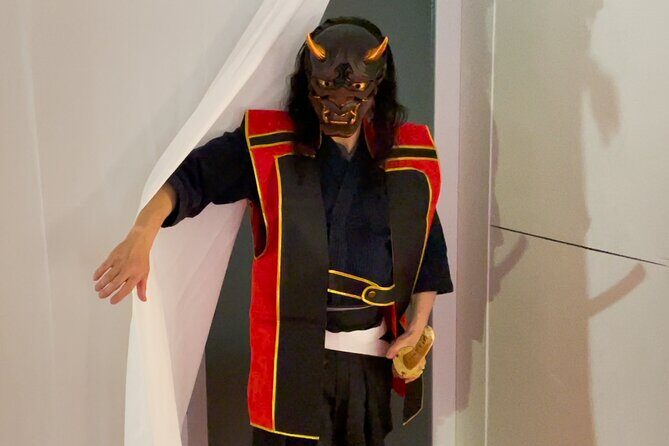
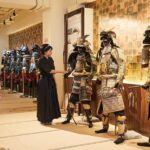
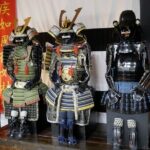
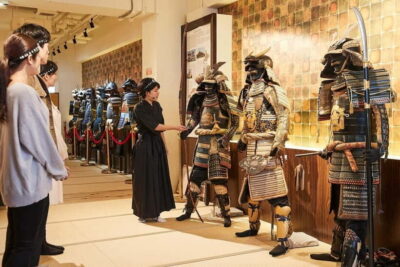
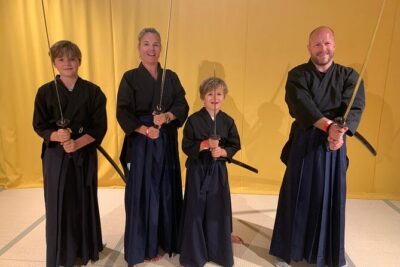
You also get a samurai uniform rental during lessons. The overview also mentions wearing armor and taking photos. Even if you’re not doing “armor” in the medieval sense, the intention is clear: you’re dressing the part so the story feels real. Expect photo time as part of the experience, including a commemorative photo taken for you.
Then you finish with recognition. You’ll receive a personalized scroll with your name and the techniques you practiced. That’s not just decoration. It’s a memory object that turns a short workshop into a thing you can keep and show later.
If you’re thinking of this as a gift, these “keepsake” items do real work. They give the day structure beyond the training itself. You can walk away with something tangible.
The actual logistics: 2 hours, small group, mobile ticket, Kōjimachi meeting point
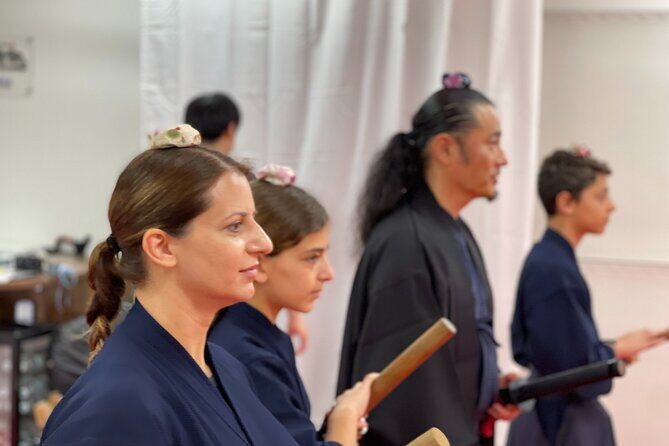
The session runs about 2 hours. For Tokyo, that’s a sweet spot: long enough to learn basics and do the finale, short enough that you can still plan other sightseeing the same day.
Group size is limited to a maximum of 6 travelers. That’s a big plus for learning. Smaller groups usually mean more room for corrections and more attention from the instructor and English guide.
You’ll use a mobile ticket, which makes last-minute planning easier. The meeting point is at the International Goshin-Budo Association in Kōjimachi, Chiyoda City. It’s listed at: 国際護身武道連盟, 102-0083 Tokyo, Chiyoda City, Kōjimachi, 4-chōme21 MK麹町ビル. The activity ends back at the same meeting point.
Public transportation access is mentioned, and that’s important. There’s no air-conditioned vehicle included, and private transportation isn’t part of the package. So you’ll want to count on walking a bit and using the rail/subway system.
What to bring (based on what’s not included and what you do during training):
- Wear clothes you can move in comfortably.
- Plan for a short session with dress-up elements.
- Bring your phone for photos, even though you get a commemorative one.
Toilets are available in the building, so you’re not scrambling right before training.
Price and value: why $84.70 can feel fair here
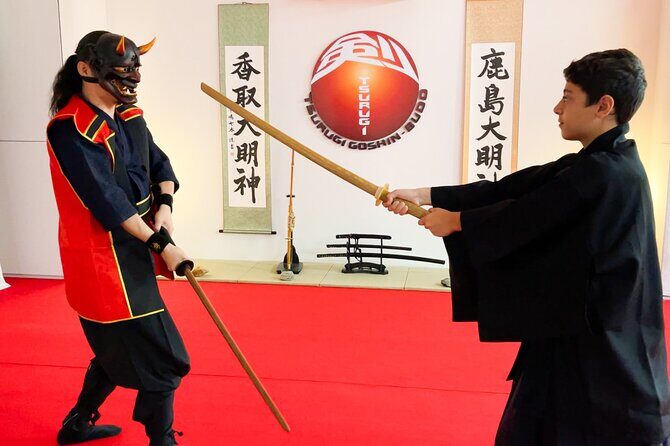
At $84.70 per person for about 2 hours, the price can either feel steep or fair—depending on what’s included. In this case, it’s supported by a package of real teaching and extras:
- Samurai uniform rental during lessons
- Live sword demonstration
- English guide on techniques, Bushido, and samurai history
- Personalized certificate scroll with your name and techniques
- Matcha tea and Japanese sweets
- A commemorative photo
The value logic is simple: you’re paying for instruction and a guided “hero arc,” not just time in a costume. The max group size also helps justify the cost, since fewer people means more coaching opportunities.
One more practical point: this activity is booked on average about 29 days in advance. That tells me it can sell out around popular travel times. If sword training is on your must-do list, booking sooner rather than later usually keeps your schedule flexible.
Who should book this Oni sword trial—and who should skip it
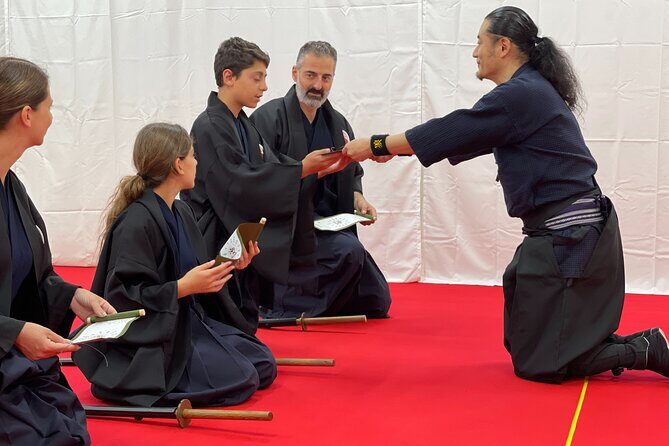
This experience fits best if you want hands-on learning, story, and an English-friendly guide in Tokyo.
You’ll likely love it if:
- You want real technique practice, not just photos.
- You’re comfortable with a short physical activity and focused learning.
- You’re traveling solo, as a couple, or as a family and want something shared.
- You like myth themes and want them used as a teaching wrapper, not a distracting gimmick.
You might skip it if:
- You only want passive sightseeing and don’t want to participate.
- You’re hoping for a long training immersion. This is about 2 hours, so it’s a taste of the discipline.
- You’re expecting a large outdoor spectacle. The “battle” is themed and structured like a workshop finale.
If you’re deciding for a first visit to Tokyo, this is a strong “contrast” activity. Tokyo can be overwhelming. A small-group practice session with clear steps can feel calmer than a jam-packed museum day.
How to get the most from the training (without overthinking it)
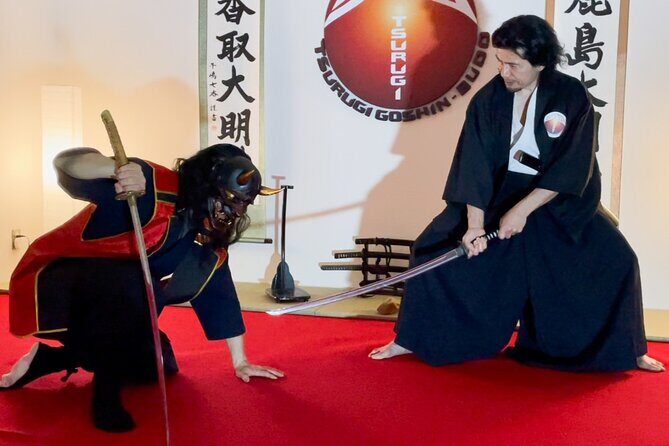
Because the session includes breathing, posture, strikes, and blocks, your best strategy is to keep your goals simple. Go in thinking: stay relaxed, copy the basics, and follow the guide’s pacing.
A few mindset tips that match what this experience emphasizes:
- Focus on form first, speed later.
- Let the breathing instructions guide how tense you feel.
- Treat the Oni finale like a check-in on calm focus, not a test of toughness.
Also, don’t underestimate the value of the pause moments. Matcha and sweets aren’t just a snack. They give you a natural break so you can reset before the next training segment.
If you’re traveling with kids or teens, this format can work nicely because it’s story-driven. The hero arc makes practice feel like part of an adventure instead of a lesson that drags.
Should you book Samurai Swordsmanship and Defeat the Demon?
If you want a Tokyo experience that feels more personal than a standard attraction, this one is easy to recommend. You learn etiquette, breathing, posture, and both offensive and defensive techniques, then close with a themed finale that turns fear and doubt into a kind of training goal.
For the money, the best part is that the inclusions are real: instruction, uniform rental, English guidance, matcha and sweets, a photo, and a personalized scroll certificate with your name. Those aren’t add-ons you can skip; they shape the whole experience from start to finish.
So, book it if:
- You want hands-on sword technique with an English guide.
- You like story themes like Hyakki Yakō and the Oni.
- You’re okay with a small group and a focused 2-hour session.
If your trip is tight and you can fit one “active learning” moment, this is a great choice. And since it’s commonly booked about a month ahead, locking in your spot early is smart. If your plans shift, you can cancel for a full refund up to 24 hours before the start time.
FAQ
FAQ
How long is the Tokyo Samurai Swordsmanship experience?
It lasts about 2 hours.
What does it cost per person?
The price is $84.70 per person.
Is the experience in English?
Yes. It’s fully in English.
Is it a show or hands-on training?
It’s training, not a show. You learn techniques such as etiquette, breathing, posture, strikes, and blocks.
What’s included in the price?
Included are samurai uniform rental during lessons, a live sword demonstration by the instructor, toilets in the building, an English guide, a personalized scroll certificate with your name and techniques, matcha tea and Japanese sweets, and a commemorative photo with samurai.
Do I get a certificate or something to take home?
Yes. You receive a personalized certificate scroll with your name and the techniques you gained.
How big are the groups?
The maximum group size is 6 travelers.
Do I need to arrange private transportation?
No. Private transportation is not included, and you’ll use public transportation since it’s near public transit.
Is there a mobile ticket?
Yes, it’s listed as a mobile ticket.
What is the cancellation policy?
Free cancellation is available. You can cancel up to 24 hours in advance for a full refund. If you cancel less than 24 hours before the start time, you won’t get a refund.
More Tour Reviews in Tokyo



The Way of the Sword, Continued
Fresh reviews from around Tokyo






Samurai & Ninja Experiences, compared.
 ★ 4.6Samurai Ninja Museum Guided tour and ExperienceFrom $271,010 reviews
 ★ 5.0Samurai Sword & Archery Class from Samurai DescendantFrom $193603 reviews
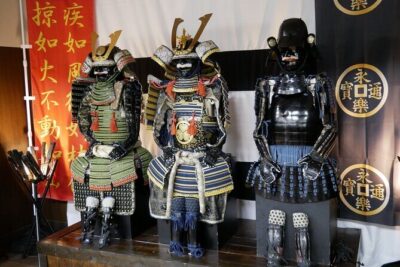 ★ 5.0Best Samurai Experience in TokyoFrom $65458 reviews
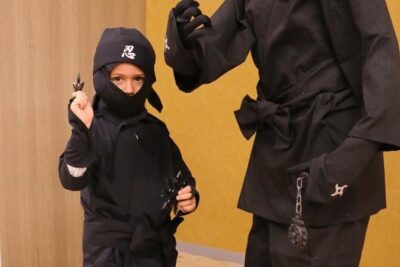 ★ 5.0Ninja Experience (Family Friendly) at Samurai Ninja Museum TOKYOFrom $47441 reviews
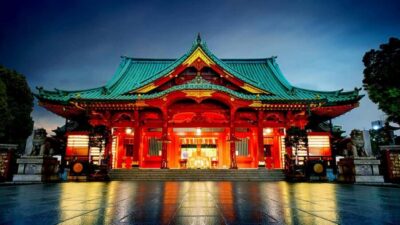 ★ 4.6Samurai Entertainment Night Show in Kanda ShrineFrom $41417 reviews
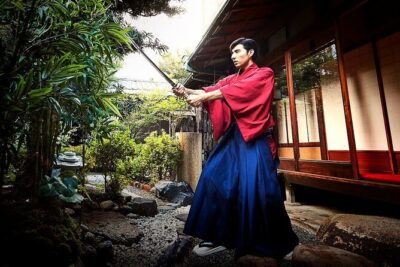 ★ 5.0Tokyo Sword Experience – includes Museum Ticket/Ninja ExperienceFrom $84314 reviews
 ★ 4.8Samurai Ninja Museum Asakusa: Samurai Sword Lesson & TourFrom $63306 reviews
 ★ 5.0Samurai Sword Experience (Family Friendly)at SAMURAI MUSEUM TOKYOFrom $65168 reviews
Browse the lists this tour appears in