
Reviewed · SAMURAI & NINJA EXPERIENCES
Tokyo:Samurai Training : Swords, Bushido & Mental Discipline
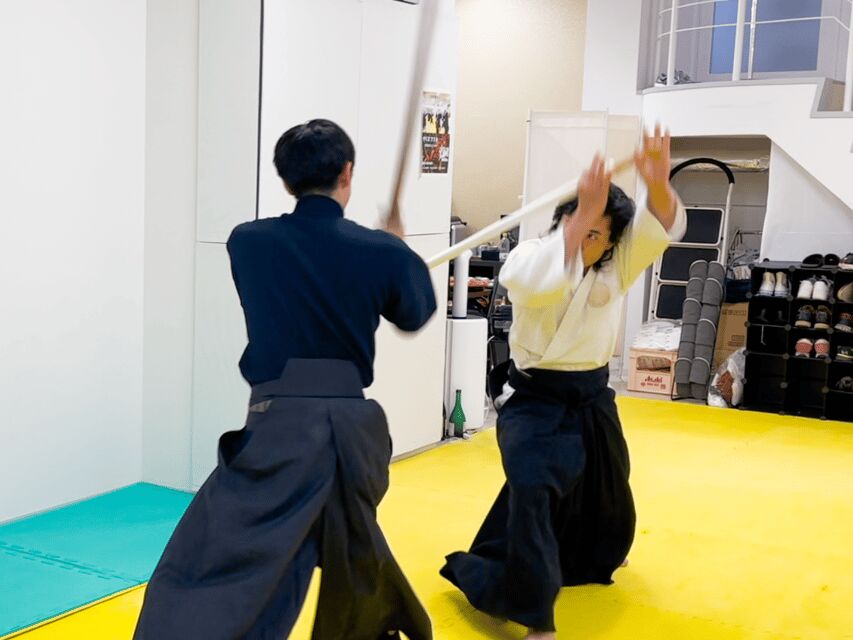
A dojo day like this changes your pace. This 2-hour Tokyo experience is real training, not a staged performance, led by instructors who teach Bushido mindset along with practical sword work. I like that you’re guided through etiquette and mental focus before you ever swing anything, and then you move into physical drills that actually test balance and control. One thing to consider: it’s still training, so it’s not a fit if you’re pregnant or you’re sick.
You’ll start in Tokyo’s Kojimachi district at a traditional dojo tied to the inner grounds of Edo Castle, where samurai once practiced. I also like that it stays beginner-friendly and English is used, with instructors such as Oedo and Yukikaze often noted for clear guidance and positive energy. A possible drawback is that transportation isn’t included, so you’ll want to plan how to get to the dojo on time.
In This Review
- Key things you’ll remember from Samurai Training in Kojimachi
- Kojimachi Dojo: stepping into a samurai practice space
- 2 hours of Bushido focus: etiquette, breathing, and meditation
- Wooden sword basics, heavy stick strength, and silent ninja walking
- Combat kata and one-on-one sparring: where technique turns real
- Live instruction in English: beginner-friendly without being watered down
- Matcha and sweets break: the calm between hard practice
- Samurai attire, scroll-style certificate, and the photo moment
- Price and value: what $83 buys you in real training time
- Who this experience suits best (and who should skip it)
- Should you book Samurai Training in Tokyo?
- FAQ
- How long is the Samurai Training experience?
- Where does the training take place, and where do I meet?
- What language is the training taught in?
- What’s included in the price?
- Is this a show or hands-on training?
- What group size should I expect?
- Are there any rules inside the dojo?
- Who shouldn’t book this experience?
Key things you’ll remember from Samurai Training in Kojimachi
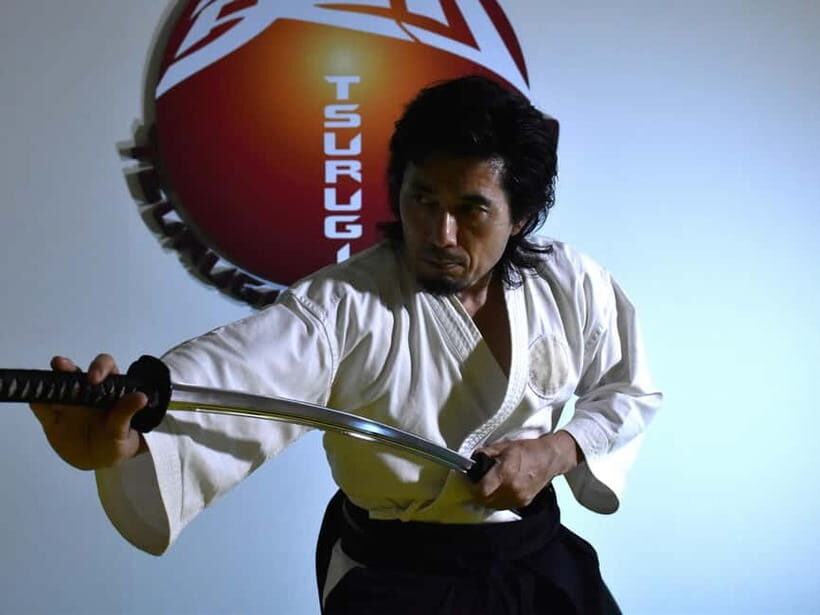
- Not a show: you’ll practice sword basics and drills, not just watch demonstrations
- Mind first: etiquette, Bushido spirit, breathing, and meditation set the tone
- Balance drills: silent walking and stick strength work your focus and posture
- Practical contact: one-on-one sparring with an instructor applies what you learned
- Included extras: uniform rental, matcha and sweets, a scroll certificate, and photos
- Small group: limited to 6, with instruction in English and Japanese
More blades, bows and dojo hours
- Tokyo: Samurai Ninja Museum Guided tour and Experience★ 4.6 · 1,010 reviews
- Tokyo: Samurai Sword & Archery Class from Samurai Descendant★ 5.0 · 603 reviews
- Best Samurai Experience in Tokyo★ 5.0 · 458 reviews
Kojimachi Dojo: stepping into a samurai practice space
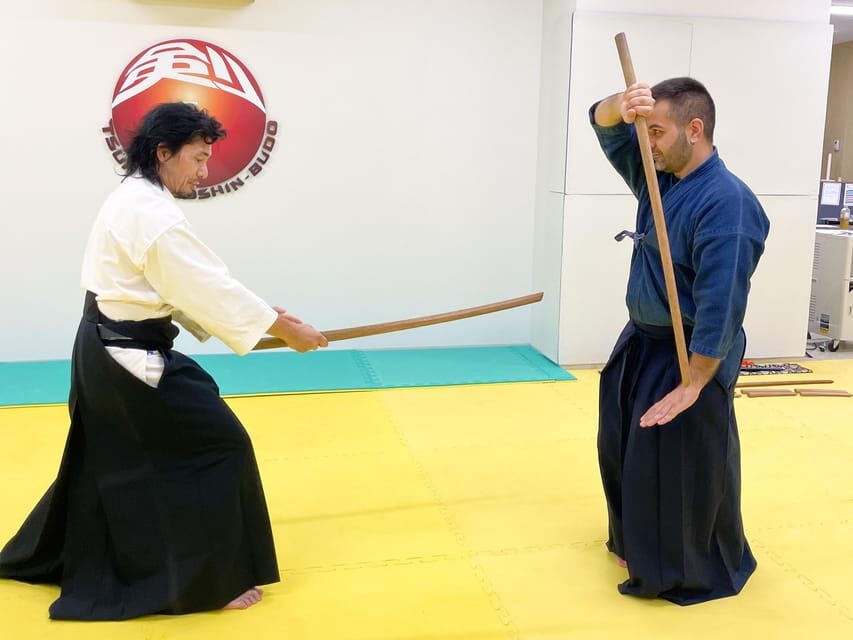
Tokyo’s Kojimachi neighborhood gives you a calmer, more old-school Tokyo feel than the big neon zones. Your session takes place in a traditional dojo, and the setting matters: this area was once linked to Edo Castle’s inner grounds where samurai honed their sword skills.
When you arrive, a staff member will be waiting at the dojo entrance. Look for the samurai nobori flag as your landmark, and plan to go shoe-off inside because indoor shoes aren’t allowed. Uniform rental is part of the experience, so you won’t need to hunt down special gear before you get there.
2 hours of Bushido focus: etiquette, breathing, and meditation
This class doesn’t start with sword swings. It starts with how you carry yourself—samurai etiquette, and the spirit of Bushido—so you understand what the movements are for.
Then you’ll move into breathing techniques and meditation to calm your mind. It sounds soft until you realize what it’s doing: it helps you slow down your reactions, control your focus, and avoid turning the drills into a frantic workout. If you enjoy learning the “why” behind physical skills, this part will click.
One useful detail for beginners: the structure keeps you from feeling lost. You get guided steps that connect the mental practice to the physical work that follows.
Wooden sword basics, heavy stick strength, and silent ninja walking
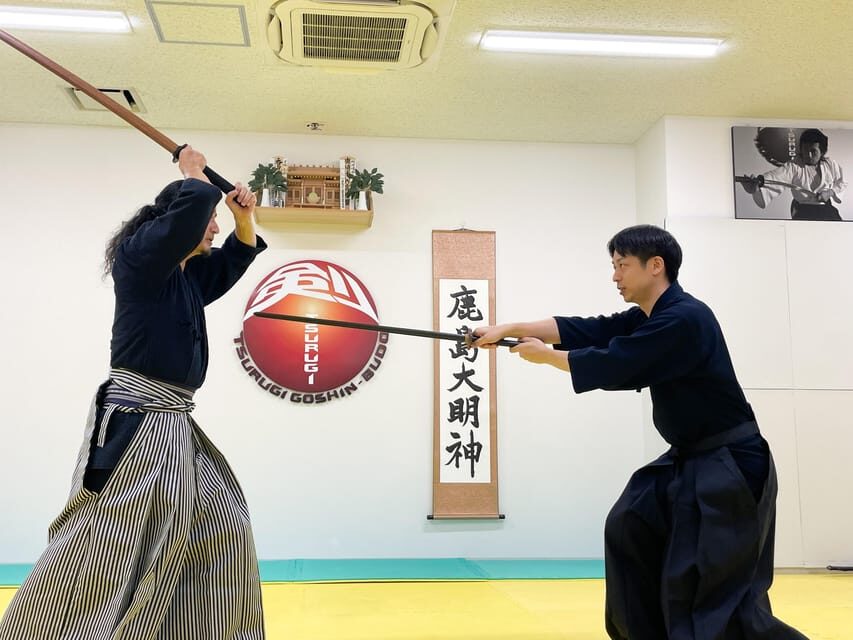
Once you’re ready, you start with wooden sword drills. These are the foundation moves you can actually build on, even if you’ve never held a sword-shaped training tool before.
Next comes strength training with a heavy practice stick. Think of it as conditioning for control, not just brute force. The goal is solid posture and stable technique—so your body supports your training instead of wobbling through it.
Then you’ll do silent walking exercises, the kind of balance-and-awareness drill that feels very “ninja,” in the best way. This is the point where you realize footwork is a whole skill on its own. You’ll be testing balance and focus while staying quiet and controlled, which is harder than it sounds.
Combat kata and one-on-one sparring: where technique turns real
After drills and posture work, the class moves into realistic combat sword techniques. You’ll learn one authentic samurai combat kata—one set sequence—so you’re not just collecting random moves. The kata gives you a repeatable pattern you can practice with intention and understand as a unit.
Then comes the part most people remember: one-on-one sparring with an instructor. This is where you take what you learned and apply it with real feedback. It’s not a free-for-all; it’s structured so you can feel the mechanics and timing while staying safe and guided.
If you care about doing more than a photo-op, this section is the reason to book. You’re not just copying motions; you’re getting corrected, adjusted, and coached.





Live instruction in English: beginner-friendly without being watered down
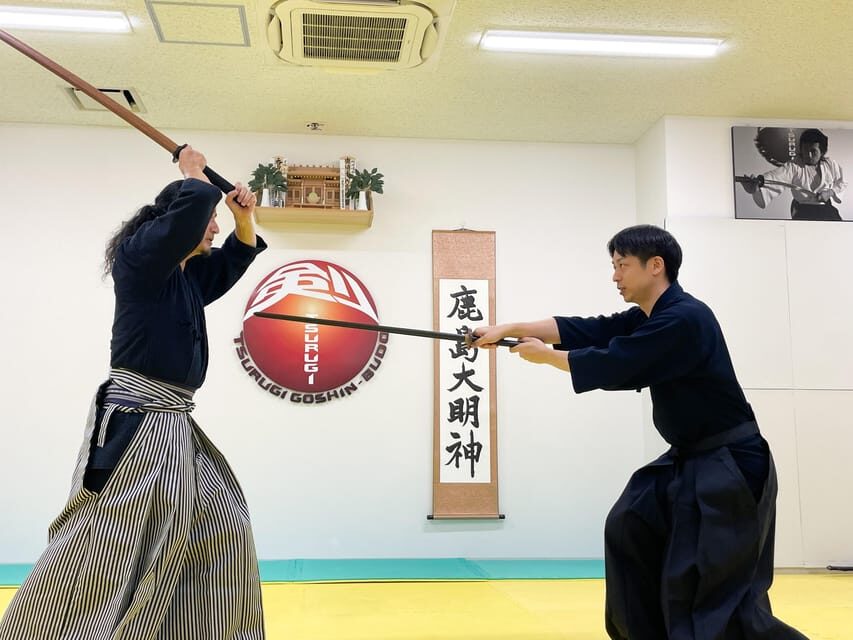
The whole experience is conducted in English, with instructors also using Japanese as needed. For visitors, that matters because sword training has a lot of small details—stance, hand position, breathing timing, distance. When instruction is in your language, you spend less time guessing and more time improving.
The small-group setup helps too. You’re limited to 6 participants, which means you’re not stuck waiting for attention while everyone else goes. Instructors like Oedo and Yukikaze are often highlighted for being exceptional, friendly, and focused on helping you succeed in the room.
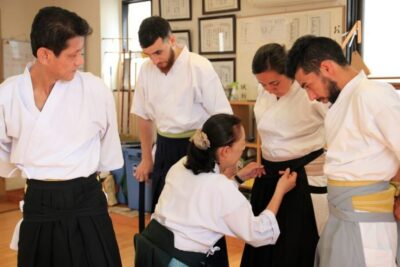
One practical note: you’ll be asked for your height and size (S/M/L) so they can fit your samurai uniform. That’s not busywork. A good fit keeps the training comfortable and helps you move without fuss.
Matcha and sweets break: the calm between hard practice
Midway through, you’ll enjoy matcha green tea and traditional Japanese sweets in a quiet setting. This break isn’t just food. It’s part of how the session resets your body and mind after drills.
Matcha works well after physical focus because it helps you slow down and appreciate the moment. You also get a bit of cultural breathing room—an intentional pause in a training day that otherwise moves fast.
If you’re someone who needs a moment to recover before the next round, this break is a smart inclusion.
Samurai attire, scroll-style certificate, and the photo moment
At the end, you get a lot more than a “thanks for coming.” You receive a personalized scroll-style certificate with your name and the techniques you learned. It’s a tangible way to mark that this was training, not sightseeing.
You’ll also have the chance to wear traditional samurai attire and take a commemorative photo. The key here is that the photo moment doesn’t replace the training. It’s the finish line after you’ve worked through etiquette, drills, and sparring.
If you like keepsakes with meaning—something tied to what you actually practiced—this portion feels worth it.
Price and value: what $83 buys you in real training time
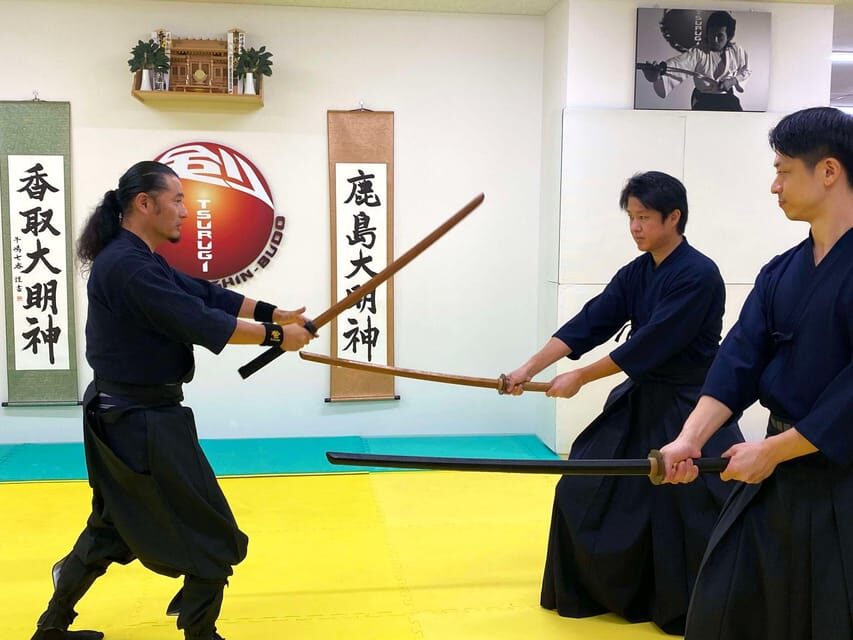
At $83 per person for 2 hours, this isn’t a bargain-show price. But it also isn’t just a class where you hold a sword for five minutes and call it a day.
You’re getting:
- real instruction in sword basics and combat technique
- one-on-one sparring with an instructor
- samurai uniform rental
- matcha and Japanese sweets
- a personalized scroll certificate
- a commemorative photo
- a small group limited to 6 participants
That’s the value equation: the cost covers time, coaching, and included extras that would add up if you did them separately. The fact that it’s not a show is the main reason the pricing feels fair. You’re paying for skill-building and feedback.
Transportation isn’t included, so your total plan depends on where you’re staying. But once you’re at the dojo, the session is handled.
Who this experience suits best (and who should skip it)
This is a strong choice if you want something hands-on in Tokyo beyond temples, shopping, and photo stops. You’ll enjoy it most if you like structured instruction, don’t mind physical drills, and want to understand Bushido as a mindset, not just a word.
It’s also a solid “travel with someone” activity because the format is social, focused, and beginner-friendly. One family-bonding angle comes through clearly: people use this as a shared activity where everyone participates, learns, and leaves with a certificate.
You should skip this if it’s not safe for you. It’s not suitable for pregnant women, and people with a cold should avoid it. That’s especially relevant because the training includes breathing and physical work, and you don’t want to make symptoms worse.
Should you book Samurai Training in Tokyo?
Book this if your idea of a great Tokyo day is learning something real with your hands, your balance, and your attention—guided in English, in a small group, with one-on-one sparring.
Skip it if you’re looking for a passive experience, or you want something purely sightseeing-based with minimal physical effort. This is training, and that’s exactly why it’s memorable.
If you want an authentic-feeling break from the usual Tokyo route—one that ends with a certificate and a photo you can actually justify—this is an easy yes.
FAQ
How long is the Samurai Training experience?
It lasts 2 hours.
Where does the training take place, and where do I meet?
It takes place at a traditional dojo in Tokyo’s Kojimachi district. A samurai staff member will be waiting at the dojo entrance, and you should look for the nobori flag.
What language is the training taught in?
The experience is conducted in English, with instructors also using Japanese.
What’s included in the price?
The experience includes samurai uniform rental, a live sword demonstration by the instructor, an English guide on sword skills, Bushido, and samurai history, a personalized scroll-style certificate, matcha tea and Japanese sweets, and a commemorative photo.
Is this a show or hands-on training?
It’s hands-on training. You’ll learn etiquette, sword basics, drills, and then practice realistic techniques in one-on-one sparring.
What group size should I expect?
The group is small and limited to 6 participants, with a minimum requirement of 2 participants.
Are there any rules inside the dojo?
Smoking indoors isn’t allowed, and shoes aren’t allowed indoors.
Who shouldn’t book this experience?
It’s not suitable for pregnant women or people with a cold.
More Tour Reviews in Tokyo



The Way of the Sword, Continued

Fresh reviews from around Tokyo






Samurai & Ninja Experiences, compared.
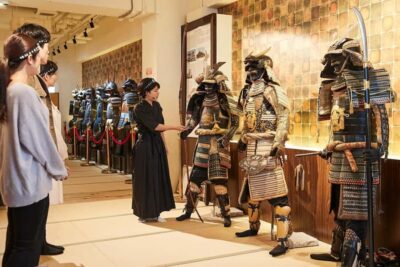 ★ 4.6Samurai Ninja Museum Guided tour and ExperienceFrom $271,010 reviews
 ★ 5.0Samurai Sword & Archery Class from Samurai DescendantFrom $193603 reviews
 ★ 5.0Best Samurai Experience in TokyoFrom $65458 reviews
 ★ 5.0Ninja Experience (Family Friendly) at Samurai Ninja Museum TOKYOFrom $47441 reviews
 ★ 4.6Samurai Entertainment Night Show in Kanda ShrineFrom $41417 reviews
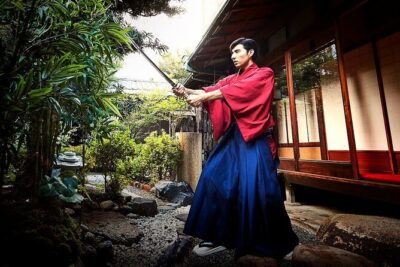 ★ 5.0Tokyo Sword Experience – includes Museum Ticket/Ninja ExperienceFrom $84314 reviews
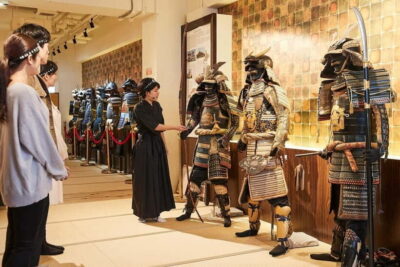 ★ 4.8Samurai Ninja Museum Asakusa: Samurai Sword Lesson & TourFrom $63306 reviews
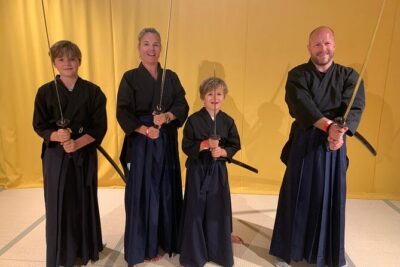 ★ 5.0Samurai Sword Experience (Family Friendly)at SAMURAI MUSEUM TOKYOFrom $65168 reviews
Browse the lists this tour appears in