
Reviewed · PRIVATE
Tokyo: Zen Meditation at a Private Temple with a Monk
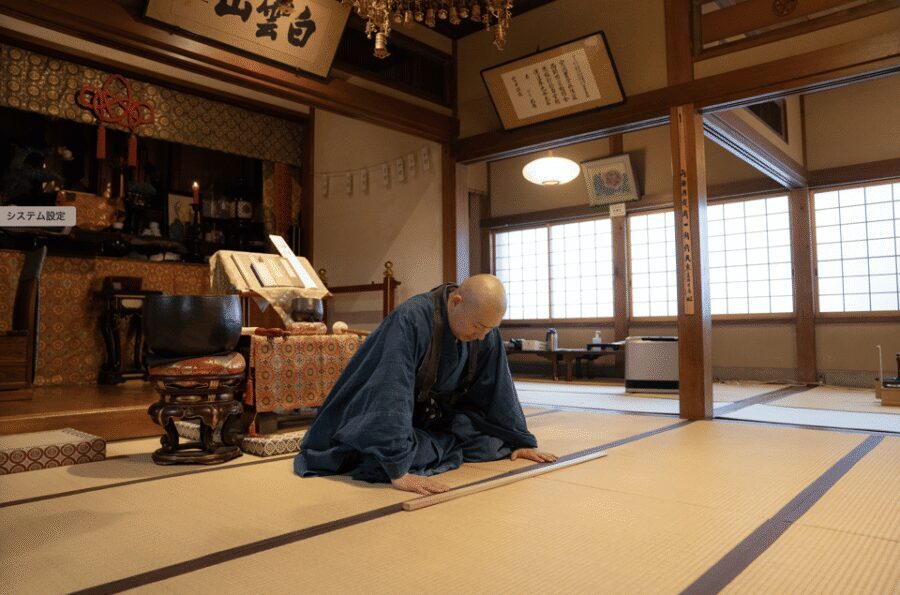
Stillness can beat sightseeing fast. This Zen session takes you into a temple setting in Asakusa that isn’t open to the general public, led by the resident monk. You’ll learn zazen basics, practice seated meditation, then wrap it up with tea and conversation in a space that dates back more than 400 years.
What I love most is the teaching style. You get clear English guidance from Tamami-san (and in other sessions, guides like Kazu or Shota show up to translate smoothly), so the monk’s instruction lands without getting watered down. The other big win is the mix of activities: meditation plus calligraphy plus matcha tea, which turns a lesson into something you can remember with your hands and your senses.
One thing to consider: transportation isn’t included, and you’ll need to meet at a specific spot in Asakusa (a Family Mart near Tawaramachi). Also, the guide will reach you through WhatsApp, so plan to have it ready on your phone.
In This Review
- Key takeaways before you go
- Zen Calm in Asakusa: why this session feels different
- Meeting at Tawaramachi: the Family Mart detail that matters
- Walking into a temple not open to the public
- Zazen instruction with the resident monk (and Tamami-san translating)
- The breathing rhythm: what practice feels like in a group
- Calligraphy and sutra chanting: learning calm with your hands
- Matcha tea ceremony and sweets: closing the loop
- The monk Q&A: stress advice you can actually use
- Price and 90 minutes: is $55 worth it?
- Who should book this, and who might skip it
- Should you book this Asakusa Zen meditation?
- FAQ
- How long is the Zen meditation experience?
- How much does it cost?
- Where is the meeting point?
- Is transportation included?
- What language is the tour taught in?
- Will I need WhatsApp?
- What’s included in the price?
- What should I expect during the session?
- Can I ask the monk questions?
- Is photography allowed?
Key takeaways before you go
- Private temple access in Asakusa: you’re not just walking by crowds at a big landmark.
- Zazen instruction from a resident monk: you’ll learn the principles, then actually practice.
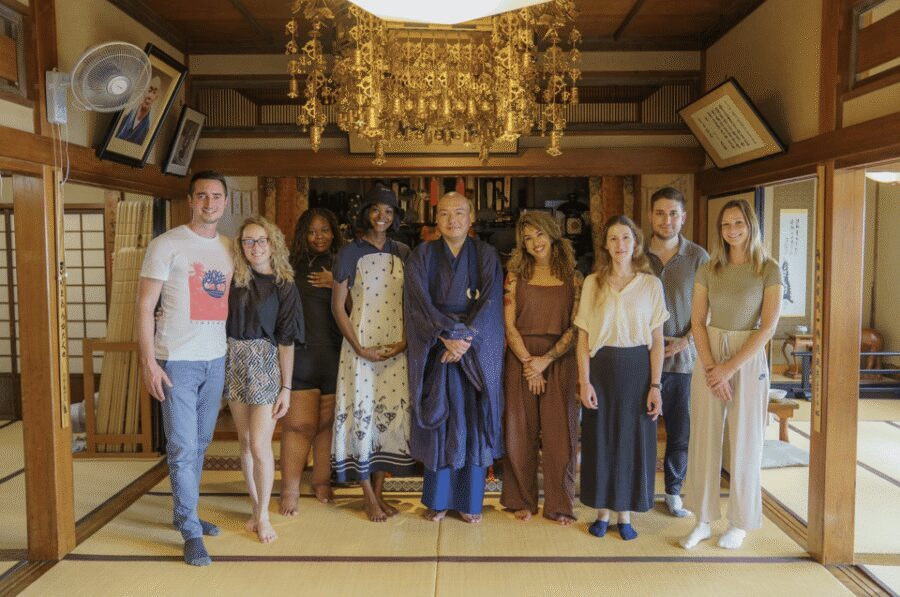
- Warm English translation: guides like Tamami-san help you follow the monk’s teaching.
- Calligraphy + matcha tea: two extra rituals that make this feel complete, not rushed.
- Question time that feels real: you can ask about Zen and daily life, not just meditation technique.
More private options with your own guide
- Tokyo 6hr Private Tour with Government-Licensed Guide★ 5.0 · 3,902 reviews
- Private Tour to Mt. Fuji and Hakone (Fully Licenced Operator)★ 5.0 · 1,910 reviews
- Tokyo Customized Private Tour (Must See Places in 1 Day)★ 5.0 · 1,499 reviews
Zen Calm in Asakusa: why this session feels different
Tokyo can keep moving even when you want it to slow down. This experience trades streets for stillness, with a monk-led practice inside a temple in Asakusa that’s not for general public drop-ins.
The structure matters. You don’t just sit quietly and hope for the best. You get an explanation of zazen, then guided practice, and then a tea ceremony and free talk that connects the spiritual ideas to everyday stress and attention.
And yes, it’s short enough to work. The whole thing runs about 90 minutes, so you get the benefit without turning it into a marathon that makes you restless. The most praised part in the accounts I saw is how calm and personal it feels—like you’re borrowing a small pocket of peace that Tokyo doesn’t sell in stores.
Meeting at Tawaramachi: the Family Mart detail that matters
Your start point is simple but specific: meet in front of a Family Mart in the Asakusa area, about a 2-minute walk from Tawaramachi Station (Ginza line).
Here’s the one practical catch I’d watch: there are two Family Mart branches nearby. Take a moment at the station to confirm you’re at the right one. If you show up at the wrong side, you can lose time fast, especially before you’re taken through the separate entrance.
Also, download WhatsApp before you go. The guide will contact you there, which helps you link up smoothly.
Walking into a temple not open to the public
This is the kind of access that changes the feel of the visit. Instead of squeezing around big sights, you enter a private temple space where the atmosphere is already set for quiet.
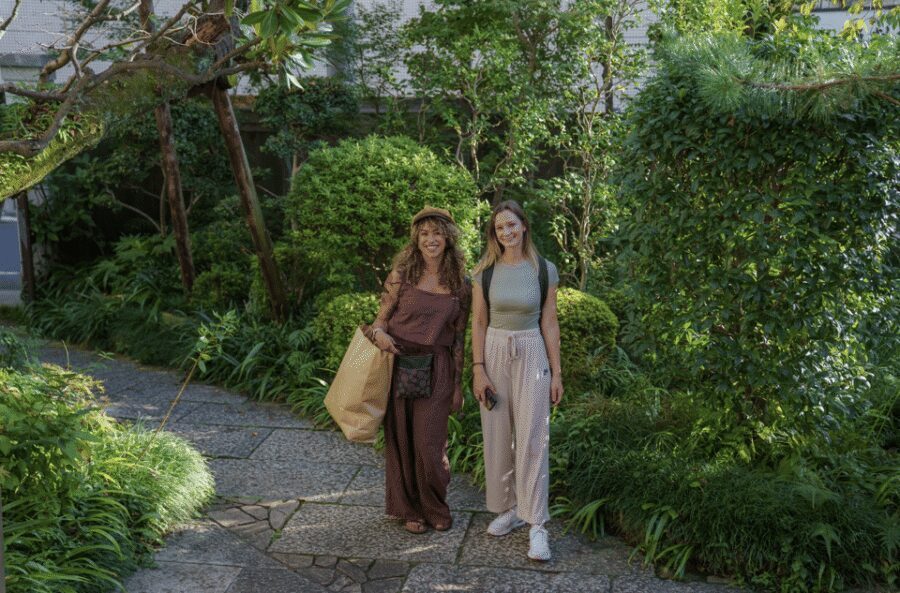
The temple you’ll visit is linked to a tradition that goes back over 400 years, and you can sense it in how the day is paced. People consistently describe the setting as serene—something smells like ritual space, not tourist space—and the monk’s presence makes it feel less like a performance and more like daily life.
One practical advantage: you’re able to skip the line through a separate entrance. That matters because the first step of meditation is reducing friction. If you’re stressed about getting in, you won’t “arrive” mentally when it’s time to sit.
Zazen instruction with the resident monk (and Tamami-san translating)
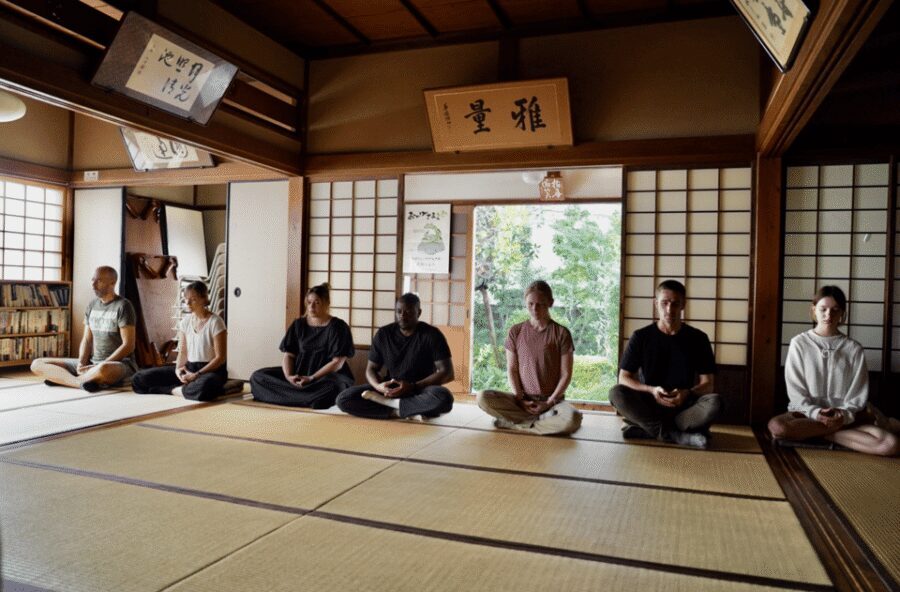
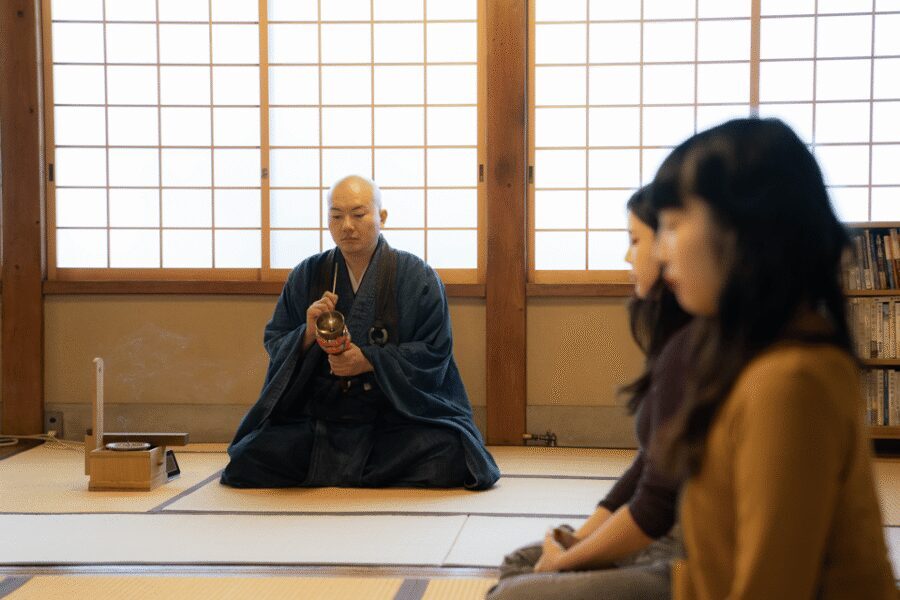
Zazen is the core practice here: seated meditation in the Zen tradition. Before you sit, the monk gives instruction on the principles and techniques, and your guide helps translate and reframe what you’re hearing into something you can use.
In a lot of these experiences, the guide is Tamami-san, and she’s specifically praised for making the monk’s words clear in English while still keeping the meaning intact. Other guides show up too (like Kazu or Shota in different bookings), but the pattern is the same: translation that helps you understand what to do with your body and attention.
You’ll likely also get small, physical cues during practice—how to sit, how to breathe, and how to steady yourself. One tip that stood out in the stories: ask about using a stick during meditation if your program mentions it. It can sound unusual, but it’s the kind of practical tool that helps some people keep timing and posture.





The breathing rhythm: what practice feels like in a group
Here’s the thing about meditation for first-timers: the mind doesn’t cooperate on schedule. What helps is structure that’s gentle and timed.
Many sessions include more than one short seated round, and they’re designed so you don’t lose yourself in discomfort. People described doing rounds on tatami mats and feeling calmer fast once they got settled. In some versions, meditation is split into two short sessions; in others, it’s one longer stretch before the next activity begins. The consistent idea is the same: guided practice, then move on before you get too self-conscious.
What the monk emphasizes from the description you have is also worth noticing. You’re guided to unify your mind, confront yourself honestly, and detach from ego and worldly concerns. That doesn’t mean you become a different person in 90 minutes. It means the monk helps you stop arguing with your thoughts long enough to feel the present moment.
You’ll also be coached to breathe rhythmically. When you’re breathing in a shared rhythm, even a room full of strangers can feel less like a crowd and more like a single, quiet unit.
Calligraphy and sutra chanting: learning calm with your hands
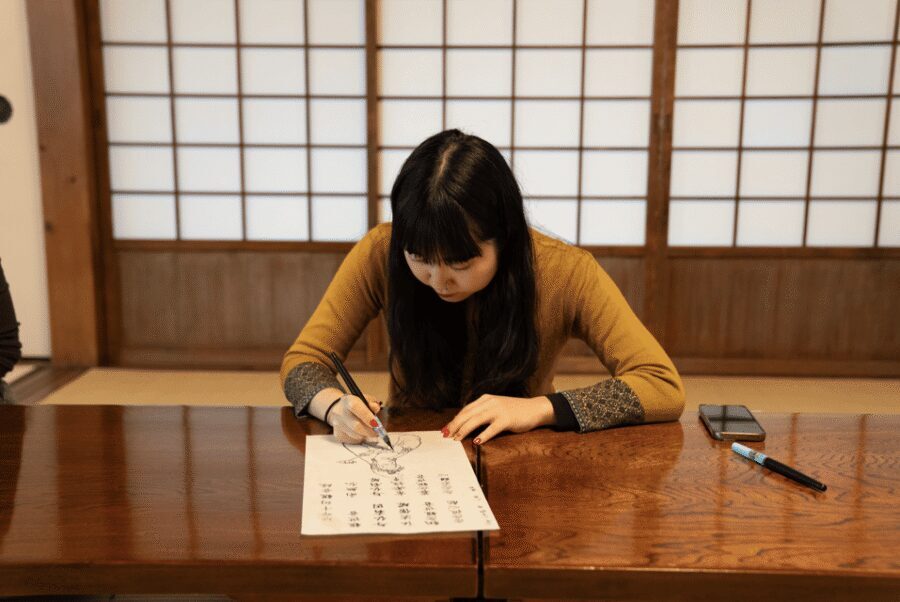
After zazen comes a hands-on ritual: calligraphy. This part is often the surprise for people who signed up thinking it would be meditation-only.
You may do calligraphy that connects to a chanting/sutra theme. In the accounts tied to this experience, the calligraphy is described as a calm, focused activity rather than an art class where you worry about looking good.
This matters because it gives your brain a different kind of attention. If sitting still makes you fidget, calligraphy can feel like a moving form of mindfulness: slow motions, careful placement, and a focus that quiets the urge to mentally multitask.
Also, you may be able to take part in the ritual atmosphere around it. Some accounts mention chanting during calligraphy, which turns the lesson into something you feel through sound as well as sight.
Matcha tea ceremony and sweets: closing the loop
Then you shift to matcha. This isn’t an afterthought; it’s part of the pacing that turns meditation into memory.
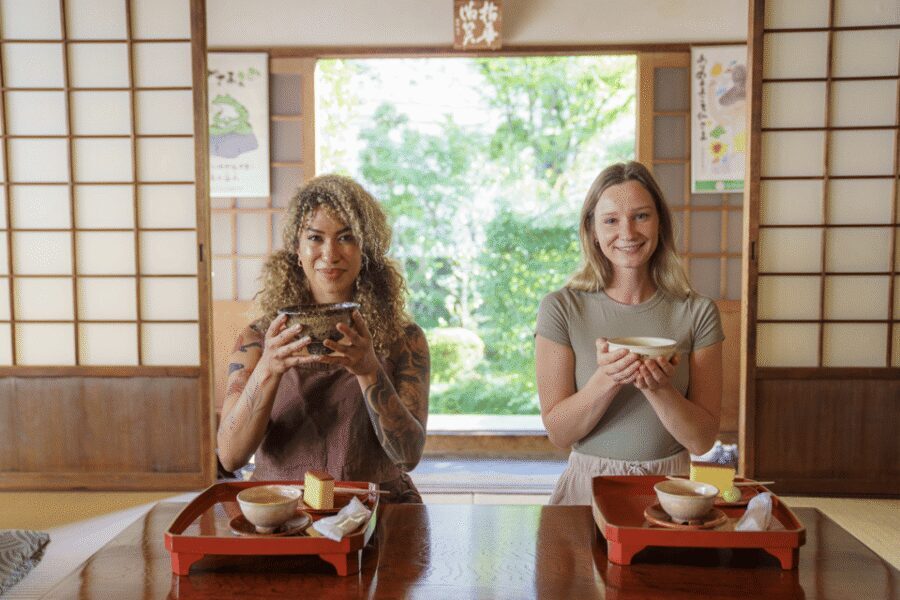
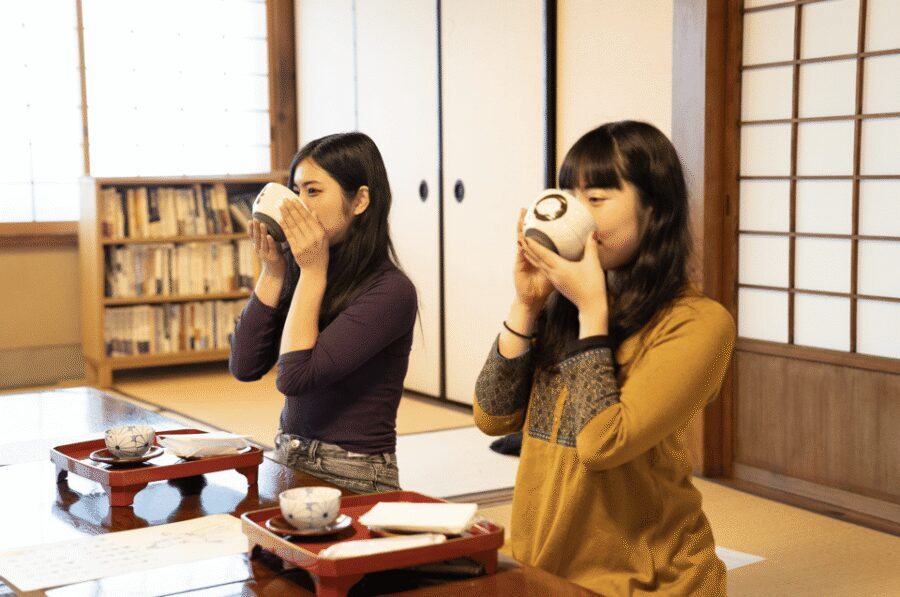
The program includes a matcha tea ceremony, and tea tasting often comes with traditional sweets. People repeatedly describe this as serene and refreshing, like the ritual gives you a final cue to slow down and stay present.
If you’re wondering what tea has to do with Zen, it helps to think of it as the same mental skill in a different costume. You’re still watching your senses. You’re still practicing attention. The difference is that now you have taste, smell, and small gestures to anchor you.
And if you’re the kind of person who likes a practical takeaway: you can leave with a new rhythm for your own day. Even if you never become a meditation person, the tea ritual can teach you how to slow down without making it a big production.
The monk Q&A: stress advice you can actually use
The most human part of this experience is the free talk with the monk at the end. You’re not just receiving instructions; you get to ask questions and hear answers in a real conversation.
What stands out across the descriptions is that the monk is patient and open. People mention lots of questions and honest answers about Zen Buddhism and the life of a monk.
One example of the kind of guidance you might hear: simple advice for handling stress, like focusing fully on small tasks (even something basic like tying shoes), keeping your environment tidy, not comparing yourself to others, and looking at the root of anger so it doesn’t run the whole day.
That’s the value of this Q&A. You get ideas that can survive contact with real life—work, noise, and your own inner noise.
Price and 90 minutes: is $55 worth it?
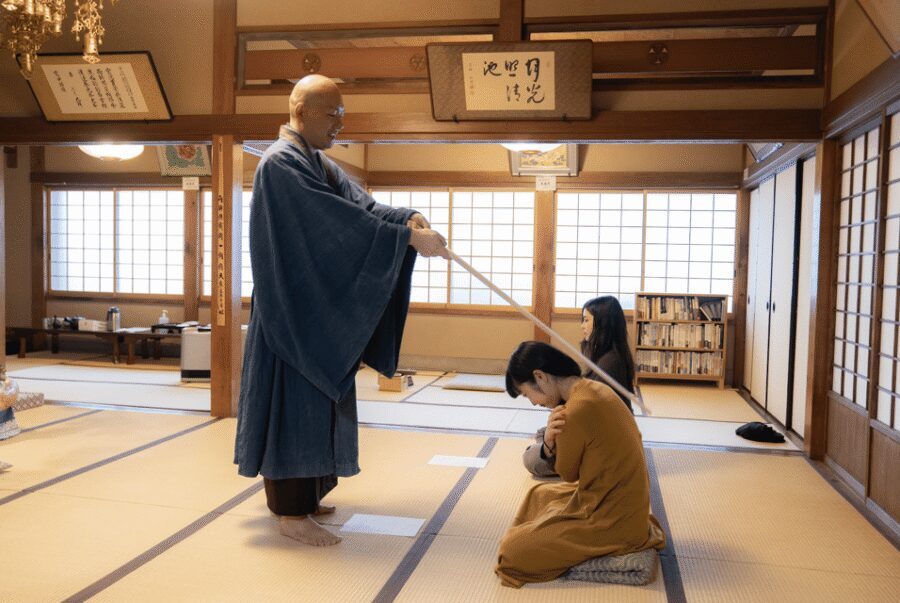
At $55 per person for about 90 minutes, this isn’t the cheapest way to spend a morning in Tokyo. But it also isn’t just paying for a chair in a room.
You’re paying for:
- access to a temple setting that isn’t open to the general public
- a monk-led teaching and practice (not just a general lecture)
- an English-speaking guide to translate in real time
- included matcha and sweets
- included calligraphy activity
- extra time for Q&A and conversation
If you compare it to typical paid tours that include one or two cultural stops, this stacks several guided rituals into one package. That’s why people consistently describe it as intimate and calming, not a rushed checklist.
For best value, come with a mindset that you’ll participate. If you sit there mentally scrolling your phone, you’ll miss most of what you paid for. If you’re willing to follow the monk’s cues and ask questions, you’ll feel like the hour and a half belongs to you.
Who should book this, and who might skip it
I’d book this if you want a calm, structured break from Tokyo crowds and want a guided taste of Zen practice. It’s especially good if you’re new to meditation, because the teaching and translation help you avoid common beginner confusion.
It’s also a strong pick if you’re curious about Japanese culture beyond temples as photo backdrops. The combination of zazen + calligraphy + tea gives you a fuller sense of how ritual shapes daily focus.
I’d consider skipping if you want something that’s mostly sightseeing, or if you hate sitting still even briefly. This is about attention and practice, not a long walk with stories from the street.
And if your schedule is tight, check your start time before you commit. The meeting point is specific, and you’ll want your head clear enough to sit.
Should you book this Asakusa Zen meditation?
Yes—if you want a peaceful, guided, and culturally grounded experience in Tokyo that goes beyond watching. This is the kind of activity that can set your day’s tone because it teaches you how to be present, not just where to go.
Book it if you’re comfortable with a short, respectful meditation practice and you’d enjoy finishing with matcha, calligraphy, and a conversation with the monk. If that sounds like your idea of a good morning, this is worth your time—and your $55—because it gives you structure, quiet, and a personal connection you don’t get from most tour formats.
FAQ
How long is the Zen meditation experience?
The experience lasts 90 minutes.
How much does it cost?
It costs $55 per person.
Where is the meeting point?
Meet in front of a Family Mart in the Asakusa area, about a 2-minute walk from Tawaramachi station (Ginza line). Make sure you’re at the correct Family Mart branch.
Is transportation included?
No. Transportation is not included.
What language is the tour taught in?
The tour is in English, with live tour guidance.
Will I need WhatsApp?
Yes. The guide will contact you through WhatsApp so you should download it before the tour.
What’s included in the price?
Included are the Zen experience, a guide, entry to the temple, monk explanation, and matcha tea.
What should I expect during the session?
You’ll learn about zazen from the monk, practice Zen meditation, and then finish with matcha tea. A calligraphy activity is also part of the experience.
Can I ask the monk questions?
Yes. There is a discussion and free talk with the monk at the end.
Is photography allowed?
Yes. Taking photos or videos is allowed, including within the temple and with the monk.
Just Your Group: Private Options



More Tour Reviews in Tokyo



Fresh reviews from around Tokyo






Private, compared.
 ★ 5.0Tokyo 6hr Private Tour with Government-Licensed GuideFrom $1553,902 reviews
 ★ 5.0Private Tour to Mt. Fuji and Hakone (Fully Licenced Operator)From $4971,910 reviews
 ★ 5.0Tokyo Customized Private Tour (Must See Places in 1 Day)From $1451,499 reviews
 ★ 4.9Mount Fuji Full-Day Private Tour from Tokyo (Customizable)From $3931,470 reviews
 ★ 4.8Private City Highlights Tour with Local GuideFrom $1061,433 reviews
 ★ 5.0Private Custom Tour: Tokyo in a DayFrom $1591,432 reviews
 ★ 5.0Tokyo 4hr Private Tour with Government-Licensed GuideFrom $1091,394 reviews
 ★ 5.0Tokyo Customized Private Tour: See Top Attractions in 1 DayFrom $1451,351 reviews