
Reviewed · SHIBUYA TOURS
Tokyo Walk through: Shinjuku, Harajuku, Omotesando & Shibuya
Four neighborhoods, one easy storyline. Tokyo jumps from the practical to the fashion-forward fast, and this route makes the connections feel logical. I especially like the contrast between Shinjuku Gyoen calm and the hard-charging streets of Shinjuku and Shibuya, and you’ll feel the city’s change of pace in real time. I also like that the tour is flexible, so your guide can steer you toward what you want to see—mainstream shops, food areas, or culture details you’d otherwise miss.
This tour also matters because it explains the why behind the scenery. You start in Shinjuku, the area shaped for modern life as Tokyo grew, then you move through the youth-pop energy of Harajuku and the mix of luxury and side streets in Omotesando. One consideration: it’s still a walk-heavy 4 hours, so you’ll want comfortable shoes and patience for crowds around major station zones.
The payoff is a smooth arc through Tokyo’s styles, from everyday transit logic to pop culture and quiet garden time. With an English-speaking live guide, a small group capped at 8, and photography allowed (with sensible respect for any limits), it’s a great way to get grounded quickly before you start exploring on your own.
In This Review
- Key highlights you’ll feel on the walk
- Starting at Shinjuku’s station hub: a smart place to begin
- Shinjuku streets and the train-city mindset (plus a garden breather)
- Shibuya: youth culture, modern Tokyo energy, and the logic of the crowd
- Harajuku and Takeshita-dori: pop culture at full volume
- Omotesando: luxury brands, then a maze of side streets
- How the guides make or break the value
- Timing and walking reality: when 4 hours is perfect, and when it isn’t
- Price and value: what $67 buys you in Tokyo terms
- Who should book this Tokyo walking tour
- Should you book this Tokyo walk through?
- FAQ
- Where is the meeting point?
- How long is the tour?
- What neighborhoods does this walk cover?
- What is included in the price?
- What is not included?
- Is there an English-speaking guide?
- How big is the group?
- What should I bring?
- Is the tour wheelchair accessible?
- Can I take photos?
- If you want, tell me your dates and interests
Key highlights you’ll feel on the walk
- Shinjuku Gyoen stop: a genuine reset after the station-area rush
- Culture + shopping, not just sightseeing: you get guidance on what to look for and why
- Small-group pace: limited to 8 people, so your guide can keep it personal
- Neighborhood-to-neighborhood story: post-war planning ideas linking Shinjuku and Shibuya to modern needs
- Harajuku and Omotesando contrast: pop-culture on Takeshita-dori, then understated wealth on Omotesando backstreets
- Practical Tokyo help from the guide: you’ll get tips that make daily life easier, including how to navigate trains
More to do within sight of the Crossing
- Official Street Go-Kart in Shibuya★ 5.0 · 3,435 reviews
- Tokyo: Street Kart Experience in Shibuya★ 4.9 · 1,484 reviews
- Shibuya Meltdown Nightlife Tour: All-You-Can-Drink Bar Hopping★ 5.0 · 1,058 reviews
Starting at Shinjuku’s station hub: a smart place to begin
You meet right in front of the GUCCI Shinjuku M Square Store. It sounds like an odd landmark, but it’s actually useful. Shinjuku is famous for being the busiest train area on Earth, and a clear meeting point means you don’t lose time herding yourself through underground corridors and exits.
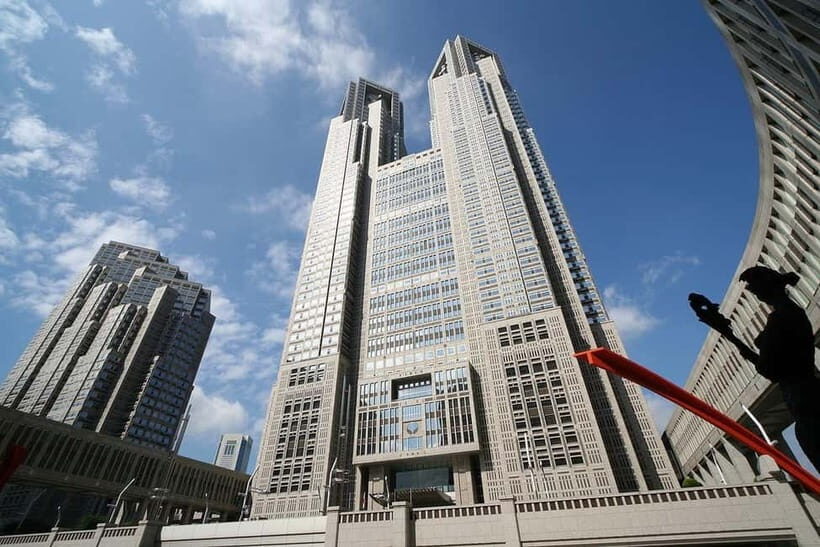
From the start, the tour frames the city like a working system, not just a set of postcards. You’ll hear how post-war Tokyo was master-planned to create modern hubs like Shinjuku and Shibuya—built to handle a growing population and shifting city needs. That context is what turns random street scenes into something you can understand.
Also, because the tour is designed for an easy handoff into independent exploring, you’ll likely leave with a better sense of where things are, how neighborhoods connect, and what kinds of areas match your mood.
Shinjuku streets and the train-city mindset (plus a garden breather)
Your Shinjuku hour is where the tour gets its engine running. You’re guided through lively streets where you’ll see mainstream shopping and famous eating-and-drinking areas, all while your guide explains what’s going on behind the scenes. Shinjuku isn’t just busy; it’s a city within the city, and the best part of walking it with a guide is learning how the neighborhood functions.
This is also the section where your walking comfort matters most. Expect steady movement through crowded lanes and busy blocks. If your plan includes shopping, this is where you’ll spot the kinds of places you might want to return to later—brands, department-store style shopping, and the food areas that keep people out late.
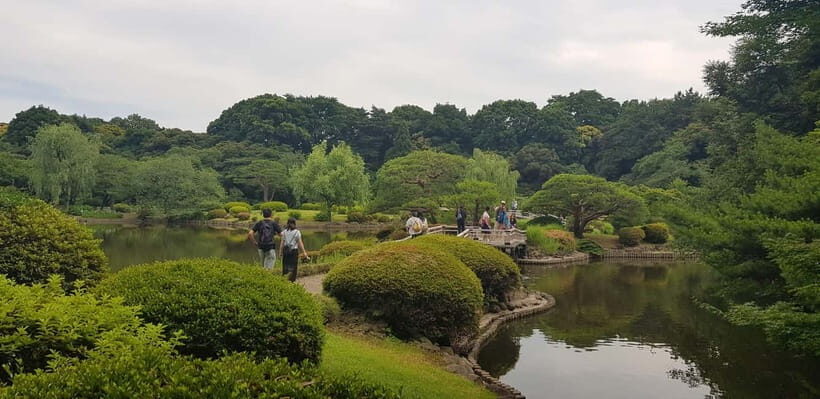
Then comes the best palate cleanser: Shinjuku Gyoen Garden. If weather is decent, you stop here as a calm break in the middle of everything. The tour’s garden angle isn’t about being quiet for the sake of it. It’s about showing you how Tokyo can switch gears—from high-density urban life into multiple garden styles and approaches in one visit. Even if you’re not a garden person, you’ll appreciate the way it resets your eyes and your energy.
Practical tip: treat the garden stop like a photos-and-walk slow-down moment. Wear shoes you trust, because the surfaces can be uneven, and you’ll be glad you didn’t opt for flimsy sandals.
Shibuya: youth culture, modern Tokyo energy, and the logic of the crowd
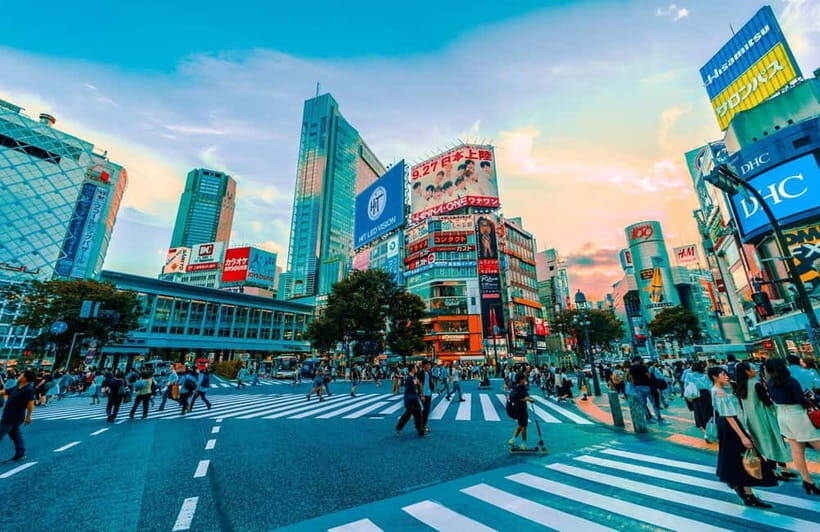
After Shinjuku, you head to Shibuya, where Japanese modern culture leans hard toward the youthful set. This area is often described as trend-driven, but what I like about this tour’s approach is that it goes past the basics. You’re shown the area’s tame funkiness and mild avant-garde vibe, then your guide points out smaller spots that reflect Tokyo’s young, fast-moving style.
Shibuya’s real lesson is how people behave when the streets are full. With a guide, you’re not just walking through a crowd—you’re learning how to read it: where to slow down, where to look, and how to spot the kinds of scenes that match what you care about (fashion, street food, pop culture reference points).
This is also where your guide can be especially helpful if it’s your first time in Tokyo. One of the stand-out pieces of guide value from past experiences with this type of tour is learning practical day-to-day context—things like how train travel fits into your day and how local rhythm works. Guides named Hiroshi and others are praised for that kind of real-world explanation, not just pointing.
If you’re the kind of traveler who likes to watch people and understand the vibe, Shibuya is where you’ll feel the tour click.
Harajuku and Takeshita-dori: pop culture at full volume
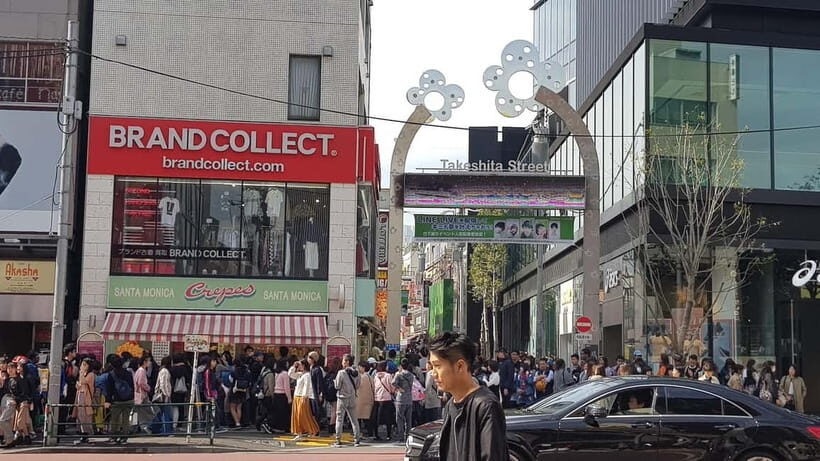
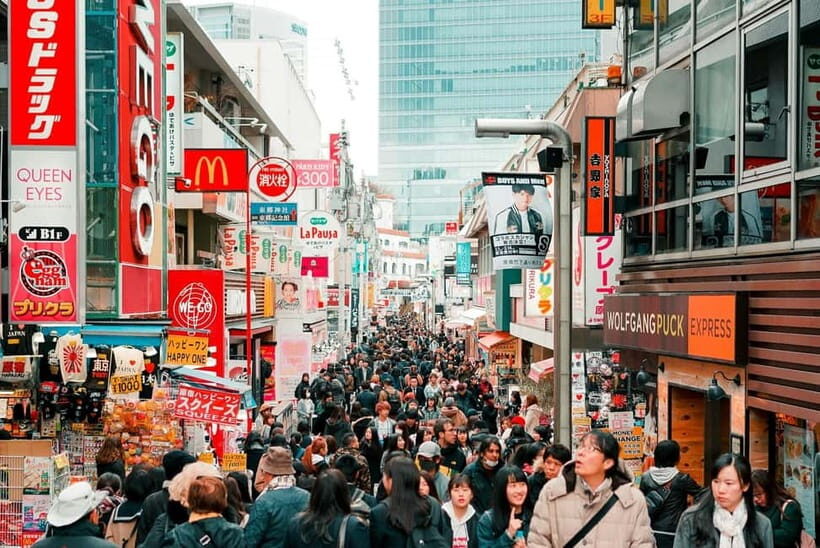
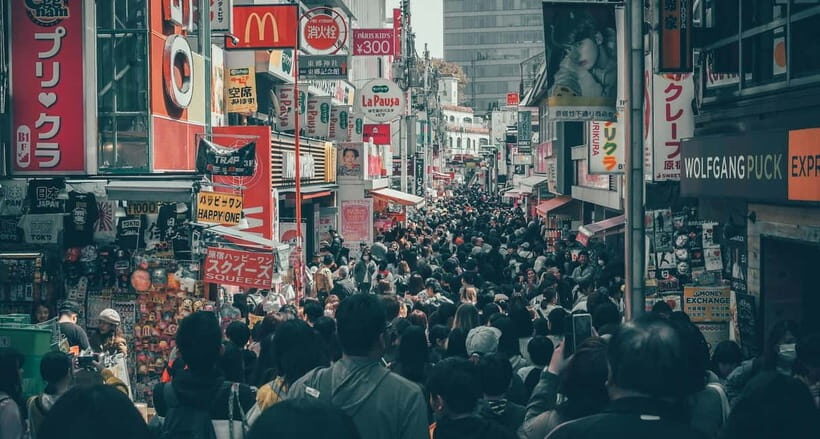
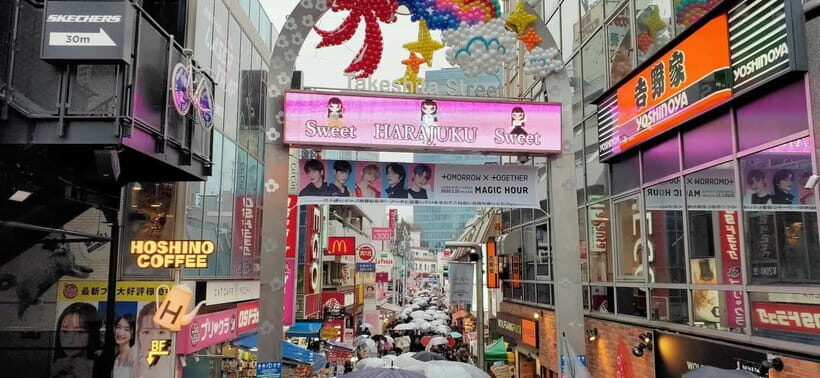
Next is Harajuku, and specifically the Takeshita-dori area, which is known for a younger crowd. This is where Japanese pop culture feels most uninhibited—loud styling, playful trends, and that sense that people are dressing like they’re in a music video.
The tour gives you a guided way to handle this without getting overwhelmed. Harajuku can be sensory overload if you go in cold, especially if you’re trying to shop and take photos at the same time. With a guide, you can move with purpose: what to look at, how to spot the style signals, and where the back-and-forth is worth your time.
If you’re shopping-minded, Harajuku is a great place to identify brands, accessories, and the small fashion details you don’t always see elsewhere. If you’re not shopping-minded, it still works because the style story helps you read the neighborhood. You’ll understand why it feels the way it does, and that makes it easier to enjoy even when you decide to browse instead of buy.
One more thing: keep your expectations balanced. Harajuku is fun, but it’s also tourist-heavy at times. The tour’s small-group format helps you keep moving as a unit and avoid losing your place.
More colour: other Harajuku wanders


Omotesando: luxury brands, then a maze of side streets
Then you transition to Omotesando, where understated wealth and luxury brands sit side by side with backstreets that reward slower walking. This contrast is one of the reasons the route feels smart. You go from Harajuku’s pop-culture intensity to Omotesando’s polished vibe, then you get a guided look at how both styles can exist in the same city block system.
Omotesando can be easy to treat like a straight line: flagship stores, clean sidewalks, quick photo stops. But what I like about this tour’s handling is that it pushes you toward the side streets for unique fashion finds—places that don’t feel like a mall corridor.
This is also a good neighborhood for people who want a Tokyo shopping experience that’s slightly more thoughtful. Instead of just chasing whatever’s trendy, you get a sense of what’s considered style-forward here and where the smaller finds might be. Your guide can also help you tailor this section based on what you liked earlier: if you loved street fashion in Harajuku, you’ll probably want more time around the fashion-focused lanes; if you prefer luxury browsing, you can focus differently.
How the guides make or break the value
A big part of the value here is the human layer. The tour is built for an English-speaking live guide, and the small group size (up to 8) makes it possible for the guide to adjust. The best feedback patterns tied to this experience highlight friendliness, informal flexibility, and guides who explain Japanese culture in plain language.
You’ll also see a recurring theme: guides don’t just walk you to sights. They help you understand the area’s daily-life rhythms. For example, guides named Hiroshi have been praised for teaching how to use trains and explaining daily life in Tokyo. Other guides like Tina have been noted for steering people toward good shop and food choices, even helping with ordering at a ramen stop before wrapping up the day. There’s also praise for guides like Renault and Scott for tailoring the route to what people actually want to see.
That’s the practical difference between a generic loop tour and a walking guide who reads the room. If you’re the type who likes asking questions, you’ll get more out of this than someone who wants only a fixed script.
Timing and walking reality: when 4 hours is perfect, and when it isn’t
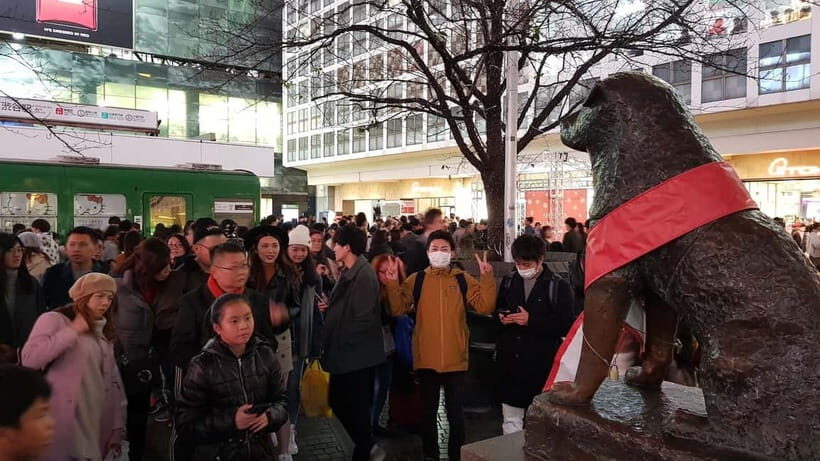
The total duration is 4 hours, and the itinerary breaks into about an hour for each major neighborhood stop. That’s a sweet spot for first-time context. In a single morning or afternoon, you get Shinjuku, Harajuku, Omotesando, and Shibuya, plus the Shinjuku Gyoen garden stop.
But it’s also why you should plan with intention. If you’re trying to do heavy shopping in multiple neighborhoods, you’ll need to choose what matters most to you. You’ll likely get enough time to browse and pick up a few ideas, but not enough to fully conquer every store you see.
Weather is another practical factor. The garden stop depends on conditions, so if rain or strong wind shows up, expect a different pace.
If you prefer slow travel, you might treat this as your orientation walk, then come back later for longer shopping and food runs. That’s often the best strategy in Tokyo.
Price and value: what $67 buys you in Tokyo terms
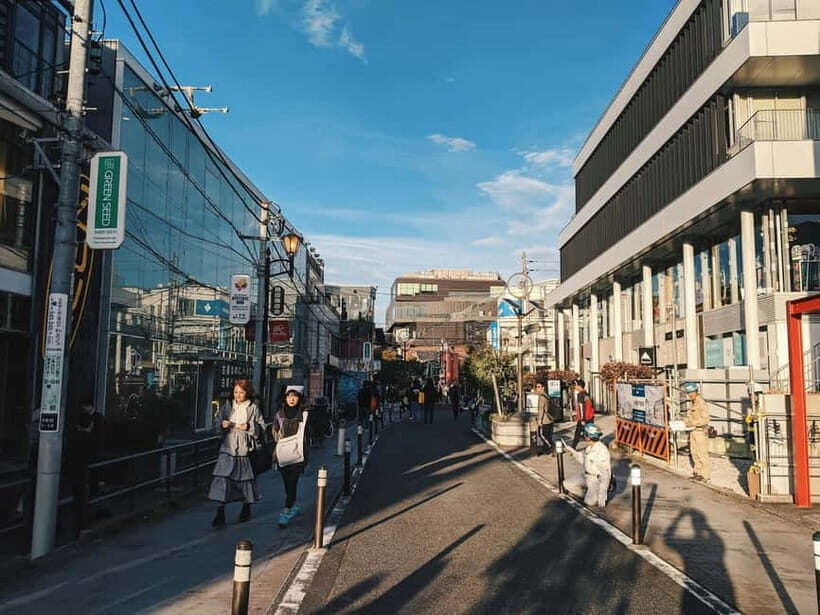
At $67 per person, you’re paying for an English-speaking guide, a guided walking plan that covers four major neighborhoods, and a garden visit. You’re also paying for someone to connect the dots—post-war planning context, cultural explanations, and shopping/food guidance.
Is it the cheapest way to see Tokyo? No. But it’s not priced like a full-day private driver either. For many travelers, the value comes from time saved and decisions simplified. Tokyo can be confusing your first day: stations, exits, neighborhoods, and the sheer amount of choice. This tour helps you start with a map in your head, not just your phone.
You’ll probably feel the best value if:
- You want a guided storyline across contrasting neighborhoods
- You care about culture and practical tips, not only photos
- You’re okay with walking and want a compact hit of Tokyo highlights
Who should book this Tokyo walking tour
This is a smart pick for you if you:
- Are short on time but want a coherent introduction to Shinjuku, Harajuku, Omotesando, and Shibuya
- Like shopping and food exploration with direction, so you don’t waste hours wandering randomly
- Appreciate a guide who can tailor the route instead of sticking to a rigid checklist
- Want a break in the middle (Shinjuku Gyoen) so the day doesn’t feel like one long street market
It may be less ideal if you:
- Have limited ability to walk for long stretches, since the tour involves a fair amount of walking
- Want a super slow pace with lots of sitting breaks in each neighborhood
Should you book this Tokyo walk through?
If you want a first-day-or-first-weekend orientation that feels fun and practical, I’d book it. The strongest reasons are simple: the route makes sense from neighborhood to neighborhood, the guide support is a real value add, and the Shinjuku Gyoen garden stop gives you a necessary reset.
Choose this tour when you want Tokyo to make sense quickly. You’ll walk away with a clearer sense of where the neighborhoods differ, what to look for, and how to spend the rest of your time more confidently.
If you’re unsure, send a quick question to the operator before booking—especially if mobility is a concern, since the tour information lists wheelchair accessibility while also stating it’s not suitable for people with mobility impairments. Better to clarify early than guess.
FAQ
Where is the meeting point?
You meet right in front of the Gucci Shinjuku M Square Store.
How long is the tour?
The tour lasts about 4 hours.
What neighborhoods does this walk cover?
It covers Shinjuku, Harajuku, Omotesando, and Shibuya, with a stop at Shinjuku Gyoen Garden.
What is included in the price?
It includes a guided walking tour of the four areas, the visit to Shinjuku Gyoen Garden, and cultural and shopping exploration.
What is not included?
Meals and drinks, personal shopping expenses, and transportation to and from the meeting point are not included.
Is there an English-speaking guide?
Yes. The live tour guide speaks English.
How big is the group?
This is a small group limited to 8 participants.
What should I bring?
Bring comfortable shoes and weather-appropriate clothing.
Is the tour wheelchair accessible?
The tour information lists wheelchair accessible, but it also says it is not suitable for people with mobility impairments. If this affects you, check with the operator before booking.
Can I take photos?
Photography is allowed, but you should be mindful of restrictions in certain areas.
If you want, tell me your dates and interests
If you share when you’re going and whether you care more about fashion, food, or culture explanations, I can suggest the best time of day to do this walk so Shinjuku Gyoen and the street scenes work in your favor.
Shinjuku After Hours: The Other Crawls




More Harajuku to Wander
Still in Shibuya? Keep Going





Fresh reviews from around Tokyo






Shibuya Tours, compared.
 ★ 5.0Official Street Go-Kart in ShibuyaFrom $763,435 reviews
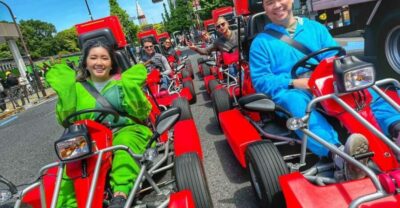 ★ 4.9Street Kart Experience in ShibuyaFrom $741,484 reviews
 ★ 5.0Shibuya Meltdown Nightlife Tour: All-You-Can-Drink Bar HoppingFrom $1061,058 reviews
 ★ 5.0Shibuya Official Street Go-Kart in Shibuya AnnexFrom $69972 reviews
 ★ 5.0Shibuya Food Tour (13 dishes and 4 Eateries)From $77770 reviews
 ★ 5.0Best of Shibuya Food TourFrom $217612 reviews
 ★ 4.8Shibuya Highlights Walking TourFrom $19601 reviews
 ★ 4.7Premium Go-Kart Tour with Tower & Shibuya CrossingFrom $116528 reviews
Browse the lists this tour appears in