
Reviewed · JDM DRIFT CAR EXPERIENCES
Tokyo Ultimate Daikoku & JDM Experience (R35 GTR Private Tour)
Cars and Tokyo at night sounds right.
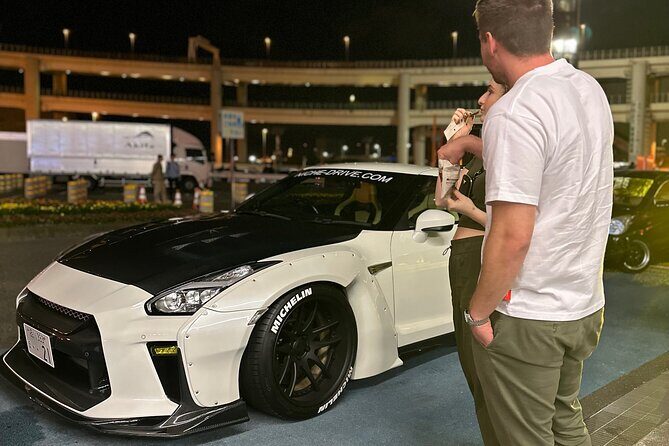
This private R35 GTR Daikoku experience is built around more than one photo stop. You’ll ride a modified 2021 GTR with a long-time car-scene veteran, hit the Shuto Expressway Wangan (including a C1 loop), cross the Rainbow Bridge, and then spend real time at Daikoku with people who actually live this lifestyle.
I especially like the way it feels like a hangout with an informed local friend. You’re not stuck with a generic script, and the guide experience comes through in reviews that mention guides like Hoshi, Josh, Henry, and Adam, plus smooth communication from the Niche team. I also love the pacing: Liberty Walk Tokyo and A-PIT Super Autobacs warm you up first, then the night payoff is Daikoku.
One consideration: Daikoku is a live car meet, not a controlled showroom. What you see can vary based on the night’s conditions, and the operator notes the experience requires good weather.
Key points to know before you go
- Private group up to 1 means no seat swapping and more back-and-forth with your guide
- Wangan C1 loop + Bayshore Route is the core drive, with brief street-racing hotspot stops for context
- Rainbow Bridge views give you a proper Tokyo-to-Yokohama night-rhythm
- Daikoku PA for about 2 hours is built for walking, chatting, and reading the room
- Liberty Walk Tokyo + Super Autobacs (A-PIT) turn the night into shopping and culture, not just driving
- Tatsumi No.1 PA (up) adds a “how street culture changed” stop you don’t usually get
In This Review
- A Private R35 GTR Night Ride That Feels Like a Local Car Hangout
- Liberty Walk Tokyo Stop: Merchandise, Gear, and a Chance to Spot an LB Build
- A-PIT Super Autobacs: Your Parts and Souvenir Detour Before Yokohama
- Shibuya Crossing Meeting Point: Getting Oriented Before the Night Gets Moving
- Wangan C1 Loop and Bayshore Route: How Tokyo’s Highways Change the Mood
- Rainbow Bridge to Yokohama: Night Views That Actually Matter
- Daikoku Parking Area for About 2 Hours: What You’ll See and How to Enjoy It
- Tatsumi No.1 Parking Area Stop (up): Street Racing Culture, Told with Context
- Guides Make the Difference: English-Friendly Car Stories from Hoshi, Josh, Henry, and Adam
- Price and What $322.76 Covers: Value for a Private, Ticketed Night
- Who This R35 Daikoku Tour Fits Best (and Who Should Skip It)
- Should You Book This R35 GTR Daikoku Private Tour?
- FAQ
- How long is the Tokyo Ultimate Daikoku & JDM Experience?
- What does the tour cost, and is it per person?
- Where do I meet the guide?
- Is pickup offered, and do you drop me back in Tokyo?
- How long do you stay at Daikoku Parking Area?
- Is this tour private?
- What if the weather is bad or I need to cancel?
A Private R35 GTR Night Ride That Feels Like a Local Car Hangout
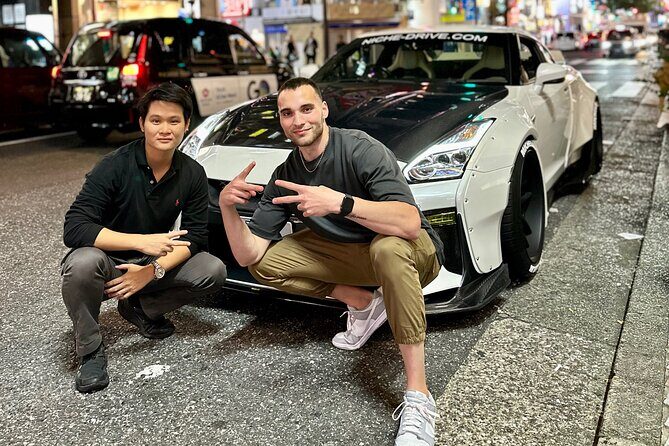
This tour is designed for people who want the full JDM night feeling. You start in central Tokyo at Shibuya, then you get pulled into the rhythm of Tokyo highway culture on the way to Yokohama. The main “event” is Daikoku Parking Area, but the route and the stops are there to make the whole evening make sense.
What makes it different from a basic “go see cars” option is the private setup. The tour is listed as an exclusive private tour only, and reviews back up the vibe that you’re treated like a real car friend, not a ticket number. One theme across the feedback is how the guides keep things respectful and conversational, with names like Ken, Josh, Henry, Adam, and Hoshi showing up in people’s stories.
Also, you’re not just riding in anything. The experience is built around a modified 2021-version R35 GTR, and the overview emphasizes a 20-year veteran connected to the scene. That matters because it changes what you’ll notice. Instead of just staring out the window, you’ll have context for why certain areas matter, why specific car types show up, and how the meet culture works.
The tone is “complete night,” not “drive there, snap a few pics, leave.” If you like talking cars, seeing how people interact, and learning the unglamorous details behind street culture, this fits.
More horsepower: other JDM and drift experiences
- GT-R35 800hp Club Membership – secret underground car meet★ 4.8 · 998 reviews
- Secret Car Meet: R34 Skyline Car Club Membership★ 4.8 · 494 reviews
- Tokyo Drift: Daikoku PA Supreme Car Experience 大黒PA★ 4.7 · 372 reviews
Liberty Walk Tokyo Stop: Merchandise, Gear, and a Chance to Spot an LB Build
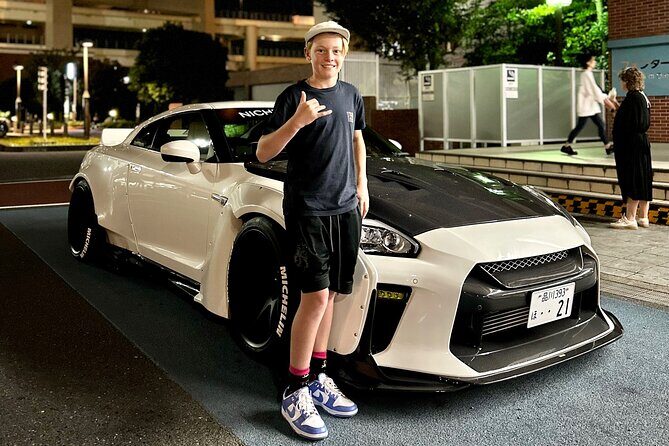
The evening starts with a quick hit at Liberty Walk Tokyo. You’ll get about 15 minutes there, and the ticket is free. This is short on purpose: it’s a warm-up stop so you’re already thinking in JDM terms before you hit the highways.
What you’ll do with the time is mostly up to you. The stop is about merchandise and apparel, and it also offers the fun possibility of spotting an LB-modified vehicle. Even if you don’t see one, you’ll at least get a sense of how strong the Liberty Walk visual brand is in Tokyo.
One practical tip: keep your expectations realistic. Fifteen minutes is enough to browse, not enough to “shop like it’s a day trip.” Think of it as a quick gear-check before the real event.
A-PIT Super Autobacs: Your Parts and Souvenir Detour Before Yokohama
Next up is A-PIT Super Autobacs, where you’ll spend about 45 minutes. This is included, and the idea is simple: get hands-on with JDM retail culture. Autobacs is known as a major destination for auto accessories, parts, and souvenirs, and this stop gives you a chance to buy or just browse without feeling rushed.
I like this part because it connects to the rest of the night. Daikoku is about the cars and the people, but Autobacs reminds you that the scene is also about the stuff that builds the cars you’re seeing. You’ll leave with a better understanding of what fans actually pick up and what “mod culture” looks like beyond Instagram photos.
Drawback? You might wish you had more time if you’re the kind of person who can spend hours in parts stores. But the schedule keeps the night focused, and that’s usually a good thing when you’re balancing highway driving and a 2-hour meet.
Shibuya Crossing Meeting Point: Getting Oriented Before the Night Gets Moving
You’ll meet at Shibuya Crossing. The stop is listed as 20 minutes, and there’s no ticket cost. This chunk of time isn’t about sightseeing. It’s about the meetup rhythm: get everyone together, confirm the plan, and help you settle in before the highways.
If you’re arriving from another part of Tokyo, use this time to fix logistics early. Shibuya can be a bit of a maze at night, so being ready to go means you’ll spend less time walking in circles.
Once you’re with the guide, you’ll transition into highway culture fast, which brings you to the Wangan and Bayshore route portion of the drive.
Wangan C1 Loop and Bayshore Route: How Tokyo’s Highways Change the Mood
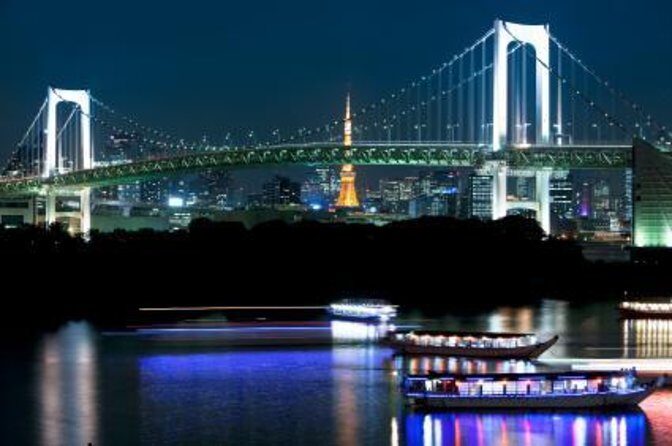
The heart of the driving part is the Japanese wangan experience through the Shuto Expressway, including a scenic C1 loop. On the Bayshore Route, you’ll get night views of Tokyo’s skyline and street-energy atmosphere, plus brief stops at street racing hotspots.
These are short, but they matter. The operator doesn’t position them as thrill rides with wall-to-wall stops. Instead, they’re there to give you insider context—how people think about these locations and why the scene gravitates toward certain roads and overlooks.
From a practical standpoint, this is the segment where you’ll feel the “car tour” most strongly. You’re riding in a modified R35 GTR, so you’ll notice how the city looks when you’re moving fast, not just photographing from a sidewalk. Reviews also hint at the conversational side: the guides stay patient and explain things as you go, so the drive doesn’t feel like silence with occasional commentary.
One caution: if you’re not comfortable with highway driving at night, this part will feel intense. The schedule builds in time for photos, but it’s still a road trip, and it’s meant to be fun, not calm.
More private options with your own guide
Rainbow Bridge to Yokohama: Night Views That Actually Matter
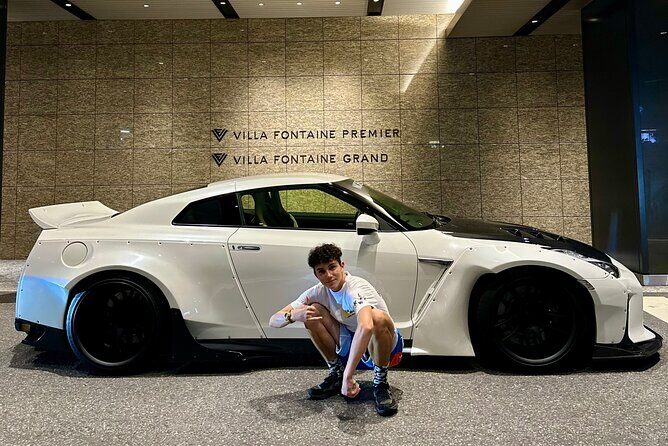
Passing the Rainbow Bridge is part of the route. It’s not listed as a major stop with a long walk, but the drive includes the kind of views you remember later: Tokyo’s skyline stretching into the dark as you head toward Yokohama.
This portion is doing two jobs. First, it bridges the geography. Tokyo to Yokohama is a real shift in vibe, and the route makes that transition feel deliberate. Second, it gives you photo-friendly moments while keeping the evening moving.
The tour notes that the trip to Daikoku takes about 30 minutes, with ample photo opportunities throughout. That’s a sweet spot: enough time to get shots, not enough time to lose the “night is happening now” feeling.
Daikoku Parking Area for About 2 Hours: What You’ll See and How to Enjoy It
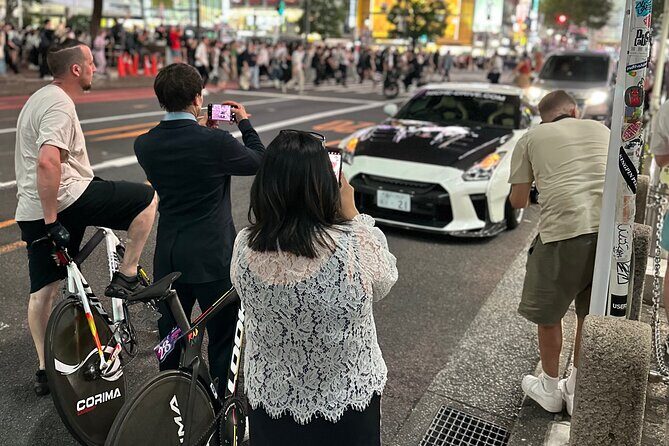
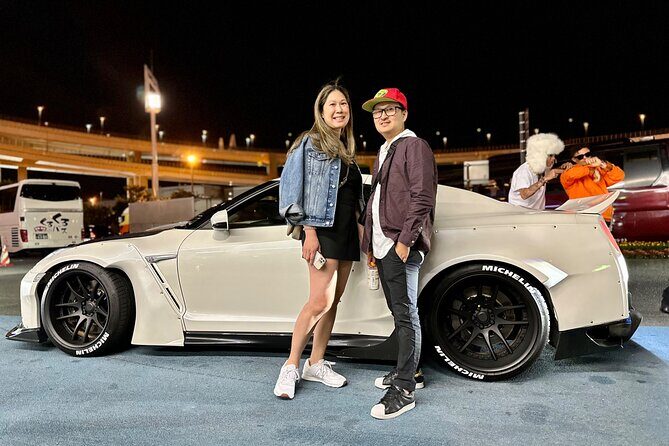
Daikoku is the main event, and you’ll spend about 2 hours there. The ticket is included. The tour frames Daikoku as an ultimate meetup spot where you’ll see a mix of classic JDM gems, powerful supercars, and even eccentric Bozozoku motorcycles.
What I like about this setup is how it’s described as a social experience, not a scavenger hunt. You’re encouraged to explore the car scene, talk with owners, and share stories. If you enjoy hearing how cars were built, what parts people like, and what the local scene is like on different nights, Daikoku works well.
What you might notice on the ground:
- Car variety across eras, from restored vintage builds to newer high-performance cars
- People who are comfortable chatting, not just standing next to their vehicles
- The overall “meet” atmosphere, where energy comes from interaction as much as the cars
A few reviews mention how the conversation level stood out, with phrases like amazing conversation and clean cars showing up in different ways. Some people also talk about the moment it clicks—like the night feeling cinematic, especially if you grew up on Wangan Midnight and Tokyo car culture in general.
One possible drawback: turnout can vary. One review noted Daikoku felt quieter after a snowstorm affected the broader situation in Tokyo, and the operator also emphasizes good weather is required. So if you’re traveling for one single night, accept that you’re buying access to the scene, not a guaranteed exact lineup.
Tatsumi No.1 Parking Area Stop (up): Street Racing Culture, Told with Context
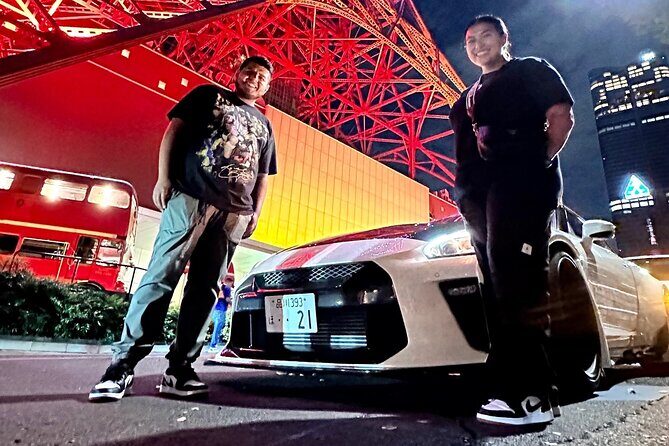
On the way, you’ll also pause at Tatsumi No.1 Parking Area (up) for about 20 minutes. This stop is free and it’s meant for facts, not wandering.
The key point you’re supposed to get from it is how this kind of central parking spot changed over time—and why street racers no longer frequent it. That adds value if you want to understand car culture beyond the aesthetics. You get a sense of how rules, attitudes, and city life reshape where people gather.
For me, this kind of stop is what turns a photo tour into an actual learning evening. You’ll walk away understanding that “street culture” isn’t just about cars—it’s also about how public space and local policies affect the scene.
Guides Make the Difference: English-Friendly Car Stories from Hoshi, Josh, Henry, and Adam
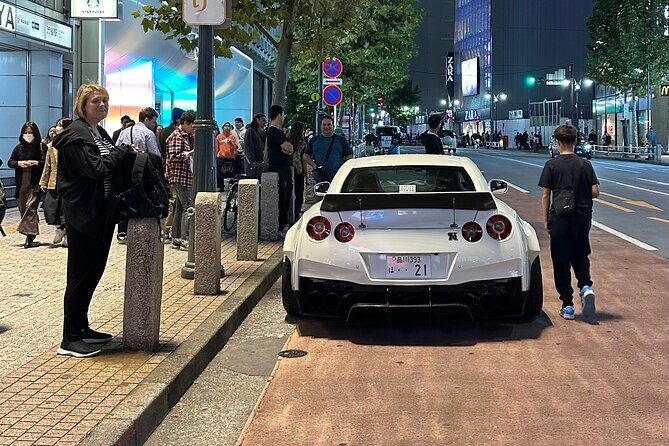
This tour is built around local guides with native-level English, not random guides with limited knowledge. That’s the kind of detail that can make or break a car tour, because car people ask better questions when the conversation flows.
The reviews give you a strong hint about the style. People describe guides as polite, friendly, patient, and thorough. Names that come up include Hoshi and Josh (for R35 tours), plus Henry and Adam in other experiences. Ken also appears as part of the team that helps with coordination.
In practice, that means you’re likely to get:
- Clear explanations while you’re driving (so you learn without needing to stop constantly)
- Respectful, fun conversations that keep the mood light
- Extra attention to showing the right spots, not just driving past them
If you’re doing this as a first-time visitor to Tokyo, that matters even more. You’ll get the “why” behind the places, not only the where.
Price and What $322.76 Covers: Value for a Private, Ticketed Night
The price is $322.76 per group, up to 1. That sounds niche, and it is. You’re paying for privacy and for the fact the tour includes more than just the meet at Daikoku.
Here’s what the tour data says is included:
- Private tour only, no sharing with strangers
- Experienced local guides with native-level English
- Pickup offered, plus drop-off back to central Tokyo
- Admission tickets included for A-PIT Super Autobacs and Daikoku Parking Area
- Liberty Walk Tokyo stop is free (about 15 minutes)
- Mobile ticket is used
When you think about value, the big question is whether you want a guided, high-effort night in one go. If you’re the kind of traveler who can spend hours researching where to go, you’ll still likely appreciate how this compresses the planning into a single guided evening. You also don’t have to translate car culture while you’re navigating Tokyo traffic and meeting points.
Another value signal: the reviews are very strong, with a 5-star rating and a high recommendation rate. That doesn’t prove you’ll have the exact same night, but it does suggest the format tends to land well.
Book early if you can. The experience is listed as typically booked around 44 days in advance, and the operator notes high demand. That’s often a sign that the most desired slots go first.
Who This R35 Daikoku Tour Fits Best (and Who Should Skip It)
This tour is a great fit if:
- You’re a JDM fan who wants the real night-meet atmosphere at Daikoku
- You care about the driving experience (Wangan C1 loop, Bayshore route, Rainbow Bridge)
- You’d rather talk to a guide than read about the scene afterward
- You want a private format so the whole evening is about your group
It also works well if you’re traveling with people who might not know car specs. Reviews mention family trips where being in the car and experiencing the night was a highlight, and the guides are described as patient and fun.
You might want to skip or choose differently if:
- You dislike highway driving at night
- You only want a short, low-energy look at cars and don’t care about context
- You’re expecting Daikoku to feel like a museum with guaranteed lineups
The tour’s best results come from a specific mindset: show up curious, ask questions, and accept that nightlife meets are living things.
Should You Book This R35 GTR Daikoku Private Tour?
I’d book this if your dream Japan night includes a modified R35 ride, real highway culture, and two hours at Daikoku with people who care about cars. The added stops at Liberty Walk Tokyo and A-PIT Super Autobacs make it feel like a full “JDM evening out,” not just a single destination.
The main reasons to hesitate are also clear. Daikoku’s turnout can vary, and the operator requires good weather. If you’re traveling in a tight window, you should be mentally ready for the fact that a live meet depends on the night.
If you can align those expectations, this tour is strong value for what it tries to deliver: a private, English-friendly, car-scene guided night that actually connects the dots between Tokyo highways and Yokohama’s car meet culture.
FAQ
How long is the Tokyo Ultimate Daikoku & JDM Experience?
It’s listed as approximately 4 hours 30 minutes.
What does the tour cost, and is it per person?
The price is $322.76 per group, up to 1 person, and it’s described as all inclusive.
Where do I meet the guide?
The meeting point is Shibuya, Tokyo, Japan, with Shibuya Crossing listed as the meet up point.
Is pickup offered, and do you drop me back in Tokyo?
Pickup is offered, and the overview says you’ll get a drop-off back to central Tokyo.
How long do you stay at Daikoku Parking Area?
Daikoku Parking Area is scheduled for about 2 hours.
Is this tour private?
Yes. It’s exclusive private tour only, meaning only your group participates.
What if the weather is bad or I need to cancel?
The experience requires good weather. If it’s canceled due to poor weather, you’ll be offered a different date or a full refund. For cancellation, you can cancel up to 24 hours in advance for a full refund.
If you want, tell me your travel dates and whether you’re going solo or with someone, and I’ll help you sanity-check the timing around the 4.5-hour night format.
More Tours in Tokyo




More Tour Reviews in Tokyo




For the Petrolheads: More JDM Days

Fresh reviews from around Tokyo






JDM Drift Car Experiences, compared.
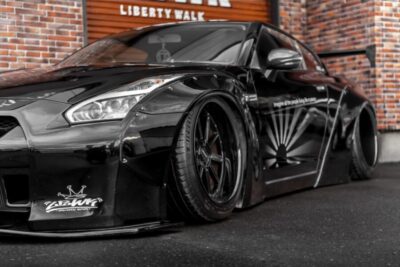 ★ 4.8GT-R35 800hp Club Membership – secret underground car meetFrom $205998 reviews
 ★ 4.8Fast & Furious Tokyo Drift 3 Experience (Kaila Yu SP)From $157947 reviews
Daikoku JDM Car Meet & Night Car Culture TourFrom $98626 reviews
★ 4.8Fast & Furious Tokyo Drift 3 Experience (Kaila Yu SP)From $157947 reviews
Daikoku JDM Car Meet & Night Car Culture TourFrom $98626 reviews
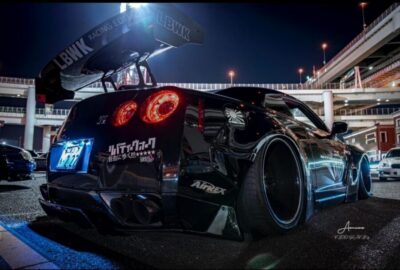 ★ 4.8Secret Car Meet: R34 Skyline Car Club MembershipFrom $236494 reviews
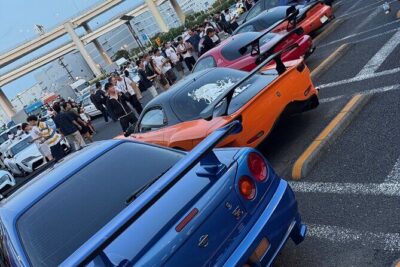 ★ 4.9EVO, WRX, Skyline – JDM Night Run to Daikoku Car MeetFrom $125478 reviews
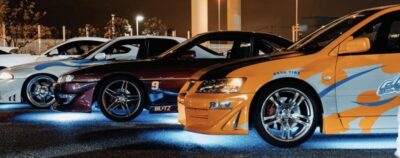 ★ 4.7Tokyo Drift: Daikoku PA Supreme Car Experience 大黒PAFrom $58372 reviews
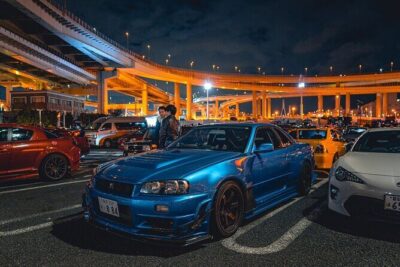 ★ 4.5Daikoku Car Club Temporary MembershipFrom $145275 reviews
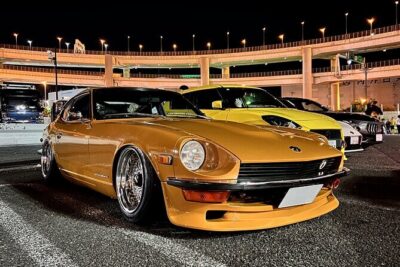 ★ 5.0Daikoku JDM Car Meet & Night Car Culture TourFrom $99232 reviews
Browse the lists this tour appears in