
Reviewed · TOKYO PREFECTURE
Cook Everyday Japanese Home Meals with Your Tokyo Mom
Cooking lessons get real fast.
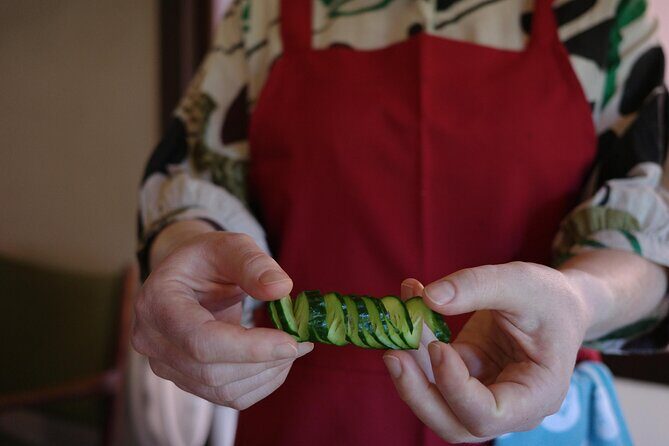
If you want Japan beyond photos, this class is a strong pick: you step into a real Japanese home (retro or cozy) and cook together with an English-speaking instructor, using everyday tools and seasonal ingredients. I love that the focus is on hands-on home-style cooking, not a staged show. I also like the small cultural moments, like the shoe-off entry and how food is set out to eat. One thing to consider: you’re in a stranger’s home environment, so you’ll want to follow the home rules and keep things tidy as you cook.
You’ll spend about 2.5 hours preparing a full, comforting meal. The class starts with dashi, then moves through your main dish choice, plus onigiri, tamagoyaki, a seasonal vegetable dish, and miso soup. With a maximum group size of 6, it feels personal enough that beginners can ask questions and actually use what they learn.
In This Review
- Key things to know before you cook
- Stepping Into a Tokyo Suburb Home, Shoes Off
- How the Class Builds Flavor: Dashi First
- Your Main Dish Choices: Saikyo Yaki, Teriyaki, or Your Request
- Onigiri and Tamagoyaki: Two Skills You’ll Use Again
- Onigiri (hand-shaped rice balls)
- Tamagoyaki (rolled omelet)
- Miso Soup and Seasonal Sides: Reading the Japanese Table
- Price and Logistics: Value in a Small Home Kitchen
- Who This Workshop Suits Best (and Who Might Skip It)
- Tips to Get the Most From the 2.5 Hours
- Should You Book This Tokyo Home Cooking Class?
- FAQ
- What is the duration of the experience?
- How much does it cost?
- What dishes are included in the class?
- Can I choose meat, fish, or vegetables?
- Is there an English-speaking instructor?
- Are ingredients and cooking tools provided?
- Do I need to bring an apron?
- Is transportation included?
- Is alcohol included?
- What if I need to cancel?
Key things to know before you cook
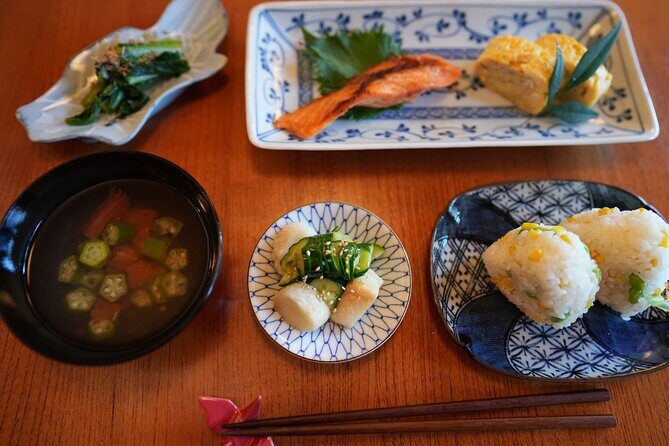
- A real Japanese home setting: You’re cooking in a lived-in space, with customs like removing shoes.
- Dashi comes first: You’ll learn the flavor foundation of Japanese cooking from seaweed and dried fish.
- Your main dish choices matter: Saikyo yaki, teriyaki, or your request, with options for meat, fish, or vegetables.
- You’ll leave with practical skills: Onigiri shaping and tamagoyaki (rolled egg) techniques are repeatable at home.
- Small group class (max 6): Less waiting, more hands-on time.
- Loaner items help you show up easily: Apron and hand towels are provided.
Before you commit, see how this one stacks up against a few Tokyo Prefecture favourites:
- Vegan/Vegetarian Ramen and Gyoza by Bentoya cooking★ 5.0 · 59 reviews
- Tokyo: Samurai Sword Academy in the Hometown of the Last Samurai★ 5.0 · 24 reviews
- (Private car)Fake It Then Taste It:Japan’s Quirky Cuisine Journey★ 5.0 · 8 reviews
Stepping Into a Tokyo Suburb Home, Shoes Off
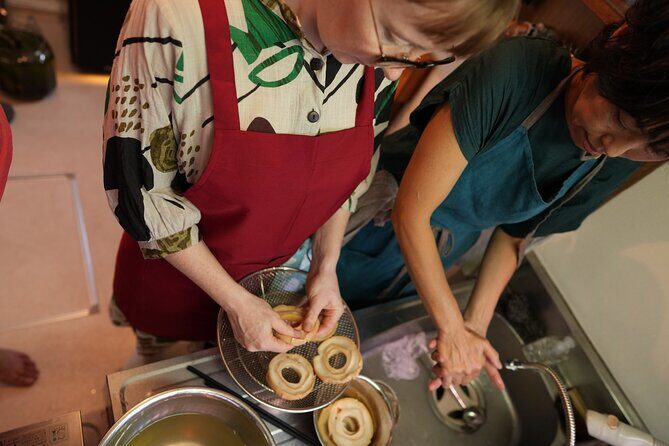
This experience starts with a simple idea: everyday Japan looks like real homes, real routines, and real food. Instead of meeting in a bright studio, you go to a quiet Tokyo suburb and walk into a Japanese house that feels lived-in. The “retro” version can be charmingly old-school; the “cozy family home” option keeps it warm and familiar.
A few habits set the tone right away. You’ll follow the house rules, including taking your shoes off at the entrance. That small action isn’t just tradition theater. It’s how you quickly understand that you’re not there as a spectator. You’re participating in someone’s normal flow for the next couple of hours.
For me, this is the value jump. Cooking classes in general teach recipes. This one also teaches context: how food is handled, how dishes show up at the table, and how simple meals become special through order and care. You’re learning how Japanese home cooking is built—one step, one tool, one taste at a time.
One practical note: because it’s in a private home setting, you should treat the space respectfully. Keep bags managed, wash hands when you’re guided to, and follow instructions about what to touch and when. It’s not fussy. It’s just smart.
How the Class Builds Flavor: Dashi First
Dashi is the backbone of Japanese cooking, and the class starts there for a reason. You’ll make the soup stock using seaweed and dried fish, then use that foundation to support several parts of the meal.
This matters for your results. Dashi isn’t just “broth.” It’s a flavor layer that makes miso soup taste like miso soup, and it helps other dishes feel deeper without being complicated. If you cook at home later, knowing the role of dashi is one of those lightbulb moments.
In the lesson, you’ll see how everyday ingredients become a base that everything else builds on. The process also helps you understand Japanese cooking’s mindset: start with a strong stock, then season with balance rather than heavy sauces.
The timing is perfect. By the time you’re shaping onigiri and rolling tamagoyaki, you’ve already tasted the difference that a good foundation makes. Your meal stops feeling like a set of separate dishes and starts tasting like a coordinated Japanese home dinner.
And if you’re a beginner, this is a friendly place to start. Reviews for similar Tokyo Mom’s Kitchen sessions highlight that the instructors teach clearly enough that even people who don’t cook often can still make the food work. The dashi step gives you a confidence anchor.
Your Main Dish Choices: Saikyo Yaki, Teriyaki, or Your Request
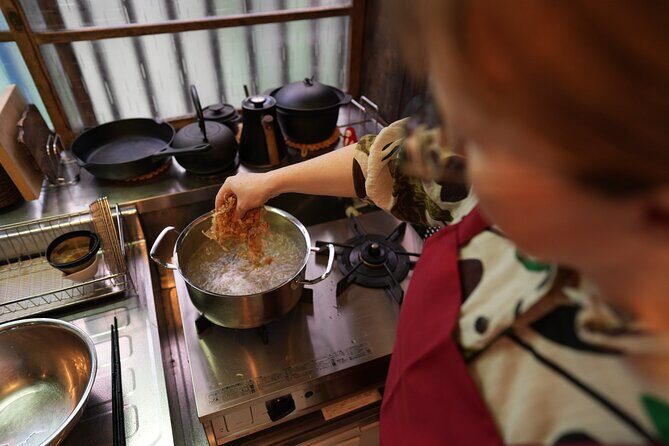
Your menu starts with the main dish, and you get choice. You can pick one cooking style and one main ingredient type: meat, fish, or vegetables. That flexibility is a big deal for real-life travelers who have dietary preferences or who just don’t want to guess.
Your main dish options include:
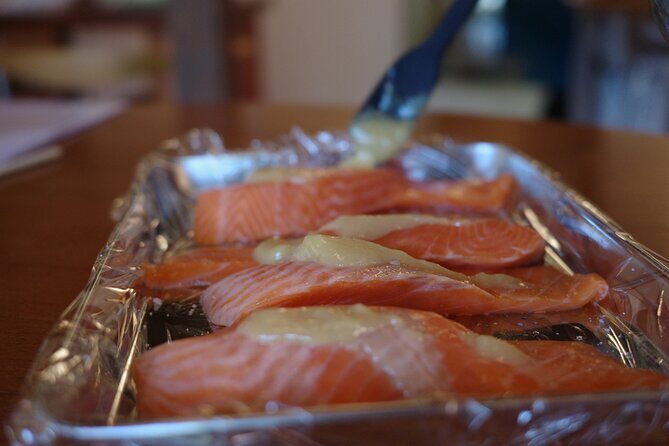
- Saikyo yaki: miso-marinated and grilled for a delicate richness
- Teriyaki: glazed in a sweet and savory soy-based sauce
- Your request: tell your instructor what you’d like, and they’ll do their best to make it happen
If you’re wondering what to choose, I’d pick based on how you want the flavor to feel. Saikyo yaki leans refined and mellow thanks to the miso marinade. Teriyaki is the crowd-pleaser for that sticky-sweet soy glaze feeling. And if you have a favorite dish you’ve tasted in Japan, asking for your request is a fun way to connect your trip to your meal.
This is also where you learn technique. Even if you don’t remember every detail, you’ll come away with a sense of timing—how heat affects marinade flavors, how to control glazing, and how home cooks think about texture. That’s the kind of knowledge you can actually use later.
Onigiri and Tamagoyaki: Two Skills You’ll Use Again
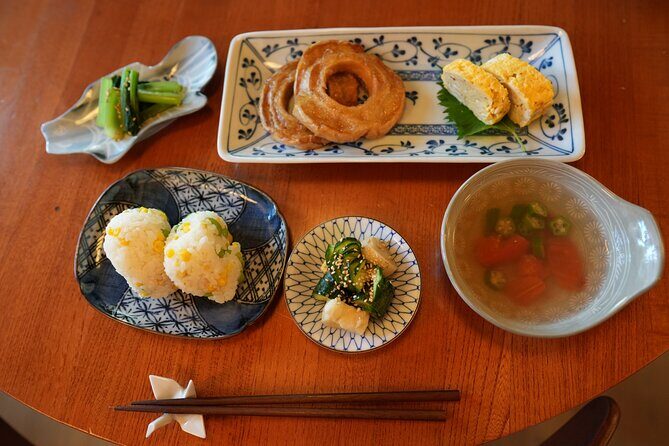
After you’ve built the foundation and handled the main dish, the class shifts into signature Japanese home foods.

Onigiri (hand-shaped rice balls)
You’ll shape onigiri by hand and wrap them in seaweed. This sounds simple, but it teaches you the logic of Japanese rice texture and how pressure and shape affect the final bite. If you’ve eaten onigiri before, this is the part that makes it click. When you roll it yourself, you understand why it holds together and how the wrapper changes how it eats.
Tamagoyaki (rolled omelet)
You’ll also make fluffy tamagoyaki—an omelet rolled and cooked in a way that creates that classic layered texture. Rolled egg techniques are one of those skills that seem intimidating until someone shows you the rhythm and pacing. Once you see the method and you do a few steps, it stops being mysterious and becomes repeatable.
Together, onigiri and tamagoyaki add variety to your meal without adding stress. They also teach two different Japanese home cooking strengths: precision in texture (rice) and technique control (egg).
In other Tokyo home-cooking sessions, people have mentioned that even beginners can produce delicious results when the teaching is gentle and step-by-step. That matches the spirit of this workshop: you’re not expected to already know how to cook Japanese food. You’re expected to learn it in a real kitchen setting, with tools in reach and guidance on hand.
Miso Soup and Seasonal Sides: Reading the Japanese Table
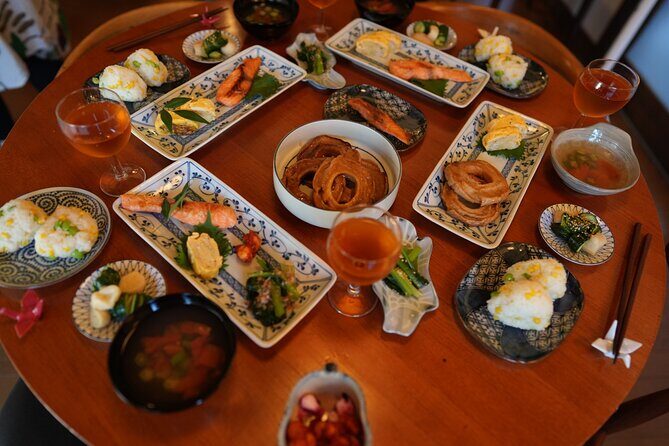
Your meal doesn’t end with the “cool skills.” You’ll also prepare:
- A seasonal vegetable dish
- Miso soup, built on the dashi you made at the start
This combination is pure home logic. Japanese meals often balance a satisfying main with lighter sides that keep flavors clean and help everything feel cohesive. The seasonal vegetable dish gives you something fresh and specific to that time of year, which is a simple reminder that Japanese cooking changes with seasons rather than relying on the same ingredients all year.
Miso soup is where the flavors really come together. Once you’ve made dashi, miso soup becomes less of a mysterious pot and more like a recipe with a clear structure: stock base first, then miso and other finishing touches guided by the instructor.
One underrated part here is how you learn to place food on the table. Reviews and class descriptions point to attention to these small details—how dishes are arranged and how serving feels in a Japanese home. That might sound like etiquette fluff, but it affects your meal experience. Food tastes better when it’s presented with intention.
And you do get to sit down and enjoy what you made. That matters. Cooking is only half the fun. Eating the meal you built is where the lesson becomes a memory.
Price and Logistics: Value in a Small Home Kitchen
At $99 per person for about 2 hours 30 minutes, this isn’t a bargain cooking workshop in the budget sense. But it’s also not priced like a private chef service. The value comes from what’s included and what kind of experience you’re buying.
You get:
- All necessary ingredients
- Cooking utensils
- Recipe and instruction materials
- An English-speaking instructor
- Loan of an apron and hand towels
And you’ll get the setting itself: a home environment, with real routines and real food culture. That’s hard to replicate in a typical cooking class.
What’s not included is also clear:
- Transportation to/from the home (you’ll need your own way to get there)
- Alcoholic beverages
The meeting point is at 4-chōme-15-17 Nakachō, Koganei, Tokyo 184-0012, Japan, and the activity ends back at the meeting point. It’s near public transportation, and you’ll get a mobile ticket.
The maximum group size of 6 is part of the value equation. Smaller groups usually mean less standing around and more direct instruction when you’re shaping onigiri or rolling tamagoyaki.
If you want a meal you can eat immediately, learn techniques you can repeat, and feel like you’re experiencing day-to-day Japanese life, the price starts to make sense fast.
Who This Workshop Suits Best (and Who Might Skip It)
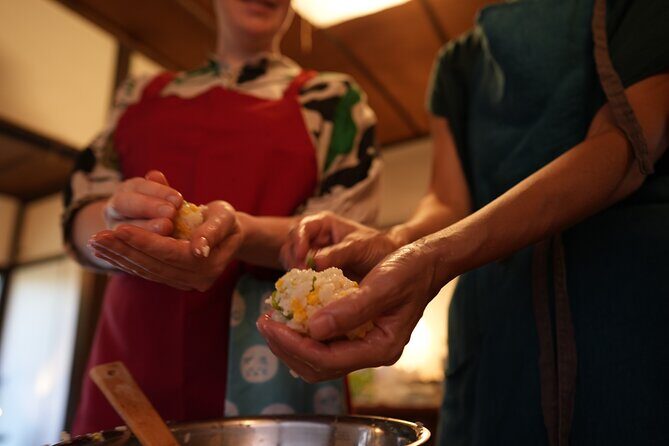
This class is a great fit if you want more than sightseeing. I think it’s especially good for:
- People who enjoy hands-on activities and want to learn a few practical skills
- Beginners who need clear, gentle instruction
- Travelers who want everyday Japanese life, not just famous attractions
- Anyone who likes Japanese food and wants to understand what makes it taste balanced
It also works well if you’re picky about your main ingredient. You can choose meat, fish, or vegetables for the main dish, and there’s an option to request a dish you like.
Who might pause before booking? If you’re the type who wants zero cooking and maximum “look but don’t touch,” this one requires participation. It’s interactive by design.
And if you dislike being in someone’s home environment, where you follow house customs like taking shoes off, you may feel less comfortable. But if you’re open to that respectful setting, you’ll probably find it warm and fun.
Tips to Get the Most From the 2.5 Hours
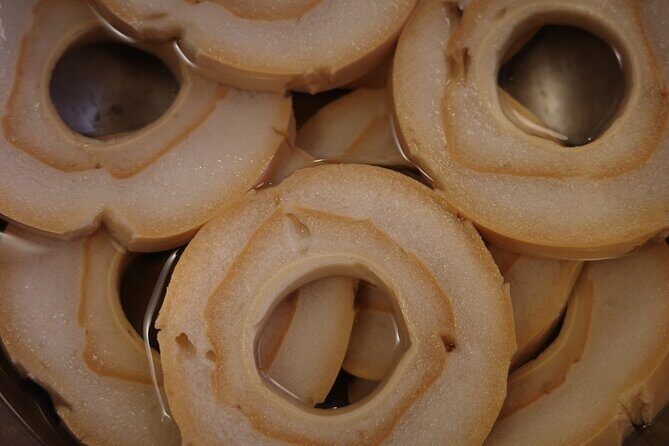
A few small moves make this experience smoother:
- Arrive on time so you can start cooking without rushing the early steps like dashi
- Follow the home rules (especially shoe-off entry) without turning it into a big production
- Pay attention to texture cues. Japanese cooking is often about subtle feel—rice shape, egg thickness, and stock balance
- Ask questions while you can. With a group of up to 6, you’ll get more direct attention than in a larger class
Also, don’t think of it as a checklist. Think of it as learning a system: build stock, cook the main, then add rice and egg techniques and finish with miso soup and seasonal sides. That structure is why you’ll remember it.
And when you eat, notice how the meal hangs together. That’s the lesson you can take home.
Should You Book This Tokyo Home Cooking Class?
I’d book it if you want real daily Japanese food habits and a meal that feels earned. The combination of dashi-making, onigiri shaping, tamagoyaki technique, and a full miso soup finish gives you both comfort food satisfaction and skills you can repeat.
It’s also a strong choice for first-timers because the class format is practical and supportive, and the group stays small. If you’re comfortable following home customs and you’re excited to cook with an instructor, it’s an easy yes.
If you’re only interested in eating and not cooking, or you’re looking for a high-speed “see a lot” tour, then you might find the hands-on focus too involved. But if your goal is connection through food, this hits the target.
FAQ
What is the duration of the experience?
It takes about 2 hours 30 minutes.
How much does it cost?
The price is $99.00 per person.
What dishes are included in the class?
You’ll make dashi, choose a main dish (Saikyo yaki, teriyaki, or your request), and also prepare onigiri, tamagoyaki, a seasonal vegetable dish, and miso soup.
Can I choose meat, fish, or vegetables?
Yes. For the main dish, you can choose meat, fish, or vegetables.
Is there an English-speaking instructor?
Yes, an English-speaking instructor is available.
Are ingredients and cooking tools provided?
Yes. All necessary ingredients and cooking utensils are included.
Do I need to bring an apron?
No. Aprons and hand towels are loaned to you.
Is transportation included?
No. Transportation costs or parking fees are not included.
Is alcohol included?
No. Alcoholic beverages are not included.
What if I need to cancel?
You can cancel for a full refund if you cancel at least 24 hours in advance of the experience’s start time. If you cancel less than 24 hours before, the amount paid will not be refunded.
More Tour Reviews in Tokyo Prefecture
Fresh reviews from around Tokyo Prefecture
Tokyo Prefecture, compared.
 ★ 5.0Vegan/Vegetarian Ramen and Gyoza by Bentoya cookingFrom $7559 reviews
 ★ 5.0Samurai Sword Academy in the Hometown of the Last SamuraiFrom $11824 reviews
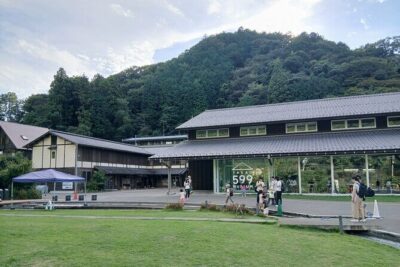 ★ 5.0Mt. Takao Tour with Ramen and Tattoo-Okay Hot SpringFrom $12012 reviews
(Private car)Fake It Then Taste It:Japan’s Quirky Cuisine JourneyFrom $828 reviews
★ 5.0Mt. Takao Tour with Ramen and Tattoo-Okay Hot SpringFrom $12012 reviews
(Private car)Fake It Then Taste It:Japan’s Quirky Cuisine JourneyFrom $828 reviews
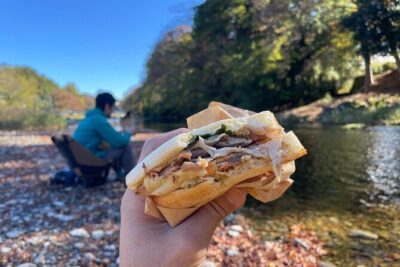 ★ 5.0Little Adventure with Cycling in Tokyo No. 1 Crystal Clear RiverFrom $1436 reviews
 ★ 4.5Sanrio Puroland Tokyo TicketFrom $493 reviews
Browse the lists this tour appears in