
Reviewed · MT FUJI DAY TRIPS
Tokyo: Private Day Trip to Mount Fuji and Hakone
Fuji in one long, smooth day. This private 10-hour trip mixes big mountain moments with calmer stops—shrines, pond villages, lake viewpoints, and a look at Hakone’s volcanic side. I like the door-to-door pickup options and the time built in for photos, not just quick stop-and-run sightseeing. One consideration: if clouds roll in, your Mount Fuji views can shrink fast, so you’ll want to be okay enjoying the area even when Fuji is hiding.
What really makes this work is the pacing with an English-speaking driver who keeps you safe and on schedule while still giving you personal space. I also like that entrance fees are handled and the trip is set up for comfort, since you’re spending a lot of the day riding between scenic zones. Still, the route involves walking and higher elevations, so comfortable shoes and warm layers matter a lot.
In This Review
- Key highlights that make this day trip click
- Why I like this as a Tokyo-to-Fuji-and-Hakone shortcut
- Pick-up and pacing: the quiet skill behind a good day
- Chureito Pagoda: the Fuji photo that defines the area
- Two shrine stops that teach you where to look
- Arakura Fuji Sengen Shrine: the view-first stop
- Fuji Sengen Shrine area: another framing of the same idea
- Oshino Hakkai: short village time, long-lasting calm
- Lake Kawaguchi and Oishi Park: where Fuji meets “look longer”
- Fuji 5th Station over 3000 meters: what you’re really signing up for
- Hakone adds the other side of Japan: ropeway, Lake Ashi, and Owakudani
- The Gotemba stop: useful downtime, not just forced shopping
- Weather strategy: how to keep the day good even when Fuji hides
- What to wear, what to bring, and what to skip
- Price and value: what you’re paying for (and why it can be worth it)
- So should you book it?
- FAQ
- How long is the Tokyo to Mount Fuji and Hakone private day trip?
- What is included in the tour price?
- Are drinks included?
- Where does pick-up and drop-off happen?
- Is Mount Fuji 5th Station part of the trip?
- What should I bring and wear?
Key highlights that make this day trip click
- Private timing: pick-up from many Tokyo wards and Mt. Fuji area points, then drop-off back near home zones
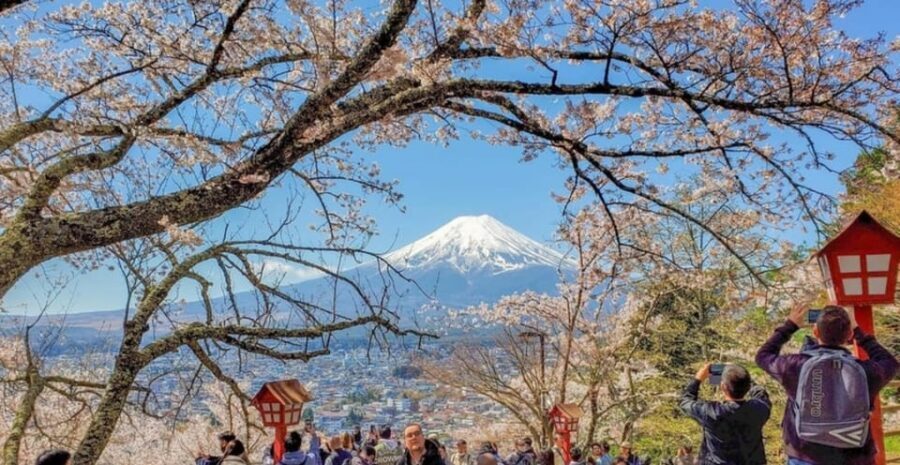
- Shrine viewpoints with structure: Arakura and Fuji Sengen shrines that are built for looking up at Mount Fuji
- Oshino Hakkai in the right amount of time: short village stop focused on the ponds and old-style houses
- Fuji 5th Station up over 3000 meters: a real altitude change plus safety briefing and sightseeing time
- Hakone adds variety: ropeway+cable-car style views, then Lake Ashi and Owakudani for the volcanic mood
- Driver flexibility: when weather changes, the day can still feel well managed (including adding or adjusting stops)
Other routes to the mountain, compared
- Mt Fuji & Hakone Cruise, Drum Show Bullet Train 1 Day from Tokyo★ 4.0 · 7,413 reviews
- Tokyo Mt Fuji 5th St & Hakone Cruise Bus Tour w/Bullet Train★ 4.4 · 5,024 reviews
- From Tokyo: Mount Fuji Full-Day Sightseeing Trip★ 4.5 · 4,970 reviews
Why I like this as a Tokyo-to-Fuji-and-Hakone shortcut
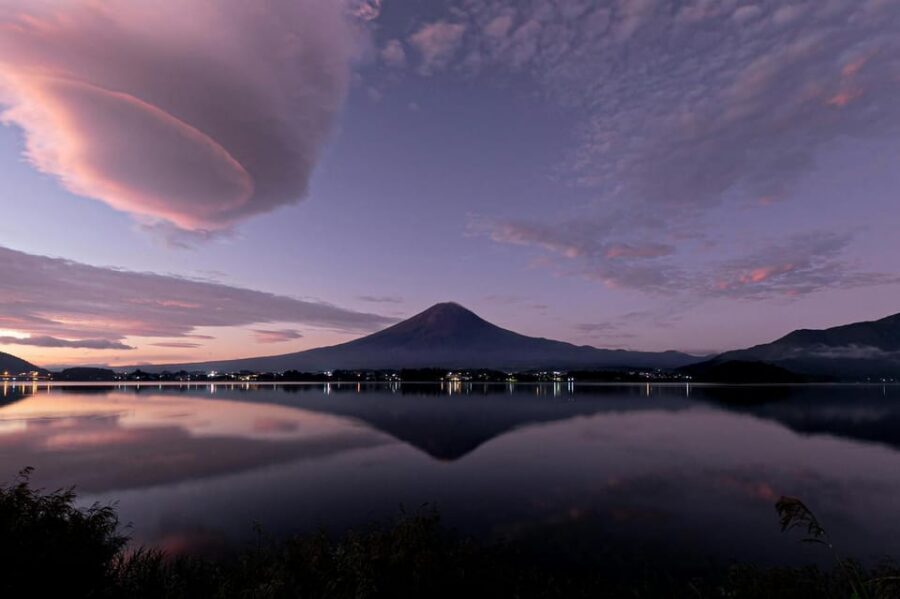
A day like this is all about how you get there. Doing Fuji and Hakone by public transit is doable, but it can turn into a juggling act of timetables, station changes, and long walks when the weather turns. This tour swaps that stress for a private Jeep or SUV/van and a driver who handles the route while you focus on where to stand, where to walk, and when to shoot photos.
For me, the value is not just the car. It’s that you’re hitting multiple “most asked for” spots in one loop: a classic pagoda viewpoint, pond country, lakeside Fuji angles, then Hakone’s ropeway views and volcanic valley. You end the day back near central Tokyo drop-off options, so you’re not stuck planning a separate return.
Also, the group is private. That means you’re not squeezed into a crowd rhythm that can feel like photo roulette.
Pick-up and pacing: the quiet skill behind a good day
This tour starts with pick-up from designated options across Tokyo’s 23 wards plus Mt. Fuji area points. If you’re staying around Shibuya, Shinjuku, Chuo, Chiyoda, or nearby, this can be a big win because you avoid the “first train, then another train” headache.
The pacing is also worth your attention. You get a mix of:
- camera-friendly photo stops
- short-but-real walking visits at shrines and viewpoints
- longer blocks where you can actually look around
One reason the reviews impressed me is how often the day sounded controlled without feeling rushed. People noted the balance between information and personal space. In plain terms: you don’t feel shoved forward every 3 minutes.
A practical detail: the trip is about 10 hours total. That’s long enough to see a lot, but not so long that you’ll melt. You’ll still need to plan for walking on uneven paths, especially near viewpoints and at higher elevations.
Chureito Pagoda: the Fuji photo that defines the area
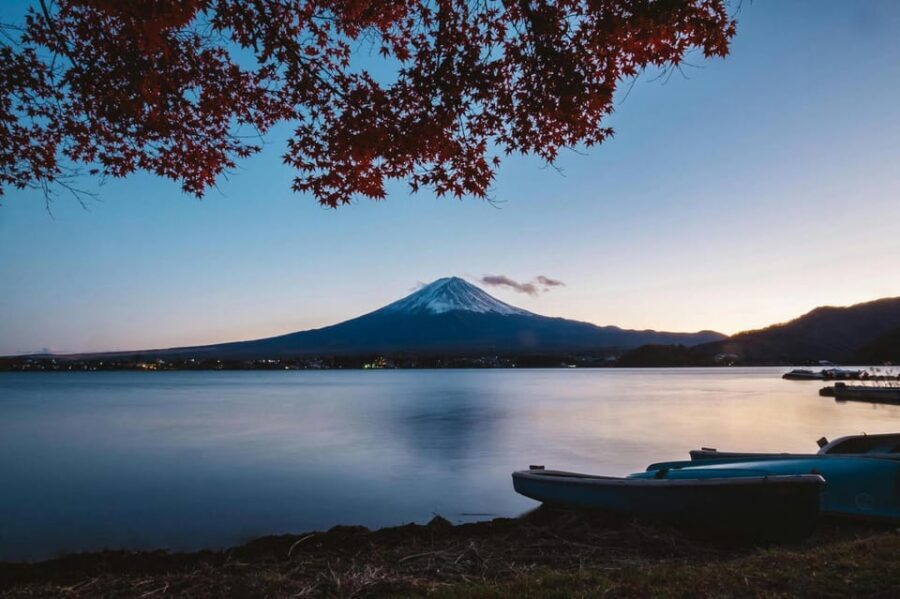
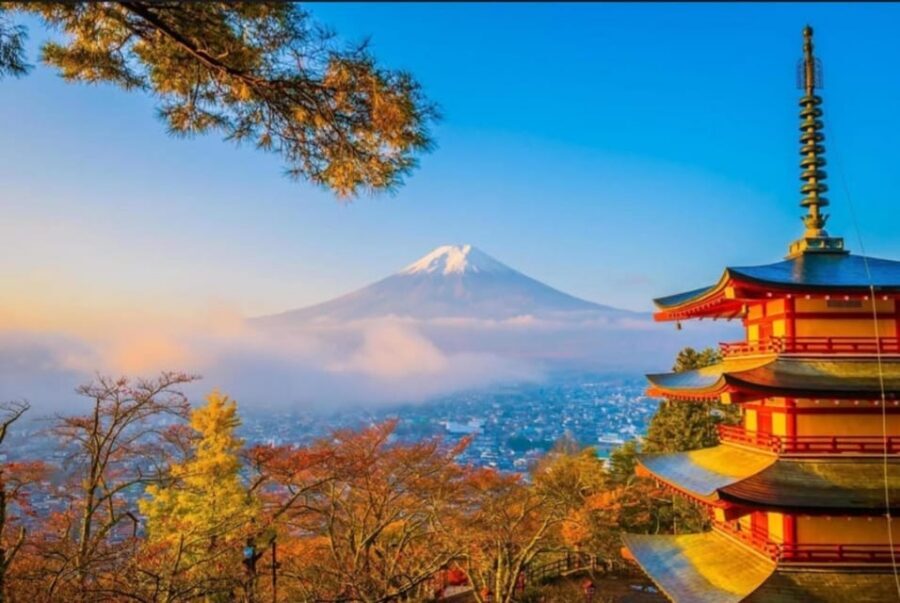
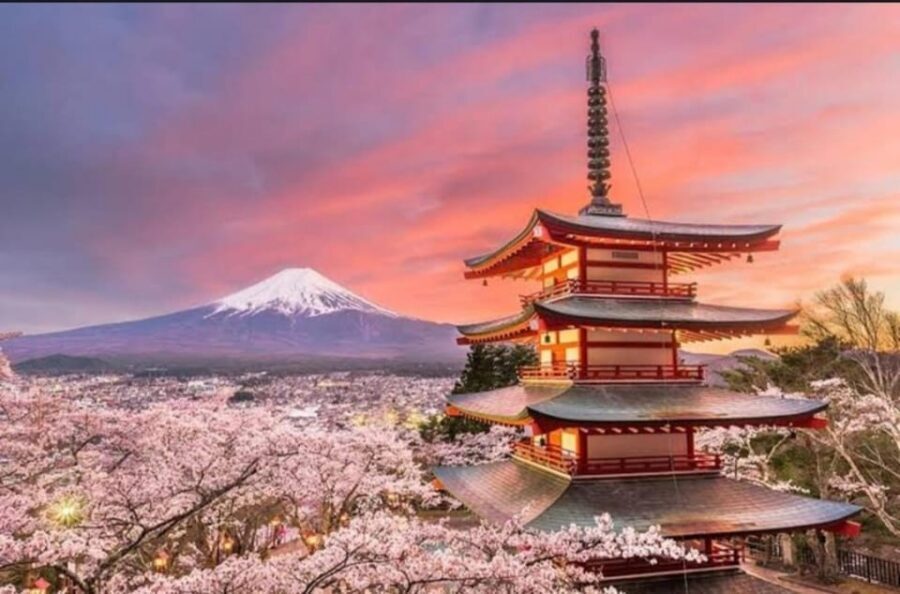
Your day includes a stop at Chureito Pagoda, one of the best-known Fuji-and-structure views in the region. This is the kind of place where timing and weather matter. When Fuji is visible, the composition feels almost postcard-perfect. When Fuji is hidden, you still get a sense of scale—trees, steps, and the shrine-town layout that frames the mountain.
At this stop, you’ll have time to walk and explore around the viewpoint area, not just glance from a curb. If you’re picky about photos (and who isn’t), this is the spot where you want to use your time well:
- get to your best angle first
- then do a slower walk to see if the light or clouds improve
Even if the mountain doesn’t show fully, it’s a fun way to “place” Mount Fuji in the landscape, and you’ll understand why this area draws repeat visits.
Two shrine stops that teach you where to look
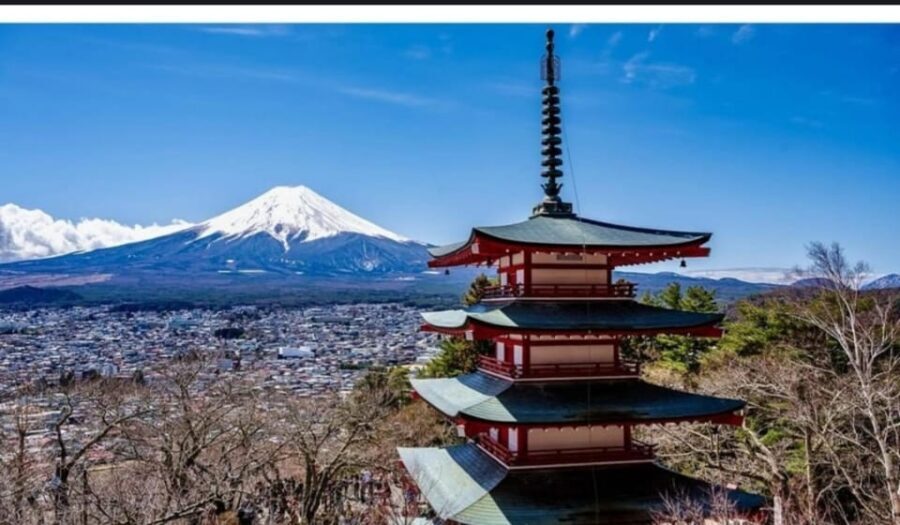
Mount Fuji is not just a mountain here. It’s treated like something you relate to—visually, spiritually, and through carefully chosen vantage points. This tour leans into that by putting you at multiple shrine areas designed for views.
More Hakone loops, ropeways and lake crossings
Arakura Fuji Sengen Shrine: the view-first stop
One key highlight is Arakura Fuji Sengen Shrine, with a dedicated 45-minute break for photos and free time. This is one of the stops that makes the day feel special because you get an intentional “look at the mountain” moment. You’re not only passing through—you’re set up to enjoy the view with time to wander.
Fuji Sengen Shrine area: another framing of the same idea
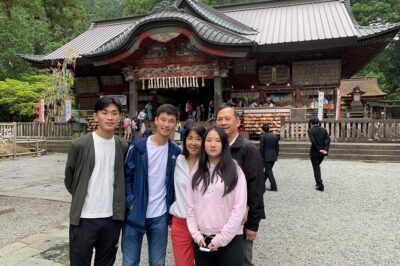
You also visit Kitaguchi-hongu Fuji Sengen Shrine for a photo stop and a walk/visit. Think of this as a second angle lesson. Same mountain energy, different perspective. If Fuji is partly obscured, having more than one shrine viewpoint increases your odds of catching clearer breaks in the clouds.
One more point: these are active places. Dress respectfully, keep your voice down, and treat the walking time as part of the experience—not just the road to the best shot.
Oshino Hakkai: short village time, long-lasting calm
Next up is Oshino Hakkai, famous for its water ponds and the old-style houses around them. The stop is shorter here (around 30 minutes), so you’ll want to move with purpose: check the ponds, enjoy the quiet lanes, then use the camera for the reflections and details.
What I like about Oshino Hakkai in this kind of day plan is the contrast. After viewpoints and shrines that aim your eyes upward, Oshino shifts you back to human scale. The ponds and village layout give you a slower, calmer feel even with a full day schedule.
It’s also a good “reset” stop. If you’re starting to feel tour-schedule fatigue, a place built around still water helps your brain unclench.
Lake Kawaguchi and Oishi Park: where Fuji meets “look longer”
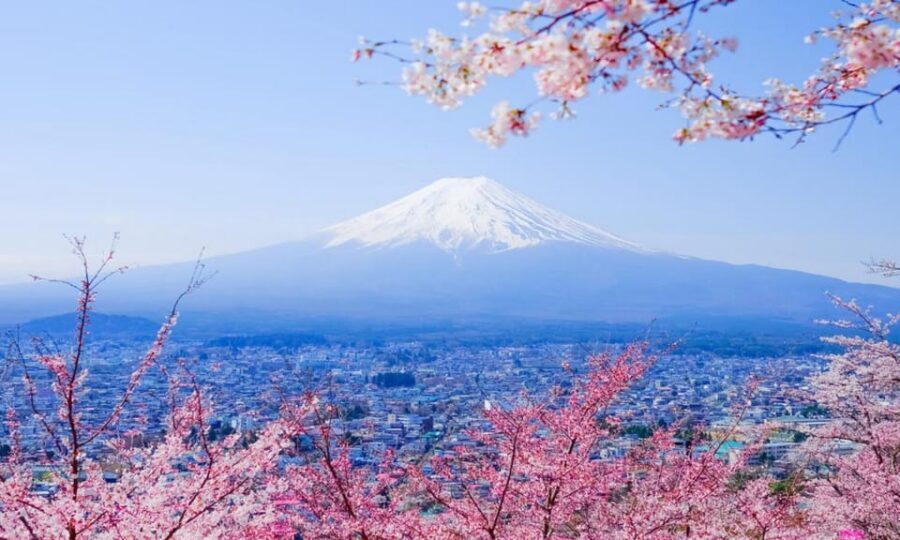
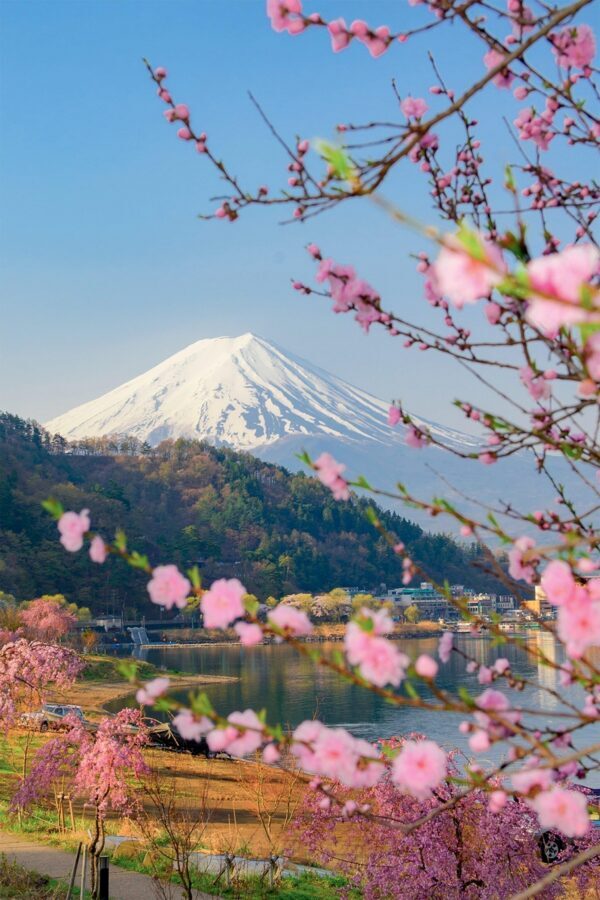
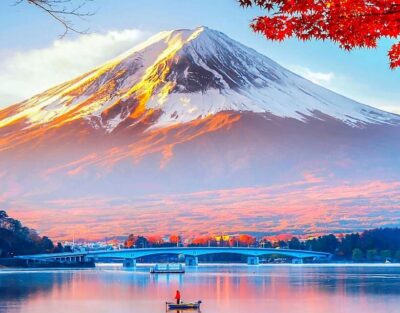
The lakeside stretch is where the day starts to feel cinematic. You’ll have a stop at Lake Kawaguchi (including time to photo, visit, and walk), plus Oishi Park, known for fresh flowers when they’re in full bloom.
This is the part of the day where Mount Fuji views can either happen beautifully or disappoint. Either way, the lakes and viewpoints are worth your time:
- If Fuji is visible, you’ll get that classic mountain-over-lake feeling.
- If it’s cloudy, you still get a weather-shaped mood and good photo textures in the sky.
If you like taking photos from multiple angles, this is where you’ll appreciate having both the park and the lake time in the plan instead of only one stop.
Fuji 5th Station over 3000 meters: what you’re really signing up for

The highlight climb is Mt. Fuji 5th Station, the highest point the vehicle reaches (over 3000 meters). You’ll spend time for sightseeing and walking, plus a safety briefing and even a class-style segment as part of the plan.
This stop is not about one perfect photo. It’s about the change you feel the moment you’re up there. Even when weather is nice, conditions can shift quickly. Dress like it might be colder than you think. Bring water. Slow your pace for the altitude.
This is also a good place to see why people treat Fuji as a destination beyond photography. The station area can feel busy, but the view from up high puts everything into perspective.
Hakone adds the other side of Japan: ropeway, Lake Ashi, and Owakudani
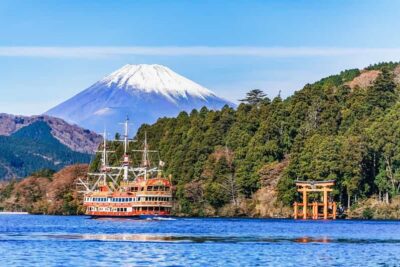
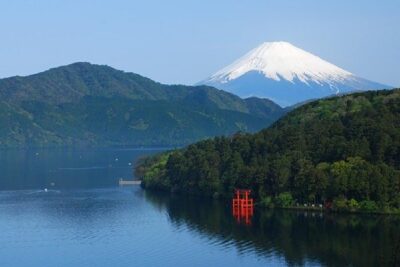
After Fuji-focused stops, the route shifts into Hakone, and that’s where the day stops feeling like a one-note trip. Hakone gives you a different kind of scenery: viewpoints, cable-car style rides, and a volcanic atmosphere.
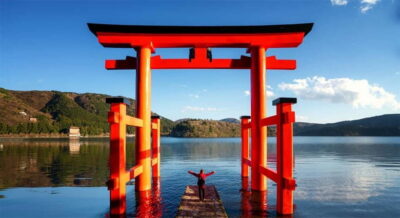
You’ll ride Hakone Ropeway with about an hour including a hop-on hop-off stop. Then you’ll do Lake Ashi sightseeing and later head to Owakudani Valley for a break and visit time.
Owakudani is the “volcanic story” moment. You’ll get a chance to look around and take in the setting, which contrasts nicely with the calm pond village and flower park earlier.
If your goal is variety—mountain, water, shrine, volcanic valley—Hakone is the anchor that makes the loop feel complete.
The Gotemba stop: useful downtime, not just forced shopping
Near the end of the day you’ll get time at Gotemba Premium Outlets. This is listed as a two-hour break for shopping, sightseeing, and walking.
I like this kind of add-on because it gives you something simple to do while you wind down. It’s also a practical buffer: you can choose what to focus on (food you can buy elsewhere, small purchases, or just a place to stretch your legs).
If you’re not shopping, you can still treat it as a low-pressure break before the ride back to Tokyo.
Weather strategy: how to keep the day good even when Fuji hides
Mount Fuji is famous for unpredictable visibility. The good news is this tour design helps. You get multiple chances to see the mountain—from shrine viewpoints to lakeside areas. If clouds block a specific spot, you’re usually still moving to another framing where conditions may be different.
I also like that the day is run by a driver who can keep things smooth when weather doesn’t cooperate. In at least one experience, cloudy conditions reduced clear views, but the outing still felt well managed and didn’t turn into a wasted day.
My advice: plan for the possibility of no perfect Fuji. Then pack for comfort anyway. Warm layers, a good camera, and a steady attitude turn a cloudy day into a meaningful one.
What to wear, what to bring, and what to skip
This tour comes with clear “day comfort” guidance. Here’s what matters most:
- Wear comfortable shoes for walking. Some stops involve steps and uneven ground.
- Bring warm clothing. Higher elevation can feel colder than Tokyo.
- Bring water. You’ll be outside and moving for hours.
- Bring a camera if you’re serious about Fuji angles and shrine framing.
A few activity limits are also important:
- Not suitable for pregnant women
- Not suitable for people with back problems
- Not suitable for wheelchair users
And there are vehicle rules:
- no smoking in the vehicle
- no food in the vehicle
- no alcoholic drinks in the vehicle
These aren’t just “rules.” They help keep the ride comfortable and clean for everyone.
Price and value: what you’re paying for (and why it can be worth it)
This costs $100 per person for a 10-hour private day trip. Entrance fees, transport (Jeep/SUV/van), and a private English-speaking driver are included.
Here’s how I think about value:
- If you’re traveling in a small group or as a solo traveler who hates transit stress, private transport can be a good deal.
- You also avoid a lot of “time math” between stations and viewpoints. For a short trip to Japan, time is usually the real currency.
- Entrance fees being included means fewer small surprises.
What isn’t included: drinks. That’s normal, but it does mean you should plan water and any extra drinks outside the vehicle.
Overall, the cost makes more sense when you value comfort and a smooth schedule rather than DIY freedom.
So should you book it?
I’d book this if you want a private, organized Fuji-and-Hakone day with photo-friendly stops and a driver who keeps the day running on time. It’s especially a good fit if you want to see a lot without wrestling transit changes, or if your trip schedule only allows one day for this whole region.
I’d think twice if you’re sensitive to walking, have mobility or back issues, or you know you can’t handle cool weather and altitude. Also be honest with yourself about Fuji: if the sky is stubborn, you’ll still enjoy shrines, ponds, lakes, ropeways, and Owakudani—but the dramatic mountain moments depend on conditions.
If your goal is a well-managed day that hits the main emotional highlights of both Fuji and Hakone, this is a strong choice.
FAQ
How long is the Tokyo to Mount Fuji and Hakone private day trip?
The duration is 10 hours.
What is included in the tour price?
You get a private English-speaking driver, pickup and drop-off at designated locations, transport by Jeep/SUV or van, and all entrance fees.
Are drinks included?
No, drinks are not included.
Where does pick-up and drop-off happen?
Pick-up and drop-off are offered from designated locations in Tokyo’s 23 wards and the Mt. Fuji area. Drop-off options include areas like Chiyoda, Edogawa, Adachi, Yokohama, Shinjuku City, and others listed for the tour.
Is Mount Fuji 5th Station part of the trip?
Yes. The vehicle reaches the more than 3000 meters high Mt. Fuji 5th Station, with time for photo stops, sightseeing, walking, and a safety briefing.
What should I bring and wear?
Bring comfortable shoes, warm clothing, a camera, and water. Dress for cooler conditions at higher elevations. Smoking in the vehicle and food or alcohol in the vehicle are not allowed.
More Tour Reviews in Tokyo






Hakone, Three More Ways
The Fuji Shortlist: Other Days Out to the Mountain

Fresh reviews from around Tokyo






Mt Fuji Day Trips, compared.
 ★ 4.0Mt Fuji & Hakone Cruise, Drum Show Bullet Train 1 Day from TokyoFrom $1497,413 reviews
 ★ 4.4Tokyo Mt Fuji 5th St & Hakone Cruise Bus Tour w/Bullet TrainFrom $1545,024 reviews
 ★ 4.5From Tokyo: Mount Fuji Full-Day Sightseeing TripFrom $684,970 reviews
 ★ 4.7Mt. Fuji Tour, Hakone Ropeway, Owakudani, Lake AshiFrom $544,002 reviews
 ★ 5.0Private Tour to Mt. Fuji and Hakone (Fully Licenced Operator)From $4971,910 reviews
 ★ 4.9Mount Fuji Full-Day Private Tour from Tokyo (Customizable)From $3931,470 reviews
 ★ 4.0Mt Fuji & Hakone Cruise, Drum Show Bus 1 Day from TokyoFrom $1221,287 reviews
 ★ 4.2From Tokyo: Mt. Fuji & Hakone Tour w/ Return by Bullet TrainFrom $1171,278 reviews
Browse the lists this tour appears in