
Reviewed · MT FUJI DAY TRIPS
Tokyo: Mt. Fuji Cruise & Hakone Ropeway Day Trip by Bus
One day can change how you see Mt. Fuji. This bus tour threads together comfortable premium seats with major Hakone highlights, guided by multilingual pros like Ayaka and Mia, so the schedule feels easy to follow. You’re not just hopping between sights; you’re building a full picture of the region in about 10 hours.
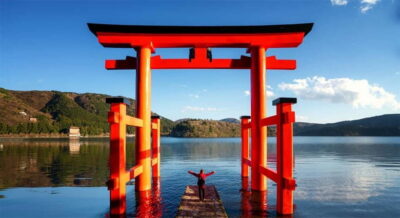
I especially like the mix of moving views and photo stops. The floating Peace Torii look from the lake hits different, and the tour’s pirate-style cruise makes the Lake Ashi portion feel like more than transport. Still, the day is long and traffic can happen, so go in expecting a full, stop-and-go pace.
In This Review
- Key Highlights I’d Focus On
- A One-Day Mt. Fuji Cruise and Hakone Ropeway Route That Actually Feels Planned
- From Keio Plaza Hotel to Lake Ashinoko: The Easy Start in Shinjuku
- The Moto-Hakone Port + Lunch Buffer: Why That 1 Hour 20 Minutes Matters
- Togendai Cruise on a Pirate-Style Ship: Floating Torii Views Done Right
- Owakudani Valley: Sulfur Steam, Volcanic Energy, and the Ropeway Factor
- Hakone Jinja and the Peace Torii: A Shrine Stop With Real View Power
- Fuji Shibasari Peace Park: A Mt. Fuji Viewpoint That Feels Like a Local Choice
- How the Day Flows Back to Shinjuku (and What That Means for Your Energy)
- Price and Value: Is $92.50 Worth a 10-Hour Hakone Hit?
- Who Should Book This Mt. Fuji and Hakone Bus Day Trip?
- Should You Book This Tokyo to Mt. Fuji Cruise and Hakone Ropeway Day Trip?
- FAQ
- What is the duration of the Tokyo to Mt. Fuji and Hakone day trip?
- What does the tour cost?
- Where does the tour start?
- What time does the tour start?
- What is included in the tour tickets?
- Does the tour include the Mt. Fuji ropeway experience?
- How long do you spend at each stop?
- Is the group size limited?
- Is a mobile ticket provided?
- What is the cancellation policy?
Key Highlights I’d Focus On
- Comfortable premium seats that make a 10-hour day feel more doable
- Pirate-style Lake Ashi cruise that turns the water portion into a real experience
- Peace Torii photo moment on Lake Ashi, timed for sightseeing
- Owakudani volcanic valley stop with sulfur steam that feels truly alive
- Hakone Jinja spiritual stop with both Peace Torii views and shrine variety
- Fuji Shibasari Peace Park viewpoint where you can often see Mt. Fuji with fewer crowds
Other routes to the mountain, compared
- Mt Fuji & Hakone Cruise, Drum Show Bullet Train 1 Day from Tokyo★ 4.0 · 7,413 reviews
- Tokyo Mt Fuji 5th St & Hakone Cruise Bus Tour w/Bullet Train★ 4.4 · 5,024 reviews
- From Tokyo: Mount Fuji Full-Day Sightseeing Trip★ 4.5 · 4,970 reviews
A One-Day Mt. Fuji Cruise and Hakone Ropeway Route That Actually Feels Planned
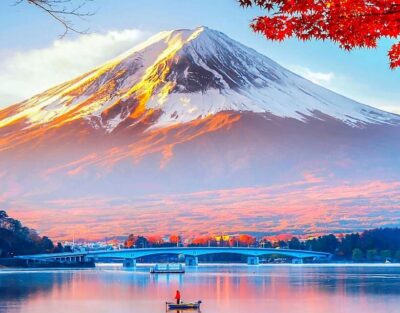
This is the kind of day trip that works because it’s built around variety. You’ll ride a bus out of Shinjuku, then experience Hakone through water views, volcanic reality, and shrine-and-mountain scenery. Mt. Fuji is the star, but the goal here isn’t a single postcard shot. It’s seeing how Mt. Fuji looks from the lake, from higher viewpoints, and in the misty atmosphere that Hakone is famous for.
The route also matters: Lake Ashi is your calm start, Owakudani gives you the dramatic contrast, and Hakone Jinja slows you back down with a classic shrine setting. The day ends back in Shinjuku, so you get the full outdoor hit without needing to switch hotels or plan another transport step.
One more thing I like: the tour includes a major sightseeing cruise and points you toward multiple places that help you frame Mt. Fuji. That’s good value, because photo stops are only useful if they’re timed and arranged well.
From Keio Plaza Hotel to Lake Ashinoko: The Easy Start in Shinjuku
You meet in the morning at Keio Plaza Hotel in Shinjuku and set off at 8:00 am. That early start is helpful because it gives you more daylight options for Mt. Fuji visibility. Even if the mountain is shy some days, you’ll still be surrounded by the right kind of views to make the drive worth it.
Your first big stop is Lake Ashinoko, followed by lunch time in the Moto-Hakone Port area along the lakeshore. This is one of those practical moments that makes a difference: you get time to eat without rushing through a single fixed meal. You’ll find plenty of choices, from traditional Japanese options to Western-style food and cozy cafés, so you can match your hunger level and your spice tolerance.
What to watch for at this stage is the light. Early in the day, Mt. Fuji can look crisp; later, you may see more haze. Use that to your advantage. If you spot a clear line toward the mountain, take a couple of photos right away, then enjoy your meal—because conditions can change quickly around Hakone.
The Moto-Hakone Port + Lunch Buffer: Why That 1 Hour 20 Minutes Matters
The time here is listed at 1 hour 20 minutes, and that’s long enough to do two useful things:
- grab food you actually want, instead of whatever is closest
- take a short walk or reposition for better views near the port area
I like having this breathing room early. If you jump straight into a packed schedule, you end up treating lunch like a chore. Here, you can slow down and let the lake scenery do its job.
Admission at this stop is free, which also keeps the day feeling straightforward. You’re paying for transport and the main attractions, not getting nickeled-and-dimed on the small stops.
Togendai Cruise on a Pirate-Style Ship: Floating Torii Views Done Right
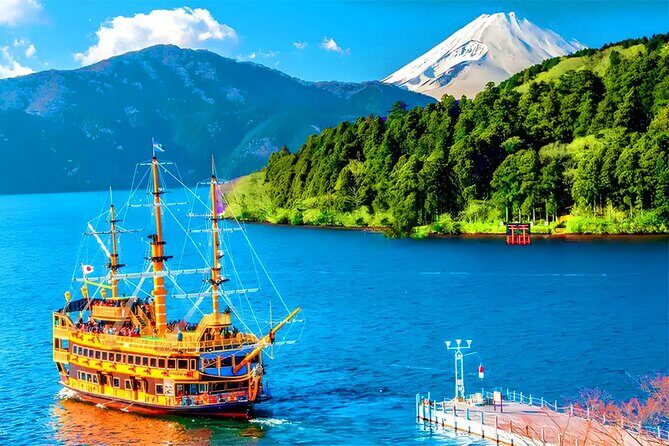
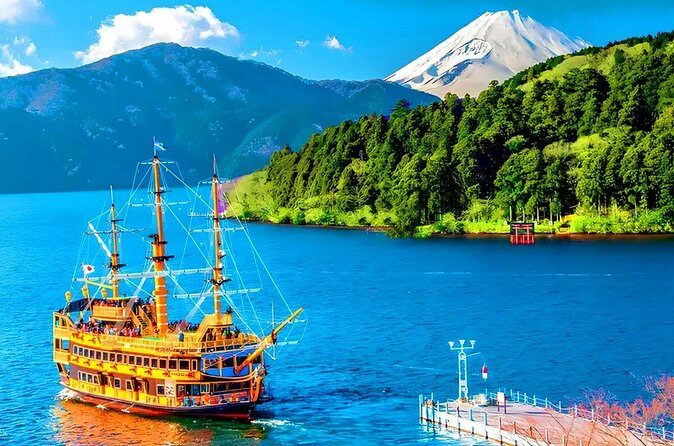
Next comes Togendai Station General Information Center, and then the best “big scenic” moment: a sightseeing cruise on a charming pirate ship. The schedule gives you about 1 hour on the water, and the cruise admission is included.
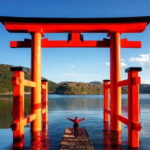
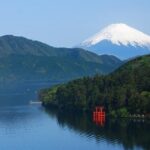
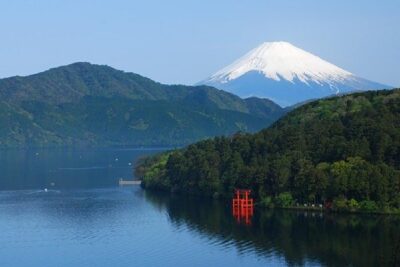
Here’s why this segment is worth it. Lake Ashi isn’t just pretty—it’s one of the best ways to see the floating torii that’s tied to Hakone’s most famous views. From the boat, the scene opens up, and the torii looks like it belongs to the lake itself, not just planted nearby.
Also, the pirate-ship design helps with the mood. It’s playful, and that matters because it keeps you from treating the cruise like a transfer between destinations. When you’re spending most of the day on a bus, that change of pace feels like a win.
Practical tip: if you care about photos, move when you can. Even without knowing exact camera settings, you can get a better angle just by picking where you stand as the boat settles into position. The floating torii moment is the one you’ll want to prioritize.
More Hakone loops, ropeways and lake crossings
Owakudani Valley: Sulfur Steam, Volcanic Energy, and the Ropeway Factor
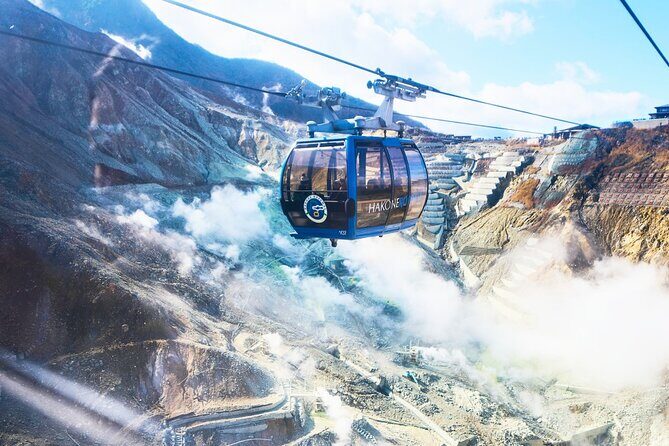
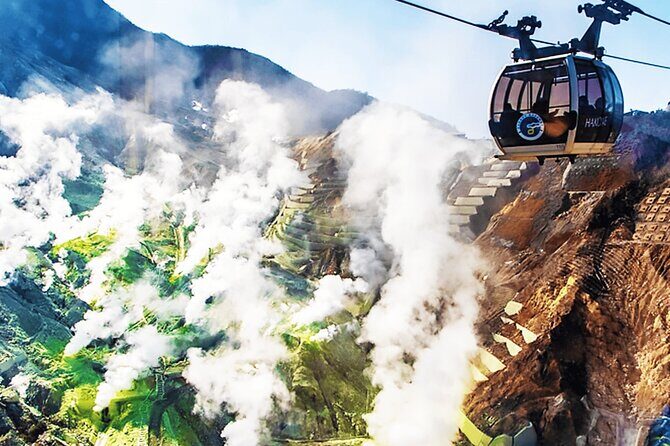
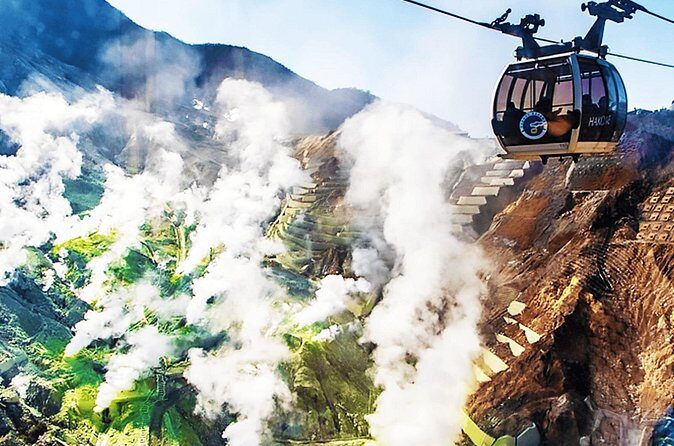
After the lake cruise, you’ll head to Owaku-dani Valley, a volcanic valley that’s still active today. The visit is timed at about 50 minutes, and the vibe here is more intense than the calm of the water.
Expect sulfur smells and white steam rising from rugged ground. It’s one of those experiences where you feel the earth at work. Mt. Fuji is the icon, but Owakudani is the reminder that this whole region sits on a living geological system.
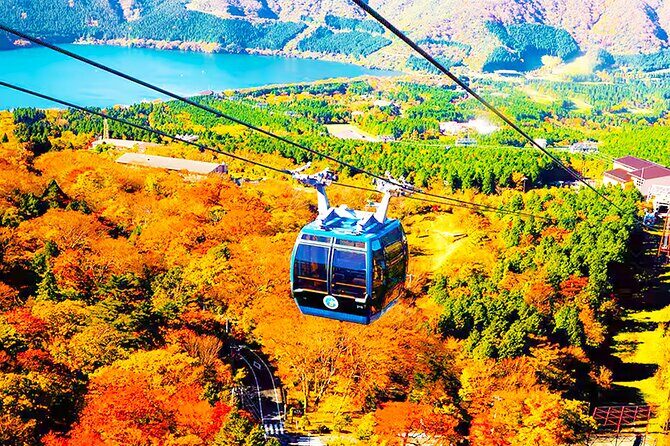
This is also the part of the day where the ropeway over the volcanic valley becomes a key feature. The overview highlights it as part of your route, and in practical terms that’s what makes the volcanic stop more than just looking at steam. You get a higher view angle, which can help you appreciate the terrain instead of only seeing it at ground level.
Two ways to make this stop more enjoyable:
- Give your nose a break if the sulfur is strong; it’s okay to step back when you need to
- Look up and scan the slopes; the steam patterns and shapes change as you move around
Admission at this stop is listed as free, so you’re paying for the day’s big picture, not extra entry fees.
Hakone Jinja and the Peace Torii: A Shrine Stop With Real View Power
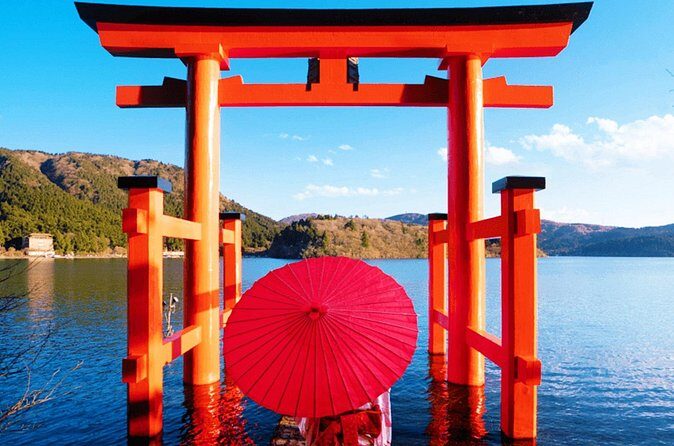
Then you’ll visit Hakone Jinja for about 50 minutes. This is where the day connects nature and culture in a way that’s easy to understand.
Hakone Jinja includes the stunning view of the Peace Torii floating on Lake Ashi. That’s the same icon idea as the cruise, but seeing it from the shrine side gives it a different feeling. The surroundings are calmer, and the torii becomes part of a spiritual setting, not just a scenic backdrop.
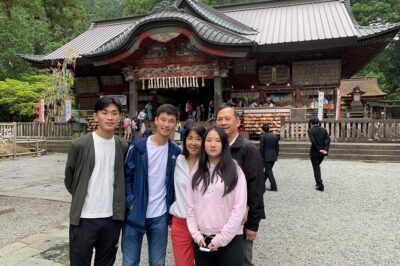
You can also pray for good fortune and success. The tour information also points out Kuzuryu Shrine, known for love and good relationships. That gives you a choice: if you came for photos, you’ll get the view; if you came for meaning, you’ll find places to focus your prayers.
Admission at Hakone Jinja is also listed as free, and the time allocation is decent. You’re not spending the whole stop searching for where things are. The visit is structured so you can see the Peace Torii area and still have time to explore the shrine spaces.
Practical note: shrine areas usually reward quiet attention. Keep your pace steady, watch for lines, and take a moment to enjoy the shift in sound once the bus crowd moves on.
Fuji Shibasari Peace Park: A Mt. Fuji Viewpoint That Feels Like a Local Choice
Your final sightseeing stop is Fuji Shibasari Peace Park, around 30 minutes. This is described as a viewpoint known mostly to locals, and the whole point is a clearer look at Mt. Fuji without the crowds.
I like this part of the itinerary because it corrects a common problem in Hakone day trips. You can easily spend the day chasing the most famous spots and end up with crowded lines and forgettable angles. Here, the park is positioned for a quieter view experience. Even with limited time, you’re likely to get a cleaner frame.
You’ll also see a pure white stupa at the hilltop area. That visual contrast helps your photos: Mt. Fuji in the background, a bright white form in the foreground, and open space to breathe.
This stop being only 30 minutes is intentional. It’s long enough to check the view and take a few photos, but not so long that you lose your momentum before returning to Shinjuku.
How the Day Flows Back to Shinjuku (and What That Means for Your Energy)
The tour wraps up in the evening back at the meeting point area in Shinjuku, with the end noted at MODE Gakuen in Shinjuku. So you’re not stuck out in the suburbs for the night. You get to return to a familiar zone where dinner options are easy.
The overall duration is listed at about 10 hours. That’s the honest tradeoff. It’s enough time to hit a strong lineup: Lake Ashi cruise, volcanic valley steam, shrine views, and a calmer Mt. Fuji viewpoint. But it also means you should plan your day around this one big commitment.
My advice for energy management:
- Wear comfortable shoes for short walking segments around ports and viewpoints
- Bring a light layer; volcanic areas and lake areas can feel cooler than you expect
- If you’re sensitive to smell, Owakudani is the one stop that may affect you most
Traffic is mentioned as rough at times, and that’s not something the operator controls. If you go into the day with flexible expectations, the schedule feels smoother.
Price and Value: Is $92.50 Worth a 10-Hour Hakone Hit?
At $92.50 per person, this day trip isn’t the cheapest way to reach Hakone. But it’s also not overpriced for what you’re getting.
Here’s where the value comes from:
- The day includes transportation from Shinjuku in a bus format designed with comfortable premium seats
- The cruise portion on Lake Ashi is explicitly included (that’s a big “paid attraction” piece)
- Several stops list admission as free, including key sightseeing blocks like Owakudani, Hakone Jinja, and Fuji Shibasari Peace Park
- You’re covering multiple zones in one shot: lake, volcanic valley, shrine, and viewpoint
If you tried to stitch this together on your own, you’d spend time coordinating transport connections and ticketing. That time adds up. This tour sells convenience, and it also sells the order of operations—lake first, volcano next, shrine and viewpoint after—so you’re moving logically across the region.
Think of the price as paying for a guided, timed route plus the included cruise. The free admission stops help keep the day from turning into an unexpected expense list.
Who Should Book This Mt. Fuji and Hakone Bus Day Trip?
This is a great match if you want:
- a one-day introduction to Hakone built around Mt. Fuji views
- the Lake Ashi experience with a cruise included, not just a quick stop
- a route that includes both volcanic intensity and calmer, quieter viewpoints
- multilingual guidance that makes the schedule feel manageable
It’s especially suitable for visitors who don’t want to spend their whole day navigating trains and connections, and who prefer having a plan that’s been tested for timing.
If you’re the type who hates early mornings or can’t handle long days, you’ll probably feel the 10-hour pace. And if your dream day is pure slow travel, you might find the number of stops a bit much.
Should You Book This Tokyo to Mt. Fuji Cruise and Hakone Ropeway Day Trip?
Book it if your priority is a well-run one-day plan that blends Lake Ashi cruising, floating torii sightseeing, volcanic steam at Owakudani, and a quieter Mt. Fuji viewpoint at Fuji Shibasari Peace Park—all with comfortable bus seating and multilingual guidance from Ayaka and Mia.
Don’t book it if you want a relaxed, flexible schedule where you can wander for hours in one place. This tour is structured. It moves. Traffic can affect the bus ride, and Owakudani is intense in smell. But if you accept those realities, you’re set up for a genuinely satisfying day: lots of variety, strong photo moments, and an easy return to Shinjuku at night.
FAQ
What is the duration of the Tokyo to Mt. Fuji and Hakone day trip?
It runs about 10 hours (approx.).
What does the tour cost?
The price is $92.50 per person.
Where does the tour start?
You start at Keio Plaza Hotel, 1 Chome-24 Nishishinjuku, Shinjuku City, Tokyo 160-0023, Japan.
What time does the tour start?
The start time is 8:00 am.
What is included in the tour tickets?
A sightseeing cruise on Lake Ashi at Togendai is included. Other listed admission fees for stops are shown as free.
Does the tour include the Mt. Fuji ropeway experience?
The tour features a ropeway over a volcanic valley.
How long do you spend at each stop?
The listed stops include: Lake Ashinoko (about 1 hour 20 minutes), cruise time on the water (about 1 hour), Owakudani (about 50 minutes), Hakone Jinja (about 50 minutes), and Fuji Shibasari Peace Park (about 30 minutes).
Is the group size limited?
Yes. The tour has a maximum of 49 travelers.
Is a mobile ticket provided?
Yes, the tour offers a mobile ticket.
What is the cancellation policy?
You can cancel for a full refund if you cancel at least 24 hours in advance of the experience’s start time.
More Tour Reviews in Tokyo






Hakone, Three More Ways
The Fuji Shortlist: Other Days Out to the Mountain

Fresh reviews from around Tokyo






Mt Fuji Day Trips, compared.
 ★ 4.0Mt Fuji & Hakone Cruise, Drum Show Bullet Train 1 Day from TokyoFrom $1497,413 reviews
 ★ 4.4Tokyo Mt Fuji 5th St & Hakone Cruise Bus Tour w/Bullet TrainFrom $1545,024 reviews
 ★ 4.5From Tokyo: Mount Fuji Full-Day Sightseeing TripFrom $684,970 reviews
 ★ 4.7Mt. Fuji Tour, Hakone Ropeway, Owakudani, Lake AshiFrom $544,002 reviews
 ★ 5.0Private Tour to Mt. Fuji and Hakone (Fully Licenced Operator)From $4971,910 reviews
 ★ 4.9Mount Fuji Full-Day Private Tour from Tokyo (Customizable)From $3931,470 reviews
 ★ 4.0Mt Fuji & Hakone Cruise, Drum Show Bus 1 Day from TokyoFrom $1221,287 reviews
 ★ 4.2From Tokyo: Mt. Fuji & Hakone Tour w/ Return by Bullet TrainFrom $1171,278 reviews
Browse the lists this tour appears in