
Reviewed · KIMONO PHOTO EXPERIENCES
Tokyo: Matcha and Kimono Experience
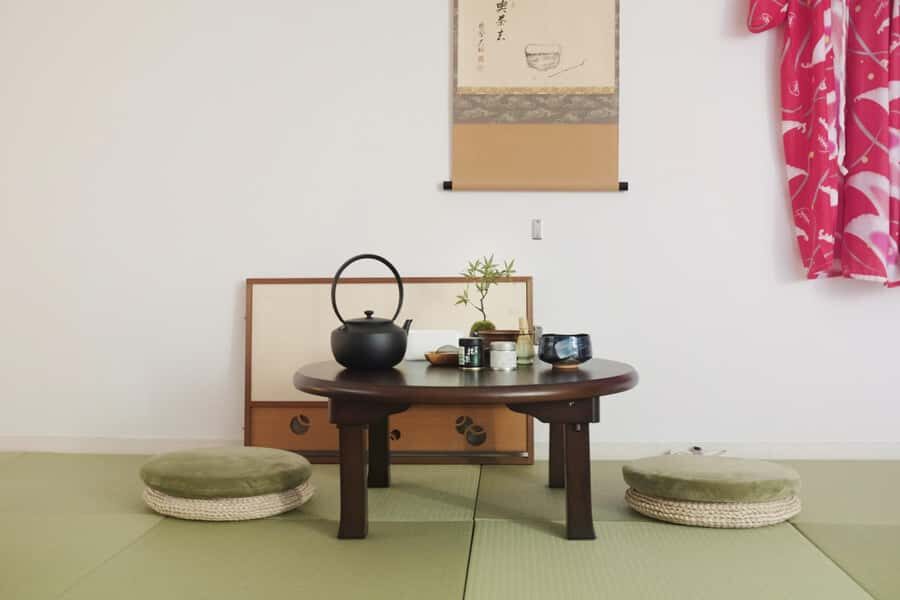
Kimono and matcha in one tidy afternoon. This near-Shinjuku experience mixes Teaism and tea ceremony lessons with hands-on matcha making, plus a serious taste test of real matcha (and the not-so-real stuff). I especially like the chance to choose from an 100+ matcha collection, including a first-flush selection presented as top quality, and then learn what makes a beautiful bowl at home.
One thing to plan for: you need to come prepared. Bring socks for the traditional flooring, and show up on time, because the booking can auto-cancel if you’re late.
In This Review
- Key Highlights You’ll Actually Care About
- Matcha and Kimono Near Shinjuku: The Point of This Class
- Finding the Workshop by Yotsuya (LUUP + ACN Yotsuya Building)
- Easy-to-Wear Kimono Time: What You’ll Notice First
- Teaism and Tea Ceremony: Learning the Why Behind the Movements
- Tasting Real First-Flush Matcha (and Spotting the Fakes)
- The Tools + Etiquette Part You Don’t Want to Skip
- Making Your Own Bowl: The 4 Keypoints to Use at Home
- How the Session Feels in Real Life (Small-Group Energy)
- Who Should Book This Matcha and Kimono Experience
- Price and Value: Is $57 Worth It in Tokyo?
- Quick Practical Tips Before You Go
- Should You Book It?
- FAQ
- Where is the meeting point?
- What time should I arrive?
- What should I bring?
- Is the tour available in English?
- What’s included in the price?
- Can I drink alcohol or use drugs during the experience?
- Are strong fragrances allowed?
- Is it suitable for young children?
- Does it involve making the matcha, or just watching?
Key Highlights You’ll Actually Care About
- First-flush matcha tasting: You try a selection marked as highest quality from a 100+ collection.
- Teaism + tea ceremony basics: You get the philosophy and the rules, not just the recipe.
- Easy-to-wear kimono: Modern design for faster dressing than typical kimono sessions.
- Real matcha vs fake matcha: You’ll compare differences you can see, smell, and taste.
- Matcha-at-home method (4 keypoints): You leave with a repeatable way to make a good bowl.
- Tools and etiquette included: Tea tools rental plus guidance on how to drink properly.
Before you commit, see how this one stacks up against a few Tokyo favourites:
- Mt Fuji and Hakone 1-Day Bus Tour Return by Bullet Train★ 5.0 · 26,383 reviews
- 1-Day Tokyo Bus Tour★ 5.0 · 14,250 reviews
- Tokyo: teamLab Planets TOKYO Digital Art Museum Entry Ticket★ 4.6 · 9,779 reviews
Matcha and Kimono Near Shinjuku: The Point of This Class
This is the kind of Tokyo activity that hits two targets at once: you get the visual, photo-friendly kimono moment, and you also leave with a practical matcha skill you can use later. The format is built around tea culture, but it’s not just talk. You taste, you learn, you practice, and you compare.
What makes it more than a gimmick is the focus on quality and discernment. You’re not handed one pre-made cup and sent on your way. Instead, you explore a broad matcha lineup, learn how Japanese matcha differs from overseas styles, and get specific guidance on what creates a smooth, well-made bowl.
The kimono part matters too, but in a useful way. Dressing correctly (with an easier-to-wear design) helps you understand how the culture expects calm, careful behavior during tea. It’s hard to mimic that “tea pause” if you’re wrestling a complicated outfit.
Finding the Workshop by Yotsuya (LUUP + ACN Yotsuya Building)
Your meeting point is straightforward once you know what to look for. You meet your guide in front of the LUUP scooter stand next to the ACN Yotsuya Building, at a spot marked with a workshop sign.
It’s about a 6-minute walk from Yotsuya Station, near Shinjuku. That’s a good location for planning, because you’re close to major transit lines and you won’t burn half your day just getting there.
Plan to arrive a few minutes early. The class runs on a tight schedule, and being late can lead to auto-cancellation with no refund in that case. In Tokyo, where trains are reliable, this is a small habit that pays off.
Easy-to-Wear Kimono Time: What You’ll Notice First
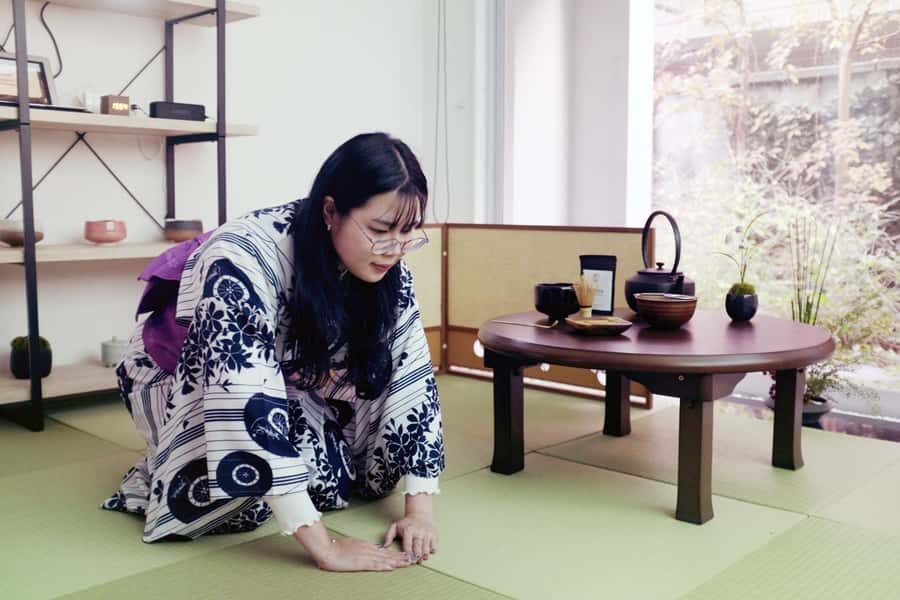
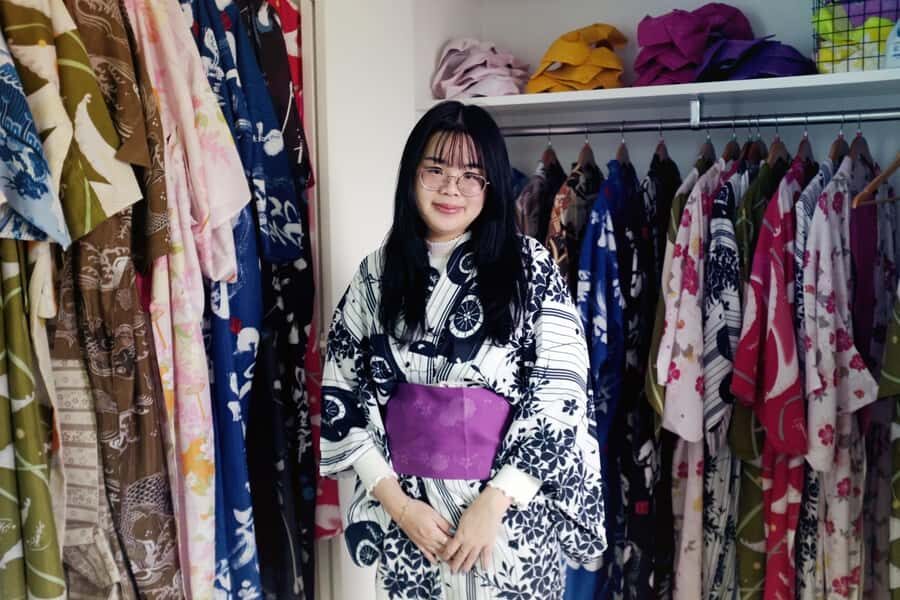
Before the main lecture, you put on your easy-to-wear kimono. The big promise here is comfort and speed. Traditional kimono dressing can take around 30 minutes, but this version is designed to be easier and quicker.
Even if you’ve never worn a kimono before, this part usually feels approachable. You’re guided through putting it on, and you wear it throughout the experience, so the outfit isn’t just a quick photo prop. You’ll also learn proper manners connected to tea, which works better when you’re actually in the attire.
Socks are mandatory. You’ll protect the traditional flooring, and if you forget them, you may be asked to buy socks at the workshop place. Bring them, and you’ll avoid last-minute stress.
Also note the environment rules. No strong fragrances and no loud behavior. This isn’t about being fussy—it’s to keep the room calm because matcha is all about subtle smell and taste.
Teaism and Tea Ceremony: Learning the Why Behind the Movements
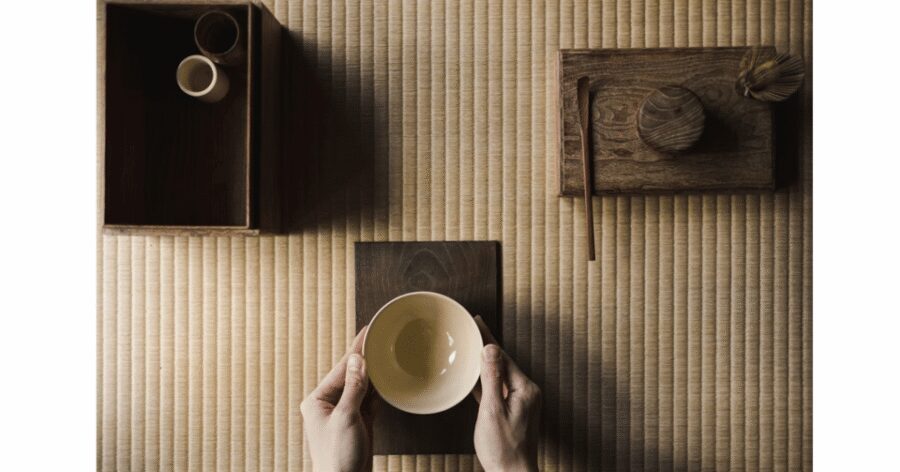
Once you’re settled, the teaching part starts. You’ll cover multiple themes, including Tea ceremony and Teaism, plus the basics of matcha itself. The goal is to explain what people are doing and why it matters, so the experience doesn’t feel like memorizing steps.
Expect a structured lecture from the tea expert. Many sessions are described as informative and easy to follow, with time taken to answer questions during the class. One frequent theme is how the presenter connects tea culture to everyday behavior: patience, attention, and a kind of respect for tools and ingredients.
You’ll also learn about differences in tea types—green, black, Chinese teas, and more. The point isn’t to become a tea botanist. It’s to understand how matcha fits into the bigger tea world, and why Japanese matcha has its own approach and flavor profile.





Tasting Real First-Flush Matcha (and Spotting the Fakes)
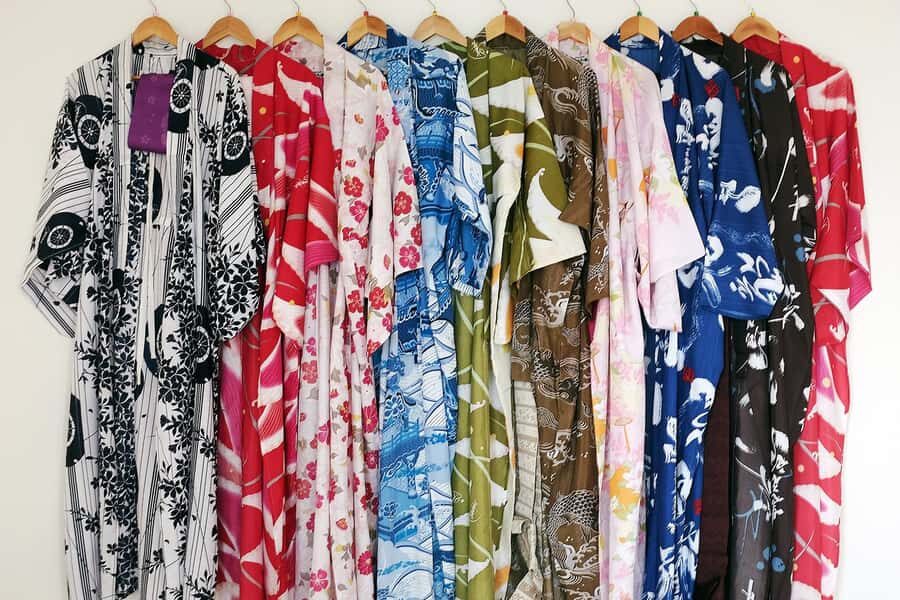
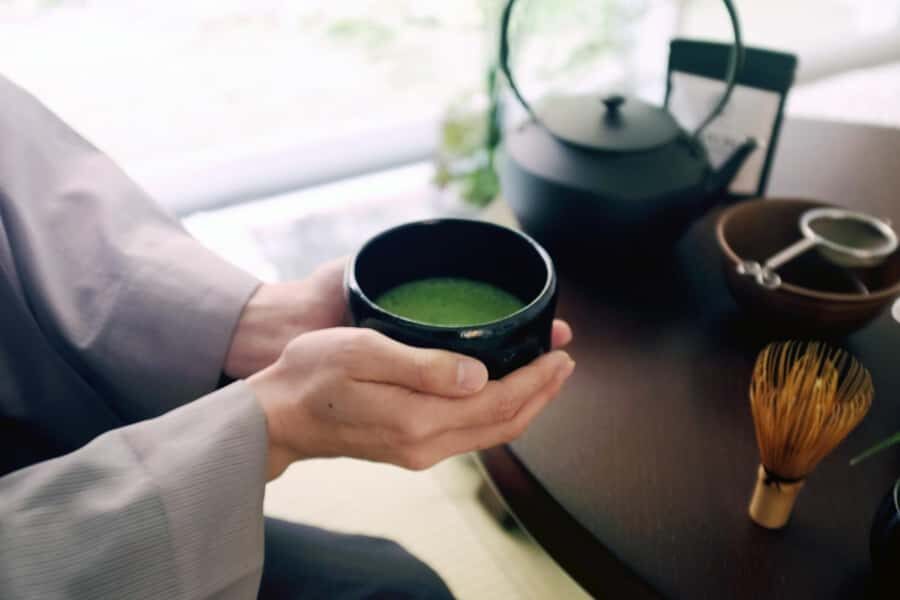
The star ingredient is an exclusive first-flush matcha, chosen from a 100+ matcha collection. The way this is set up makes it feel like a guided tasting rather than a single serving.
You’ll “shop” with your senses. The class encourages you to find your favorite matcha using your eyes, nose, and tongue. That’s useful because you learn to notice what good matcha should look like and taste like, not just whether it’s sweet or bitter.
You’ll also learn the differences between Japanese and overseas matcha. That comparison matters because a lot of people already think they know matcha from supermarket powders. In Japan, matcha often carries a different character, and the class helps you explain that difference beyond hype.
Then comes a particularly practical lesson: compare real match vs fake matcha. Being taught how to spot differences by appearance and taste helps you become less dependent on marketing. It’s the kind of skill you can use when you’re buying souvenirs later.
The Tools + Etiquette Part You Don’t Want to Skip
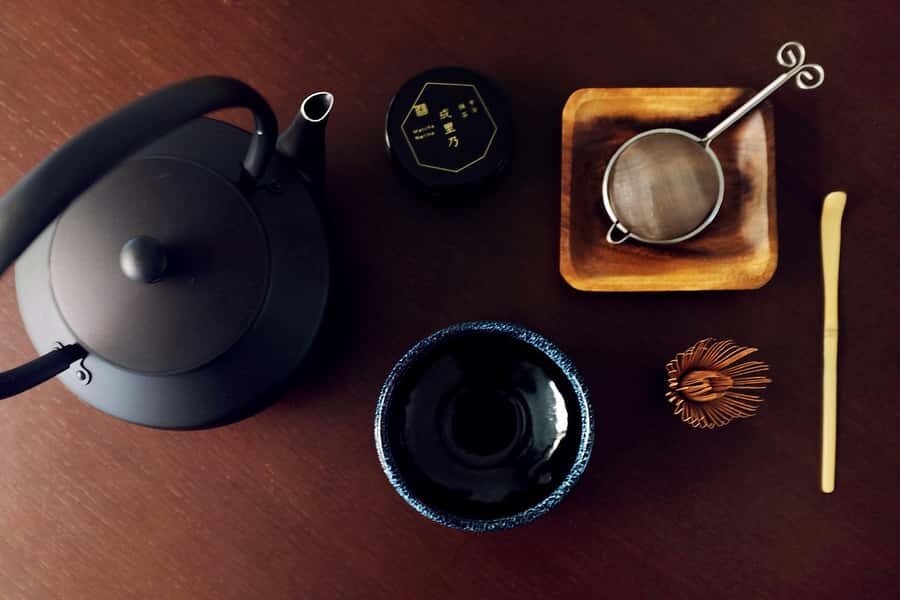
You don’t just drink matcha. You learn how to handle the tools and how to drink properly.
Tea tools are provided through rental, so you won’t need to pack anything. That’s a big deal for visitors—Tokyo apartments are small, suitcases are limited, and buying gear can be expensive.
The manners instruction is also part of the value. If you’ve ever taken a sip at a tea place feeling unsure of what you’re supposed to do, you’ll appreciate getting clear guidance here. It’s not a performance. It’s a way to help you slow down and taste more accurately.
A warm welcome drink is included, and Japanese traditional sweets appear as part of the experience. That matters for two reasons: it balances the bitterness of matcha, and it gives you a more complete tea-time feeling, not just a classroom.
Making Your Own Bowl: The 4 Keypoints to Use at Home
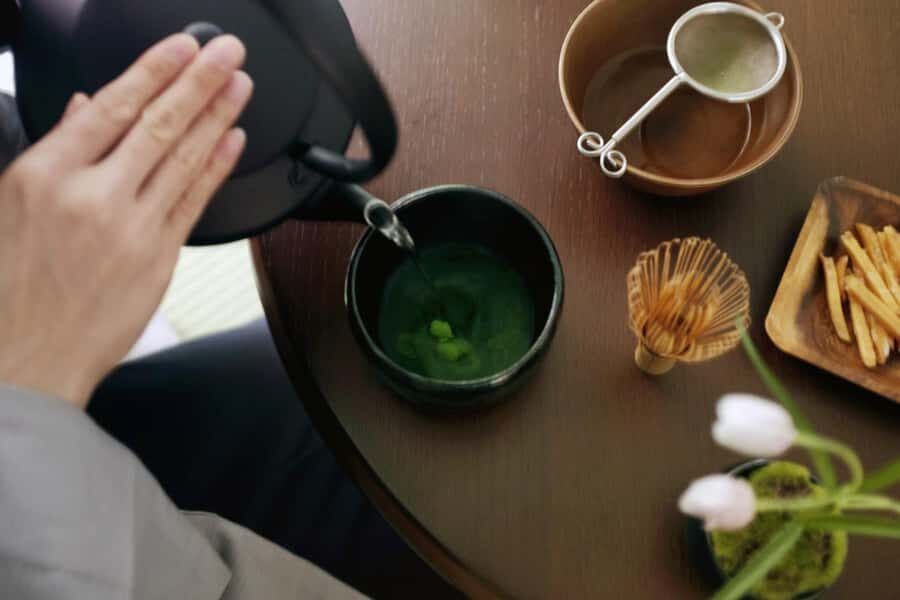
After the tasting and lecture, it becomes hands-on. You’ll experience how to prepare a beautiful bowl of matcha using the tools provided.
A highlight is that you’re taught how to prepare matcha using 4 keypoints designed for making it at home later. The exact four points aren’t listed in the details you provided, but the intent is clear: you’ll learn the essentials well enough to repeat the process without guessing.
Here’s why this portion is so worth it. Most matcha experiences stop at drinking. This one aims to change what you do when you’re back in your kitchen: how you whisk, how you reach the right texture, and how to avoid common mistakes that can make matcha taste flat or overly bitter.
You’ll also learn the basic manner of how to drink a bowl of matcha. That may sound small, but it’s part of building the habit of slowing down. When you drink properly, you notice more—bitterness, sweetness, and the umami-like depth.
How the Session Feels in Real Life (Small-Group Energy)
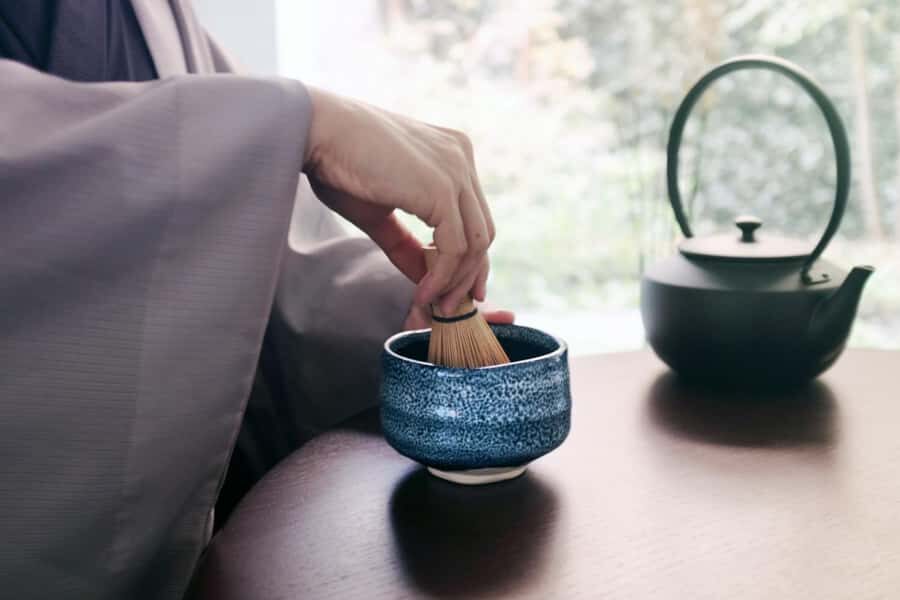
The experience is described as highly personal, with small-group formats showing up in the way the session is run. When the group stays small, it’s easier to ask questions and get corrections during the matcha practice.
That personal attention is a common reason people rate this experience so highly. The tea expert’s style tends to be both enthusiastic and structured, and the class tone stays relaxed while still being serious about the craft.
You’ll also get plenty of guided time, including photo opportunities. Many people mention kimono photos and the way the host helps with group shots, so you’ll likely leave with more than just a taste memory.
Who Should Book This Matcha and Kimono Experience
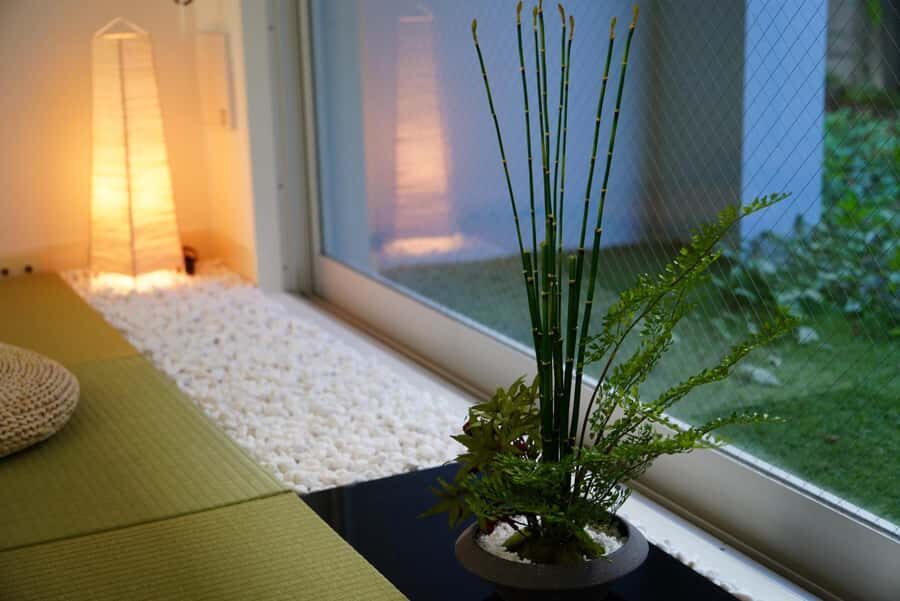
You’ll get the most out of this if you like hands-on cultural activities. If you want a tea ceremony experience that’s explained clearly and turned into a skill you can reuse, this fits.
It’s a great option if:
- You’re staying around Shinjuku/Yotsuya and want something cultural that’s still easy to reach.
- You like food experiences with real technique, not just a quick sample.
- You’re curious about matcha beyond the commercial version.
It may not be ideal if:
- You hate rules and quiet spaces. The experience asks for respectful behavior and no strong fragrances or loud noise.
- You need a fully child-friendly format. It’s not suitable for children under 5.
Price and Value: Is $57 Worth It in Tokyo?
At $57 per person, you’re paying for more than one ingredient. You’re getting:
- An easy-to-wear kimono you use for the whole session
- A matcha experience that includes first-flush matcha from a larger selection
- A tea ceremony / Teaism lecture by a tea expert
- A matcha making lesson
- Tea tools rental
- Japanese traditional sweets and a welcome drink
In Tokyo, kimono dressing by itself can take time and money, and tea experiences with tools and instruction often add up quickly. Here, the price bundles the kimono, the teaching, the tools, and the tasting into one package.
The best way to judge value is to ask what you want to leave with. If you want a photo moment only, you can find simpler, cheaper kimono rentals. If you want a skill—plus the context of Japanese tea culture—this format is strong for the price.
Quick Practical Tips Before You Go
This one’s easy to enjoy if you handle the boring bits:
- Bring socks (or plan to buy them on-site if you forget).
- Arrive early so you don’t lose your slot.
- Skip strong perfume or fragrance products.
- Wear clothing that lets you move comfortably, since you’ll be sitting and practicing.
- If you have questions, ask them during the lecture part. This experience is set up for conversation.
And remember: matcha is subtle. If you rush or talk over the room, you’ll miss what the class is trying to teach.
Should You Book It?
If you want a Tokyo experience that’s both cultural and practical, I’d book it. The combination of Teaism + tea ceremony teaching, first-flush matcha tasting, and a matcha making lesson with tools gives you something you can use after you leave Japan.
Choose this especially if you care about real matcha, not just the idea of matcha. The real vs fake comparison and the guidance on making a bowl at home are the parts that stick.
Skip it if you’re mainly chasing a kimono for photos or if quiet, fragrance-free etiquette isn’t your style. Otherwise, this is one of those activities where the craft feels worth your time.
FAQ
Where is the meeting point?
You meet your guide in front of the LUUP scooter stand next to the ACN Yotsuya Building, with a workshop sign. The place is about a 6-minute walk from Yotsuya Station.
What time should I arrive?
Your booking is automatically canceled after 10 minutes of delay from the appointment time. There is no refund accepted in that case.
What should I bring?
You must bring socks to protect the traditional flooring. If you forget them, you may be asked to buy socks at the workshop place.
Is the tour available in English?
Yes. The experience is offered in English and Japanese.
What’s included in the price?
The price includes a matcha experience, a kimono to wear throughout, a Teaism and matcha lecture, a matcha making lesson, exclusive first-flush matcha, Japanese traditional sweets, a welcome drink, and tea ceremony tools rental.
Can I drink alcohol or use drugs during the experience?
No. Alcohol and drugs are not allowed.
Are strong fragrances allowed?
No. Strong fragrances are not allowed.
Is it suitable for young children?
It is not suitable for children under 5 years old.
Does it involve making the matcha, or just watching?
You make the matcha as part of the matcha making lesson, and you also learn the basic manner of how to drink a bowl of matcha.
More Tour Reviews in Tokyo



Fresh reviews from around Tokyo






Kimono Photo Experiences, compared.
 ★ 5.0Matcha Kimono Tea Ceremony in TokyoFrom $59104 reviews
Tokyo Asakusa: Traditional Kimono Rental Experience at WargoFrom $3387 reviews
Tokyo Asakusa: Miu Kimono Rental and Optional PhotoshootFrom $3254 reviews
★ 5.0Matcha Kimono Tea Ceremony in TokyoFrom $59104 reviews
Tokyo Asakusa: Traditional Kimono Rental Experience at WargoFrom $3387 reviews
Tokyo Asakusa: Miu Kimono Rental and Optional PhotoshootFrom $3254 reviews
 ★ 5.0Tokyo Authentic Kimono Rental in Asakusa with Photography OptionFrom $4546 reviews
Asakusa Kimono Rental ExperienceFrom $4730 reviews
★ 5.0Tokyo Authentic Kimono Rental in Asakusa with Photography OptionFrom $4546 reviews
Asakusa Kimono Rental ExperienceFrom $4730 reviews
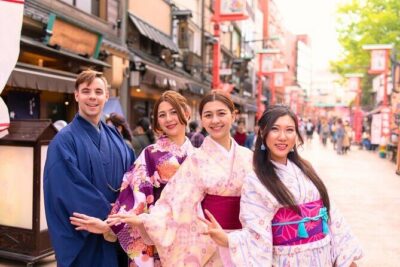 ★ 5.0Winter Kimono Experience in AsakusaFrom $3129 reviews
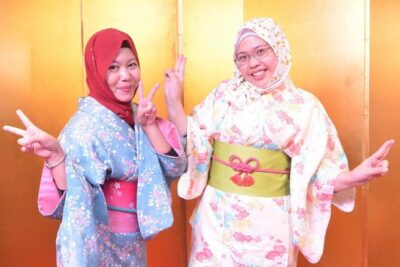 ★ 5.0Studio Kimono PhotoFrom $6529 reviews
Browse the lists this tour appears in