
Tokyo’s car scene hits different at night. This tour strings together the places that car fans actually talk about: Daikoku PA, the Wangan Highway drive, and a final stop at Tokyo Tower.
What I like most is the mix of street energy (tunnels, city roads, highway time) with real culture stops (car meet + a parts superstore), and the fact you’re riding in modified cars driven by local enthusiasts like Hiro, Yuto, Ayumu, Kei, and Jay.
One thing to consider: the exact lineup can vary, so you might not always get a fully “all JDM” lineup. If you’re expecting a guaranteed mix of only Japanese models, plan for a few wildcard cars, because that’s part of how a real meet day can play out.
In This Review
- Key highlights you’ll care about
- Price and what this 3-hour JDM loop buys you
- Starting in Akihabara: where the car day starts to feel real
- Daikoku PA: Tokyo’s famous car-meet parking lot moment
- Wangan Highway at night: the drive fans actually remember
- A PIT AutoBacs in Shinonome: the car-shop stop that feels like Tokyo
- Tokyo Tower photo stop: a classic finish for a fast night
- How the car lineup and car rotation can change your experience
- Who this tour fits best (and who should skip)
- What kind of guide energy you’ll likely get
- My practical checklist before you go
- Should you book this Tokyo JDM Scene Tour?
- FAQ
- How long is the Tokyo JDM Scene Tour?
- Where do I meet the tour?
- What stops are included on the tour?
- Is Tokyo Tower admission included?
- What should I bring?
- Is this tour suitable for motion sickness or young children?
Key highlights you’ll care about
- Daikoku PA: Tokyo’s most famous car-meet parking lot, built for custom cars and quick photo moments
- Wangan Highway: a night drive vibe that matches the fast Tokyo reputation people chase
- Car rotation: the experience is designed so you can ride multiple cars across the day
- A PIT AutoBacs (Shinonome): JDM parts, books, apparel, and merch in a true Tokyo car-shop setting
- Tokyo Tower: a classic backdrop for photos after the adrenaline part
- Local, multilingual guides: English, Japanese, and German speakers running the whole route
More horsepower: other JDM and drift experiences
- GT-R35 800hp Club Membership – secret underground car meet★ 4.8 · 998 reviews
- Secret Car Meet: R34 Skyline Car Club Membership★ 4.8 · 494 reviews
- Tokyo Drift: Daikoku PA Supreme Car Experience 大黒PA★ 4.7 · 372 reviews
Price and what this 3-hour JDM loop buys you
At $124 per person for about 3 hours (210 minutes), you’re paying for more than just a ride. You’re getting a timed route that bundles high-interest stops in one go: Akihabara meetup, a major car-meet visit, a highway run, a dedicated car-shop stop, and a Tokyo Tower photo moment.
This is also where value comes from: the cars aren’t just on display. You’re in motion—tunnels and highways—while a local enthusiast handles the driving and the day’s pacing. For many first-timers, that’s the fastest way to understand why Tokyo’s car culture feels so different from other cities.
Food and drink aren’t included, and Tokyo Tower admission fee isn’t included either, so budget for a quick meal elsewhere if you want one.
Starting in Akihabara: where the car day starts to feel real
Most departures begin in the Sotokanda / Akihabara area, with a meeting point at 4-chōme-3-3 Sotokanda. This matters because it keeps you near one of Tokyo’s easiest navigation hubs, plus it gets you into the Tokyo-night mindset before you ever hit the highway.
You’ll meet your group and then match up with the drivers’ cars for the route. This is also where the tone gets set: the guides are local car enthusiasts, and they keep the vibe friendly and talkable. I think that’s a big part of the appeal—this isn’t a silent, eyes-forward transportation service.
Bring a camera. You’ll be stopping in places where phone photos are great, but fast cameras help when you’re trying to catch details on cars in motion and in the meet lot.
Daikoku PA: Tokyo’s famous car-meet parking lot moment
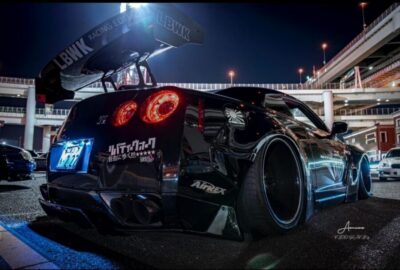
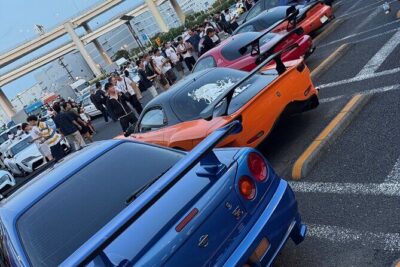
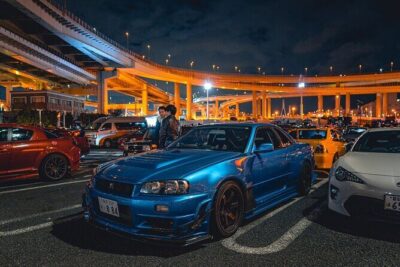
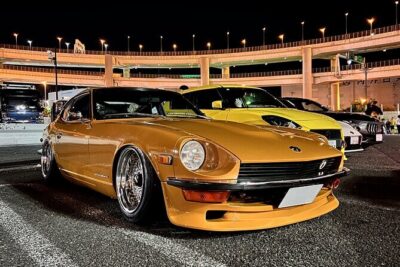
The first major car-culture anchor is Daikoku Parking Area, where the tour gives you about 1 hour to take it all in. This is the “main character” stop: lots of custom builds, familiar JDM icons, and the kind of parked chaos that makes Tokyo feel like it’s straight out of a car video.
What makes Daikoku PA work on a tour is the pacing. You’re not rushing through it. You get real time to walk, look closely, and chat—especially if you ask questions. The tour’s multilingual guides (English, Japanese, German) help you connect with people who are genuinely proud of their cars.
Two practical notes:
- Daikoku hours can change during holidays or weekends. If it’s closed or delayed, the tour indicates alternatives like Umihotaru PA may be used.
- The meet energy can be louder and more crowded than the calm parts of Tokyo, so bring patience and expect your best photos to happen when you move to the right viewing angles.
Wangan Highway at night: the drive fans actually remember
After Daikoku, the tour leans into motion with a Wangan Highway cruise. This is the part people compare to Tokyo street racing stories, because the highway feel is iconic—wide lanes, long straight stretches, and that night-glow Tokyo look that makes everything feel cinematic.
This is also where you should think about your comfort level. The tour isn’t suited to motion sickness, and the driving is spirited. That doesn’t mean unsafe chaos; it means you should be ready for speed, tunnel passes, and quick changes in flow that happen in Tokyo traffic and highway conditions.
If you’re the type who gets stressed in heavy traffic, or you’re sensitive to motion, this is the point where you should be honest with yourself. On the flip side, if you want the thrill, this is the heart of the experience.




A PIT AutoBacs in Shinonome: the car-shop stop that feels like Tokyo
Next up is Autobacs Shinonome, often described through the tour’s A PIT AutoBacs focus. This is where you shift from “look at cars” to “touch car culture.” You can browse JDM parts, books, apparel, and merch, and you’ll get a better sense of what enthusiasts actually buy for their daily builds and weekends.
It’s a shop stop, so your time is more flexible than a meet lot. You can browse quietly, compare brands, and pick up small souvenirs tied to the scene. One note from the experiences people shared: prices can feel high, so if you’re cost-sensitive, treat it like a window-shopping stop first and only buy if you find something that really hits your taste.
If you care about car aesthetics, this stop is useful even without buying anything. You’ll leave with stronger context for what you saw at Daikoku—wing types, body kit talk, tuning culture, and the merch side that makes the scene feel like a community, not just a hobby.
Tokyo Tower photo stop: a classic finish for a fast night
The day ends with a Tokyo Tower photo stop and sightseeing. This works because it gives you a clean, iconic Tokyo backdrop after the dense car-lot and highway moments.
Tokyo Tower admission isn’t included, so if you want to go up, plan that separately. But even at ground level, it’s a solid place for pictures, especially if you’re pairing your tour with additional Tokyo sights later.
Timing can be affected by real-world traffic and meet-day conditions, so don’t treat it like a strict timed ceremony. Treat it like the final chapter where you swap from adrenaline photos to Tokyo postcard photos.
How the car lineup and car rotation can change your experience
One of the most praised parts is the sense that you get more than one ride. The tour is designed so you can switch cars across the stops, letting you experience multiple models during the night.
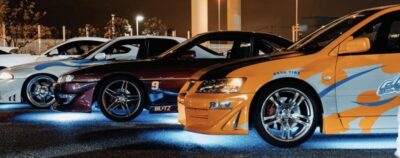
In the tour’s framing, you may see icons like GTRs (including R35), R34 Skylines, Lancer Evolutions, Imprezas tuned to big power, NSX (NA1), GT86, Silvia S15, plus some non-Japanese performance builds like BMW 335i Cabriolet, Audi S5 with APR-style tuning, Mercedes S63, and Liberty Walk-style custom builds.
Here’s the honest caution: the exact selection can vary. In one case, a rider expected more Japanese-only cars and felt the beginning lineup skewed more toward German cars before later switching to Japanese models like an Evo 7. That doesn’t make the tour worse—it just means you should set expectations like this: you’re joining a real enthusiast route, not a museum guarantee.
The upside is that car rotation still gives you variety. If you’re hoping to sample different sounds and driving feels, you’ll likely appreciate how the day is built.
Who this tour fits best (and who should skip)
This is a great fit if you:
- Love JDM cars, tuning culture, or custom styling
- Want a night-time Tokyo plan that feels different from standard sightseeing
- Enjoy talking with enthusiasts who actually care about their builds
It’s less of a fit if you:
- Have motion sickness
- Are traveling with children under 3 (or babies under 1)
- Are pregnant
- Are over 70
Also note the basic rules: no pets, no oversize luggage, and no alcohol or drugs. Food and drinks aren’t allowed in the vehicle, so plan for snacks outside the car if you need them.
What kind of guide energy you’ll likely get
Guides are local car enthusiasts, and the tour runs with English, Japanese, and German support. Names that popped up in people’s accounts include Hiro (and a Silvia), Yuto (driving and hosting energy), Ayumu (including WRX-style rides), Kei, Jay, and others like Ayumi.
What matters for you isn’t celebrity names. It’s the behavior: people consistently mention friendly conversation, comfort during the ride, and drivers who seem skilled at pacing the stops and keeping everyone engaged. If you like asking questions—what’s the setup, why this spec, how the tuning culture works—this is the kind of tour where answers come fast.
And yes, music can be part of the vibe. Several accounts mention the playlist energy while driving, which can make the highway feel even more like a movie.
My practical checklist before you go
- Bring a camera and charge it fully
- Wear comfortable clothing for sitting in a car for long enough to enjoy the route
- If you’re sensitive to movement, think hard about whether this is a good match for you
- Bring a bit of patience. Tokyo traffic and meet-day conditions are real
- Plan your meals outside the car. Food and drinks aren’t included, and they aren’t allowed in the vehicle
Should you book this Tokyo JDM Scene Tour?
Book it if you want a Tokyo experience that mixes real car culture with a road-based thrill: Daikoku PA, Wangan Highway, A PIT AutoBacs, and a clean Tokyo Tower photo moment. For a one-night plan, it’s one of the more focused options because everything on the route supports the theme—cars, tuning, and the city at speed.
Skip or reconsider if you need a gentle, low-motion day, if you’re expecting a strictly Japanese-only car lineup every time, or if you’re sensitive to driving on busy roads. Also, if you’re traveling around major holiday periods, be ready for the possibility of meet-day changes like Daikoku PA being closed or delayed with alternatives such as Umihotaru PA.
If you love cars, this tour is the kind of Tokyo memory you’ll keep. If you don’t love cars yet, the structure still gives you a strong chance to catch the bug—one highway run and one custom build at a time.
FAQ
How long is the Tokyo JDM Scene Tour?
It runs about 3 hours, listed as 210 minutes.
Where do I meet the tour?
Meeting points can vary, but it’s commonly in the Akihabara area, including Sotokanda around 4-chōme-3-3 Sotokanda.
What stops are included on the tour?
You’ll visit Daikoku Parking Area, A PIT AutoBacs / Autobacs Shinonome, and Tokyo Tower (photo stop and sightseeing), plus you’ll cruise through Tokyo’s tunnels and highways.
Is Tokyo Tower admission included?
No. The Tokyo Tower admission fee is not included.
What should I bring?
Bring a camera for photos.
Is this tour suitable for motion sickness or young children?
No. It’s not suitable for people with motion sickness, and it’s also not suitable for children under 3 (and babies under 1).
More Tours in Tokyo
More Tour Reviews in Tokyo



For the Petrolheads: More JDM Days
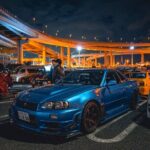
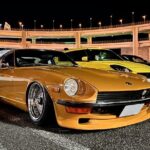
Fresh reviews from around Tokyo






JDM Drift Car Experiences, compared.
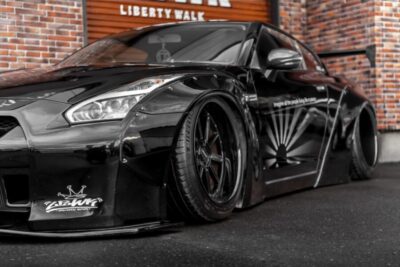 ★ 4.8GT-R35 800hp Club Membership – secret underground car meetFrom $205998 reviews
 ★ 4.8Fast & Furious Tokyo Drift 3 Experience (Kaila Yu SP)From $157947 reviews
Daikoku JDM Car Meet & Night Car Culture TourFrom $98626 reviews
★ 4.8Fast & Furious Tokyo Drift 3 Experience (Kaila Yu SP)From $157947 reviews
Daikoku JDM Car Meet & Night Car Culture TourFrom $98626 reviews
 ★ 4.8Secret Car Meet: R34 Skyline Car Club MembershipFrom $236494 reviews
 ★ 4.9EVO, WRX, Skyline – JDM Night Run to Daikoku Car MeetFrom $125478 reviews
 ★ 4.7Tokyo Drift: Daikoku PA Supreme Car Experience 大黒PAFrom $58372 reviews
 ★ 4.5Daikoku Car Club Temporary MembershipFrom $145275 reviews
 ★ 5.0Daikoku JDM Car Meet & Night Car Culture TourFrom $99232 reviews
Browse the lists this tour appears in