
Reviewed · SHIBUYA TOURS
Tokyo: Japanese anime stores with ramen lunch in Shibuya
Shibuya anime shopping feels like magic. In 150 minutes, you’ll get guided through character-focused stores in Tokyo’s Shibuya area, then refuel with a classic pork ramen lunch. This is a simple, fun way to understand why manga and anime merch matters so much in Japan.
I love the hunt for hard-to-find items that you can’t easily grab at home. I also like the small-group setup, especially if you’re shopping with kids, teens, or adults who have very specific favorites. You spend the time walking, looking, and asking instead of getting lost.
One possible drawback: you’ll see plenty you might want to buy, and shopping costs depend on what you pick up in each store.
In This Review
- Key highlights
- Shibuya’s Anime Stores in 150 Minutes: What This Tour Really Delivers
- Meeting at SHIBU HACHI BOX and Getting Oriented Fast
- Store Hunting in Shibuya: How Anime and Manga Merch Shows Culture
- The Mario and Pokémon Stops: Original Goods With Fan-Driven Focus
- How to Shop Smarter for Souvenirs You’ll Actually Keep
- Lunch in Shibuya: Pork Ramen With Pork-Bone Soup
- Why the Small Group of 4 Changes the Whole Experience
- Duration and Pace: What You Should Plan Before You Go
- Who This Tour Is For (and Who Might Skip It)
- Price and Value: Is $92 Worth It?
- What to Bring and How to Make the Most of the Stops
- Should You Book This Shibuya Anime and Ramen Tour?
- FAQ
- How long is the Tokyo Shibuya anime stores and ramen tour?
- What is the group size?
- What language is the tour guide?
- Where do we meet?
- What is included in the price?
- Is pork ramen included?
- What is not included?
- Do the stores focus on specific franchises?
- Can I cancel for a full refund?
- Is there a payment option that keeps plans flexible?
Key highlights
- Shibuya character shops focused on anime and video game favorites
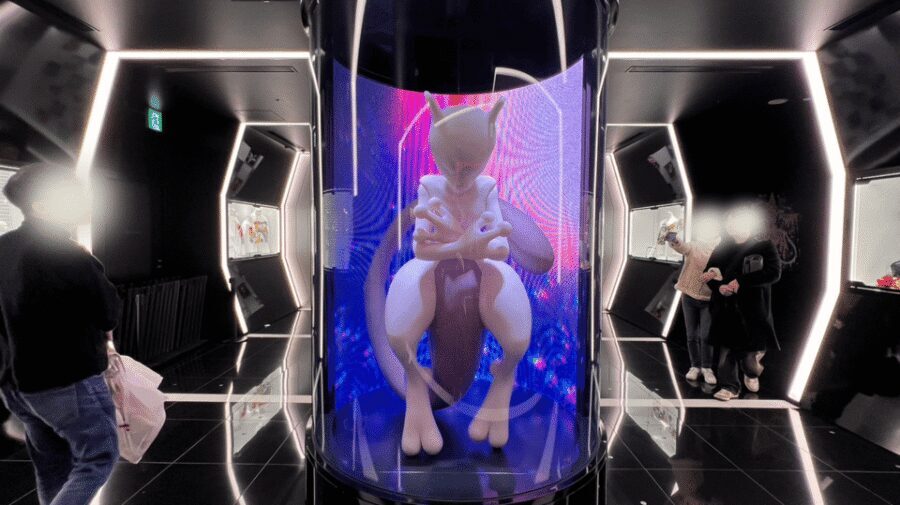
- Mario and Pokémon specialty stops with original merchandise
- Ramen lunch with pork-bone soup included
- Small group of up to 4, ideal for questions and finding the right aisle
- A guide named Haruka (English) who helps fans zero in on their must-stores
More to do within sight of the Crossing
- Official Street Go-Kart in Shibuya★ 5.0 · 3,435 reviews
- Tokyo: Street Kart Experience in Shibuya★ 4.9 · 1,484 reviews
- Shibuya Meltdown Nightlife Tour: All-You-Can-Drink Bar Hopping★ 5.0 · 1,058 reviews
Shibuya’s Anime Stores in 150 Minutes: What This Tour Really Delivers
This tour is built for people who don’t want a half-day wandering plan. You get a tight run through anime and manga culture through the places where fans shop most often. That matters, because the stores themselves explain the fandom in a very visual, practical way.
The tour also gives you a clear payoff. You start with character goods and collectibles, then you finish with a bowl of pork ramen. It’s an easy rhythm for sightseeing: move your feet while you shop, then sit down and eat something that feels like a real Tokyo day.
The biggest value isn’t just seeing famous brands. It’s the “only-in-Japan” feeling of finding merchandise that feels made for the local fan scene. If you’re even a little into anime, manga, or video games, you’ll probably leave with souvenirs that feel more personal than airport trinkets.
Meeting at SHIBU HACHI BOX and Getting Oriented Fast
Your meeting point is right in the Shibuya area: in front of SHIBU HACHI BOX. The guide waits with a signboard that shows gotcha, so you can spot them without guessing.
Because the group is limited to 4 participants, the guide can typically get everyone settled quickly. That’s helpful in Shibuya, where it’s easy to lose time stepping around crowds. I like that you’re not stuck waiting for a large group to gather before you move on.
You should also be ready to walk. This is a store-to-store experience, and 150 minutes goes by quicker than you’d think once you start scanning shelves.
Store Hunting in Shibuya: How Anime and Manga Merch Shows Culture
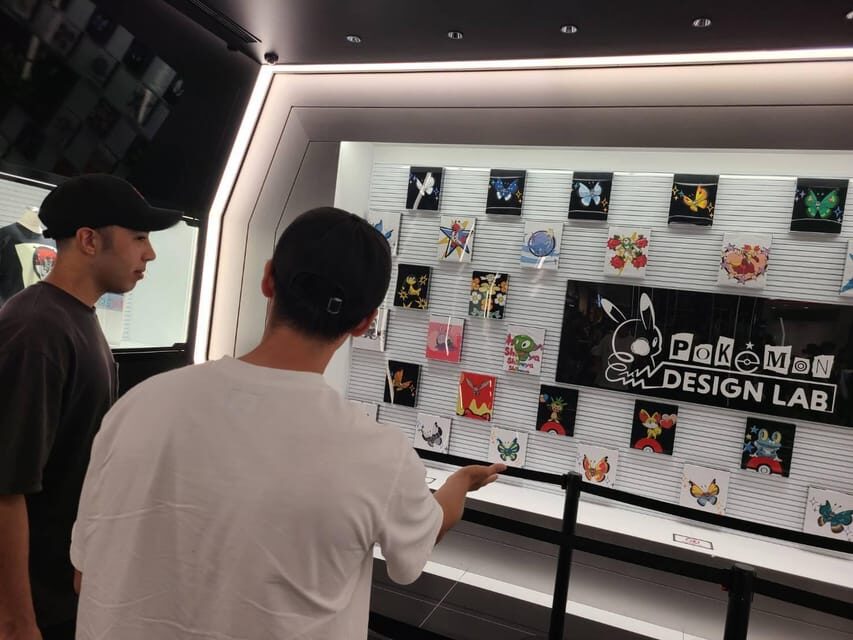
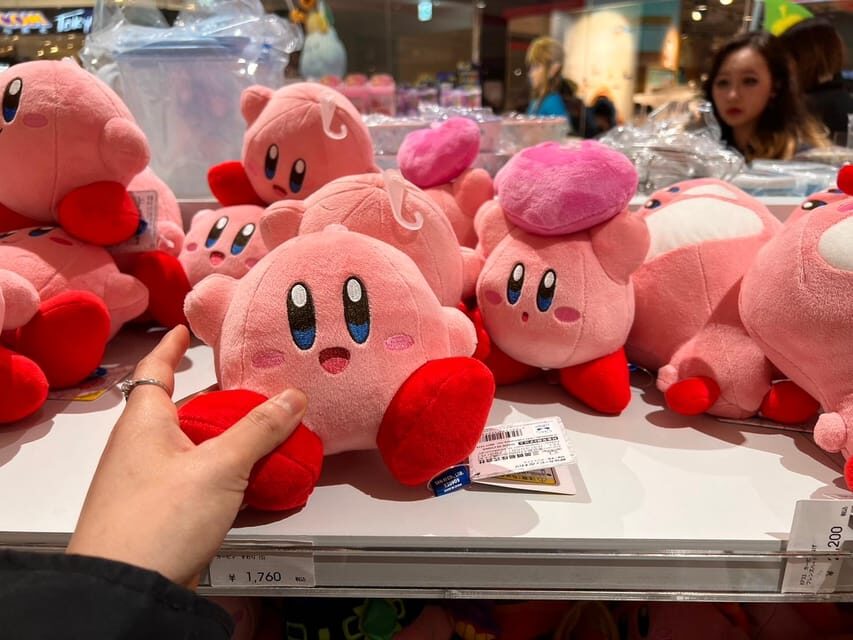
The core of the tour is visiting shops specializing in popular anime and video game characters. These stores focus on items for both children and adults, so you’ll see a wide range of product styles: small collectibles, themed goods, and fan-oriented purchases.
What you’ll love here is the merchandising logic. In Japan, the character universe doesn’t just live on screen. It spills into everyday things—stickers, toys, stationery, and specialty goods that feel like they belong to the series world. That’s the cultural “why” behind buying souvenirs in the first place.
A key promise of this experience is that you’ll be able to buy items only available here. Even if you don’t buy much, browsing is still the point. You’ll learn what kinds of products Japanese fans actually chase, and you’ll start spotting patterns fast.
Practical tip: if you have a short list—like one character or franchise—you’ll shop more confidently. With a guide, you can spend less time searching and more time verifying what’s current and available.
The Mario and Pokémon Stops: Original Goods With Fan-Driven Focus
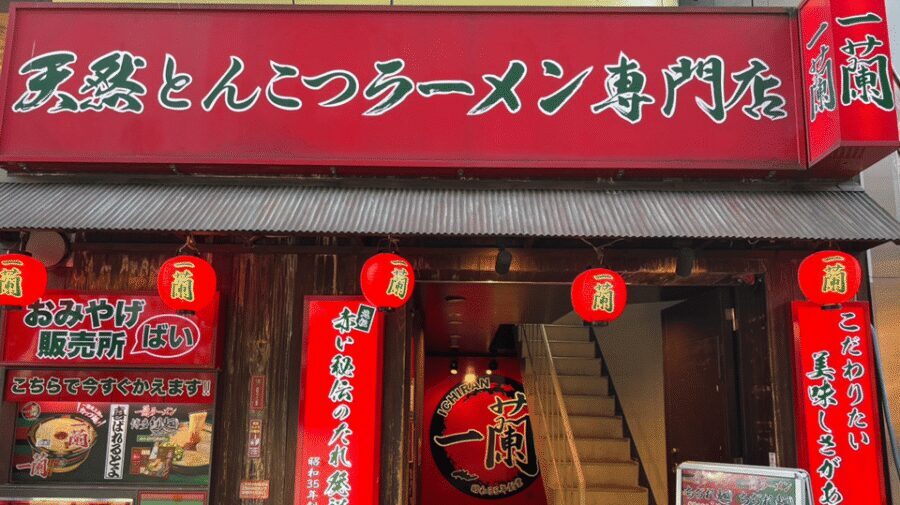
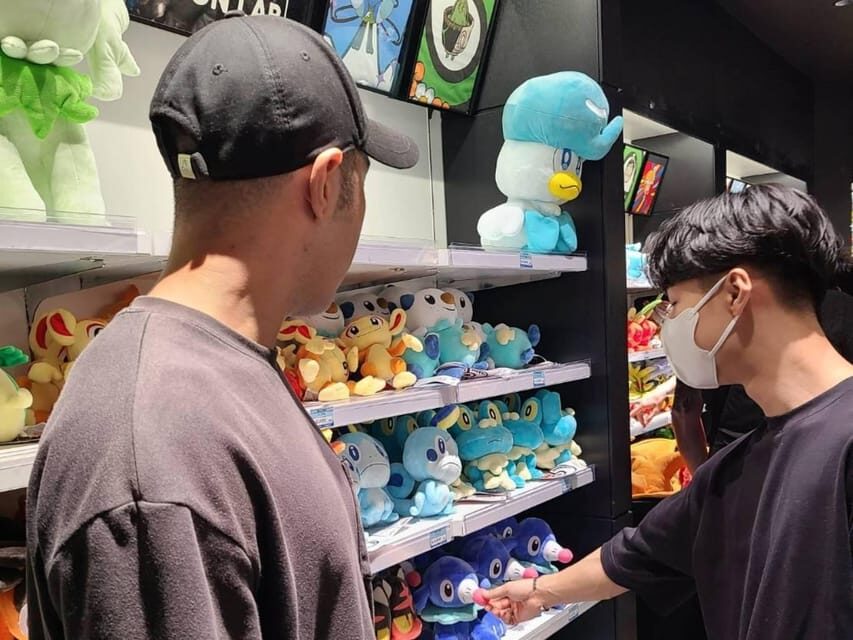
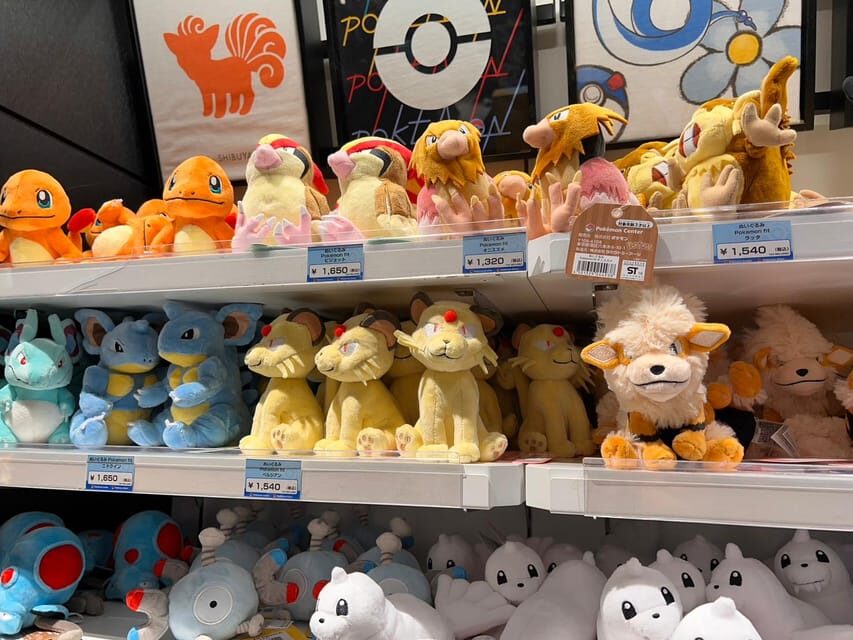
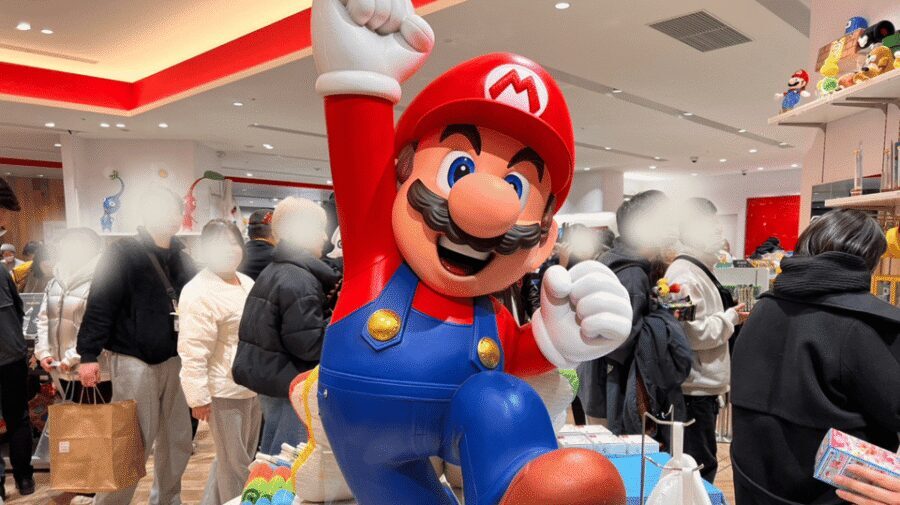
A big highlight is visiting specialty stores selling original goods such as Mario and Pokémon. These aren’t vague “souvenir shops.” They’re character-centered places where the merchandise feels intentional and themed.
This is where your priorities matter. If your interest is specific—pins, figures, themed stationery, or card-adjacent goods—character specialty shops tend to be much more efficient. The guide can help you focus on what makes sense for your taste, rather than letting you drift through everything.
Also, these brands are globally known, but Japan merch can feel different. The local versions often reflect how fans show support day-to-day. That’s why these stores can be worth extra attention even if you’ve seen similar items online.
If you’re shopping with kids or teens, these two themes are usually a strong hit. You get clear, recognizable franchises, and you still find plenty of “Japan-only” style items.
Deeper into Electric Town



How to Shop Smarter for Souvenirs You’ll Actually Keep

The tour’s shopping portion is optional, but the browsing is not. You’ll likely see a lot of cute items—small things that look harmless at first glance, and then suddenly you’re calculating how many you can carry home.
Here’s how I’d approach it:
- Decide on a budget before you enter the stores.
- Pick one or two categories: figures, stationery, plush, or accessories.
- Buy what you love immediately, not what you hope will still be there later.
You’ll probably notice that some items feel more “collectible” than “useful.” That’s fine. The value is in the story they carry—this came from the store devoted to your favorite character, in Shibuya, in Japan.
Because shopping costs aren’t included, this is a tour you can control. If you want to spend lightly, you can. If you want to go all-in, you can do that too—just be ready for totals to climb once you find limited-feeling goods.
Lunch in Shibuya: Pork Ramen With Pork-Bone Soup
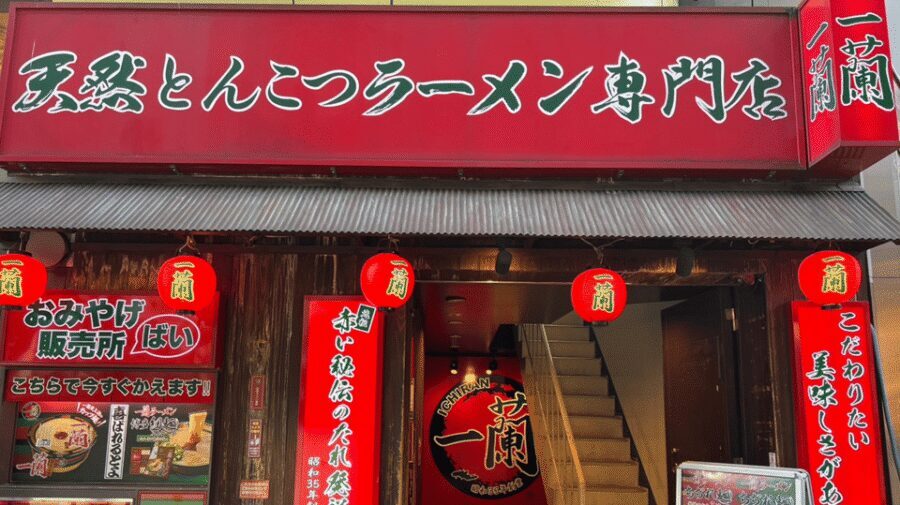
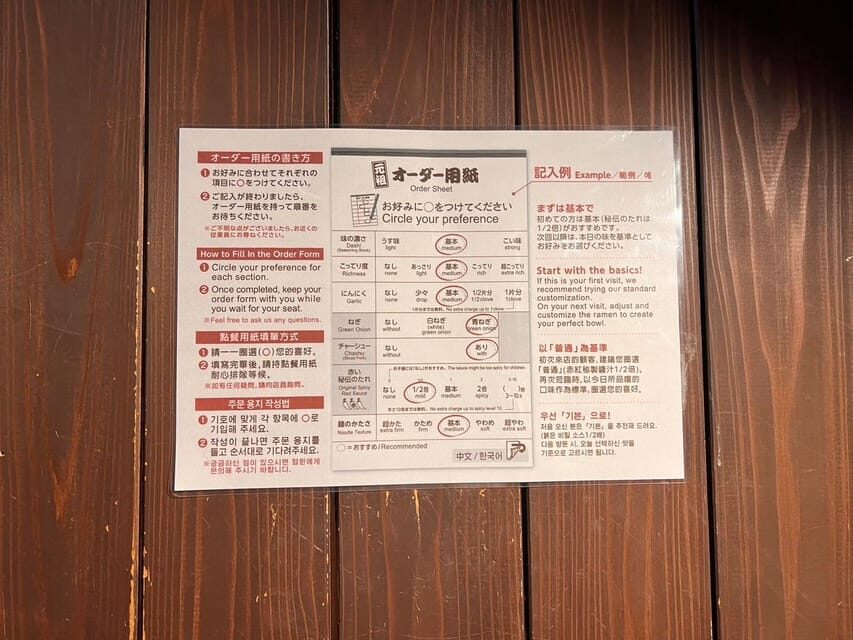
After the shopping stretch, the tour transitions to food—pork ramen with pork-bone soup. Ramen is one of those meals that turns a busy sightseeing day into a satisfying reset.
The tour includes the cost of ramen noodles. In plain terms, you’re covered for the ramen itself, so you’re not paying from scratch for your lunch stop. This is a big deal for value, because food costs in central Tokyo add up fast.
What makes the ramen choice feel right is that it matches the energy of the day. You’ve been scanning shelves and hunting for merchandise. Then you sit down, get a hot bowl, and slow down. That’s how you keep the 150 minutes from feeling like one long sprint.
If you’re sensitive to spice or prefer specific textures, it’s worth communicating with the guide. You’ll get help based on what’s available at the restaurant they take you to.
Why the Small Group of 4 Changes the Whole Experience
A small group limited to 4 participants is more than a “comfort” detail. It changes how you experience the tour in real time.
With a tiny group:
- you spend less time waiting
- you can ask questions without feeling rushed
- you’re more likely to get help finding exactly what you want
This is especially valuable in specialty stores, where inventory can be tightly organized and sometimes language becomes a barrier. An English-speaking guide helps you make decisions faster—like what something is, where you should look, and how to compare similar items.
In the feedback, the guide Haruka is singled out for helping young fans find favorite shops. That’s a good sign if your group includes teens. They often have strong preferences and don’t want to waste time on irrelevant stops.
Duration and Pace: What You Should Plan Before You Go
The tour runs 150 minutes, which is long enough to feel like a real shopping experience but short enough to keep your afternoon flexible. The route is designed to fit within that time window, so you shouldn’t expect an all-day store marathon.
Your best move is to travel light that day. Bring a small bag for purchases and keep your phone charged, because photos and item references can help when you’re deciding what to buy. If you’re traveling with a group, it helps to agree beforehand on character priorities so you don’t all pull in different directions.
One more consideration: Shibuya store interiors can be tight. You’ll want to move with the group and stay aware of space, especially during busy moments.
Who This Tour Is For (and Who Might Skip It)
This tour fits best if you want a Tokyo experience that’s more than sightseeing photos. It’s ideal for:
- anime and manga fans who want to shop like locals
- families with kids or teens who still want a fun, guided plan
- adults who like pop-culture items and don’t want to hunt alone
If you’re in Tokyo for only a short time, this tour can also be a good “taste” of Shibuya’s fan culture. You’ll leave with a handful of items and a better understanding of what kind of merch is normal in Japan.
If you don’t care about anime, manga, or video game characters at all, you might find the shopping stops less motivating. The ramen alone is great, but the tour’s real payoff is the character store circuit.
Price and Value: Is $92 Worth It?
The price is $92 per person for 150 minutes, including a live English guide and the cost of ramen noodles. Shopping costs are extra and depend on what you buy.
So is it worth it? For me, it comes down to how you’d spend your time otherwise.
If you’d spend hours trying to locate the right stores, then this guide-led route can save time and reduce frustration. The included ramen stop is also a practical value anchor. Food + guidance is often cheaper than trying to assemble both on your own under time pressure.
You should also be honest about your shopping intentions. If you plan to buy very little, you’ll mainly be paying for guidance and access to the right places. If you plan to buy a few items you truly love, the tour can feel like it pays for itself in convenience.
What to Bring and How to Make the Most of the Stops
Keep it simple. Bring:
- comfortable shoes for walking in Shibuya
- a small bag or tote for purchases
- a charged phone for quick comparisons and remembering what you liked
If you’re shopping for gifts, consider buying earlier rather than later. Once you know what’s available in the first specialty shops, it becomes easier to spot better options later.
And if you’re traveling with kids or teens, it helps to set a quick goal like one small collectible or one stationery set. That prevents the day from turning into a struggle over spending.
Should You Book This Shibuya Anime and Ramen Tour?
Book it if you want an anime-focused Tokyo experience with a clear finish. The combination of Shibuya character stores plus an included pork ramen lunch is a strong match for fans who want more than just photos. The small group size and English guide also make it feel manageable, even if you’re shopping for specific franchises like Mario and Pokémon.
Skip it if you’re not interested in anime or video game merch, because the tour’s center of gravity is shopping and browsing. Also think about your budget: shopping costs aren’t included, so go in with a plan.
If you want a fun, efficient way to experience Japanese pop-culture retail and still sit down for ramen, this is a smart pick.
FAQ
How long is the Tokyo Shibuya anime stores and ramen tour?
The duration is 150 minutes.
What is the group size?
This is a small group limited to 4 participants.
What language is the tour guide?
The live tour guide speaks English.
Where do we meet?
Meet in front of SHIBU HACHI BOX. The guide will be waiting with a signboard showing gotcha.
What is included in the price?
The tour includes a tour guide and the cost of ramen noodles.
Is pork ramen included?
Yes. The tour includes pork ramen lunch.
What is not included?
Shopping costs at each stores are not included and depend on what you buy.
Do the stores focus on specific franchises?
Yes. The tour includes specialty stores selling original goods such as Mario and Pokémon.
Can I cancel for a full refund?
Yes, you can cancel up to 24 hours in advance for a full refund.
Is there a payment option that keeps plans flexible?
Yes. You can reserve now and pay later.
More Tour Reviews in Tokyo






Further into Akihabara

Still in Shibuya? Keep Going





Fresh reviews from around Tokyo






Shibuya Tours, compared.
 ★ 5.0Official Street Go-Kart in ShibuyaFrom $763,435 reviews
 ★ 4.9Street Kart Experience in ShibuyaFrom $741,484 reviews
 ★ 5.0Shibuya Meltdown Nightlife Tour: All-You-Can-Drink Bar HoppingFrom $1061,058 reviews
 ★ 5.0Shibuya Official Street Go-Kart in Shibuya AnnexFrom $69972 reviews
 ★ 5.0Shibuya Food Tour (13 dishes and 4 Eateries)From $77770 reviews
 ★ 5.0Best of Shibuya Food TourFrom $217612 reviews
 ★ 4.8Shibuya Highlights Walking TourFrom $19601 reviews
 ★ 4.7Premium Go-Kart Tour with Tower & Shibuya CrossingFrom $116528 reviews
Browse the lists this tour appears in