
Reviewed · MT FUJI DAY TRIPS
Tokyo: Hakone Fuji Day Tour w/ Cruise, Cable Car, Volcano
Mt. Fuji looks different at Hakone.
This day tour is a focused hit of classic scenery: you’ll ride the Hakone Ropeway for big lookouts and catch a Lake Ashi cruise for a slower, calmer view of the mountain. You also get a local guide to connect the dots between what you’re seeing and what’s going on in the area. My favorite part is how quickly the plan moves from Tokyo into proper nature—without you having to piece together a complicated route.
Two things I really like: the ropeway and cruise are timed so you can actually enjoy the views, and the Owakudani stop gives you a real sense of a working volcanic landscape. One thing to consider: the day is long (about 10 hours), and if weather is poor you may not get the Mt. Fuji views you’re hoping for—so go in ready to shift your expectations and still enjoy Hakone for what it is.
In This Review
- Key highlights and why they matter
- From Nishishinjuku to Hakone: keeping a long day actually doable
- Hakone Ropeway: getting the best angles fast
- Lake Ashi sightseeing cruise: the scenic pause you’ll appreciate
- Owakudani volcano area: sulfur, steam, and the story behind it
- Gotemba Premium Outlets: shopping with Fuji nearby
- Price and value: what you get for about $70
- Timing, weather, and what to bring for a smooth day
- Who should book this Hakone Fuji day tour—and who should skip it
- Should you book this tour?
- FAQ
- What is the duration of the Tokyo to Hakone Fuji day tour?
- How much does the tour cost per person?
- What’s included in the price?
- Is lunch included?
- Where do you meet the guide?
- Is the tour dependent on weather?
Key highlights and why they matter
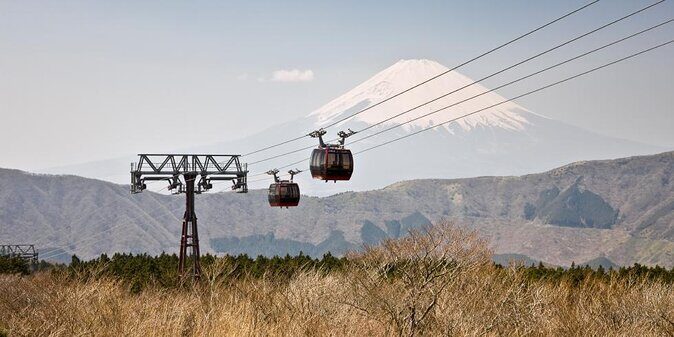
- Ropeway viewpoints for Mt. Fuji + Lake Ashi: quick, high-impact scenery with included admission time
- A full 1-hour sightseeing cruise: real break time, not just a quick photo boat
- Owakudani volcano access with an info stop: you’ll learn what the sulfur and crater area actually mean
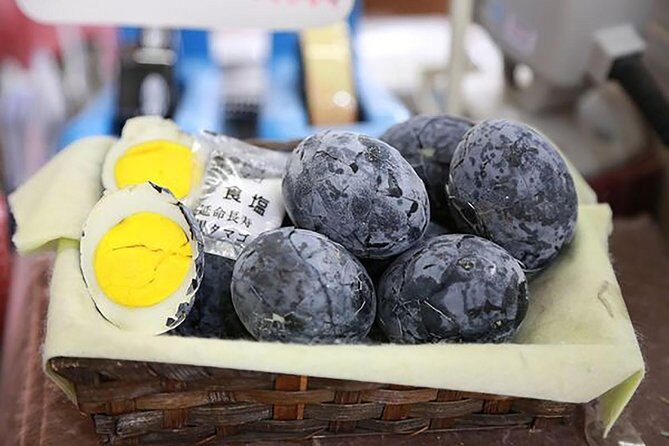
- Kuro-tamago egg chance at Owakudani: a famous local bite tied to the volcanic theme
- Gotemba Premium Outlets with time to browse: useful if you want practical souvenirs or discounts near Mt. Fuji
Other routes to the mountain, compared
- Mt Fuji & Hakone Cruise, Drum Show Bullet Train 1 Day from Tokyo★ 4.0 · 7,413 reviews
- Tokyo Mt Fuji 5th St & Hakone Cruise Bus Tour w/Bullet Train★ 4.4 · 5,024 reviews
- From Tokyo: Mount Fuji Full-Day Sightseeing Trip★ 4.5 · 4,970 reviews
From Nishishinjuku to Hakone: keeping a long day actually doable
The day starts with a meet-up at Nishishinjuku Gochome Station. That’s a helpful detail because it takes the guesswork out of getting yourself to the right rail connection and starting point. You’ll use a mobile ticket, which cuts down on the usual hassle of printouts and last-minute confusion.
Hakone is not far in “distance,” but it can eat time in real life. So what you’re buying here is convenience: the tour is built to bundle the major sights into one route. With a schedule around ropeway, boat, volcano area, and finally outlet shopping, you’ll spend more time seeing than planning.
One more practical note: the experience is weather-dependent for good reason. If clouds roll in, Mt. Fuji can hide. I’d treat the mountain like a bonus rather than the guarantee. Even on days when visibility isn’t great, you’re still getting ropeway views, volcanic steam and craters at Owakudani, and a lake cruise that gives you that unmistakable Hakone mood.
Hakone Ropeway: getting the best angles fast
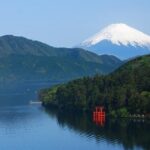
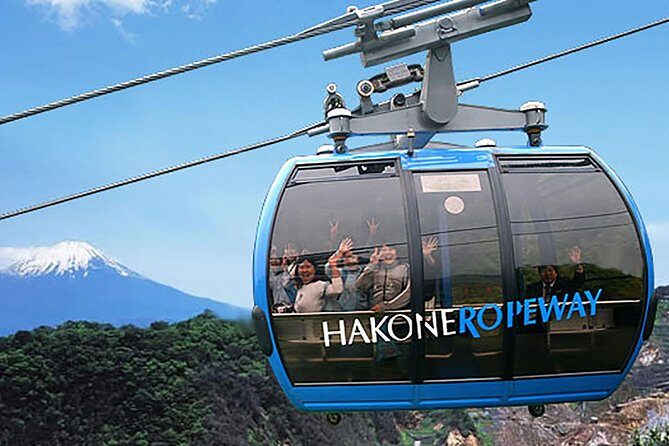
Your first real scenery stop is the Hakone Ropeway, with admission included and about 30 minutes on-site. This is the kind of stop that’s easy to underestimate until you’re inside it. You’re not just passing through—this is your early window to see the region from above, with sightlines that often include Mt. Fuji and Lake Ashinoko.
Why this works well at the start of the day: Hakone’s viewpoints can be hit-or-miss depending on the sky, and early timing gives you your best shot. Also, starting with elevation makes everything else feel more meaningful later. When you reach the lake and the volcanic area, you’re already oriented to what you’re looking at.
What to watch for:
- Give yourself a little patience for boarding and moving through the ropeway system. The stop isn’t long, so every minute counts.
- If you’re aiming for clear Mt. Fuji photos, keep your camera ready and don’t wait until the last ten minutes. That’s when lines and crowds make people slow down.
You’ll likely come away thinking the ropeway is doing most of the heavy lifting. It sets the tone for the rest of Hakone: dramatic views, a lake that looks almost unreal, and the sense that you’re surrounded by a living landscape.
Lake Ashi sightseeing cruise: the scenic pause you’ll appreciate
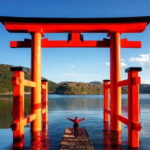
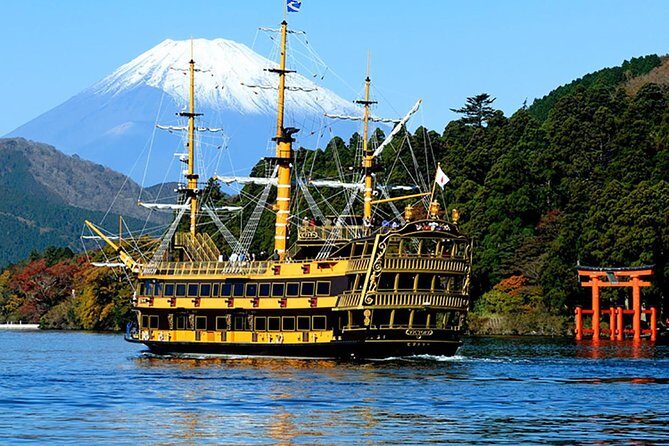
After the ropeway, you switch to the Lake Ashi sightseeing cruise for about 1 hour, with admission included. This is your decompression moment—Hakone can feel busy when you compress it into one day, and the boat ride makes the plan feel human.
The cruise matters because it changes how you experience the same scenery. From the water, the shoreline, the slopes, and the mountain’s presence can look softer and more “layered.” Even when visibility isn’t perfect, you still get that quiet contrast: volcanic country meets lake calm.
The cruise also gives you something practical: time to sit. No hunting trains. No quick photo sprint. Just relax while the views come to you. If you only did one scenic activity in Hakone, a lake cruise would still be a strong choice. With this tour, you get it as part of a smart route—so it’s not crowded out by other demands.
If you’re sensitive to motion or crowds, you may want to pick your spot as soon as you board. You can’t control the lake wind, but you can control your comfort.
Owakudani volcano area: sulfur, steam, and the story behind it
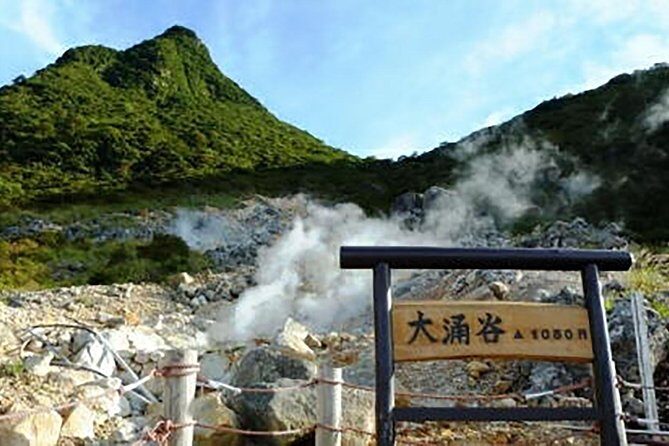
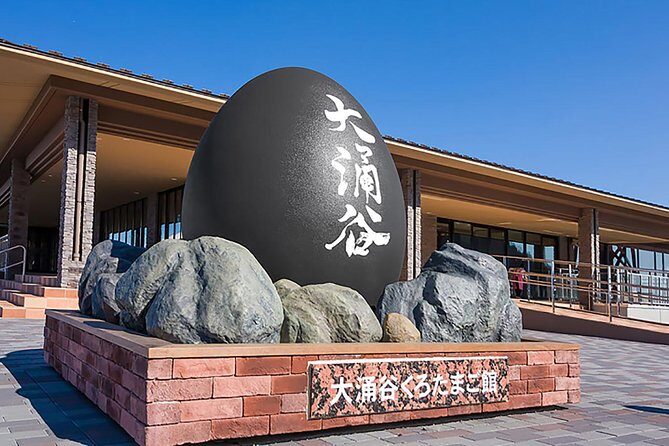
Then comes the most dramatic stop: Owakudani. You’ll spend about 45 minutes at the Owakudani Information Center, and admission there is listed as free. This is the place where Hakone stops being “scenery” and becomes “science you can smell.”
Owakudani is around a crater formed during Mount Hakone’s last eruption about 3,000 years ago. Today much of the zone is active, which explains the sulfurous fumes. If you’ve never experienced volcanic areas in real life, this stop is a strong reality check. The air can feel sharp, and you’ll notice steam and warm activity in places that look oddly still.
This is also where the tour’s volcano theme shows up beyond just visuals. The overview calls out time to enjoy a kuro-tamago egg. This is a famous local food associated with the volcanic zone. You’re basically turning the geology into something you can eat while you learn what’s happening in the ground.
A practical consideration: 45 minutes sounds long until you’re standing where the sulfur smell is strongest. You may want to balance viewing with comfort, especially if you’re prone to strong odors or respiratory sensitivity. The stop is timed to fit the day, so try not to overstay—save energy for the next leg.
What I like about including Owakudani here is that it gives you context. It’s not just a scenic viewpoint; it’s an explanation station for why Hakone looks the way it does.
More Hakone loops, ropeways and lake crossings
Gotemba Premium Outlets: shopping with Fuji nearby
For the final major block of the day, the tour includes Gotemba Premium Outlets for about 1 hour 40 minutes. Admission is listed as free, and it’s a popular stop because it sits at the base of Mount Fuji, not far from Hakone.
This is a useful option if you’re the kind of traveler who wants two types of value in one day: scenic highlights plus an easy chance to buy practical items or souvenirs. You’ll find over 200 stores, so there’s usually something to match what you actually need—clothes, casual wear, or easy gifts.
The downside is time. One hour 40 minutes disappears fast once you start walking between sections and checking prices. If you want a relaxed outlet experience, treat this as a quick browse stop, not a full shopping mission. If you’re not interested in outlets, this portion may feel like a filler compared to the rest of the tour’s nature-heavy rhythm.
Still, it’s a sensible ending. After a day outdoors, it can feel good to transition into something familiar and indoor-friendly.
Price and value: what you get for about $70
At $70.24 per person, this is priced like a compact highlights tour. The value comes from bundled transport plus included admission for key activities—especially the ropeway viewpoint and the Lake Ashi cruise. A local guide is also included, and that matters because it turns the stops into a connected story instead of a checklist of photos.
What’s not included is lunch. That’s common on tours, but it’s worth planning for. If you arrive hungry, you’ll waste time deciding what to eat. I’d treat lunch as your “buffer expense” so you can avoid stress when the schedule moves.
Also pay attention to the group size cap: the tour lists a maximum of 99 travelers. That can matter on crowded sightseeing days. Even if your group doesn’t feel huge, big tour numbers can affect how fast you move at boarding points and viewpoints. The good news is the schedule isn’t built around long waits—it’s built around set stops with included admission time.
Overall, I’d say it’s good value if you want:
- Mt. Fuji views plus a lake cruise without doing multiple tickets and connections yourself
- A volcano stop with a guide’s explanation
- A convenient day plan that ends with shopping
Timing, weather, and what to bring for a smooth day
This is an all-day plan (about 10 hours), so comfort is not optional. You’ll be walking in and out of viewpoints, moving between areas, and spending time outdoors in Hakone’s air.
Bring:
- Layers: even if Tokyo feels warm, Hakone can feel cooler with wind around the lake and elevation on the ropeway
- Comfortable shoes: you’ll stand and walk more than you think once the day starts stacking up
- A plan for lunch: since lunch is not included, decide what you’ll do if the line situation looks rough
Weather reality check: the experience requires good weather. That doesn’t mean you’ll cancel immediately at the first cloud. It means the tour is designed around visibility and safe operation. If weather forces changes, you should expect an alternate date or refund options.
My best advice is emotional, not logistical. Don’t build your entire day around one perfect Mt. Fuji moment. Hakone is more interesting when you notice the way lake light and volcanic steam shift the mood even when the mountain is partially hidden.
Who should book this Hakone Fuji day tour—and who should skip it
This tour suits you if you want a clean, guided route with the headline sights packed into a single day. It’s ideal for first-timers who feel nervous about transit logistics from Tokyo and want a knowledgeable guide to keep everything aligned.
It’s also a strong fit if you like variety:
- viewpoint time on the ropeway
- a proper boat cruise on Lake Ashi
- a volcano reality stop at Owakudani
- a final shopping option at Gotemba
I’d skip it if you’re the type who wants slow travel. The schedule is efficient, not leisurely. If you want to hike for hours or spend a long, flexible day exploring Hakone at your own pace, this may feel too structured.
One more detail from real-world execution: the meet-up process can be less tidy than you hope. So arrive a bit early and have your confirmation details ready in your pocket. That small move can prevent the kind of stressful start that turns a great day sour.
Should you book this tour?
I think you should book it if your top goal is a one-day Hakone highlights bundle with included ropeway and cruise time plus a volcano stop that you’d struggle to organize on your own. The guide and fixed admissions make it feel like real value for the price, and the mix of viewpoints, boat time, and Owakudani is exactly what people mean by classic Hakone.
I wouldn’t book it if you hate tight timing or you only want Mt. Fuji photos. This tour delivers views when conditions cooperate, but it’s still a full day in nature and steam, not a guaranteed postcard lottery.
If your ideal day in Japan includes seeing more than just cities—and you want to do it without juggling tickets—this one makes a lot of sense.
FAQ
What is the duration of the Tokyo to Hakone Fuji day tour?
It runs for about 10 hours (approx.).
How much does the tour cost per person?
The price is $70.24 per person.
What’s included in the price?
The tour includes a local guide and all taxes, fees, and handling charges. Admission is included for the Hakone Ropeway and the Lake Ashi sightseeing cruise, and the Owakudani Information Center admission is listed as free.
Is lunch included?
No. Lunch is not included.
Where do you meet the guide?
You meet the guide at Nishishinjuku Gochome Station.
Is the tour dependent on weather?
Yes. The experience requires good weather. If it’s canceled due to poor weather, you’ll be offered a different date or a full refund.
More Tour Reviews in Tokyo






Hakone, Three More Ways
The Fuji Shortlist: Other Days Out to the Mountain

Fresh reviews from around Tokyo






Mt Fuji Day Trips, compared.
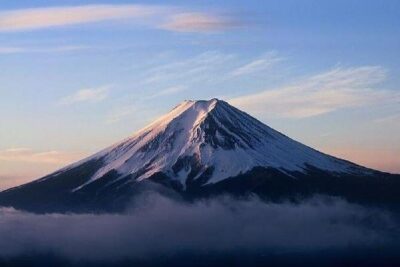 ★ 4.0Mt Fuji & Hakone Cruise, Drum Show Bullet Train 1 Day from TokyoFrom $1497,413 reviews
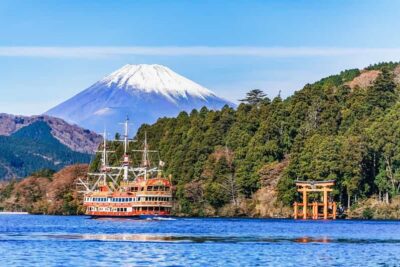 ★ 4.4Tokyo Mt Fuji 5th St & Hakone Cruise Bus Tour w/Bullet TrainFrom $1545,024 reviews
 ★ 4.5From Tokyo: Mount Fuji Full-Day Sightseeing TripFrom $684,970 reviews
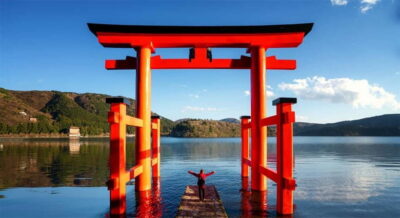 ★ 4.7Mt. Fuji Tour, Hakone Ropeway, Owakudani, Lake AshiFrom $544,002 reviews
 ★ 5.0Private Tour to Mt. Fuji and Hakone (Fully Licenced Operator)From $4971,910 reviews
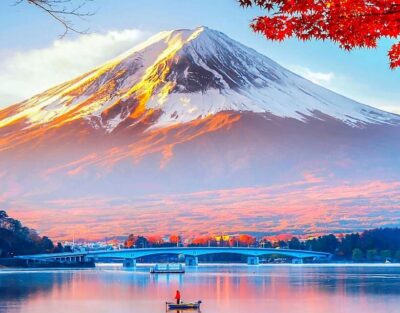 ★ 4.9Mount Fuji Full-Day Private Tour from Tokyo (Customizable)From $3931,470 reviews
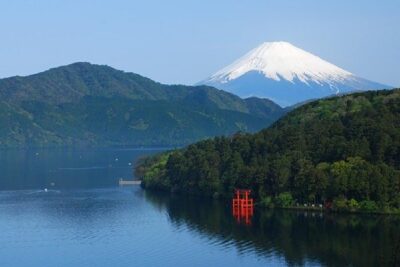 ★ 4.0Mt Fuji & Hakone Cruise, Drum Show Bus 1 Day from TokyoFrom $1221,287 reviews
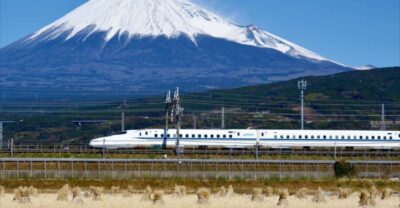 ★ 4.2From Tokyo: Mt. Fuji & Hakone Tour w/ Return by Bullet TrainFrom $1171,278 reviews
Browse the lists this tour appears in