
Reviewed · TOKYO
Tokyo Full Day Tour with a Local Expert Guide
Tokyo hits fast.
This full-day tour is a smart way to get bearings in a city that can feel chaotic at first, especially when you start at Shibuya Crossing and end with Tokyo Tower panoramas. I really like how the day mixes big Tokyo icons (Shibuya, the Imperial Palace area, Senso-ji) with real neighborhood walking through Yanaka’s older streets. I also like that the guide experience matters here: I’ve seen Sarfraz praised for being attentive and making sure you have time at each stop, plus taking great photos. The main thing to watch is cost creep: food, drinks, transportation, and any paid-entry attractions are not included.
You get history and photos, but you also get an easier route through the day.
After Shibuya, you’ll learn the background of the Imperial Palace and Senso-ji (Tokyo’s oldest temple), then slow down in the Yanaka district for traditional shops and chances to snack and buy souvenirs. On days like rainy ones, Matias has shown up with good energy and a smooth plan, so the day doesn’t fall apart. One more consideration: this isn’t a private-car tour, so you’ll do the day on foot between stops, and you’ll likely want comfy shoes.
In This Review
- Key takeaways before you book
- A full Tokyo day built around big icons and real neighborhoods
- Shibuya Crossing: learn the spectacle, not just watch it
- Imperial Palace area: history plus parks and gardens
- Senso-ji: Tokyo’s oldest temple and the street-life around it
- Yanaka’s winding lanes: traditional shops, street food, souvenir time
- Tokyo Tower: a panoramic finish that helps you see the whole city
- Price and value: what $116 buys you in a city that’s expensive to DIY
- Timing, walking, and the small decisions that keep the day pleasant
- Should you book this Tokyo Full Day Tour?
- FAQ
- How long is the Tokyo Full Day Tour?
- What does the tour include?
- Are food and drinks included?
- Is transportation included?
- Is this tour private?
- What languages are the guides?
- Can I cancel for a full refund?
Key takeaways before you book
- Shibuya Crossing first: start with the crowd so everything else feels easier later
- Imperial Palace + parks/gardens: more than photos, you’ll get context from your guide
- Senso-ji Temple history: the oldest temple in the city, plus temple-street atmosphere
- Yanaka walking time: traditional alleys where you can shop and snack
- Tokyo Tower viewpoint: a high vantage point to connect the dots across the city
Before you commit, see how this one stacks up against a few Tokyo favourites:
- Mt Fuji and Hakone 1-Day Bus Tour Return by Bullet Train★ 5.0 · 26,383 reviews
- 1-Day Tokyo Bus Tour★ 5.0 · 14,250 reviews
- Tokyo: teamLab Planets TOKYO Digital Art Museum Entry Ticket★ 4.6 · 9,779 reviews
A full Tokyo day built around big icons and real neighborhoods
This is one of those rare Tokyo tours that feels structured without turning into a race. The flow is simple: you get the eye-catching highlights (Shibuya and Tokyo Tower), you add heavyweight cultural stops (Imperial Palace area and Senso-ji), and you end by wandering a district that still feels like old Tokyo is in the room with you.
I like that the itinerary supports two different moods in one day. Early on, you’ll see Tokyo at full volume. Later, you’ll slow down in Yanaka, where walking is the point—small lanes, traditional-looking shops, and plenty of chances to grab street food along the way. Your guide is the key glue here, not just for explanations but for keeping your timing right so you don’t spend your day guessing what to do next.
And because pickup is included from your accommodation (or another Tokyo location you choose), you don’t burn your energy figuring out how to meet your group. The day is also described as a private group experience, which generally means you won’t be stuck in a huge herd. Still, it’s not a private car tour, and that matters for comfort and movement.
Shibuya Crossing: learn the spectacle, not just watch it
You start at Shibuya Crossing, the famous pedestrian scramble with enormous video screens. This is the part of Tokyo that first-day visitors either love instantly or find overwhelming. The tour helps because you’re not just standing there; you’re there with a guide who can point you toward what to pay attention to.
When you arrive, take a second to clock the rhythm: people stream in from multiple directions, pause for signals, then surge again. It’s loud, bright, and camera-friendly. Your best “value” move is to use this as your mental reset. Once you’ve seen how Shibuya moves, the rest of the day feels easier to navigate because you’ll start recognizing how Tokyo organizes pedestrians and transit-adjacent zones.
Practical note: this is still a city street, so wear shoes that can handle crowds and possible uneven pavement. If it’s raining, expect the energy to change but not disappear—one of the guides (Matias) was specifically praised for doing a strong job when rain lasted all day, keeping the experience upbeat and organized.
Imperial Palace area: history plus parks and gardens
After Shibuya, the schedule shifts into a calmer mode with the Imperial Palace area. You’ll visit, walk around, and learn the background behind what you’re seeing. The tour doesn’t just throw you at a landmark and send you off. The value is in having your guide connect the historical dots in plain language.
The included parks and gardens matter here. Tokyo’s iconic sights are often photographed fast, but parks and garden spaces change how the city feels. You’ll have time to slow down, take breaks, and do some walking that’s more reflective than frantic. This is a good contrast before you head to a temple, where the atmosphere gets more ceremonial and older-street.
One thing I’d watch for: the tour notes that fee-paying attractions aren’t included. That means you might see areas that are free to view and learn from, while extra paid entries—if there are any on your route—will be your responsibility. Your guide can help you decide what’s worth paying for in the moment.
Senso-ji: Tokyo’s oldest temple and the street-life around it
Next comes Senso-ji Temple, described as the oldest temple in Tokyo. This stop is where you’ll feel the city’s long memory in a more physical way. Temples in Japan aren’t just buildings; they’re also approaches—gateways, incense-adjacent rhythms, and streets that make the experience feel like a ritual.
The tour frames this as a learning stop. Your guide will share the history, which is especially useful at Senso-ji because the place can feel visually overwhelming in a good way. With context, you’re less likely to treat it as scenery and more likely to notice the details that make it meaningful.
Also, Senso-ji pairs well with what comes next. After the temple atmosphere, you’ll move into Yanaka, where the vibe shifts toward older neighborhood textures—small shops, traditional streets, and easy browsing. That contrast is part of the tour’s strength. It avoids the “all shrines, no time to feel Tokyo” problem.
One more practical thought: temple areas can involve stairs and steady walking. The tour is listed as wheelchair accessible, but it’s still a lot of moving for a single day, so plan for steady walking and bring a lightweight layer.





Yanaka’s winding lanes: traditional shops, street food, souvenir time
This is where the tour turns into something more personal. You’ll stroll through the Yanaka district, known for winding alleys and traditional buildings. Instead of only seeing famous sites, you get time to browse. This is your “slow Tokyo” hour, where you can find small souvenirs and snacks that feel more local than tourist-mall shopping.
Street food is specifically part of the experience. You’ll have chances to sample delicious bites while you’re walking. The tour doesn’t include food and drink, so you’ll be paying for your own snacks, but your guide’s presence is what makes this feel efficient. You’re not stuck translating every menu or wondering where people actually stop to eat.
Souvenir shopping here feels easier because you’re in a neighborhood rather than a single attraction area. That also means you can compare what you like without turning it into a full-time retail mission. I like the way this stop naturally turns into “pick your favorites,” whether that’s small gifts, snacks, or something you can bring home without the stress of shipping.
From the guide style described in feedback, I’d also expect snack stops to be handled thoughtfully. One guide (mentioned as Matias) was praised for building in snack-stops, and that’s a smart approach because street food works best when it’s timed with your walking breaks.
Tokyo Tower: a panoramic finish that helps you see the whole city
To end the day, you’ll head to Tokyo Tower for a panoramic view of the landmarks. This viewpoint acts like a visual recap. After you’ve walked through neighborhoods and learned about key places, the tower view helps you connect where things sit in relation to each other.
Why it’s a strong finish: Shibuya and the Imperial Palace area can feel like different Tokyos—different energy, different visuals. A tower viewpoint gives you one big “map moment” that stitches it together. You’ll likely spend time looking, pointing, and photographing because that’s what a high vantage point does best.
Just remember: paid entry items are not included, so if the tower viewing access requires a ticket, you’ll cover that separately. Your guide can tell you what’s required and help you plan around it so you still get the time you need at the end.
Price and value: what $116 buys you in a city that’s expensive to DIY
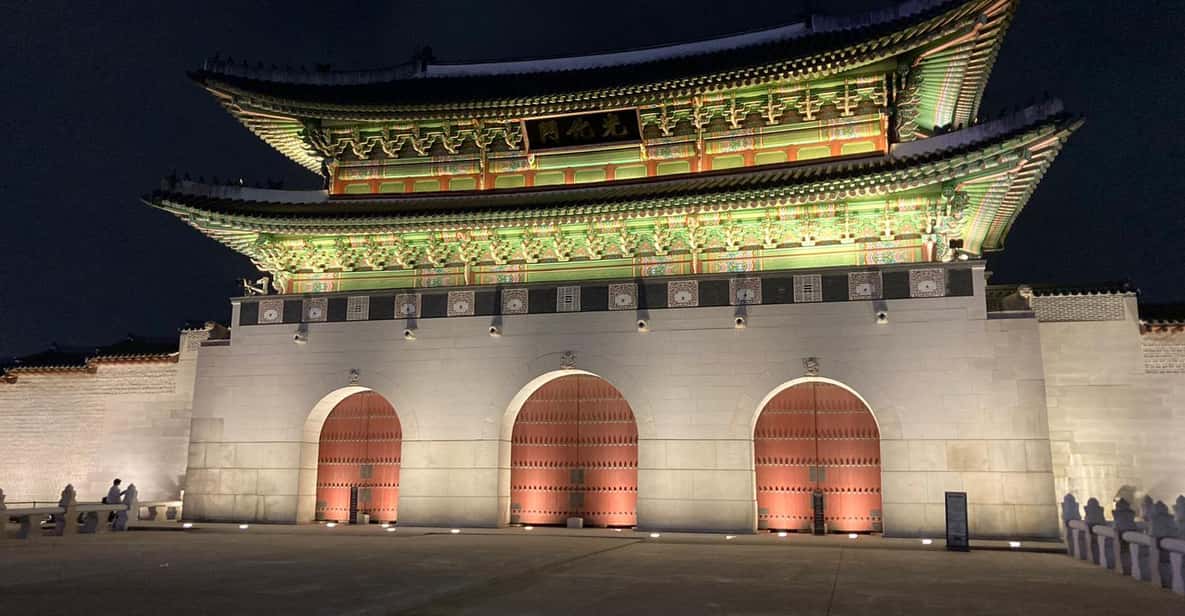
At $116 per person for an 8-hour day, this tour can feel like a bargain or like a splurge depending on how you’re traveling. Here’s the honest value breakdown.
You’re paying for:
- A local guide who helps you move through multiple major areas
- Time-saving guidance at the big visual stops (Shibuya, Imperial Palace, Senso-ji, Tokyo Tower)
- Walking-based neighborhood experience in Yanaka
- Pickup from your accommodation or another Tokyo location you choose
What you’re not getting:
- Food and drinks
- Transportation costs
- Fee-paying attraction entries
That “not included” list is where some budget travelers get surprised. If you plan to eat several street snacks, use transit between areas, and pay for any entry fees, your day will cost more than $116. But the flip side is: you can control it. You choose what you buy at street food stops, and you decide which paid entries you actually want.
Also, consider the “first-day stress tax.” One person specifically described how helpful the guide was because they’d spent the previous day stuck and frustrated trying to figure out the metro. If you’re arriving in Tokyo and you don’t want to spend your first day fighting signage and transit routes, paying for a guided route can be the most cost-effective way to spend money you’d otherwise waste on wrong trains, lost time, and extra re-planning.
Timing, walking, and the small decisions that keep the day pleasant
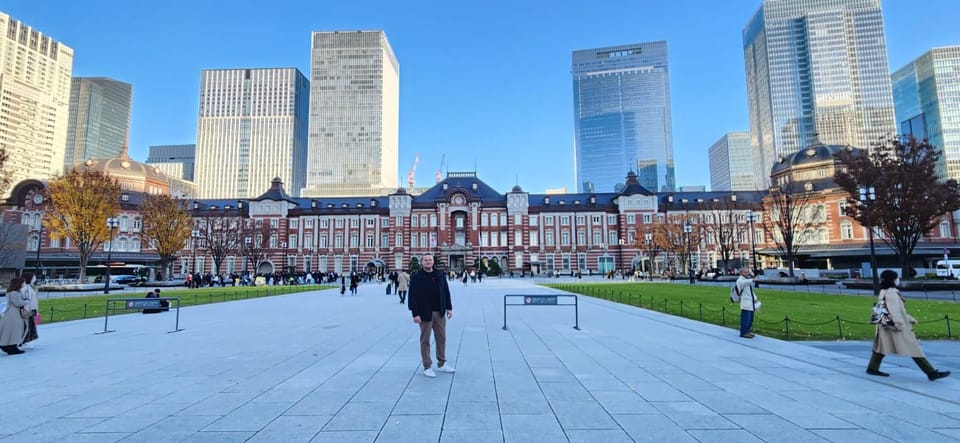
This is an 8-hour tour with a lot of walking. Even though it’s built around major landmarks, it still depends on your body handling a full-day pace. Plan for that with comfortable shoes and a bottle of water (even if water cost isn’t included). If you get tired easily, consider taking the tour’s built-in walking breaks and asking your guide to slow down.
Weather is another reality. Tokyo weather can change fast, and the day can include long outdoor moments. Feedback includes an experience where rain lasted all day, yet the guide still delivered a great introduction. That suggests the guides are willing to work with conditions rather than just forcing a schedule no matter what. Still, you should bring a small umbrella or rain layer because you’ll be outside for much of the day.
One more practical note from how guides were praised: you’ll get better results if you ask questions. In one case, a guide was competent, but the guide’s knowledge seemed to require more prompting through questions. So if you want deep answers about history, street food, daily life, or how neighborhoods differ, ask. This tour is a conversation as much as it is a route.
Finally, about age and comfort: it’s not suitable for people over 95 years, and it’s listed as wheelchair accessible. If you’re somewhere in that range, double-check how the pace and walking distance work for your needs before committing.
Should you book this Tokyo Full Day Tour?
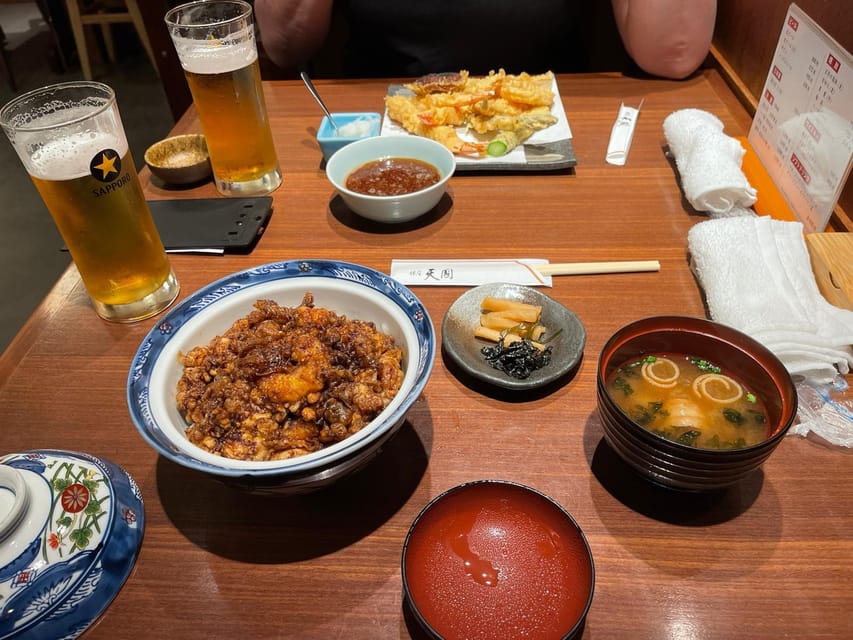
I think you should book this tour if you want a first- or second-day Tokyo plan that covers major sights without feeling mechanical. It’s especially worth it if you:
- Want an easy pickup plan from your hotel and less time figuring out transit
- Like the mix of iconic Tokyo + Yanaka’s older neighborhood feel
- Appreciate a guide who can keep the schedule moving and make room for changes
- Want a panoramic endpoint at Tokyo Tower that helps you make sense of the city
Skip it (or consider a different format) if you’re the type who prefers totally self-guided wandering and you’re comfortable paying for and planning each stop alone. Also, if you’re on a tight budget, make peace with the fact that food, transit, and paid entry fees aren’t included—your final total will be higher than $116.
Overall, this is a solid value when you treat it as a guided day that reduces stress and adds context, not a full “everything is included” deal.
FAQ
How long is the Tokyo Full Day Tour?
The tour lasts 8 hours.
What does the tour include?
It includes hotel pickup and drop-off on foot, visits to parks and gardens, Shibuya scramble, and temple/shrine visits. It also includes a live local guide. Fee-paying attractions are not included.
Are food and drinks included?
No. Food and drink are not included, though the route includes time to sample street food.
Is transportation included?
No. Transportation costs are not included.
Is this tour private?
The group type is private group, but it is not described as a private car tour.
What languages are the guides?
The tour guide is available in English and Japanese.
Can I cancel for a full refund?
Yes. Free cancellation is available up to 24 hours in advance for a full refund.
More Tour Reviews in Tokyo



Fresh reviews from around Tokyo






Tokyo, compared.
 ★ 5.0Mt Fuji and Hakone 1-Day Bus Tour Return by Bullet TrainFrom $16326,383 reviews
 ★ 5.01-Day Tokyo Bus TourFrom $12914,250 reviews
 ★ 4.6teamLab Planets TOKYO Digital Art Museum Entry TicketFrom $259,779 reviews
 ★ 4.0Mt Fuji & Hakone Cruise, Drum Show Bullet Train 1 Day from TokyoFrom $1497,413 reviews
 ★ 5.0Shinjuku Food Tour (13 Dishes at 4 Local Eateries)From $866,603 reviews
 ★ 4.4Tokyo Mt Fuji 5th St & Hakone Cruise Bus Tour w/Bullet TrainFrom $1545,024 reviews
 ★ 5.0Flagship 2-Hours Official Street Go-Kart Tour – Tokyo Bay ShopFrom $644,974 reviews
 ★ 4.5From Tokyo: Mount Fuji Full-Day Sightseeing TripFrom $684,970 reviews