
Reviewed · NARITA
For Narita Airport Users: Layover or Transit Guided Private Tour
Turn your Narita layover into Japan.
I love the easy meet-up inside Narita Airport, which keeps you from wandering with jet lag. I also love the free admissions for the two main stops, so your money goes to time and comfort, not tickets. One thing to consider: it is a walking tour, and you’ll want to travel with light luggage since big bags need to stay at the airport.
This is a private tour (just your group) built for connection times. You’ll take a short train ride from Narita Station (about 10 minutes), walk roughly 800 meters along Naritasan Omotesando, visit Naritasan Shinshoji Temple, then head back to the airport based on your next flight.
In This Review
- Key things you’ll notice on this Narita layover tour
- A smart plan for a tight Narita connection
- From Narita Airport to Narita Station: the 10-minute reset
- Naritasan Omotesando: 800 meters of gate-town Japan
- Shinshoji Temple: good-fortune power spots in a real working complex
- Getting back on time: planning that actually respects your flight
- What the $150 price really buys you
- Mobile ticket, private group, and other practical comfort wins
- Who this Narita layover tour is best for
- Should you book this Narita layover tour?
- FAQ
- How long is the Narita layover guided private tour?
- Where do we meet the guide?
- Is admission included for the Omotesando and Shinshoji Temple stops?
- What costs extra besides the tour price?
- Do I need to bring cash?
- Is this tour private?
- What happens if the weather is bad?
Key things you’ll notice on this Narita layover tour
- Meet inside the airport so you can find your guide fast, not late
- Free temple admissions for both the approach area and Shinshoji Temple
- About 10 minutes by train to Narita Station, then you’re on foot
- Omotesando is only ~800 meters with about 150 shops and restaurants
- Your return time is planned around your connecting flight
- Guides can adjust the pace to match what you want to see during the layover
More days made easy by a guide
- For Narita Airport Users: Layover or Transit Guided Private Tour★ 5.0 · 22 reviews
- Tokyo Layover Tour with Licensed Guide:Narita Airport Dep★ 4.5 · 4 reviews
A smart plan for a tight Narita connection

A long layover can feel like wasted travel time. This tour tackles the problem with a simple goal: get you out of the terminal and into two classic Narita experiences without gambling on trains, walking routes, or timing.
Because the tour is private, the day doesn’t feel like you’re herded through Japan on a timer. You’re given a structure that works for a 3 to 4 hour window—walk, temple, then back—while still having room for your questions and preferences.
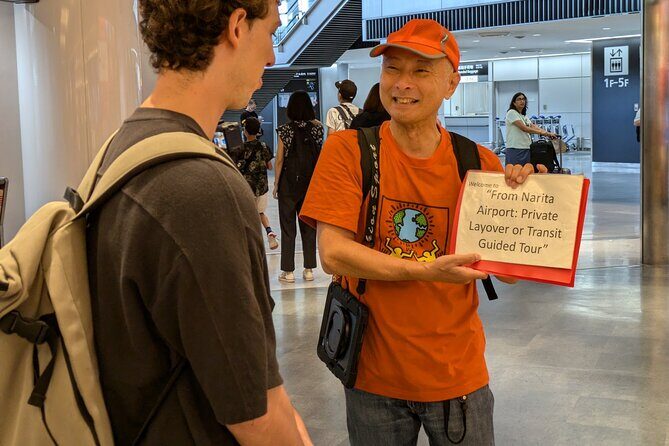
The other big win is stress control. Meeting inside Narita Airport means fewer “where is the meeting point?” moments. And having a guide who specifically handles transit passengers tends to turn a chaotic day into something you can actually enjoy.
From Narita Airport to Narita Station: the 10-minute reset
The rhythm of the experience is built for layovers. You gather inside Narita Airport, then travel together to Narita Station by train, about 10 minutes away. That short hop matters because it reduces the time you’re stuck planning under pressure.
Once you arrive at Narita Station, you’re set up for an easy walking segment. This is not the kind of tour where you bounce between far-flung sights and lose half the day in transit. It’s intentionally compact, with the walk designed as the “Japan moment” you can feel quickly.
One practical detail I like: the tour is designed so you won’t get lost. You’re not trying to match station exits or guess which approach street you need. A guide handles the route, so you can focus on what you’re actually seeing.
Naritasan Omotesando: 800 meters of gate-town Japan
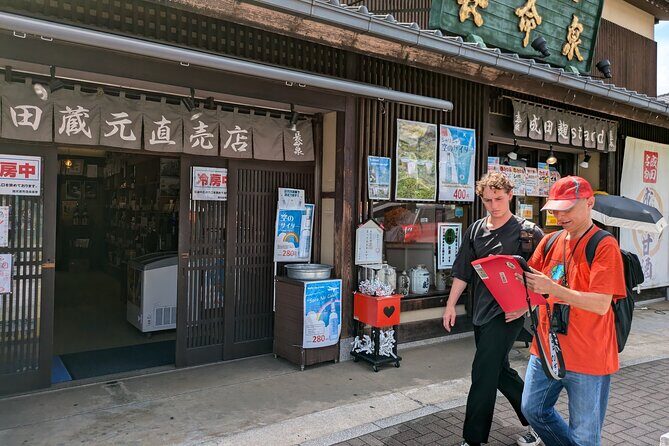
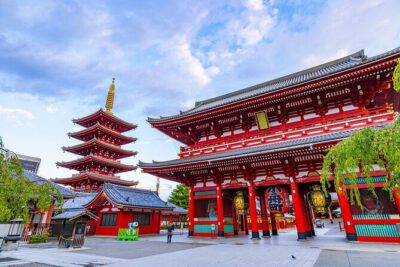
Naritasan Omotesando is the main approach to the temple area. It runs approximately 800 meters from in front of Narita Station to the temple approach, and it’s historically a gate town since the Edo period (1603 to 1867).
Here’s what makes it fun even if you’re short on time: it’s a living street. You’ll pass a line of shops and restaurants—more than 150—so you get that classic “Japan street” feeling without having to commit to a long shopping detour.
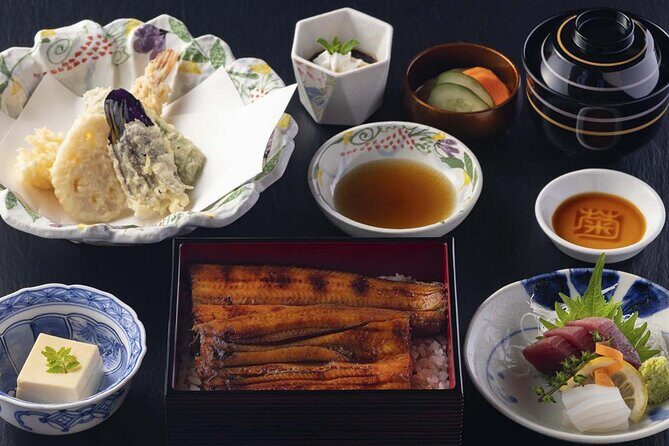
It’s also a place where food is part of the atmosphere. The street is known for dishes like eel, and you’ll see plenty of options that look like they were designed to be eaten while walking. If you want souvenirs, this is also where the choices are easiest, because the variety is right there in front of you.
Possible downside: Omotesando is crowded at times. If your connection time is tight, the key is not to treat it like a leisurely stroll. Use it like a guided sampler: look, pick what you really want, and keep moving.
Shinshoji Temple: good-fortune power spots in a real working complex

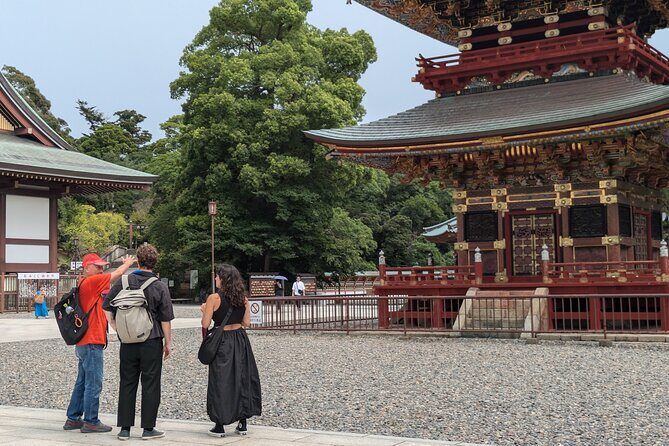
Naritasan Shinshoji Temple is the heart of the tour. The complex has a history of more than 1080 years, and it draws over 10 million visitors annually. That’s a lot of foot traffic, but the site itself is more than a photo stop—it has spacious precincts and a park area with nature.
One of the best things about a short layover temple visit is that you still get the full feeling of the place: multiple halls, a large grounds experience, and different corners where people slow down. Even when time is limited, you’ll see enough to understand why this matters to so many visitors.
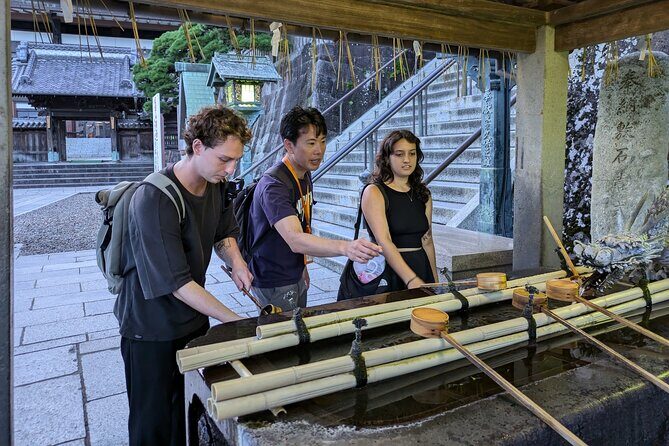
The temple is also known for “power spots” believed to bring good fortune and improve luck. If you like rituals, you’ll likely enjoy looking for the areas people pause at to make wishes. And if you want something more hands-on, the complex recommends programs and red seal visits.
There’s also a spiritual landmark connected to an Edo-period pilgrimage theme—the Narita Pilgrimage area is described as being worshipped since the Edo period. If you’re curious about why Japanese temples attract repeat visits, this kind of layered practice helps you understand the pull.
One practical note: temple visits can include a bit of waiting depending on crowds. If you’re traveling with very little cushion time, this is where having a guide matters most—timing your stops so you’re not late heading back to the airport.
More private options with your own guide





Getting back on time: planning that actually respects your flight
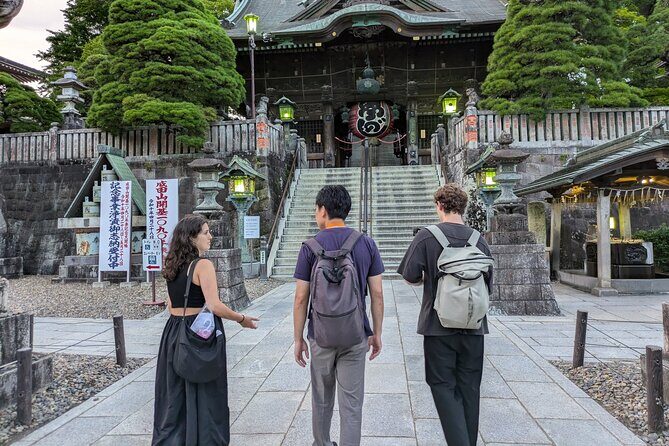
The biggest reason this tour works for layovers is the return plan. After the temple visit, you return to Narita Airport based on the timing of your connecting flight. That’s not a small detail—it’s the whole point.
You also get built-in logistics support. Your guide takes care of the “how do we get back?” piece, so you’re not calculating train schedules while carrying stress. If your next flight is earlier than expected, you still have someone focused on the route and timing, not just sightseeing.
I’ve noticed from real-world examples of guides such as Chiho and Fusako that they tend to be attentive to timing and personal preferences. That usually means less rushing and fewer surprises, especially if your layover runs tight.
Also plan on leaving larger luggage at the airport. This is a walking tour, so you’ll be happier if you’re carrying only what you truly need.
What the $150 price really buys you
At $150 per person, the headline number can look steep until you break down what’s included and what isn’t.
Here’s what you do get:
- A private guide’s fee (that’s the core product)
- Free admission for the two main temple-related parts (so you’re not paying ticket-by-ticket)
- A plan that works for a short layover window
- A guide who meets you inside Narita Airport and brings you back in time
Here’s what costs extra:
- Train fare (around 500 yen), with a strong reminder to have cash
- Coin locker fees for large luggage since large bags stay at the airport
- Lunch (not included). Typical meals are around 2,000 yen, with higher-end options around 3,000 to 4,000 yen
That train fare being a cash item is worth noting. Even if you’re used to tapping your card at home, Japan can still surprise you with places that prefer cash. Add in a locker fee, and cash becomes one of those tiny prep steps that prevents a stressful scramble.
Value-wise, this tour shines if you’re:
- On a tight layover and hate risk
- Traveling with the kind of group where you want a single plan, not a choose-your-own-adventure
- More interested in efficient cultural stops than in long sightseeing binges
If you have a big cushion and you love solo wandering, you might do it cheaper on your own. But if you want the most reliable use of a few hours, this price is paying for time discipline and guide navigation.
Mobile ticket, private group, and other practical comfort wins
A few details make this easier day-of. You’ll have a mobile ticket, so you’re not dealing with paper vouchers while rushing through airports.
It’s also strictly private. Only your group participates. That matters because you can keep the pace, ask questions, and get the experience tuned to your needs. With families or anyone who hates being separated from the “group rhythm,” private tours are a real comfort.
You should also know the tour is listed as being best in good weather. If poor weather cancels it, you’ll be offered a different date or a full refund. Since much of this tour is walking, that weather factor is genuinely relevant.
Finally, your passport situation matters for entry into Japan. Depending on the country that issued your passport, a visa may be required for entry. Check ahead so you don’t discover visa rules after landing.
Who this Narita layover tour is best for
This is built for passengers who want Japan quickly, without turning their layover into a complicated project.
It tends to be a great fit if:
- You have a layover long enough to leave the airport area but short enough that planning errors would ruin your day
- You want temple and street atmosphere in one compact package
- You prefer a guide to help you make choices, from what to see to how to time your return
It’s also a strong option for first-time visitors who want a gentle introduction to Japanese temple culture. You get a classic approach street and a major temple complex without needing to understand train lines or station transfers.
If you’re someone who hates walking, you might feel limited by the walking nature and the need to move between spots. The tour is designed to be manageable, but it is still a walking experience.
Should you book this Narita layover tour?
I’d book it if you want your layover to feel like real travel, not airport time. The combo of meeting inside the airport, free admission stops, and a return plan shaped around your flight makes it one of the more practical ways to spend a few hours at Narita.
I’d skip it if you plan to keep your schedule flexible in a way that doesn’t fit a structured 3 to 4 hour window, or if you don’t want to walk at all. Also, if cash payments and locker fees would be a hassle for you, plan to sort that before you start—because the train fare is around 500 yen and some shops may not take credit cards.
For most people with a mid-length layover who want a high-confidence plan, this tour is a smart use of time.
FAQ
How long is the Narita layover guided private tour?
It lasts about 3 to 4 hours.
Where do we meet the guide?
You gather inside Narita Airport so you won’t get lost.
Is admission included for the Omotesando and Shinshoji Temple stops?
Yes. The admission ticket for both the Naritasan Omotesando stop and the Naritasan Shinsho-ji Temple stop is listed as free.
What costs extra besides the tour price?
Train fare is not included (around 500 yen, and you should prepare cash). Lunch is not included, and there may be coin locker fees since large luggage should be left at the airport.
Do I need to bring cash?
Yes. The tour notes that you should prepare cash because some stores do not accept credit cards, and the train fare is around 500 yen. Coin locker fees may also apply.
Is this tour private?
Yes. It is a private tour/activity, and only your group participates.
What happens if the weather is bad?
The experience requires good weather. If it is canceled due to poor weather, you’ll be offered a different date or a full refund.
Easier with a Guide


More Tours in Narita


More Tour Reviews in Narita


Fresh reviews from around Narita




Narita, compared.
 ★ 4.5Narita Airport (NRT) Private Transfer to Central TokyoFrom $166300 reviews
 ★ 4.5Private arrival Transfer from Narita Airport(NRT) to central Tokyo cityFrom $92128 reviews
 ★ 5.0Narita Airport(NRT): Private Transfer to Tokyo/Yokohama 1-9paxFrom $12747 reviews
 ★ 4.8From Narita Airport: Private Layover or Transit Guided TourFrom $27729 reviews
 ★ 4.5Airport transfer: Narita, Haneda (Tokyo), HND-NRT Airport shuttleFrom $22426 reviews
 ★ 5.03 Day Japan Highlights Tour: Tokyo, Mt.Fuji, Nara, Kyoto, OsakaFrom $1,31022 reviews
 ★ 4.5Private Transfer from Narita Airport to Yokohama Port and CityFrom $14417 reviews
 ★ 3.5Japan Unlimited WiFi Router – Narita Airport PickupFrom $1515 reviews
Browse the lists this tour appears in