
Reviewed · MT FUJI DAY TRIPS
Tokyo: Customized Mt. Fuji & Hakone Sightseeing Private Day Trip
One day, two icons, zero stress. This customized Mt. Fuji & Hakone private day trip is built around your choices, so you can hit classic viewpoints and quiet spots without being stuck on a fixed bus route. I like the private A/C vehicle for just your group, and I also like that the plan is customizable so you can spend more time where your eyes want to go. The main thing to consider is that not everything is free: some entries and ride-style attractions cost extra, and the Mt. Fuji 5th Station entrance fee is not included.
What makes this work is the human touch from your driver. In past trips, people have credited guides like Zulkar, Usman, and Sunny for being prompt, communicative, and helpful in how they explain what you’re looking at and what to prioritize when time gets tight.
In This Review
- Key highlights worth planning for
- How the Tokyo-to-Fuji-and-Hakone day stays smooth
- Customizing your route without losing the best stops
- Chureito Pagoda and Oshino Hakkai: the easy early win
- Kitaguchi Hongu Fuji Sengen Jinja and the quiet build-up to 5th Station
- Lake Kawaguchiko: reflections, boats, and time to breathe
- The Mt. Fuji Panoramic Ropeway: worth it if the views cooperate
- Price and logistics: what you’re really paying for
- Comfort and guide help: punctual, communicative, and tuned to families
- Who should book this private Mt. Fuji and Hakone day
- Should you book this Tokyo customized Fuji-and-Hakone private trip?
- FAQ
- How many people can fit in the private group?
- How long is the Mt. Fuji and Hakone day trip?
- Does the tour offer pickup in Tokyo?
- Is the itinerary fixed?
- What stops are included in a typical plan?
- What’s included in the price?
- What isn’t included?
- Is there a mobile ticket?
- Can I cancel for a refund?
Key highlights worth planning for
- A route you can adjust so you control the pacing instead of a one-size schedule
- Private, air-conditioned comfort plus parking, fuel, and tolls handled
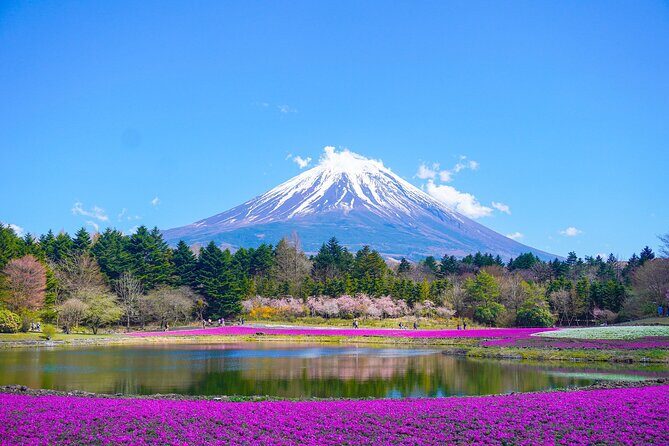
- Chureito Pagoda + Fuji water ponds for big “Fuji moment” views early in the day
- Oshino Hakkai for calm spring-fed ponds and easy walking time
- Mt. Fuji Subaru Line 5th Station for altitude views when weather cooperates
- Lake Kawaguchiko options such as a boat and nearby viewpoints like Oishi Park
Other routes to the mountain, compared
- Mt Fuji & Hakone Cruise, Drum Show Bullet Train 1 Day from Tokyo★ 4.0 · 7,413 reviews
- Tokyo Mt Fuji 5th St & Hakone Cruise Bus Tour w/Bullet Train★ 4.4 · 5,024 reviews
- From Tokyo: Mount Fuji Full-Day Sightseeing Trip★ 4.5 · 4,970 reviews
How the Tokyo-to-Fuji-and-Hakone day stays smooth
This is the kind of trip that saves your energy for the views. From Tokyo, you’re picked up (the tour offers pickup), then driven in an air-conditioned vehicle that’s just for your group. That matters on a long day to the Fuji area, where public transport can mean transfers, waiting, and crowds that break your rhythm.
The trip runs about 10 hours. That’s enough time to cover the headline sights—Chureito Pagoda, Oshino Hakkai, a shrine stop, and then up toward Mt. Fuji 5th Station and the Lake Kawaguchiko/Hakone side of the region. It’s not “take a nap between every stop.” Still, it’s very workable when the plan is flexible and your driver keeps things moving.
Price is listed as $474.90 per group (up to 4). For a private car day, that’s the real value story: you’re paying for fewer headaches and more control. If you’re traveling with kids, or you just don’t want to wrestle with timetables and packed buses, a small-group private day can end up feeling like the smartest money you’ll spend in Japan.
Customizing your route without losing the best stops
The tour is sold as no fixed itinerary, which is more than marketing. It means your driver can shape the day around what you care about most—scenery, walking, photos, lakeside time, shrine stops, or a higher viewpoint—rather than forcing you down a rigid checklist.
You can still expect a typical set of stops that cover the classics:
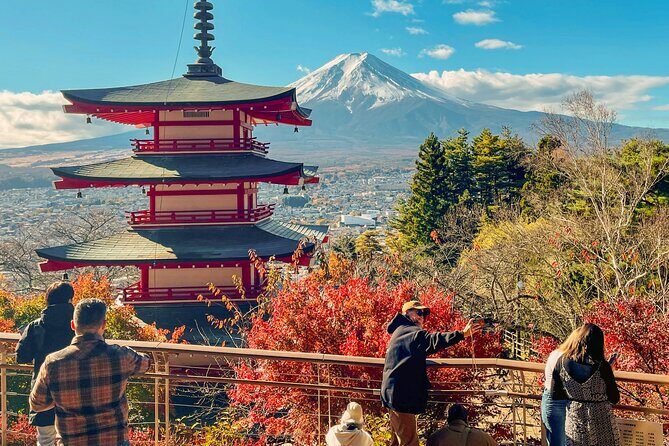
- Chureito Pagoda for iconic Fuji framing
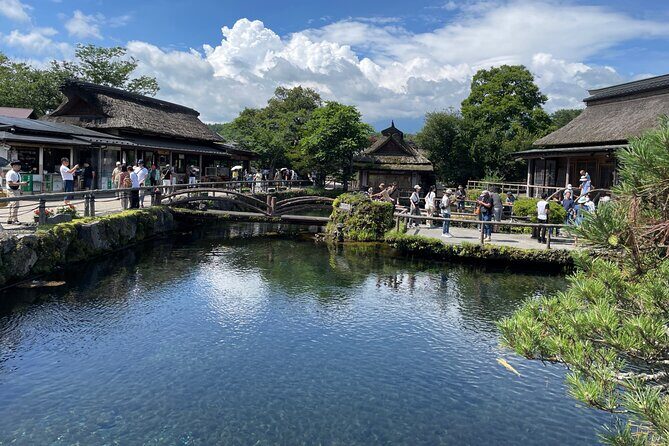
- Oshino Hakkai for spring-fed ponds and koi
- Kitaguchi Hongu Fuji Sengen Jinja Shrine for a calmer, more spiritual tone
- Mt. Fuji Subaru Line 5th Station for altitude and cloud-level views
- Lake Kawaguchiko for reflections and waterfront time
- Mt. Fuji Panoramic Ropeway as an optional add-on style viewpoint
In practice, customization helps you handle the one thing you can’t fully control in this region: weather. If visibility is great, you’ll likely want more time up high or at multiple Fuji angles. If it’s hazy or the light is less forgiving, you may prefer to slow down around the lake and ponds, where the scenery is still enjoyable even when the mountain looks softer.
A small practical tip: build your day so you don’t feel rushed at the first viewpoint. People often think the morning is “just the commute.” With Fuji, it’s often the time when skies look their best.
Chureito Pagoda and Oshino Hakkai: the easy early win
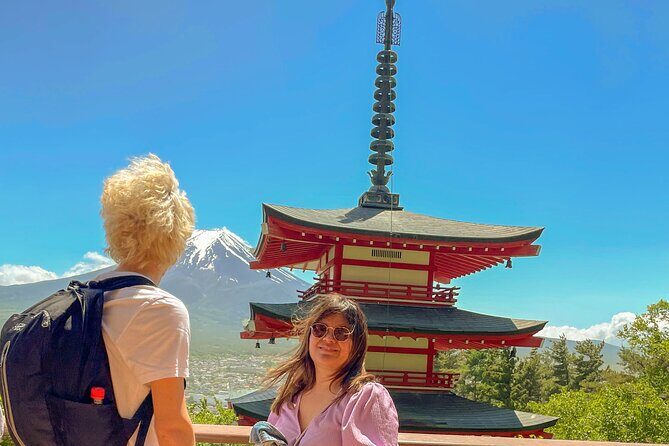
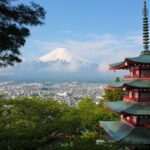
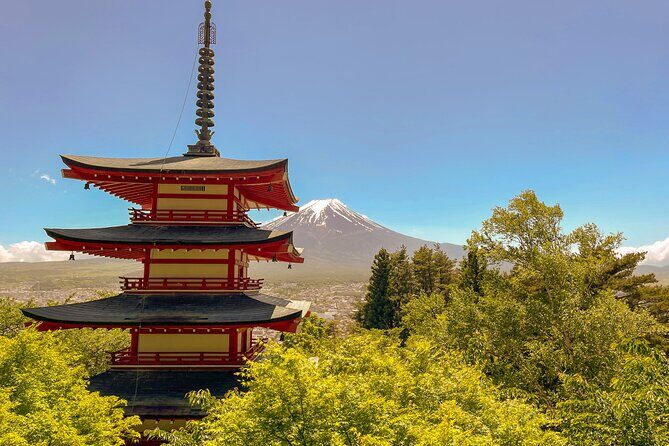
Chureito Pagoda is famous for a reason. It’s the kind of place where you understand the obsession with Mt. Fuji in about 10 seconds, because you get that layered composition of pagoda lines against the mountain backdrop. You’ll typically spend around one hour here, which is plenty for photos and a relaxed walk without turning it into a sprint.
Then you head to Oshino Hakkai, known for eight spring-fed ponds supplied by pure Mount Fuji water. This is a great contrast stop after the pagoda. The vibe shifts from iconic view-chasing to calm water watching, and it’s also very easy on your legs. Expect about 40 minutes—long enough for a stroll between pond areas and a slow look at koi in the water.
One big plus: both Chureito Pagoda and Oshino Hakkai are listed with free admission. That helps you keep the day from turning into a surprise-fee marathon. Also, these stops are straightforward to enjoy even if your group has different interests. A photographer can work the angles while someone else takes it slower.
Possible consideration: these are popular spots. Even though this is a private tour, you can’t control crowd levels at the famous viewpoints themselves. The private car helps you avoid crowding on the road and with transit, but it doesn’t eliminate people at the viewpoints. Showing up earlier with a driver who understands pacing is the best way to soften that.
Kitaguchi Hongu Fuji Sengen Jinja and the quiet build-up to 5th Station
Before you go up toward the Subaru Line, you’ll likely stop at Kitaguchi Hongu Fuji Sengen Jinja Shrine. It’s a historic shrine tied to the Mount Fuji climbing tradition, and it gives the day a sense of place beyond the scenery. You’re typically there for about 30 minutes.
Why I like this stop for your schedule: it adds rhythm. You go from pagoda-to-ponds and then to a sacred, forested walkway feel. It’s also a nice “reset” before the more physically intense part of the day: climbing in altitude terms, even if you’re staying in a vehicle.
When you’re ready, you move toward Mt. Fuji Subaru Line 5th Station. The drive is part of the experience. You ascend roughly 2,305 meters, and you get panoramic views as you go up. The stop time is around 45 minutes, which is enough to stand, look, and take a few photos without feeling trapped.
Important cost note: Mt. Fuji 5th Station has an entrance fee that is not included. You’ll see it listed as 2,100 yen per group. Some people plan their spending assuming everything is covered because the car and parking are included. That’s true for transportation costs, but not for site entry.
More Hakone loops, ropeways and lake crossings
Lake Kawaguchiko: reflections, boats, and time to breathe
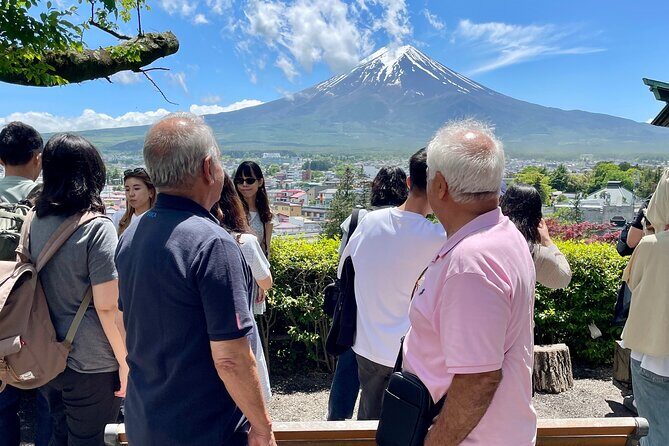
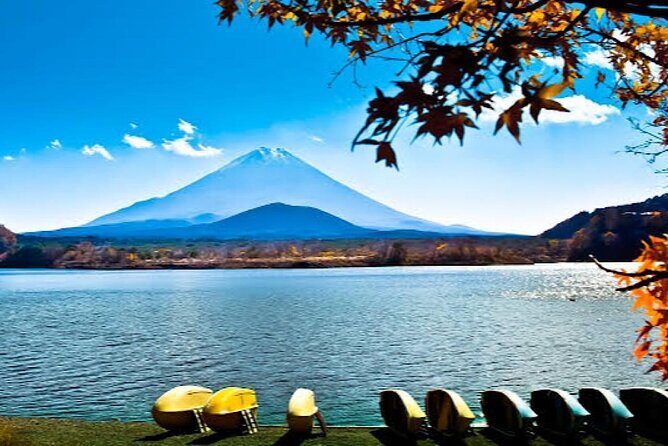
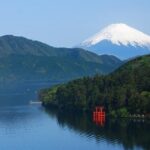
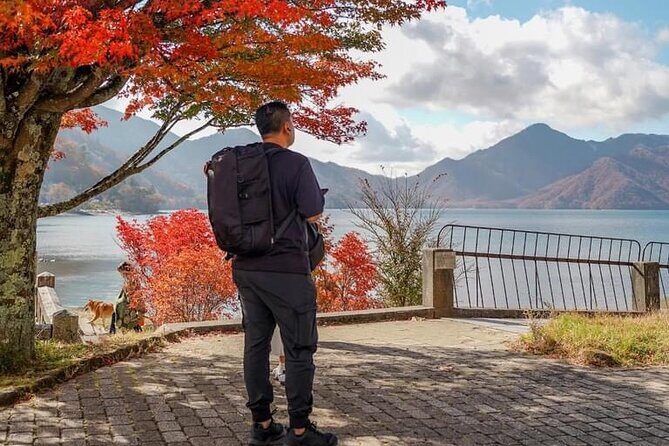
Lake Kawaguchiko is where the day becomes more than sightseeing. It turns into a lakeside hangout where you can actually slow down. You’ll typically have about one hour here, and the focus is on Mount Fuji views and the iconic reflection spots on the water.
If conditions are good, you can get those crisp mirror-like moments. If conditions are less perfect, you’ll still enjoy the shoreline atmosphere and the fact that the mountain doesn’t disappear—it just changes character.
A major highlight option here is a scenic boat cruise. One of the best pieces of feedback includes the boat ride on Lake Kawaguchiko, plus additional lakeside walking time around areas like Oishi Park. That’s the kind of flexibility this tour style enables. Your driver can help you manage the sequence so the boat isn’t the thing that steals all your time from everything else.
Budget reality check: Lake-related activities like a boat ride or other add-ons may involve extra fees. The tour lists most standard admissions for earlier stops as free, but it lists specific items like boat/ropeway-style attractions as not included. So treat this as time to enjoy the lake, and treat paid extras as optional upgrades.
Practical pacing tip: bring something for wind and temperature changes. Lake areas can feel cooler than central Tokyo, especially as the day shifts.
The Mt. Fuji Panoramic Ropeway: worth it if the views cooperate
After Lake Kawaguchiko, you may have the option of the Mt. Fuji Panoramic Ropeway. This is the kind of add-on that can turn a good day into a memorable one, because it lifts you above the lake-and-town view and gives you a different perspective on the Fuji region.
It’s listed as not included, and you’ll typically spend about one hour including ropeway time and viewpoints on arrival. Whether you should do it depends on two things: weather and your group’s energy.
If skies are clear, ropeway views can justify the extra cost quickly. If it’s cloudy, it can still be pleasant, but the value depends on visibility. This is where having a driver who can read the moment helps. In similar experiences, guides have been praised for checking in and adjusting priorities as the day unfolds.
One more planning note: ropeway days can become tight if you’re also trying to squeeze in photo stops everywhere. If your group is the type that wants photos at every turn, consider balancing ropeway time with a calm lakeside walk so you don’t end up chasing views in circles.
Price and logistics: what you’re really paying for
Let’s talk value, because the number can look steep at first glance.
You pay $474.90 per group up to 4, and that includes:
- Private transportation
- Air-conditioned vehicle
- Parking fees
- Petrol and gas
- Highway tolls
You also don’t have to add fuel, toll stress, or parking logistics to your mental load. That’s not a small deal on a Mt. Fuji day trip. It also means your driver can choose the best route and timing without you thinking about every detour.
What’s not included:
- Lunch
- All types of entry fees
- Mt. Fuji entrance fee: 2,100 yen per group
Some key admissions are shown as free at specific stops, including Chureito Pagoda, Oshino Hakkai, and Kitaguchi Hongu Fuji Sengen Jinja Shrine. That helps keep your day from feeling like everything costs extra. But not everything is free—especially the 5th Station entry and ropeway-style options.
So the value question becomes: do you want maximum control and comfort, plus a private schedule that you can tailor? If yes, this format usually makes sense. If you’re traveling solo, cost sensitivity is higher, and you’re fine with public transport and fixed routes, another option might be cheaper. But you’ll trade away flexibility.
Comfort and guide help: punctual, communicative, and tuned to families
This experience is private, and that changes how the day feels. You’re not just riding in a car; you’re working with someone who can manage small decisions quickly, like where to pause for photos, how to pace a walk, and how to keep everyone comfortable.
In feedback tied to this type of trip, drivers like Zulkar and Usman have been described as prompt and communicative, and as people who introduced spots and helped shape the schedule. Another guide, Sunny, was praised for thoughtful check-ins and making sure the family stayed comfortable. Those details matter more than they sound. When you’re spending hours on the road, little things—water breaks, timing, and clarity about what’s next—make the difference between a smooth day and a stressful one.
This kind of private setup tends to work especially well with families. One set of feedback specifically mentioned traveling with two children and appreciating the private car and the ability to customize the schedule. In other words, the private format lets you slow down without holding everyone else hostage.
One possible drawback: because it’s tailored, you need to speak up about what your group wants. If everyone expects the driver to magically know your preferences, that’s when custom tours can feel vague. A quick list from you—top priorities and how much walking you want—will make the day feel sharper.
Who should book this private Mt. Fuji and Hakone day
This tour fits best if you check at least a few of these boxes:
- Your group wants a private, air-conditioned ride rather than public transit
- You care about planning flexibility, not a rigid route
- You want a day that hits the major highlights in a single trip
- You’re traveling with kids or anyone who benefits from fewer transfers
- You like having a guide help you choose timing and priorities
It’s also a good pick if you’re short on time in Japan. A 10-hour private day can cover the Fuji area enough to feel complete without stretching into multiple days.
If you’re the type who loves independent travel and you know your logistics well, you might be able to DIY parts of the route for less. But most people choose this format when they want less friction. With Fuji, less friction is a form of comfort.
Should you book this Tokyo customized Fuji-and-Hakone private trip?
I’d book this if your top goal is a stress-light day to Mt. Fuji and the Hakone-side sights, with control over pacing. The combination of private transport, included parking/tolls, and customization is exactly what makes these long-distance day trips feel worth it.
I wouldn’t book it if you’re strictly budgeting for the lowest possible cost, or if you dislike paying extra for entries and optional viewpoints. The tour covers the ride and most transportation costs, but you should still expect some paid items along the way—especially Mt. Fuji 5th Station entry and any ropeway-style upgrades.
If you do book, send your driver a clear priority list early. You’ll get more out of the day when the schedule matches your group’s energy level.
FAQ
How many people can fit in the private group?
The private day trip is priced for up to 4 people per group.
How long is the Mt. Fuji and Hakone day trip?
The duration is about 10 hours.
Does the tour offer pickup in Tokyo?
Yes, pickup is offered.
Is the itinerary fixed?
No. The route is customizable, so you can adjust stops based on what you want to see.
What stops are included in a typical plan?
Common stops include Chureito Pagoda, Oshino Hakkai, Kitaguchi Hongu Fuji Sengen Jinja Shrine, Mt. Fuji Subaru Line 5th Station, Lake Kawaguchiko, and the Mt. Fuji Panoramic Ropeway.
What’s included in the price?
Included are private transportation, an air-conditioned vehicle, parking fees, petrol and gas, and highway tolls.
What isn’t included?
Lunch and entry fees are not included. The Mt. Fuji entrance fee of 2,100 yen per group is also not included.
Is there a mobile ticket?
Yes, the tour includes a mobile ticket.
Can I cancel for a refund?
Yes. You can cancel up to 24 hours in advance for a full refund.
More Tour Reviews in Tokyo






Hakone, Three More Ways
The Fuji Shortlist: Other Days Out to the Mountain

Fresh reviews from around Tokyo






Mt Fuji Day Trips, compared.
 ★ 4.0Mt Fuji & Hakone Cruise, Drum Show Bullet Train 1 Day from TokyoFrom $1497,413 reviews
 ★ 4.4Tokyo Mt Fuji 5th St & Hakone Cruise Bus Tour w/Bullet TrainFrom $1545,024 reviews
 ★ 4.5From Tokyo: Mount Fuji Full-Day Sightseeing TripFrom $684,970 reviews
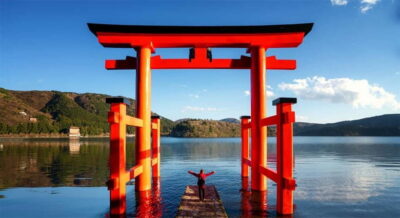 ★ 4.7Mt. Fuji Tour, Hakone Ropeway, Owakudani, Lake AshiFrom $544,002 reviews
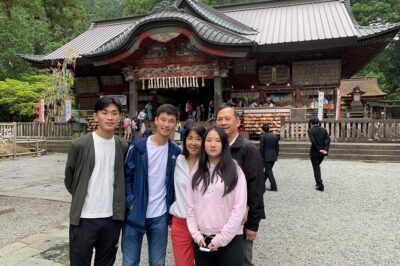 ★ 5.0Private Tour to Mt. Fuji and Hakone (Fully Licenced Operator)From $4971,910 reviews
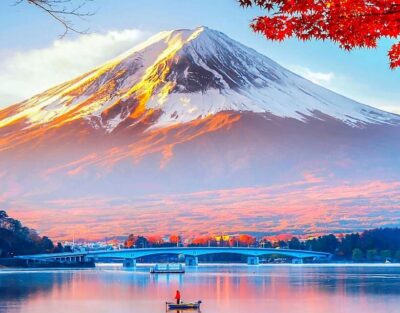 ★ 4.9Mount Fuji Full-Day Private Tour from Tokyo (Customizable)From $3931,470 reviews
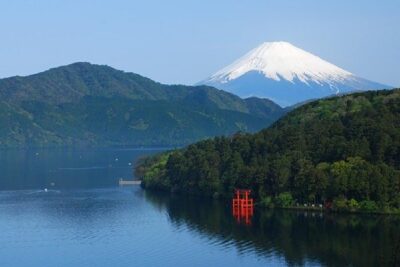 ★ 4.0Mt Fuji & Hakone Cruise, Drum Show Bus 1 Day from TokyoFrom $1221,287 reviews
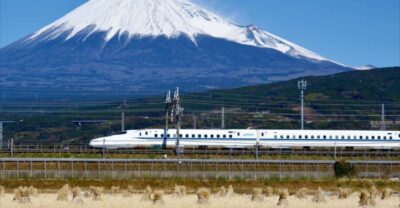 ★ 4.2From Tokyo: Mt. Fuji & Hakone Tour w/ Return by Bullet TrainFrom $1171,278 reviews
Browse the lists this tour appears in