
Reviewed · HARAJUKU TOURS
Tokyo: Crazy Cute & Kawaii Harajuku Food Tour
Tokyo can be a lot. Harajuku is the happy kind of chaotic. This 3-hour, small-group food tour takes you through Takeshita Street and on into Omotesando side streets, where fashion, pop culture, and snacks collide in a very Japanese way. I like that the day is built around real eating—5 food stops plus dessert—so you’re not just looking at cute things. I also like how the guide ties the area’s history and street stories to what you’re tasting, so it feels more like a walk with context than a shopping loop. One drawback: it’s only 3 hours, so if you want extra time to browse every store, you’ll have to squeeze it in before or after.
The meeting point is easy to find, and the pace is designed for daytime sightseeing. You’ll start near Nescafe Harajuku, then move away from the main drag to find the side streets where the pop culture vibe feels more personal. Just know you need to be on time—there’s a five-minute waiting limit—because once the tour leaves, the flow is part of the experience.
In This Review
- Key highlights at a glance
- Where this Harajuku food tour fits in your Tokyo day
- Price and what you really get for $163
- Meeting at Nescafe Harajuku: easy to find, faster to miss
- Takeshita Street without the chaos headache
- Crepes, back alleys, and the smell test you can trust
- The pop-culture art lunch: why it’s more than a meal
- Side streets, Omotesando stories, and why the guide matters
- Local desserts: the sweet finish that makes the tour feel complete
- Small-group pacing: why it keeps food tours from turning into a shuffle
- Who this tour is best for (and who might not love it)
- Tips to get more out of your 3 hours
- Should you book this Harajuku food tour?
- FAQ
- Where do I meet the tour?
- What’s the closest train station and exit?
- How long is the tour?
- How many people are in the group?
- What’s included in the price?
- Is hotel pickup included?
- Do I need to bring passport information?
- What’s the policy on being late?
Key highlights at a glance
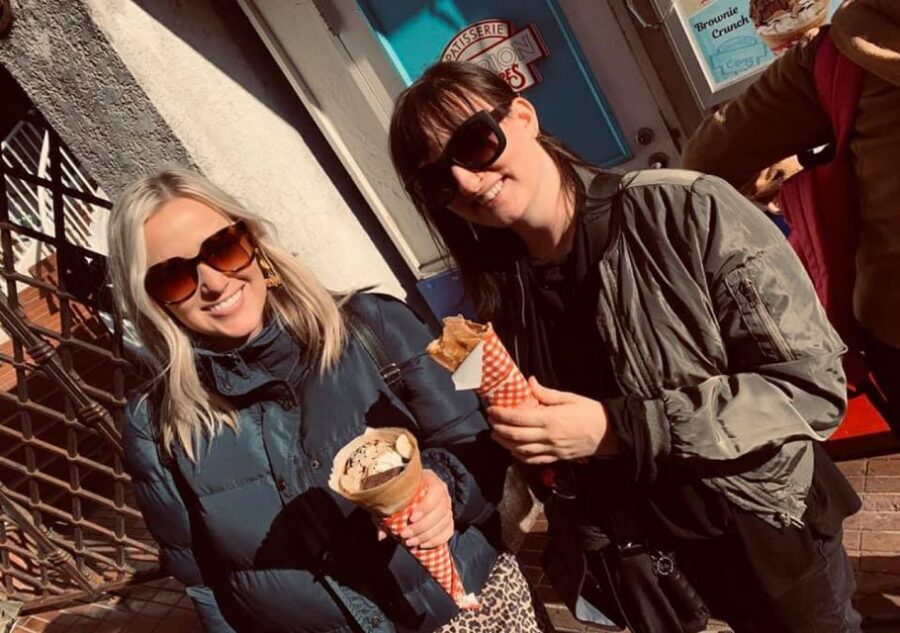
- 5 food stops plus dessert, with a drink included, so you’re actually fed (not just shown pictures)
- Takeshita Street first, side streets next, which helps you avoid the “only one street” tourist trap
- A “only in Japan” lunch inside a work of pop culture art, built around the neighborhood’s creative energy
- Small group up to 10, which keeps it lively but not crowded
- Stops are described as pre-booked, helping you skip long waits at popular spots
- The tour is English-speaking and family-friendly, including options that keep even picky teens moving
More colour: other Harajuku wanders
- Tokyo Go-Kart Tour Shibuya-Harajuku-Shinjuku (*IDP Required)★ 5.0 · 217 reviews
- Tokyo: Guided Go Kart Tour from Harajuku to Shibuya Crossing★ 4.5 · 166 reviews
- Shibuya & Harajuku: Hidden Gems & Highlights Private Tour★ 4.7 · 139 reviews
Where this Harajuku food tour fits in your Tokyo day
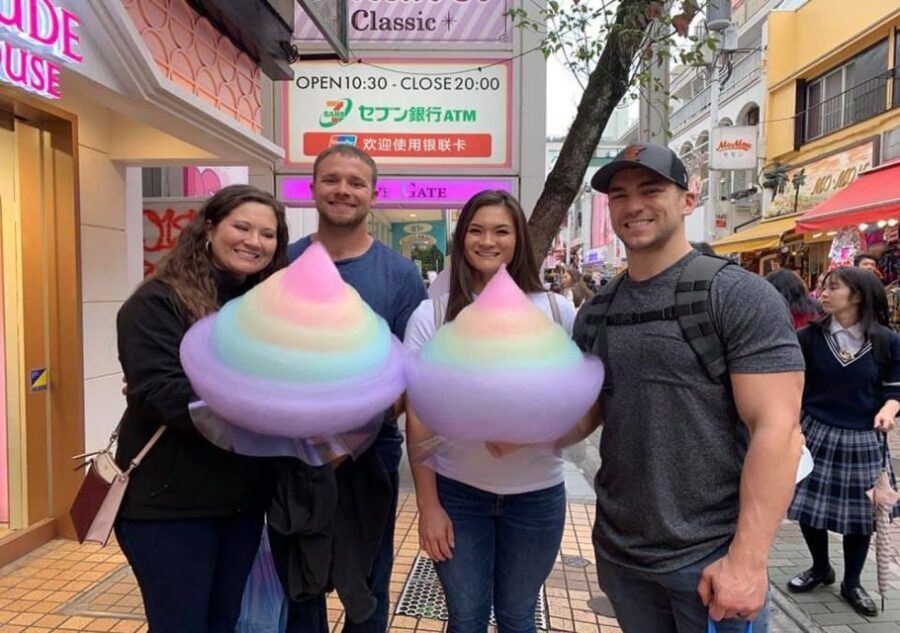
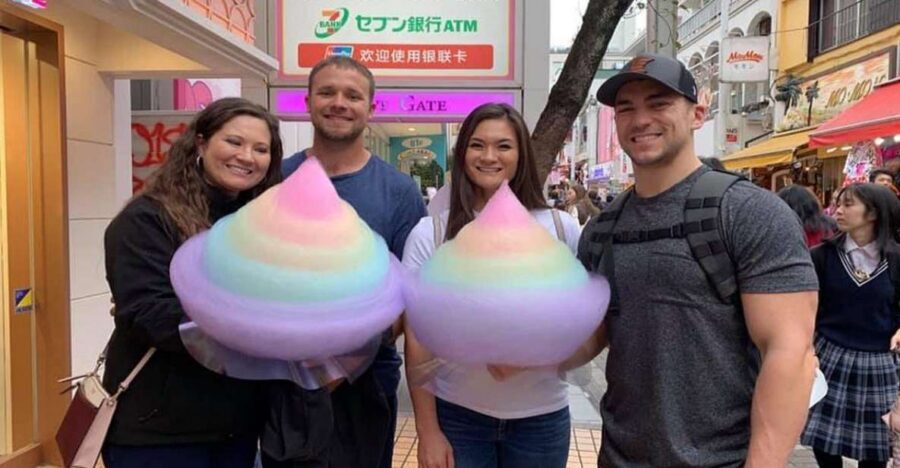
If you only have a short time in Tokyo, Harajuku is a smart use of it. It’s one of those places where the city looks like it’s been rewritten for Instagram—color, characters, fashion chaos. But the best part of this tour is that you don’t just “see” Harajuku. You eat your way through it.
This is a 3-hour afternoon style tour. That matters because Harajuku at midday can feel like the neighborhood is in “peak fun” mode: shops are open, people are out, and the food scene is moving. And since you’re with a guide, you don’t waste energy trying to figure out which places are worth it.
Another nice fit: it’s designed for families. That doesn’t mean it’s childish. It means the route and pacing work for mixed ages—walkable distance, frequent food moments, and story breaks so kids can stay interested and adults can relax.
Price and what you really get for $163
$163 per person sounds steep until you break it down. In that price you get a local English-speaking guide, 5 food stops, 1 drink, and dessert—so you’re not paying separately for every bite. On top of that, the tour is capped at 10 people, which usually means less waiting and more attention.
The value is also in the structure. One review called out that stops were pre-booked, meaning you’re less likely to spend your limited time in lines. That’s a big deal in Harajuku, where popular crepe and snack spots can get slammed.
Two watch-outs for value:
- Transportation costs aren’t included. You’ll need to handle getting yourself to the meeting point.
- You can buy extra food or drinks if you want, but those extra costs are on you. The tour is clearly set up so you don’t need to overpay at every stop—but you might still crave more.
Meeting at Nescafe Harajuku: easy to find, faster to miss
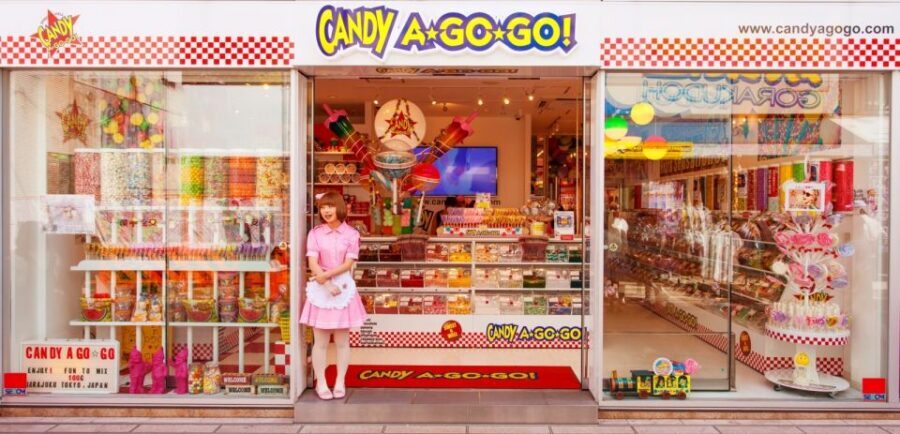
The meeting point is right in front of Nescafe Harajuku at 1 Chome-22-8 Jingumae, Shibuya City, Tokyo 150-0001.
Get there via Harajuku Station (Takeshita Exit). This is practical advice because Harajuku is basically a web of connections. If you’re arriving from elsewhere, it’s easy to surface in the wrong side of the station unless you follow that exit note.
The other key logistics point is the five-minute grace period. After that, the tour departs. Also, once it begins, the guides won’t be reachable by phone for directions. That’s not just admin—this keeps restaurants and the rest of the group running smoothly.
If you’re the kind of traveler who likes a buffer (coffee, photos, one last street glance), plan to arrive a few minutes early. It will make the whole afternoon feel less stressful.
Takeshita Street without the chaos headache
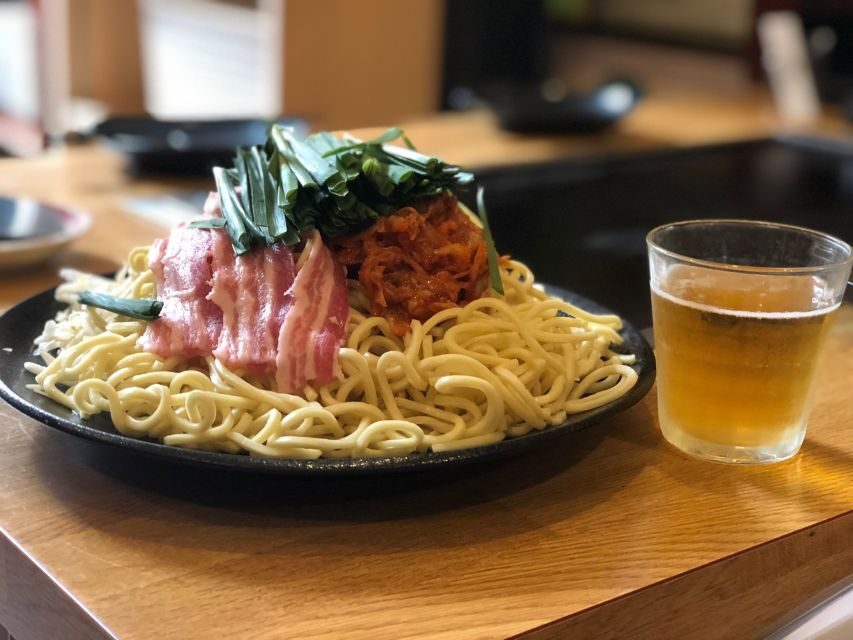
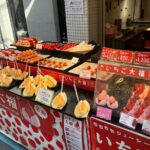
You’ll spend time on Takeshita Street, the famous runway of cute. Think color everywhere, character branding, trend items you can’t find at home, and storefronts that look like they were designed for your camera.
But here’s why that matters for a food tour: Takeshita is where Harajuku’s “kawaii” identity is loudest. That makes it the perfect place to start taste-wise. The guide can point out what’s actually popular and why certain foods and sweets fit the vibe of the area.
You should also expect that Takeshita is visually intense. If you’re sensitive to crowds, you’ll appreciate that you’re not meant to spend the entire 3 hours stuck right on the busiest strip. You’ll move on after the initial hit of energy.
Other plates worth crossing Tokyo for


Crepes, back alleys, and the smell test you can trust
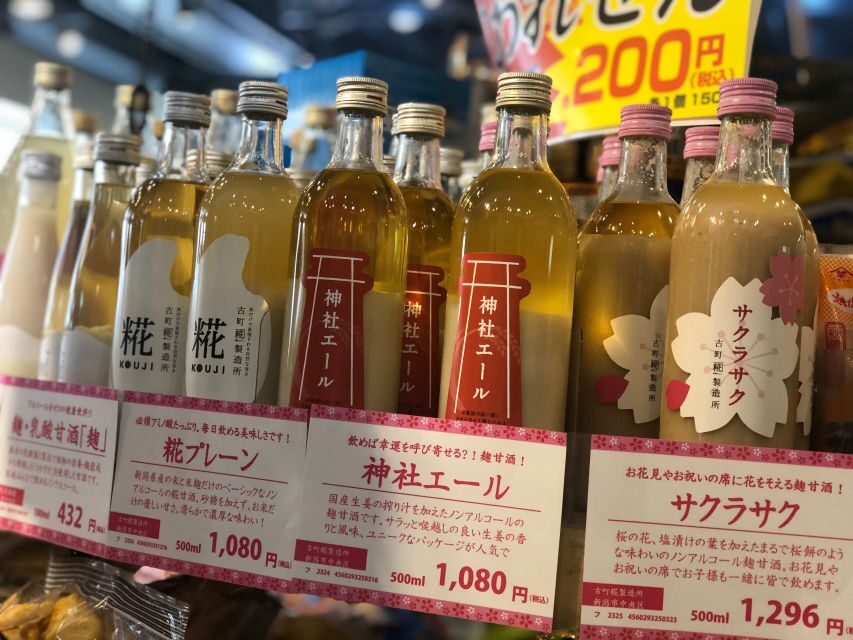
Harajuku has a crepe reputation for a reason. As you wander the back alleys, the air does that thing where you suddenly understand why people line up. Fresh crepes have a smell that cuts through everything—sweet, warm, and comforting.
This tour is built around tasting, so you’re not left to decide whether a crepe stand is good. You’ll hit a stop that fits the neighborhood’s style of snack-making. The guide will also help you navigate what to order and when, which can save you from the “I froze and got something I didn’t really want” feeling.
A practical tip: wear shoes you don’t mind getting a little walked-out. The route includes side streets, not just famous wide sidewalks. Short distances add up when you’re trying to see fashion details and also eat without rushing.
The pop-culture art lunch: why it’s more than a meal
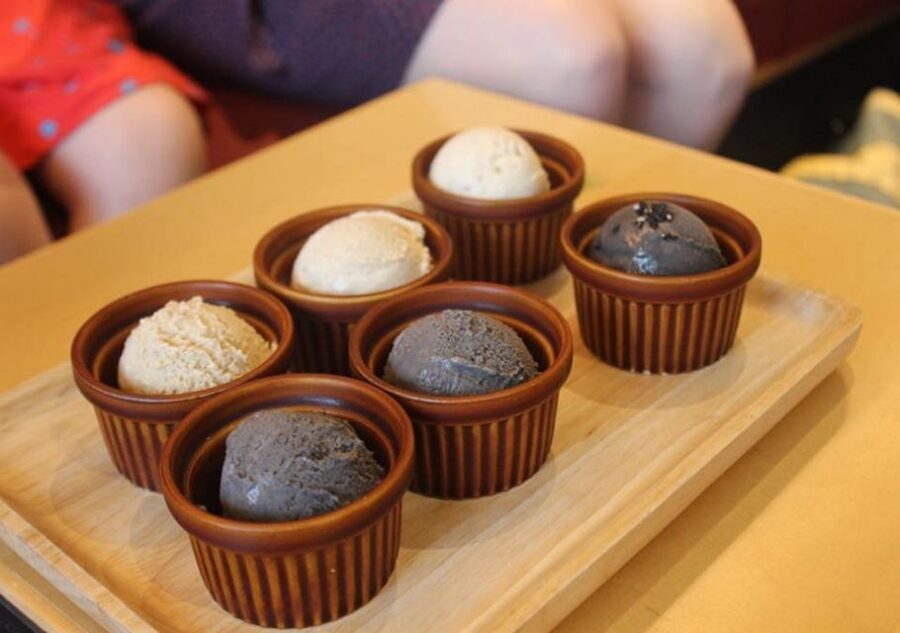
One of the most unique promises here is a crazy-colorful only in Japan lunch inside a work of pop culture art. That’s not a typical restaurant lunch. The point is that the food and the setting reinforce each other.
When a tour does this well, you don’t just eat a meal—you experience the theme of Harajuku as a whole. Harajuku isn’t only fashion. It’s also design culture, art-adjacent branding, and the way media and merchandise mix into daily life.
What you can expect from this stop:
- A lunch moment that feels like an attraction.
- A reset from the walking intensity.
- Food choices that fit the neighborhood’s playful, colorful personality.
A drawback to consider: if you’re hoping for quiet, formal dining, this stop likely won’t match that mood. It’s supposed to be fun and visual. Plan to treat it like part of the show.
Side streets, Omotesando stories, and why the guide matters
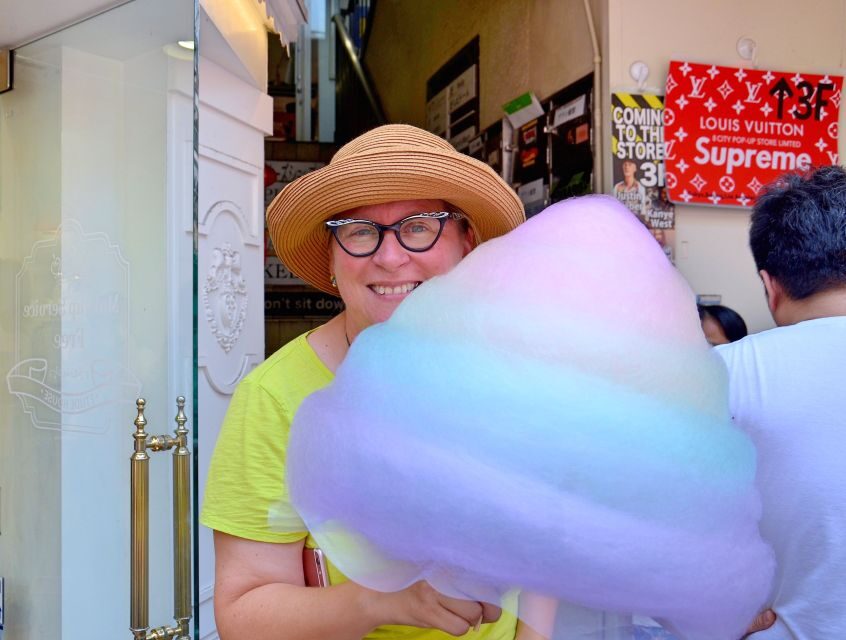
The tour doesn’t stay on the main stage. You’ll explore side streets and include Omotesando. That shift is important because Omotesando feels more design-forward—still stylish, but less “character overload” and more “architectural fashion statements.”
This is where the guide’s job becomes the difference between a snack walk and a real experience. The tour is built around stories and history of the area as you go. You’ll hear why the neighborhood became Tokyo’s pop-culture mecca and how that energy shows up in the shops, the street art feel, and the food culture.
It’s also where the tour earns its praise. One review highlighted a guide who was super energetic and full of food and area knowledge, and another mentioned a guide named Wes who kept things fun while sharing plenty of useful context. Another review praised a guide named Yappy for great personality and organization.
Even if you’re not a “history person,” those short stories can make you understand what you’re looking at. You’ll notice details more, and your photos will feel less random.
Local desserts: the sweet finish that makes the tour feel complete
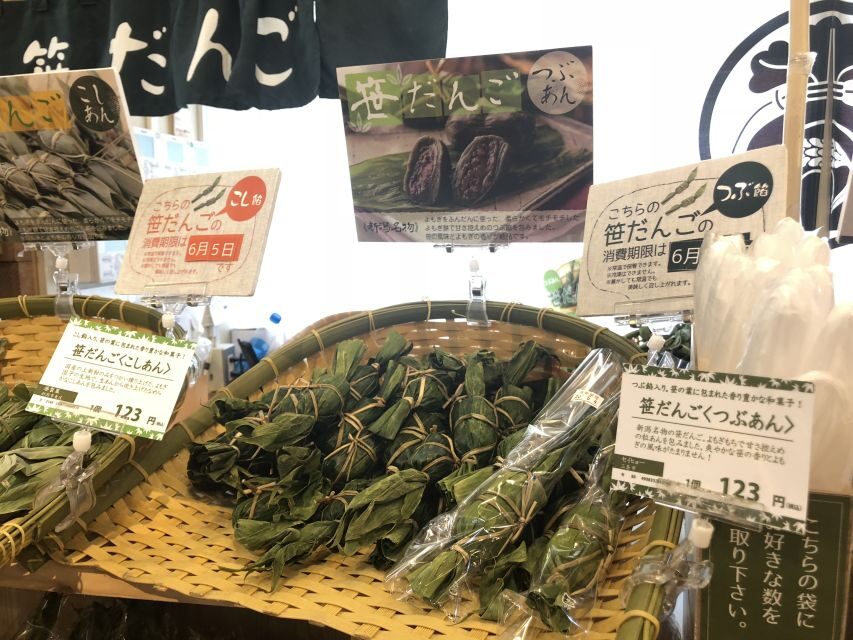
A local dessert is included, and that last stop matters. Food tours that skip dessert can feel incomplete—like you ended mid-sentence. Here, the dessert is part of the arc: snack, lunch, more bites, then a finish.
This is also where Harajuku shines because sweets here tend to feel like part of the culture, not just a generic treat. Expect something fun that matches the kawaii mood of the day.
If you tend to skip desserts at restaurants because you’re “too full,” this is a good tour to change your mind. The stops are spread across the walk, and the included dessert gives you a proper end point so you don’t have to hunt one down later.
Small-group pacing: why it keeps food tours from turning into a shuffle
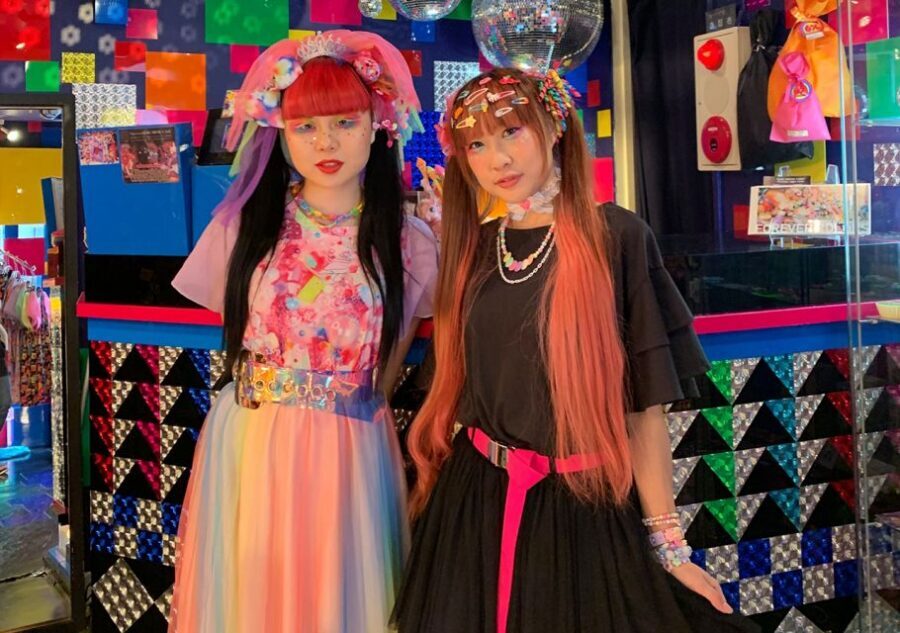
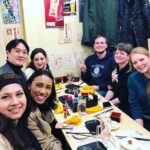
The tour is limited to 10 participants, which is a sweet spot. You still get the energy of a group, but you don’t feel like you’re herding cats. You’re also more likely to move as a unit through stops, which helps you actually enjoy the food rather than always waiting.
One review mentioned how well organized things were, with stops pre-booked so there was no queuing. Even without knowing every exact restaurant detail, that’s the kind of setup that makes 3 hours feel generous instead of rushed.
This group size also helps with “real travel” moments—questions, quick explanations, and getting guidance on what to do next. You’ll feel guided, but not trapped.
Who this tour is best for (and who might not love it)
This one is a strong match if you want:
- A family-friendly introduction to Harajuku food culture
- A guided way to see Takeshita and Omotesando without guessing
- Fun snacks and kawaii sweets, not just one random “main meal”
- A tour that keeps a lively pace and includes five food stops
It’s also good if you’re traveling with kids or teens who can get bored. One review specifically mentioned teenage boys not being easy to please, and the guide still kept them engaged. That’s a useful sign.
Who might not love it:
- You prefer long, slow shopping time. This is a food tour, not a store-hopping free-for-all.
- You want ultra-quiet scenery. Harajuku is Harajuku—lots of visual noise.
Tips to get more out of your 3 hours
A few practical moves will help you leave happy, not overfull or stressed.
- Arrive early. The five-minute wait limit is real.
- Eat light beforehand. Not a full meal, just enough so snacks don’t feel like a sugar wave you can’t handle.
- Plan your photo breaks. The guide and food stops are the priority, but you’ll still get chances to see street fashion and cute storefronts.
- Wear comfy shoes. Side streets and back alleys mean walking adds up.
- Bring a phone with enough battery. The area is made for pictures, and you’ll want to capture the colorful details.
Should you book this Harajuku food tour?
Book it if you want a guided, no-guessing way to eat your way through Harajuku and nearby Omotesando in a short window. The combination of 5 food stops, dessert, a drink, and a lunch that sounds like a pop-culture setting makes the price feel less like a “tour fee” and more like bundled meals plus local guidance.
Skip it if you’re allergic to crowds, need a slow shopping pace, or would rather build your own food plan from scratch. If you’re the type who enjoys roaming, you can DIY Harajuku—but you’ll likely spend more time deciding, less time tasting.
If you do book, take the tour as it’s meant to be taken: arrive ready to walk, follow the guide’s lead, and treat the cute and colorful stuff as part of the food experience.
FAQ
Where do I meet the tour?
You meet in front of Nescafe Harajuku at 1 Chome-22-8 Jingumae, Shibuya City, Tokyo 150-0001.
What’s the closest train station and exit?
The closest station is Harajuku Station, and you should use the Takeshita Exit.
How long is the tour?
The tour lasts 3 hours.
How many people are in the group?
It’s a small group limited to 10 participants.
What’s included in the price?
The tour includes 5 food stops, 1 drink, desserts, and a local English-speaking guide.
Is hotel pickup included?
No, hotel pickup is not included, but it can be arranged for an additional charge.
Do I need to bring passport information?
Yes. Passport information is required for all participants aged 10 and above.
What’s the policy on being late?
The guide can wait an additional five minutes after the starting time. After that, the tour will depart.
More Tours in Tokyo



More Tour Reviews in Tokyo




More Harajuku to Wander


Fresh reviews from around Tokyo






Harajuku Tours, compared.
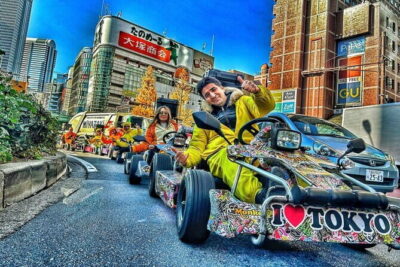 ★ 5.0Tokyo Go-Kart Tour Shibuya-Harajuku-Shinjuku (*IDP Required)From $88217 reviews
 ★ 4.5Guided Go Kart Tour from Harajuku to Shibuya CrossingFrom $103166 reviews
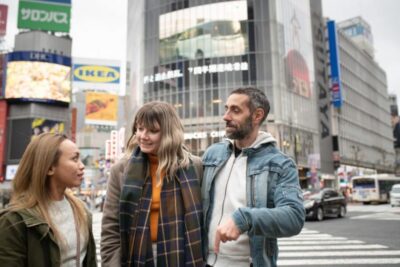 ★ 4.7Shibuya & Harajuku: Hidden Gems & Highlights Private TourFrom $64139 reviews
Harajuku Kawaii Fashion and Pop-Culture TourFrom $7994 reviews
Harajuku Private Tour: Kawaii Fashion & Animal Cafe IncludedFrom $11869 reviews
★ 4.7Shibuya & Harajuku: Hidden Gems & Highlights Private TourFrom $64139 reviews
Harajuku Kawaii Fashion and Pop-Culture TourFrom $7994 reviews
Harajuku Private Tour: Kawaii Fashion & Animal Cafe IncludedFrom $11869 reviews
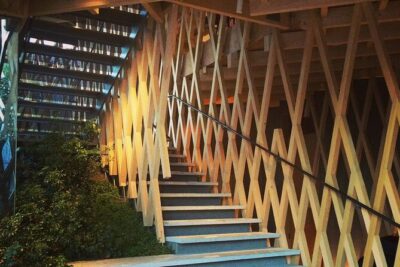 ★ 5.0Private Harajuku Omotesando Architecture Walking TourFrom $13267 reviews
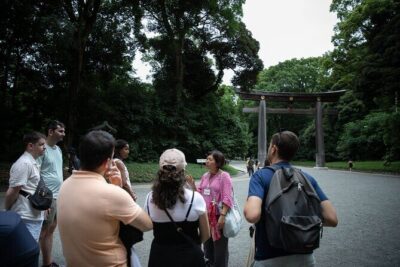 ★ 5.0Harajuku Meiji Shrine Walking Tour in TokyoFrom $2561 reviews
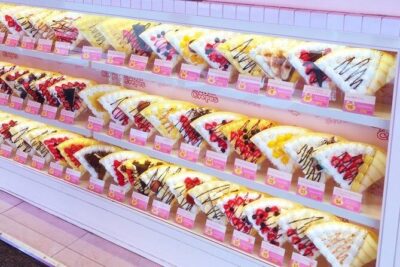 ★ 5.0Kawaii Food Tour of Harajuku TokyoFrom $20949 reviews
Browse the lists this tour appears in