
Sushi class in Shibuya sounds fun. It is, and it is also practical: you get a short sushi history quiz, then you make your own sushi from fresh ingredients with an English-speaking instructor. You might even meet teachers like Momoyo or Kaito, who keep the vibe relaxed and the steps clear. Two things I like a lot here are the hands-on practice (not just watching) and how the class makes sushi approachable for beginners.
One small catch: finding the studio can take a bit more time than you expect. Since the meeting point can vary by booking and you are walking from Shibuya Station, I suggest you give yourself a small buffer so you arrive calm, not rushed.
In This Review
- Key things worth knowing before you book
- Shibuya sushi, taught like a skill (not a spectacle)
- The 90-minute flow: quiz, prep, rolls, then nigiri
- Fresh vegan and vegetarian sushi that still feels like sushi
- Halal-friendly and gluten-free: what to plan for
- Your instructors set the tone: friendly, patient, English-speaking
- What you make is what you eat (and why that’s valuable)
- Learning to recreate sushi at home: take the skill, not just the vibe
- Price and value: $58 for 90 minutes in Shibuya
- Getting there near Shibuya Station without stress
- Who this class is best for (and who might skip)
- Should you book this Shibuya sushi-making class?
- FAQ
- How long is the sushi-making class?
- Where is the meeting point?
- Does the class offer vegan, vegetarian, halal, or gluten-free options?
- What sushi will I learn to make?
- Do I get to eat the sushi I make?
- Is the instruction available in English?
- Are audio recordings allowed during the class?
Key things worth knowing before you book
A sushi history warm-up quiz gets you talking about the dish before your hands get messy.
You actually make both California rolls and nigiri, not only one style.
Diet options are built in: vegan, vegetarian, halal-friendly, and gluten-free (normal).
English instruction is part of the package, so techniques make sense fast.
You eat what you make, and staff will help with photos beforehand if you want.
No audio recording allowed, so plan to take notes or photos instead.
More to do within sight of the Crossing
- Official Street Go-Kart in Shibuya★ 5.0 · 3,435 reviews
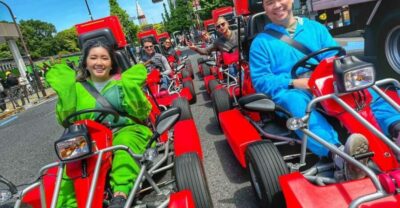
- Tokyo: Street Kart Experience in Shibuya★ 4.9 · 1,484 reviews
- Shibuya Meltdown Nightlife Tour: All-You-Can-Drink Bar Hopping★ 5.0 · 1,058 reviews
Shibuya sushi, taught like a skill (not a spectacle)
This class takes place right in the center of Shibuya, one of Tokyo’s easiest neighborhoods to explore on foot. What makes it a standout food experience is that it is not just about Japanese food culture in theory. You learn by doing: rolling, shaping, and assembling sushi pieces so you can understand why they look the way they do.
I like that the class focuses on usable technique. Sushi looks fancy, but the core moves are learnable: preparing components, managing texture, and building a clean roll or a confident nigiri shape. That means you leave with something you can repeat, not just a full stomach.
It is also a smart choice if you want something “Tokyo” that still feels manageable. A 90-minute class fits easily into a day of shopping, walking, or sightseeing, and it does not require you to navigate a ticket line or a reservation maze.
The 90-minute flow: quiz, prep, rolls, then nigiri
You start with a quick, fun sushi quiz about the history of sushi. It is not a lecture that puts you to sleep. The point is to get you in the mindset, and it also helps you notice details when you later handle ingredients and tools.
Then you move to the hands-on portion, guided by an English instructor. The format is simple and repeatable, which matters when you are learning with strangers at different comfort levels.
Here is what your session is built around:
- Key ingredients and practical tips for making sushi with fresh vegetables and seasonings (especially for vegan or vegetarian menus).
- Rolling practice, including tips that help your sushi look tidy and taste balanced.
- Nigiri-making, with instruction on shaping the classic style.
From what you are told and shown, you are not expected to master everything in one go. Instead, you get enough structure to create sushi that is good immediately—and that you can recreate later without guessing.
At the end, you sit down and eat your creations. The staff can take photos of your sushi before you dig in, which is great because sushi is best enjoyed fresh, right when it looks great.
Fresh vegan and vegetarian sushi that still feels like sushi
If you are vegan, vegetarian, halal, or just cutting down on certain ingredients, this class is designed to work for you. The menus are flexible, and the ingredients are based on vegetables like eggplant, mushrooms, tomatoes, and avocado for vegan/vegetarian options.
Why that matters: sushi is usually about texture and balance. When you use vegetables well, you can still hit the sushi goals—some softness, some bite, clean flavor, and a satisfying bite size. This class leans into that, so the result does not feel like a compromise dish.
You also get support for dietary needs ahead of time. Just make sure you indicate your preference when booking, since the menu changes are not something they adjust on the day of the activity. If you have strict dietary requirements (halal rules, gluten concerns, allergy-level restrictions), it is worth being very clear during the reservation so the kitchen can plan.
Halal-friendly and gluten-free: what to plan for
This experience specifically mentions accommodations for:
- Halal-friendly
- Gluten-free (labeled as normal)
- Vegan and Vegetarian
That is good news if you have ever struggled to find a cooking class that is truly prepared for dietary restrictions. The best way to make it smooth is to share your needs clearly when you book. Since they cannot accommodate menu changes the day of the activity, you do not want to rely on last-minute hope.
Also note the class does not allow audio recording. If you are gluten-free and want to remember every ingredient, you will likely prefer taking quick notes (and using your phone camera where allowed) instead of recording the instructor.
Worth weighing up alongside this Tokyo pick:


Your instructors set the tone: friendly, patient, English-speaking
The most consistently praised part is the teaching style. The instructors are described as friendly, polite, and comfortable to learn with. Several accounts highlight that the instruction is clear and paced so you feel at ease, even if you have never rolled sushi before.
Two names come up again and again in the experience: Momoyo and Kaito. Both are described as engaging in conversation while still keeping the class structured. That combo is rare. A cooking class can be either friendly but vague, or precise but cold. Here, it sounds like you get both: warmth plus technique.
You will also get a short history context during the warm-up quiz. That matters because sushi is not just ingredients—it is a way of thinking about form, timing, and presentation. When you understand that briefly, your own pieces look and taste better.
What you make is what you eat (and why that’s valuable)
A lot of food classes leave you full of photos and half-learned steps. This one builds in the final payoff: you eat what you make. That means:
- You learn in the same conditions as the final meal.
- You can taste-test your rolls and nigiri immediately.
- You do not leave wondering if the technique worked.
And it is a real confidence boost. When you can take a bite of something you shaped with your own hands, you understand the results. That is how you later replicate it at home.
Learning to recreate sushi at home: take the skill, not just the vibe
The class is not only about finishing a roll. The goal is that you take the knowledge home and can recreate sushi later. Even if you never become a sushi chef, you can still use what you learn in everyday cooking.
Here are the practical skills this kind of class usually gives you—and why you will care:
- Rolling technique: you see how pressure, alignment, and ingredient placement affect the final look.
- Nigiri shaping: you learn how sushi can be formed without complicated tools.
- Ingredient coordination: you understand how vegetable fillings and toppings balance each other.
If you are visiting Tokyo and want a hands-on souvenir, this is one of the better options. A magnet does not teach you anything. Sushi knowledge does.
Price and value: $58 for 90 minutes in Shibuya
At $58 per person for 90 minutes, this sits in the reasonable zone for a hands-on class in central Tokyo. The value comes from what is included:
- English-speaking instructor
- Sushi quiz warm-up
- Fresh ingredients and all tools
- Hands-on lesson covering California rolls and nigiri
- Dietary customization (vegan/vegetarian/halal-friendly/gluten-free)
You are paying for instruction plus ingredients plus equipment plus a meal. If you have ever tried to buy sushi ingredients and figure out rolling technique from online videos, you know how easy it is to waste time and food. Here, you get a guided path and a direct result you can eat.
Also, this location helps the value. Being a short walk from Shibuya Station (about 7 minutes) means you are not spending half your day traveling to a distant studio. You can fit it into a normal Tokyo itinerary and still have energy for other plans.
Getting there near Shibuya Station without stress
The studio is in the heart of Shibuya, about a 7-minute walk from Shibuya Station. That is straightforward, but still plan for the real world: station exits vary, signage is busy, and Shibuya is a walking maze.
Since the meeting point may vary by the option you book, I suggest you confirm the exact location in your confirmation message the day before. Then arrive early enough to follow it calmly. If you show up right at start time, you might end up standing outside trying to spot the right doorway.
A small tip: wear shoes you can walk in. Shibuya sidewalks are lively and you will probably do a bit of wandering before you find your class entrance.
Who this class is best for (and who might skip)
This is a great fit if you:
- Want hands-on Japanese food learning in a short time window
- Need vegan, vegetarian, halal-friendly, or gluten-free options that are taken seriously
- Prefer English guidance so you are not guessing at steps
- Like meeting locals through conversation during a relaxed activity
- Are traveling solo or as a couple and want an easy plan that still feels special
It may not be ideal if:
- You want a class that includes lots of free time for sightseeing inside the session (this is focused on cooking)
- You are very strict about last-minute ingredient swaps (menu changes are not accommodated on the day)
Should you book this Shibuya sushi-making class?
I think it is an easy yes for most people who want a Tokyo food activity that is practical, inclusive, and genuinely fun. The big reasons are the combination of friendly English instruction, real hands-on sushi making (including nigiri), and the fact that the meal is part of the experience—you eat what you make.
Book it if you want a skill you can repeat and you care about dietary options being planned ahead. Skip it only if you dislike tight schedules, hate being in a small teaching space, or you are counting on day-of menu changes.
If you do book, show up early enough to find the studio calmly, and indicate your dietary needs clearly. Then bring curiosity—and be ready for the best part: your sushi disappearing from the table fast.
FAQ
How long is the sushi-making class?
The class runs for 90 minutes.
Where is the meeting point?
The meeting point may vary depending on the option booked, but the studio is in central Shibuya and is about a 7-minute walk from Shibuya Station.
Does the class offer vegan, vegetarian, halal, or gluten-free options?
Yes. The class can accommodate vegan, vegetarian, halal-friendly, and gluten-free options. Be sure to indicate your dietary preferences when booking.
What sushi will I learn to make?
You’ll have a hands-on lesson that includes California rolls and nigiri.
Do I get to eat the sushi I make?
Yes. After making the sushi, you sit down and enjoy what you create.
Is the instruction available in English?
Yes. The instructor provides instruction in English.
Are audio recordings allowed during the class?
No. Audio recording is not allowed.
More Good Eating in Tokyo
More Tour Reviews in Tokyo





Still in Shibuya? Keep Going





Fresh reviews from around Tokyo






Shibuya Tours, compared.
 ★ 5.0Official Street Go-Kart in ShibuyaFrom $763,435 reviews
 ★ 4.9Street Kart Experience in ShibuyaFrom $741,484 reviews
 ★ 5.0Shibuya Meltdown Nightlife Tour: All-You-Can-Drink Bar HoppingFrom $1061,058 reviews
 ★ 5.0Shibuya Official Street Go-Kart in Shibuya AnnexFrom $69972 reviews
 ★ 5.0Shibuya Food Tour (13 dishes and 4 Eateries)From $77770 reviews
 ★ 5.0Best of Shibuya Food TourFrom $217612 reviews
 ★ 4.8Shibuya Highlights Walking TourFrom $19601 reviews
 ★ 4.7Premium Go-Kart Tour with Tower & Shibuya CrossingFrom $116528 reviews
Browse the lists this tour appears in