
Reviewed · SAMURAI & NINJA EXPERIENCES
Samurai Sword Training and Katazome Dyeing Experience in Tokyo
Samurai swords and dyeing in one day sounds weird. It also makes perfect sense once you see the link between patterns and purpose in samurai life. You start at 染の里おちあい, where you learn Edo Komon stencil dye basics and create your own dyed tenugui. Then you head into a dojo at 武蔵国無外会 for a sword demonstration and hands-on practice with toy swords.
I especially like the small-group setup (max 8 people), because the workshop and dojo time stays hands-on instead of watch-from-a-distance. I also like that the day mixes craft and action: you get a tangible souvenir (your headband) and then you learn defensive movements in a structured training format.
One consideration: this experience is only about 2 hours total, so you won’t get long, slow practice time. If you’re hoping for deep, extended sword training or a long dyeing session, you may find the pacing a bit tight.
In This Review
- Key things to know before you go
- Why katazome dyeing and sword training fit together in Tokyo
- Stop 1: 染の里おちあい for Edo Komon katazome and your headband
- The hands-on tenugui dyeing (about 40 minutes)
- Wrapping your dyed tenugui as a headband (about 10 minutes)
- Quick transition: walk, shoes off, into the dojo (about 1 minute)
- A possible drawback at Stop 1
- Stop 2: 武蔵国無外会 dojo sword demonstration and toy-sword defensive training
- Training begins (about 30 minutes)
- Why the dojo format is a big deal
- A possible drawback at Stop 2
- The pacing and small-group advantage for a 2-hour plan
- What you’ll take home (and what you won’t)
- Practical tips to get the most from both workshops
- Who should book this Samurai and Katazome combo
- Should you book this Tokyo tour?
- FAQ
- How long is the Samurai Sword Training and Katazome dyeing experience?
- How big is the group?
- What happens at the katazome dyeing stop?
- What happens at the sword training stop?
- Do I need to take my shoes off?
- What if I need to cancel?
Key things to know before you go
- Small-group attention with a crafts-focused dyeing lesson and dojo instruction, capped at 8 people
- Katazome basics tied to samurai clothing, including Edo Komon patterns used on samurai kamishimo
- You make something real: a dyed tenugui that you wrap into a headband
- Dojo training is practical and defensive, starting with a sword demo and moving into toy-sword actions
- Shoes off time: you’ll walk briefly, remove shoes, and enter the training space
- Your timing is tight but efficient: two 1-hour halves with a clear flow from craft to training
More blades, bows and dojo hours
- Tokyo: Samurai Ninja Museum Guided tour and Experience★ 4.6 · 1,010 reviews
- Tokyo: Samurai Sword & Archery Class from Samurai Descendant★ 5.0 · 603 reviews
- Best Samurai Experience in Tokyo★ 5.0 · 458 reviews
Why katazome dyeing and sword training fit together in Tokyo
This is one of those Tokyo plans that feels more meaningful than two separate half-days. The connection is the point: katazome isn’t just decorative cloth work. It’s a disciplined stencil-dyeing system with patterns that historically appeared in samurai-related garments. When your dyeing lesson explains Edo Komon patterns used on samurai kamishimo, the workshop stops being a generic craft class and starts being cultural context you can touch.
Then the dojo training follows the same logic. Samurai skills weren’t only about dramatic moves. Training emphasized controlled actions, clear defensive responses, and repeating structured practice until it made sense under pressure. Even though you’ll use toy swords, the teaching approach is still method-first: demonstration, defensive explanations, then practice.
At $97.73 per person for roughly 2 hours, you’re paying for two specialist-led sessions in one spot in Shinjuku City. That’s a good value if you want both sides of Japanese culture in one run—craft with artisans plus movement in a dojo—without losing half your day to transit or scheduling.
Stop 1: 染の里おちあい for Edo Komon katazome and your headband
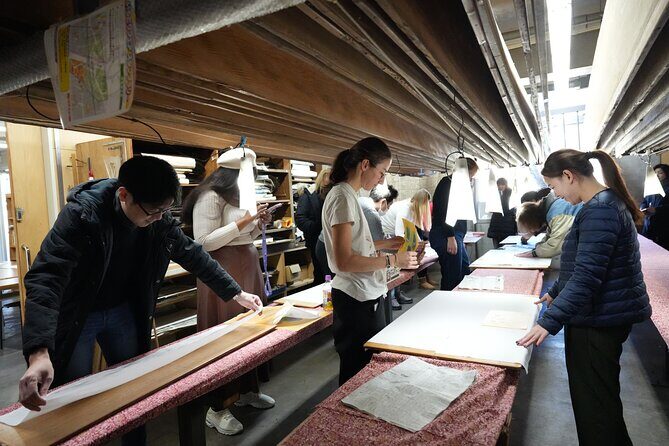
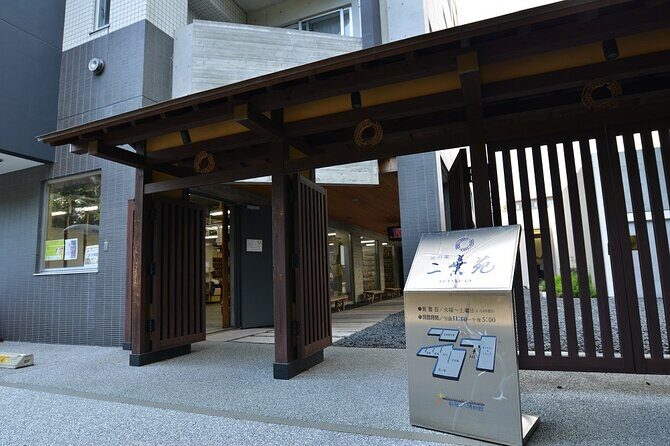
You meet at 染の里おちあい (染の里おちあい2-chōme-3-6 Kamiochiai, Shinjuku City). The schedule starts with a short setup: you get an introduction explaining Edo Komon patterns and how they relate to samurai kamishimo. This part is only about 10 minutes, but it matters. You’re not learning dye techniques in a vacuum—you’re learning what the patterns were for and why they show up in traditional contexts.
The hands-on tenugui dyeing (about 40 minutes)
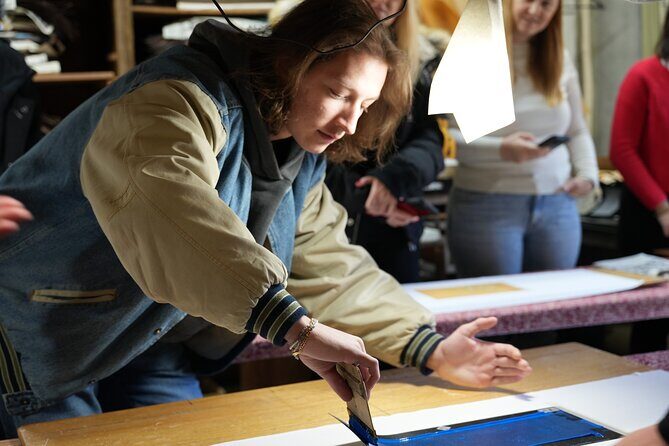
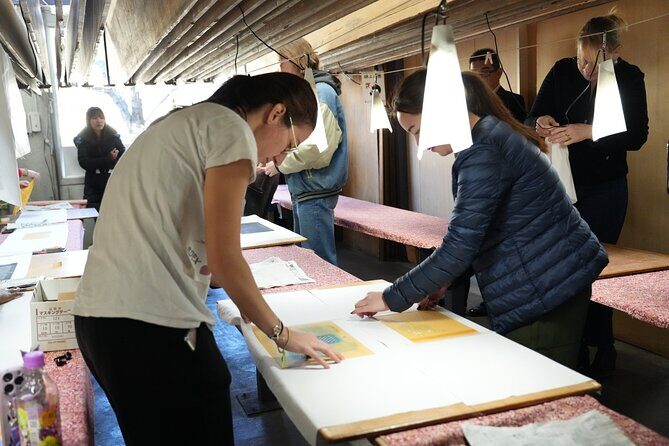
Next comes your main activity: a tenugui dyeing experience. You’ll work with instructions from artisans at the workshop and do Komon pattern dyeing as part of the session. The time is long enough that you actually create something, not just do a quick demo.
Tenugui are practical, and that’s part of the charm. They’re narrow cloths with a long tradition of everyday use, and the dyeing process teaches you how stencil patterns translate into real color on fabric. You should expect a focused, careful pace here: katazome is controlled work. Your hands do the steps, but your attention is the real tool.
Wrapping your dyed tenugui as a headband (about 10 minutes)
After dyeing, you wrap the finished tenugui as a headband. This is a small detail, but it’s one of the best outcomes in the whole experience. You don’t just leave with cloth. You leave with something wearable and ready to remember the day.





Quick transition: walk, shoes off, into the dojo (about 1 minute)
There’s a short walk, then you take off your shoes and enter the dojo. That transition is fast, so plan for it. Wear comfortable clothing and think ahead about your feet—dojo floors and shoe rules are part of the cultural rhythm here.
A possible drawback at Stop 1
Katazome is technique-heavy, and the session is only about 40 minutes for the hands-on work. If you want maximum time fiddling with the process, you might wish you had longer. Still, the structure is efficient: learn the why, do the how, produce an item.
Stop 2: 武蔵国無外会 dojo sword demonstration and toy-sword defensive training
Your second stop is 武蔵国無外会 (2-chōme-4-6 Kamiochiai, Shinjuku City). The activity starts with a sword demonstration about 15 minutes long. This is where you get the visual map of what the training is aiming for: controlled technique, clear intent, and structured movement.
Then you move into instruction with toy swords. The teaching focuses on defensive actions, again for about 15 minutes. This is important. Many sword experiences try to impress with offense or speed. Here, the emphasis is defensive, which fits the way structured training usually builds skills: learn how to respond first, then practice control.
Training begins (about 30 minutes)
Finally, you start sword training for about 30 minutes. That’s long enough to do more than a token try. You’re practicing defensive actions in a guided format so you can connect what you saw in the demonstration to what you do with your toy sword.
Why the dojo format is a big deal
A dojo isn’t just a room with weapons. It’s a training culture: rules, respect, and focus. Even if you’re using toy swords, you’re still doing it in that mindset. For me, that makes the experience feel more authentic than a casual sword show.
A possible drawback at Stop 2
Because the total time is short, you won’t master complicated sequences. This isn’t a long certification-style course. It’s an introductory training session with a clear start, practice time, and then you’re done.
The pacing and small-group advantage for a 2-hour plan
This experience is about 2 hours total, split into two focused halves, each about an hour. That schedule is ideal if your Tokyo days are packed and you want something real without turning your itinerary into a full-day project.
The cap of 8 travelers (small group) changes the feel immediately. In craft workshops, small groups mean artisans can correct your technique and explain what you’re seeing. In a dojo, small groups mean instructors can watch your form and explain defensive actions in a way you can actually apply right away.
Also, the meeting and ending points are close but not identical. You start at 染の里おちあい and end at the dojo at 武蔵国無外会, where the tour disbands. That matters for planning your next stop: don’t schedule something tight right at the end without a little buffer.
What you’ll take home (and what you won’t)
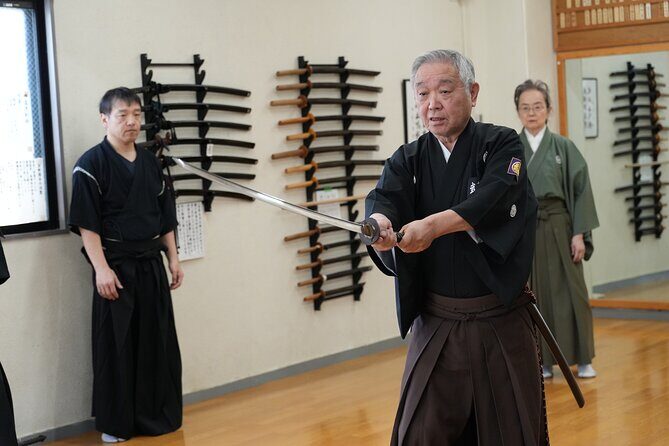
You’ll take home at least one tangible item: your dyed tenugui, wrapped as a headband. That’s your craft souvenir, and it’s a meaningful one because you’re making it through stencil dyeing tied to samurai-related patterns.
What you likely won’t take home is a long list of advanced sword skills. The training is structured and introductory by design. You’ll leave with a sense of defensive training mechanics and what the demonstration was trying to show, not the ability to perform advanced kata on command.
Practical tips to get the most from both workshops
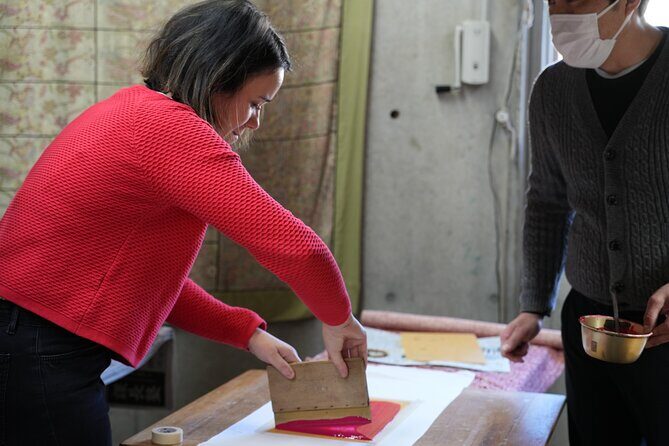
Here’s how to make the most of your time without slowing anyone down:
- Wear comfortable clothes that let you move easily during the dojo training.
- Plan for shoes off time. If you’re wearing hard-to-remove footwear, you’ll feel it.
- Bring a mindset for careful work. Katazome is precise, and the session rewards focus.
- Use the explanation time. The short intro linking Edo Komon to samurai kamishimo is worth paying attention to; it turns the craft into context, not just hands-on color.
If you’re sensitive to mess: dye workshops often involve hands-on materials. The data doesn’t spell out stains or splashes, so I can’t promise anything. But you should assume this is the kind of activity where you’ll want clothes you don’t mind getting a little dirty.
Who should book this Samurai and Katazome combo
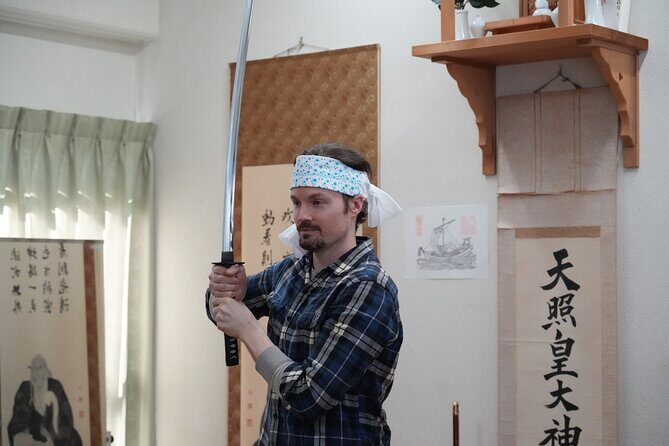
This plan is a great fit if you want:
- A cultural experience in Tokyo that’s hands-on, not just viewing
- A match between art and practice: katazome plus dojo training
- A short time commitment that still feels structured and complete
- A small-group day (max 8 people) with instruction rather than a lecture-only format
It may be less ideal if you specifically want a long sword training session, a deep multi-hour dyeing process, or heavy free time to wander. This is scheduled and efficient, with clear transitions.
Should you book this Tokyo tour?
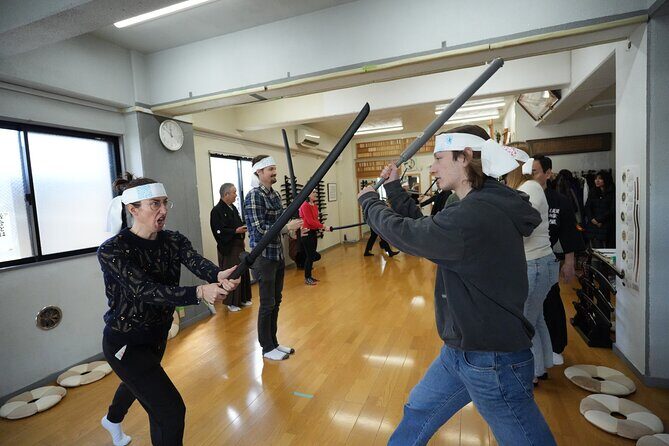
I think this is a strong booking if you like learning by doing and you want two real cultural skills in one outing. The pairing is smart: katazome dyeing teaches you the symbolism and discipline behind traditional patterns, and the dojo training gives you the movement side of that disciplined culture through demonstration and defensive practice.
Book it if you’ll enjoy short, guided instruction that culminates in a wearable souvenir and a chance to practice with toy swords. Skip it only if your priority is advanced technique or you want more time per skill. For most people wanting an authentic Tokyo day that doesn’t waste hours, this kind of tight craft-to-dojo flow is a good use of your time.
FAQ
How long is the Samurai Sword Training and Katazome dyeing experience?
It runs for about 2 hours.
How big is the group?
The experience has a maximum of 8 people.
What happens at the katazome dyeing stop?
You get an introduction to Edo Komon patterns connected to samurai kamishimo, then you do a tenugui dyeing experience with artisan instruction. You wrap your dyed tenugui as a headband.
What happens at the sword training stop?
You watch a sword demonstration, learn defensive actions with toy swords, and then start sword training yourself.
Do I need to take my shoes off?
Yes. After a short walk you’ll enter the dojo and take off your shoes.
What if I need to cancel?
Free cancellation is available up to 24 hours before the experience start time for a full refund. If you cancel less than 24 hours before, the amount you paid is not refunded.
More Tour Reviews in Tokyo



The Way of the Sword, Continued


Fresh reviews from around Tokyo






Samurai & Ninja Experiences, compared.
 ★ 4.6Samurai Ninja Museum Guided tour and ExperienceFrom $271,010 reviews
 ★ 5.0Samurai Sword & Archery Class from Samurai DescendantFrom $193603 reviews
 ★ 5.0Best Samurai Experience in TokyoFrom $65458 reviews
 ★ 5.0Ninja Experience (Family Friendly) at Samurai Ninja Museum TOKYOFrom $47441 reviews
 ★ 4.6Samurai Entertainment Night Show in Kanda ShrineFrom $41417 reviews
 ★ 5.0Tokyo Sword Experience – includes Museum Ticket/Ninja ExperienceFrom $84314 reviews
 ★ 4.8Samurai Ninja Museum Asakusa: Samurai Sword Lesson & TourFrom $63306 reviews
 ★ 5.0Samurai Sword Experience (Family Friendly)at SAMURAI MUSEUM TOKYOFrom $65168 reviews
Browse the lists this tour appears in