
Reviewed · PRIVATE
Private Ueno Park Architecture Tour
Tokyo architecture gets personal here. This private walk through Ueno Park focuses on Modern Japanese architecture with real architectural “why” behind the buildings, starting at the National Museum of Western Art. I especially like how the tour stitches together multiple architects and eras in just 3.5 hours, and how the sites come with context you can actually use when you’re looking at facades and layouts. The only catch: with so much covered in a short time, you may wish you had a bit longer at each stop—especially the museum grounds.
What makes it worth your time is the clear emphasis on architectural history instead of turning Ueno into a shopping detour. I also appreciate the private-group feel and the chance to ask questions in real time (one guide, Mari, comes up in feedback as warm, fun, and highly tuned in to architecture). If you’re the type who wants a slow, lingering museum day, treat this as a smart “look closely, learn fast” tour rather than a deep, all-day crawl.
In This Review
- Key things to know before you go
- Why Ueno Park is the fastest way to understand Tokyo’s architecture shifts
- National Museum of Western Art: Le Corbusier in the spotlight
- Tokyo Bunka Kaikan: Kunio Maekawa’s respectful nod
- International Library of Children’s Literature and the lesson inside preservation
- Tokyo National Museum’s four buildings from 1908 to 1999
- Getting the most from a 3.5-hour private pace (including night starts)
- Should you book the Private Ueno Park Architecture Tour?
- FAQ
- FAQ
- Where does the tour start?
- What time and how long is the tour?
- Is this a private tour?
- What languages are available?
- Which attractions will we see?
- Is the Tokyo National Museum admission included?
- Do I need hotel pickup and drop-off?
- Can I tour the National Museum of Western Art if it’s closed?
- Is there a night option for the tour?
- Can I cancel or pay later?
Key things to know before you go
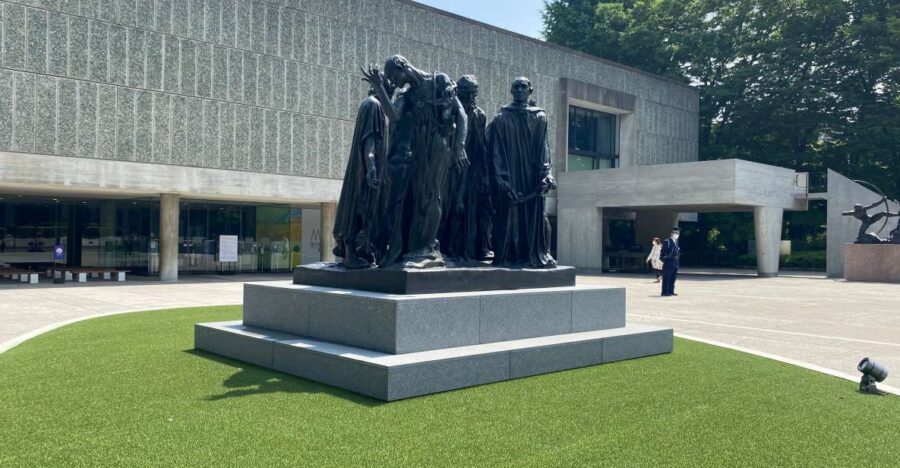
- Starts at the National Museum of Western Art (Le Corbusier design) in front of a UNESCO-listed modern masterwork.
- Kunio Maekawa’s Tokyo Bunka Kaikan is a direct mentor/apprentice story connected to Le Corbusier.
- International Library of Children’s Literature includes preservation work plus a new arch-shaped annex.
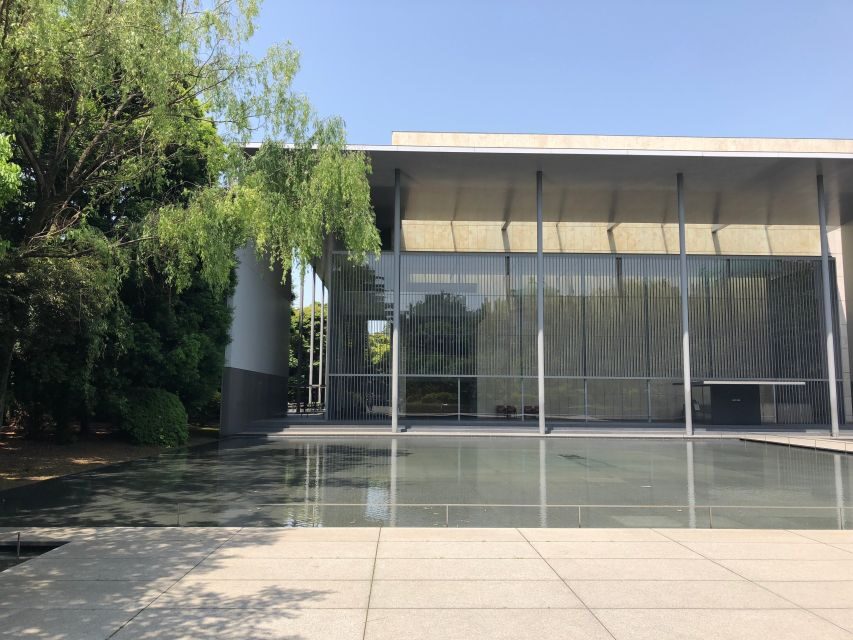
- Tokyo National Museum is the grand finale, with four named architectural works tied to eras from 1908 to 1999.
- You finish back at the meeting point and can continue exploring the museum collections on your own pace.
More private options with your own guide
- Tokyo 6hr Private Tour with Government-Licensed Guide★ 5.0 · 3,902 reviews
- Private Tour to Mt. Fuji and Hakone (Fully Licenced Operator)★ 5.0 · 1,910 reviews
- Tokyo Customized Private Tour (Must See Places in 1 Day)★ 5.0 · 1,499 reviews
Why Ueno Park is the fastest way to understand Tokyo’s architecture shifts
Ueno Park is often treated like a cluster of museums. This tour treats it like a timeline. You move through buildings that show how Japanese architecture absorbed outside influence, then developed its own language—without needing a classroom or a textbook.
You’ll learn to look at buildings as decisions: material choices, proportions, and how public space is shaped. That matters because Tokyo’s architecture is all around you, but it’s easy to see it as background. Here, you’ll train your eye to notice the details that usually go right past.
I also like that this isn’t positioned as a typical stop-and-snack walk. One of the highlights is the big contrast to the more familiar boutique-shopping zones in Tokyo. You’re here for architecture and culture first.
National Museum of Western Art: Le Corbusier in the spotlight
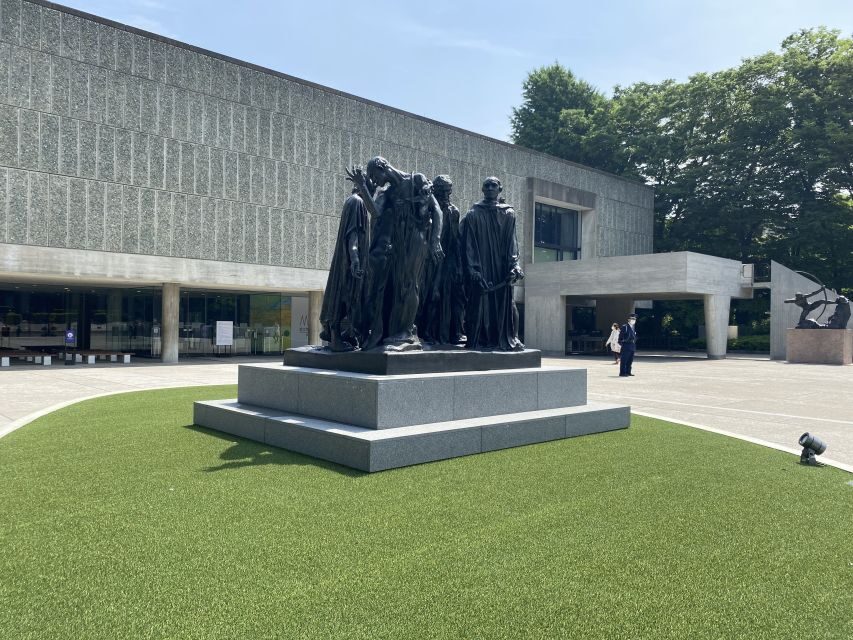
The tour meets in front of the National Museum of Western Art (Uenokōen 7-7, Taitō-ku). This is a strong opening move because the museum is designed by Le Corbusier, and it received UNESCO World Cultural Heritage status in 2016 for its modern architectural value.
From the start, you’re not just looking at a famous name—you’re learning how a specific modern style translates into a real public building. Your guide helps you notice features you’d otherwise miss, and it sets up the rest of the route. It’s the kind of first stop that changes how you see everything that follows.
One practical note: the tour data includes a specific closure window (23 Jan 2023 to 28 Feb 2023). During that time, you won’t visit inside the museum, but guidance is still provided outside. If your dates overlap with a closure period, expect the experience to shift toward exterior viewing and explanations.
Tokyo Bunka Kaikan: Kunio Maekawa’s respectful nod
Next up is Tokyo Bunka Kaikan, designed by Kunio Maekawa. The guide frames it in a mentor-apprentice context: Maekawa is described as one of Le Corbusier’s apprentices (with Tokyo Bunka Kaikan placed across from the Le Corbusier museum).
This stop is where the tour gets more interesting for anyone who cares about “influence” rather than just “style.” You can compare how one architect’s approach shows up again, but with a different emphasis and local expression. The point isn’t to rank buildings—it’s to understand the relationship between ideas and execution.
In a short time like this, it helps that the two major architectural anchors are close. Even if you’re not a lifelong architecture fan, the pairing makes the story easier to remember: Le Corbusier first, then the apprentice’s interpretation.
International Library of Children’s Literature and the lesson inside preservation
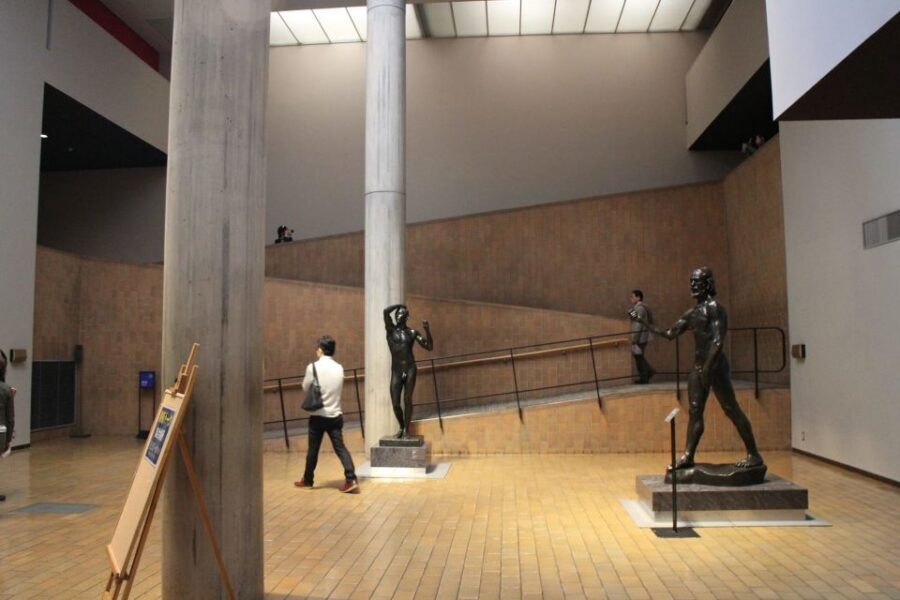
After the Le Corbusier and Maekawa connection, you’ll head to the International Library of Children’s Literature. This stop adds a different angle: not just architecture as a “finished monument,” but architecture as something that keeps changing responsibly over time.
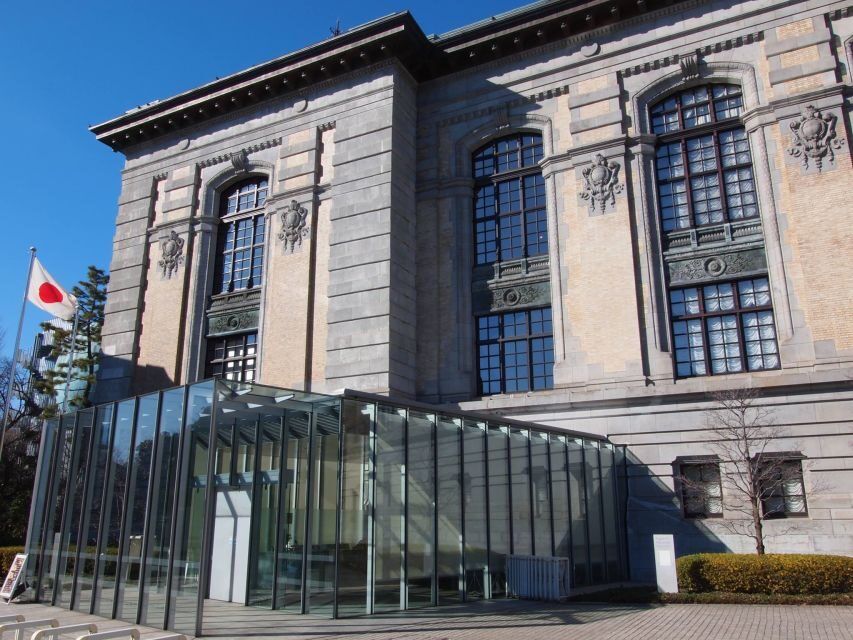
The tour focuses on preservation and renovation work you can observe as part of the library’s ongoing evolution. You’ll also see a new arch-shaped annex building, which adds a modern addition to the mix. That contrast is useful because it shows how institutions manage continuity—how they keep the soul of a place while updating what it needs today.
If you’re the kind of traveler who likes to understand how cities handle the present without erasing the past, you’ll probably enjoy this part a lot. It turns the route into a practical lesson on architectural stewardship, not just landmark sightseeing.





Tokyo National Museum’s four buildings from 1908 to 1999
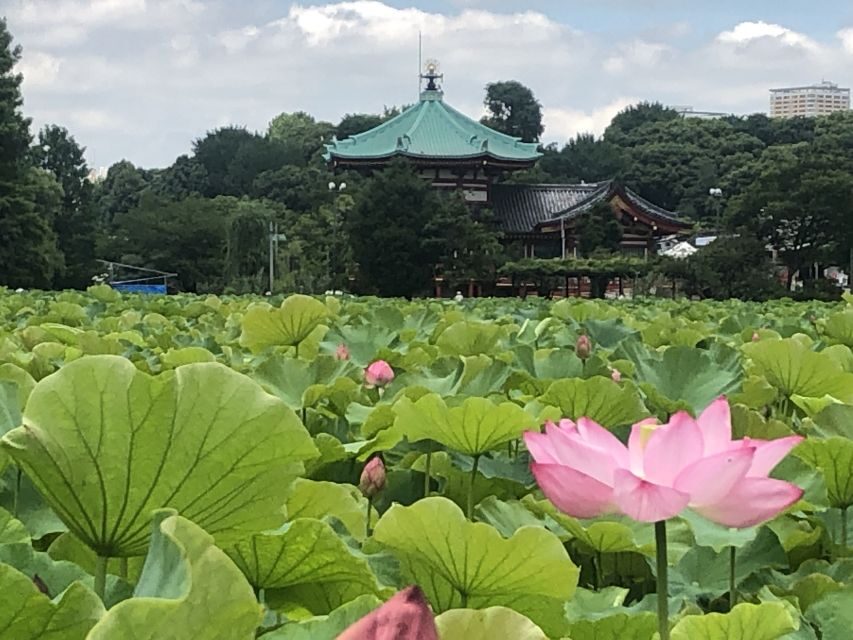
The finale is Tokyo National Museum, where the tour includes admission. Here, you’re not just entering a museum—you’re stepping into architectural layers that reflect different eras.
You’ll admire four specifically named architectural works:
- Hyokei-kan
- Hon-kan
- Toyo-kan
- Gallery of Horyuji Treasure
The tour data ties these buildings to historical backgrounds between 1908 and 1999, which gives you a sense of how long the museum complex has been evolving. I like this approach because it doesn’t treat the museum like one block. It’s more like a collection of architectural statements made at different moments.
Also, the route ends with you having time to explore collections at your own pace. That’s a smart design for a 3.5-hour experience: you get guided context first, then you can follow your own curiosity without feeling rushed.
If you only do one thing with the knowledge from this stop, do this: look at each building as a “period clue.” Even if you don’t memorize dates, you’ll start to notice how the museum’s architecture shifts alongside Japan’s broader modernization.
Getting the most from a 3.5-hour private pace (including night starts)
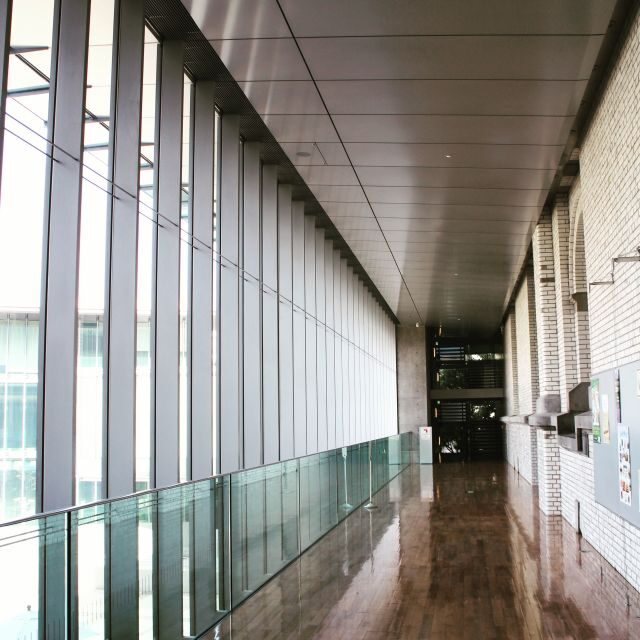
This is a private group tour, and that changes the feel. You get an English-speaking guide, plus live tour guide support in Japanese or English depending on your booking. In a small group (or solo within a private booking), you can ask follow-up questions instead of waiting for a big crowd to move.
The schedule is tight for a reason: the tour is built to cover multiple architectural highlights in about 3.5 hours. That’s why the “break time with drinks” included in the tour matters. It helps you reset so you don’t burn out halfway through the museum complex.
Now the light factor. One of the highlights says you can take the tour at night to appreciate masterpieces from different perspectives. Since starting times depend on availability, check the schedule when you book. If there’s a night option, it can make the same buildings feel less like “architecture you read about” and more like spaces you experience in real time.
For your own planning, I’d treat this as a “best way to get your bearings fast” tour. Wear comfortable shoes. Bring a camera if you like details. And if you’re the type who wants to linger, pick your priority stop in advance—Tokyo National Museum tends to be the longest-lasting brain-candy once you’re inside.
Should you book the Private Ueno Park Architecture Tour?
At $158 per person for about 3.5 hours, you’re paying for structure and expertise: admission to Tokyo National Museum is included, and the guide work is the real value driver. You also avoid the guesswork of figuring out which buildings to focus on and why. In other words, you’re paying to save time and to sharpen your eye.
This is a particularly good match if:
- you want to connect Le Corbusier and Kunio Maekawa to real buildings you can see in one area
- you like learning architecture as a story (mentor/apprentice, preservation, era-based evolution)
- you prefer a private, question-friendly pace over a large group tour
- you’re interested in modern Japanese architecture history without spending an entire day on it
The main reason you might not book is simple: the time is short. If you know you need hours and hours to go deep at one site, you might find the tour pace a little brisk. Still, you can handle that by using the guided portion as your roadmap, then doing a longer self-guided museum visit after.
If you’re curious about the human side, the reviews included in your provided details specifically mention a guide named Mari as warm, funny, and strongly passionate about Ueno’s architecture, with strong English and good answers to questions. That’s the kind of guide energy that makes a theory-heavy subject feel friendly.
FAQ
FAQ
Where does the tour start?
It starts in front of the National Museum of Western Art, Uenokōen 7-7, Taitō-ku, Tōkyō-to 110-0007, Japan.
What time and how long is the tour?
The duration is 3.5 hours, and starting times vary, so you’ll need to check availability.
Is this a private tour?
Yes, it’s listed as a private group tour.
What languages are available?
The live tour guide is Japanese and English, and the tour includes an English-speaking guide.
Which attractions will we see?
You’ll visit the National Museum of Western Art (Le Corbusier), Tokyo Bunka Kaikan (Kunio Maekawa), the International Library of Children’s Literature, and Tokyo National Museum.
Is the Tokyo National Museum admission included?
Yes. The tour includes the admission fee to the Tokyo National Museum.
Do I need hotel pickup and drop-off?
No. Hotel pickup and drop-off are not included.
Can I tour the National Museum of Western Art if it’s closed?
If your dates fall in 23 Jan 2023 to 28 Feb 2023, the museum will be closed and you won’t go inside, but guidance will be provided outside.
Is there a night option for the tour?
The highlights mention taking the tour at night to see the masterpieces from different perspectives, depending on starting times shown during booking.
Can I cancel or pay later?
You can cancel up to 24 hours in advance for a full refund, and there’s also reserve now & pay later so you pay nothing today.
Just Your Group: Private Options


More Tours in Tokyo

More Tour Reviews in Tokyo



Fresh reviews from around Tokyo






Private, compared.
 ★ 5.0Tokyo 6hr Private Tour with Government-Licensed GuideFrom $1553,902 reviews
 ★ 5.0Private Tour to Mt. Fuji and Hakone (Fully Licenced Operator)From $4971,910 reviews
 ★ 5.0Tokyo Customized Private Tour (Must See Places in 1 Day)From $1451,499 reviews
 ★ 4.9Mount Fuji Full-Day Private Tour from Tokyo (Customizable)From $3931,470 reviews
 ★ 4.8Private City Highlights Tour with Local GuideFrom $1061,433 reviews
 ★ 5.0Private Custom Tour: Tokyo in a DayFrom $1591,432 reviews
 ★ 5.0Tokyo 4hr Private Tour with Government-Licensed GuideFrom $1091,394 reviews
 ★ 5.0Tokyo Customized Private Tour: See Top Attractions in 1 DayFrom $1451,351 reviews