
Reviewed · KAMAKURA DAY TRIPS
Private Kimono photo shooting tour in ancient city Kamakura
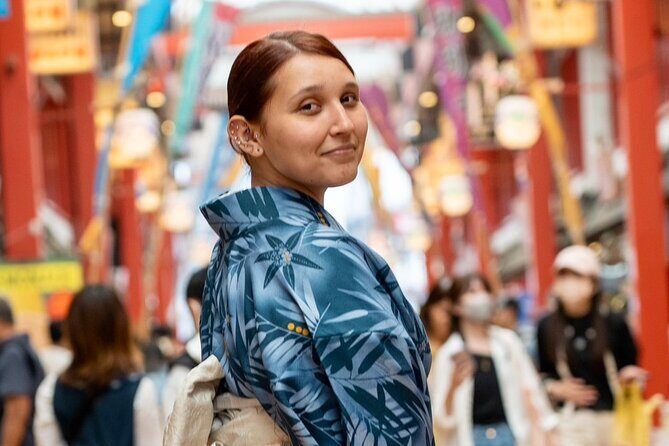
Kamakura looks better in a kimono. This private photo tour pairs the look of traditional Japanese clothing with photo backdrops that feel easy to work with. I love starting at the quieter Daigyoji Temple so you can pose without feeling rushed, and I love that you can end up with up to 30 edited photos. One key consideration: kimono rental costs 3,800 yen if you want to rent, so budget for that if you’re going all-in.
You’ll walk a simple route from near Kamakura Station toward famous spots like Tsurugaoka Hachimangu, then move through Jufukuji and finish on Komachi Street. The tour is private, so your photographer can adjust pacing and even customize where you go, instead of forcing one pace for everyone.
Plan on about 2 to 3 hours total, including changing time. Bring a little patience for weather too: the experience requires good weather, and if it’s canceled for poor conditions you’ll be offered another date or a refund.
In This Review
- Key highlights you’ll feel on the day
- Kamakura in kimono: calm temples, big photo payoff
- From Daigyoji to Komachi Street: your route through Kamakura’s landmarks
- Daigyoji Temple: a quiet warm-up near the station
- Myohonji Temple: Nichiren roots and seasonal views
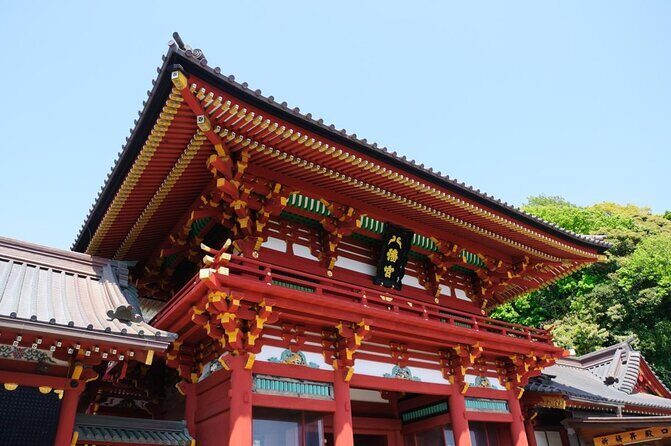
- Tsurugaoka Hachimangu Shrine: the postcard approach and the pond break
- Jufukuji Temple: a tranquil lane for quieter, softer shots
- Komachi Street: souvenirs, snacks, and everyday Kamakura charm
- Choosing kimono styles (and when to go non-kimono)
- Meet your photographer: Shuhei-style posing and photo results
- Price and value: what $85.20 really buys you
- Timing, comfort, and who should book this
- Should you book this private Kimono photo tour in Kamakura?
- FAQ
- Where is the meeting point?
- How long is the private kimono photo tour?
- What is included in the $85.20 per person price?
- Is kimono rental included?
- Can I do the tour without renting a kimono?
- How many edited photos will I receive?
- Is the tour private?
- What if the weather is bad or I cancel?
Key highlights you’ll feel on the day
- Calm opening at Daigyoji Temple: a quiet start that makes posing feel natural
- Professional photo guidance: clear suggestions for angles and poses so you don’t have to guess
- Up to 30 edited photos: you choose what you want edited, with a clear cap
- Historic temple variety: Nichiren-era wooden structures, shrine gates, and tree-lined lanes
- Flexible route options: you can customize where you go during the tour window
- Comfort extras included: bottled water and WiFi on board
Kamakura in kimono: calm temples, big photo payoff
Kamakura is a rare mix: coastal-town energy outside, temple quiet inside. Putting on a kimono here doesn’t feel like a costume moment. It feels like a way to slow down and look at the city in a more respectful, framed way—especially when you’re standing in front of old gates, wooden halls, and shaded pathways.
Two things make this tour work well for real life. First, the route is designed for photos, not just sightseeing. You begin at Daigyoji Temple, a small site near Kamakura Station that stays comparatively calm. That matters because most people freeze when they arrive at a famous spot already thinking about crowds.
Second, the photo side is handled by a professional photographer. In practice, that means you’re not just handed a camera and told to do your best. You’ll get direction on how to stand, where to look, and how to move so the kimono drape and architecture match nicely in the final images. One name you’ll hear tied to this experience is Shuhei, known for being friendly and for making you comfortable while taking photos in different places.
The one trade-off is the kimono decision. The tour supports choosing kimono styles, but rental is an extra cost (3,800 yen). There’s also a non-kimono option, so you can still do the photo tour without adding the rental budget.
From Daigyoji to Komachi Street: your route through Kamakura’s landmarks
This isn’t a “rush from one photo spot to the next” kind of tour. It’s a logical flow: start quietly, then move into bigger landmarks, then end in the everyday Kamakura zone where you can keep the vibe casual.
Daigyoji Temple: a quiet warm-up near the station
You’ll kick off at Daigyoji Temple, about a short stop time (around 5 minutes) and free admission. It sits close to Kamakura Station, which makes it a practical starting point if you’re timing trains or meeting early.
Why it’s a smart first stop: you get momentum before you hit the larger, more famous areas. If you’ve never posed for photos in a kimono, you can treat this like a warm-up. The calm setting helps you settle into the fabric and posture without feeling like everyone is waiting behind you.
Possible drawback: because it’s near a station area, you may still hear normal city sounds. It’s not a secluded garden; it’s more like a small, peaceful temple pocket.
Myohonji Temple: Nichiren roots and seasonal views
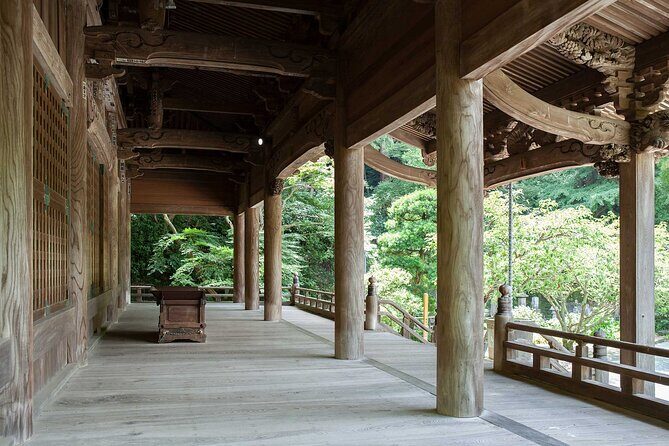
Next is Myohonji Temple (about 20 minutes), also free to enter. This temple is tied to the Nichiren Buddhism tradition and dates back to around 1260. The big appeal here is the blend of historic architecture and nature-driven beauty.
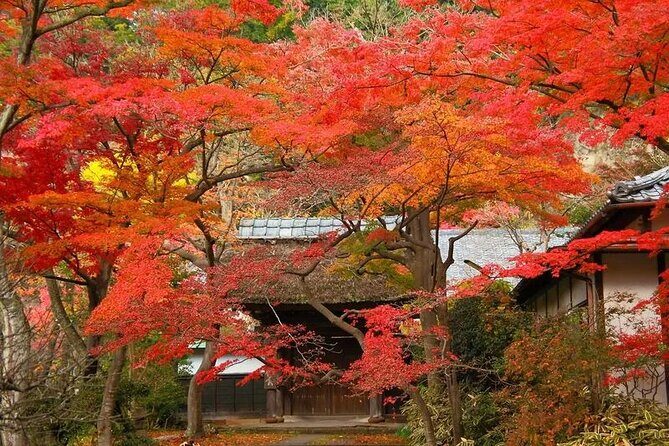
If you hit spring or autumn, you’ll be in a great spot for seasonal scenery. Myohonji is known for experiences like cherry blossoms in spring and autumn leaves later on. Even without those peak seasons, the old wooden structures give you that classic Kamakura look that photographs well.
Possible drawback: like many temple sites, it can be busy at certain times. The tour design helps by choosing time windows and moving at a comfortable pace, but you should still expect normal visitor activity.
Tsurugaoka Hachimangu Shrine: the postcard approach and the pond break
Then you’ll head to Tsurugaoka Hachimangu Shrine (about 25 minutes), one of Kamakura’s main landmarks. It’s a Shinto shrine founded in the 12th century by Minamoto no Yoritomo, dedicated to Hachiman, the god of war and divine protector of the Minamoto clan.
What you’re aiming for here is the full visual sequence:
- the impressive entrance gate
- a long approach lined with cherry trees
- a large pond where you can pause
Photo-wise, the approach is great because you can use the depth of the walkway to create more dynamic shots than a single flat frame. You’ll also have a chance to stop and reset at the pond-side bench, which is handy if you want a breather or your kimono feels warm.
Possible drawback: because it’s famous, you should expect more foot traffic than at the first two stops. The trick is moving with your photographer’s plan and letting the direction help you “own” the frame even in active areas.
Jufukuji Temple: a tranquil lane for quieter, softer shots
After the shrine, you’ll visit Jufukuji Temple (about 10 minutes), free admission. This is one of those places that makes your photos look more peaceful, even if the day is busy.
Jufukuji was established in 1200 by Hojo Masako, the wife of Minamoto no Yoritomo. The standout feature is the road leading toward the main temple, lined with trees, plus the tranquil atmosphere around the area. There’s also a small local shrine nearby, so you get an extra layer of detail in the background without needing a major detour.
Possible drawback: the stop is short. That’s not a bad thing if you’re focused on photos, but if you love lingering in gardens, you’ll want to add extra time on your own after the tour.
Komachi Street: souvenirs, snacks, and everyday Kamakura charm
The final zone is Komachi Street, the lively shopping street in the heart of Kamakura. It’s named after Ono no Komachi, a poetess from the Heian period (784–1184). Think boutiques, souvenir shops, and cafes, with plenty of snack breaks if you want them.
For photos, this part shifts the mood. You’ll move from temple and shrine formality into a more everyday street style. It’s a good time to grab casual shots and, yes, buy something small to bring home.
Possible drawback: it’s more commercial than the temples. If you want only quiet backgrounds, you might feel it as a contrast. But the mix is useful: it shows multiple sides of Kamakura in one photo set.
Choosing kimono styles (and when to go non-kimono)
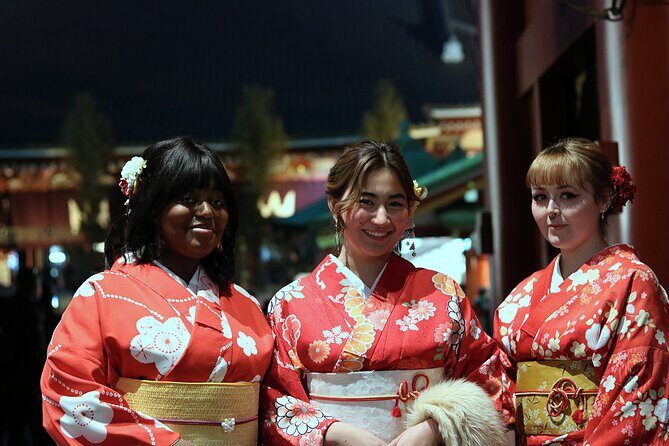
The tour gives you options, and that flexibility is genuinely useful. You can choose from various kimono styles, and there’s also a non-kimono option. That means you don’t have to treat kimono rental as the only way to enjoy the day.
Here’s how I’d decide:
- If you want the full traditional experience and you’re okay paying the 3,800 yen rental, kimono is worth it. It adds visual character to every stop, especially temple gate scenes and tree-lined approaches.
- If you’re traveling with limited time for clothing changes or you’d rather keep things simple, the non-kimono option lets you still get a professionally shot day through the same Kamakura route.
Either way, the goal stays the same: you should feel comfortable enough to follow the photographer’s pose suggestions. Kimono can be second-nature to some people and tricky for others. Having guidance makes the difference between stiff photos and natural-looking ones.
Meet your photographer: Shuhei-style posing and photo results
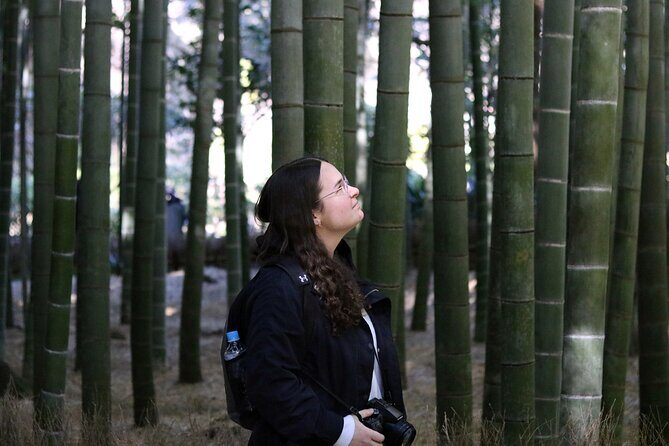
This kind of photo tour lives or dies on the person with the camera. Here, the photographer is described as experienced and supportive—especially when you don’t know how to pose.
In practical terms, you’ll get help like:
- suggestions for different poses
- direction for where to stand and how to angle your body
- reassurance to help you stay comfortable while photos happen
That last part matters more than it sounds. When you’re not worried about what to do next, you actually move more naturally. And natural movement shows up in photos—especially in longer approaches and shaded lanes where the background depth matters.
After the shoot, you receive edited images with a maximum of 30 photos. The experience also indicates you can receive the photos you want, then edit up to 30. So plan to think about your favorites as the day goes on, and don’t be shy about choosing images that show you smiling in a setting you really care about.
If you’re hoping for a mix—full-body shots in front of shrines, close portraits with wooden structures, and casual street frames—this tour’s route is built to support that.
Price and value: what $85.20 really buys you
At $85.20 per person, this isn’t a “just walk around and take photos” deal. You’re paying for a private guided photo session plus the included photo editing output.
What’s included:
- bottled water
- 30 edited photos (max)
- WiFi on board
What’s not included:
- kimono rental at 3,800 yen (if you rent)
So the value question becomes: is the professional guidance and photo editing worth the total you’ll spend?
For most people, it is—especially if you want photos that look intentional, not random. The private format also helps. You’re not competing for a spot in someone else’s minute-by-minute schedule. And because the route starts with quieter locations, you can get better shots earlier while you’re still feeling fresh.
If you choose the non-kimono option, you can keep the costs closer to the base price. If you rent kimono, your final budget becomes higher, but the visual payoff across the temples and shrine entrances is usually why people book this in the first place.
Timing, comfort, and who should book this
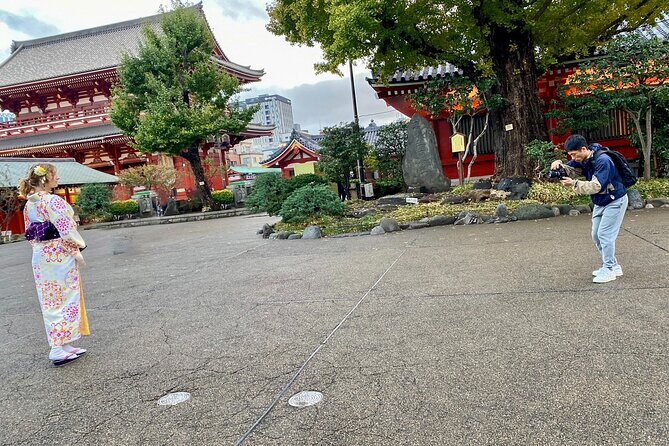
This is best when you want a photo set that tells a story through specific Kamakura atmospheres: quiet temple calm, a major shrine landmark, a tree-lined tranquil lane, and the everyday street finale on Komachi Street.
It also fits well if:
- you like the idea of wearing traditional clothing without having to plan the whole styling and photography workflow
- you want help with posing so you don’t spend the day thinking about your hands
- you prefer a private group pace instead of being squeezed into a mass schedule
A few practical reminders so you get the most out of it:
- Wear shoes you can walk in comfortably. Even with short stops, you’ll cover ground.
- If you’re getting kimono, plan to take your time for changing. The tour time estimate already includes changing.
- Weather matters. The experience requires good weather, and you should choose a date when conditions are likely to cooperate.
Should you book this private Kimono photo tour in Kamakura?
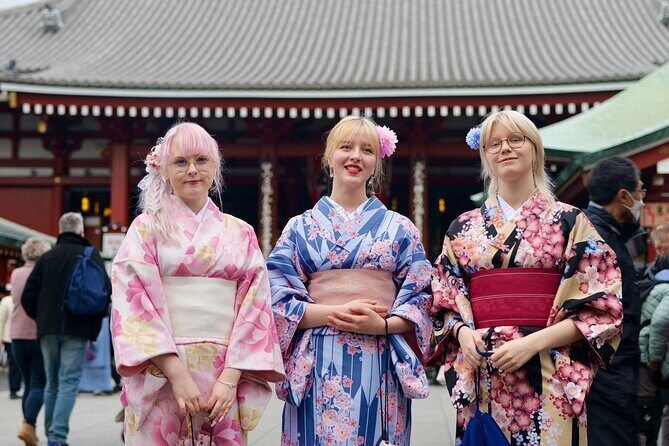
If you want a day that looks great in photos and feels smoother than DIY temple-hopping with a camera, I’d book it. The strongest reason is the combination of quiet start spots plus professional posing guidance, which helps you get better images without stress. The route is also well-balanced: historic temple calm, a flagship shrine moment, then the everyday vibe of Komachi Street.
I’d only hesitate if you dislike the idea of extra costs for kimono rental, since 3,800 yen isn’t included. In that case, choose the non-kimono option and still get the same photo-style day through Kamakura’s most photogenic zones.
FAQ
Where is the meeting point?
You’ll meet at Kamakura City Tourist Information Center, 1-chōme-1-1 Komachi, Kamakura, Kanagawa 248-0006, Japan. The activity ends back at this same meeting point.
How long is the private kimono photo tour?
It runs about 2 to 3 hours, and that total includes travel time and changing time.
What is included in the $85.20 per person price?
The price includes bottled water, WiFi on board, and up to 30 edited photos.
Is kimono rental included?
No. Rental kimono costs 3,800 yen.
Can I do the tour without renting a kimono?
Yes. A non-kimono option is available.
How many edited photos will I receive?
You can receive the photos you want, with edited photos capped at a maximum of 30.
Is the tour private?
Yes. It’s a private tour, so only your group participates.
What if the weather is bad or I cancel?
The experience requires good weather. If it’s canceled due to poor weather, you’ll be offered a different date or a full refund. You can cancel up to 24 hours in advance for a full refund.
More Tours in Kamakura
More Tour Reviews in Kamakura
More Days by the Great Buddha
Kamakura Day Trips, compared.
 ★ 4.5Kamakura & Enoshima Day Trip including Temple TicketsFrom $581,375 reviews
 ★ 4.5From Tokyo: Kamakura & Enoshima 1-Day Bus TourFrom $66189 reviews
 ★ 5.0Kamakura Historical Walking Tour with the Great BuddhaFrom $98129 reviews
Kamakura Private Tour: Temples, Nature, and the Great BuddhaFrom $98121 reviews
Kamakura Walking Tour – The City of ShogunFrom $35100 reviews
★ 5.0Kamakura Historical Walking Tour with the Great BuddhaFrom $98129 reviews
Kamakura Private Tour: Temples, Nature, and the Great BuddhaFrom $98121 reviews
Kamakura Walking Tour – The City of ShogunFrom $35100 reviews
 ★ 5.0Kamakura 8 hr Private Walking Tour with Licensed Guide from TokyoFrom $20180 reviews
 ★ 4.1Kamakura & Enoshima Day Tour with Pickup & Train RideFrom $1361 reviews
 ★ 4.8Kamakura: Private Guided Walking Tour with Local GuideFrom $10660 reviews
Browse the lists this tour appears in