
Reviewed · PRIVATE
Private Ginza Architecture Tour
Tokyo architecture with real contrast. That’s what this private Ginza Architecture Tour delivers: a tight, smart walk through big-name design, plus lesser-known streets that show a more local Tokyo rhythm. I love the way the route stitches together eras, from a temple that feels like it has two identities to Ginza’s polished modern landmarks.
Two things I like a lot: first, you get explained stops, not just selfies—so the Japanese Metabolism movement isn’t a vague label. Second, you’re not only dealing with glass-and-steel modernism; you also see well-balanced works that lean traditional and modern at the same time.
One consideration: this is a walking tour (210 minutes), and meals aren’t included, so plan snacks/water timing and wear shoes you trust.
In This Review
- Key highlights you’ll feel right away
- Why Ginza Architecture Feels Like a Time Machine
- Entering Tsukiji Hongwan-ji: Where Exterior and Interior Don’t Match
- Kabuki Theater (2013): Continuity You Can Notice on Foot
- Nicolas G. Hayek Center and the Metabolism Mindset
- Ginza’s Designer Streets: Maison Hermes, Tokyu Plaza Ginza, Mikimoto Ginza 2
- The Okuno Building: A Quiet Stop That Helps the Whole Picture Click
- Finishing at Ginza 4-chome and the Wako Building
- The Secret Side Trip: Backstreet Ginza With Different Energy
- How the 210-Minute Pace Works (and Why the Drinks Break Helps)
- Price and Value: Is $129 Worth It?
- Who This Tour Fits Best
- Should You Book This Private Ginza Architecture Tour?
- FAQ
- How long is the Private Ginza Architecture Tour?
- Where is the meeting point for the tour?
- Is the tour private, and is it in English?
- What’s included in the price?
- What’s not included?
- What is the cancellation policy?
- How much does it cost, and can I pay later?
Key highlights you’ll feel right away
- Tsukiji Hongwan-ji as the odd-but-brilliant start: Indian-style exterior, church-like interior
- Kabuki theater (2013) where you can read continuity with the past
- Japanese Metabolism ideas made concrete through standout Ginza-era architecture
- Big brand landmarks plus design details you can actually spot on the street
- A secret backstreet side trip that softens Ginza’s main drag
- Private, English-speaking guide with a planned drinks break to reset your feet
More private options with your own guide
- Tokyo 6hr Private Tour with Government-Licensed Guide★ 5.0 · 3,902 reviews
- Private Tour to Mt. Fuji and Hakone (Fully Licenced Operator)★ 5.0 · 1,910 reviews
- Tokyo Customized Private Tour (Must See Places in 1 Day)★ 5.0 · 1,499 reviews
Why Ginza Architecture Feels Like a Time Machine
Ginza can look like one long showroom. This tour flips that idea. You still see the famous buildings and signatures, but the point is how they reflect planning ideas, cultural continuity, and what architects tried to solve as Tokyo changed.
A good architecture walk should teach you how to look. Here, you’re guided through architecture that ranges from the traditional to the modern, with specific emphasis on the Metabolism movement—the 1960s to 70s push for flexible, future-minded urban design. You’ll leave with more than a list of names. You’ll have a sense of why these places look the way they do.
Entering Tsukiji Hongwan-ji: Where Exterior and Interior Don’t Match
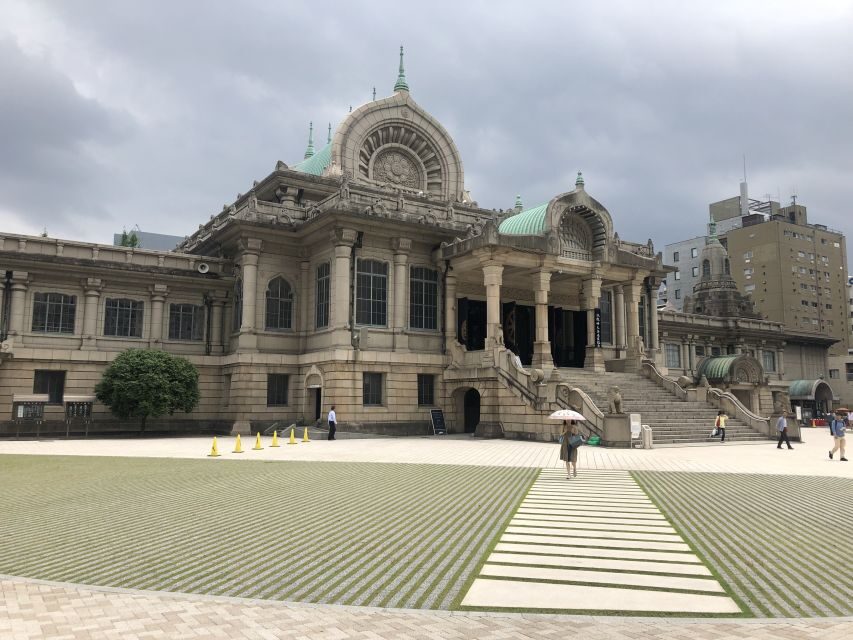
You start at Tsukiji Hongwan-ji temple, right by the main gate. Getting there is simple: take Tokyo Metro Hibiya Line to Tsukiji Station, Exit 1, turn left, and walk straight for under a minute.
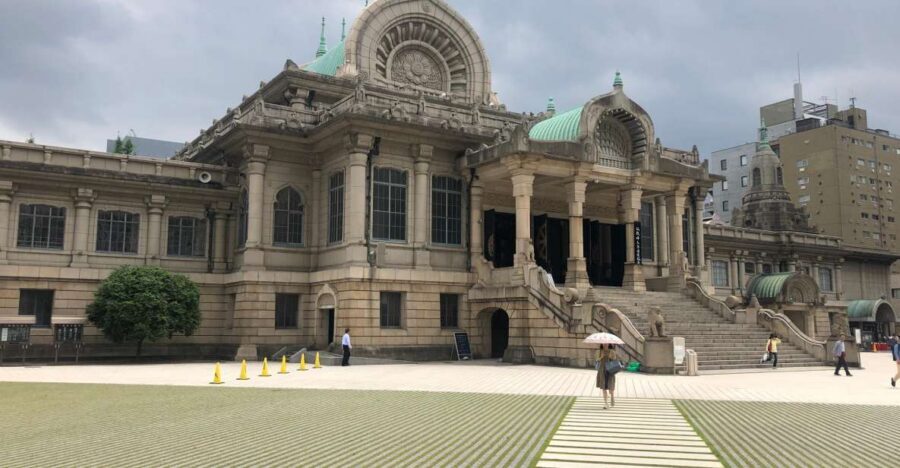
What makes the first stop special is the contrast. The building’s Indian-style exterior reads one way, but the interior feels European-church-like. That kind of cross-cultural visual shift is exactly what I want from an architecture tour—your eyes wake up fast, because the space is doing something unusual.
Use this moment to set your “architecture lens.” Instead of asking only what a building looks like, pay attention to how the interior space is shaped for people—light, movement, and atmosphere—then compare that to how the outside image sets expectations.
Kabuki Theater (2013): Continuity You Can Notice on Foot
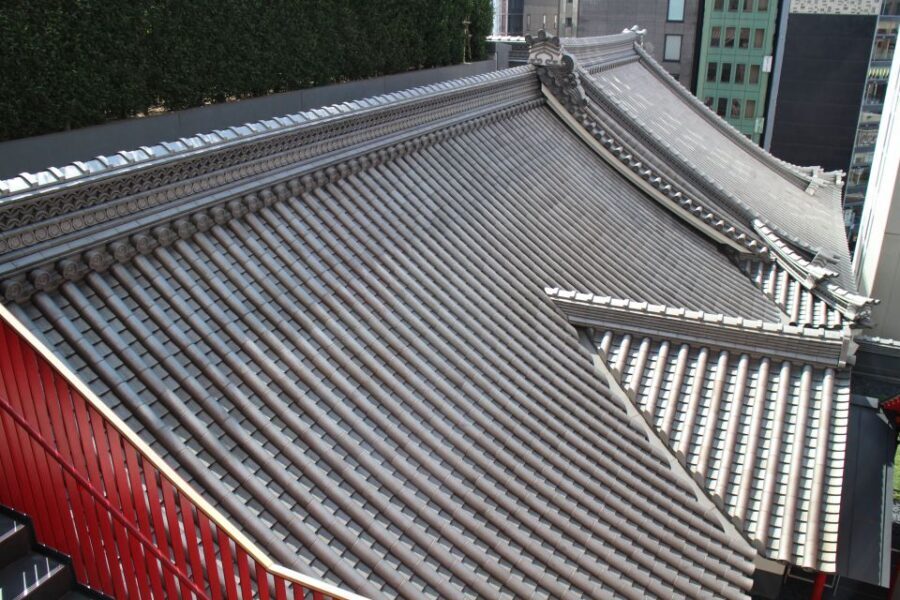
Next up is the newly built Kabuki theater (2013). The key idea here isn’t that it’s modern. It’s that it was built with inheritance in mind—its traditional style connects back to earlier generations.
When you stand near a major cultural building like this, you can often see two layers:
- the practical layer (auditorium, flow, performance needs)
- the symbolic layer (how it represents continuity to the city)
Even if you don’t study architecture formally, you’ll pick up the logic when you’re guided. That’s also why this kind of stop works well early in the tour: it trains your brain to notice meaning, not just materials.
Nicolas G. Hayek Center and the Metabolism Mindset
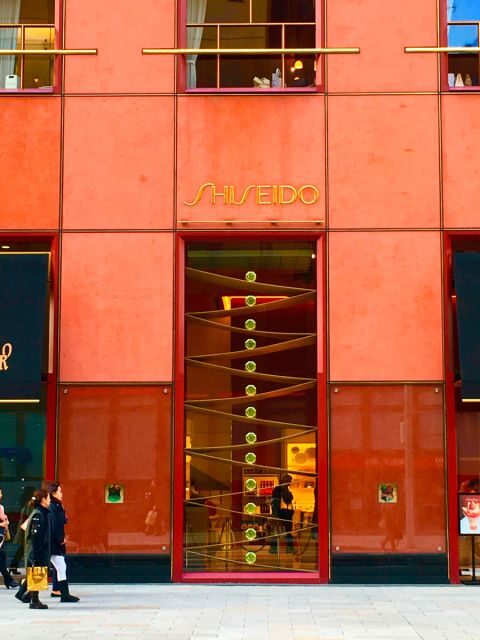
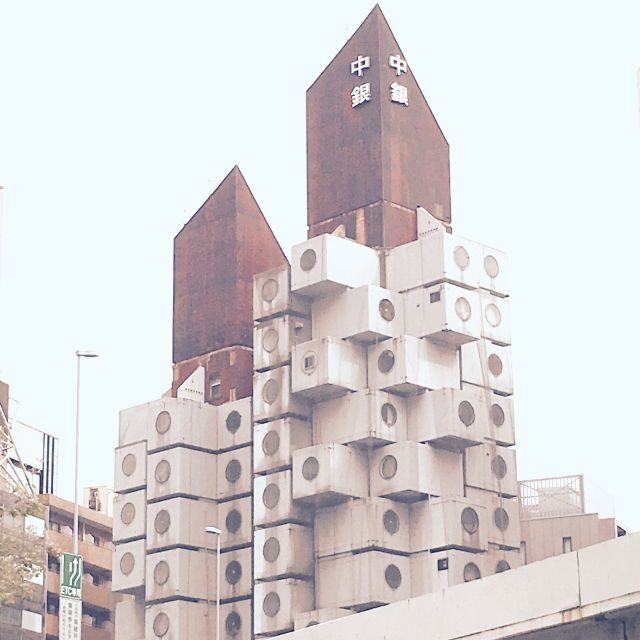
The tour then moves toward the Nicolas G. Hayek Center—and this is where the Japanese Metabolism movement stops feeling like a textbook term. Metabolism was about imagining cities that could adapt, grow, and refresh over time rather than staying fixed.
Metabolism can sound abstract. In practice, you’ll want to watch for how the building reads: does it feel modular? Does it suggest a system rather than a single finished object? Does it communicate a future-oriented attitude through form?
The payoff is that you start recognizing architecture as an argument. You’re not just touring buildings; you’re meeting ideas the city attempted to build into steel, concrete, and design.





Ginza’s Designer Streets: Maison Hermes, Tokyu Plaza Ginza, Mikimoto Ginza 2
Then the tour hits the famous shopping-and-design belt: Maison Hermes, Tokyu Plaza Ginza, and Mikimoto Ginza 2. Yes, these are high-end stops. But they’re also useful for architecture viewing because Ginza brands don’t rely only on the product. They rely on the building as the message.
Here’s how I’d look at these places during the walk:
- How does the facade organize attention at street level?
- What materials and finishes are used to control mood?
- How does the entrance handle crowds and flow?
Even if you’re not a luxury shopper, you can still appreciate the design choices. And because the tour keeps moving, you’ll start seeing patterns—how different developers handle the same problem: making a private business feel like part of public Tokyo.
The Okuno Building: A Quiet Stop That Helps the Whole Picture Click
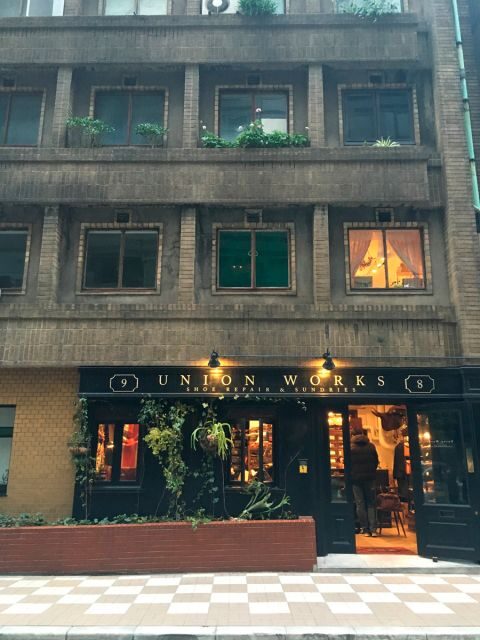
The Okuno Building is one of those stops that’s easy to underestimate if you’re only chasing big-name landmarks. But it matters because it helps connect earlier ideas to the Ginza you’re walking through now.
When a tour includes stops like this, it’s doing something smart: it prevents the route from turning into a highlight reel. You get a more balanced understanding of how architects and developers shaped the area with different priorities—sometimes statement-making, sometimes controlled and understated.
If you like architecture that doesn’t shout, this is a good moment to slow down for a minute and really read the building’s lines.
Finishing at Ginza 4-chome and the Wako Building
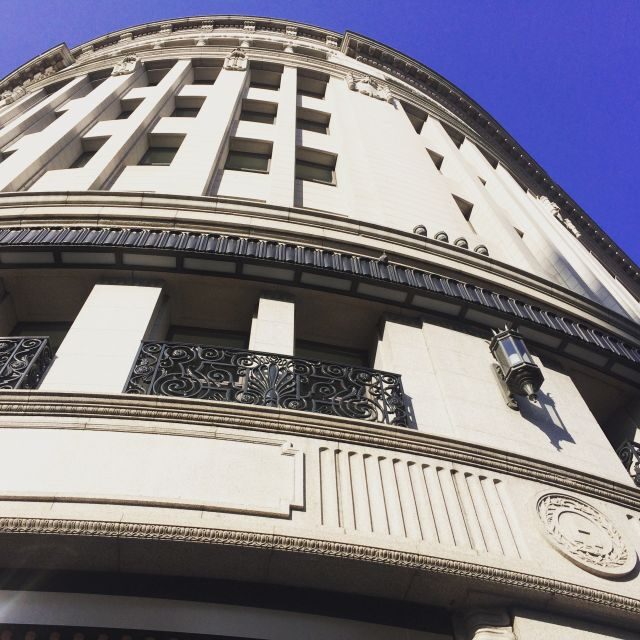
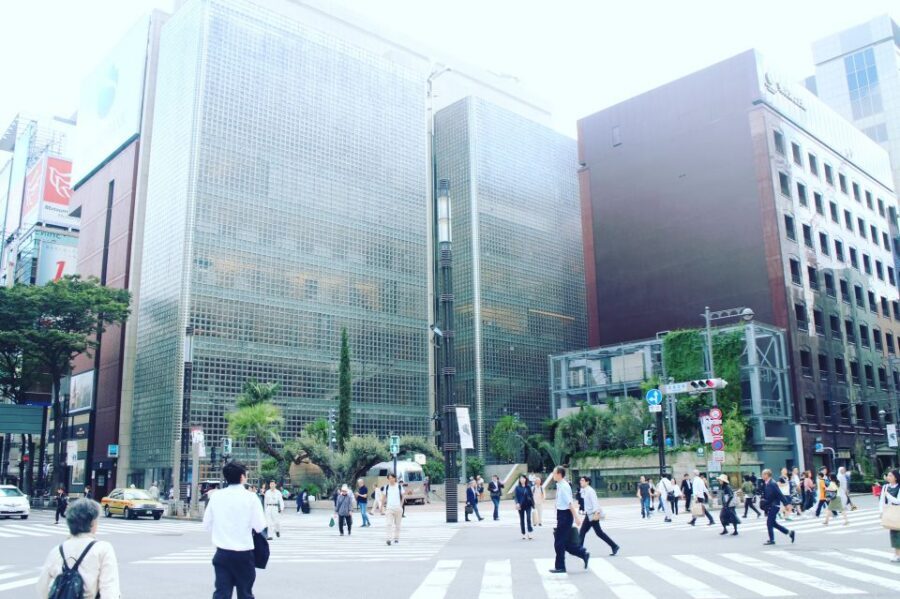
The route ends at the intersection of Ginza 4-chome, where you’ll see the Wako (SEIKO watch) building. This is a perfect ending point because it’s the kind of landmark Tokyo uses to mark time—both literally and culturally.
Ending at a major intersection does two things:
- It gives you a wide context view at the end of your walking loop
- It helps you connect what you saw earlier to the street’s larger urban design
Take a moment here and compare the feeling of Ginza at different scales: the big icon buildings, the mid-size commercial structures, and the street-level human experience you’ve been walking through.
The Secret Side Trip: Backstreet Ginza With Different Energy
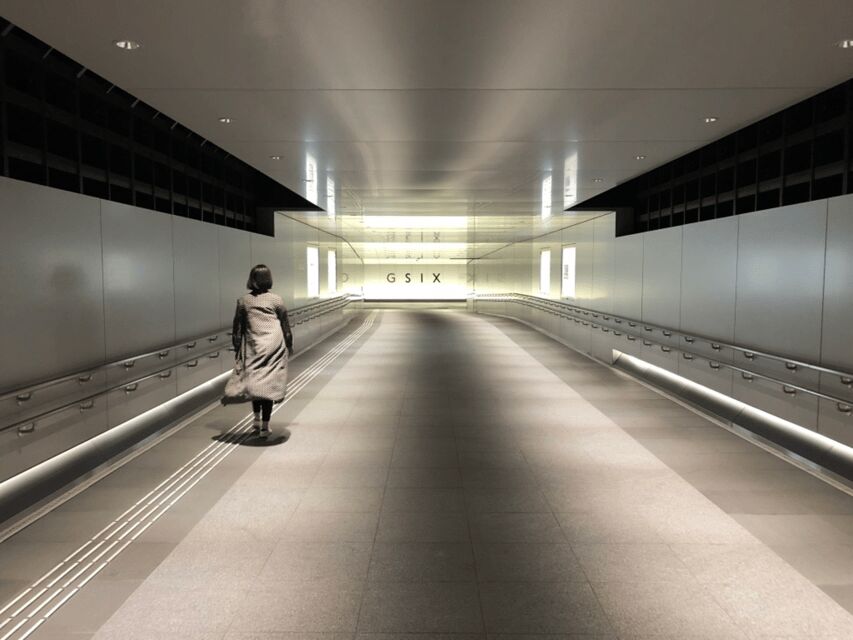
You’ll also get a secret side trip into a backstreet neighborhood. The goal is simple: appreciate the different aspects of the area beyond the main showroom streets.
This kind of detour is valuable because architecture isn’t only what’s officially iconic. Side streets show you the city’s texture—smaller-scale constraints, older rhythms, and how people actually use space.
Even if you can’t name every detail, you can still feel the shift. Main Ginza can teach you design language. Side streets teach you how life edits that language in real time.
How the 210-Minute Pace Works (and Why the Drinks Break Helps)
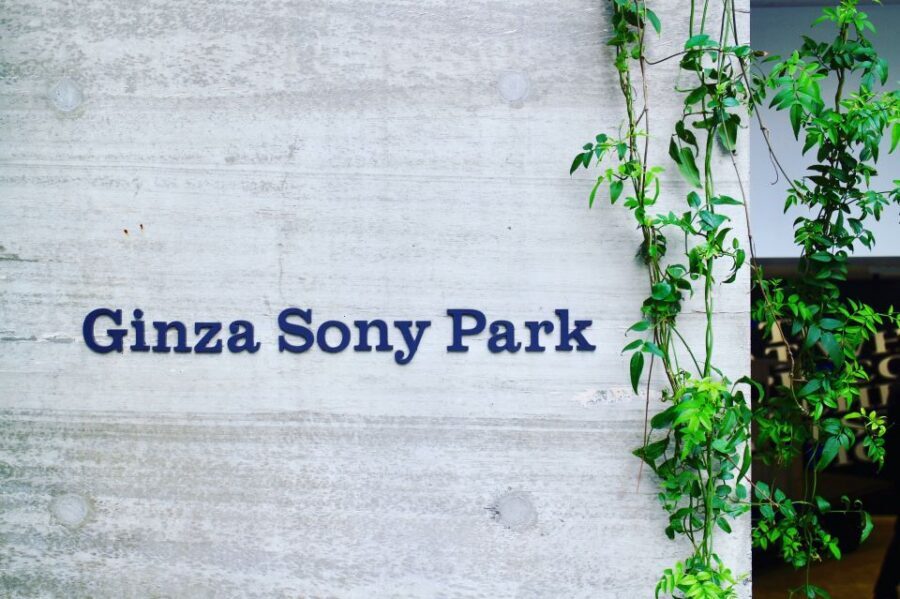
This tour runs 210 minutes (about 3.5 hours). That’s a sweet spot: long enough to take in multiple major stops, short enough that you don’t feel like you’re trudging all afternoon.
It’s also a private group, which changes the experience in a practical way. It’s easier to ask questions when you’re not fighting for attention in a crowd. And because it’s guided, you’re less likely to miss the architectural points that make each building worth your time.
There’s a break time with drinks included. That matters more than it sounds, especially in Tokyo where walking can stack up quickly. Use the break to reset, hydrate, and get your second wind before the later iconic stops.
Tip for your comfort: plan light layers. Even when it’s cool outside, you’ll be walking and thinking hard.
Price and Value: Is $129 Worth It?
At $129 per person for a private, 210-minute guided walk, the value depends on how you like to travel.
This price makes sense if you fall into one of these buckets:
- You want your architecture viewing explained clearly in English, not left to guesswork.
- You care about concept-level framing like the Metabolism movement, not just building photos.
- You’d rather pay for a good guide than spend extra time self-routing between scattered sites.
You should also factor what’s not included: meals and transportation to/from the Ginza area aren’t part of the price. If you’re coming from somewhere else, build that into your day budget. Still, the core experience is well defined: guide, walking time, and that included drinks break.
For me, the best value signal is the mix: temple to modern icons, plus a backstreet detour. That’s not a one-note architecture tour.
Who This Tour Fits Best
This is a strong fit if you:
- like architecture that includes ideas (not only aesthetics)
- want a walking tour with a planned route and context
- enjoy Ginza but want more than shopping storefronts
It may be less ideal if you:
- hate walking for 3.5 hours
- need a lot of seated time throughout the tour
- expect meals to be included (they aren’t)
If you’re a first-time architecture watcher in Tokyo, this route also helps because it teaches you what to notice in a compact area without overwhelming you with too many stops.
Should You Book This Private Ginza Architecture Tour?
If you want a smart, guided architecture walk through Ginza that connects traditional-to-modern and ties buildings to big urban ideas, I’d book it. The opening at Tsukiji Hongwan-ji sets a high bar with that unusual exterior/interior mismatch, and the rest of the route keeps the viewing focused with a Metabolism lens plus recognizable Ginza landmarks like the Wako (SEIKO watch) building.
Choose this tour when you want your time in Ginza to feel intentional. You’re paying for someone to guide your eye—and for a private pace that makes asking questions feel easy. Just go in with good shoes, a light plan for food, and the mindset that you’re there to learn how to look.
FAQ
How long is the Private Ginza Architecture Tour?
The tour lasts 210 minutes.
Where is the meeting point for the tour?
Meet in front of the main gate of Tsukiji Hongwan-ji temple. You can use Tsukiji Station (Tokyo Metro Hibiya line), Exit 1, turn left, and walk straight for less than a minute.
Is the tour private, and is it in English?
Yes. It’s a private group tour with a live guide in English.
What’s included in the price?
Included are the guide, the walking tour, and a break time with drinks.
What’s not included?
Meals are not included, and transportation fees to/from the Ginza area are not included.
What is the cancellation policy?
Free cancellation is available up to 24 hours in advance for a full refund.
How much does it cost, and can I pay later?
It costs $129 per person, and you can reserve now and pay later.
Just Your Group: Private Options


More Tours in Tokyo

More Tour Reviews in Tokyo



Fresh reviews from around Tokyo






Private, compared.
 ★ 5.0Tokyo 6hr Private Tour with Government-Licensed GuideFrom $1553,902 reviews
 ★ 5.0Private Tour to Mt. Fuji and Hakone (Fully Licenced Operator)From $4971,910 reviews
 ★ 5.0Tokyo Customized Private Tour (Must See Places in 1 Day)From $1451,499 reviews
 ★ 4.9Mount Fuji Full-Day Private Tour from Tokyo (Customizable)From $3931,470 reviews
 ★ 4.8Private City Highlights Tour with Local GuideFrom $1061,433 reviews
 ★ 5.0Private Custom Tour: Tokyo in a DayFrom $1591,432 reviews
 ★ 5.0Tokyo 4hr Private Tour with Government-Licensed GuideFrom $1091,394 reviews
 ★ 5.0Tokyo Customized Private Tour: See Top Attractions in 1 DayFrom $1451,351 reviews