
Reviewed · PRIVATE
Private 6hr Tokyo Essentials Tour of Tradition and Modernity
Tokyo in six hours, done right. This private tour stitches together the old-and-new feel of Tokyo, hopping from Tsukiji to Akihabara with a fluent English guide who can answer your questions in the moment. I especially like that you can chat freely and get context, not just directions. One guide name that comes up in past feedback is Satoshi, and the theme is the same: friendly, confident, and ready to help you make sense of what you’re seeing.
The biggest practical win for me is the stress-free start and pacing. You’ll get hotel pickup at a time that fits your day (between 9AM and 11AM), then you move through major neighborhoods in 90-minute chunks. One thing to consider: this is mostly a walking tour, with some public transit, so comfortable shoes are a must and you’ll want to handle lunch on your own.
In This Review
- Key Things I’d Actually Notice on This Tour
- Why This Tokyo Essentials Route Works for a Short Trip
- Getting Picked Up (and Knowing You’re Not Running Late)
- Tsukiji Fish Market: The Food-Oriented Start That Sets the Tone
- Ueno and Ameya-Yokocho: Culture, Parks, and Street Shopping in One Pocket
- Asakusa and Senso-ji: Edo-Era Atmosphere You Can Walk Through
- Akihabara: Anime, Gaming, and Tech Culture With a Real Scouting Feel
- Price and Value: What $215 Buys You (and What It Doesn’t)
- How the Private Guide Changes Everything
- Timing That Fits Real Life (Not Just a Perfect World)
- Who This Tour Suits Best
- Should You Book This Private Tokyo Essentials Tour?
- FAQ
- FAQ
- How long is the Tokyo Essentials Tour?
- What neighborhoods and stops are included?
- Is there hotel pickup?
- What time does the tour start?
- Is this a private tour?
- Do I need to speak Japanese?
- How much walking is involved?
- Is admission included for the stops?
- What is not included in the price?
- Is there free cancellation?
Key Things I’d Actually Notice on This Tour
- Hotel pickup where you’re staying makes day one (or day two) easier.
- A tight Tsukiji → Ueno → Asakusa → Akihabara route gives you both tradition and tech culture.
- 90-minute blocks per stop help you snack, browse, and see key sights without feeling trapped in a schedule.
- A private, English-speaking guide who can share stories and practical tips, including access to shop owners in some cases.
- Public transit isn’t included in the price, so have a plan for small extra costs.
- Lunch and attraction entry fees aren’t included, so you’ll want your own food strategy.
More private options with your own guide
- Tokyo 6hr Private Tour with Government-Licensed Guide★ 5.0 · 3,902 reviews
- Private Tour to Mt. Fuji and Hakone (Fully Licenced Operator)★ 5.0 · 1,910 reviews
- Tokyo Customized Private Tour (Must See Places in 1 Day)★ 5.0 · 1,499 reviews
Why This Tokyo Essentials Route Works for a Short Trip
Tokyo can feel like a maze. The neighborhoods are fascinating, but they’re also far apart, and short tours often force you into a few quick photos with no real understanding of what you’re looking at. This one is built for orientation. You get the classic “old Japan” and the “new Japan” in the same day, with a guide who helps you connect the dots as you go.
The route is also smart for flow. You start at Tsukiji’s food world, then head into Ueno’s culture and market street, shift to Asakusa for Edo-era temple vibes, and finish in Akihabara’s electronics and anime universe. It’s a full-circle taste of Tokyo: eat, browse, learn, repeat.
Because it’s private, you’re not stuck waiting for a bigger group to catch up. The tour is paced for real conversation and quick decision-making—like what to try at a market, or where to go next when you want something specific.
Getting Picked Up (and Knowing You’re Not Running Late)
A hotel pickup sounds small until you’ve tried to navigate Tokyo with jet lag. Here, you’re offered pickup at your location—hotel, Airbnb, or another spot—so your day starts with less stress. That matters because this kind of tour depends on good timing. If you start late, you compress all the best moments into the least comfortable parts of the day.
You also get flexibility. The tour has a departure window from 9AM to 11AM, so you can pick what fits your body clock and your other plans. For first-time visitors, that flexibility can be the difference between arriving fresh and arriving frazzled.
One more practical touch: the tour uses a mobile ticket. That can save you time and reduce last-minute fuss, especially when you’re bouncing between transit and walking.
Tsukiji Fish Market: The Food-Oriented Start That Sets the Tone
Tsukiji is famous for seafood, but what you’re really doing here is learning how people eat and shop in Tokyo. You’ll spend about 1 hour 30 minutes at Tsukiji Fish Market, walking through crowded stalls and seeing how the food culture works up close.
This stop is built for sensory payoff. You’ll have opportunities to sample fresh sushi, grilled seafood skewers, and Japanese street food. Even if you don’t go full food-tour mode, it’s still one of the fastest ways to understand why Tokyo feels like a living restaurant city.
A couple of things to think about before you go:
- Keep some cash or a payment method ready for small bites, since the tour covers the experience but doesn’t include lunch.
- Expect a lot of people and quick lines. Your guide can help you move efficiently so you’re not stuck wandering.
The main drawback here is also simple: if you’re not into food markets, the excitement can feel more like watching than participating. But for most people, Tsukiji is the perfect “Tokyo starter course,” because it’s practical and energetic.
Ueno and Ameya-Yokocho: Culture, Parks, and Street Shopping in One Pocket
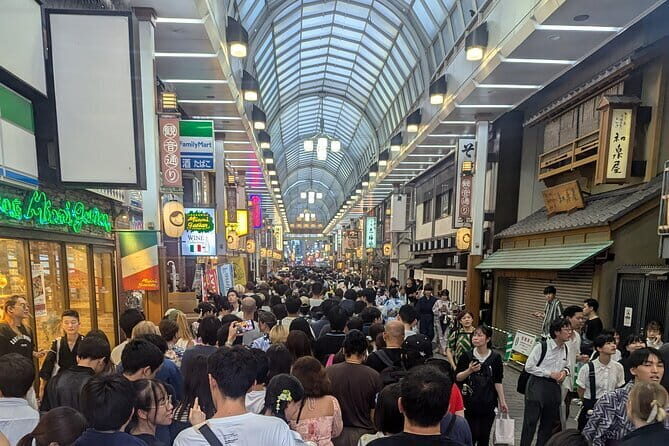
After Tsukiji, the tour heads to Ueno for another 1 hour 30 minutes. Ueno is where Tokyo slows down a bit without losing its buzz. You’ll explore a park area, historic temples, and the lively post-war shopping street known as Ameya-Yokocho.
This is a great stop if you like variety. Market streets tend to be more than souvenirs. You’ll likely see plenty of food stalls and everyday goods, plus the chance to snack and wander at your own pace within the guided framework.
Why I like this stop for first-timers: it gives you context. Tsukiji teaches food culture, and Ueno shows how that culture lives alongside temples and everyday city life. It’s a reminder that Tokyo isn’t just landmarks—it’s daily routines.
The possible consideration is comfort and pace. You’ll be walking, and Ueno’s market lanes can be crowded. If you get tired easily, plan for a slower rhythm and choose one or two things to focus on rather than trying to cover everything.





Asakusa and Senso-ji: Edo-Era Atmosphere You Can Walk Through
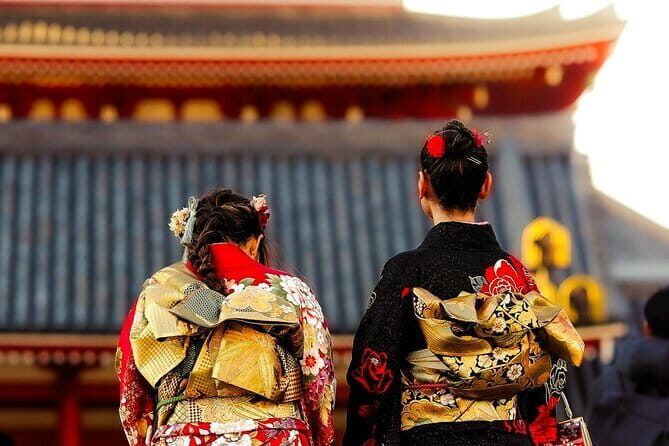
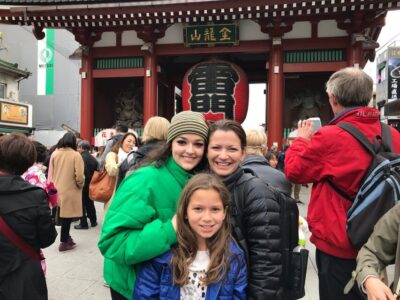
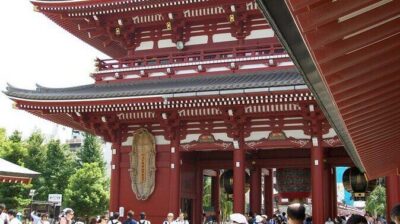
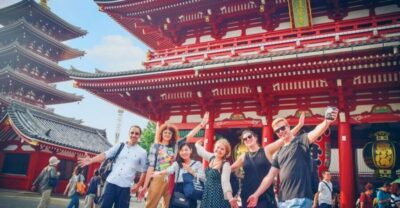
Asakusa is the “old Tokyo” highlight, and it lands right where it should: around Senso-ji, Tokyo’s oldest and most famous temple. You’ll spend another 1 hour 30 minutes here, and the visit connects temple sights with the shopping street experience on Nakamise Street.
This stop is ideal if you want Tokyo’s tradition without feeling like you’re stuck inside a museum. You walk through Edo-era atmosphere while also seeing the practical side—where people buy snacks, souvenirs, and small gifts that fit the moment.
It’s also a good place to ask questions. When you see a place like Senso-ji, it’s natural to wonder what you’re looking at, what rituals mean, and why things are set up the way they are. A private guide helps you avoid the “I saw it, but I don’t really know what it means” feeling.
The one watch-out: Asakusa can be busy, especially around major temple entrances and shopping lanes. Going with a guide helps you keep moving and prevents time from vanishing into crowd gaps.
Akihabara: Anime, Gaming, and Tech Culture With a Real Scouting Feel
The final stop is Akihabara, the neon world of anime, gaming, and tech shopping. You get 1 hour 30 minutes, which is just enough time to see the “big picture” and still have space to explore the details that catch your eye.
Akihabara is where the tour shifts from heritage to future-facing pop culture. You’ll browse multi-story arcades, look for retro gaming shops, and step into themed cafés. That combo is a big part of why this tour has a strong name: it doesn’t treat Akihabara like a single photo stop—it treats it like a neighborhood you can actually experience.
What I like about ending here: the day’s contrasts become meaningful. You finish after Tsukiji, Ueno, and Asakusa, so Akihabara doesn’t feel random. It feels like Tokyo’s modern identity, shown through the places people actually play, shop, and hang out.
A consideration: if you’re not into anime or games, Akihabara might feel more like electronics shopping than a must-see. Still, the neighborhood’s energy is part of the experience, and your guide can help steer you toward what matches your interests.
Price and Value: What $215 Buys You (and What It Doesn’t)
At $215 per person for about 6 hours, you’re paying for two things: private time with an English-speaking guide and an efficient route that covers four major neighborhoods. In Tokyo, saving time is not a small perk. Each area you visit is far enough that a DIY day can get messy fast—especially if you’re trying to fit everything in around transit and crowds.
This tour also includes pickup and a planned schedule, which reduces the stress tax. It’s one of those “you’ll feel the value” purchases because it removes decision fatigue: where to go next, which streets matter, and how to make sense of what you’re seeing.
What’s not included is also important for your budget:
- Public transportation fees are not included.
- Lunch for guests is not included.
- Attraction entry fees are not listed as included.
- There’s no private vehicle included.
The good news is that the stops themselves are structured so you can spend most of your time experiencing neighborhoods, not paying ticket after ticket.
My advice on value: if you’re a first-timer, this price makes more sense than it might for someone who already knows Tokyo and can navigate easily. For you, the guide is the multiplier.
How the Private Guide Changes Everything
The reviews point to a consistent theme: the guide doesn’t just point. He or she explains, and that’s the difference between seeing Tokyo and understanding Tokyo.
Past feedback highlights:
- The guide shares lots of interesting historical facts and personal experiences.
- The guide is friendly and efficient, which keeps the day moving without feeling rushed.
- In some cases, the guide has friendly relationships with shop owners, helping you navigate shops more smoothly.
That last point matters more than people think. In markets and shopping streets, the easiest way to waste time is to feel stuck—uncertain where to go, how to ask for things, or what’s worth your money. A guide who can handle that makes your day feel easier and more rewarding.
Also, since it’s private, you can ask unselfconsciously. If you’re curious about cultural rules, food etiquette, or what something means, you’re not performing for a group. You’re just learning.
Timing That Fits Real Life (Not Just a Perfect World)
This tour is designed as a single-day circuit, around 6 hours total. The stop lengths are balanced—1 hour 30 minutes each—so you don’t get stuck spending 4 hours in one area while the rest of Tokyo stays “later.”
You’ll also likely use a mix of walking and public transit. That’s normal for a day like this, but it’s worth planning for:
- Schedule this tour for a day when you don’t need to rush elsewhere right after.
- Bring water and a small snack plan.
- Wear shoes you can handle for hours.
If you’re traveling as a family or as a group who wants structure, private also helps. Everyone moves together, but you can still pause when someone spots something interesting.
Who This Tour Suits Best
This one fits best if you want:
- A first taste of Tokyo that covers tradition and modern culture in one day.
- A guided day that reduces guesswork and helps you choose what to look at.
- A private setup where you can ask questions and keep moving at a comfortable pace.
It might be less ideal if you want a slow, independent exploration style with lots of downtime between sights. This is efficient by design. You’ll be walking and moving through neighborhoods, not lingering in one place for hours.
Should You Book This Private Tokyo Essentials Tour?
I’d book it if you’re short on time and you want your day to feel organized. The structure makes Tokyo easier: pickup, a clear route, and an English-speaking guide who can explain what you’re seeing. Ending in Akihabara also gives you a fun payoff that you can’t easily recreate with a random self-guided itinerary.
Skip it (or at least think twice) if you already have a solid plan for navigating Tokyo and you prefer to wander without guidance. Also, if long walking days are tough for you, the itinerary pace could feel like a lot.
If you’re the kind of traveler who likes street markets, temple neighborhoods, and pop-culture shopping, this tour hits the sweet spot fast.
FAQ
FAQ
How long is the Tokyo Essentials Tour?
It runs for about 6 hours.
What neighborhoods and stops are included?
The tour includes Tsukiji Fish Market, Ueno, Asakusa (including Senso-ji), and Akihabara.
Is there hotel pickup?
Yes. Pickup is offered from your location, such as your hotel, Airbnb, or another meeting point.
What time does the tour start?
You can choose a start time with departures flexible from 9AM to 11AM.
Is this a private tour?
Yes. It’s private, meaning only your group participates.
Do I need to speak Japanese?
No. The tour includes a fluent English-speaking guide.
How much walking is involved?
It’s described as a 6-hour walking tour, and it may also involve using public transit.
Is admission included for the stops?
The tour notes admission ticket free for the listed stops, but attraction entry fees are listed as not included overall.
What is not included in the price?
Public transportation fees, attraction entry fees, private vehicle, and lunch for guests are not included.
Is there free cancellation?
Yes. You can cancel up to 24 hours in advance for a full refund.
Just Your Group: Private Options



More Tours in Tokyo

More Tour Reviews in Tokyo



Fresh reviews from around Tokyo






Private, compared.
 ★ 5.0Tokyo 6hr Private Tour with Government-Licensed GuideFrom $1553,902 reviews
 ★ 5.0Private Tour to Mt. Fuji and Hakone (Fully Licenced Operator)From $4971,910 reviews
 ★ 5.0Tokyo Customized Private Tour (Must See Places in 1 Day)From $1451,499 reviews
 ★ 4.9Mount Fuji Full-Day Private Tour from Tokyo (Customizable)From $3931,470 reviews
 ★ 4.8Private City Highlights Tour with Local GuideFrom $1061,433 reviews
 ★ 5.0Private Custom Tour: Tokyo in a DayFrom $1591,432 reviews
 ★ 5.0Tokyo 4hr Private Tour with Government-Licensed GuideFrom $1091,394 reviews
 ★ 5.0Tokyo Customized Private Tour: See Top Attractions in 1 DayFrom $1451,351 reviews